Key Takeaways
- The Most Successful Companies Ever Featured on Shark Tank: Bombas and Scrub Daddy are among the strongest commercial success stories from Shark Tank.
- Ring proves that a company can become extremely valuable even after receiving no Shark investment.
- Cousins Maine Lobster shows the power of franchising and a repeatable business model.
- Squatty Potty demonstrates how memorable marketing can transform an ordinary product.
- The Comfy, Simply Fit Board, and Tipsy Elves show the importance of products that are easy to understand and demonstrate.
- The biggest lesson is that a Shark Tank deal is a starting point, not a guarantee of success.
- Founders need a useful product, strong branding, reliable operations, and a clear understanding of their customers.
Quick Answer
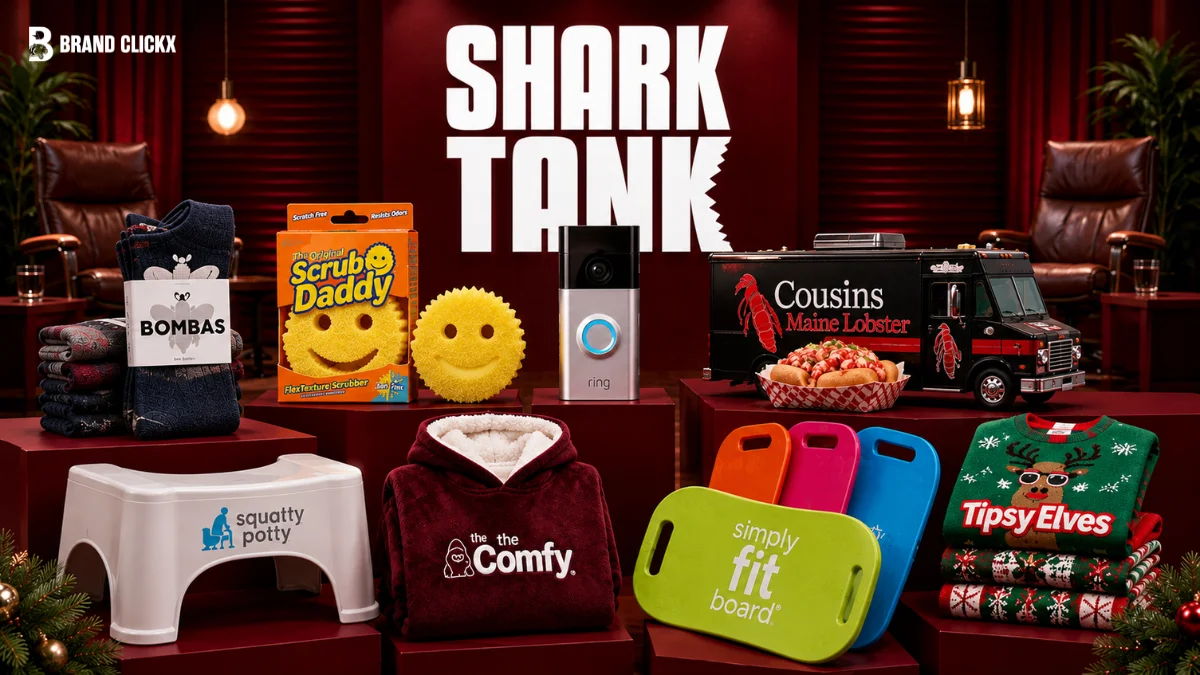
Some of the most successful companies ever featured on Shark Tank include Bombas, Scrub Daddy, Ring, Cousins Maine Lobster, Squatty Potty, The Comfy, Simply Fit Board, and Tipsy Elves.
Bombas and Scrub Daddy are among the show’s biggest commercial success stories. Ring is especially unusual because the Sharks rejected founder Jamie Siminoff, yet Amazon later acquired the company for more than $1 billion.
What Makes a Shark Tank Company Successful?
A great Shark Tank company usually combines a simple product with a clear customer problem. However, appearing on television does not automatically create a lasting business.
Successful founders also need strong operations, reliable products, smart marketing, and the ability to handle a sudden increase in demand. Those are the same entrepreneurial skills that separate durable companies from short-lived ones in any industry.
In many cases, the Shark provides more than money. A well-connected investor can open retail doors, improve branding, provide operational advice, or help a company reach a much larger audience.
The stories below show several different paths to success.
1. Bombas

Bombas is widely regarded as one of the biggest success stories in Shark Tank history. The company was founded by David Heath and Randy Goldberg after they learned that socks were among the most requested items by people experiencing homelessness.
The founders created a comfort-focused sock company built around a simple giving model. For every qualifying item purchased, Bombas provides an item through its giving network. That structure is one of the clearest consumer examples of a purpose-driven business model. The company later expanded beyond socks into underwear, T-shirts, slippers, and other comfort products.
Bombas appeared on Shark Tank in 2014 and secured an investment from Daymond John. According to Bombas, orders surged after its appearance on the show. Co-founder David Heath told CNBC that the company did $1.2 million in sales in the two months after the episode aired and sold out of inventory entirely.
Recent reports have placed Bombas’ lifetime sales above $2 billion, although exact private-company figures can vary by source and reporting period. Forbes reported the company had passed $1 billion in lifetime sales by 2024, making it the top-selling product in the show’s history.
| Company | Bombas |
| Shark | Daymond John |
| Known for | Socks and comfort apparel |
| Shark Tank result | Deal |
| Terms | $200,000 investment for reported 17.5% |
| Major strength | Social mission + product quality |
Why Bombas Worked
Bombas made an ordinary product feel different. It combined comfort, thoughtful design, and a social mission that customers could understand immediately.
Just as importantly, the company did not stop with its original product. Expanding into additional everyday clothing helped turn a sock brand into a broader apparel business a pattern common to most billion-dollar DTC brands.
2. Scrub Daddy
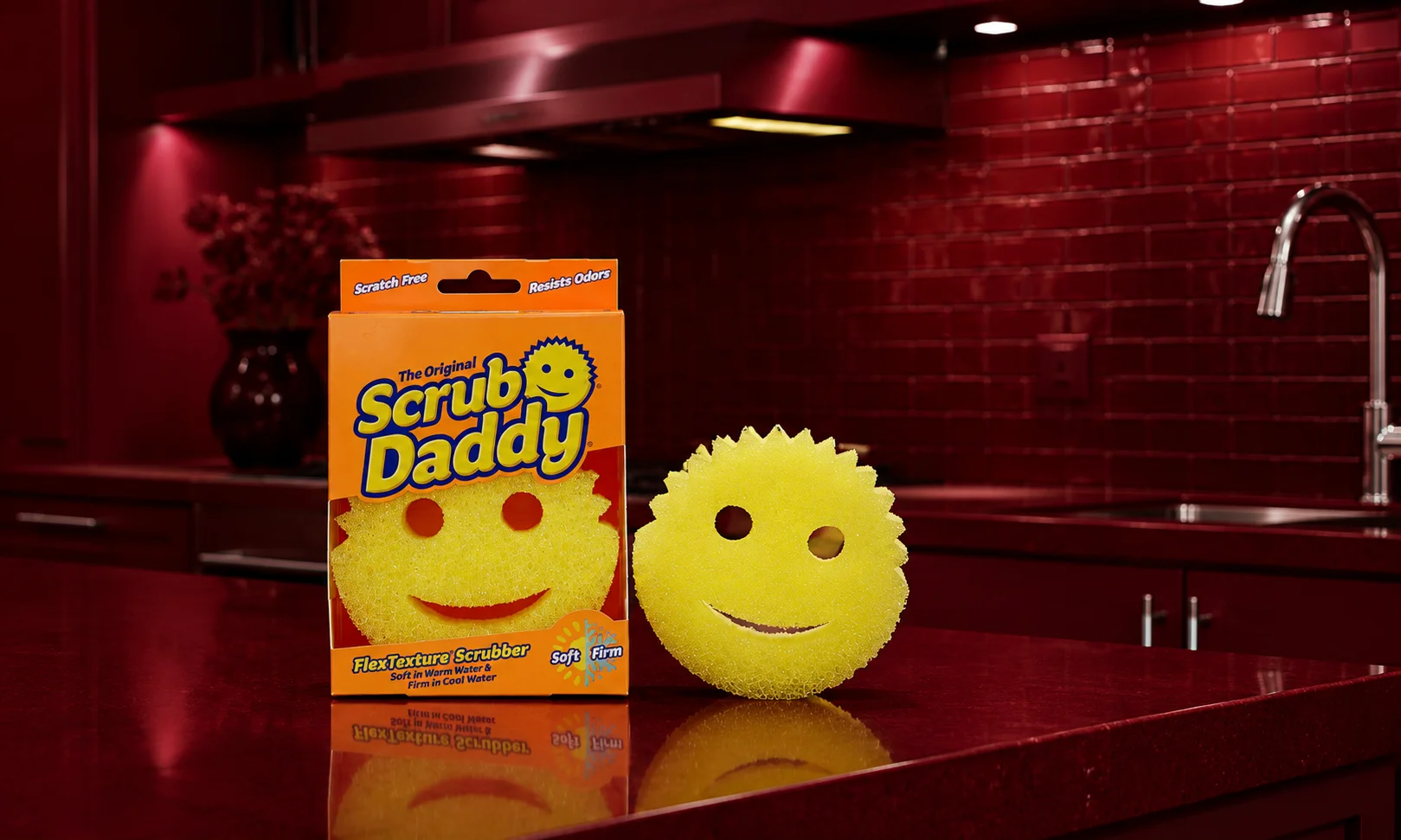
Scrub Daddy may be the most recognizable product to come out of Shark Tank. Aaron Krause’s smile-shaped sponge became a breakout success after Lori Greiner invested in the company.
The product’s key feature is its FlexTexture material, which changes texture depending on water temperature. It becomes firmer in cold water and softer in warm water, giving customers different cleaning characteristics.
Greiner originally invested $200,000 for 20% of the company. Years later, Scrub Daddy had expanded into a much larger cleaning brand with products sold through major retailers and internationally. Reuters reported that the company generated more than $220 million in revenue in 2023 and had expanded its range to roughly 160 products.
Lori Greiner has repeatedly described Scrub Daddy as one of her most successful Shark Tank investments, and it sits at the top of the portfolio listed on her own site.
Why Scrub Daddy Worked
The product is easy to demonstrate, easy to recognize, and solves a familiar household problem.
That combination is powerful on television. Viewers can understand what the product does within seconds, which makes it naturally suited to a show built around product demonstrations — and to the kind of visual content that travels well on social platforms afterward.
3. Ring

Ring is one of the most fascinating Shark Tank success stories because the Sharks originally passed on it.
Jamie Siminoff appeared on the show with Doorbot, the early version of what became Ring. The product connected a video doorbell camera to a smartphone, allowing users to see and communicate with people at their door.
The pitch did not result in a deal. However, the television exposure still helped generate attention for the company. Siminoff has since described the rejection as a turning point rather than an ending in an interview with Entrepreneur.
Ring continued growing after the show and was eventually acquired by Amazon in 2018 for a reported price of more than $1 billion. The deal put Ring alongside the rest of Amazon’s smart home lineup, in direct competition with Google’s rival ecosystem the same rivalry visible in any Google Nest versus Amazon Echo comparison.
Siminoff later returned to Shark Tank as a guest Shark, creating one of the show’s most memorable reversals.
The Lesson From Ring
Ring demonstrates that a rejected pitch is not necessarily a failed business.
The company ultimately built enough value outside the show to attract one of the world’s largest technology companies, and helped establish the category that now includes most smart security cameras. In other words, the Sharks’ decision was only one moment in Ring’s much longer journey.
4. Cousins Maine Lobster

Cousins Maine Lobster started with a simple idea: bring authentic Maine lobster to customers through a food truck.
Founders Sabin Lomac and Jim Tselikis appeared on Shark Tank and received an investment from Barbara Corcoran. The business later developed into a much larger franchise operation.
Recent reports have put the company’s cumulative systemwide sales at more than $1 billion, although this figure refers to the broader franchise system rather than simply the company’s own annual revenue. The company announced the milestone in June 2025, noting it had grown to more than 85 units across 30-plus states. Local reporting in Maine confirmed Corcoran’s original $55,000 investment for 15% of the company.
Why Cousins Maine Lobster Stands Out
Unlike many Shark Tank products that depend heavily on online sales, Cousins Maine Lobster built its growth around food trucks, restaurants, franchising, and a recognizable food brand supported by restaurant marketing in each new market it enters.
It shows how a local concept can become a scalable business when the operating model can be repeated in different markets — which also means getting the local search fundamentals right city by city.
5. Squatty Potty

Squatty Potty became one of the show’s most memorable brands by turning a bathroom product into a viral marketing success.
The company’s footstool is designed to change the user’s posture while using the toilet. Its simple product idea was supported by humorous advertising that made the brand highly shareable a textbook case of how viral content can outperform a much larger conventional ad budget.
Lori Greiner invested in the company after its Shark Tank appearance. The brand went on to generate substantial sales and became one of the best-known products associated with the show. Earlier reported figures placed lifetime sales well into the hundreds of millions, and the company was acquired by consumer products firm Aterian in 2021.
Why Squatty Potty Worked
The product solved a specific problem, but the marketing made people remember it.
That is an important distinction. A useful product can sell, but a useful product with memorable campaign work has a better chance of becoming a recognizable consumer brand.
6. The Comfy

The Comfy took an extremely simple idea and turned it into a major comfortwear business.
The oversized wearable blanket became popular because it was easy to understand and visually distinctive. Barbara Corcoran invested in the company after its Shark Tank appearance.
The brand later reported hundreds of millions of dollars in sales, making it one of the show’s notable apparel successes. However, reported figures can differ depending on whether they refer to retail sales, company revenue, or lifetime sales.
What Founders Can Learn
The Comfy shows why products that create an immediate visual reaction can perform particularly well on television and social media.
Customers did not need a long explanation. They could see the product and immediately understand how it worked.
7. Simply Fit Board

Simply Fit Board turned a basic fitness concept into a widely recognized consumer product.
The balance board was designed to make exercise more engaging while using a relatively simple piece of equipment, tapping into the same demand that drives interest in at-home workouts. Lori Greiner invested after its appearance on Shark Tank.
The company went on to report very large sales, with historical estimates placing its lifetime sales in the hundreds of millions. It became one of the strongest fitness products associated with the show.
Why It Became Popular
The product was easy to demonstrate and easy for viewers to imagine using at home.
Furthermore, its television exposure helped transform a relatively unknown fitness product into something customers could recognize in stores and online.
8. Tipsy Elves

Tipsy Elves built its brand around colorful and humorous clothing, especially holiday apparel.
The company appeared on Shark Tank and received an investment from Robert Herjavec. Its unusual designs helped it stand apart from ordinary seasonal clothing.
Historical reports have placed the company’s sales well into the nine-figure range, making it one of the strongest apparel companies connected to the show.
What Made Tipsy Elves Different?
The company understood that customers were not simply buying clothing. They were buying something designed for parties, celebrations, jokes, and social occasions.
That emotional element helped the brand create products that were naturally suited to sharing and gift giving, and it is a reminder of how much brand storytelling contributes to what a customer is actually paying for.
Shark Tank Success Stories Compared
| Company | Shark Tank outcome | Category | Major success factor |
|---|---|---|---|
| Bombas | Deal | Apparel | Mission and product quality |
| Scrub Daddy | Deal | Cleaning | Simple innovation |
| Ring | No deal | Technology | Category creation and scale |
| Cousins Maine Lobster | Deal | Food | Franchising |
| Squatty Potty | Deal | Bathroom | Product plus viral marketing |
| The Comfy | Deal | Apparel | Strong visual appeal |
| Simply Fit Board | Deal | Fitness | Easy demonstration |
| Tipsy Elves | Deal | Apparel | Memorable designs |
Companies That Became Successful Without a Shark Deal
One of the biggest misconceptions about Shark Tank is that a company needs a Shark to become successful.
Ring is the clearest example. The Sharks passed, yet Amazon later acquired the business for more than $1 billion.
Kodiak Cakes is another frequently mentioned example. The pancake and breakfast brand appeared on the show without reaching a deal and later became a major retail brand.
This matters because investment is only one part of entrepreneurship. A founder can also grow through customers, retail partnerships, outside investors, reinvestment, or strategic acquisitions — the same routes that built many of the businesses behind the world’s biggest fortunes.
What the Most Successful Shark Tank Companies Have in Common
They Solve an Easy-to-Understand Problem
The strongest products usually answer a simple question: what problem does this solve?
Scrub Daddy makes cleaning easier. Ring helps people monitor their front doors. Bombas focuses on comfort while connecting purchases with donations.
They Have Memorable Branding
A good product can be forgotten. A good product with strong brand marketing is harder to ignore.
The smiling Scrub Daddy, the recognizable Bombas bee, and the humorous Tipsy Elves designs all show how visual identity can support long-term growth, much like the brands that changed marketing in earlier eras.
They Know Their Customers
Successful founders understand who will buy their product and why. That understanding is the starting point of every marketing fundamental that follows.
Rather than trying to appeal to everyone, they create products and marketing that fit a specific customer need or lifestyle.
They Can Scale
A product may sell well at a small level but fail when demand increases.
The strongest companies build manufacturing, distribution, customer service, staffing, and marketing systems that can handle growth. Delivery and logistics infrastructure in particular tends to become a brand-reputation issue the moment volume spikes.
They Use Exposure Wisely
A Shark Tank appearance can create a huge burst of attention. However, attention only becomes lasting success when a company can convert viewers into customers, which usually comes down to unglamorous work like high-converting landing pages and checkout flows that hold up under a traffic spike.
Bombas, Scrub Daddy, and others used television exposure as a launchpad rather than treating the appearance as the finish line.
Common Mistakes Entrepreneurs Should Avoid
One common mistake is assuming that a television appearance guarantees success. It does not.
Another is focusing only on the deal and ignoring the business fundamentals behind it. A founder still needs healthy margins, dependable supply chains, good customer service, and a product people genuinely want.
It is also risky to rely entirely on one sales channel. Successful brands often diversify through websites, retail stores, marketplaces, franchises, or new product categories, and a considered e-commerce launch strategy makes that expansion far less chaotic.
Finally, founders should be careful with reported sales numbers. Private businesses do not always publish complete financial statements, so figures found online may represent different things.
Frequently Asked Questions
What is the most successful Shark Tank company?
Bombas is widely cited as one of the most commercially successful companies from Shark Tank, with recent reports placing its lifetime sales above $2 billion. Because Bombas is privately held, exact figures can vary by reporting source and period.
What is Shark Tank’s biggest success story that did not get a deal?
Ring is the standout example. The Sharks did not invest when Jamie Siminoff pitched the company, but Amazon later acquired Ring for more than $1 billion.
Which Shark has made the most successful investments?
Different Sharks have different standout investments. Lori Greiner is strongly associated with Scrub Daddy, Daymond John with Bombas, Barbara Corcoran with Cousins Maine Lobster and The Comfy, and Robert Herjavec with Tipsy Elves.
Are Shark Tank sales figures always accurate?
Not necessarily. Many companies featured on the show are private, meaning complete financial information may not be publicly available. Also, lifetime sales, annual revenue, retail sales, and franchise systemwide sales are different measurements.
Does getting a Shark guarantee business success?
No. A Shark can provide money, connections, experience, and publicity, but the founder still has to build and operate the company successfully.
Conclusion
The most successful companies ever featured on Shark Tank did not all follow the same path. Some secured a deal and used a Shark’s experience to accelerate their growth. Others, such as Ring, were rejected and went on to achieve enormous success anyway.
Ultimately, the common thread is not the Shark. It is the business behind the pitch.
Bombas built a powerful mission around everyday clothing. Scrub Daddy transformed a simple cleaning product into a global brand. Ring created a new category in connected home security. Meanwhile, companies such as Cousins Maine Lobster and The Comfy showed how a straightforward idea can become a much larger business with the right strategy.
For readers exploring entrepreneurship, investing, branding, and business growth, these stories offer a useful reminder: great businesses are built around real customer needs, strong execution, and the ability to keep improving after the spotlight fades. If you are still at the idea stage, it is worth browsing practical small business ideas before worrying about investors.
For more business, brand, and entrepreneurship insights, BrandClickX can continue that conversation with practical ideas focused on how modern companies grow and compete.