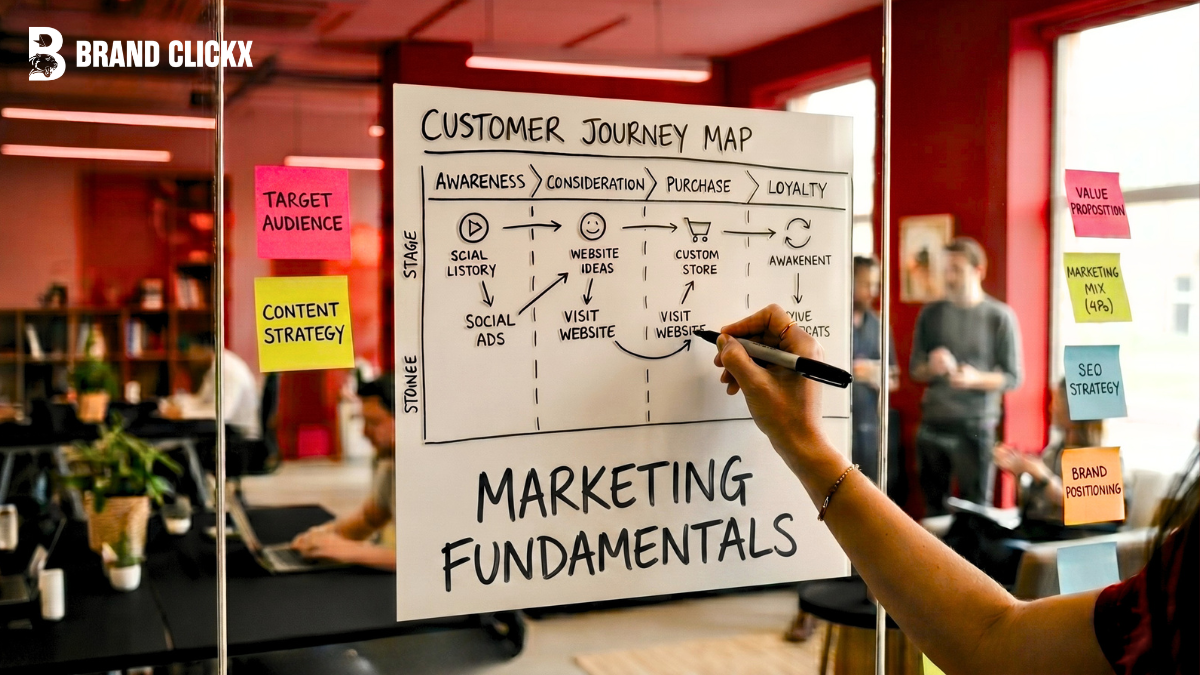
Marketing fundamentals are the durable principles a business uses to understand its customers, build something they value, communicate that value clearly, and turn attention into revenue. They include market research, the marketing mix, audience targeting, positioning, the customer journey, and measurement. The tools change every year. These principles do not.
Quick answer: Marketing fundamentals are the core, repeatable principles behind every successful campaign. They cover knowing your audience, shaping your offer with the marketing mix, positioning against competitors, guiding buyers through a journey, and measuring real outcomes. Strong fundamentals matter because human buying behavior stays steady even as platforms and algorithms shift.
Most marketing failures do not come from a weak ad or a bad headline. They come from skipping the basics. Teams launch campaigns before they decide who they are talking to or why anyone should care.
This guide fixes that gap with evidence, not opinion. Every major claim below is tied to research from sources such as McKinsey, Bain and Company, Harvard Business Review, the Content Marketing Institute, and Litmus, so you can trust the ground you are building on.
Key Takeaways
- Marketers who document their strategy are 414% more likely to report success, yet only about 17% fully document one, according to CoSchedule research. Strategy is the single biggest lever most teams ignore.
- The marketing mix gives you a planning checklist. The original 4 Ps came from E. Jerome McCarthy in 1960, and the 7 Ps added People, Process, and Physical Evidence through Booms and Bitner in 1981.
- Knowing your target audience comes first. Every other decision depends on it.
- Email still returns about $36 for every $1 spent, and content marketing generates roughly 3 times the leads at 62% lower cost than outbound, so owned channels remain the strongest base for most budgets.
- Keeping customers pays. A 5% lift in retention can raise profits by 25% to 95% (Bain and Company), and acquiring a new customer costs 5 to 25 times more than keeping one.
- Search is changing fast. Google AI Overviews now reach over 2 billion users a month, and a large share of searches end without a click, so visibility now means being cited inside AI answers, not just ranking blue links.
What Marketing Fundamentals Are, and Why They Outlast Every Trend
Think of marketing fundamentals the way a chef thinks about heat, salt, and timing. Once you understand those, you can cook almost any dish. Once you understand your audience, your offer, and your message, you can run almost any campaign on any platform.
At the center sits one goal: deliver real value to the right people, in the right place, at the right moment. Ad copy, subject lines, and bidding strategies are details stacked on top of that goal.
These ideas last because the reasons people buy barely move. Trust, status, convenience, fear of loss, and proof have driven purchases for a century. Tools come and go. The psychology stays. So a marketer who learns the fundamentals can pick up a new channel in weeks, while a tactics-only marketer starts from zero every time a platform shifts.
Why Fundamentals Beat Tactics: The Evidence
It is tempting to chase whatever is new. A platform spikes, everyone rushes in, and budgets follow. Most of those bets disappoint because the team skipped the basics that would have made the channel pay off.
The data is blunt on this point. CoSchedule surveyed more than 500 marketers and found that those who document their strategy are 414% more likely to report success, and that marketers who set clear goals see similar gains. Still, close to 40% of marketers report no documented strategy at all. That gap is your opportunity.
Strong fundamentals also lower cost. Demand Metric research, widely cited across the industry, shows that content marketing generates about three times the leads of outbound marketing while costing 62% less. The Content Marketing Institute reports a matching pattern: the B2B teams that succeed with content are far more likely to work from a documented strategy than the teams that struggle.
Here is the short version. Fundamentals prevent wasted spend, build consistency, scale cleanly, and survive change. They are not the boring part you rush past. They are the part that makes the exciting tactics actually work.
The Marketing Mix: From 4 Ps to 7 Ps
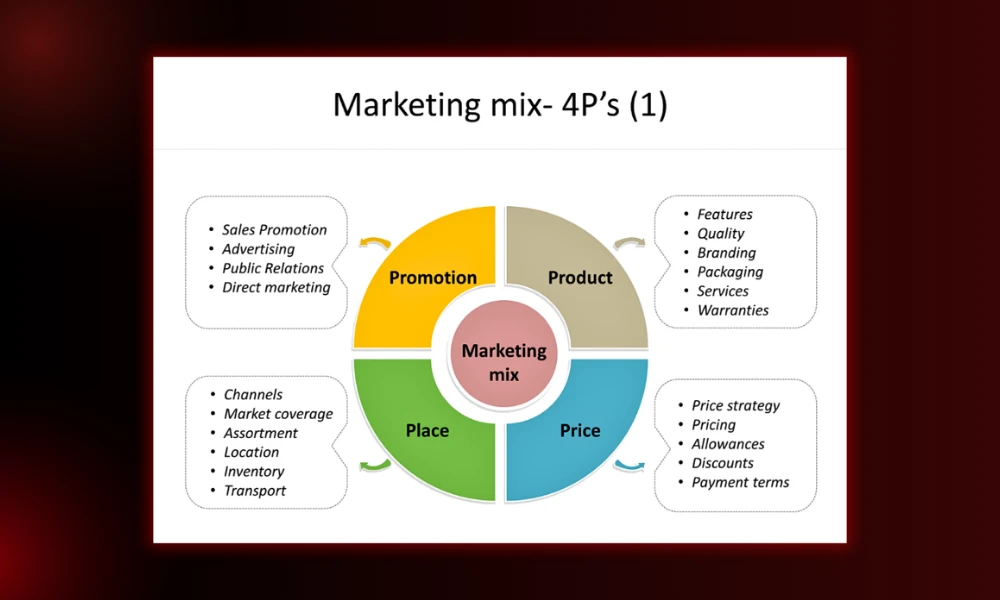
Quick answer: The marketing mix is the set of factors a business controls to shape demand. The classic version is the 4 Ps: Product, Price, Place, and Promotion. The modern version adds People, Process, and Physical Evidence to form the 7 Ps, which fit service and digital businesses.
The marketing mix is one of the most useful planning tools in the field, and it has a clear history. E. Jerome McCarthy introduced the 4 Ps in his 1960 book Basic Marketing: A Managerial Approach, built at a time when most businesses sold physical goods.
As the economy shifted toward services, Bernard Booms and Mary Jo Bitner added three more Ps in 1981 to capture how people, process, and proof shape a service experience.
Many teams also use the 4 Cs, introduced by Robert Lauterborn in 1990, which reframe the same ideas from the buyer’s side.
| The 4 Ps | The 4 Cs | What the customer is really asking |
| Product | Customer | Does this solve my problem? |
| Price | Cost | Is it worth my money, time, and effort? |
| Place | Convenience | How easily can I find, buy, and use it? |
| Promotion | Communication | Do they talk with me, or just at me? |
Both views earn their place. The Ps help you plan from the inside out. The Cs keep you honest about what the buyer feels.
The 7 Ps in Practice, With Real Examples
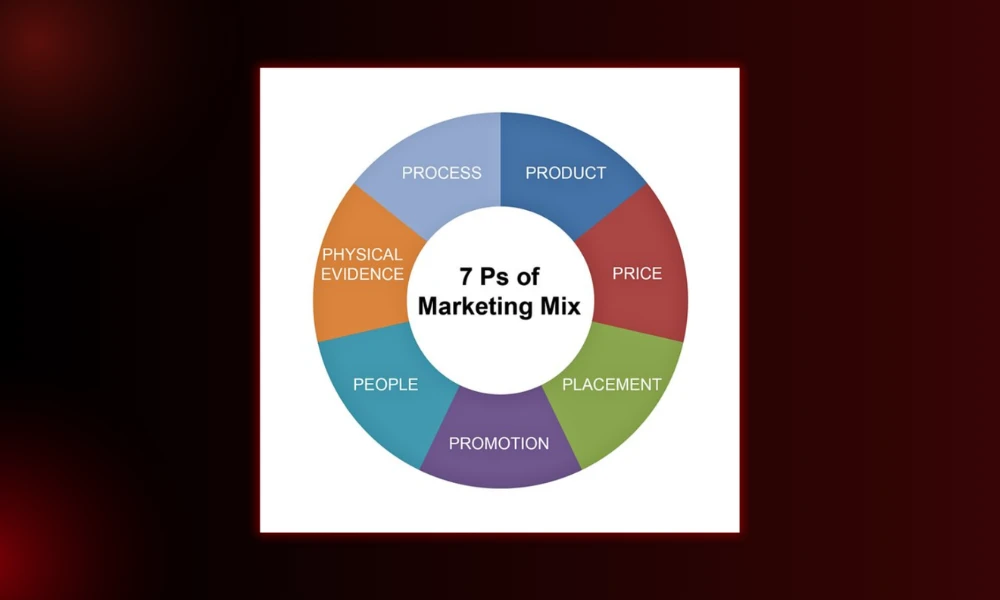
Quick answer: The 7 Ps of marketing are Product, Price, Place, Promotion, People, Process, and Physical Evidence. Together they form a complete checklist for planning and improving any offer.
| The P | Core question |
| Product | What are you selling, and what problem does it solve? |
| Price | What do you charge, and what does that signal? |
| Place | Where can buyers find and purchase it? |
| Promotion | How do people learn it exists? |
| People | Who interacts with your customers? |
| Process | How smooth is the full experience? |
| Physical Evidence | What proof shows you are real and trustworthy? |
Product
Everything starts here. No clever promotion rescues an offer that fails a real need. Apple is the clearest case. The company designs around how a device feels to use, from the packaging to the first power-on, so quality is felt before a single feature is read. The practical move is simple: tie every feature to a clear customer outcome, and collect feedback from real use, not assumptions.
Price
Price drives both profit and perception. Set it too high without proof, and buyers walk. Set it too low, and you can quietly damage how people judge your quality. Luxury watchmakers rarely discount because the stable, premium price is part of the appeal. The lesson for everyone else: match price to your positioning, and test with limited offers rather than permanent cuts that train buyers to wait.
Place
Even a great product fails if people cannot reach it easily. Coca-Cola built much of its scale on availability, aiming to stay within arm’s reach of desire across shops, machines, and restaurants worldwide. Online, convenience decides even faster, since a competitor is always one click away. Sell where your customers already shop, and strip friction out of the checkout.
Promotion
Promotion connects your value to the people who need it. Nike rarely sells shoe specs. It sells belief and effort, and the product rides along with the feeling. Match the channel to where your audience spends time, lead with benefit and emotion, then support with proof. Spreading thin across many channels at once is the most common waste here.
People
In service businesses, the people often are the product. One helpful interaction can win a customer for life, and one rude one can cost you ten through word of mouth. Train your team to solve problems, not just follow scripts, and treat support as a growth driver rather than a cost to cut.
Process
Process is how a customer experiences your service from first contact to delivery and follow-up. A smooth process builds trust and saves time. Same-day delivery brands win loyalty on process alone, since the speed feels remarkable even when the product is ordinary. Map the full journey, remove friction at each step, and keep buyers informed.
Physical Evidence
People cannot touch a digital service, so they hunt for signals of credibility. Strong evidence reduces doubt at the exact moment of decision. A software company that displays real reviews, named client logos, and detailed case studies reassures new buyers. Feature your social proof. Do not hide it.
Notice the pattern across Apple, Nike, and Coca-Cola. None is great at all seven Ps. Each wins by mastering a few with total discipline, then staying consistent for decades.
Market Research: Decisions Built on Facts, Not Guesses
Quick answer: Market research is the work of gathering information about customers, competitors, and your industry so you decide with evidence instead of instinct.
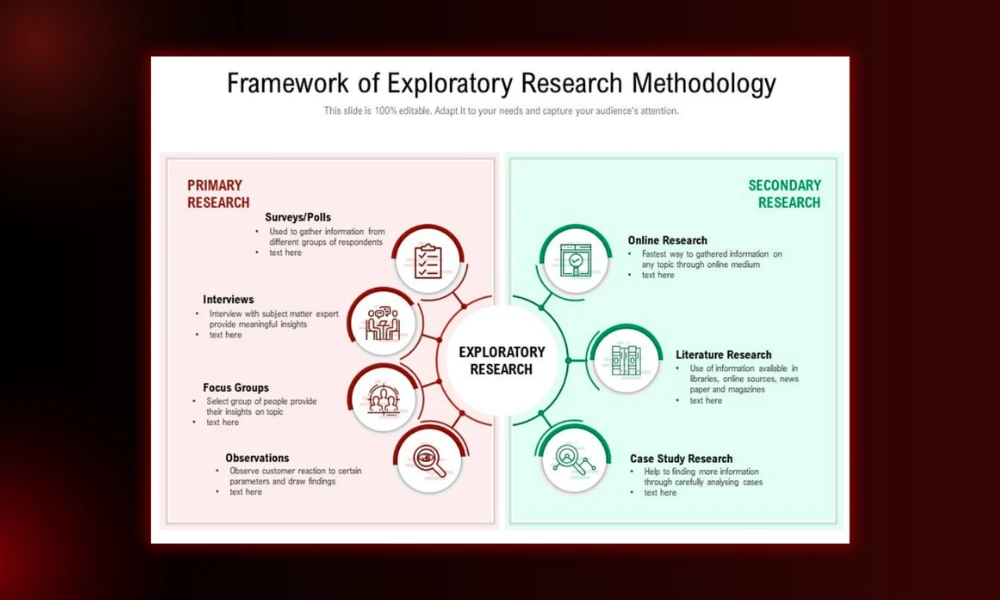
You can research two ways. Primary research means data you gather yourself through surveys, interviews, and direct conversations. Secondary research means data others collected, like industry reports and public studies.
| Research type | What it is | Examples |
| Primary | Data you collect yourself | Surveys, interviews, focus groups |
| Secondary | Data others collected | Reports, reviews, public studies |
Competitive analysis lives here too. Reading competitor reviews exposes unmet needs and recurring complaints faster than almost anything else.
You can research on a small budget by studying online communities where your audience gathers and by mining your own support tickets for patterns. Five honest customer conversations often reveal more than a stack of reports, so talk to real people early and often.
Consumer Psychology: Why People Actually Buy
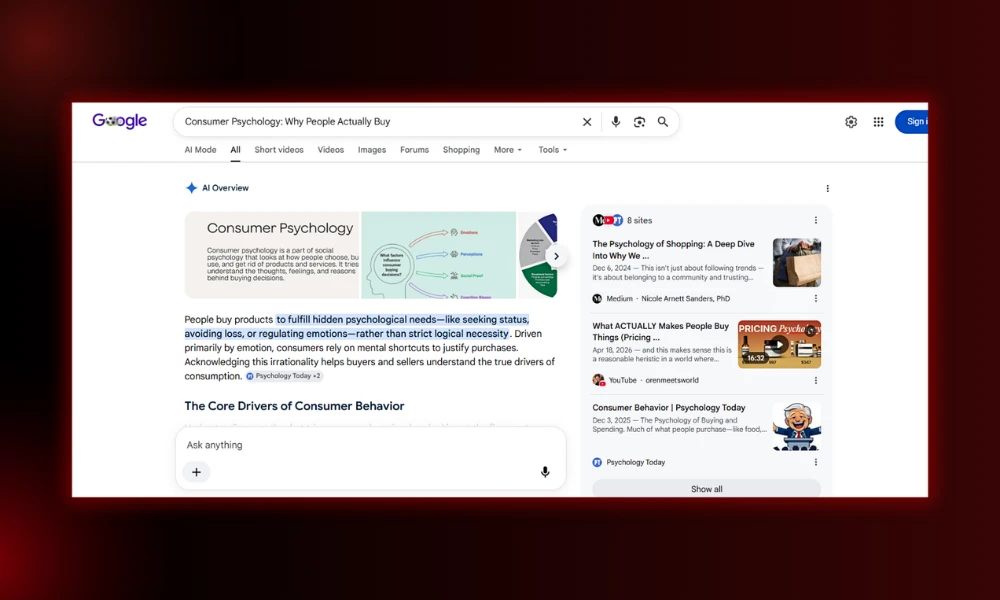
People rarely buy on logic alone. Emotion drives most decisions, and logic arrives afterward to justify them. A buyer might want status, safety, or belonging, then point to features as the official reason.
Robert Cialdini’s research on influence mapped the patterns that shape most purchases:
- Social proof: people trust what others already chose.
- Scarcity: limited supply or time raises urgency.
- Authority: expert backing increases confidence.
- Reciprocity: free value makes people want to give back.
- Consistency: small commitments lead to larger ones.
The practical takeaway is to watch what customers do, not only what they say. Actions reveal real motives. Map these triggers to honest messaging, and your marketing feels persuasive rather than pushy.
Target Audience and Buyer Personas

Quick answer: A target audience is the specific group most likely to buy from you. A buyer persona is a detailed, data-backed profile of your ideal customer that guides messaging, channels, and offers.
You cannot market well to everyone. Trying to reach everyone is the fastest way to reach no one. So define your audience first, then build a persona that includes:
- Demographics: age, location, income, job role, industry.
- Psychographics: values, fears, ambitions, decision triggers.
- Goals: what they want to achieve at work and in life.
- Pain points: the problems that keep them up at night.
- Buying behavior: how they research and which objections they raise.
This matters more than ever because buyers do most of their work alone. Research reported by Demand Gen Report found that B2B buyers move nearly 70% of the way through their journey before they ever contact a seller, and 80% of the time the buyer makes first contact.
If your content does not answer their questions during that solo research, you are not in the running when they finally reach out.
A simple example persona shows the value of specifics. “Marketing Manager Maria,” age 34, leads a five-person team and gets judged on lead quality, not raw traffic. She trusts peer reviews, distrusts vague claims, and her top objection is whether a tool will truly save her time. A message written for Maria lands harder than a message written for everyone.
Brand Positioning: Owning a Space in the Buyer’s Mind
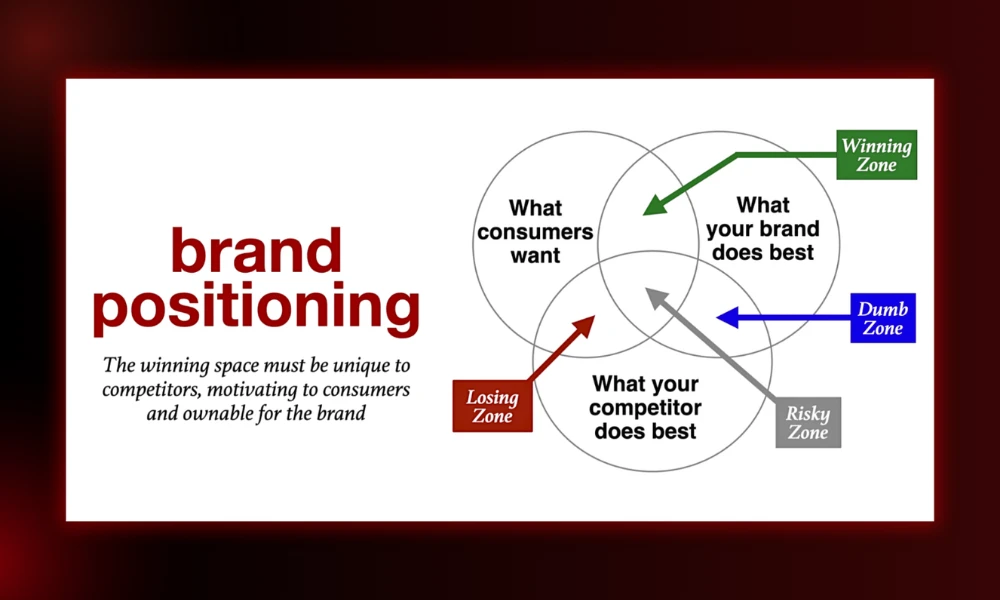
Positioning answers one blunt question: why should someone choose you over everyone else? Strong positioning is clear, specific, and different. Weak positioning sounds like every competitor in the category.
- Weak: “We offer high-quality marketing services.”
- Strong: “We help B2B software brands double organic traffic in six months without paid ads.”
The second one sticks because it names the audience, the outcome, and the method. Use this formula to build your own:
We help [target audience] achieve [specific outcome] through [unique method].
Find the overlap between what customers want, what you do best, and what competitors ignore. That gap is your position. Brand awareness then grows on top of it, because people can only remember you for something specific.
The Customer Journey and the Marketing Funnel
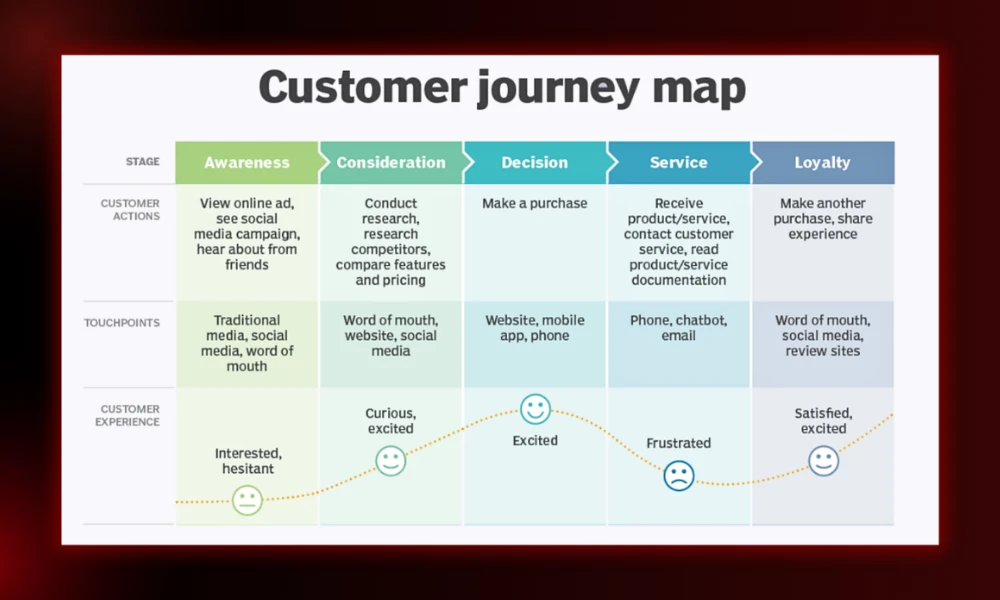
The customer journey is the full path from first hearing about you to becoming a loyal advocate. The funnel is the model that maps how strangers become customers, wide at the top and narrow at the bottom.
| Stage | What the customer does | Your goal |
| Awareness | Notices a problem, starts searching | Educate and attract |
| Consideration | Compares possible solutions | Build trust and prove value |
| Decision | Chooses and buys | Remove doubt, make buying easy |
| Service | Uses the product | Deliver value and support |
| Advocacy | Recommends you to others | Reward and encourage sharing |
The classic shorthand for the early stages is the AIDA model, attributed to advertising pioneer E. St. Elmo Lewis around 1898: Attention, Interest, Desire, Action. It still describes how a buyer warms up.
Here is the catch most guides miss. The modern journey is rarely a straight line. A buyer might find you on social media, read reviews on a forum, ask an AI tool for a comparison, sit on the choice for weeks, then buy after an email reminder. Your job is to stay present and consistent across every touchpoint, since you cannot control the order people move through them.
The most underpriced stage is retention. Bain and Company research, shared widely through Harvard Business Review, found that raising customer retention by just 5% can lift profits by 25% to 95%. The same body of work shows acquiring a new customer costs 5 to 25 times more than keeping an existing one.
Bain’s own loyalty research traces the effect to a simple truth: loyal customers buy more often, cost less to serve, and refer others. Yet most budgets still pour into acquisition and starve retention.
Digital Marketing Fundamentals, With Real Returns
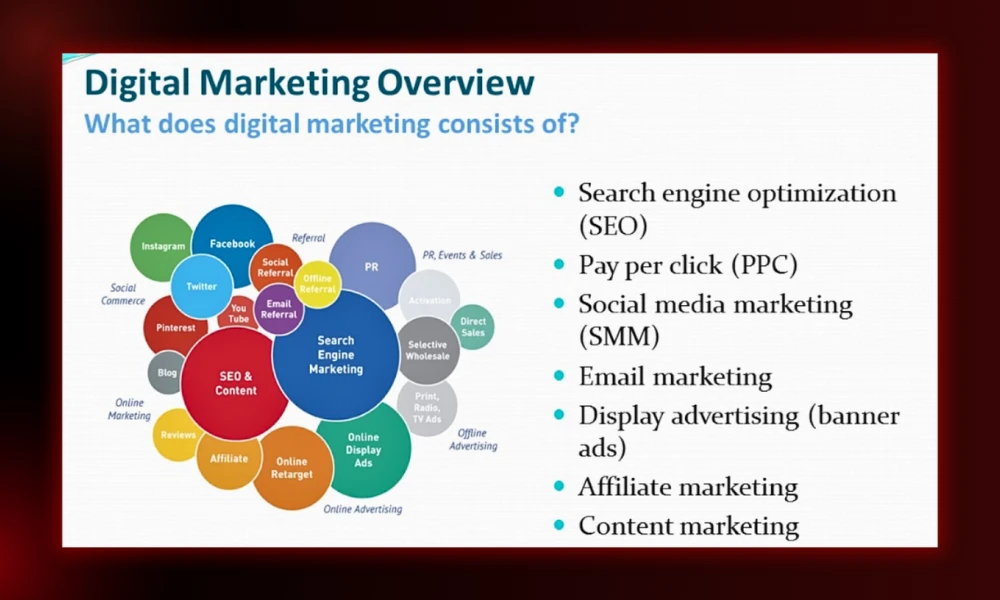
Quick answer: Digital marketing fundamentals are the online channels and skills used to reach customers, including SEO, content marketing, email, social media, influencer marketing, and paid advertising. The principles match traditional marketing. The tools are digital and measurable.
The big advantage of digital is measurement. You can see what works and adjust quickly. Here are the core channels, with the evidence behind each.
SEO
SEO helps your pages appear when people search for answers. It drives free, compounding traffic, but it takes months to build. Focus on helpful content, fast pages, clear site structure, and mentions from other trusted sites. Search itself is shifting, which raises the stakes on quality. More on that below.
Content Marketing
Content builds trust and pulls in organic traffic by answering real questions. The economics are strong: content marketing generates about three times the leads of outbound at roughly 62% lower cost, per Demand Metric. Depth and helpfulness beat volume. Filling a calendar with thin posts wastes the budget.
Email Marketing
Email is the channel you own, with no algorithm between you and your list. It also returns the most. Litmus reports an average return of about $36 for every $1 spent, rising near $45 in retail and ecommerce. A healthy, permission-based list is one of the most valuable assets a business can build.
Social Media Marketing
Social builds awareness and community where your audience already spends time. Pick the platforms that fit your business and content style, then post consistently. Saves and shares signal more value than raw follower counts.
Influencer Marketing
Influencer marketing borrows trust from creators your audience already follows. A recommendation from a credible voice can drive fast awareness and sales. Choose partners whose audience genuinely matches yours, and value fit over follower numbers.
Paid Advertising
Paid ads buy attention quickly through platforms like Google and Meta. They are excellent for testing offers and scaling what already works. The catch is that traffic stops the moment you stop paying, so balance paid reach with organic channels that compound.
A note on mobile that too many sites ignore: mobile now drives more than 60% of web traffic, and Google research shows over half of mobile visits get abandoned when a page takes longer than three seconds to load. A slow mobile site quietly loses customers before they ever see your offer.
The Measurement Layer: Track Outcomes, Not Vanity
Marketing is a loop. You test, you learn, you refine. The teams that win measure the right things.
Watch leads, qualified leads, conversion rate, customer acquisition cost, and customer lifetime value, not just traffic and impressions. A weak goal sounds like “get more traffic.” A SMART goal sounds like “raise organic traffic from 5,000 to 15,000 monthly visits by Q4 by publishing 24 buyer-intent articles.” The difference is what makes a strategy measurable instead of hopeful.
Set the goal, define the metric, then review on a rhythm: check weekly, review monthly, adjust quarterly.
Fundamentals for Small Businesses and Startups
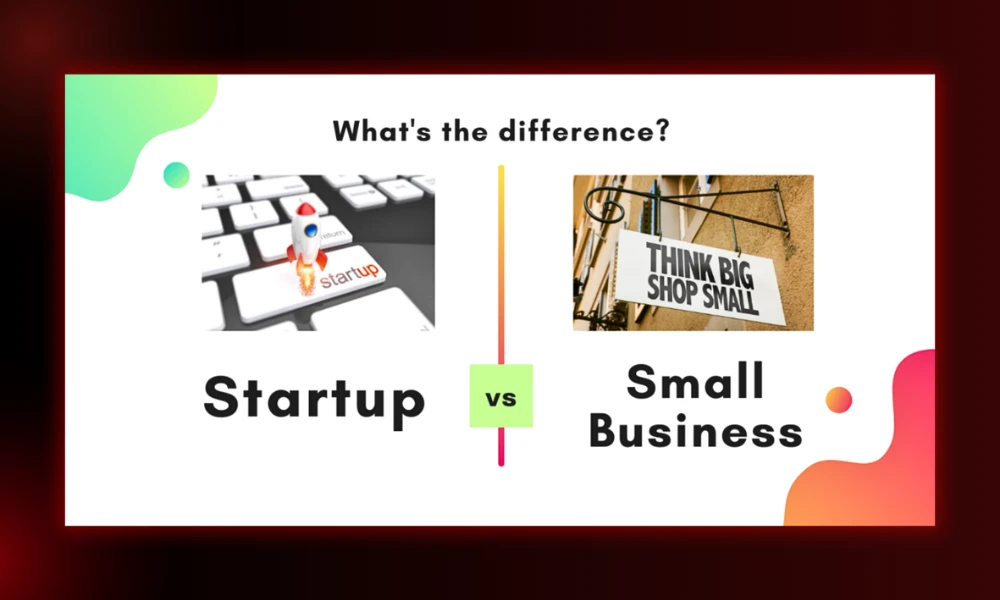
Tight budgets make fundamentals more important, not less. There is no room to waste money on unclear messaging or the wrong channel.
For small businesses, the moves that work are local and specific. Own a niche before chasing a wider market. Lean on low-cost channels first, since SEO, email, and organic social cost time more than money. Collect reviews, because social proof is free and powerful for local trust. Build relationships, since personal service is an advantage large brands cannot easily copy.
For startups, the challenge is speed and uncertainty. You are often selling something new to a market that does not fully understand it yet. So validate demand before scaling spend, talk to early users to shape both product and message, find one repeatable channel that works, and track unit economics from day one.
Focus is the startup’s real edge. Doing one channel well beats spreading across six.
How Marketing Is Changing Right Now
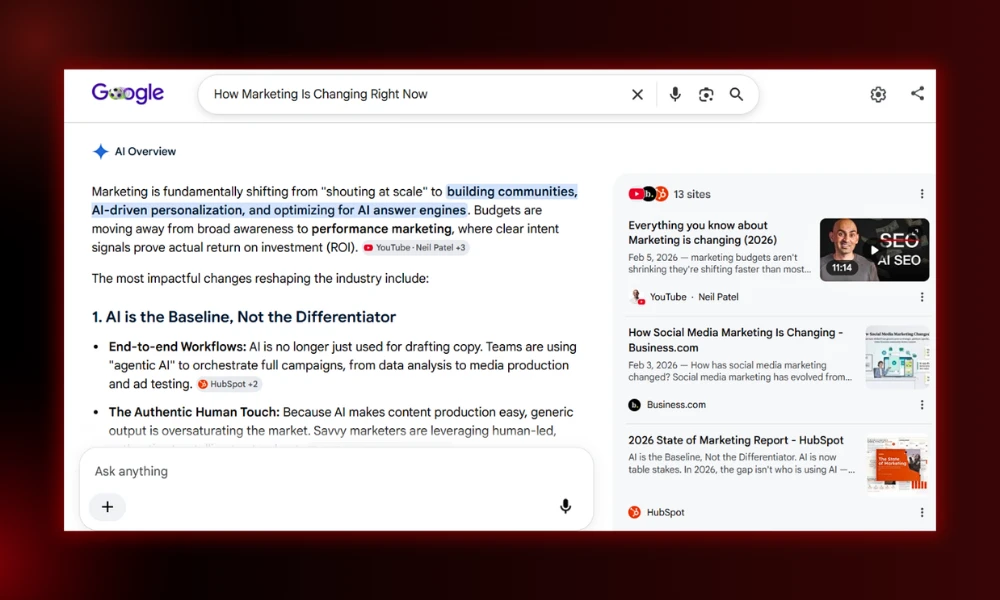
The fundamentals hold steady. The way you apply them keeps evolving. Four shifts deserve your attention.
Generative search and AI Overviews
Search is being rebuilt around AI answers. Google’s AI Overviews, the summaries that sit above traditional results, now reach more than 2 billion users a month across more than 200 countries, up from 1.5 billion in a single quarter.
A large and growing share of searches now end without any click, since people accept the AI answer on the page. Tools like ChatGPT, Gemini, and Perplexity add more answer surfaces.
The practical response is a discipline now called Generative Engine Optimization, or GEO. To stay visible, your content must be clear, factual, well structured, and easy for machines to quote. Lead with a direct answer, use logical headings, add original data and named sources, and write in plain language. Visibility now means being cited inside the answer, not only ranking below it.
Personalization
Customers expect relevance. McKinsey’s research, summarized in its Next in Personalization report, found that fast-growing companies earn 40% more of their revenue from personalization than slower-growing peers, that 71% of consumers expect personalized interactions, and that 76% get frustrated when they do not get them.
Smart, ethical use of first-party data lets you tailor messages without feeling intrusive.
Automation
Marketing automation handles repetitive work like email sequences, lead scoring, and follow-ups. This frees teams to spend more time on strategy and creative work, where humans still hold the edge.
Voice and conversational search
More people search by speaking, often in full questions. Writing in a natural, question-and-answer style helps you appear in voice results and assistant answers, which rewards the same clarity that GEO demands.
The lesson is steady. Adopt new tools, but anchor them to fundamentals. Technology changes the how. It never changes the why.
Common Marketing Mistakes, and What the Data Says
Even strong teams stumble. Watch for these traps.
- Targeting everyone. Speak to everyone, and you connect with no one. Specific messages win.
- Skipping strategy. With nearly 40% of marketers working without a documented plan, jumping straight to tactics scatters spend.
- Ignoring retention. Acquisition gets the budget while retention gets ignored, even though a 5% retention lift can raise profits by 25% to 95%.
- Giving up too soon. SEO and content usually need three to six months to show real results. Most teams quit before the curve bends.
- Confusing branding with marketing. Branding is who you are. Marketing is how you reach people. You need both.
- Ignoring mobile. Over 60% of web traffic is mobile, so a slow or clumsy mobile site loses customers instantly.
- Treating AI as a shortcut. AI without human strategy and editing produces faster mediocrity, not better marketing. The data on clarity is clear: AI rewards the brands that already have strong fundamentals and exposes the ones that do not.
Build a Marketing Strategy, Step by Step
A strategy turns scattered fundamentals into one coordinated plan. Follow these steps, and end each with a real deliverable.
- Research your audience. Build at least one data-backed persona. Deliverable: a written persona.
- Define your value proposition. Write one sentence naming the audience, the outcome, and the method. Deliverable: a one-line positioning statement.
- Audit your marketing mix. Score all 7 Ps and find the weakest link. Deliverable: a 7 Ps scorecard.
- Choose two or three channels. Match them to your audience and your strengths. Deliverable: a channel plan.
- Set SMART goals. Make them specific, measurable, achievable, relevant, and time-bound. Deliverable: documented goals.
- Build a content plan. Map content to each stage of the journey. Deliverable: a 90-day content calendar.
- Launch and track. Install analytics, then measure leads and sales. Deliverable: a live dashboard.
- Review and improve. Check weekly, review monthly, adjust quarterly. Deliverable: a recurring review habit.
Real-World Examples, Mapped to the 7 Ps
Apple masters Product and Physical Evidence. Every detail, from packaging to store design, signals premium quality, so price feels secondary to the experience. Customers buy into a feeling of design and status, not just a phone.
Nike masters Promotion and positioning. Its marketing sells identity and motivation rather than specs. By tying its shoes to ambition, Nike built one of the most recognized brands on earth, and the product became proof of a mindset the buyer already wanted.
Coca-Cola masters Place and consistency. The brand made itself available almost everywhere while holding a steady identity for more than a century. That mix of constant availability and instant recognition is brutally hard to match.
The shared lesson stands out. None of these brands tries to win every P. Each one masters a few fundamentals with discipline, then stays consistent for decades.
Marketing Fundamentals Checklist
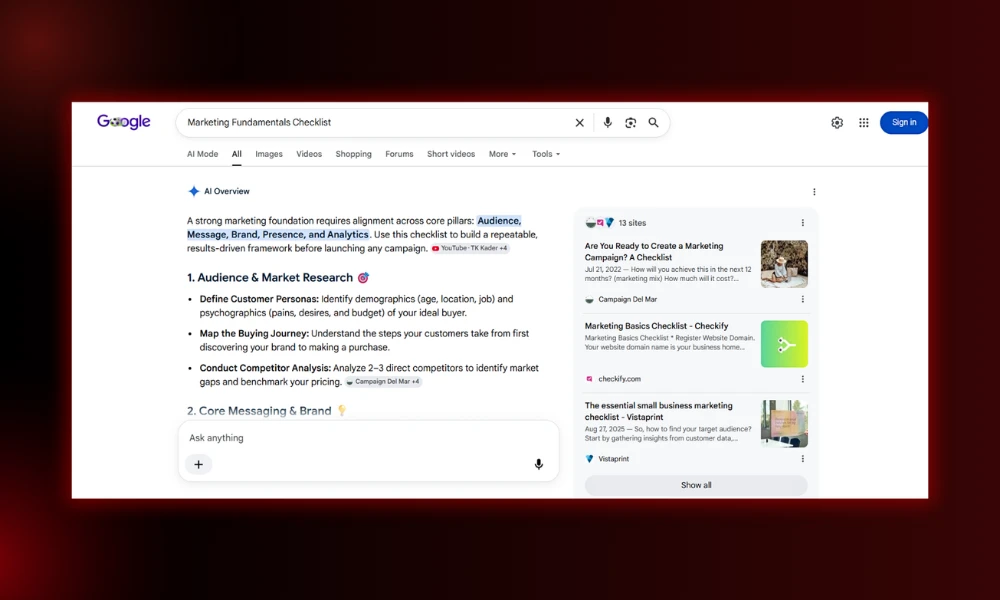
Audit your own marketing in under thirty minutes. Give yourself one point per “yes.”
Audience
- I have a written buyer persona for my ideal customer
- I have spoken with at least five real customers in the past year
- I know the top three objections buyers raise before purchasing
Value and Positioning
- I can state my value proposition in one clear sentence
- My positioning is specific and different from competitors
Marketing Mix
- My pricing matches my positioning
- My product is clearly different from at least three competitors
- My channels match where customers actually buy
Content and Channels
- I publish useful content consistently
- I focus on no more than three primary channels
- My content includes original insight and data, not rehashed advice
Goals and Tracking
- I have analytics installed and working
- I track conversions and customer value, not just traffic
- I have a documented marketing strategy
- I review performance at least monthly
Customer Journey
- I have content for awareness, consideration, and decision
- I follow up with leads who do not buy right away
- I have a way to encourage referrals and reviews
Score 15 or above, and your fundamentals are strong. Score below 10, and a focused overhaul will pay off fast.
Frequently Asked Questions
Q: If AI answers everything now, why do marketing fundamentals still matter?
A: AI tools execute tactics, not strategy. They reward brands with a clear audience and message by quoting them in answers, and expose weak ones. Fundamentals decide whether AI scales your wins or just multiplies noise.
Q: Which marketing fundamental should I fix first when results stall?
A: Start with audience clarity. Most stalls trace back to a vague target, not a bad ad. Confirm who you serve and their biggest objection first, then review positioning, offer, and channels in that order.
Q: Can a great product succeed without strong marketing fundamentals?
A: Rarely. A strong product lowers the effort needed, but buyers cannot choose what they cannot find or understand. Without clear positioning and a reachable channel, even excellent products stay invisible.
Q: Why does a bigger marketing budget not fix weak results?
A: Budget amplifies whatever you already have. Spend scaled on an unclear message or the wrong audience buys more wasted clicks, not more customers. Fundamentals decide the return before money enters.
Q: Do marketing fundamentals work the same for a solo founder and a large team?
A: The principles stay identical, but the order shifts. Solo founders win by mastering one channel and talking to users directly. Large teams need a documented strategy to stay aligned across many people.
Q: How do the marketing fundamentals affect one another?
A: They compound. Audience clarity sharpens positioning, positioning guides the message, and the message decides which channels pay off. Get the first one wrong, and every later step inherits the error.
Conclusion
Marketing fundamentals are not a trend you skip on the way to the fun tactics. They are the stable base every successful campaign stands on. The marketing mix shows you what to plan. The 7 Ps give you a checklist. Audience research, positioning, the journey, and the funnel keep you focused on real people and real outcomes. The data agrees at every turn, from the 414% success edge of documented strategy to the 25% to 95% profit lift hiding in better retention.
The brands that win, from Apple to Nike to Coca-Cola, do not rely on luck. They apply these fundamentals with discipline, then use new tools to move faster and reach further. You can follow the same path on any budget.
So start small. Write one clear buyer persona. Sharpen your value proposition into a single sentence. Choose two channels and commit to them for ninety days. Then measure, learn, and improve. That is how strong marketing gets built, one fundamental at a time.