Quick Answer
Brand marketing is the practice of promoting a company’s overall identity, values, and story, not just its individual products. Where product marketing sells a specific item, brand marketing builds the recognition, trust, and emotional connection that make customers choose you again and again.
Brand awareness compounds. It takes 6 to 7 impressions before a brand becomes memorable, and once recognized, 50% of consumers are more likely to buy from it. That’s the entire case for brand marketing in one stat: recognition isn’t a vanity metric, it’s a purchase driver.
What Is Brand Marketing?
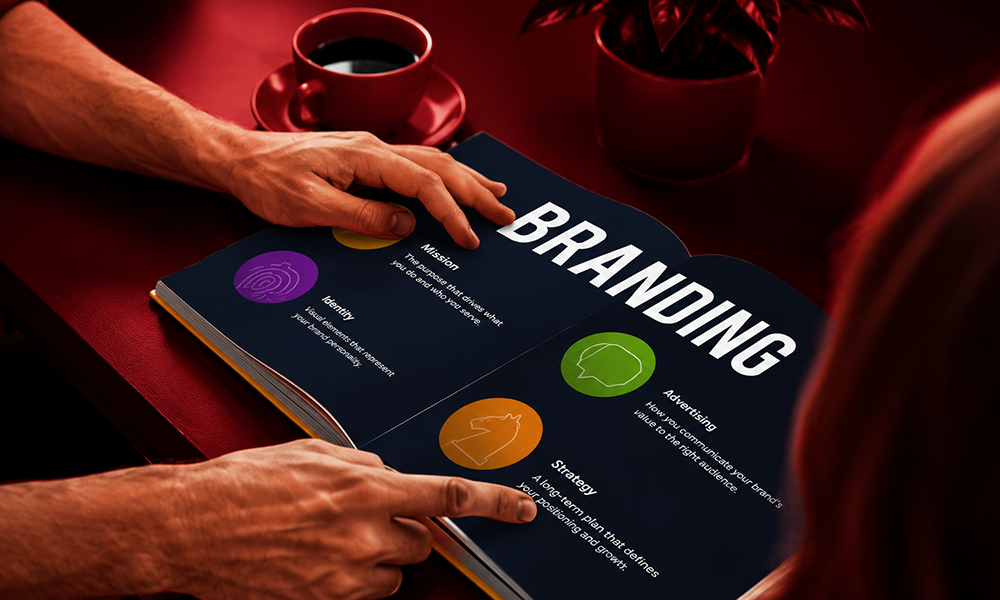
Brand marketing is the approach companies use to promote and establish a brand by creating a unique identity, values, and perception that sets it apart from competitors. It works through advertising, public relations, content, and every other touchpoint a customer has with a business.
The goal isn’t a single sale. It’s brand equity, the cumulative value people place on your name and what it stands for. Think of Nike’s swoosh or Coca-Cola’s script logo and red color scheme. You don’t just recognize the mark, you feel something about it.
This is the core distinction beginners need: branding shapes a company’s image, while brand marketing, the active marketing branding work of building awareness and trust around that image in the market, is what makes it visible.
Brand Marketing vs. Product Marketing
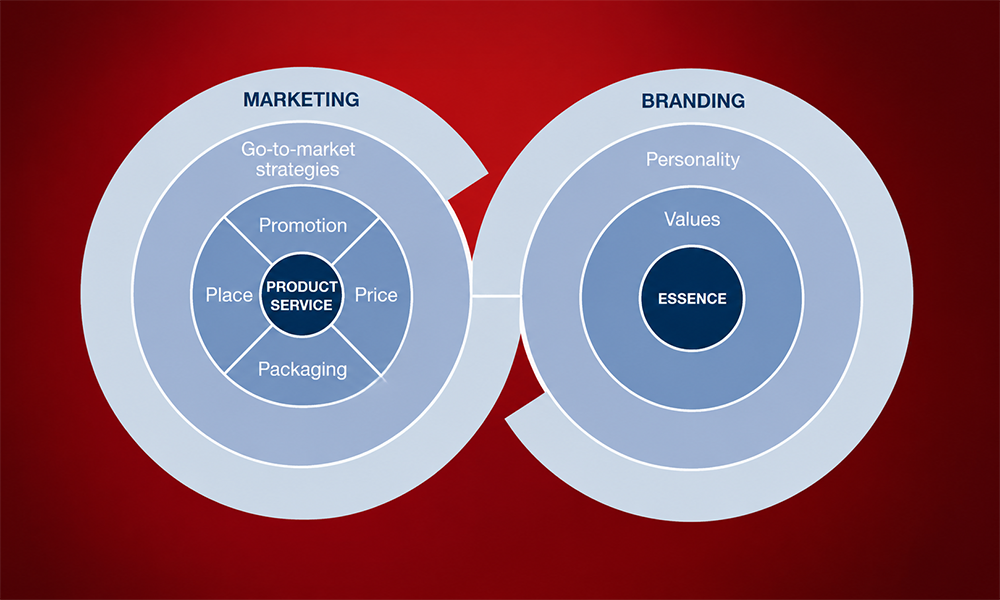
Product marketing promotes a specific product’s features and value to drive short-term sales. Brand marketing promotes the company as a whole to build long-term loyalty.
A product marketing campaign might highlight a new phone’s camera specs. A brand marketing campaign builds the reason customers trust that company enough to buy the next phone too, sight unseen.
Most companies need both. Product marketing fills the funnel today. Brand marketing strategy makes tomorrow’s funnel cheaper to fill, because trust and recognition reduce the work every future campaign has to do.
The 5 Core Objectives of a Brand Marketing Strategy
- Build a strong brand identity. Identity is your brand’s personality: name, logo, typography, color palette, voice, and visual style. It’s the cornerstone every other objective builds on, and it has to stay consistent to do its job.
- Raise brand awareness. Brand awareness, also called brand recognition, measures how familiar consumers are with your name. It’s the most repeated goal in marketing for a reason: 84% of B2B marketers and 70% of social media marketers name it their primary objective.
- Establish brand positioning. Positioning defines where you sit relative to competitors, what makes you different, and why that difference matters to your specific audience.
- Tell a compelling brand story. Your story explains why you do what you do. It’s not a tagline, it’s the throughline that makes every other piece of marketing feel coherent.
- Develop customer loyalty. Loyalty is the payoff. Loyal customers are worth more, refer more, and forgive more when something goes wrong, which matters because 65% of a typical company’s revenue comes from returning customers.
Brand Identity: The Foundation of Branding Marketing
Brand identity is the cornerstone of any branding guide because it’s the first thing people actually see. It includes your logo, color palette, typography, brand voice, and mission, working together so your business is instantly recognizable.
Strong identity isn’t decoration. A bold brand picks a bright palette and punchy copy; a traditional brand picks muted tones and a sophisticated voice. These choices aren’t arbitrary, they’re the foundation every later marketing decision gets built on.
Consistency is what makes identity valuable. Companies that keep their branding consistent across channels report consistency adds 10% to 20% to their growth, according to industry surveys. Inconsistent identity, by contrast, forces customers to relearn who you are every time they encounter you.
How to Build a Brand Marketing Strategy: 7 Steps
Step 1: Define your purpose. Ask what you stand for and why anyone should care. Brands with a defined purpose grow roughly twice as fast as competitors without one.
Step 2: Research your audience. Build a real picture of who you’re talking to, not just demographics, but what they value and where they spend attention.
Step 3: Craft your brand story. Explain why you started, what changed along the way, and what you’re building toward. This becomes the spine of every campaign.
Step 4: Analyze your competitors. Know their pricing, positioning, and customer experience so your business branding fills a gap instead of echoing the crowd.
Step 5: Establish brand guidelines. Document your voice, visuals, and messaging rules so every team member and partner represents the brand the same way.
Step 6: Protect your brand legally. Trademark your name and marks early. It’s the difference between owning your identity and discovering someone else already claimed it.
Step 7: Measure your ROI. Track awareness, sentiment, and loyalty over time, not just clicks. Brand marketing pays off in customer lifetime value and market share, not single-campaign conversions.
Branding Examples: Brands That Got It Right
Coca-Cola built one of the most recognizable identities in the world from two consistent elements: a script logo and a red-and-white color scheme, repeated without deviation for over a century.
Patagonia built brand marketing entirely around purpose. Its environmental activism isn’t a campaign, it’s the company’s operating logic, and customers reward that consistency with deep loyalty.
Starbucks delivers the same experience in Tokyo and Toronto. That consistency is what brand equity actually buys: the confidence to charge more and still keep customers coming back.
Nike remains the most recognized American brand by combining a simple visual mark with decades of consistent emotional storytelling around achievement and persistence.
These aren’t accidents. Each brand picked an identity, repeated it relentlessly, and let consistency do the work that a thousand one-off campaigns couldn’t.
Why Brand Marketing Matters: The Numbers
Trust is the gatekeeper. 81% of consumers say they need to trust a brand before making a purchase, and 87% will pay more for products from a brand name they already trust.
Recognition drives revenue. 63% of consumers prefer buying from familiar brands, and watching a single brand video can increase brand association by 139%.
Consistency compounds. 79% of consumers say they’re more loyal to brands with consistent communication across every department, not just marketing.
Emotional connection changes value. 65% of consumers feel emotionally connected to at least one brand, and those connected customers are worth roughly 50% more than merely satisfied ones.
Common Brand Marketing Mistakes to Avoid
Inconsistency across channels. If your voice, visuals, or promises shift between your website, social media, and customer support, you force customers to relearn who you are every time.
Short-term thinking. Brand marketing strategy is a long game. Treating it like a campaign with a defined end date undercuts the compounding value it’s supposed to build.
Performative values. Customers spot insincerity fast. 88% expect brands to communicate their values clearly, but only half think brands actually do it well.
Neglecting competitor research. Without knowing where competitors already stand, a new brand identity risks blending in instead of standing out.
Ignoring measurement. Brand health needs regular tracking, awareness, sentiment, loyalty, not just at the end of a quarter.
Key Takeaways
- Brand marketing builds the company, not just the sale. It promotes overall identity and trust, while product marketing drives individual transactions.
- Identity has to stay consistent to work. Logo, voice, and message inconsistency forces customers to relearn your brand every time they encounter it.
- Trust is the real currency. 81% of consumers need to trust a brand before buying, and trusted brands can charge a premium because of it.
- Purpose-driven brands grow faster. Brands with a clear, demonstrated purpose grow roughly twice as fast as those without one.
- Measurement makes brand marketing accountable. Track awareness and loyalty continuously, not only when a campaign ends.
Frequently Asked Questions
What is brand marketing in simple terms?
Brand marketing promotes a company’s overall identity, values, and story to build long-term trust and recognition, rather than selling one specific product.
What’s the difference between branding and brand marketing?
Branding defines who a company is, its identity and values. Brand marketing is the active work of communicating that identity to build awareness and trust in the market.
Why does brand awareness matter for a business?
It takes 6 to 7 impressions before a brand becomes memorable, and once it is, 50% of consumers become more likely to buy from it over an unfamiliar competitor.
What are good brand identity examples?
Coca-Cola’s red-and-white script logo, Nike’s swoosh, and Starbucks’ consistent global store experience all show how a clear, repeated identity builds long-term recognition.
How do I start a brand marketing strategy as a beginner?
Define your purpose, research your audience, build brand guidelines for consistency, and measure awareness and loyalty regularly rather than only tracking sales.
The Bigger Picture
Brand marketing isn’t reserved for companies with massive budgets. Any business, at any size, can build recognition and trust by staying consistent and clear about what it stands for.
The brands that win aren’t always the loudest. Coca-Cola, Patagonia, and Starbucks didn’t out-shout their competitors, they out-repeated them, saying the same true thing in the same way until it became unmistakable.
That’s the real lesson behind every successful brand marketing strategy: identity plus consistency, sustained long enough, becomes trust. And trust is what actually drives the next purchase.