
For years, businesses treated digital visibility as a simple marketing function.
A website existed to showcase products. Social media teams posted updates. SEO specialists focused on rankings.
That model no longer works.
In 2026, online presence management has evolved from a marketing activity into one of the most critical business systems modern companies operate.
The reason is simple.
Consumers no longer discover brands through one predictable channel.
They move across search engines, AI assistants, review platforms, social media ecosystems, and digital marketplaces often forming opinions before ever visiting a company website.
According to research published by Prowly, digital presence management has become increasingly tied to how brands control trust signals rather than simply increasing visibility.
The Internet No Longer Gives Brands Control Over First Impressions
A decade ago, businesses largely controlled how customers discovered them online.
Today, algorithms shape those first impressions.
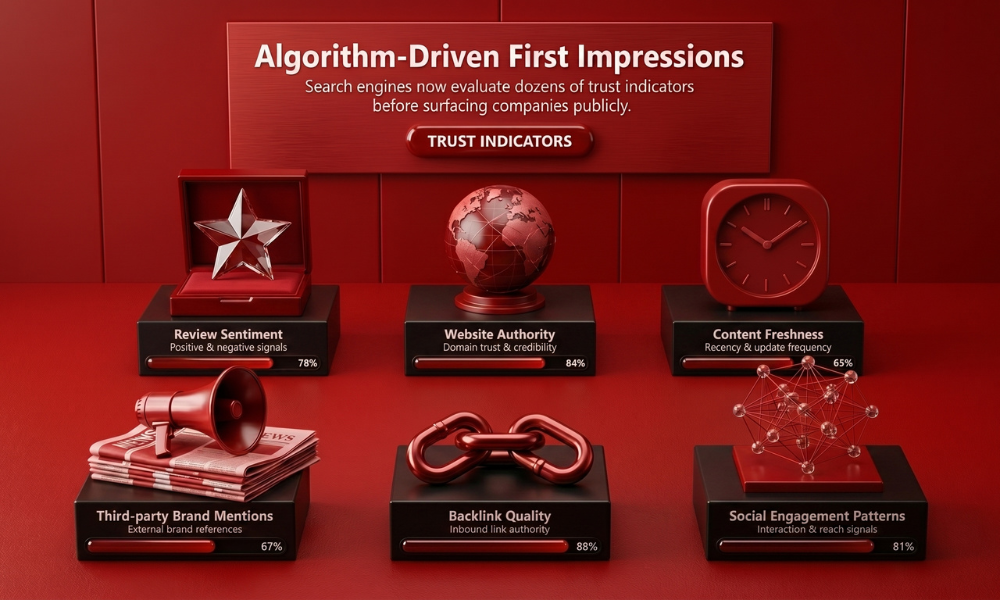
Search engines now evaluate dozens of trust indicators before surfacing companies publicly.
These include:
- Review sentiment
- Website authority
- Content freshness
- Third-party brand mentions
- Backlink quality
- Social engagement patterns
As documented by Google Search Central, search visibility increasingly depends on expertise, trustworthiness, and content authority rather than outdated keyword-based ranking tactics.
The internet has quietly shifted from a discovery engine into a reputation engine.
AI Search Is Quietly Restructuring Brand Visibility
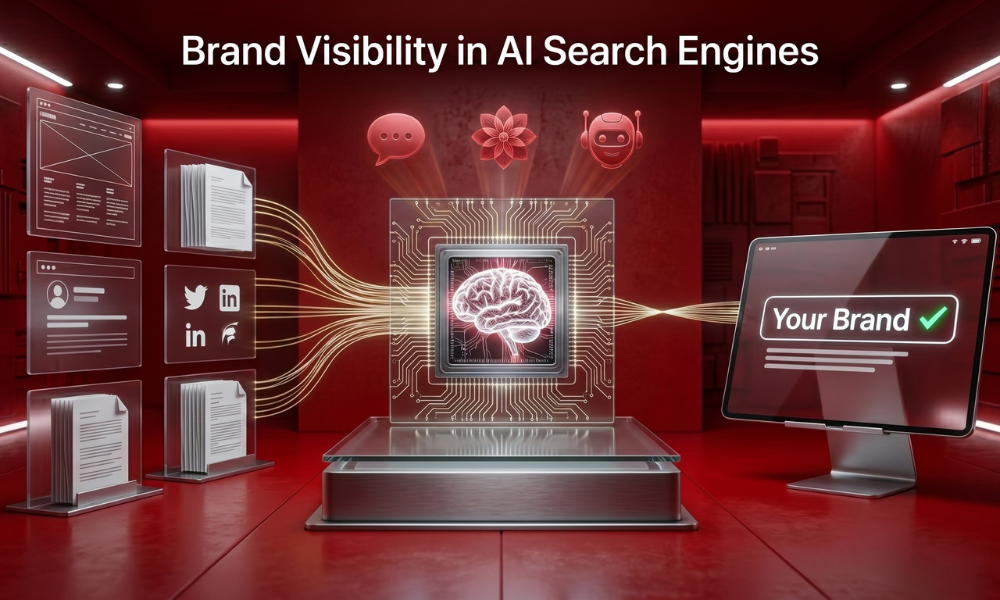
One of the biggest shifts happening right now is the rise of AI-powered discovery systems.
Consumers increasingly ask AI assistants direct questions instead of clicking through ten blue search results.
That changes the entire economics of digital visibility.
If an AI system cannot confidently verify your brand authority, your company may simply disappear from consumer consideration.
This trend has accelerated rapidly as major platforms integrate generative search experiences directly into their ecosystems.
Technology analysts at McKinsey & Company have repeatedly highlighted how AI systems are fundamentally reshaping how consumers discover products, evaluate trust, and make purchase decisions.
Winning traditional search rankings alone is no longer enough.
Brands must now build machine-readable authority.
Reputation Has Become a Revenue Infrastructure Layer
Public trust now spreads faster than corporate communication systems.
A single unresolved negative review can influence hundreds of future customers.
One poorly handled social media incident can permanently damage brand perception.
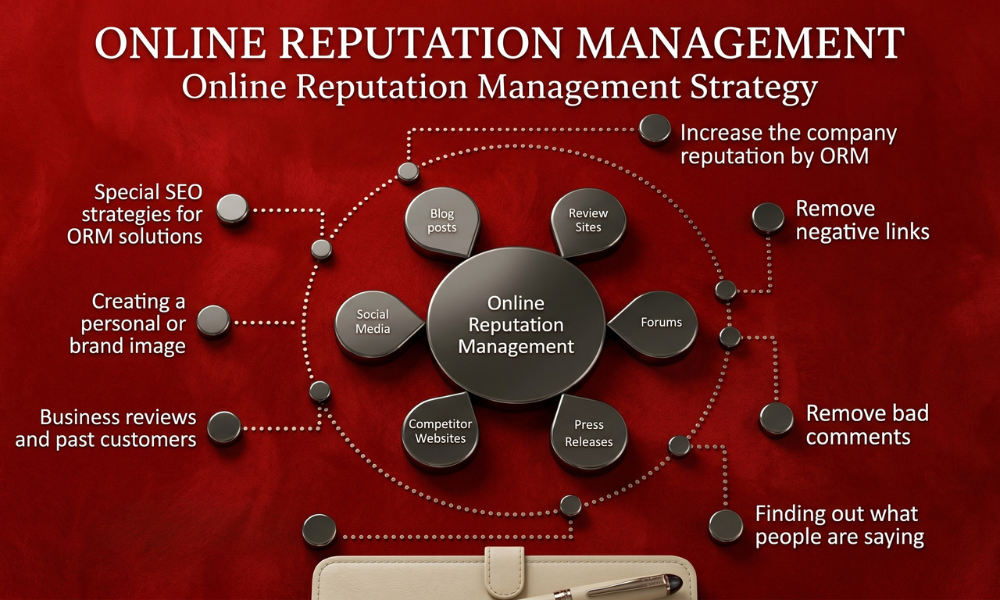
This is why reputation monitoring has become a critical operational function.
Modern businesses continuously track:
- Customer reviews
- Public sentiment shifts
- Social platform conversations
- Brand mention velocity
- Competitive reputation gaps
Enterprise intelligence platforms like Brandwatch increasingly allow companies to monitor consumer conversations in real time, giving brands faster response capabilities before reputation problems escalate.
Reputation management is no longer public relations.
It directly protects revenue.
Why Marketing Agencies Are Quietly Rebuilding Their Entire Service Models
The agency model itself is changing.
Traditional agency retainers focused heavily on:
- Paid advertising
- SEO campaigns
- Social content publishing
- Website management
But businesses increasingly demand integrated digital authority systems.
Modern agencies now combine:
- Search visibility engineering
- Review ecosystem management
- AI search optimization
- Reputation defense systems
- Multi-platform brand consistency
According to marketing platform research from HubSpot, consumer trust has become one of the strongest measurable conversion drivers in digital commerce environments.
Agencies that cannot manage digital authority risk becoming increasingly replaceable.
The New Competitive Advantage Is Trust Infrastructure
The strongest brands now understand something important.
Online presence management is not marketing.
It is infrastructure.
Companies investing heavily in digital trust systems consistently gain long-term advantages:
- Higher search visibility
- Better AI discoverability
- Lower reputation risk
- Higher conversion rates
- Better customer retention
- Stronger long-term brand equity
Research teams at Semrush continue reporting that brands with stronger digital authority ecosystems outperform competitors not simply through traffic gains, but through superior customer trust signals across search and content ecosystems.
Final Thoughts
The internet has fundamentally changed how businesses compete.
Consumers no longer judge brands based solely on products.
They judge credibility through digital presence.
The companies winning the next decade will not necessarily spend the most on advertising.
They will control trust, authority, and discoverability better than everyone else.
In 2026, online presence management is no longer optional.
It is becoming the operating system behind modern brand growth.
Frequently Asked Questions
What is online presence management?
Online presence management is the process of controlling how a brand appears across search engines, AI systems, social platforms, review websites, and public digital ecosystems.
Why does online presence management matter in 2026?
Because consumers increasingly rely on digital trust signals before making buying decisions, while AI systems increasingly influence product discovery.
How is online presence management different from SEO?
SEO focuses on search rankings. Online presence management combines SEO, reputation monitoring, branding consistency, reviews, and authority building.
Does online presence management affect sales?
Yes. Better digital trust directly improves customer confidence, brand perception, and conversion rates.
Which companies are leading this shift?
Major enterprise tools include Google Business Profile, Brandwatch, HubSpot, Semrush, Sprout Social, and multiple AI search platforms.