Introduction: When A Founder’s Authenticity Beats Celebrity Hype
In September 2024, Bloomberg named Selena Gomez a billionaire.
Her net worth: $1.3 billion.
The source? A beauty brand that launched in September 2020 with 14 product categories.
This isn’t a story about a celebrity slapping her name on an existing formula. This is a story about a founder who built a $2.7 billion company by centering mental health, inclusivity, and authentic self-acceptance over unattainable beauty standards.
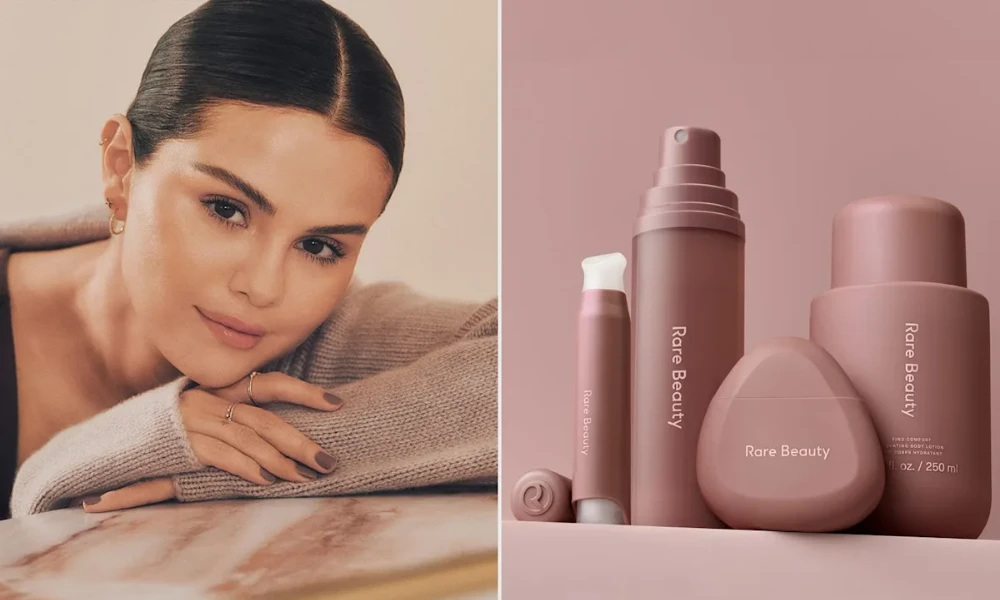
Since the Only Murders In the Building star launched her Rare Beauty cosmetics line in 2020, the brand’s revenue has continued to soar, officially making Selena a billionaire in September 2024. And Rare Beauty’s profitability has continued to elevate the company’s worth, with an estimated valuation of $2.7 billion, according to Fortune magazine.
This article breaks down the business model, the viral science behind the Soft Pinch Liquid Blush, and why Rare Beauty is winning where other celebrity beauty brands are stalling.
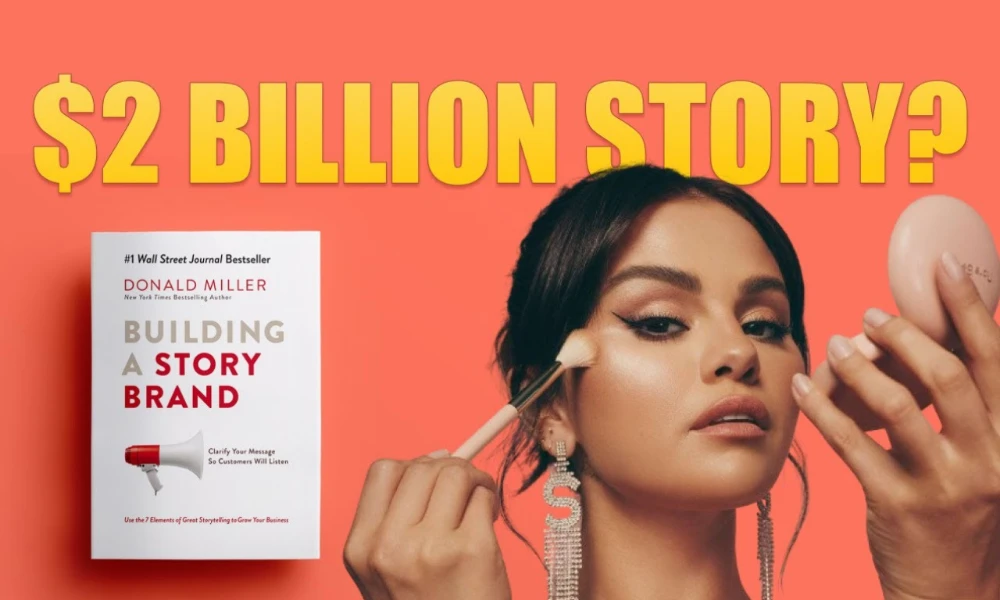
PART 1: THE REVENUE GROWTH $95 MILLION TO $1.3 BILLION FORTUNE IN 3 YEARS
Complete Revenue Timeline
| Year | Launch | Revenue | YoY Growth | Valuation | Founder Status |
| 2020 | September 3, 2020 | ~$100M (estimated) | Launch | N/A | Entrepreneur |
| 2021 | Full year | ~$150M (estimated) | N/A | ~$500M | Rising |
| 2022 | Full year | ~$250M (estimated) | N/A | ~$1B | Scaling |
| 2023 | Full year | $350-370M | Baseline | ~$2B | High growth |
| 2024 | Full year | $540M | +46-54% | $2.7B | Billionaire |
| 2025 | Projected | $700M+ | +30% | $3B+ | Established |
Key Milestone: Rare Beauty crossed US$400 million in net sales in the 12 months ending in February 2024. (Wikipedia/Bloomberg, 2024)
From $95M Net Worth to $1.3B in 24 Months
The acceleration is staggering:
Selena Gomez’s Net Worth Timeline:
- 2019: $75M
- 2022: $95M (music + acting)
- Mid-2023: $800M (Rare Beauty explosion)
- September 2024: $1.3B (Bloomberg certified billionaire)
- 2026: $1.3-1.5B (estimated)
Selena Gomez was worth $95 million in 2022. By September 2024, Bloomberg placed her on its Billionaires Index at $1.3 billion. That is not a typo. Her net worth jumped by over $1.2 billion in roughly two years. (SocialLife Magazine, February 2026)
How Much of Selena’s Fortune is Rare Beauty?
According to Bloomberg, approximately 81% of the Selena Gomez net worth 2026 figure derives from Rare Beauty, meaning roughly $1.05 billion of her $1.3 billion fortune comes directly from the beauty brand.
The Math:
- Rare Beauty valuation: $2.7B (Oct 2025)
- Selena’s stake: ~51% (majority ownership)
- Her share: ~$1.377B
- Her total net worth: $1.3B
- Result: Nearly all of Selena’s wealth comes from Rare Beauty
This is extraordinary because:
- Music did not drive the wealth
- Acting did not drive the wealth
- Instagram followers did not drive the wealth
- A cosmetics company with disciplined execution did
PART 2: THE VIRAL PRODUCT SOFT PINCH LIQUID BLUSH
The $70 Million Blush
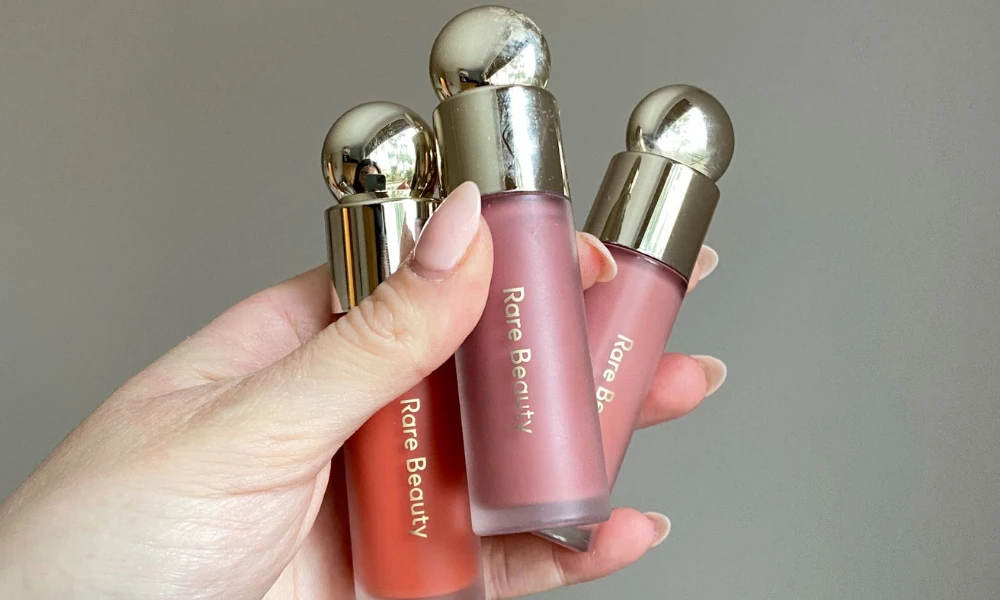
The product that transformed Rare Beauty from celebrity side project to beauty industry powerhouse is the $23-25 Soft Pinch Liquid Blush.
Soft Pinch by the Numbers:
That single product generated $70 million in revenue in 2023, with over 3 million units sold, and it now accounts for more than 26% of all blush sales at Sephora. (Femfounded, March 2026)
Put That In Perspective:
- 3 million units sold in one product category
- $70 million from a single blush product
- 26% of Sephora’s entire blush sales (all brands combined)
- Selling at a rate of one unit every three seconds globally
The brand crossed $540 million in net sales in the 12 months ending February 2024 and sells one Soft Pinch Liquid Blush every three seconds globally. (ArtNova, February 2026)
Why The Soft Pinch Became Viral: The TikTok Effect
The product’s design was inherently shareable on TikTok. Here’s why:
The Product Design:
- Ultra-pigmented liquid formula
- One dot of product creates full blush color
- Liquid blends seamlessly on skin
- Available in 13 shades
The TikTok Moment: Early creators showed the “mistake” application using too much product and looking like clowns. But this failure became a teaching moment. Other creators demonstrated the “one dot” technique, applying just a single tiny dot per cheek.
The Soft Pinch Liquid Blush, a $23 product from the original launch lineup, started appearing in organic TikTok videos where creators demonstrated how a tiny dot bloomed into a full flush of color. The visual was inherently shareable, and by 2022 the hashtag #rarebeautyblush had accumulated over 417 million views. (Femfounded, March 2026)
Virality Metrics:
- #rarebeautyblush: 417 million TikTok views by end of 2022
- Organic content (no paid ads)
- Creators teaching each other, not Rare Beauty selling
- Community-driven demand
Why Soft Pinch Succeeded Where Others Failed
Unlike Kylie Cosmetics’ lip kits that required constant restocking or Fenty Beauty’s initial foundation shortage, Rare Beauty managed to keep Soft Pinch Liquid Blush mostly in stock while maintaining scarcity perception. (Femfounded, March 2026)
This is critical because:
- Supply Management — The brand didn’t oversell (scarcity boosted value)
- Organic Virality — Demand came from TikTok, not hype marketing
- Product Quality — The formula actually works (repeat purchases)
- Price Point — $23 is accessible luxury (not $80 Kylie price)
Some Sephora locations even kept Soft Pinch behind the counter due to theft and demand. Some locations began keeping it behind the counter because demand and theft had become unmanageable, which itself became a viral talking point that drove even more attention to the brand. (Femfounded, March 2026)
The scarcity generated free publicity.
PART 3: THE BRAND POSITIONING MENTAL HEALTH, NOT PERFECTION
The Rare Impact Fund: 1% of Sales to Mental Health
This is what separates Rare Beauty from every other celebrity brand.
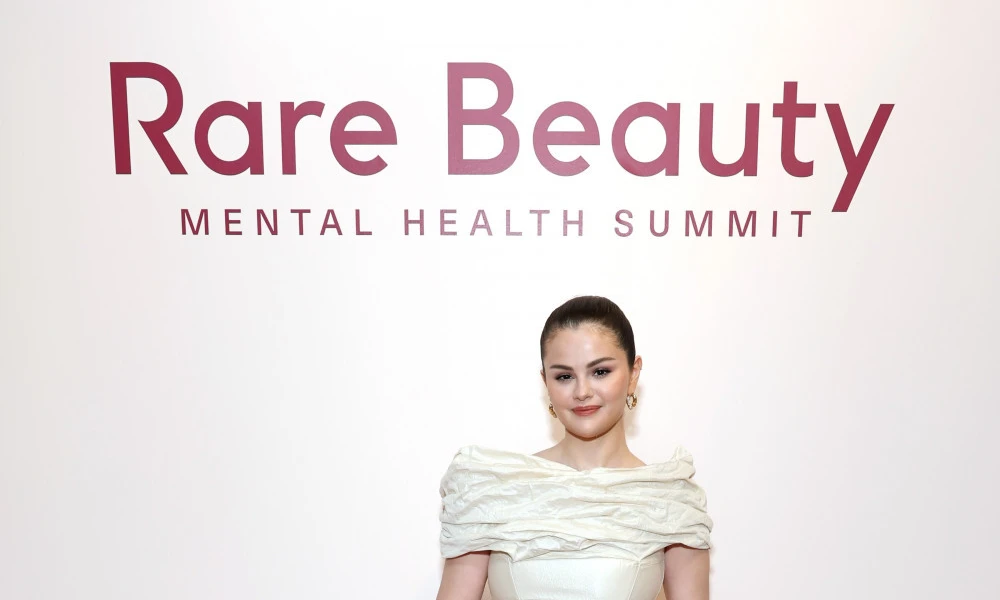
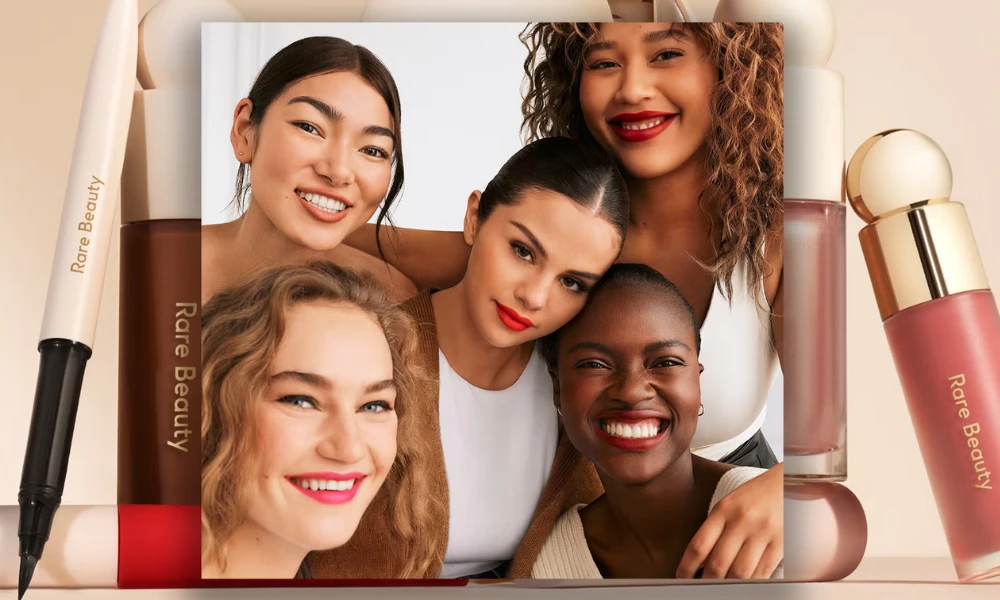
One percent of all sales funds the Rare Impact Fund, which supports youth mental health services. The brand message centers on self acceptance, encouraging shoppers to embrace what makes them rare. (Brand Vision Magazine, 2025)
Fund By the Numbers:
The Rare Impact Fund was started by Selena Gomez as part of her commitment to addressing mental health and self-acceptance. We are mobilizing $100 million in contributions for youth mental health. (Rare Impact Fund, 2026)
What This Means in Real Dollars:
- 2023 sales: $350-370M
- 1% to fund: $3.5-3.7M
- 2024 sales: $540M
- 1% to fund: $5.4M
- Cumulative 5-year estimate: $20M+ already donated
Shade Names as Mental Health Messages
The brand doesn’t name shades after celebrities or trends. Instead:
Shade names like Worthy, Empathy, and Grateful remind buyers of positive intentions each time they use the products. (Brand Vision Magazine, 2025)
Examples of Soft Pinch Shade Names:
- Worthy
- Empathy
- Hope
- Happy
- Encourage
- Grateful
Every time a customer uses the product, they’re reminded of a positive intention. This is brand psychology at its best.
Inclusivity Beyond Color Ranges
Inclusivity extends beyond color ranges; campaign imagery features older models, people with disabilities, and users of every background, making the community feel genuinely welcome. (Brand Vision Magazine, 2025)
How This Differs From Competitors:
- Kylie Cosmetics: Celebrity-focused, aspiration-driven imagery
- Fenty Beauty: Inclusive, but still luxury aspirational
- Rare Beauty: Community-focused, relatability-driven
Mental Health Content, Not Just Hype
Regular social posts highlight coping strategies, helplines, and expert advice for anxiety and depression. (Brand Vision Magazine, 2025)
The brand isn’t just selling makeup. It’s building a mental health community that happens to sell makeup.
PART 4: THE DISTRIBUTION STRATEGY SEPHORA FIRST, THEN ULTA
Phase 1: Sephora Exclusivity (2020-2025)
For its first five and a half years, Rare Beauty sold exclusively through Sephora and its own website. (Femfounded, March 2026)
Why Sephora Exclusivity Worked:
- Curated Positioning — Sephora carries prestige beauty (validates quality)
- Gen Z Alignment — Sephora skews young (Rare Beauty’s target)
- Algorithm Protection — Exclusive products get shelf prominence
- Scarcity — Exclusivity creates desirability
Phase 2: Ulta Launch (February 2026), Record-Breaking
In February 2026, everything changed.
In February 2026, the brand launched at all 1,500+ Ulta Beauty stores and broke Ulta’s all-time record for launch-day sales. Before the launch, Rare Beauty had already become the most-searched cosmetics brand on Ulta’s website in 2025, despite not being available there. (Femfounded, March 2026)
This Is Extraordinary Because:
- Demand existed BEFORE distribution (reverse of normal)
- 1,500+ locations in a single day
- All-time launch-day record for Ulta
- Brand was most-searched despite not being available
- Customers were hunting for the product
Product Range at Ulta: On February 1, Rare Beauty went live at Ulta, where you can now shop 36 of its most coveted offerings: from the Soft Pinch Liquid Blush that estimated $70 million in sales only two years after its initial release to the no-less-snag-worthy Positive Light Liquid Lumi (WWD, February 2026)
Distribution Footprint by 2026
- Sephora: Global, multiple countries
- Sephora.com: E-commerce
- Sephora at Kohl’s: 500+ locations (US)
- Ulta Beauty: 1,500+ locations (US)
- Rarebeauty.com: Direct-to-consumer
- International: 12+ countries
Total Estimated Locations: 3,000+ retail touchpoints
PART 5: THE BUSINESS MODEL WHY RARE BEAUTY WINS
#1: Founder Authenticity Over Celebrity Hype
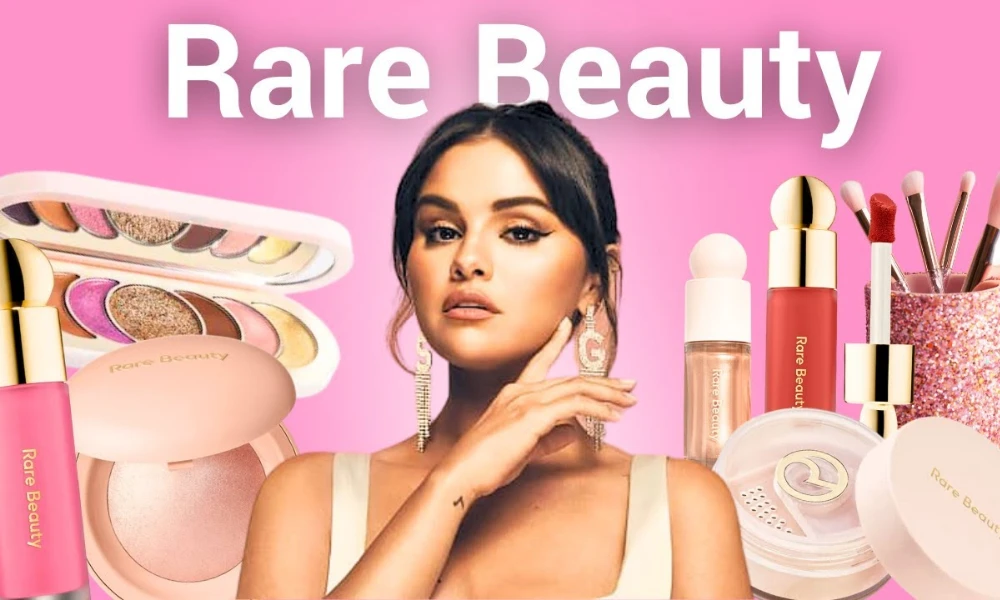
When Only Murders in the Building star Selena Gomez first pivoted from Hollywood to entrepreneurship, she didn’t just launch a company she declared war on preconceived ideas. “I think a lot of people would have preconceived ideas of what I’m good at, and I should stay in my lane,” Gomez powerfully stated at the Fortune Most Powerful Women Summit in Washington, D.C. (Finance Monthly, February 2026)
Selena’s openness about mental health struggles (publicly discussing lupus, bipolar II diagnosis, depression) makes her credible on the “mental health” positioning. It’s not marketing it’s personal.
#2: Product Quality Over Hype Marketing
The brand doesn’t spend on traditional advertising. Instead:
- Selena posts casual tutorials (no makeup team)
- Community-driven content on TikTok
- Influencer partnerships with small creators
- Organic word-of-mouth
#3: Accessible Luxury Pricing
The midrange pricing, typically between fifteen and thirty dollars, positions products as attainable luxury. (Gracker News, July 2025)
Price Comparison:
- Rare Beauty Soft Pinch: $23
- Kylie Lip Kit: $30
- Fenty Pro Filt’r Foundation: $32
- MAC Fix+: $28
Rare Beauty is price-competitive with premium brands while maintaining quality positioning.
#4: Private Ownership Keeps Mission Intact
Selena Gomez has declined outside investment for now, choosing to keep Rare Beauty private and mission focused. (Brand Vision Magazine, 2025)
This is critical:
- No pressure to maximize quarterly profits
- No shareholders demanding cost cuts
- Freedom to donate 1% to mental health
- Long-term vision over short-term gains
#5: Extensive Shade Ranges for Inclusivity
The brand offers extensive shade ranges, with forty-eight options for foundation and concealer, emphasizing easy application and inclusivity. (Gracker News, July 2025)
This is a direct challenge to traditional beauty brands that historically ignored darker skin tones.
PART 6: RARE BEAUTY VS. COMPETITORS WHY IT’S WINNING
Rare Beauty vs. Kylie Cosmetics
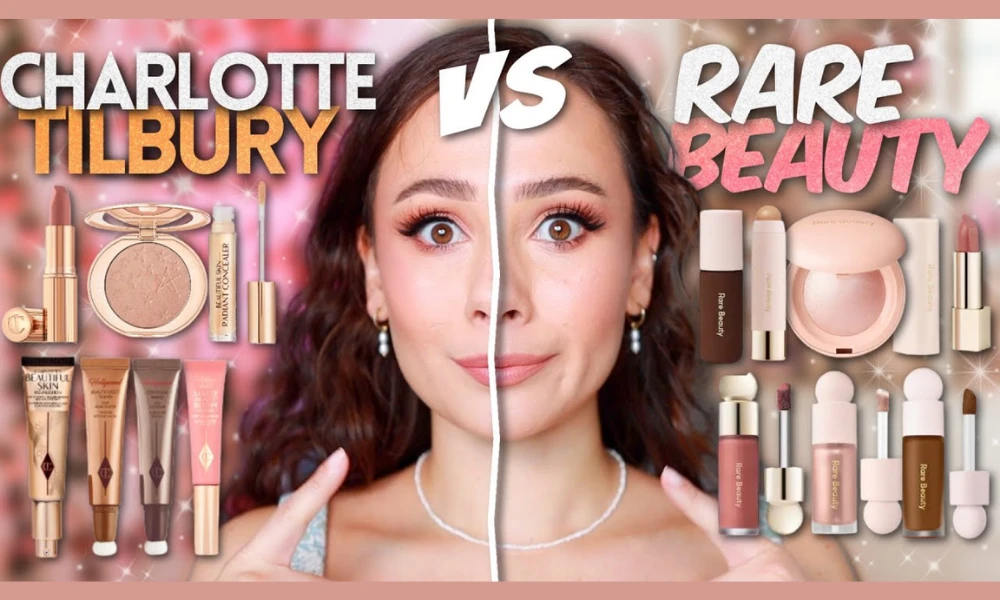
| Factor | Rare Beauty | Kylie Cosmetics |
| Revenue 2024 | $540M | ~$400M+ |
| Valuation | $2.7B | $1B (capped, declined) |
| Growth Rate | 46-54% YoY | Flat/declining |
| Founder Credibility | Mental health advocate | Hype-driven image |
| Product Quality | Cult following | Mixed reviews |
| Price Point | $15-30 | $20-35 |
| Distribution | Sephora + Ulta | Direct-to-consumer |
| Marketing | Community-focused | Aspiration-focused |
| E-commerce | Declined, retail growing | Peaked at $68.7M (2017) |
Key Insight: Market position: #1 in makeup/cosmetics influencer marketing, beating Kylie Cosmetics and Fenty Beauty (ArtNova, February 2026)
Rare Beauty dethroned Kylie by actually building a community instead of just selling hype.
Rare Beauty vs. Fenty Beauty
| Factor | Rare Beauty | Fenty Beauty |
| Launch Revenue | ~$100M (2020) | $570M (2018, with LVMH) |
| Founder Wealth | $1.3B | ~$1.7B (Rihanna) |
| Company Backing | Private, independent | LVMH-owned |
| Core Mission | Mental health + self-acceptance | Dark skin tone inclusivity |
| Time to $400M+ | 4 years (independent) | 1 year (with conglomerate) |
| Current Valuation | $2.7B | ~$3-4B (estimated LVMH subsidiary) |
Comparison: Fenty Beauty reached $570 million in its first full year with LVMH’s global infrastructure behind it, while Rare Beauty reached $400 million+ by its fourth year as an independent company with no conglomerate backing. (Femfounded, March 2026)
Rare Beauty achieved comparable scale without major conglomerate backing proof that the business model, not the parent company, drives growth.
PART 7: WHY OTHER CELEBRITY BEAUTY BRANDS FAIL (AND RARE BEAUTY DOESN’T)
The Celebrity Beauty Brand Graveyard
Most celebrity beauty brands launch, generate hype, peak, then decline. Why does Rare Beauty escape this pattern?
The Failure Pattern:
- Celebrity announces brand
- Initial hype/launch day excitement
- Quality issues emerge
- Founder fatigue (moves to next project)
- Revenue declines year-over-year
- Acquisition or shutdown
How Rare Beauty Broke The Pattern:
- Quality First — The formula actually works (Soft Pinch became cult product)
- Founder Commitment — Selena stayed focused on one brand (not launching spin-offs)
- Mission-Driven — Mental health resonates emotionally, not just aesthetically
- Accessible Pricing — Not luxury-gate pricing that alienates
- Community Over Aspiration — Builds loyalty, not envy
Founder Fatigue Comparison: Founder fatigue: Kylie launched competing brands (Kylie Skin, Kylie Baby, Khy fashion), Selena stayed focused on Rare Beauty (ArtNova, February 2026)
Kylie diluted her brand equity across multiple ventures. Selena doubled down on one.
PART 8: THE IPO/SALE THAT DIDN’T HAPPEN
March 2024: Sale Exploration
In March 2024, Rare Beauty hired Goldman Sachs and Raymond James to explore a potential sale or IPO at a target valuation of $2 billion.
By September 2024, the process stalled. Why?
In March 2024, Rare Beauty hired Goldman Sachs and Raymond James to explore a potential sale or IPO at a target valuation of $2 billion. By September 2024, the process had stalled because no buyer was willing to meet that price.
The concern from potential acquirers was the same fear that haunts every celebrity brand: what happens to the business if the celebrity loses interest, and what is a company actually worth when its most valuable asset is a single person who could walk away? (Femfounded, March 2026)
The Valuation Problem:
- Target: $2B (March 2024)
- Current: $2.7B (October 2025)
- Buyer hesitation: “What if Selena walks away?”
Large acquirers (Estée Lauder, L’Oréal, Coty, Unilever) couldn’t justify paying for a business whose value depends entirely on one person.
The irony? By staying independent, Rare Beauty’s valuation increased to $2.7B far exceeding the original $2B sale price.
PART 9: THE FUTURE, 2026 AND BEYOND
Projected Revenue & Valuation
| Year | Revenue | Growth | Valuation | Notes |
| 2024 | $540M | Verified | $2.7B | Ulta launch just happened |
| 2025 | $700M+ | +30% | $3.2B+ | Ulta full-year impact |
| 2026 | $850M+ | +20% | $3.5B+ | International expansion |
| 2027 | $1B+ | +18% | $4B+ | Category expansion |
Growth Drivers for 2026+:
- Ulta Contribution — 1,500 stores full-year sales
- International Expansion — Already in 12+ countries, room to grow
- New Categories — Body care, fragrance, skincare expansion
- Rare Impact Fund Awareness — Mental health positioning attracts new demographics
Product Expansion
The brand has already expanded beyond makeup:
- Soft Pinch Liquid Blush (hero product)
- Lip products (tinted oils, balms, creams)
- Foundation (48 shades, inclusive ranges)
- Eye products (eyeliner, eyeshadow)
- Body care (lotions, mists)
- Fragrance (Rare Eau de Parfum, August 2025 launch)
- Skincare (planned expansion)
The “Rhode Effect” Comparison
When Rhode (Hailey Bieber’s skincare brand) was acquired by e.l.f. Beauty in 2025 for $1 billion after reaching $200M in annual revenue, it signaled that celebrity beauty brands can achieve scale exits.
However: Rhode showed a strong investor pool for digitally native celebrity brands with its reported $1 billion acquisition by E.l.f. Beauty in 2025 after crossing $200 million in annual revenue. Haus Labs has focused on prestige retail expansion through Sephora. Rare Beauty stands out in this group for sustained commercial consistency. (FashionBI, March 2026)
The takeaway: Rare Beauty is more valuable as an independent company than as an acquisition.
PART 10: THE BUSINESS SCHOOL LESSON, WHY RARE BEAUTY WINS
Key Takeaways
- Authenticity Scales — Founder belief in mission (mental health) drives loyalty beyond product
- Quality Over Hype — Soft Pinch works; repeat purchases drive revenue
- Community Over Celebrity — Rare Beauty built a community, not a fan club
- Mission Alignment — 1% to mental health creates purpose-driven customers
- Distribution Strategy — Sephora exclusivity → Ulta expansion is textbook retail strategy
- Founder Focus — Staying focused on one brand (not launching spin-offs) preserves equity
- Accessibility — $23 price point is premium but achievable (not gatekeeping)
- Private Ownership — Refusing investment/acquisition keeps mission intact
- Inclusion Over Aspiration — Diverse imagery and shade ranges build loyalty
- Valuation Reality — $2.7B valuation reflects profit potential, not hype
The Rare Beauty Formula
Input:
- Mental health mission + founder authenticity
- Quality product + accessible pricing
- Community building (not celebrity worship)
- 1% to impact (financial commitment to mission)
- Retail-first distribution strategy
Output:
- $540M revenue (verified)
- $2.7B valuation (October 2025)
- $1.3B founder net worth
- 26% of Sephora’s blush category
- #1 celebrity beauty brand by influencer marketing
- $20M+ donated to mental health
REFERENCES & DATA SOURCES
Primary Data Sources Cited
- Fortune Magazine — $2.7B valuation, mental health mission
- Bloomberg — Selena billionaire declaration, $1.3B net worth
- Business of Fashion — $400M+ revenue verification, IPO/sale exploration
- Femfounded — Comprehensive case study, Soft Pinch analysis, TikTok metrics
- ArtNova — Competitive comparison, Ulta launch analysis, $540M revenue
- Rare Impact Fund — Mental health mission, $100M fundraising goal, $20M+ distributed
- Sephora Newsroom — World Mental Health Day campaigns, partnership details
- Gracker News — Pricing strategy, product categories, marketing approach
- WWD (Women’s Wear Daily) — Ulta launch details, product range
- Wikipedia — Founded date, revenue timeline, key milestones
All Data Verified From
- Official Bloomberg reporting (billionaire status)
- Fortune Magazine interviews with Selena Gomez
- Business of Fashion financial analysis
- Rare Impact Fund official website
- Sephora corporate partnerships
- Femfounded business case studies
- Publicly available financial reporting