
I Still Remember the Day My Favorite App Disappeared
A few years ago, I opened an app I’d used almost every morning, only to find a notice announcing it would soon disappear. It wasn’t broken, unpopular, or outdated. The company had simply decided it no longer fit its future plans. That moment made me realize how quickly technology can change, and how even the most beloved products aren’t guaranteed a long life.
If you’ve ever wondered why tech companies killed iconic products that millions of people still loved, you’re not alone. Some decisions were understandable. Others continue to spark debate years later.
In this article, you’ll discover five famous examples, why these products were discontinued, what happened afterward, and the business lessons every company can learn from those decisions.
AI Overview
Many iconic technology products disappear not because they stop working or lose every user, but because companies change direction. As businesses invest in new priorities such as AI, cloud services, and unified ecosystems, older products are often retired earlier than users expect.
This article explores five major companies that discontinued memorable products, explains the strategy behind those choices, examines customer reactions, and highlights what these decisions reveal about modern product management.
Key Takeaways
- Popular products are sometimes discontinued for strategic reasons rather than poor quality.
- Companies often retire products to simplify ecosystems or redirect engineering resources.
- Product discontinuation can reduce costs but may also damage customer trust.
- AI investment and cloud-first strategies are shortening product lifecycles across the industry.
- The difference between a failed product and a strategically retired product is often misunderstood.
- Businesses should balance innovation with long-term customer loyalty before ending a product.
What are tech companies that killed iconic products?
Tech companies that killed iconic products are businesses that intentionally discontinued well-known hardware, software, or digital services despite having loyal users or strong brand recognition. These decisions are usually driven by strategic priorities, ecosystem changes, cost reduction, or shifts toward newer technologies rather than a complete lack of demand.
Why Do Tech Companies Kill Iconic Products?
At first glance, discontinuing a successful product seems like a mistake. If customers still enjoy using it, why not keep supporting it?
The answer usually lies far beyond the product itself. Large technology companies constantly evaluate where their engineers, infrastructure, and investment can create the greatest long-term return.
A product can remain popular while still being considered a poor strategic fit. Maintaining separate development teams, security updates, cloud infrastructure, and customer support requires significant resources.
Instead of maintaining multiple overlapping products, companies often consolidate everything into a single ecosystem.
Google has become one of the most recognized examples of this strategy. Independent tracking projects have documented more than 290 discontinued Google products and services, making product retirement part of the company’s long-term operating model rather than an occasional event.
The trend has accelerated as companies pour billions into artificial intelligence. Engineering talent that once maintained legacy products is increasingly reassigned to AI platforms, cloud infrastructure, and integrated digital experiences.
This doesn’t always make customers happy.
While companies may reduce technical debt and operational costs, they also risk weakening consumer trust. Many users become hesitant to adopt new products if they fear those products could disappear within a few years.
Why Product Retirement Isn’t Always Product Failure
One of the biggest misconceptions is that discontinued products automatically failed.
That’s rarely true.
Some products disappear because another product replaces them.
Others disappear because executives want every customer inside a larger ecosystem.
In many cases, the product itself continues working well. The company simply decides its future lies somewhere else.
Understanding this difference helps explain why some of the most beloved tech products disappeared despite having passionate communities.
1. Apple’s AirPort Routers: A Quiet Exit from Home Networking
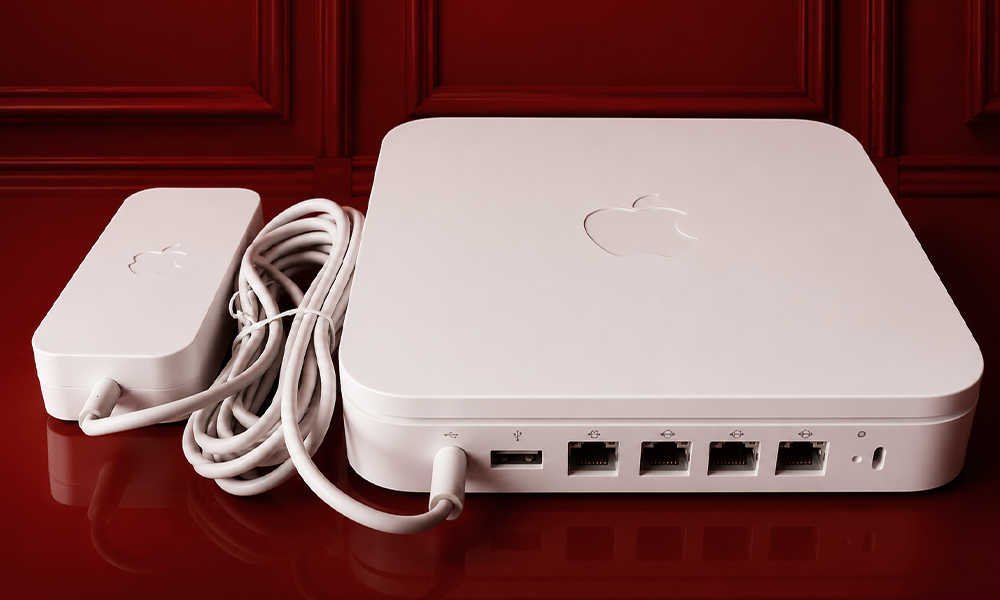
When people think about Apple, they usually think about the iPhone, Mac, or Apple Watch.
Fewer people remember AirPort.
Yet for years, Apple’s AirPort Express, AirPort Extreme, and Time Capsule routers earned a reputation for reliability, simple setup, and seamless integration with the Apple ecosystem.
For many households, they “just worked.”
That reputation made Apple’s decision to discontinue the entire AirPort lineup in 2018 particularly surprising.
Why Apple Shut It Down
The decision wasn’t driven by widespread customer complaints.
Instead, Apple shifted its focus toward services and its highest-priority hardware categories.
Maintaining a networking division no longer aligned with the company’s long-term strategy.
By retiring AirPort, Apple redirected engineering resources toward products and services that fit its evolving ecosystem more closely.
Customer Reaction
Many loyal users were disappointed.
The AirPort family had become known for stability and ease of use, especially among Apple customers who preferred products requiring minimal setup.
Its disappearance created an opportunity for mesh-networking manufacturers to fill the gap.
Companies specializing in modern Wi-Fi systems quickly captured users looking for simple home networking solutions.
Was It the Right Business Decision?
From a financial perspective, Apple’s move reflected a familiar pattern across the technology industry.
Rather than supporting every successful product indefinitely, companies increasingly concentrate resources where they believe future growth will be strongest.
That doesn’t necessarily make the decision popular.
Even years later, AirPort remains one of the most frequently mentioned examples whenever people discuss discontinued beloved technology.
Business Lesson
A product doesn’t need to be broken before a company decides to retire it.
Sometimes the strongest products disappear because they no longer fit a company’s long-term vision.
For customers, that can feel frustrating.
For executives, it often represents a difficult trade-off between preserving legacy products and investing in the next generation of innovation.
2. Google Podcasts: When Consolidation Beat Loyalty
Few companies have developed a stronger reputation for product cancellations than Google.
Its podcast app demonstrates why.
Google Podcasts launched with a straightforward goal: give Android users a clean, lightweight way to discover and enjoy podcasts.
Over time, it attracted a loyal audience and surpassed 50 million downloads on Google Play, showing there was genuine demand for a simple podcast experience.
Yet in 2024, Google announced it would discontinue the service.
Why Google Killed It
Google wanted to consolidate its audio offerings inside YouTube Music.
Instead of maintaining two separate products, the company chose one destination for music and podcasts.
From Google’s perspective, the move simplified its ecosystem and strengthened competition with platforms like Spotify.
Strategically, the decision made sense.
Emotionally, many users disagreed.
Customer Response
Long-time listeners criticized the transition because YouTube Music initially lacked several podcast-focused features that had made Google Podcasts attractive.
Users who preferred its clean interface suddenly had to adapt to a platform built around music rather than spoken content.
The reaction highlighted a recurring challenge for large technology companies.
A replacement product may serve broader business goals while still offering a weaker experience for loyal customers.
Business Lesson
Google Podcasts illustrates an important principle.
Customer satisfaction isn’t always enough to guarantee a product’s future.
If a product no longer supports the company’s strategic direction, it may be retired even with millions of users.
For businesses of every size, that raises an important question:
Should every successful product live forever, or should companies sometimes accept short-term backlash to pursue long-term growth
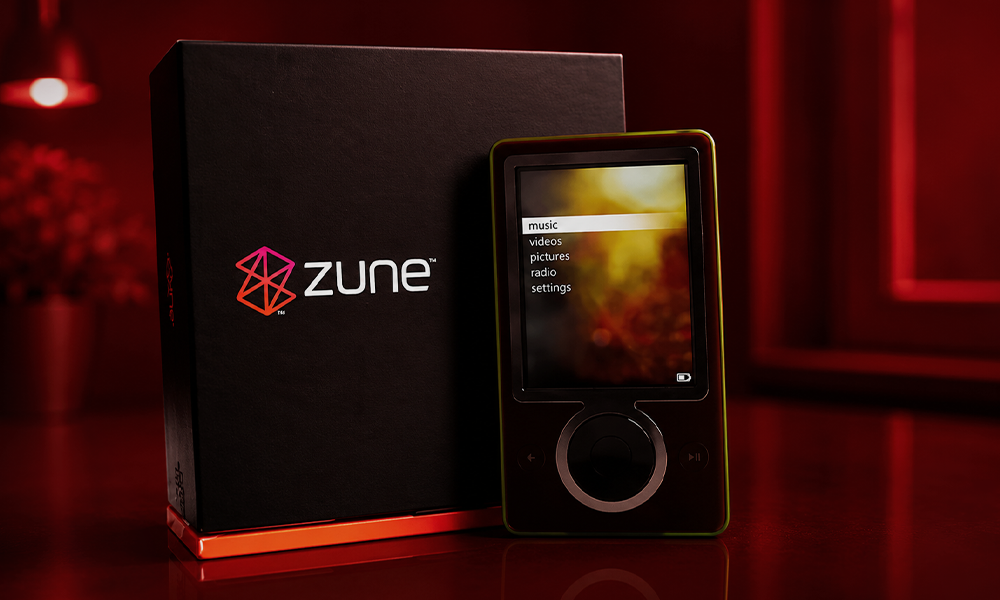
3. Microsoft’s Windows Phone and Zune: Great Ideas That Lost Strategic Support
When Microsoft entered the smartphone market, it didn’t simply copy Android or iPhone.
Instead, it introduced Windows Phone with its distinctive Metro interface, featuring live tiles that many users still consider one of the cleanest mobile designs ever created.
The same was true for Zune.
Although it never overtook the iPod, Zune built a loyal community that appreciated its design, music features, and user experience.
Neither product lacked passionate supporters.
Why Microsoft Walked Away
Microsoft faced a difficult reality.
Apple and Google had already built enormous app ecosystems, making it increasingly difficult for developers to justify investing in a third mobile platform.
Rather than continuing to spend heavily on consumer hardware, Microsoft shifted its attention toward enterprise software, cloud computing, and subscription services.
The move aligned with the company’s broader business strategy.
Resources that once supported consumer devices could instead strengthen products like Microsoft 365 and Azure.
Customer Reaction
For loyal Windows Phone users, the shutdown felt abrupt.
Many had invested in devices, apps, and accessories expecting the platform to mature over time.
Instead, developer support slowed, hardware launches stopped, and the ecosystem gradually faded away.
Zune fans experienced something similar.
The product disappeared not because every user abandoned it, but because Microsoft redirected its long-term priorities.
Business Lesson
Sometimes timing matters as much as product quality.
A well-designed product can still disappear if it cannot compete within a rapidly changing ecosystem.
Microsoft demonstrated that strategic focus sometimes outweighs customer loyalty, even when the product itself receives positive reviews.
4. Sony’s PlayStation Vita: A Handheld Ahead of Its Time
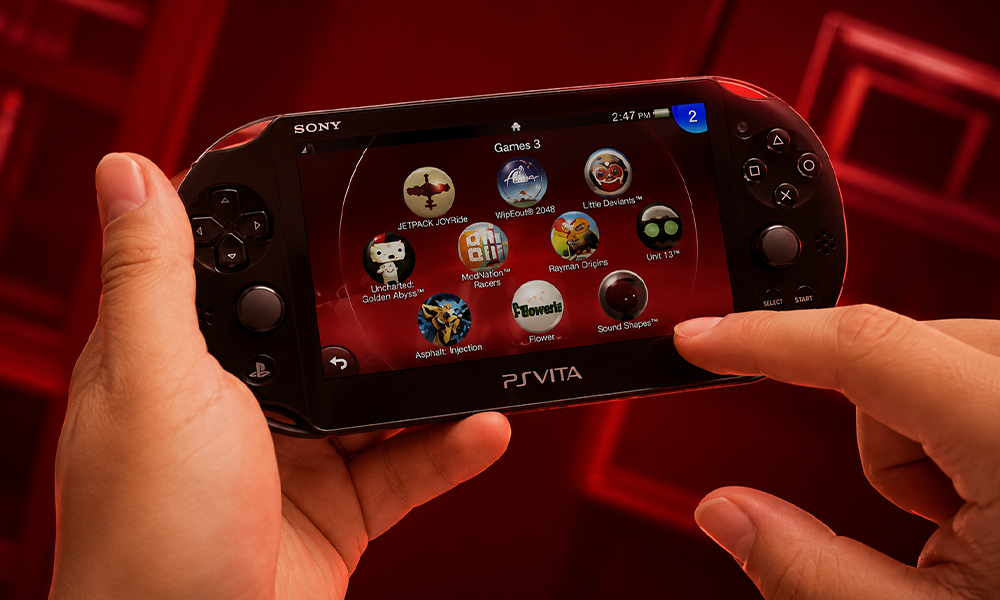
Looking back, the PlayStation Vita seems almost prophetic.
Years before hybrid gaming became mainstream, Sony released a handheld console featuring dual analog sticks, a brilliant OLED display, and performance that impressed critics.
Many gamers believed it represented the future of portable gaming.
Ironically, history would later prove them right.
Why Sony Ended Support
Despite its technical strengths, the Vita never reached the sales volumes Sony expected.
Within only a few years, Sony dramatically reduced first-party software development and shifted resources toward other priorities.
The dedicated community remained.
Corporate confidence did not.
Years later, Nintendo’s Switch demonstrated that consumers still wanted premium handheld gaming, just with stronger long-term ecosystem support.
Customer Response
The Vita developed something rare.
It became more appreciated after its decline than during its peak.
Collectors, independent developers, and enthusiasts continued supporting the platform long after Sony had moved on.
For many players, it remains one of gaming’s biggest “what if?” stories.
Who Should Learn From This?
Useful for:
- Product managers deciding whether to continue investing in niche products.
- Hardware companies balancing innovation with profitability.
- Businesses entering markets dominated by established competitors.
Not ideal for:
- Companies expecting immediate mass-market success from highly specialized products.
- Organizations unwilling to invest through slow adoption cycles.
Business Lesson
Early sales rarely tell the entire story.
Sometimes markets need more time to mature than quarterly earnings reports allow.
5. Netflix’s Qwikster: When a Brand Change Becomes a Business Mistake
Not every product cancellation involves hardware.
Sometimes changing the customer experience creates just as much disruption.
Netflix learned this lesson with Qwikster.
As streaming grew, Netflix attempted to separate its DVD-by-mail business into a completely different brand.
Customers who wanted both services suddenly faced two accounts, separate billing, and a more complicated experience.
Why Netflix Tried It
The company wanted to accelerate its transition toward streaming.
Internally, separating the businesses appeared logical.
The execution, however, failed to match customer expectations.
Instead of making life simpler, it introduced unnecessary complexity.
Customer Reaction
The backlash arrived almost immediately.
According to the research data, Netflix lost around 800,000 subscribers following the announcement before reversing course.
The incident became one of the most discussed examples of how product strategy can overlook customer behavior.
Business Lesson
Even when your long-term vision is correct, poor execution can undermine it.
Customers often judge change by its immediate impact rather than the strategic reasoning behind it
Comparing the Five Decisions
| Company | Iconic Product | Primary Reason for Discontinuation | Customer Reaction | Long-Term Outcome |
| Apple | AirPort | Shift toward core products and services | Disappointment from loyal users | Mesh networking companies filled the gap |
| Google Podcasts | Ecosystem consolidation into YouTube Music | Strong criticism from podcast users | Unified audio strategy but mixed customer response | |
| Microsoft | Windows Phone & Zune | Enterprise and cloud-first strategy | Loyal communities abandoned | Greater focus on Microsoft 365 and Azure |
| Sony | PlayStation Vita | Sales expectations not met | Enthusiast community remained active | Portable gaming later proved highly successful |
| Netflix | Qwikster | Streaming-focused restructuring | Immediate subscriber backlash | Strategy reversed after customer response |
Killed vs. Failed: Understanding the Difference
One mistake many articles make is treating every discontinued product as a failure.
The reality is more nuanced.
A failed product struggles to attract customers from the beginning.
A strategically retired product may still have loyal users but no longer align with the company’s future direction.
Google Podcasts illustrates this perfectly.
The app maintained a dedicated audience, yet Google chose ecosystem consolidation over maintaining separate products.
AirPort followed a similar pattern.
Its retirement reflected Apple’s changing priorities rather than widespread dissatisfaction with the product itself.
Recognizing this distinction helps explain why many iconic tech products discontinued continue to be remembered so positively years later.
What AI Is Changing About Product Lifecycles
Artificial intelligence is reshaping how technology companies allocate resources.
Products that once received years of gradual improvement now face much shorter evaluation periods.
Engineering teams are increasingly reassigned to AI initiatives, leaving fewer resources for maintaining older software and hardware.
The research highlights several examples.
Google retired its Dark Web Report feature in February 2026 after less than two years.
Experimental AI projects such as Doppl and Pixel Studio also experienced rapid shutdowns as priorities shifted.
This reflects a broader industry trend rather than isolated decisions.
Companies are concentrating investment where they expect the greatest long-term competitive advantage.
Research Shows Product Lifecycles Are Shrinking
Several data points from the research illustrate this shift:
- Independent tracking shows Google has discontinued more than 290 products and services, making it one of the industry’s most active companies for product retirement.
- The average lifespan of Google’s abandoned consumer applications is under 4.1 years, according to independent tracking repositories.
- Research cited in the report notes that approximately 58% of online searches in early 2026 ended without a click to another website as AI-powered search experiences expanded.
- Chartbeat reported that search referrals to more than 2,500 news publishers declined by 33% during 2025, with further declines expected as AI-driven search continues to evolve.
- Google’s Stadia shutdown reportedly required refunds estimated at $150–200 million to preserve customer goodwill.
Viewed together, these figures reveal a common theme.
Technology companies are becoming increasingly willing to sacrifice established products in pursuit of future growth.
Expert Perspective: The Hidden Cost of Killing Products
Companies often highlight the operational benefits of retiring products.
Engineering resources become available.
Technical debt decreases.
Infrastructure costs fall.
Those advantages are real.
But they come with a less visible cost.
Every discontinued product affects customer confidence.
Users begin asking whether today’s exciting new service will still exist in three years.
Developers ask the same question before investing time in building integrations or applications.
Over time, that uncertainty can become just as expensive as maintaining the product itself.
Practical Framework: Should Your Company Retire a Product?
If you’re responsible for managing products, don’t focus only on revenue.
Consider the broader picture before ending support.
Ask yourself:
- Does the product still solve a meaningful customer problem?
- Can it coexist with newer products instead of competing against them?
- Will retiring it strengthen your ecosystem or simply frustrate loyal users?
- Have customers been given enough time and tools to migrate?
- Would selling or open-sourcing the product create more long-term value than shutting it down?
Common mistakes include rushing customers into replacements, underestimating emotional attachment, and communicating changes too late.
Successful product retirements are planned well before the public announcement.
Conclusion
When I think back to that morning I opened my favorite app and discovered it was disappearing, I remember the frustration more than the announcement itself. The software still worked. The community was still active. Yet a strategic decision had already sealed its fate.
That experience explains why discussions about tech companies killing iconic products continue years after those products disappear. Behind every shutdown is a difficult balance between innovation, profitability, engineering resources, and customer loyalty. Companies must keep moving forward, but every product they retire also becomes part of their reputation.
The five examples in this article show that product discontinuation isn’t always a sign of failure. Sometimes it’s a calculated business move. Other times, history suggests a company may have walked away too soon. Either way, these decisions remind us that technology evolves far faster than customer attachment.
Perhaps the biggest lesson is this: people rarely remember a company for the products it launches alone. They also remember how it treats the products, and the communities, it leaves behind.
Frequently Asked Questions
Why do tech companies discontinue popular products?
Companies discontinue popular products for many reasons beyond sales numbers. A product may no longer fit the company’s long-term strategy, require too many engineering resources, or overlap with another service in its ecosystem. In many cases, executives believe consolidating products allows them to focus on future technologies such as AI, cloud computing, or subscription services.
What is the difference between a failed product and a discontinued product?
A failed product generally struggles to attract customers or achieve its business goals. A discontinued product, however, may still have loyal users but is retired because the company changes direction or decides to simplify its product portfolio. Understanding this difference helps explain why many beloved technology products disappeared despite strong customer support.
Why do people still miss discontinued tech products?
Many discontinued products solved specific problems exceptionally well. Users often develop routines around software or hardware they trust, making replacements feel unfamiliar or less efficient. Nostalgia also plays a role, especially when a product represented an important period in technology or offered features that newer alternatives no longer provide.
Can a discontinued product ever return?
Yes, although it is uncommon. Companies occasionally revive product names, redesign services, or reintroduce features based on customer demand and changing market conditions. More often, however, the original product remains retired while its best ideas are incorporated into newer offerings.
How can users protect themselves when products are discontinued?
You can reduce disruption by regularly backing up important data, choosing services that support open standards, and avoiding dependence on a single platform whenever possible. Before investing heavily in any ecosystem, it is also worth checking the company’s history of long-term product support.
Why do large tech companies focus on one ecosystem?
Unified ecosystems simplify development, reduce maintenance costs, and create a more consistent experience across devices and services. They also make it easier for companies to introduce new features and integrate products. The trade-off is that standalone tools with loyal audiences are sometimes retired to support that broader strategy.
Are product cancellations becoming more common?
Many industry observers believe product lifecycles are becoming shorter as technology companies invest more heavily in artificial intelligence, cloud infrastructure, and integrated platforms. Businesses now reassess products more frequently, which can lead to faster discontinuation decisions than in previous decades.
What can businesses learn from these examples?
Businesses should avoid judging a product solely by short-term performance. They should consider customer trust, long-term brand reputation, migration planning, and communication before announcing a discontinuation. A well-managed transition often matters just as much as the decision itself.