


Google search ranking volatility is the rapid up-and-down movement of a website’s positions in search results, usually triggered by a Google algorithm update.
When volatility spikes, pages that are ranked on page one can fall to page three within days, then partially recover, then move again before settling. This article breaks down what actually causes sudden traffic drops, using confirmed update data from 2024 through 2026.
The pattern matters because the pace has changed. Google now ships major updates roughly every 90 days instead of the historical twice-per-year cadence, and the first quarter of 2026 alone brought three separate updates in four weeks.
Google search ranking volatility refers to sharp, short-term swings in a site’s search positions, most often caused by Google algorithm updates. Core updates reassess content quality and run 12 to 20 days.
Spam updates enforce policy and can finish in under 24 hours. In 2026, the March core update pushed Semrush Sensor volatility to 9.5 out of 10, among the highest recorded. Traffic drops align with update windows, and recovery from a core update typically takes three to six months.
What Is Google Search Ranking Volatility?
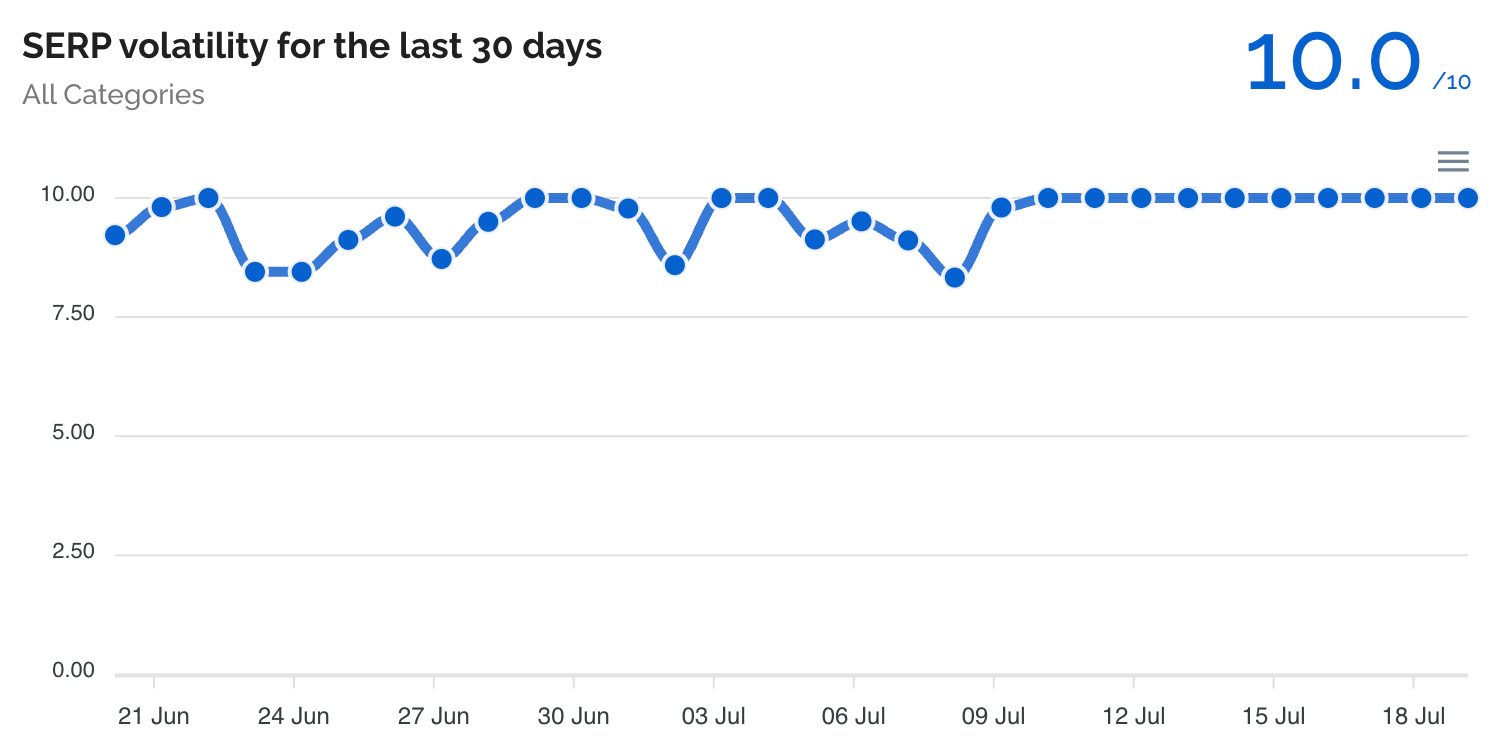
Ranking volatility measures how much search positions move across many sites at once. SEO tools track this with daily scores. Semrush Sensor, for example, rates volatility from 0 to 10, where readings above 7 signal a major shake-up.
Some google ranking fluctuations happen every day as Google tests and refines results. That background noise is normal. Volatility becomes a concern when scores spike sharply and stay elevated, which almost always lines up with a confirmed algorithm update. Understanding the difference between daily noise and an update-driven swing is the first step in diagnosing any seo traffic loss.
What Causes Sudden Traffic Drops?
A traffic drop after google update is the most common cause of sudden organic decline. Every google algorithm update changes which signals Google weights most heavily, so pages can lose visibility without breaking any rules.
There are two main update types:
Core updates are broad recalibrations of how Google evaluates content quality and relevance. They do not punish sites. They re-rank the entire web based on adjusted quality signals. Some sites gain, some lose, many stay flat. Core updates usually run 12 to 20 days.
Spam updates enforce existing policies through SpamBrain, Google’s AI-based spam detection system. These target manipulative tactics rather than general quality. They can finish fast.
Here is the confirmed google search update timeline from the Google Search Status Dashboard:
| Update | Dates | Type | Rollout |
| June 2026 Unconfirmed Update | Around June 19, 2026 | Unconfirmed (black hat focus) | Tracking |
| May 2026 Core Update | May 21 to June 2, 2026 | Core | 12 days |
| March 2026 Core Update | March 27 to April 8, 2026 | Core | 12 days |
| March 2026 Spam Update | March 24 to 25, 2026 | Spam | Under 20 hours |
| February 2026 Discover Core Update | February 5 to 27, 2026 | Core (Discover only) | 21 days |
| December 2025 Core Update | December 11 to 29, 2025 | Core | 18 days |
| August 2025 Spam Update | Completed September 22, 2025 | Spam | 27 days |
| March 2025 Core Update | March 13 to 27, 2025 | Core | 14 days |
| March 2024 Core Update | March 5 to April 19, 2024 | Core | 45 days |
The March 2026 spam update set a record. It completed in roughly 19.5 hours, the fastest confirmed spam update in Google’s dashboard history. The March 2026 core update that followed three days later sent Semrush Sensor volatility to 9.5 out of 10, with over 55 percent of monitored sites experiencing ranking shifts in the first two weeks. Some sites reported organic traffic drops of 20 to 35 percent in that opening window.
The May 2026 core update completed on June 2, 2026 after a 12-day rollout, with heavy volatility reported across the weekends inside that window. Not every swing comes from a confirmed update, though.
Google also runs smaller, unannounced adjustments continuously between the major named ones. These unconfirmed updates show up first as a spike in SEO community chatter and forum reports, sometimes before tracking tools register much movement at all.
White Hat SEO vs Black Hat SEO
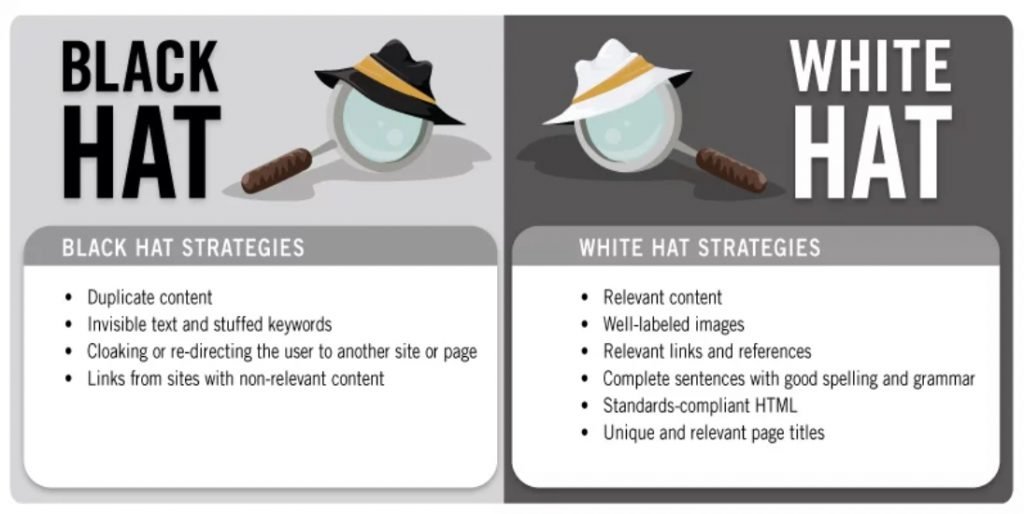
The tactics behind a site shape how it weathers volatility. White hat SEO follows Google’s guidelines: original, helpful content, clean technical performance, genuine expertise, and natural links. Sites built this way tend to recover from core updates and often gain over time as low-quality competitors fall.
Black hat SEO breaks the rules to rank faster. Common examples include scaled AI content with no human editing, expired domain manipulation, private blog networks, and site reputation abuse, also called parasite SEO. The March 2026 spam update expanded enforcement against exactly these categories. Sites relying on these tactics face the steepest, most lasting drops.
A recent example shows this split clearly. Search Engine Roundtable’s Barry Schwartz reported an unconfirmed Google update around Friday, June 19, 2026 that appeared to hit black hat sites harder than white hat ones.
Most third-party tracking tools stayed relatively stable, yet chatter spiked sharply in black hat SEO forums, where webmasters described traffic declines in the 25 to 50 percent range starting that Friday.
Reports suggested informational sites took more damage than pages with commercial intent. The contrast is the lesson: when an update targets manipulative tactics, the sites built on those tactics feel it first, while guideline-following sites often hold steady.
Google’s John Mueller offered a blunt test for site owners unsure which side they are on. He noted that anyone who cannot tell whether their own site counts as spam very likely has a spam problem.
Google Penalties vs Algorithmic Adjustments
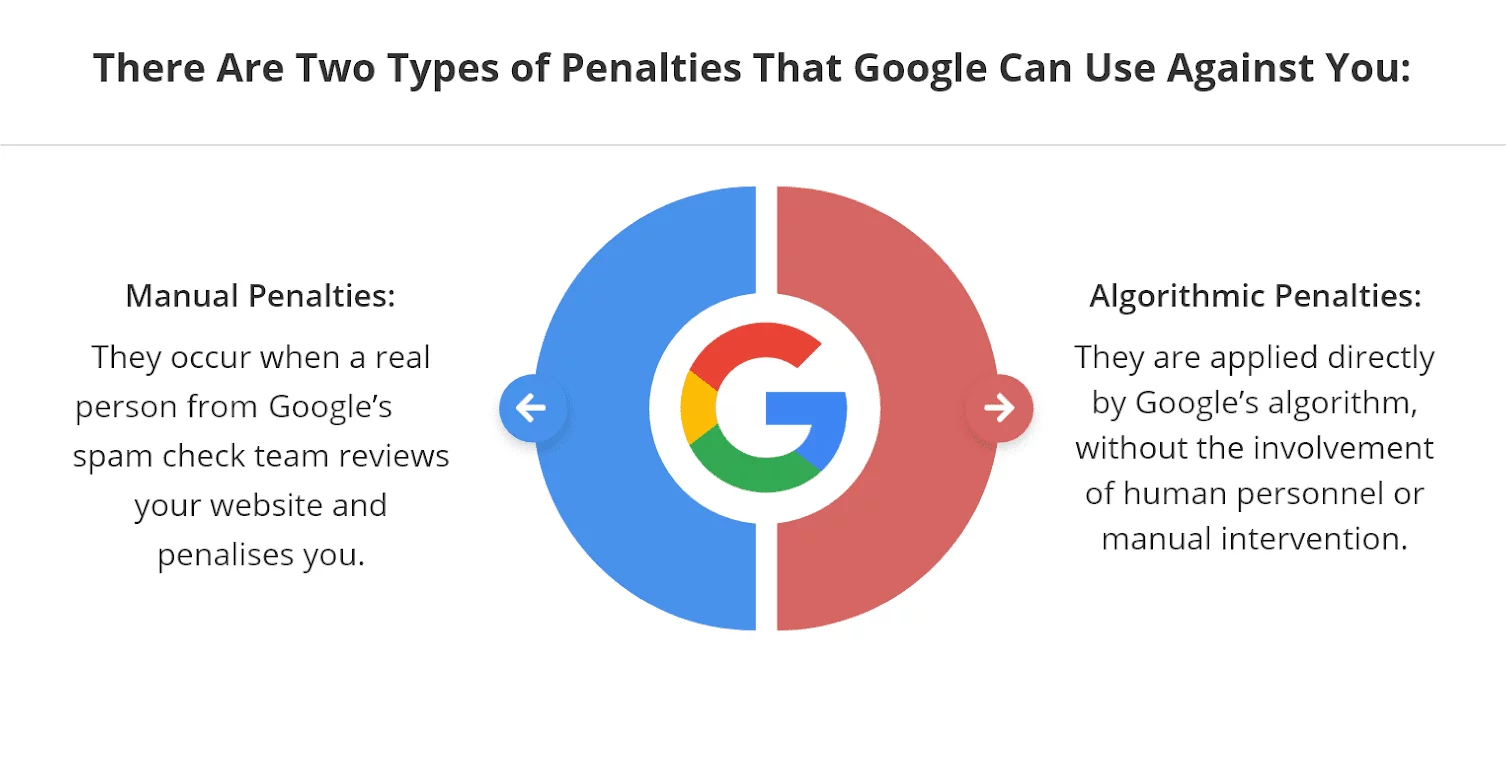
People often confuse the two, but they work differently.
Google penalties (officially called manual actions) happen when a human reviewer at Google flags a site for violating policies. You receive a notice in Google Search Console under the Manual Actions report, and you must fix the issue and request reconsideration to recover.
Algorithmic adjustments come from updates and generate no notice. If your traffic dropped during a core update window and your Manual Actions report is clean, the cause is algorithmic, not a penalty.
This distinction matters because the recovery path is completely different. A penalty requires a reconsideration request. An algorithmic drop requires improving the signals the update now rewards.
How to Diagnose a Traffic Drop After a Google Update
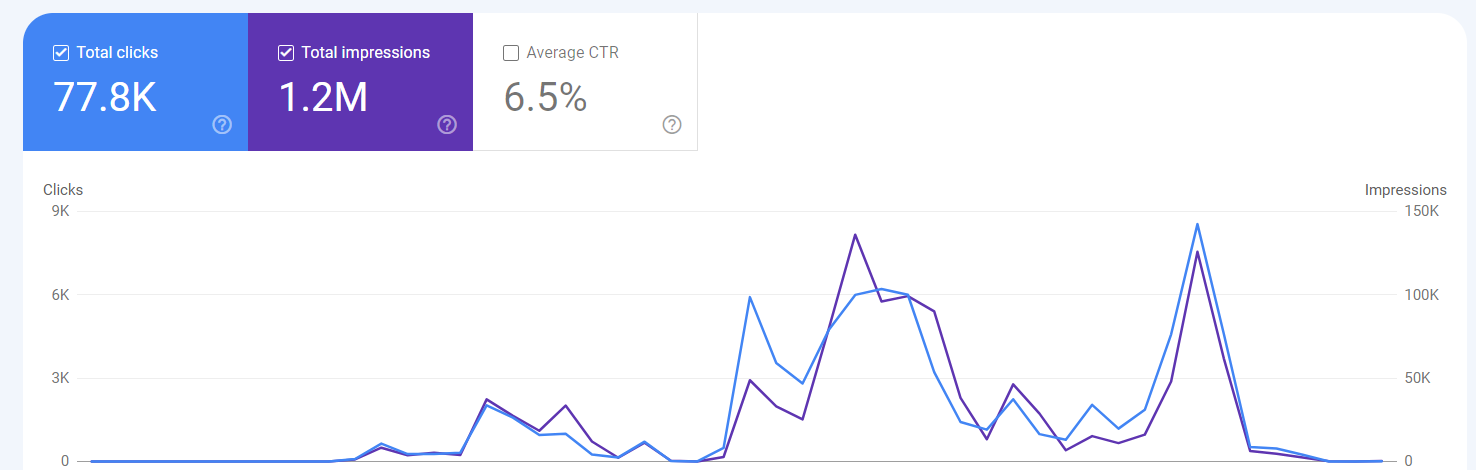
Follow this exact process before changing anything:
- Open Google Search Console and go to Performance, then Search Results.
- Compare the 14 days before and after a suspected update date. Match your drop to the timeline above.
- Check the onset date. A sharp drop on March 24 points to the spam update. A gradual decline starting March 27 points to the core update.
- Enable the date row to see day-by-day movement, then review page-level and query-level data to find which pages and keywords lost ground.
- Confirm the Manual Actions report is clean to rule out a penalty.
If the drop does not align with any update window, look elsewhere: technical errors, lost backlinks, seasonality, or tracking problems.
How to Recover From Ranking Volatility
The single most common mistake is overreacting during an active rollout. Rankings move multiple times before settling, so acting on incomplete data creates more problems than it solves. Wait until Google confirms the rollout is finished.
For algorithmic drops, recovery comes from systemic quality improvement, not quick fixes. Disavowing links or rewriting a few thin pages addresses symptoms. Google validates real improvements at the next major update, so recovery from a core update typically takes three to six months. Make the improvements now so they are in place for the next cycle.
For spam-related drops, identify the violating tactic, remove it fully, and rebuild with white hat methods. For a manual penalty, fix the issue and file a reconsideration request.
The trajectory across 18 months is consistent. Google rewards original work, genuine expertise, clean technical performance, and a verifiable online presence. Sites built on that foundation ride out volatility and gain ground as weaker competitors drop.
FREQUENTLY ASKED QUESTIONS
What is Google search ranking volatility?
Google search ranking volatility is the rapid movement of a website’s search positions, usually caused by a Google algorithm update. SEO tools like Semrush Sensor score it from 0 to 10. Readings above 7 signal a major shake-up, while small daily shifts are normal background noise.
What causes a sudden traffic drop after a Google update?
A traffic drop after google update happens because each update changes which quality signals Google weights most. Core updates re-rank the web based on content quality. Spam updates enforce policy through SpamBrain. Pages can lose visibility without breaking rules, simply because Google now favors different content.
How long do Google core updates take to roll out?
Core updates typically run 12 to 20 days. The March 2026 core update took 12 days (March 27 to April 8). Spam updates are faster and can finish in under 24 hours. The March 2026 spam update completed in roughly 19.5 hours, the fastest on record.
How do I know if a Google update hit my site?
Open Google Search Console, go to Performance, and compare the 14 days before and after a known update date. If your clicks and impressions dropped in line with an update window, your site was likely affected. Check the page-level data to see what moved.
What is the difference between Google penalties and algorithm updates?
Google penalties (manual actions) come from a human reviewer and appear in the Manual Actions report. Algorithmic adjustments come from updates and generate no notice. A penalty requires a reconsideration request to fix. An algorithmic drop requires improving the signals the update rewards.
What is the difference between white hat and black hat SEO?
White hat SEO follows Google’s guidelines with original content, genuine expertise, and natural links. Black hat SEO breaks the rules with tactics like scaled AI content, private blog networks, and site reputation abuse. Black hat sites face the steepest, most lasting drops during spam updates.
How long does it take to recover from a Google core update?
Recovery from a core update typically takes three to six months. Google validates improvements at the next major update, so changes made now are recognized at the next cycle. Tactical fixes rarely work fast, since updates reward systemic quality rather than symptom-level patches.
What is an unconfirmed Google update?
An unconfirmed update is ranking movement that Google has not officially announced. Google runs smaller adjustments continuously between named updates. These show up first as a spike in SEO forum chatter, sometimes before tracking tools react. Search Engine Roundtable flagged one around June 19, 2026 that appeared to hit black hat sites hardest.
How often does Google release algorithm updates?
Google now releases major updates roughly every 90 days, faster than the historical twice-per-year pace. The first quarter of 2026 brought three updates in four weeks: the February Discover core update, the March spam update, and the March core update. Smaller unconfirmed updates happen continuously in between.
SOURCES & CITATIONS
This article uses confirmed update data from authoritative SEO and search sources:
- Google Search Status Dashboard (status.search.google.com): official rollout dates for all confirmed updates
- Search Engine Land (Barry Schwartz, Danny Goodwin): May 2026 and March 2026 core update coverage
- Search Engine Journal: complete Google algorithm update history
- Semrush Sensor: SERP volatility scores (9.5 out of 10 peak, March 2026)
- Search Engine Roundtable (Barry Schwartz): spam update timing, May 2026 core update completion (June 2), and the unconfirmed June 19, 2026 update impacting black hat sites
- John Mueller (Google) and SearchLiaison public statements on Bluesky and X
All update dates, rollout durations, and volatility figures verified as of June 2026. Algorithm updates produce different effects across sites and industries.
Key Takeaways
- Google search ranking volatility is sharp, short-term movement in search positions, almost always tied to an algorithm update
- Core updates reassess content quality and run 12 to 20 days; they do not punish sites
- Spam updates enforce policy through SpamBrain and can finish in under 24 hours
- The March 2026 spam update completed in roughly 19.5 hours, the fastest on record
- The March 2026 core update pushed Semrush Sensor volatility to 9.5 out of 10, with 55%+ of sites shifting
- The May 2026 core update completed June 2, 2026 after a 12-day rollout
- An unconfirmed update around June 19, 2026 appeared to hit black hat sites harder, per Search Engine Roundtable
- White hat SEO sites ride out volatility; black hat SEO sites face the steepest, most lasting drops
- Google penalties (manual actions) generate a notice; algorithmic drops do not
- Diagnose with Google Search Console by comparing 14 days before and after an update date
- Do not make drastic changes during an active rollout
- Recovery from a core update typically takes three to six months
- Update cadence accelerated to roughly every 90 days