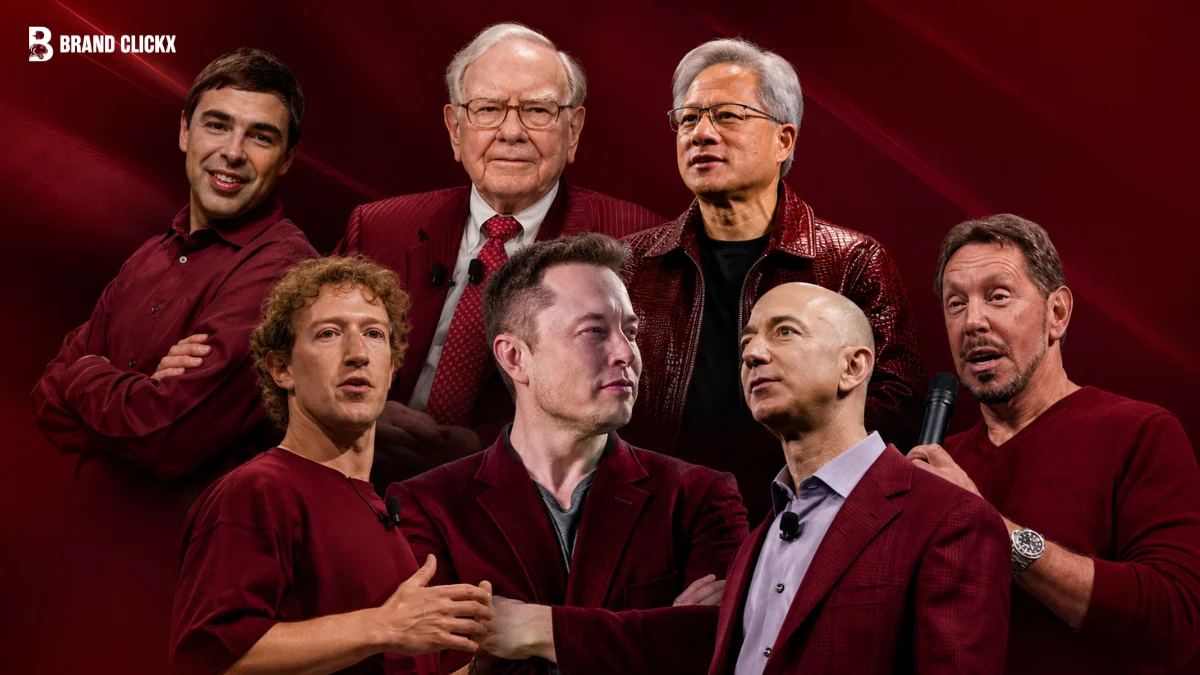
Key Takeaways
- The world’s richest people built their fortunes based on ownership, not salary alone.
- Technology has created many of the world’s largest modern fortunes.
- Investing and compounding can also create extraordinary wealth.
- Long-term thinking matters because major businesses often take decades to mature.
- Solving problems for large markets can create substantial economic value.
- Risk matters, but calculated risk is very different from gambling.
- Reinvestment can help businesses and investments compound over time.
- Billionaire success stories should not be treated as guaranteed formulas, because timing, opportunity, resources and luck also matter.
Quick Answer
The world’s richest people generally built their fortunes through business ownership, technology, investing, innovation, real estate, luxury brands, or a combination of several industries.
Most importantly, they did not simply earn huge salaries. Their wealth largely comes from owning shares in businesses that became extremely valuable.
For example, Forbes’ 2026 annual billionaire list, based on prices and exchange rates from March 1, placed Elon Musk first at an estimated $839 billion, followed by Larry Page, Sergey Brin, Jeff Bezos, and Mark Zuckerberg. These figures can change substantially as company valuations and stock prices move.
The Biggest Pattern: Ownership Creates Massive Wealth
A high salary can make someone wealthy, but ownership can create fortunes on a completely different scale.
When an entrepreneur owns a meaningful portion of a company and that company grows dramatically, the value of their shares can rise with it. Therefore, the person’s net worth can increase even if they are not receiving that amount as cash.
This explains why technology founders appear so often among the world’s wealthiest people.
Why company shares matter
Consider a simple example. If someone owns 20% of a company worth $1 billion, that ownership is theoretically worth $200 million.
If the company later becomes worth $10 billion, the same 20% stake could be worth $2 billion, assuming their ownership percentage has not changed.
That is why building and retaining equity can be far more powerful than simply collecting a large paycheck.
1. Elon Musk: Building Across High-Risk Industries
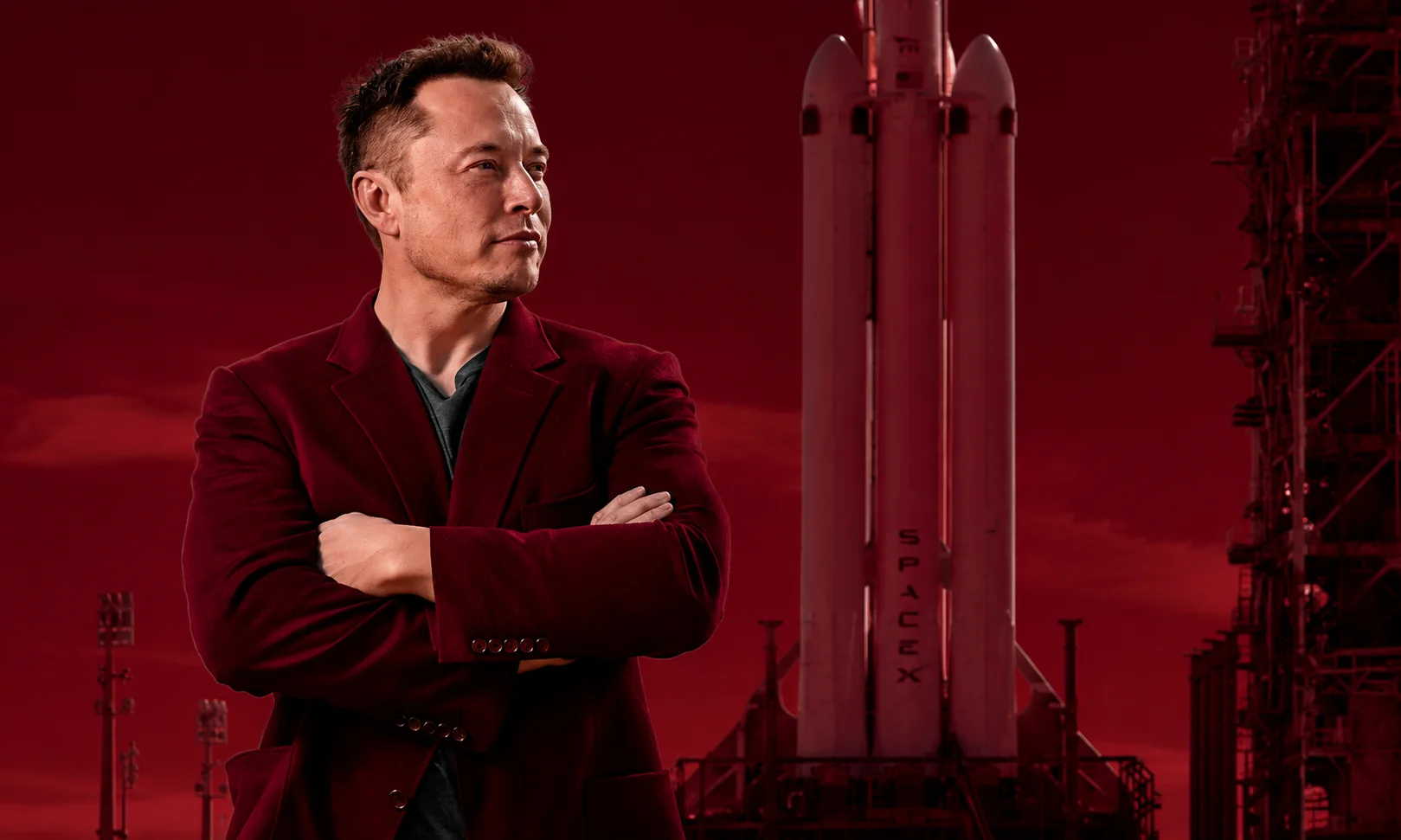
Elon Musk’s fortune is closely connected to ownership stakes in companies operating in technology, electric vehicles, space, and artificial intelligence.
He cofounded several companies, including Tesla, SpaceX and xAI. Forbes’ 2026 reporting described Tesla and SpaceX as major sources of his wealth.
His approach has involved entering industries where the technical and financial risks are extremely high.
First, he backed electric vehicles when the industry still faced major skepticism. Next, SpaceX pursued reusable rockets and commercial space technology. More recently, artificial intelligence became another major area of focus.
The lesson is not simply to copy Musk’s investments. Rather, his story shows how ownership plus exposure to industries with enormous potential can create extraordinary wealth.
2. Jeff Bezos: Turning E-Commerce Into a Global Business

Jeff Bezos founded Amazon in 1994, initially focusing on online commerce. Amazon opened its online store in July 1995 and went public in 1997.
The important part of the story is what happened afterward.
Amazon expanded beyond books into countless product categories. Eventually, it also developed major businesses in cloud computing, entertainment, devices, advertising and logistics.
Consequently, Bezos’ wealth became closely connected to his ownership of Amazon rather than simply his income as an executive.
The Amazon lesson
Bezos’ journey demonstrates the power of long-term expansion.
Instead of treating Amazon as only an online shop, the company repeatedly entered adjacent markets and built new sources of revenue.
That strategy helped transform a relatively simple idea into a much broader technology and commerce ecosystem.
3. Larry Page and Sergey Brin: Making Information Valuable
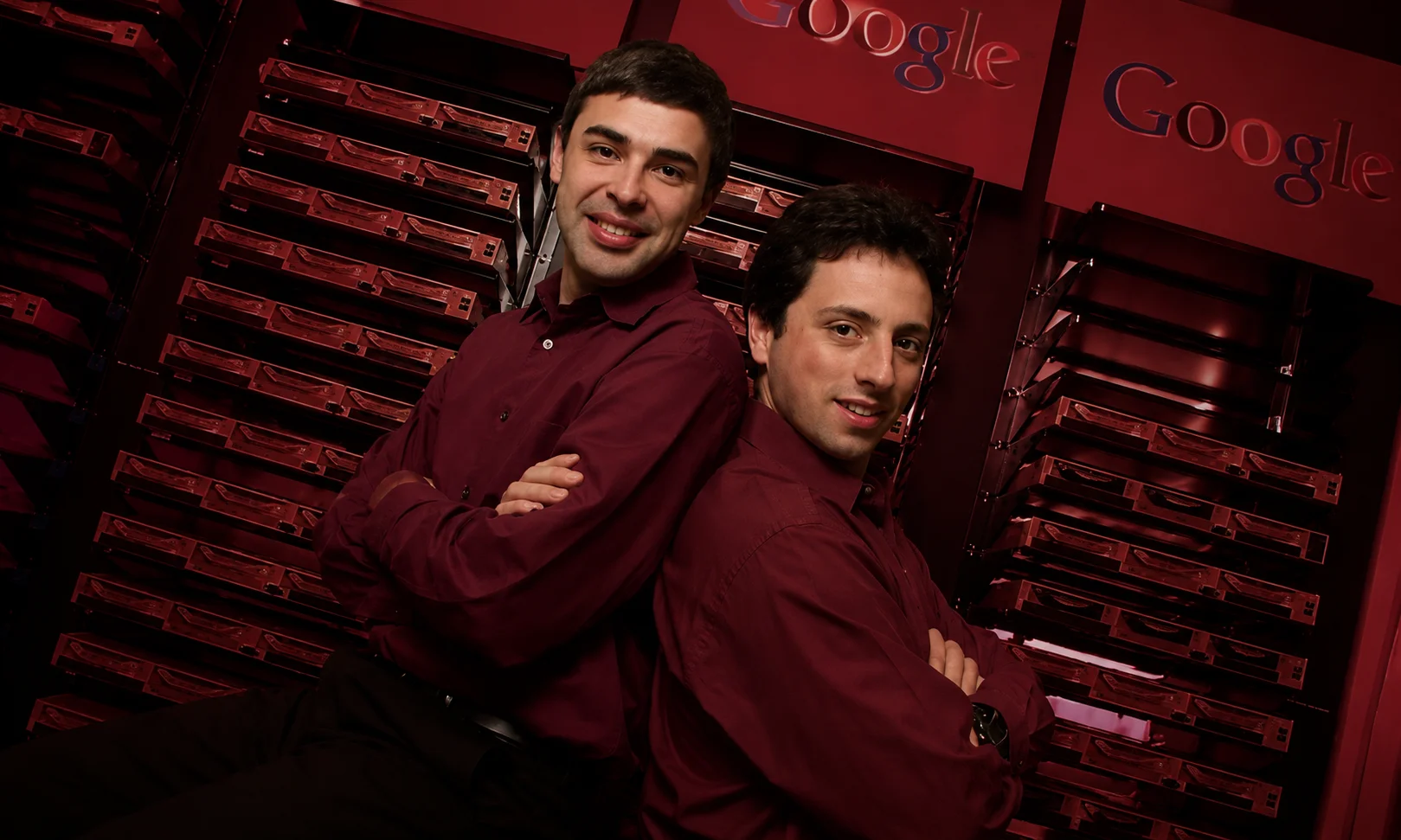
Larry Page and Sergey Brin met while studying at Stanford and worked on a research project that eventually led toward Google’s search technology. Their early work included the BackRub project and the development of PageRank, which helped Google evaluate relationships between web pages.
Google officially became a company in 1998.
At first, the idea was straightforward: make information on the rapidly growing internet easier to find. However, the business eventually developed powerful advertising and technology platforms.
The founders became extraordinarily wealthy because they retained valuable ownership in a company that grew into one of the world’s most influential technology businesses.
Their story highlights another important principle: solving a problem for a huge audience can create enormous economic value.
4. Mark Zuckerberg: Building a Global Network
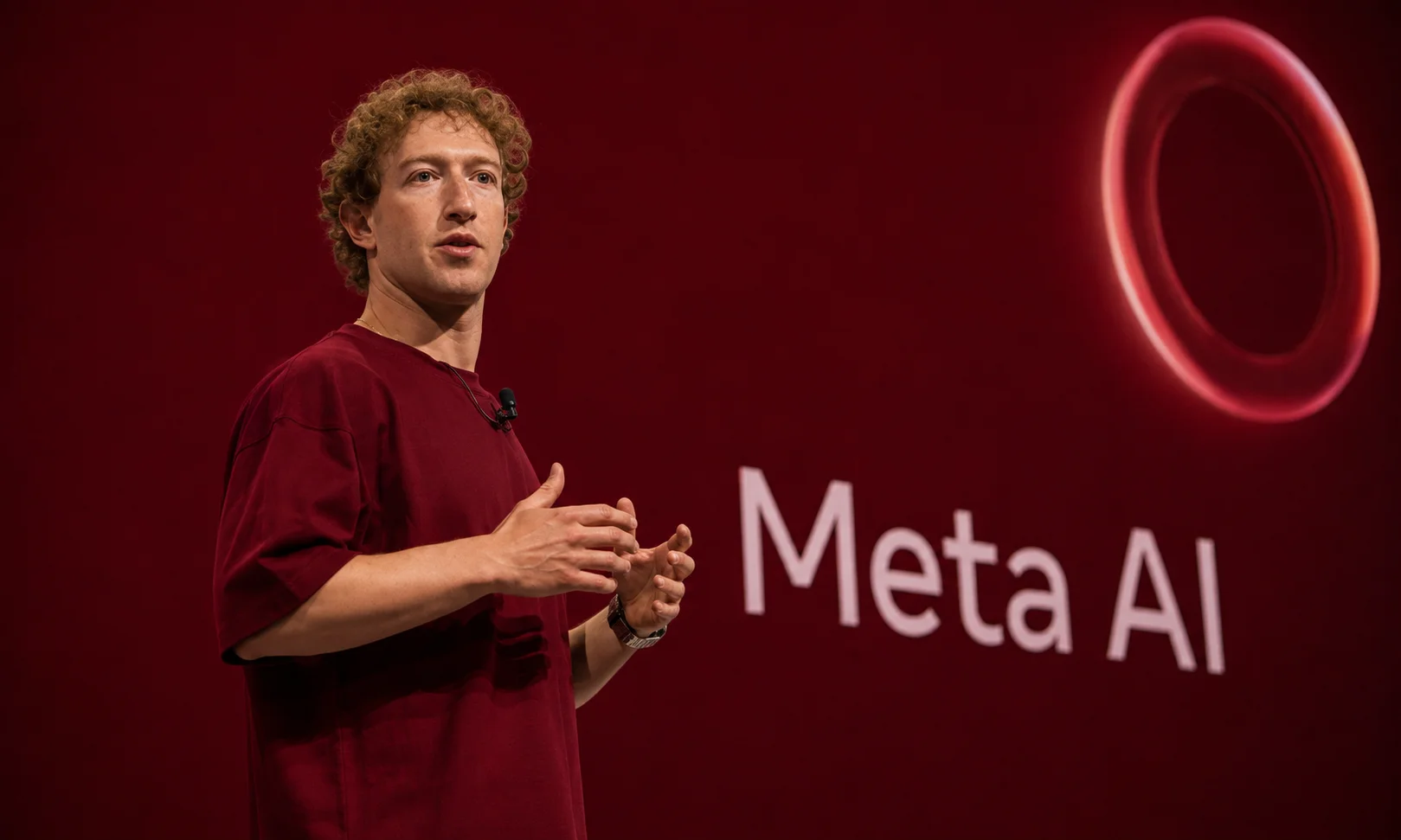
Mark Zuckerberg founded Facebook in 2004, which later became part of Meta. Meta describes Zuckerberg as the company’s founder, chairman and CEO.
The original product focused on connecting people online. Over time, however, the business expanded into a massive digital advertising and social media ecosystem.
Furthermore, Meta acquired major platforms and invested heavily in technologies such as artificial intelligence and virtual reality.
Zuckerberg’s wealth therefore illustrates the power of network effects. A platform becomes increasingly valuable when more people use it, creating opportunities for advertising, communication and additional services.
5. Warren Buffett: Getting Rich Through Patience
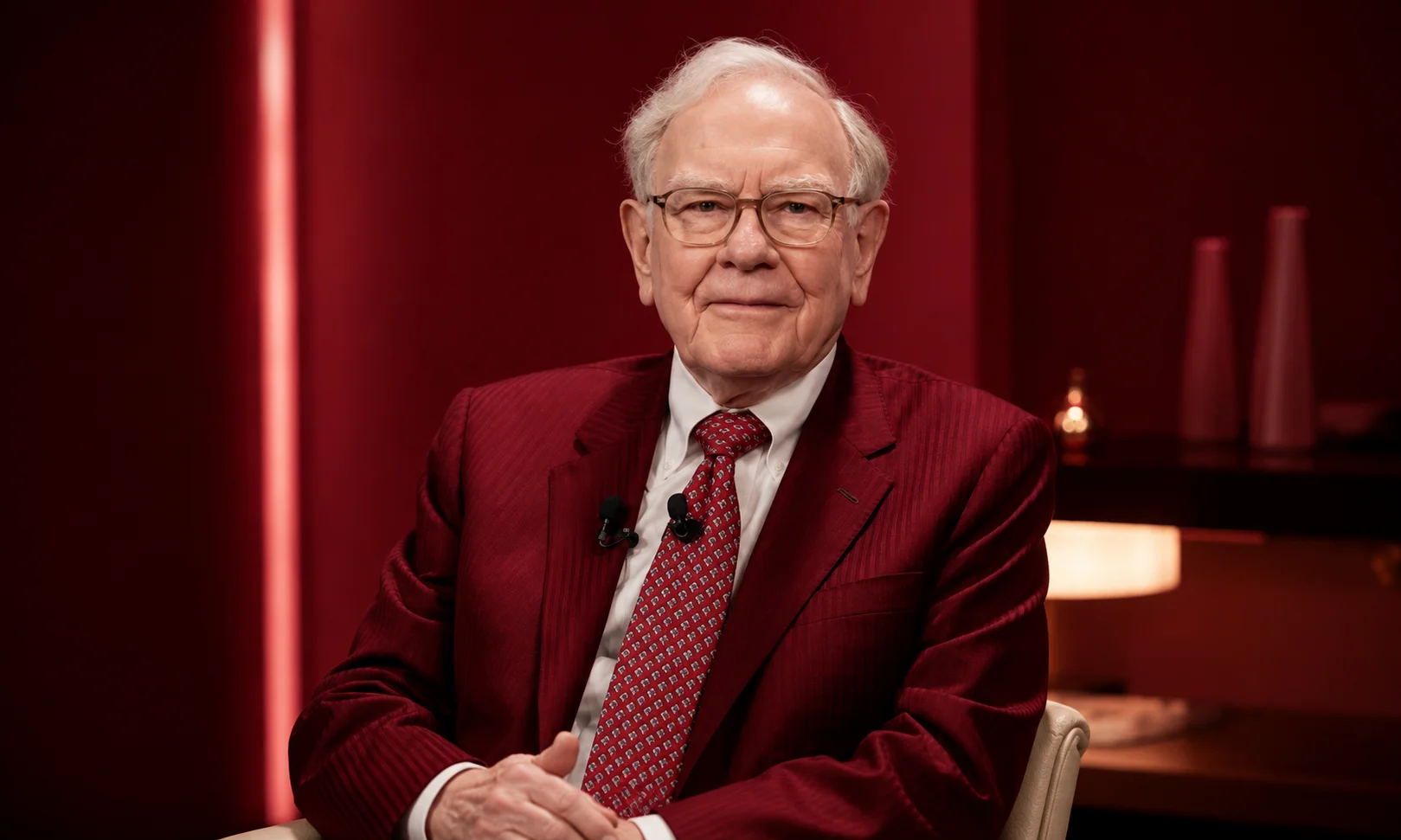
Warren Buffett’s path looks very different from the technology founders.
Rather than creating a major internet platform, Buffett built his fortune through investing and business ownership, particularly through Berkshire Hathaway.
Berkshire’s own historical records show Buffett’s partnership became the controlling shareholder of Berkshire in 1965. Over the following decades, the company evolved into a diversified collection of businesses and investments.
His strategy has often centered on buying understandable businesses, allocating capital carefully and allowing investments to compound over long periods.
In other words, Buffett’s story shows that wealth does not require chasing every new trend.
Buffett’s key principle
Patience is one of the biggest differences between Buffett’s approach and many get-rich-quick strategies.
Instead of constantly looking for the next opportunity, he has emphasized waiting for attractive investments and making decisions with a long-term perspective. Berkshire’s shareholder materials have repeatedly highlighted discipline, judgment and patience as important elements of his investing approach.
6. Jensen Huang: Betting on Computing Before AI Exploded

Jensen Huang cofounded NVIDIA in 1993. The company initially focused on graphics and later developed technologies that became important to accelerated computing and artificial intelligence.
One particularly important development was NVIDIA’s invention of the GPU in 1999.
Years later, GPUs became central to modern AI workloads. As a result, NVIDIA’s long-term technological investments became extremely valuable.
This is an important reminder that massive fortunes are sometimes created years before the world fully recognizes the importance of a technology.
7. Larry Ellison: Building Enterprise Technology
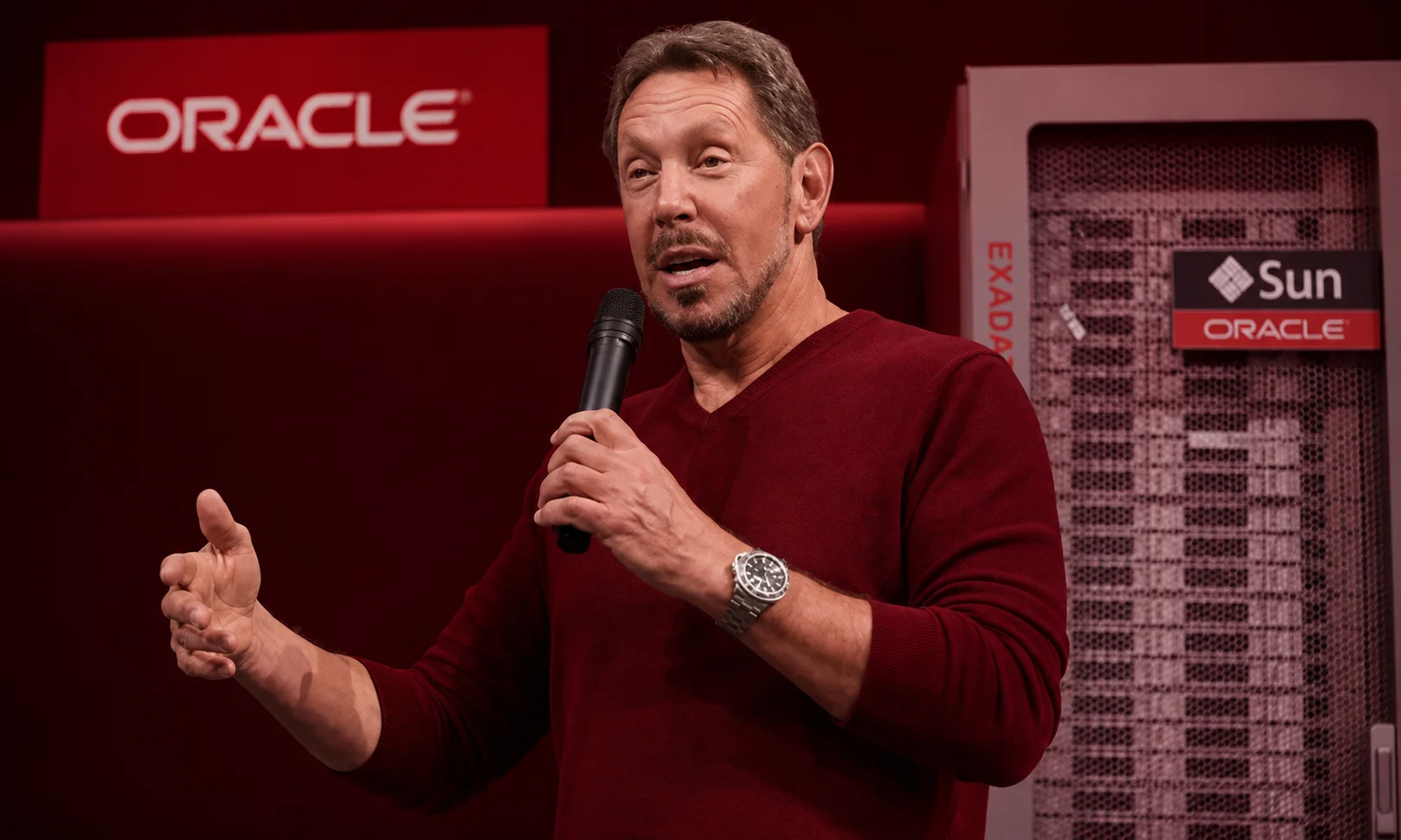
Larry Ellison cofounded the company that became Oracle in 1977 with Bob Miner and Ed Oates. Oracle’s history shows that its early work focused on database technology, while the business later expanded into a major enterprise technology company.
Oracle’s rise demonstrates another route to extreme wealth: building technology for businesses rather than consumers.
Enterprise software can become deeply integrated into organizations. Once businesses depend on a platform for important operations, switching can be difficult.
Therefore, solving expensive and important business problems can create substantial long-term value.
How Their Wealth-Building Strategies Compare
| Person | Main Wealth Engine | Major Advantage |
|---|---|---|
| Elon Musk | Technology and company ownership | High-risk innovation |
| Jeff Bezos | E-commerce and technology | Long-term expansion |
| Larry Page | Search and technology | Information discovery |
| Sergey Brin | Search and technology | Technology ownership |
| Mark Zuckerberg | Social media and technology | Network effects |
| Warren Buffett | Investing and businesses | Compounding |
| Jensen Huang | Semiconductors and computing | Long-term technology bets |
| Larry Ellison | Enterprise software | Business technology |
Although their industries differ, the underlying pattern is surprisingly similar: they owned assets that became more valuable over time.
What the Richest People Have in Common
There is no single formula for becoming extremely wealthy. Nevertheless, several patterns appear repeatedly.
They Think Long Term
Many successful fortunes took decades to build.
Amazon was founded in 1994. NVIDIA began in 1993. Oracle began in 1977. Google emerged as a company in 1998.
Therefore, enormous wealth is often the result of years of growth rather than one spectacular moment.
They Own Rather Than Only Work
This may be the most important lesson.
Employees generally exchange time and skills for income. Owners can benefit when an entire business grows.
Consequently, equity ownership can create much greater upside than salary alone.
They Solve Large Problems
Google made information easier to find. Amazon changed online shopping. NVIDIA developed computing technology that became important to AI. Oracle built enterprise database technology.
In each case, the underlying business addressed a problem with a potentially enormous market.
They Reinvest
Growing companies often require money, talent and technology.
Instead of taking every available dollar as personal income, successful business builders frequently reinvest capital into expansion, research, acquisitions, infrastructure or new products.
As a result, the business can become larger and more valuable.
They Take Calculated Risks
Every major fortune contains risk.
However, calculated risk is different from blindly gambling money. The strongest examples involve people making decisions where they understood the opportunity, accepted uncertainty and stayed committed when results were not immediate.
Common Mistakes People Make When Studying Billionaires
It is easy to look at a billionaire’s current wealth and assume the path was simple.
That can be misleading.
Mistake 1: Thinking They Became Rich From Salary
Most extraordinary fortunes are primarily connected to ownership stakes, investments and appreciating assets.
Mistake 2: Copying Their Investments
Buying a particular stock because a billionaire owns it does not recreate their strategy.
Their entry price, risk tolerance, ownership percentage, knowledge and time horizon may be completely different.
Mistake 3: Ignoring Time
People often focus on the breakthrough while ignoring the years of work that came before it.
For example, NVIDIA’s current importance in AI is connected to technological developments that began decades earlier.
Mistake 4: Believing Every Success Story Is Purely About Hard Work
Hard work matters, but so do education, timing, access to capital, market conditions, geography, relationships, and sometimes luck.
A realistic understanding of wealth should include all of these factors.
What Can Ordinary People Learn From Them?
You do not need to become a billionaire to apply the useful parts of these stories.
First, develop skills that solve real problems. Second, look for ways to create value rather than simply complete tasks. Third, learn how businesses and investments work.
Furthermore, think about ownership. This could mean building a small business, investing responsibly, creating intellectual property, or developing a product that can serve many people.
Most importantly, avoid the idea that wealth comes overnight.
The stories of Bezos, Buffett, Page, Brin, Zuckerberg, Huang and others show that meaningful wealth creation usually involves skill, ownership, patience, opportunity and sustained execution.
A Simple Wealth-Building Framework
| Step | Focus | Practical Question |
|---|---|---|
| 1 | Learn | What valuable skill can I develop? |
| 2 | Solve | What problem can I help people solve? |
| 3 | Create | Can I build a product or service? |
| 4 | Own | Can I retain equity or an asset? |
| 5 | Reinvest | Can I put profits back into growth? |
| 6 | Compound | Can I stay consistent for years? |
| 7 | Adapt | What should I change when conditions change? |
This framework will not guarantee wealth. However, it provides a more realistic foundation than shortcuts or overnight-success promises.
Frequently Asked Questions
How do most billionaires become rich?
Most billionaires build wealth through ownership of businesses, investments, or other valuable assets. Their fortunes can increase dramatically when those assets appreciate.
Who is the richest person in the world?
Rankings change because billionaire wealth is tied to company valuations and market prices. Forbes’ 2026 annual list ranked Elon Musk first based on data from March 1, 2026, while its real-time list can show different values later in the year.
Are most billionaires self-made?
Many are entrepreneurs or founders who created significant businesses, while others inherited wealth or benefited from family businesses. The term “self-made” can also mean different things depending on the source and methodology.
What industries create the most billionaires?
Technology, finance, investments, manufacturing, retail, luxury goods, and real estate have all produced major fortunes. Technology has been particularly prominent among recent top-ranked billionaires.
Can an ordinary person use the same strategies?
The principles can be applied on a smaller scale. Learning valuable skills, creating useful products, investing responsibly, and building ownership can all contribute to long-term financial growth.
Conclusion
The world’s richest people did not all follow the same road. Some built technology companies, some created global consumer brands, some invested patiently, and others transformed industries through innovation.
Yet one idea connects many of their stories: they built or owned assets that could grow far beyond the value of their personal time.
That is perhaps the most useful lesson. Whether someone is starting a small business, developing a technology product or learning how to invest, creating lasting value and thinking long term can be more powerful than chasing quick money.
For readers exploring business, technology, investing and modern wealth creation, BrandClickX can be a useful place to continue learning about the ideas, companies and trends shaping today’s economy.