Key Takeaways
- High-yield savings accounts pay far more interest than traditional savings accounts+ often 10x the national average or more.
- The highest advertised rates sometimes require a minimum balance or direct deposit; check the fine print before switching banks.
- Every account in this guide is FDIC- or NCUA-insured up to $250,000 per depositor, per institution.
- No-fee, no-minimum accounts like Ally and Bask Bank are strong starting points for new savers.
- APYs are variable and move with Federal Reserve policy, so it’s worth checking your rate periodically rather than assuming it’s fixed.
- A high-yield savings account is generally a better home for an emergency fund than a CD, since the money stays fully liquid.
Reviewed by the Banking Editorial Team Rates checked against issuer and third-party rate-tracking sources on the date shown for each account below.
A $25,000 Emergency Fund Is Quietly Losing You Money
If your emergency fund is sitting in the same savings account you opened at a branch a decade ago, it’s probably earning close to nothing. As of July 20, 2026, the average U.S. savings account paid just 0.38% APY, according to FDIC data on national deposit rates. On a $25,000 balance, that works out to about $95 a year in interest roughly one grocery run.
Move that same $25,000 into one of the accounts on this list, and the math changes. At a 4.00% APY, that balance earns closer to $1,000 a year, with the same FDIC protection and the same ability to withdraw the money whenever you need it. That gap not a rewards program, not a sign-up bonus, just a better interest rate on money you already have is the entire case for a high-yield savings account (HYSA).
This guide compares 15 of the best high-yield savings accounts available today, with the APY, minimum balance requirements, and fees verified as of early August 2026. We’ve also flagged, account by account, when a top rate depends on a balance tier or direct deposit, since that detail is often buried in the fine print.
Disclosure: APYs are variable and change frequently, often within days of a Federal Reserve rate decision. Every figure in this guide reflects publicly available rate information as of the verification date noted, sourced from each bank’s published rate page and cross-checked against the third-party trackers linked throughout this article. Always confirm the current APY directly on the issuer’s website before opening an account a rate that’s accurate this week may not be accurate next month.
Best High-Yield Savings Account by Situation
Before the full rankings, here’s the short version. Fifteen accounts is a lot to read through if you already know what you’re optimizing for.
| If you want… | Choose | Why |
| The single highest advertised rate | BrioDirect High-Yield Savings | 4.20% APY, but requires a $5,000 minimum deposit |
| A no-minimum, no-fee starter account | Ally Bank Online Savings | $0 to open, $0 balance requirement, solid rate |
| A dependable home for a fully funded emergency fund | CIT Bank Platinum Savings | Up to 4.10% APY once your balance clears $5,000 |
| Checking and savings combined, with a rate boost | SoFi Checking and Savings | Up to 3.80% APY with qualifying direct deposit |
| Branch access alongside an online rate | Capital One 360 Performance Savings | ~200 branches and cafés, no fees |
| Keeping cash next to your brokerage account | E*TRADE Premium Savings | Integrated with E*TRADE investing accounts |
| The highest rate with a linked checking account | Axos ONE Savings and Checking | Up to 4.21% APY with direct deposit |
Source: rates compiled from issuer pages and rate trackers including NerdWallet, Bankrate, and Forbes Advisor, current as of early August 2026.
Why Savings Rates Are Still Elevated in 2026
High-yield savings rates track the federal funds rate, not the other way around when the Federal Reserve holds rates higher for longer, online banks compete for deposits by keeping APYs elevated too. At its July 28–29, 2026 meeting, the Federal Open Market Committee voted to hold the benchmark rate range at 3.50%–3.75%, marking the fifth consecutive meeting in 2026 without a change. That’s the direct reason the accounts on this list are still paying 3%–4%+ APY rather than the sub-1% rates common earlier in the 2010s: online banks, which carry far lower overhead than branch-based banks, are passing a larger share of that benchmark rate through to depositors. (Source: Forbes Advisor, FOMC coverage.)
What this means practically: these rates are variable, not locked in. If the Fed begins cutting later in 2026 or into 2027, the APYs below will likely drift down with it which is a reason to compare accounts periodically rather than assuming today’s top rate stays the top rate.
Our Ranking Methodology
We didn’t rank these 15 accounts by APY alone. A savings account paying 0.2% more than a competitor isn’t automatically the better choice if that extra rate only applies above a $5,000 balance, requires a linked checking account, or comes from a bank with a thin track record. We scored each account across five weighted categories:
| Category | Weight | What We Looked At |
| APY competitiveness | 35% | Advertised rate relative to the field, and how sustainable it looks based on rate history |
| Fees and minimums | 20% | Monthly fees, minimum opening deposit, minimum balance to earn the advertised rate |
| Deposit insurance | 15% | FDIC or NCUA coverage, confirmed directly against each institution |
| Banking experience | 15% | Mobile app ratings, transfer speed, availability of branches or ATM access |
| Account flexibility | 15% | Whether the top rate requires direct deposit, a linked checking account, or other conditions |
Under this model, an account like CIT Bank Platinum Savings can outrank a nominally higher-APY account like BrioDirect if it offers a comparable rate with a lower barrier to entry that’s why the order below isn’t a simple sort by interest rate. No bank paid for placement or ranking position in this guide.
High-Yield Savings Account Comparison Table
All accounts listed are FDIC-insured (or NCUA-insured for credit unions) up to $250,000 per depositor, per institution, per ownership category.
| Account | Best For | APY* | Min. to Open | Min. Balance for Top APY | Monthly Fee |
| CIT Bank Platinum Savings | Best Overall | Up to 4.10% | $100 | $5,000 | $0 |
| Ally Bank Online Savings | Beginners / No Fees | 3.00% | $0 | $0 | $0 |
| Marcus by Goldman Sachs Online Savings | Trusted Track Record | 3.40% | $0 | $0 | $0 |
| SoFi Checking and Savings | Combined Checking + Savings | Up to 3.80% | $0 | $0 (boost requires direct deposit) | $0 |
| Synchrony Bank High Yield Savings | No Branch Needed | 3.30% | $0 | $0 | $0 |
| Capital One 360 Performance Savings | In-Person Banking | 3.00%–3.10% | $0 | $0 | $0 |
| American Express High-Yield Savings | Amex Ecosystem Users | 3.00% | $0 | $0 | $0 |
| Bask Bank Interest Savings | High Rate, No Minimum | 3.75% | $0 | $0 | $0 |
| Western Alliance Bank High-Yield Savings Premier | No Balance Tiers | 3.80% | $500 | $0 | $0 |
| Barclays Tiered Savings Account | Online Savings Tools | 3.50% | $0 | $0 | $0 |
| Axos ONE Savings and Checking | Boosted Rate via Direct Deposit | Up to 4.21% | $0 | $1,500–$5,000 avg. daily balance + direct deposit | $0 |
| BrioDirect High-Yield Savings | Highest Advertised Rate | 4.20% | $5,000 | $5,000 | $0 |
| Forbright Bank Growth Savings | Eco-Conscious Savers | Up to 4.15% | $0 | Varies by tier | $0 |
| Climate First Bank High-Yield Savings | Fewest Requirements | 4.01% | $0 | $0 | $0 |
| E*TRADE Premium Savings | Linking to Investment Accounts | 4.00%† | $0 | $0 | $0 |
APYs verified as of August 6, 2026 and are variable see individual reviews below for the specific date each rate was last confirmed. †ETRADE’s rate reflects a limited-time introductory offer; confirm the ongoing rate before opening.
Source: NerdWallet · WalletHub · The Motley Fool · SmartAsset
The 15 Best High-Yield Savings Accounts, Reviewed
1. CIT Bank Platinum Savings
APY: Up to 4.10% (verified 6/20/26) ·
Minimum for top rate: $5,000 ·
Best feature: highest sustained rate among established online banks on this list ·
Biggest drawback: balances under $5,000 earn a noticeably lower rate ·
Best for: savers with a fully funded emergency fund
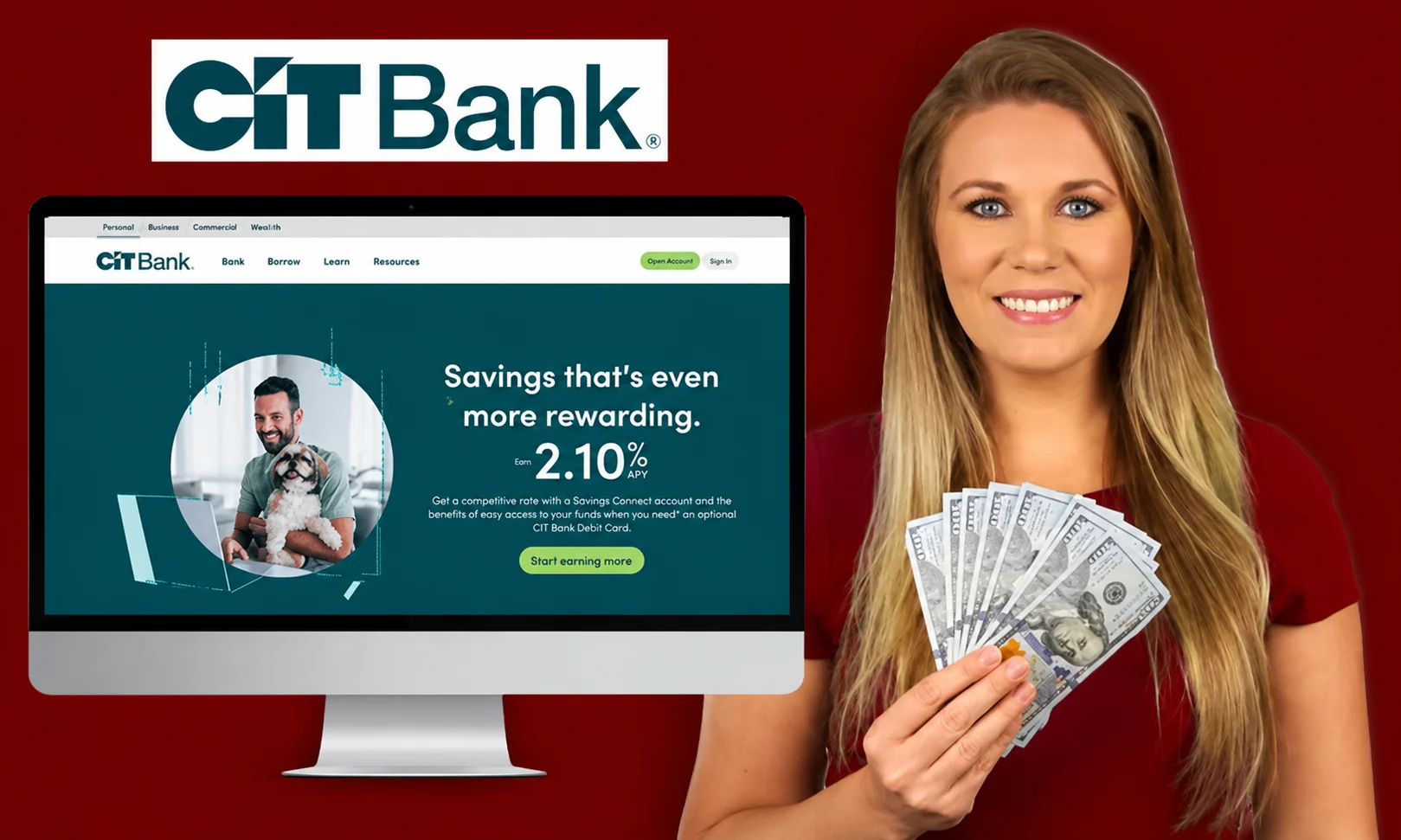
CIT Bank splits its Platinum Savings account into two tiers, and the gap between them is significant this isn’t an account where you can deposit $50 and expect the advertised rate. Once you clear the $5,000 threshold, though, the rate holds steady across the rest of your balance with no monthly fee.
This works best as a landing spot for money you’ve already saved, not a starter account. If you’re building toward that $5,000 mark, a no-minimum account like Ally or Bask Bank will earn you more in the meantime than parking partial savings in CIT’s lower tier.
Source: Bankrate
2. Ally Bank Online Savings
APY: 3.00% (verified 8/6/26) ·
Minimum for top rate: $0 ·
Best feature: every dollar earns the advertised rate, no tiers ·
Biggest drawback: rate trails the highest-yielding accounts on this list by roughly a full point ·
Best for: first-time HYSA users
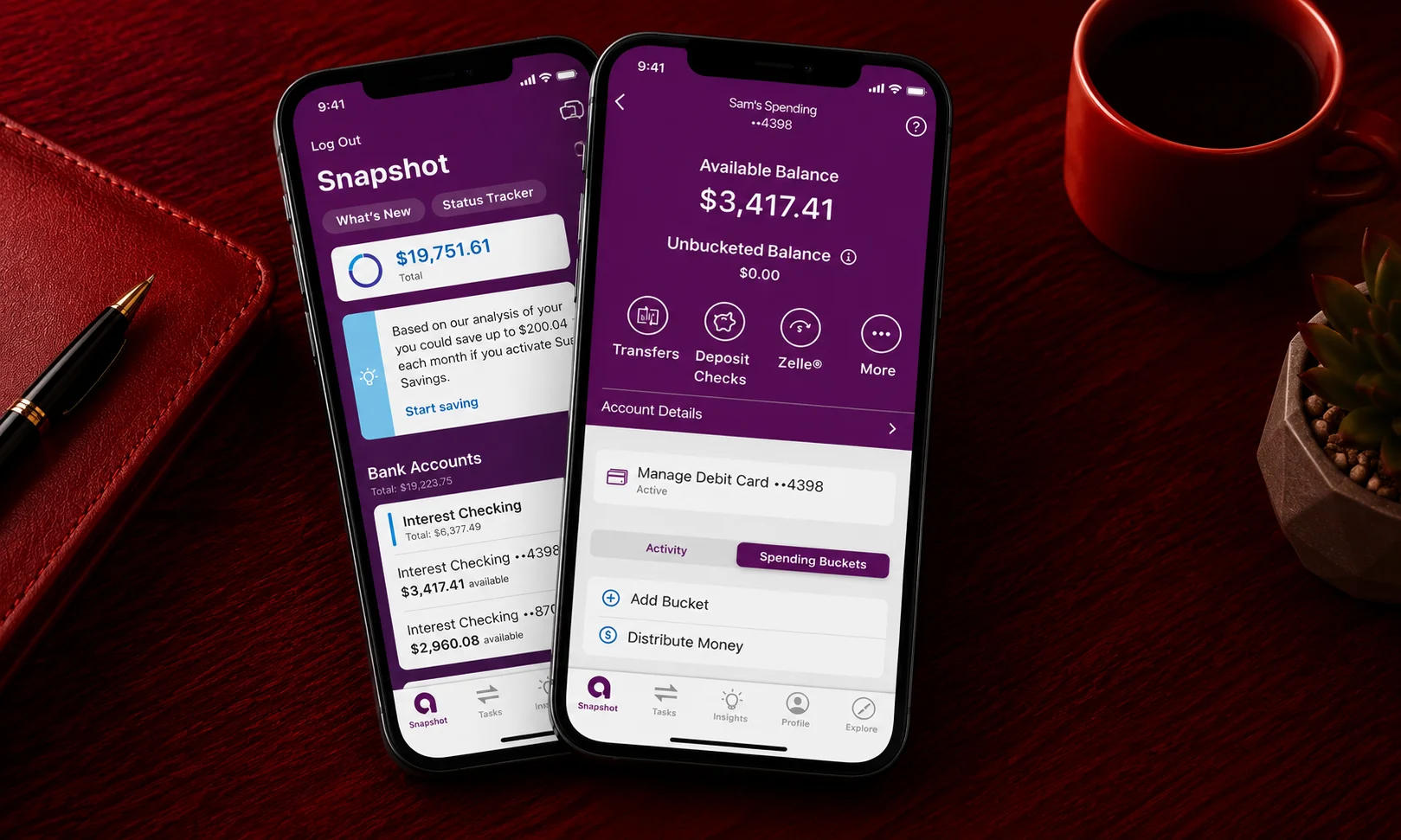
Ally’s pitch is consistency over maximization: no minimum deposit, no monthly fee, and the same rate whether you have $10 or $100,000 in the account. It also includes round-up transfers and an automated “safe-to-save” tool that moves small amounts from a linked checking account based on spending patterns.
The trade-off is that Ally rarely tops the rate charts outright you’re paying a small rate premium for the removal of every barrier to entry. For someone opening their first high-yield account, that trade is usually worth it.
Source: Yahoo Finance
3. Marcus by Goldman Sachs Online Savings

APY: 3.40% (verified 8/6/26) ·
Minimum for top rate: $0 ·
Best feature: rate history that’s held up over multiple Fed cycles ·
Biggest drawback: no linked checking account ·
Best for: savers who weight institutional stability over the top rate
Marcus is a savings-only product there’s no checking account, no debit card, no ATM access. What it offers instead is a track record: Goldman Sachs has kept Marcus’s rate within striking distance of the market leaders for years rather than using a high introductory rate to draw in customers, then quietly lowering it after they’ve stopped comparing.
Source: NerdWallet
4. SoFi Checking and Savings
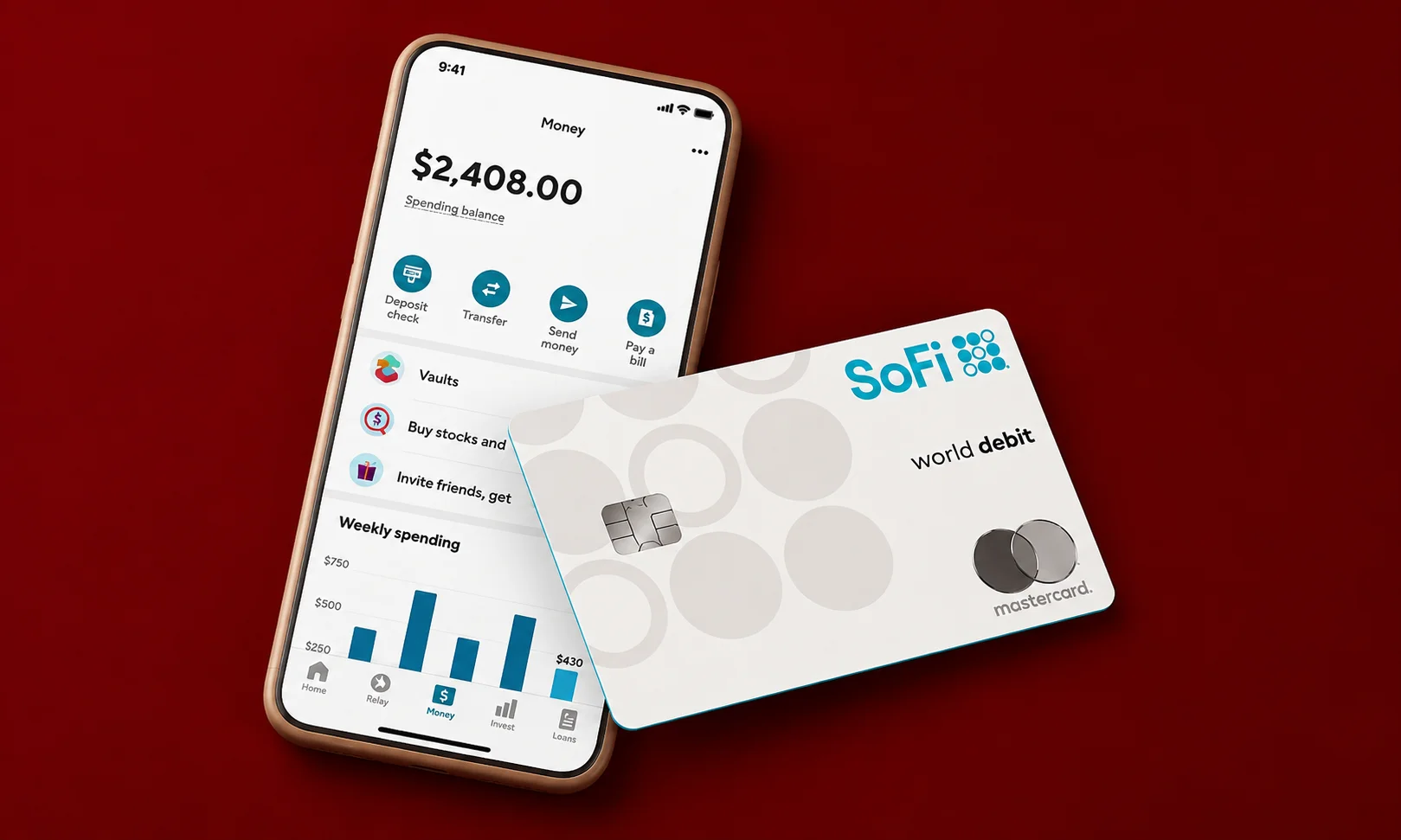
APY: Up to 3.80% with qualifying direct deposit (verified 6/2/26) ·
Minimum for top rate: $0, but direct deposit required for the boosted rate ·
Best feature: checking and savings under one login, with occasional new-member bonuses ·
Biggest drawback: the base rate without direct deposit is meaningfully lower than the advertised top rate ·
Best for: savers ready to move their paycheck
SoFi’s advertised rate is the boosted rate, not the base rate read that distinction carefully before comparing it to a flat-rate competitor like Ally. If you’re already planning to consolidate checking and savings and can route a paycheck through SoFi, the math works in your favor. If you’re not moving direct deposit, you’ll earn closer to the account’s lower base tier.
Source: CNBC Select
5. Synchrony Bank High Yield Savings
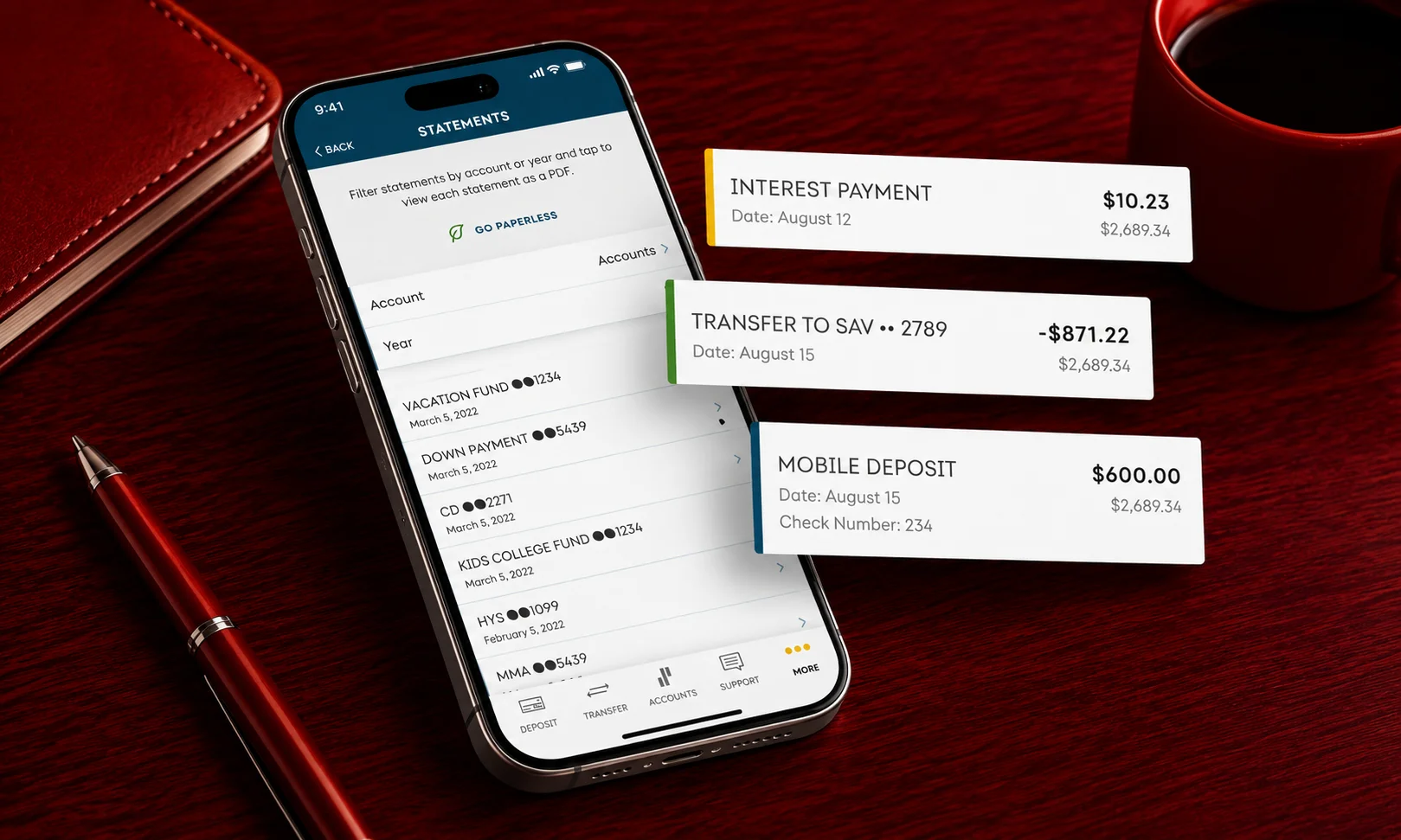
APY: 3.30% (verified 6/2/26) ·
Minimum for top rate: $0 ·
Best feature: optional ATM card with partial fee reimbursement ·
Biggest drawback: no linked checking account; app reviews are mixed ·
Best for: savers who occasionally want physical cash access from a savings-only account
Synchrony is better known for powering store credit cards behind the scenes than for its own banking brand, but its savings account earns a flat rate on every dollar with no monthly fee. The optional ATM card is a genuine differentiator most pure online savings accounts don’t offer any physical access to the money at all.
Source: SmartAsset
6. Capital One 360 Performance Savings
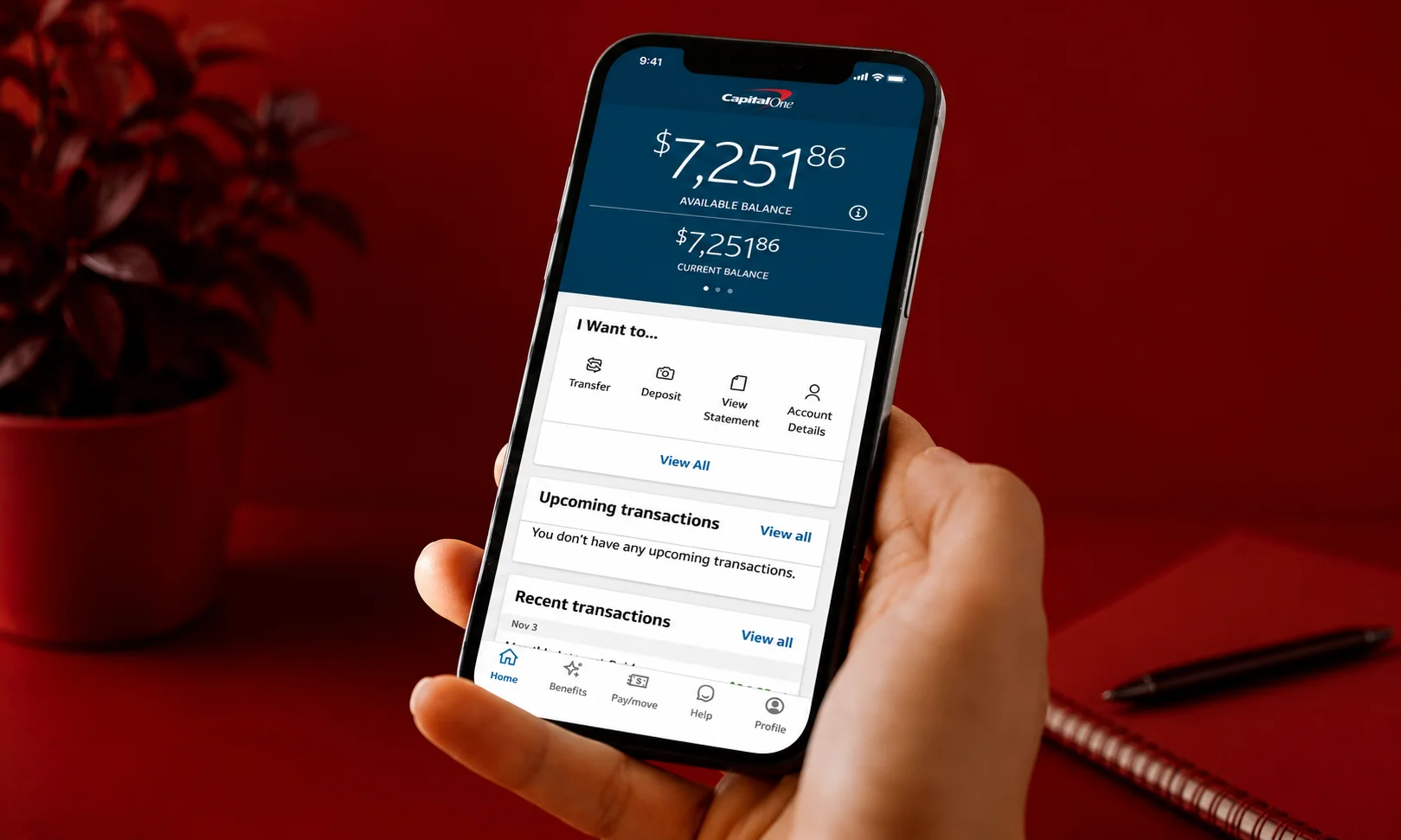
APY: 3.00%–3.10% (verified 6/2/26) ·
Minimum for top rate: $0 ·
Best feature: roughly 200 branches and cafés for in-person service ·
Biggest drawback: rate runs below most online-only competitors ·
Best for: savers who want the option to walk into a branch
Capital One is the only account on this list that pairs a genuinely competitive online rate with a physical branch network, including its café-style locations in major cities. You’re paying for that convenience with a rate that sits below the top of the market a reasonable trade if you value being able to talk to someone in person occasionally.
Source: NerdWallet
7. American Express High-Yield Savings

APY: 3.00% (verified 7/30/26) ·
Minimum for top rate: $0 ·
Best feature: fast setup for existing Amex customers ·
Biggest drawback: no branches, no linked checking account ·
Best for: current American Express cardholders consolidating accounts
There’s nothing flashy about this account, and that’s arguably the point: no minimum, no monthly fee, and a straightforward application if you already have an Amex login. It’s a reasonable default rather than a rate leader.
Source: CNBC Select
8. Bask Bank Interest Savings

APY: 3.75% (verified 7/30/26) ·
Minimum for top rate: $0 ·
Best feature: a top-tier rate with zero balance requirement ·
Biggest drawback: limited product lineup beyond savings ·
Best for: savers who want a high rate without saving up to a minimum first
Bask Bank, a division of Texas Capital Bank, pays nearly nine times the national average rate with no minimum deposit and no fee unusual for a rate this close to the top of the market, since most accounts near 3.75%+ attach some kind of balance or deposit condition. This one doesn’t.
Source: Yahoo Finance
9. Western Alliance Bank High-Yield Savings Premier
APY: 3.80% (verified 8/5/26) ·
Minimum for top rate: $0 (after a $500 opening deposit) ·
Best feature: one flat rate, no balance tiers to track ·
Biggest drawback: $500 required just to open the account ·
Best for: savers who don’t want to think about tier thresholds
Western Alliance is primarily a business-focused bank, and its personal savings account reflects that no-frills approach: fund it with $500, and every dollar after that earns the same 3.80% rate with unlimited withdrawals. There’s no reward for keeping a larger balance and no penalty for a smaller one, which simplifies comparison shopping.
Source: The Motley Fool
10. Barclays Tiered Savings Account
APY: 3.50% (verified 8/6/26) ·
Minimum for top rate: $0 ·
Best feature: built-in savings calculators tied to specific goals ·
Biggest drawback: rate sits in the middle of the pack, not the top ·
Best for: savers who want a recognizable global bank with planning tools
Barclays brings brand recognition that smaller online-only banks can’t match, along with goal-based savings calculators that help estimate how a given deposit schedule adds up over time. The rate itself is solid rather than standout.
Source: GreenFi rate roundup
11. Axos ONE Savings and Checking

APY: Up to 4.21% with qualifying direct deposit or balance (verified 8/6/26) ·
Minimum for top rate: $1,500–$5,000 average daily balance plus linked checking direct deposit ·
Best feature: one of the highest rates on this list for qualifying customers ·
Biggest drawback: requires opening and funding a linked checking account ·
Best for: savers willing to route direct deposit through a bundled account
Axos ONE ties its top savings rate to activity in a linked checking account either a $1,500 average daily balance with $1,500+ in monthly direct deposits, or a $5,000 average daily balance with $5,000+ in monthly deposits or transfers. Meet either condition and the rate is among the best available; miss it and you’re earning a base rate well below the headline number.
Source: NerdWallet
12. BrioDirect High-Yield Savings
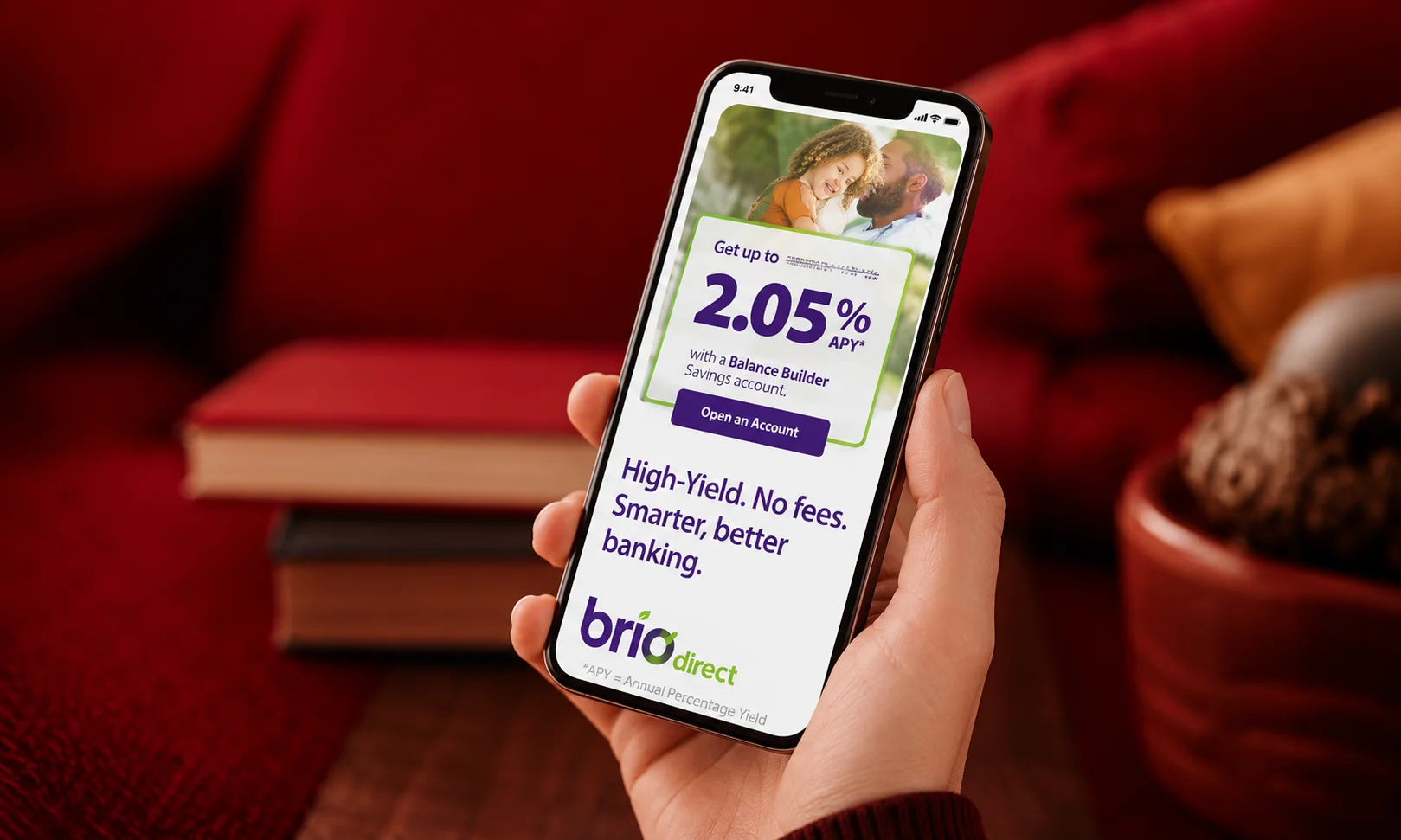
APY: 4.20% (verified 6/20/26) ·
Minimum for top rate: $5,000 ·
Best feature: the highest flat, unconditional rate on this list ·
Biggest drawback: $5,000 minimum deposit locks out smaller savers entirely ·
Best for: savers who already have $5,000+ ready to move
BrioDirect doesn’t ask for direct deposit or a linked checking account just a $5,000 deposit up front, after which the entire balance earns the top rate. It ranks lower in our overall methodology than accounts like CIT or Ally not because the rate is weak, but because the $5,000 barrier to entry is steeper than what most of this list requires.
Source: Branchspot rate tracker
13. Forbright Bank Growth Savings
APY: Up to 4.15% (verified 8/6/26) ·
Minimum for top rate: varies by balance tier ·
Best feature: deposits fund clean-energy and sustainability-focused lending ·
Biggest drawback: newer, less widely recognized brand ·
Best for: savers who want their deposits mission-aligned
Forbright is a smaller, mission-driven bank rather than a household name, which is worth weighing against its competitive rate. The bank directs its lending toward sustainability-focused projects, a detail that matters to some savers and not at all to others.
Source: NerdWallet
14. Climate First Bank High-Yield Savings
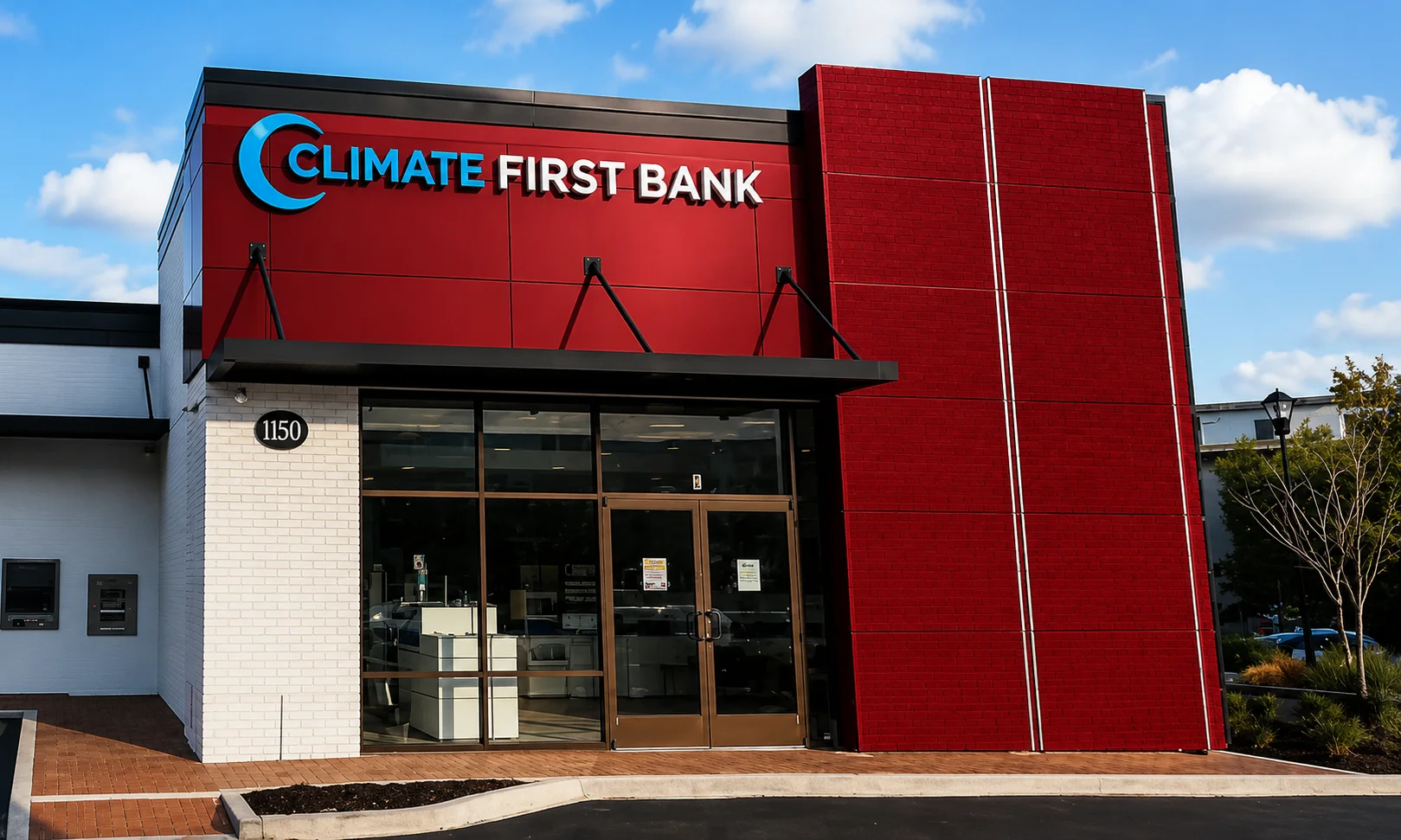
APY: 4.01% (verified 8/6/26)
Minimum for top rate: $0 ·
Best feature: a top-tier rate with none of the balance requirements attached to similarly high rates elsewhere on this list ·
Biggest drawback: smaller brand, online-only support
Best for: savers who want a high rate without a large minimum
Climate First Bank pays a rate nearly identical to BrioDirect’s without asking for a $5,000 deposit first, which makes it one of the more accessible ways to earn 4%+ on this list.
Source: NerdWallet
15. E*TRADE Premium Savings
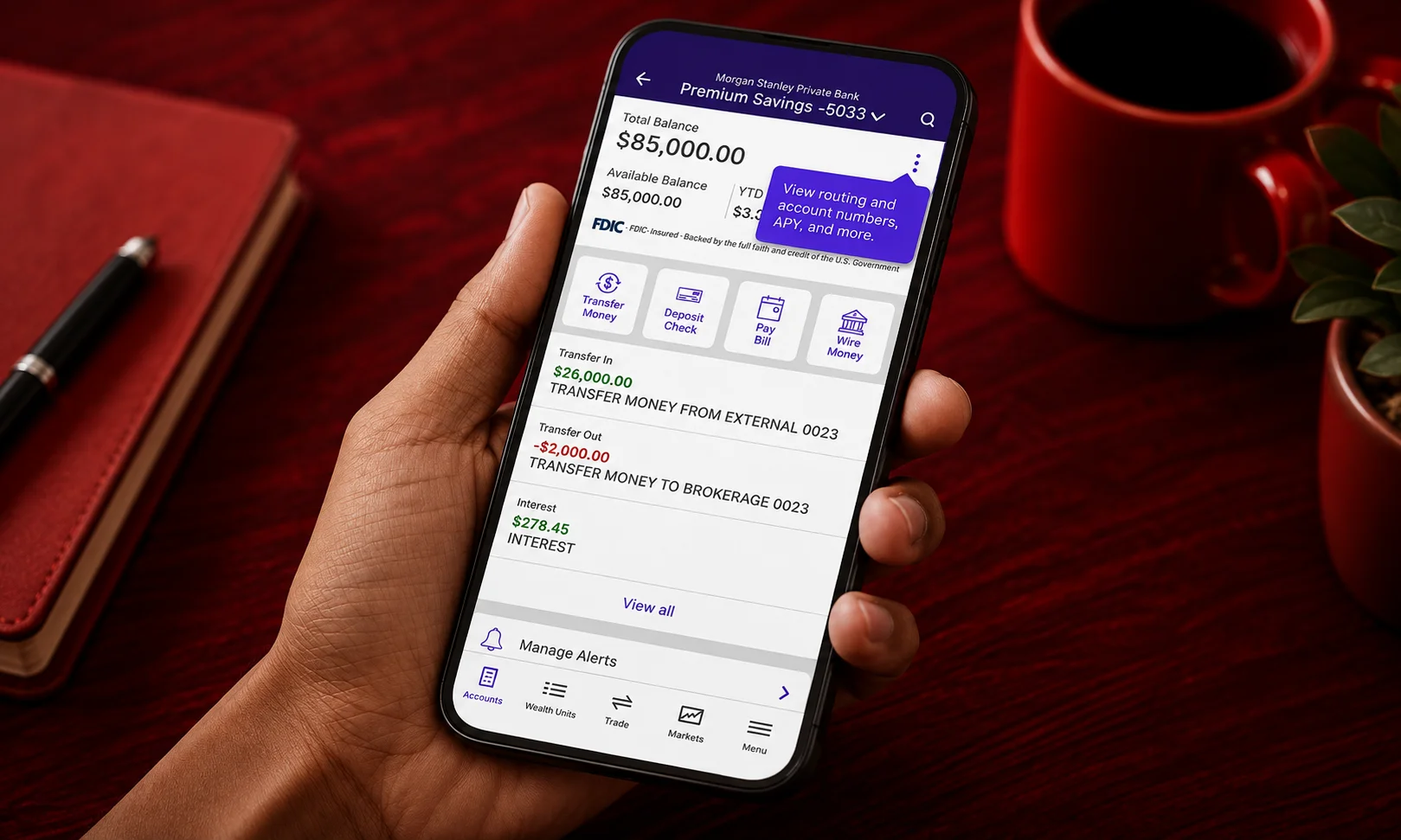
APY: 4.00% introductory rate for 6 months (verified 8/6/26) ·
Minimum for top rate: $0 ·
Best feature: cash and brokerage holdings visible in one login
Biggest drawback: the advertised rate is a limited-time offer, not the standing rate ·
Best for: existing E*TRADE brokerage customers
This account earns its spot for convenience rather than rate leadership E*TRADE customers can see savings and investment balances side by side. The catch is in the fine print: the 4.00% figure is a six-month introductory rate, so confirm what the account pays afterward before treating it as a long-term comparison point.
Source: NerdWallet
High-Yield Savings Account Buying Guide
APY and how it’s earned. Check whether the advertised rate applies to your entire balance or only kicks in above a threshold, and whether it requires direct deposit or a linked checking account this single detail explains most of the ranking differences above.
Fees. A monthly maintenance fee can offset a higher APY, especially on smaller balances. Every account in this guide charges $0 per month.
Minimum deposit and balance requirements. Several of the highest rates here require a $5,000 minimum deposit or balance. Match the requirement to what you’re actually depositing, not to the headline rate.
FDIC or NCUA insurance. Confirm coverage up to $250,000 per depositor, per institution, per ownership category before depositing anything meaningful.
Accessibility. Consider transfer speed, whether a linked checking account or ATM access is available, and how the mobile app is rated if you’ll be checking the balance often.
Standard-Rate vs. Boosted-Rate Accounts
| Feature | Standard-Rate Accounts | Boosted-Rate Accounts |
| Minimum deposit | Often $0 | Sometimes $500–$5,000 |
| Requirements for top APY | None | Direct deposit or balance tier often required |
| Rate | Good | Often higher |
| Simplicity | Very simple | Requires meeting ongoing conditions |
| Linked checking account | Rarely required | Sometimes required |
| Best for | Most savers | Savers who already plan to set up direct deposit |
Account Feature Comparison
| Account | No Minimum Deposit | No Monthly Fee | ATM Access | Linked Checking Available |
| Ally Bank Online Savings | ✓ | ✓ | ✗ | ✗ |
| Synchrony Bank High Yield Savings | ✓ | ✓ | ✓ | ✗ |
| Capital One 360 Performance Savings | ✓ | ✓ | ✓ | ✓ |
| SoFi Checking and Savings | ✓ | ✓ | ✓ | ✓ |
| BrioDirect High-Yield Savings | ✗ | ✓ | ✗ | ✗ |
Benefits of High-Yield Savings Accounts
- Earn significantly more interest than a traditional savings account often 10x the national average or more.
- Keep an emergency fund liquid and accessible, unlike a CD.
- FDIC or NCUA insurance protects balances up to $250,000 per depositor, per institution.
- Many accounts include automated savings tools, goal buckets, or round-ups.
- No market risk the balance doesn’t fluctuate the way an investment account does.
- Most accounts open entirely online within minutes.
Drawbacks of High-Yield Savings Accounts
- APYs are variable and typically fall when the Federal Reserve cuts rates.
- The highest advertised rates often require a large minimum balance or direct deposit.
- Most online-only accounts don’t offer in-person service.
- Interest earned is taxable income, even if it isn’t withdrawn.
- Some accounts limit the number of monthly withdrawals or transfers.
Expert Tips
- Compare the ongoing APY, not an introductory or promotional rate. E*TRADE’s listing above is a good example of why this matters.
- Keep total balances per institution under $250,000 to stay fully within FDIC or NCUA coverage.
- If a top rate requires direct deposit, confirm you can realistically meet it before switching banks.
- Consider splitting savings across two accounts: one for immediate access, one for a slightly higher rate you access less often.
- Re-check your APY every few months. Rates move with Fed policy and can drop with little advance notice.
Common Mistakes to Avoid
- Chasing the single highest advertised rate without checking the balance requirement behind it.
- Opening an account that isn’t FDIC- or NCUA-insured.
- Ignoring monthly fees that quietly offset a higher APY.
- Forgetting that interest income is taxable and must be reported.
- Keeping more than $250,000 at one institution without confirming ownership-category coverage.
- Overlooking transfer speed when choosing an account meant to hold an emergency fund.
High-Yield Savings Account Checklist
- Is the account FDIC- or NCUA-insured?
- Does the advertised APY apply to my actual balance, or only above a threshold?
- Is there a monthly fee, and does the rate offset it?
- Can I realistically meet any direct-deposit or balance requirement for the top rate?
- How long do transfers to and from this account typically take?
- Does the bank offer the tools (buckets, automation, ATM access) I’ll actually use?
Frequently Asked Questions
Are 5% APY savings accounts still available in 2026?
Nationally available, unconditional 5% APYs are largely gone as of August 2026 the highest flat rate on this list is 4.20% (BrioDirect). Some smaller banks or credit unions occasionally advertise promotional rates near or above 5% for a limited time or a specific balance tier, but these are the exception, not the norm, and are worth reading closely before assuming they’re comparable to a standing rate.
Should I move money from Chase or Bank of America into a high-yield savings account?
Large national banks like Chase, Bank of America, and U.S. Bank often pay close to 0.01% APY on standard savings accounts on $1,000, that’s about 10 cents of interest over a year. If you’re keeping cash reserves at one of these banks primarily out of habit, moving that balance to an FDIC-insured HYSA paying 3%–4% keeps the same deposit protection while earning substantially more.
How much interest does $10,000 earn in a high-yield savings account?
At a 4.00% APY, $10,000 earns roughly $400 over a year, assuming the rate holds steady and interest compounds. At the national average of 0.38%, that same $10,000 earns about $38. The gap is the entire argument for moving idle cash into a higher-yield account.
Are high-yield savings accounts safe?
Yes, as long as the account is FDIC-insured (or NCUA-insured for credit unions) up to $250,000 per depositor, per institution, per ownership category. Every account in this guide carries that protection.
Can a high-yield savings account lose money?
No. Unlike an investment account, the balance doesn’t fluctuate with the market. The only way it decreases is through withdrawals or, in rare cases, account fees.
Why do online banks offer higher rates than traditional banks?
Online banks generally carry lower overhead than banks with physical branch networks and pass more of that savings to depositors through higher APYs instead of spending it on brick-and-mortar locations.
Will my high-yield savings account rate change over time?
Yes. Rates are variable and generally track Federal Reserve policy. A competitive rate today can be lower or higher within a year, which is why this guide lists a verification date for every account.
Is interest earned in a savings account taxable?
Yes. Interest is generally treated as taxable income and typically reported on a Form 1099-INT if it exceeds $10 in a calendar year.
How many high-yield savings accounts can I have?
There’s no legal limit. Many savers use multiple HYSAs to stay under the $250,000 FDIC limit per institution, bucket money by purpose, or hedge against any single account’s rate dropping.
What’s the difference between a high-yield savings account and a money market
account? A money market account typically adds check-writing or debit-card access on top of a savings-style rate and may carry higher minimum balance requirements. A high-yield savings account is usually simpler, with fewer transaction features but comparable or better rates.
Should I choose a high-yield savings account or a CD for my emergency fund?
A high-yield savings account generally works better for an emergency fund because the money stays fully liquid. CDs typically offer a fixed rate but charge a penalty for early withdrawal, which can work against you if you need the cash unexpectedly.
Editorial Note
Our recommendations are based on publicly available rate pages, account terms, and fee schedules published by each institution, cross-checked against the third-party rate trackers linked throughout this article, along with Federal Reserve and FDIC data on national savings rates. Every account review includes the date its APY was last verified. Banks may update APYs, minimums, or terms at any time, sometimes without advance notice. No institution paid for placement or ranking position in this guide, and our methodology weighting is disclosed above rather than left unstated. We encourage readers to confirm current rates and terms directly on each bank’s official website before opening an account.
Conclusion
The rate gap between a traditional bank savings account and a high-yield savings account isn’t a marketing exaggeration it’s the difference between $95 and roughly $1,000 a year on a $25,000 balance, with the same federal deposit insurance either way. For most savers, CIT Bank Platinum Savings offers the strongest overall balance of rate and reliability once a balance clears $5,000, while Ally Bank Online Savings remains the easiest account to recommend for anyone starting from zero. Savers who can meet a direct-deposit or minimum-balance requirement will find some of the highest rates currently available at Axos ONE and BrioDirect. Whichever account you choose, confirm the current APY against the issuer’s own site, check the fee schedule, and verify your deposit insurance coverage before moving any meaningful balance.