Have you ever gotten a super pretty notebook, sat at your desk, opened to page one and totally froze up? Yes, I have, too. It is a common occurrence for nearly all people. So you’re holding your pen, gazing at the blank white page, and then your brain shuts down or overloads!
The simplest thing to do to overcome that impatient sensation is to repeat what you’re looking to change today in a writing style that “feels easy. Perhaps it’s time to get rid of some stressful thoughts or maybe it’s time to monitor your workouts, any and every goal, without making a big mess.
There are a lot of journaling hacks out there on TikTok and Pinterest, so there’s no need to think of it as tedious homework. We believe getting into the groove with writing should be easy, relaxed, and fun to do and fit into the real messy life.
AI Overview
Journaling techniques are simply clever little ways to get rid of the clutter in your mind, reduce your daily stress, remember what you’re aiming for and really focus on what’s important. If you just want to get some writing done in the morning, but you don’t want to sit down and write for hours, try a quick writing method that would suit your style, such as writing a few Morning Pages, a few Bullet Journals, or a few Gratitude Lists. BrandClickX helps you decipher these choices without having to spend hours deciding which one is best for you.
Why Picking the Right Method Actually Matters
Have you ever tried forcing yourself to get up at 5:00 AM to write three whole pages of deep thoughts, only to give up completely by Thursday morning?
That usually happens because the method you picked completely clashes with how your day actually runs.
Defeating That Annoying Blank Page Stress
When you sit down with zero plan, your mind starts overthinking everything. You wonder what you should write about, if your sentences sound smart, or if you’re even doing it right. Having a basic layout gives you an easy path to follow, so you waste way less energy worrying and actually get stuff written down.
Matching Your Notebook to What You Need Right Now
Are you trying to calm down after a super crazy workday, or are you trying to organize a big project for school or business? Your answer changes everything about how you should write. Based on available data, using a style built for your actual goal makes you way more likely to keep up the habit for months instead of just three days.
The Big Benefits of Getting Thoughts Out of Your Head
Before we talk about specific methods, let’s talk about why putting ink on paper feels so good when you’re stressed. When you write stuff down, you basically slow down your crazy brain just enough to catch your breath. It acts like a clean mirror for all those messy thoughts running around in your head, giving you a quiet minute away from group chats, constant phone pings, and social media notifications.
Clearing Out Your Mental Storage
When you try to keep twenty different reminders, errands, and worries in your head all at once, your brain gets super tired. Dumping those thoughts onto paper is estimated to lighten that heavy mental weight, opening up space so you can actually relax and think clearly again.
Getting Better at Handling Crazy Days
It takes just 5 minutes to practice reflection and review the things that make you feel good and the things that make you feel terrible.
This fast habit is great for keeping you cool and collected in the face of unpredictable situations over time.
Popular Journaling Techniques and How They Work

Let’s take a closer look at the most popular ways of writing so you can see which one is right for you.
Getting Stuff Done with Bullet Journaling.
In case you enjoy creating clear checklists, monitoring habits, and having everything tidy and organized, this is the ultimate sidekick.
It combines the best of all three: task lists, monthly trackers and quick daily notes into one organized system that ensures you keep your whole week on track.
- Ideal for: Structuring daily activities, monitoring routines, and planning a major project.
- Time: 5-10 minutes, one or two times per day.
- Core style: Short bullet points, few symbols and simple check boxes.
Stream of Consciousness and Morning Pages
This method is super chill because you just fill a couple of notebook pages with raw, unedited thoughts right after you wake up.
You don’t care about bad spelling, messy handwriting, or making sense at all. You just write down whatever pops into your head until your brain feels clean and ready for the day.
Gratitude and Intention Lists
This super gentle practice is all about helping you feel a little happier before you go to sleep or start your morning.
Writing down three small things you are thankful for takes less than five minutes, making it estimated to be one of the easiest daily habits to keep going forever.
Comparing the Best Journaling Approaches
Not sure which one fits into your crazy schedule? Here is an easy chart to compare them side by side.
| Writing Technique | Best For | Time You Need | How Structured It Is |
| Bullet Journaling | Productivity & Tasks | 5–10 Mins | High |
| Morning Pages | Clearing Stress & Ideas | 15–20 Mins | Very Low |
| Gratitude Lists | Good Vibes & Chill Mood | 3–5 Mins | Medium |
| Prompt-Based Writing | Self-Reflection & Focus | 10 Mins | High |
| Unsent Letter Method | Venting & Moving On | 10–15 Mins | Low |
| Time-Blocking Journal | Managing Your Day | 5 Mins | Very High |
How to Pick the Best Style for Your Goals
How are you supposed to choose just one when you want to fix your schedule, lower your stress, and hit your goals all at once?
The simple secret is just picking the style that fixes whatever is bothering you the most today.
| What You Want Right Now | The Style to Try | Why It Helps You Out |
| Lower Your Stress | Stream of Consciousness | Dumps all your heavy worries on paper fast |
| Get Your Life Organized | Bullet Journaling | Turns messy ideas into clear, simple check-boxes |
| Feel Happier Daily | Gratitude Lists | Trains your brain to spot the good stuff |
| Fix Creative Blocks | Prompt-Based Writing | Gives you fun questions so you don’t stare at blank pages |
| Fix Your Schedule | Time-Blocking Layouts | Shows you where all your daily hours are actually going |
Cool Advanced Ways to Write When You’re Ready
Once you feel totally comfortable writing every day, you can try out some fun, deeper ways to use your notebook.
The Unsent Letter Trick
Got mad at someone or felt super hurt by something that happened in the past, but talking to them directly would just make things worse?
Writing a letter you never actually mail lets you vent every single thought without any awkward drama, helping you let go of bad energy on your own terms.
Using Prompts When You Feel Stuck
When sitting down feels tough, pre-made questions give you an easy start.
Answering simple stuff like “What is secretly sucking away my energy right now?” or “What would make today feel super productive?” helps you figure out your real feelings fast.
The Five-Minute Daily Template
This super fast setup uses three quick questions in the morning and two at night to keep you grounded.
In the morning, you write down what would make the day great, and at night, you write down one cool lesson you learned. It’s fast, fun, and easy.
Paper Notebooks vs. Phone Apps
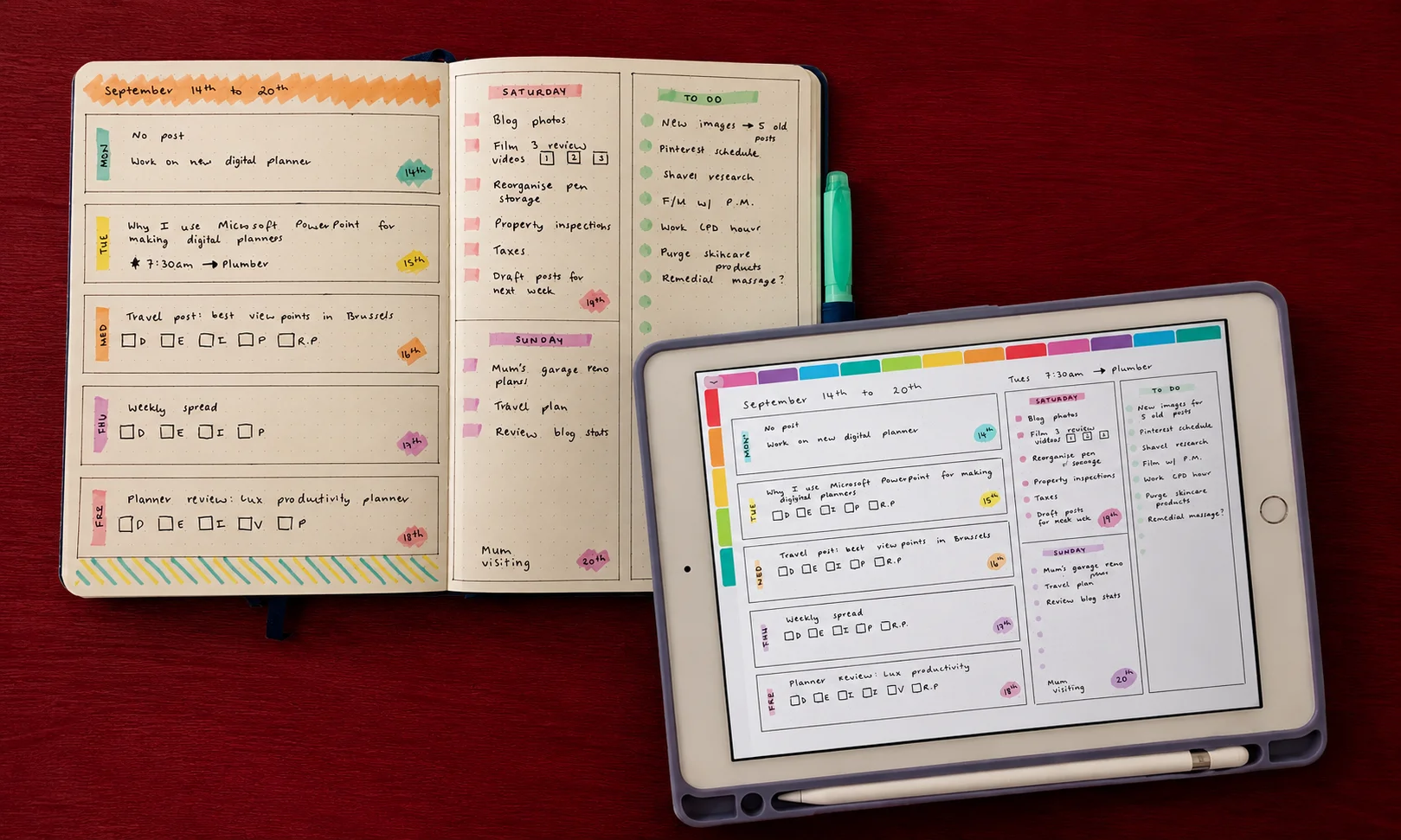
Should you buy a real paper notebook with cute pens, or should you just download a clean diary app on your phone?
Both ways are totally fine! It just depends on what matches your style and daily routine.
| Feature | Classic Paper Notebooks | Phone & Laptop Apps |
| Writing Feel | Real pen-on-paper feeling | Tapping on a screen |
| Finding Old Notes | Have to flip pages manually | Super fast search bar |
| Distraction Level | 100% offline and quiet | Easy to get distracted by notifications |
| Carrying It Around | Takes up space in your bag | Already in your pocket all day |
| Privacy & Locks | Need a safe hiding spot | Passwords and fingerprint locks |
The Magic of Real Pen and Paper
Writing by hand gives your eyes a much-needed break from glowing blue screens and non-stop text messages.
That physical break helps your body relax, making it way easier to think deeply about what you actually want out of life.
The Super Power of Digital Writing
App-based writing lets you type super fast, search old entries in one second, and attach photos or voice clips.
If you travel a lot or live on your laptop for work, digital notes might fit right into your daily flow without adding extra stuff to carry.
Easy Ways to Keep Your Writing Habit Alive

Why do so many people quit writing after just four or five days? Usually, they try to do way too much all at once and burn out.
Here are the best ways to keep writing without making it feel like a heavy weight on your shoulders:
- Keep it super small: Promise yourself you’ll write just one sentence or spend two tiny minutes writing.
- Attach it to something you already do: Write right after you pour your morning coffee or right before you turn off your bedroom light.
- Mix and match styles: Use fast check-lists for work tasks on busy weekdays, and do long freeform writing on lazy weekends.
- Forget about being perfect: Sloppy handwriting, spilled coffee, and skipped days are totally fine, your notebook is a tool, not a test.
Mistakes to Avoid So You Don’t Burn Out
Even with the best plans, it’s super easy to slip into bad habits that make writing feel like a chore instead of a break.
Treating Your Notebook Like Homework
If opening your journal makes you sigh and feel tired, you’re using the wrong setup or expecting way too much from yourself.
Remember that your pages are your private playground. It’s meant to help you out, not become another stressful task on your daily list.
Expecting Life-Changing Insights Every Day
Not every entry is going to feel like a huge, deep realization, and that is 100% okay!
Most days, you’re just going to write down what you ate or how tired you feel, which is still super helpful for resetting your mind.
How BrandClickX Helps You Build Great Routines
Figuring out what works best usually takes a little bit of trying stuff out and seeing what sticks.
At BrandClickX, we make building new habits super straightforward by giving you easy ideas and direct tips made for your real life. Whether you want to crush your work goals or just clear out mental noise, our tips help you skip the confusion and build a chill routine that stays with you.
Finding What Works Best for You
Trying out different journaling techniques isn’t about locking yourself into some strict, boring rulebook. The best setup is simply the one that makes you smile and feel good when you open your book tomorrow. Start small, test out one style for a week, tweak things whenever you want, and let your notebook help you out!
Frequently Asked Questions
What is the best journaling technique for complete beginners?
Gratitude lists and one-line daily entries are generally the easiest starting points because they take under five minutes to finish.
How long should I spend journaling every day?
In most cases, 5 to 15 minutes daily is plenty to reap full mental clarity and habit tracking benefits without burn out.
Can I combine different journaling techniques together?
Yes, hybrid setups like combining bullet lists for work tasks with short evening gratitude entries work great for daily flexibility.
Is digital journaling as effective as writing on paper?
Digital apps offer speed, easy searching, and convenience, while physical paper generally offers fewer screen distractions and deeper mental focus.