AI Overview
Choosing between Canon vs Nikon vs Sony in 2026 depends on your specific workflow. Sony excels with its vast third-party lens ecosystem and advanced AI tracking, offering excellent choices for the best budget mirrorless cameras. Canon dominates in ergonomics and rich color science, making it a top contender for the best camera for photography. Nikon delivers unmatched build quality and value across its best mirrorless cameras.
In 2026, choosing a camera system is no longer about which brands take sharper pictures. The combination of computational photography, artificial intelligence tracking, and hybrid workflows has narrowed the gap.
For those fighting the Canon vs Nikon vs Sony battle, the short answer is ridiculously easy: Sony has, hands down, the best third-party lens ecosystem and autofocus/auto white balance performance; Canon crushes hybrid workflow ergonomics and color science; Nikon offers literally the greatest build quality per buck spent.
BrandClickX studies search behavior and industry trends on a daily basis. Of course, more recently, following search algorithmic shifts, the online landscape shifted aggressively back toward genuine user experience as opposed to cookie-cutter spec sheets.
A hands-on Canon vs Nikon vs Sony comparison that cuts past the marketing fluff to help new and experienced builders select the precise ecosystem promising the highest ROI possible.
The Core DNA: How Each Brand Identifies in 2026
If you want to know what the right system is for your creativity pipeline, you have to understand each manufacturer and its own engineering philosophy. They’re not designed around the same kind of shooter.
Sony: The Technological Disrupter
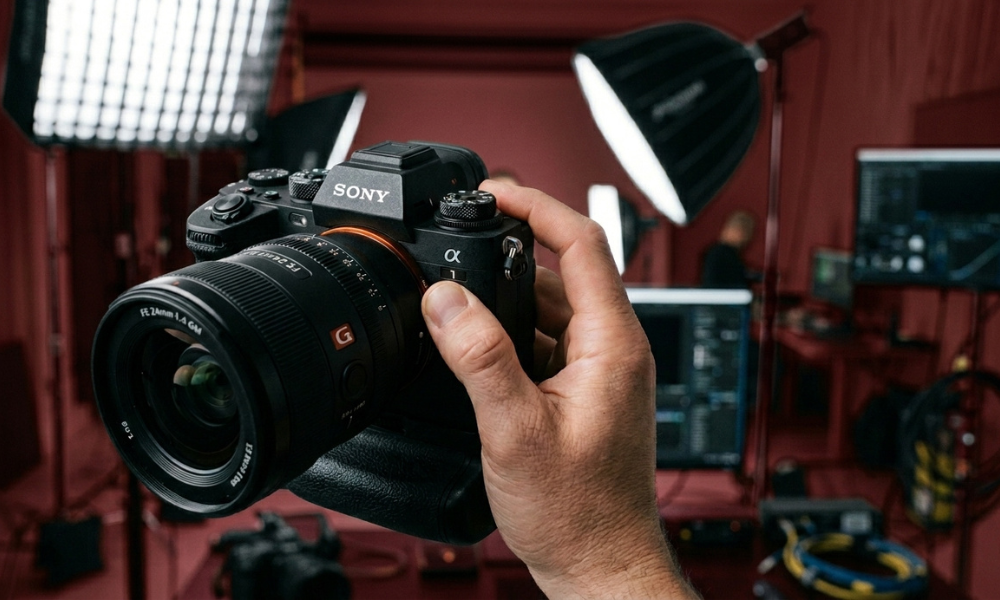
Sony approaches cameras as mini supercomputers. This strategy is based on relentless tech iterations, class-leading Real-time Tracking AF and an open standard lens mount.
If you are after an open platform that allows budget-friendly third-party lenses to flourish, Sony is the automatic go-to in this Canon vs Nikon vs Sony showdown.
Canon: The Ergonomic Hybrid Workhorse

Canon is obsessed with the user experience. Their Dual Pixel CMOS AF is still a gold standard for tracking organic subjects, and their out-of-camera color science requires the least amount of color grading in post.
They make tools that conform to a working professional’s hand, but they are more proprietary with their lens mount when evaluating Canon vs Nikon vs Sony bodies.
Nikon: The Pure Photographer’s Vanguard
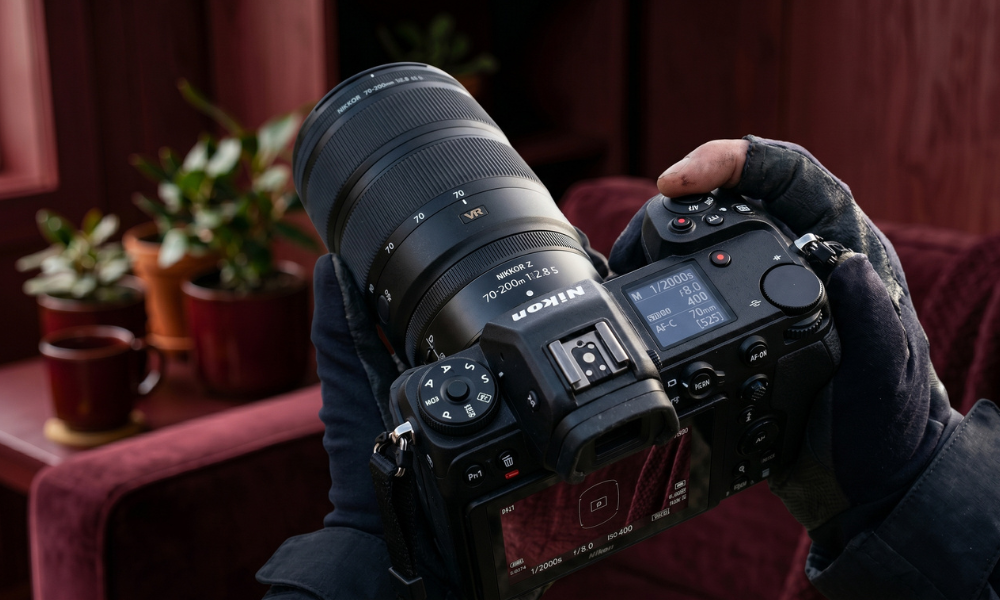
Nikon has pulled off one of the most impressive resurgences in imaging history. They’re mechanically built like tanks, have exceptional dynamic range, and even internal RAW video codecs everywhere you would anticipate paying higher bills for that functionality, but not with 4 K DSLR shooting.
Beginner Breakdown: Entering the Ecosystem
At the entry-level tier, that used to be reserved for those who have also drained a part of their savings, but in terms of cameras and vlogging (the camcorders are outdated right now), it has changed. Manufacturers are cramming high-end subject recognition into cheap entry-level APS-C crop sensors to deliver some of the best budget mirrorless cameras on the market.
| Preset Model | Sensor | Key Strike |
| Canon EOS R10 | 24.2MP APS-C | Incredible out-of-the-box color & AF |
| Nikon Z50 II | 20.9MP APS-C | Tough feeling & Pro-style UI |
| Sony a6100 | 24.2MP APS-C | Loads of cheap third-party lenses |
Why Lens Ecosystems Matter for Beginners
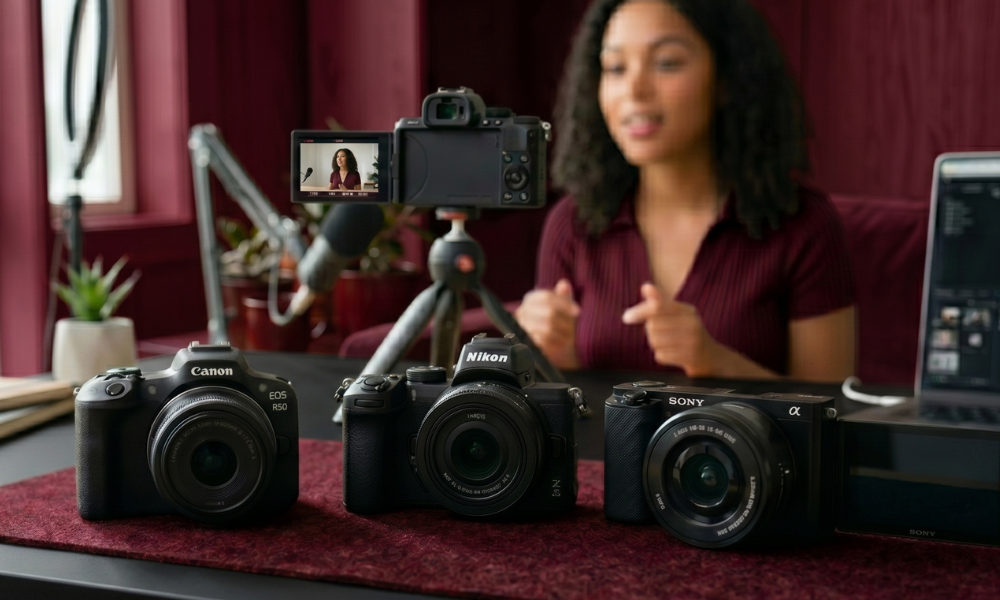
If you are a beginner and analysing the Canon vs Nikon vs Sony or one of these brands landscape, your main limiting factor is going to be budget. The Real Contrasts Between the Systems:
- Sony’s E-mount is entirely open. You can buy a cheap body and throw some cheap quality glass in it from Sigma, Tamron, or Samyang to get started as a novice looking for the best budget mirrorless cameras.
- Nikon has begun to let a few select third-party autofocus lenses in, but they are still very protective of their ecosystems.
- Only Canon offers an option here, though unless you go for its native RF-S lenses, you’re going to be stuck using adapted older EF DSLR glass to set up the best camera for photography.
Professional Powerhouses: Flags, Speed, and Resolution
When it comes to working professionals, the decision between these brands has a meaningful influence on operational efficiency, time of delivery, and production reliability.
The Resolution and Landscape Battle
The numbers simply show how competitive each camera is in terms of resolution and dynamic range for studio, commercial, and landscape photographers. The Sony A7R V and other newer high-resolution models are unrivaled in terms of simple asset detail.
But the Nikon Z8 has snatched up one of the largest slices of market share from professionals with a viewfinder that streams two separate feeds at once and no mechanical shutter, which virtually eliminates internal vibration.
The Sports, Action, and Wildlife Arena
When hitting a shot is the key, autofocus calculation speeds get top priority.
- Sony Alpha 9 III / Alpha 1 Series: The Duracell Pilots of the Industry with Global Shutter Technology To Remove Rolling Shutter Distortion Completely.
- Canon EOS R5 Mark II / R1: Sport of choice – Deep learning auto-focus tracking that anticipates movements of the subject based on the sport.
- Nikon Z9: An ultimate build of a tank with an unbeatable battery that literally annihilates any extreme outdoor scenarios by tackling a wide range of up to 9 introduced subject types at the same time.
The Best Budget Mirrorless Cameras for 2026
The sub–$1,500 space is super competitive if you want the very best performance-to-dollar calc. Here is how you uncover the best budget mirrorless cameras on the market for hybrid creators.
Canon EOS R50
The ultimate plug-and-play creator tool. It removes complex manual menus for simple touchscreen interfaces, making it a fantastic starting point in best camera for photography terms for smartphone upgraders. The oversampled 4K video is astoundingly sharp, and it can be a little cramped for larger hands – its size belies its cutting-edge technology.
Nikon Z5 II
Nikon rocked the market by offering a full-frame shocker down to the budget bin. The Z5 II packs the potent Expeed 7 chip, with pro-level 3D tracking autofocus and dual card slots for budget buyers hunting down the best budget mirrorless cameras, which are often avoided by rivals at this price point.
Sony ZV-E10 Series
Although the full-frame ISO level is designed for vloggers, this series arguably delivers one of the best budget mirrorless cameras that has developed into a hybrid shooter seeking ideal portability. Although traditional purists may not appreciate its lack of an electronic viewfinder (EVF), it provides very good access to dozens of E-mount lenses.
The Best Mirrorless Cameras Overall: Mid-Range to High-End
These are the clear best mirrorless cameras that fill professional bags when budget rings are off.
1. Nikon Z8: The Definitive All-Rounder
The Nikon Z8 is one of the most comprehensive hybrid options and ranks among the best mirrorless cameras available on the market. Packing 45.7 megapixels, 8K/60p internal RAW video and a blackout-free viewfinder into a modular body, it accommodates commercial fashion as easily as moving wedding cinema.
2. Sony A7 V: The Industry Standard
The responsive line of the Sony A7 has been a foundation for independent creators looking for the best mirrorless cameras.
The A7 V perpetuates this legacy with more than 33-megapixel imagery that strikes an effective balance between resolution and low-light performance while also featuring the now-legendary real-time AI tracking that snaps onto human eyes as the subject turns away from the lens.
3. Canon EOS R6 Mark III: The Low-Light Master
For those needing slicing, dicing, indoor events, wedding receptions, or twilight journalism, the Canon R6 Mark III is unrivaled among the best mirrorless cameras.
This lower pixel density makes it possible to have cleaner high-ISO images, and combined with Canon’s legendary In-Body Image Stabilization (IBIS) aimed at shutter speeds slower than you could comfortably hand-hold a photograph to secure the best camera for photography.
Feature Comparison Matrix
It’s in the deployment of core hardware and software features where the technical distinctions between the various ecosystems are best mapped.
Autofocus and AI Tracking
Deep-learning AI is used by all three brands, but in different ways. Sony’s pill system is predictive and sticky, making it the premier option for erratic human motion. Canon does a much better job of recognizing things like animals’ eyes and human faces.
SONY: Nikon’s 3D tracking takes a little more user intent, but once locked has never failed me.
Color Science and Post-Processing
Color is still very much a personal taste, but as this creative callout shows, there are patterns in the industry:
- Canon: Slightly warmer skin tones, with pleasant transitions in the midrange. Great for portrait photographers needing less editing.
- Sony: Traditionally neutral to cool, but modern color has improved a ton. It creates a digital, very accurate representation of the scene.
- Nikon: Famous for lush greens and vibrant blues, a long-time favorite among landscape and travel documentary shooters.
Lens Availability and Mount Systems
The actual diameter of the lens mount contributes quietly to image quality. For example, the inner diameters of Canon’s RF mount and Nikon’s Z mount are very large; thus, engineers can create extremely bright lenses (e.g., f/1.2 primes) with little distortion at the edges.
Sony E-mount is narrower, but has a 10-year advantage in mirrorless native-ness and probably the most extensive glass options on Earth to build the best camera for photography.
Strategic Verdict: How to Choose Your Brand
The camera body is not the reason for choosing Canon vs Nikon vs Sony when solving this debate. Bodies are transient, but lenses and accessories are supported investments that can last decades.
For ultimate comfort, an extensive third-party lens catalog and the newest in computational autofocus, you go to Sony to secure the best mirrorless cameras. Canon is a better option if ergonomics and color science are important to you, and especially so if you’re not looking to venture out of a high-end first-party ecosystem.
If you need rugged build quality, the best bang for your buck in mid-tier bodies and class-leading raw dynamic range, go Nikon.
We at BrandClickX suggest lending a body from each system for a weekend to ensure you make the right choice in the Canon vs Nikon vs Sony breakdown. Numbers on a spec sheet will always matter less than how a camera feels in your hand or how intuitively you can navigate its menu system.
Frequently Asked Questions (FAQs)
Which brand has the cheapest lenses for beginners?
Sony has the cheapest entry point. This is especially true for Sony, given its open E-mount that allows competition from brands like Sigma and Tamron to make first-rate autofocus lenses for a fraction of the price of first-party glass.
Is Canon or Nikon better for portrait photography?
Skin tones straight out of the camera with Canon are historically deemed warm and very pleasing. That said, Nikon’s new mirrorless color science is really good too; we’re back to ergonomics.
Can I use my old DSLR lenses on these new mirrorless cameras?
Yes. For DSLRs from Canon, Nikon, and Sony, there are native adapters already available. Older lenses tend to perform better and faster than they ever could because mirrorless focus systems are that advanced.
Why are Sony cameras considered better for video?
Based on its creation of sophisticated cinema tools and professional-grade autofocus embedded right into consumer bodies, Sony got out to an early start. Sony still sets the gold standard in the industry for solo video creators, as competitors have caught up.