


Introduction
For years, buying a home has remained one of the most frustrating consumer experiences in modern markets.
Deals collapse late.
Paperwork moves slowly.
Critical information often appears too late in the process.
Governments are now revisiting an old idea that failed once before.
The Home Information Pack (HIP).
But this time, the concept is returning with modern infrastructure, digital property records, and automation systems that could fundamentally reshape real estate transactions.
According to the UK Government Housing Act Framework, the original HIP system was introduced in 2007 as a mandatory seller disclosure framework in England and Wales.
It was suspended in 2010 after facing criticism for cost and complexity.
Now policymakers are quietly revisiting the same concept.
The difference is technology.
Why the Original HIP Failed
The original Home Information Pack required sellers to prepare a package of legal and property documents before listing a home.
According to historical summaries from Wikipedia’s Home Information Pack Archive, this included:
- Energy Performance Certificate (EPC)
- Property title records
- Local authority searches
- Seller disclosure forms
- Leasehold information
- Property condition reports
The objective was simple.
Reduce failed property transactions by providing information earlier.
The problem was timing.
In 2007, digital property infrastructure barely existed.
The process became bureaucratic.
Transaction costs increased.
The market pushed back.
Why 2026 Changes Everything
Today, real estate infrastructure has fundamentally changed.
Digital systems now allow governments and property platforms to automate much of what HIPs originally required.
Modern systems can now integrate:
- Digital ownership verification
- Automated compliance checks
- Cloud-based property documentation
- Real-time title verification
- AI-assisted fraud detection
What failed in 2007 may work perfectly in 2026.
PropTech Is Changing Real Estate Economics

The global property technology sector continues expanding rapidly.
Platforms increasingly prioritize transaction speed and transparency.
Governments understand that inefficient property transactions create enormous economic friction.
Every failed home sale affects:
- Mortgage lenders
- Legal firms
- Real estate agencies
- Insurance providers
- Buyers and sellers
Reducing transaction failure rates improves entire housing markets.
The Bigger Business Implication
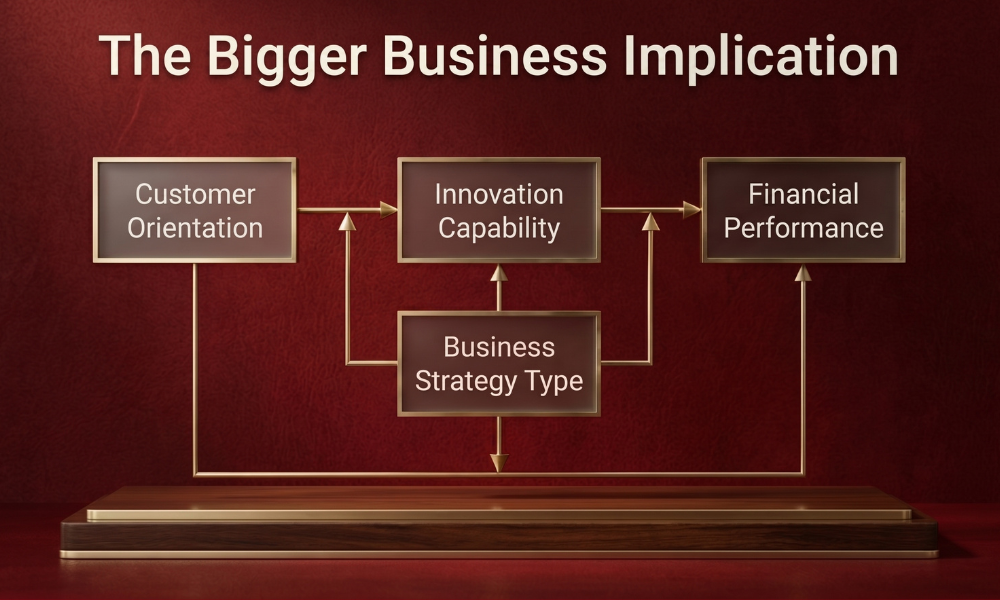
This is not simply a housing policy story.
It represents a broader economic trend.
Governments increasingly use digital infrastructure to modernize legacy industries.
Real estate remains one of the largest sectors undergoing digital transformation.
Digital Home Information Packs are becoming part of that shift.
The future of property transactions will likely become:
- Faster
- More transparent
- More automated
- Less paperwork dependent
And the countries adopting these systems first could significantly improve housing market efficiency.
Final Thoughts
The original Home Information Pack failed because technology arrived too early.
In 2026, the environment looks very different.
Digital property systems, automation, and regulatory technology may finally allow governments to solve a problem that remained broken for decades.
The return of modernized Home Information Packs may not simply change property transactions.
It could completely redefine how real estate markets operate.
Frequently Asked Questions
Q. What is a Home Information Pack (HIP)?
A Home Information Pack is a digital compilation of legal and property documents (like title records and energy certificates) that a seller provides to buyers before listing a home.
Q. Why did the original HIP fail in 2007?
The original system failed because 2007 lacked modern digital infrastructure. Gathering physical documents manually created high costs, heavy bureaucracy, and market delays.
Q. How does 2026 tech change Home Information Packs?
In 2026, modern PropTech automates the entire process. Cloud-based storage, AI fraud detection, and instant digital title verification eliminate the old manual delays.
Q. Do Home Information Packs reduce failed property sales?
Yes. By providing critical property data to buyers upfront, it prevents unexpected legal or structural surprises late in the deal, significantly cutting down transaction failures.
Q. Who benefits most from digital HIPs?
Both buyers and sellers benefit through faster closing times, complete transparency, and significantly reduced paperwork during real estate transactions.