

More than six billion people are online. The phone in their pocket is a search bar, a store, and a recommendation engine at once. People now point a camera at the world and expect an answer, and Google Lens alone handles close to 20 billion visual searches a month, according to Google’s own product team.
Digital marketing is no longer a channel a business adds on. It is the default environment business happens in.
And yet, most “learn digital marketing” content fixates on whatever tactic is trending this quarter. That is exactly backwards.
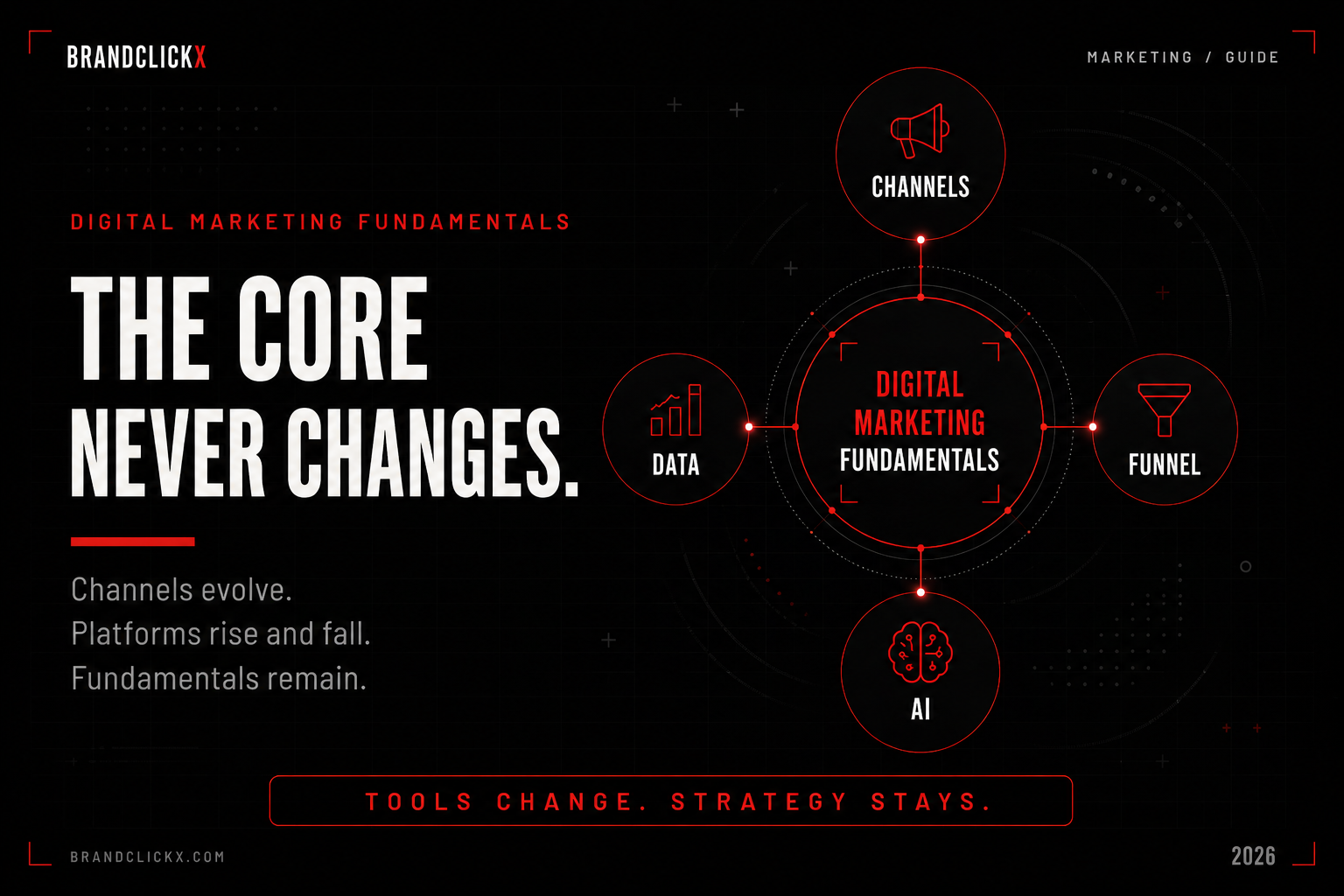
The fundamentals of digital marketing are not the tool of the month. They are the durable core underneath it: the channels, the media model, the data loop, and the funnel. Master those and every new platform becomes a place to apply what you already understand, instead of a crisis to survive.
This is the operator’s map to that core, reframed for the AI-first reality of 2026.
Key Takeaways
- The fundamentals are durable. Channels, the owned-earned-paid model, the data loop, and the funnel outlast every tactic.
- Digital marketing runs on a handful of core channels that work best when integrated, not isolated.
- The owned-earned-paid framework is the cleanest way to organize where attention comes from.
- Data and measurement are what make digital marketing a discipline rather than guesswork.
- AI is transforming execution and discovery, but the fundamentals beneath it stay the same.
What the Fundamentals Actually Are
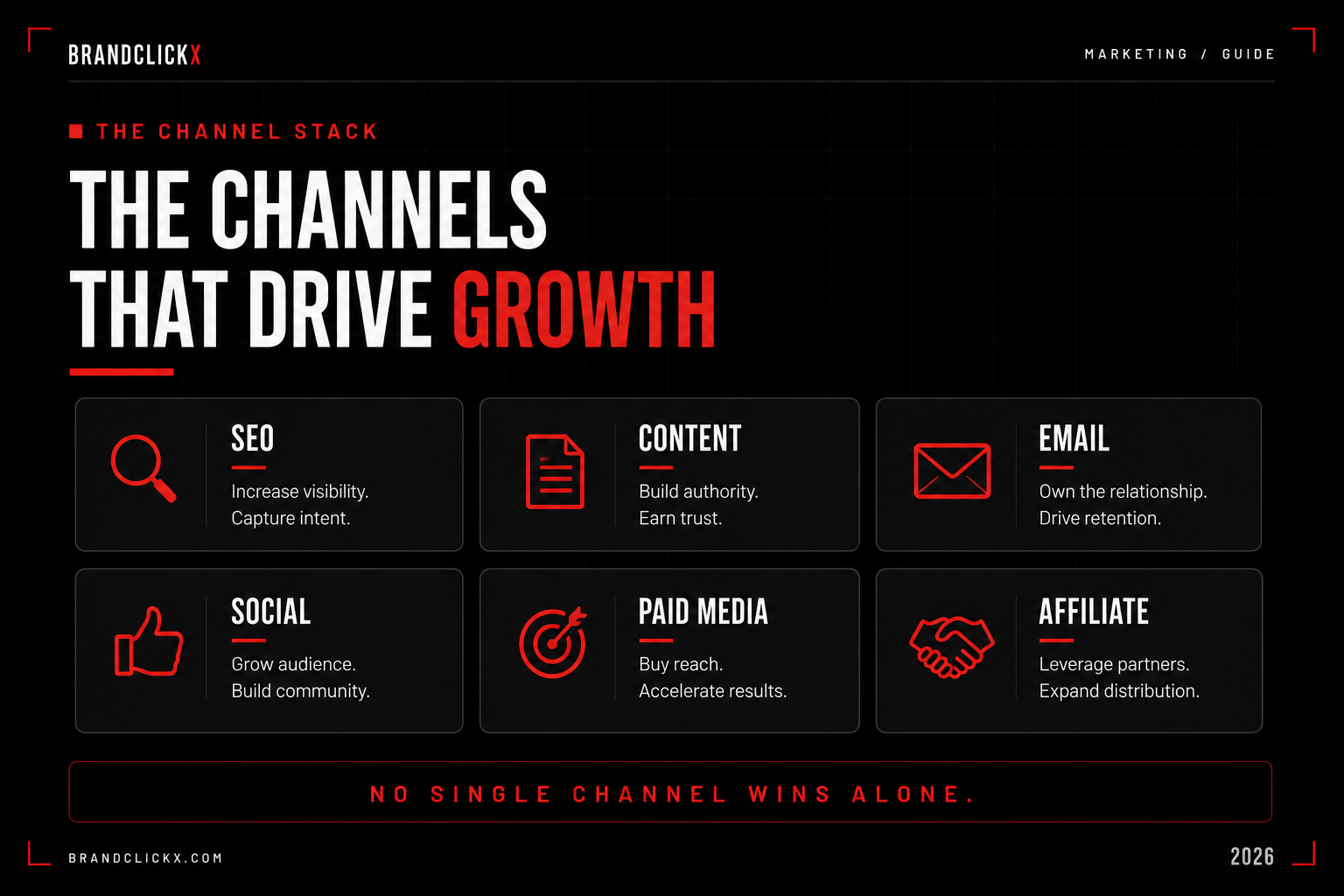
There is a difference between learning digital marketing and learning this week’s tactics. The first compounds. The second expires.
The fundamentals are the parts that do not change when a platform updates its algorithm or a new app captures attention. They answer durable questions. Where does attention come from. How do we turn it into customers. How do we know what is working. How do we improve.
Everything trendy, the specific format, the platform of the moment, the latest ad type, sits on top of these fundamentals as execution. Useful, but disposable.
Why it matters: marketers who only learn tactics start from zero every time the landscape shifts. Marketers who learn the fundamentals adapt fast, because they understand what each new tactic is actually doing.
This is the digital expression of the broader marketing fundamentals that govern the whole discipline, and it builds directly on the basics in our marketing 101 guide.
The Core Channels
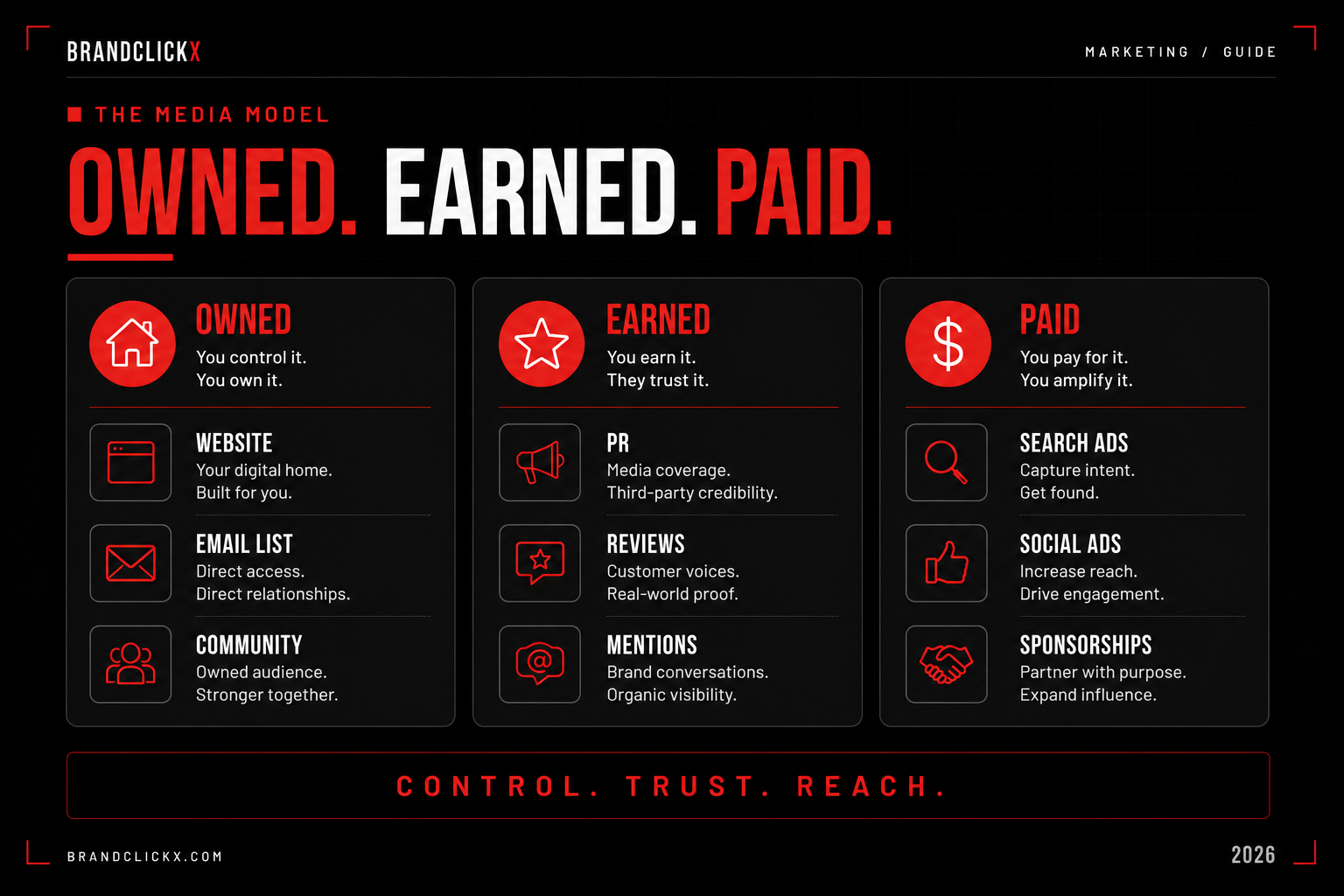
Digital marketing runs on a recognizable set of channels. You do not have to master all of them at once, but you should understand what each one does.
- Search engine optimization (SEO). Earning organic visibility so customers find you when they are already searching. Durable and high-trust.
- Content marketing. Attracting an audience by creating genuinely useful content rather than interrupting them.
- Social media marketing. Building audience, community, and brand where attention lives.
- Email marketing. Nurturing an owned audience directly, still one of the highest-return channels.
- Paid advertising (PPC). Buying attention and traffic for fast, controllable results that stop when the budget does.
- Affiliate and influencer marketing. Leveraging partners and creators to reach new audiences with borrowed trust.
The defining principle of modern digital marketing is integration. The strongest brands do not pick one channel and ignore the rest. They build a system where SEO feeds content, content fuels social and email, and paid amplifies the best of it. We map how these terms and channels relate in our breakdown of internet and online marketing.
Market observation: the question is never “which channel is best.” It is “which channels does my specific audience actually use, and how do they reinforce each other.” Channel choice follows the customer, not fashion.
The Owned, Earned, Paid Media Model
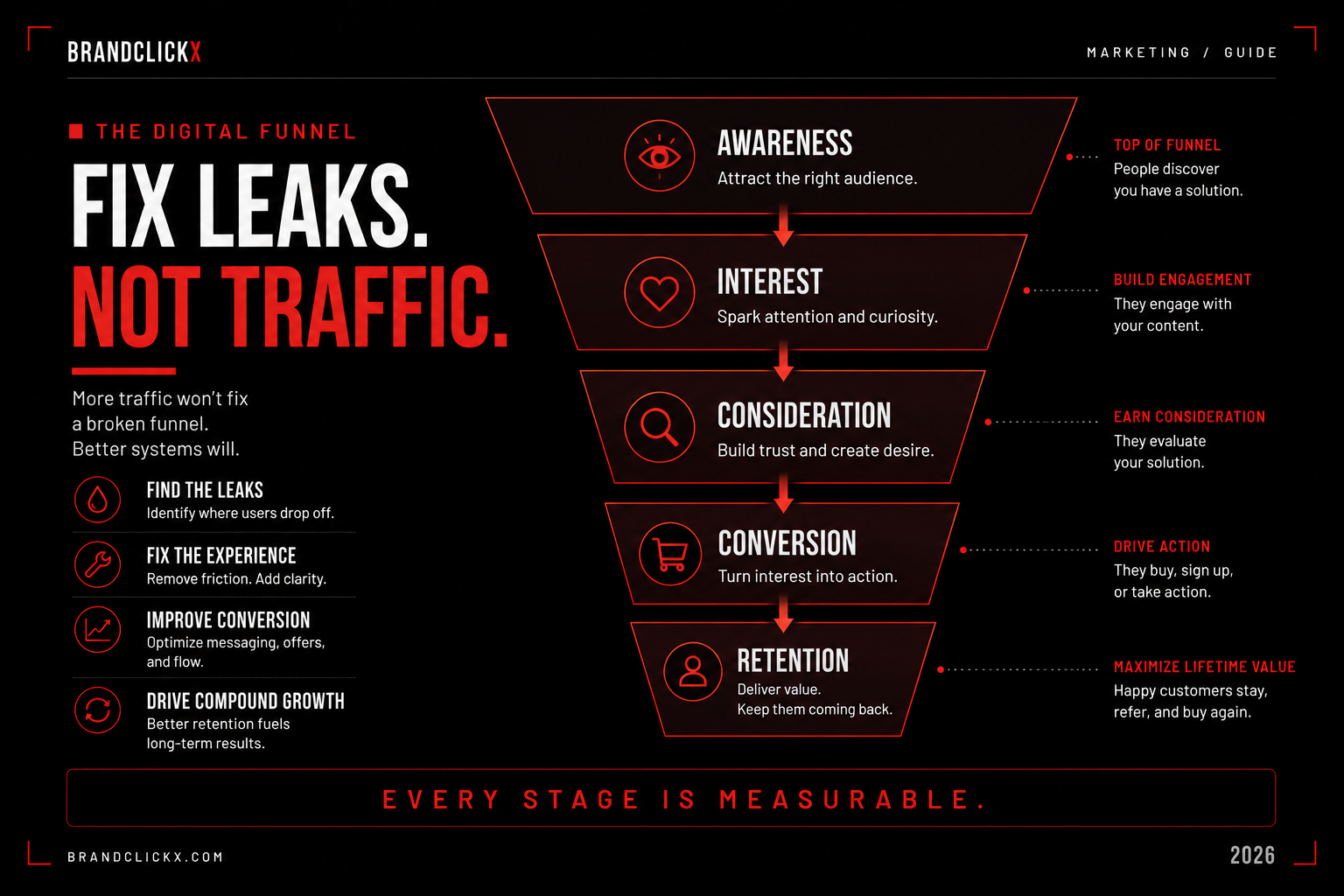
If you want one framework to organize all of digital marketing, this is it. Every source of attention falls into one of three buckets.
Owned media is what you control. Your website, blog, email list, and app. These are assets you build and keep. They cost effort, not rent, and they compound over time.
Earned media is attention others give you. Press coverage, social shares, reviews, word of mouth, and mentions. You cannot buy it directly. You earn it by being worth talking about, and it carries the most credibility.
Paid media is attention you buy. Ads across search, social, and display. It is fast and controllable, but it stops the moment you stop paying.
| Media type | What it is | Strength | Limitation |
| Owned | Assets you control | Compounds, no rent | Slow to build |
| Earned | Attention others give | Most credible | Hard to control |
| Paid | Attention you buy | Fast, scalable | Stops when budget stops |
The art is using all three together. Paid media can drive discovery to owned assets. Owned assets earn shares and credibility. Earned media validates the paid message. A brand leaning on only one is fragile.
Strategic breakdown: chase only paid and you rent your demand forever. Build owned and earn attention, and you create assets that keep working long after a campaign ends
The Data and Measurement Loop
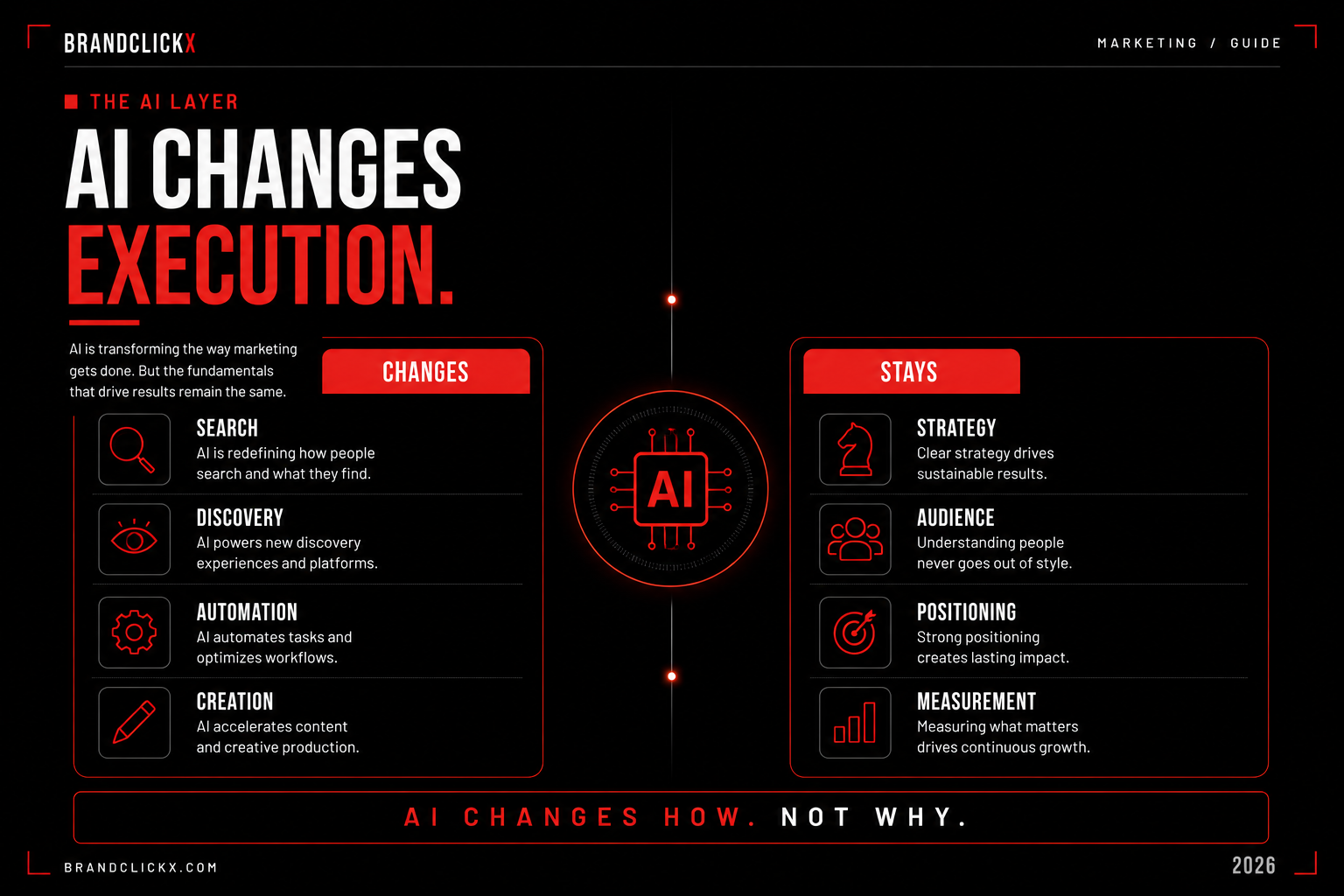
Here is what truly separates digital marketing from traditional marketing: you can measure almost everything.
Every click, scroll, open, and purchase leaves a trail. That visibility turns marketing from a guessing game into a discipline. You can see what works, find exactly where customers drop off, and fix that specific point.
This creates a loop. You launch, you measure, you learn, you optimize, you launch again. Each cycle makes the next one smarter. A traditional billboard gave you almost no feedback. A digital campaign gives you a constant stream of it.
That said, measurement is getting harder in one respect. Privacy changes, cookie restrictions, and tighter regulation mean marketers can no longer track everything they once could. The modern fundamental is not “track everything.” It is “measure what matters, respect the customer, and make confident decisions with the data you can ethically collect.”
Enterprise perspective: the brands that win are not the ones with the most data. They are the ones that read it well, respect how they gather it, and actually act on what it tells them. Data you do not use is just storage.
The ability to do this well is one of the most valuable modern digital marketing skills, and it is what employers consistently reward.
The Funnel, Applied Digitally
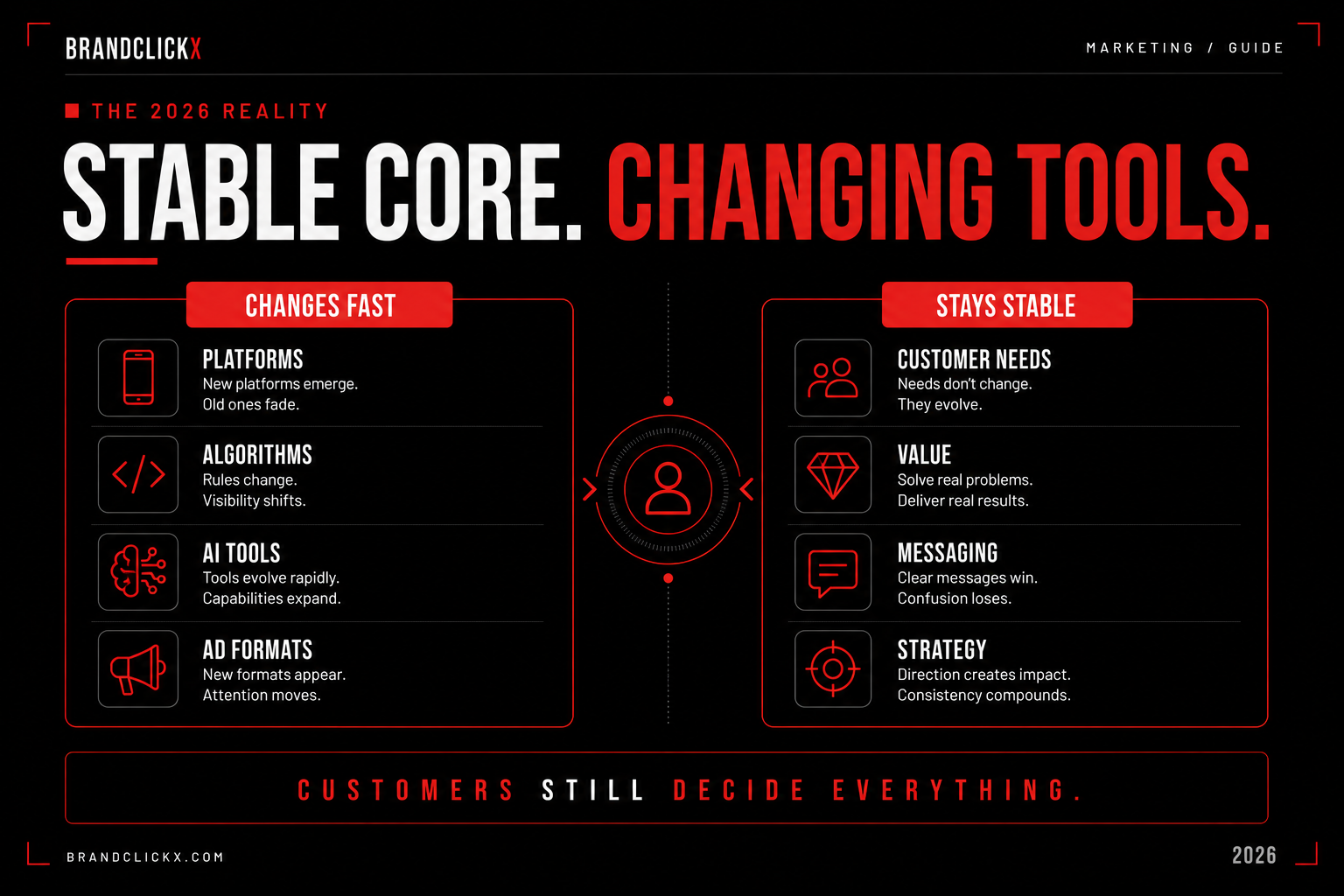
The customer funnel is a fundamental of all marketing, but digital makes each stage measurable and channel-specific.
Awareness. The customer discovers you. SEO, social, and paid ads do the heavy lifting at the top.
Consideration. They evaluate you. Content, email, and reviews build trust and answer objections.
Conversion. They act. Your landing pages, offers, and checkout experience either close or lose the sale.
Retention and loyalty. They return and refer. Email, community, and great post-purchase experience keep the loop turning.
The digital advantage is that you can see the drop-off between every stage and assign channels to fix it. If awareness is strong but conversion is weak, you know where the problem lives and where to focus.
Tactical framework: map each channel to the funnel stage it serves, then measure the transition between stages. The leak you find is where your next improvement should go, not in pouring more traffic into a funnel that does not convert.
How AI Is Reshaping the Fundamentals
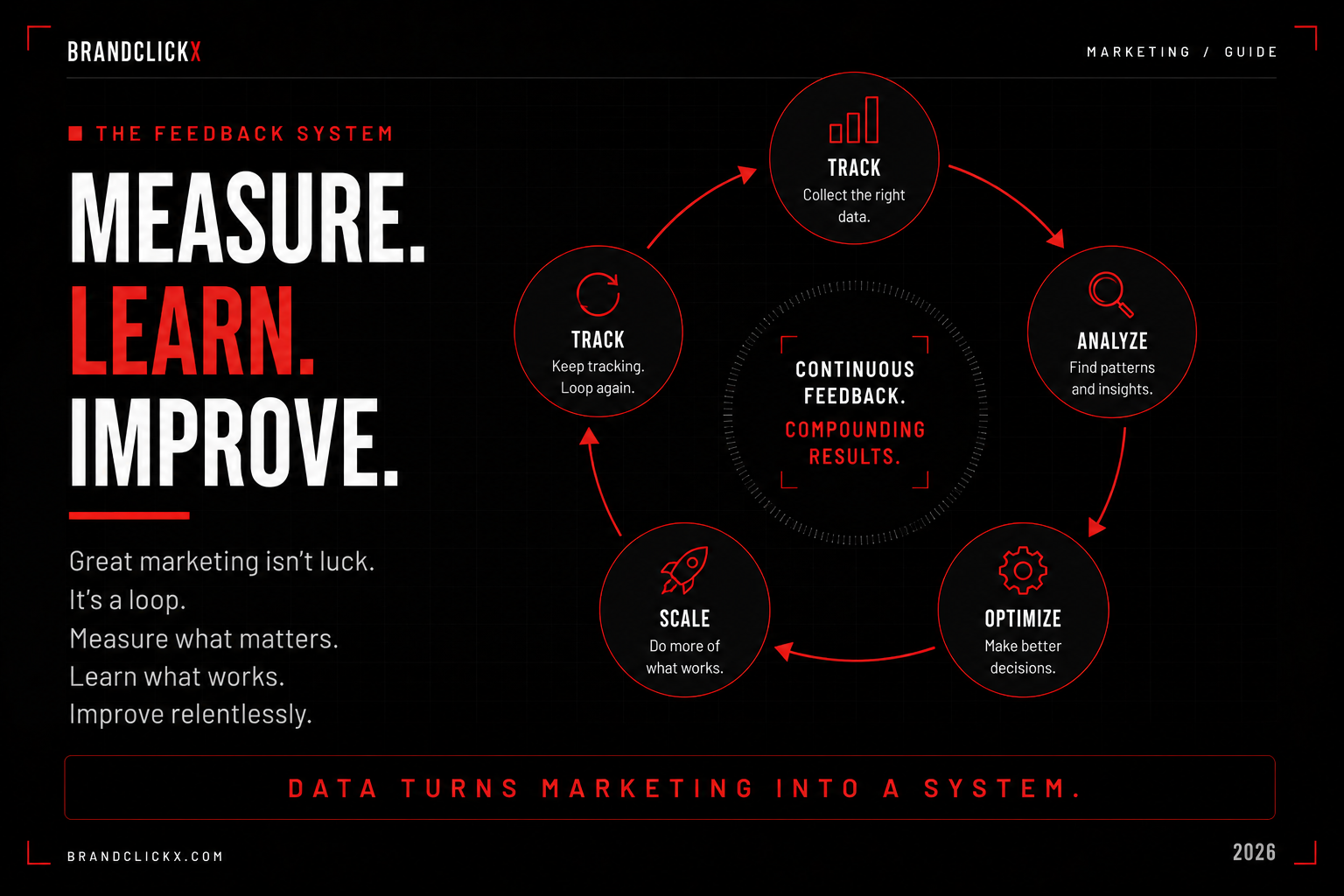
The fundamentals are stable. The execution layer is being rebuilt by AI, and ignoring that is not an option.
Three shifts matter most.
Discovery is going visual and conversational. AI-powered search, AI Overviews, and visual tools are changing how people find brands. They point a camera or ask a question in plain language instead of typing keywords. Gartner’s 2026 marketing outlook frames this as a move toward ambient, context-driven discovery. For marketers, it means your content and images need to be findable by machines that interpret meaning, not just match keywords.
Execution is being automated. AI now drafts copy, generates variations, optimizes ad spend in real time, and personalizes messaging at scale. The routine work compresses, and the marketer’s value moves up toward strategy and judgment.
Personalization is getting precise, and trust is getting scarce. AI lets brands tailor experiences to individuals, but customers are growing more skeptical of how their data is used. The fundamental that emerges is balance: personalize in ways that respect people, or lose the trust that makes marketing work.
None of this replaces the fundamentals. SEO still matters, it just extends into AI search. The funnel still applies, it just runs across new surfaces. Owned-earned-paid still holds, the channels inside it just evolve.
Future outlook: the marketers who thrive will apply timeless fundamentals through AI-era tools, showing up in visual and conversational discovery while competitors keep optimizing only for the typed query.
A Framework for Getting Started
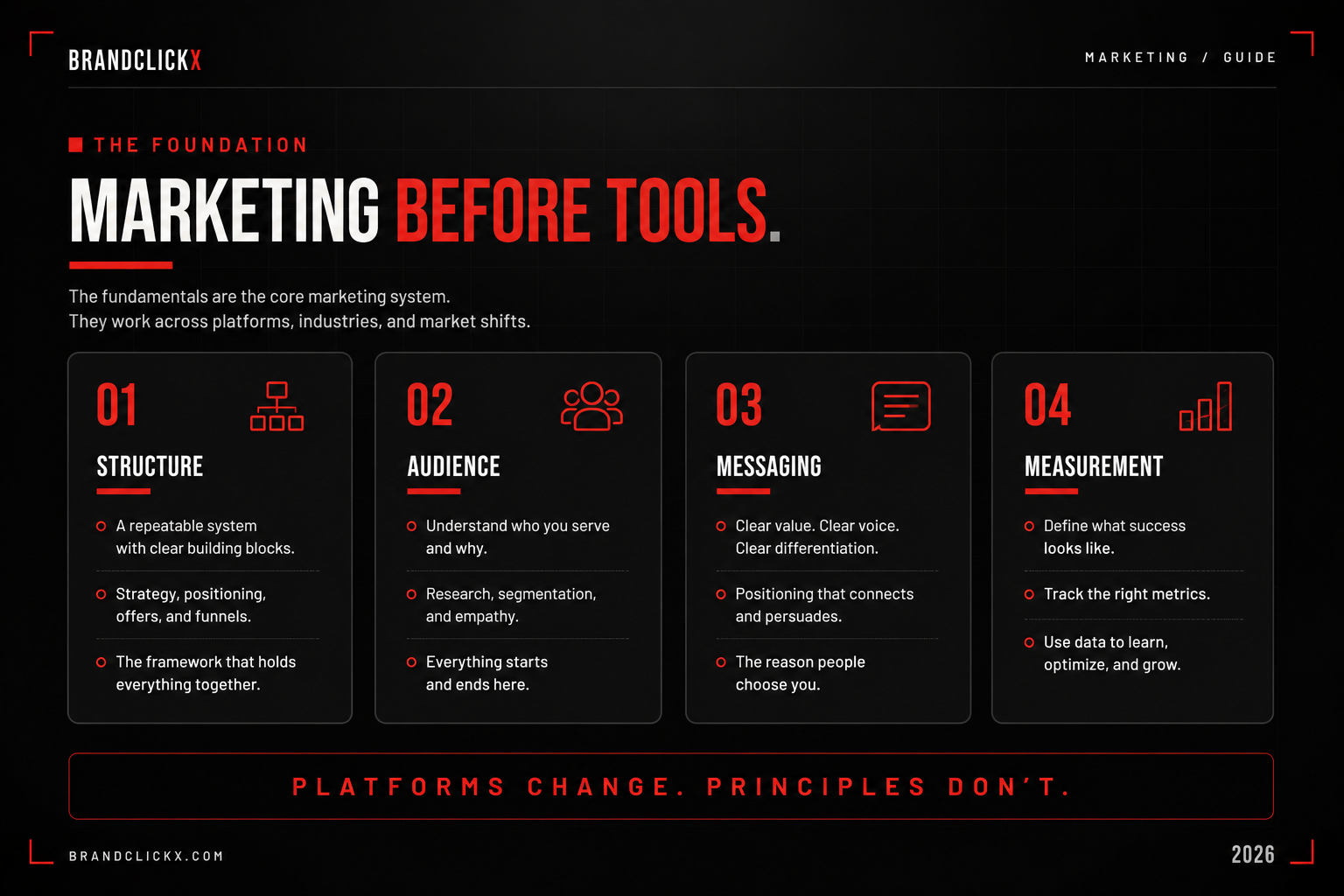
The fastest way to learn digital marketing is to build on the fundamentals in order, not to chase tactics. Here is a starter system.
| Step | Focus | Why it comes here |
| 1 | Fundamentals | Understand channels, media model, data, and funnel first |
| 2 | One channel | Build real competence in SEO, content, or another single discipline |
| 3 | A real project | Apply it with actual stakes and real feedback |
| 4 | Analytics | Set up measurement so you learn what works |
| 5 | Integration | Add channels and connect them into one system |
Start with the fundamentals so your knowledge has a structure. Pick one channel and get genuinely good at it. Practice on something real. Measure everything that matters. Then expand into an integrated system. The strategic layer that ties it together is covered in our guide to marketing strategies.
Strategic breakdown: depth in one channel plus understanding of the whole system beats shallow dabbling across ten. Build the T-shape, not the puddle.
What Stays and What Changes
Step back and the picture is clear.
What changes: the platforms, the formats, the ad types, the specific tools, and increasingly, how discovery happens as AI and visual search take hold.
What stays: customers seeking value, the funnel from awareness to loyalty, the owned-earned-paid structure of attention, the data loop that drives improvement, and the need to reach the right people where they actually are.
The marketer who confuses the two, who thinks a change in tactics means the fundamentals are dead, starts over every year. The one who knows the difference adapts to everything without losing the plot.
Frequently Asked Questions
What are the fundamentals of digital marketing?
The durable elements that stay constant as tools change: the core channels (SEO, content, social, email, paid), the owned-earned-paid media model, a data and measurement loop, and the customer funnel applied across digital touchpoints.
What are the main channels of digital marketing?
SEO, content marketing, social media, email marketing, paid advertising, and affiliate or influencer marketing. Most brands combine several into one integrated system because the channels reinforce each other.
What is owned, earned, and paid media?
Owned media is what you control, like your site and email list. Earned media is attention others give you, like press and shares. Paid media is attention you buy through ads. A strong strategy uses all three together.
Why is data important in digital marketing?
Because almost everything online is measurable, marketers can see what works, find drop-off points, and improve continuously. This creates a loop of testing, measuring, and optimizing instead of guessing.
How is AI changing digital marketing?
AI is reshaping discovery through visual and conversational search, and automating tasks like content, ad optimization, and personalization. The fundamentals stay the same, but execution becomes faster, more personalized, and more visual.
How do I get started with digital marketing?
Learn the fundamentals, choose one channel to focus on, and practice on a real project. Set up analytics to measure results, then expand into other channels. Doing beats only reading.
Key Takeaways for Executives
- Anchor on fundamentals, not tactics. Channels, the media model, the data loop, and the funnel outlast every trend. Tactics expire.
- Integrate your channels. A connected system where SEO, content, email, and paid reinforce each other beats isolated efforts.
- Balance owned, earned, and paid. Paid rents demand, owned builds assets, earned grants credibility. You need all three.
- Make decisions from data, ethically. Measure what matters, respect how you gather it, and act on it. Unused data is just storage.
- Apply old fundamentals through new tools. AI changes discovery and execution, not the foundations. Show up in visual and conversational search while others optimize only for typed queries.
The Bottom Line
The fundamentals of digital marketing are the reason some brands adapt smoothly to every platform shift while others scramble. The channels, the owned-earned-paid model, the data loop, and the funnel do not expire when the tool of the month does.
In an AI-first world where discovery is going visual and conversational, the brands that pair these durable fundamentals with modern execution will be found where their customers actually look. The ones chasing tactics without fundamentals will keep starting over.