Global Oil Markets Retreat After Weeks of Middle East Supply Disruptions
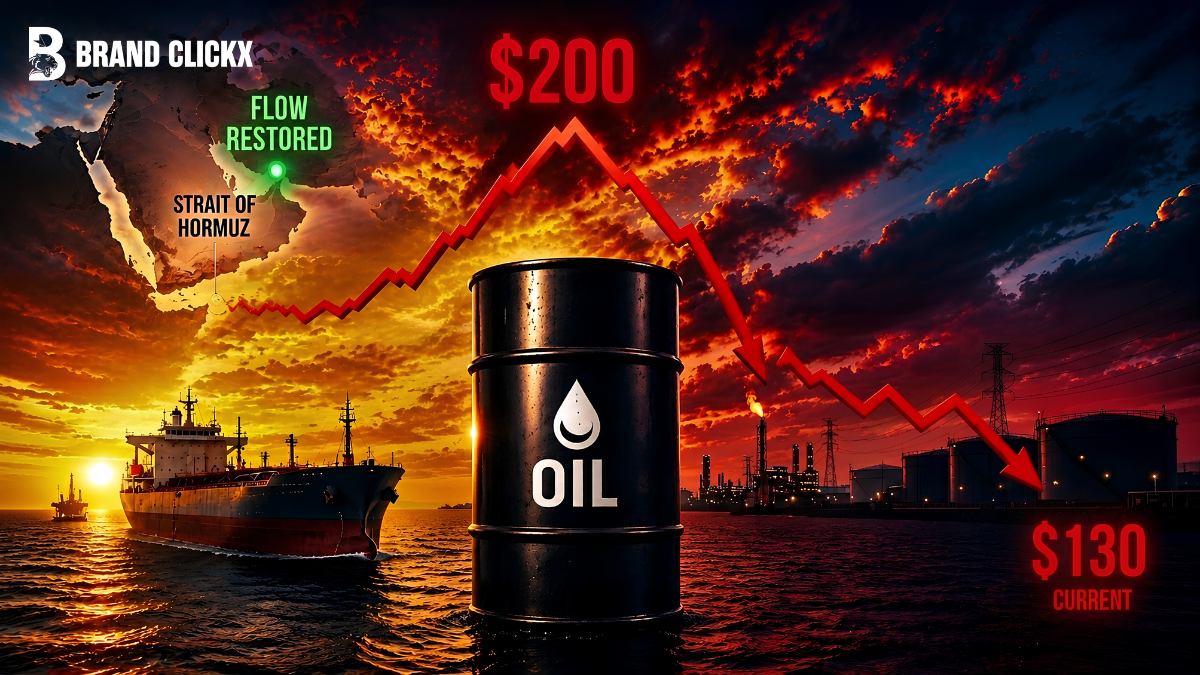
Global oil prices fell sharply on Thursday, returning to levels last seen before the outbreak of conflict between Iran, the United States, and Israel earlier this year, as supply concerns eased following the gradual reopening of the Strait of Hormuz.
Brent crude, the international benchmark, briefly dropped below $72.50 per barrel before stabilizing near $73, marking its lowest level since late February, just before military tensions in the Middle East triggered one of the largest oil market disruptions in recent years. U.S. West Texas Intermediate (WTI) crude also slipped below $70 per barrel, reflecting growing confidence that global supply chains are returning to normal.
US-Iran Diplomatic Agreement Helps Calm Energy Markets
The decline follows a major diplomatic breakthrough after Washington and Tehran signed a temporary framework agreement earlier this month aimed at reducing military tensions and reopening negotiations over Iran’s nuclear program.
The agreement introduced a 60-day negotiation window, immediately easing fears of prolonged supply disruption across global energy markets and restoring confidence among commodity traders worldwide.
Strait of Hormuz Reopens as Tanker Traffic Gradually Returns
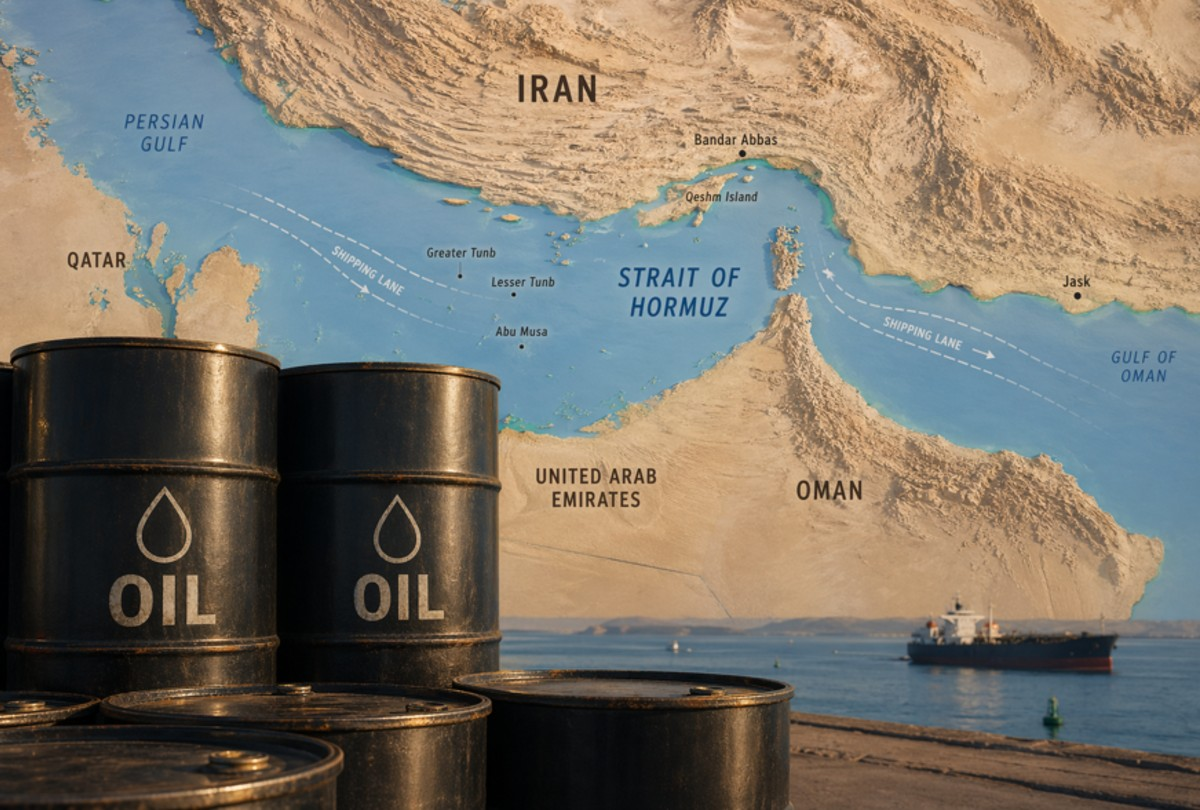
A key factor behind the market’s sharp reversal has been the return of shipping traffic through the Strait of Hormuz, one of the world’s most strategically important oil transit routes.
Why the Strait of Hormuz Matters for Global Oil Supply
The waterway handles a significant portion of global crude exports, and fears of a closure during the conflict had previously pushed oil prices above $125 per barrel, fueling inflation concerns across global economies.
Maritime tracking data now shows a sharp increase in tanker movement through the Persian Gulf, with hundreds of vessels resuming transit after weeks of disruption.
Rising Supply Creates New Pressure on Oil Prices
Several supertankers carrying millions of barrels of crude from Gulf producers including the United Arab Emirates and Oman have already resumed shipments toward Europe, while Iranian oil exports to Asia have accelerated following temporary sanctions relief.
Energy analysts say market sentiment has shifted dramatically in recent weeks. With previously delayed shipments now entering international markets, expectations are growing that oil supply may begin exceeding global demand in the short term.
Analysts Warn Oversupply Could Become the Next Big Challenge
If current shipping activity continues improving, global oil markets may soon move from supply shortages to excess production, placing additional downward pressure on crude prices through the second half of 2026.
Trump Orders Investigation Into Rising Fuel Prices
Despite falling crude prices, consumers have not yet seen equivalent relief at fuel stations.
U.S. President Donald Trump has ordered an investigation into major energy companies, accusing producers of keeping gasoline prices artificially high even as crude prices continue declining.
Companies including Shell and ExxonMobil have faced criticism from the administration amid growing political pressure to pass lower energy costs directly to consumers.
Industry groups responded by arguing that fuel prices do not move immediately alongside crude oil because of refining costs, transportation expenses, and broader supply chain factors.
Market Stability Returns, But Risks Remain
While markets have stabilized significantly, analysts warn the Strait of Hormuz has not fully returned to normal operating conditions.
Mine-clearing operations continue in parts of the region, shipping insurance premiums remain elevated, and tensions persist over possible future transit fees that Iran has recently suggested imposing on vessels crossing the strategic waterway.
For now, global energy markets appear to be entering a period of relative stability after months of geopolitical uncertainty.
If negotiations between Washington and Tehran continue progressing, the oil market could soon face an entirely different challenge in the second half of 2026: oversupply.