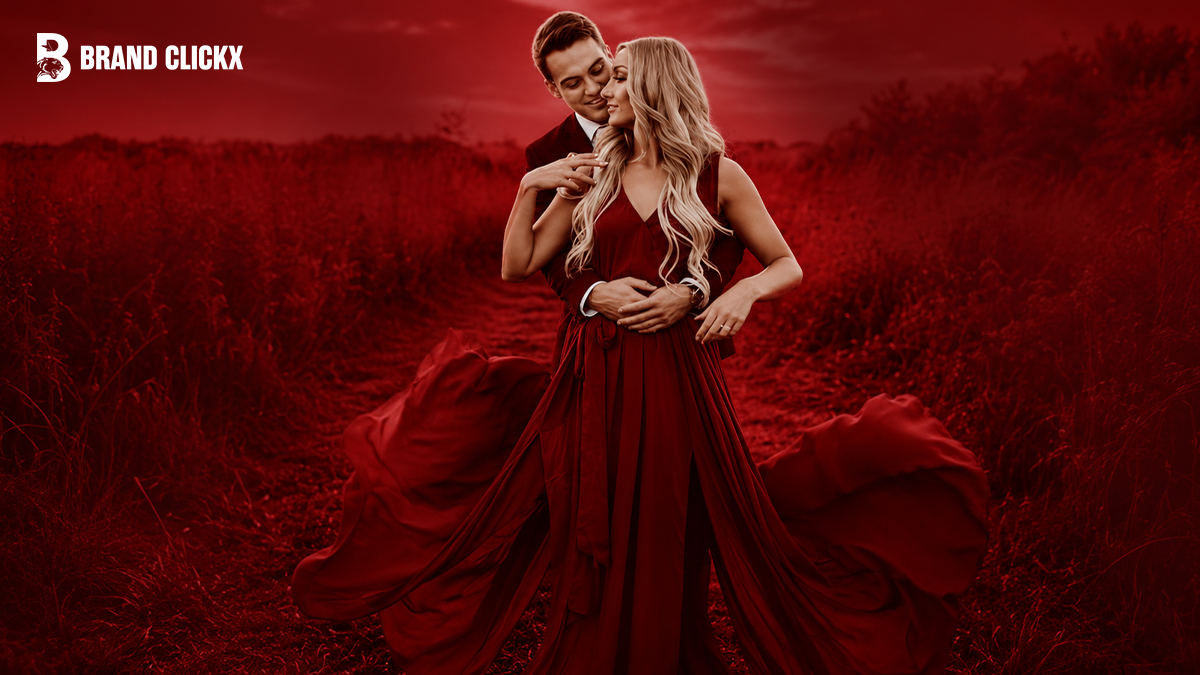
Engagement photos are one of the most personal shoots you will ever do and one of the most anxiety-inducing for couples who have never been professionally photographed before. The good news is that the best engagement photos in 2026 are not the most technically perfect. They are the ones that look and feel the most like you.
This guide covers everything: what to expect, the best locations, what to wear, how to pose without looking stiff, the 2026 trends worth knowing, and practical tips that will make your session genuinely enjoyable.
AI Overview
Engagement photos in 2026 are moving decisively away from posed, cookie-cutter shoots in parks toward lifestyle-driven sessions that reflect a couple’s actual personality, relationship, and daily life. Industry photographers describe the defining shift as this: “Rather than having the engagement session in a park or at the beach, I’m brainstorming with my couples for locations and ideas that are unique to them,” says photographer Melani Lust. The biggest 2026 trends include lifestyle engagement sessions at meaningful personal locations, direct flash paparazzi-style night photography, film and disposable camera aesthetics, and editorial-style indoor shoots.
Most couples book their engagement session three to six months before the wedding. Sessions typically last two to three hours, produce 50–100 edited images, and serve two distinct purposes: editorial shots for display and guest books, and portrait-tight shots for save-the-date cards. The most important thing you can bring to your engagement session is comfort with your partner, with your location, and with how you are dressed.
Key Takeaways
| Detail | Information |
| When to book | 3–6 months before the wedding, or when you feel inspired |
| Session length | 2–3 hours typical; 2.5–3 hours if including kids or pets |
| Images delivered | 50–100 edited images typical |
| Shot ratio | 30–40% portrait-tight (for save the dates), 60–70% editorial |
| Best lighting | Golden hour (30–60 min before sunset) or blue hour after sunset |
| 2026 biggest trend | Lifestyle sessions at personally meaningful locations |
| What not to do | Stiff posing, matching outfits, locations with no personal meaning |
| What works | Movement, interaction, humor, places you already love |
| Outfits | Neutral tones, soft textures, comfort first coordinate without matching |
| Props | Only include items you’d actually use in real life |
Why Engagement Photos Matter
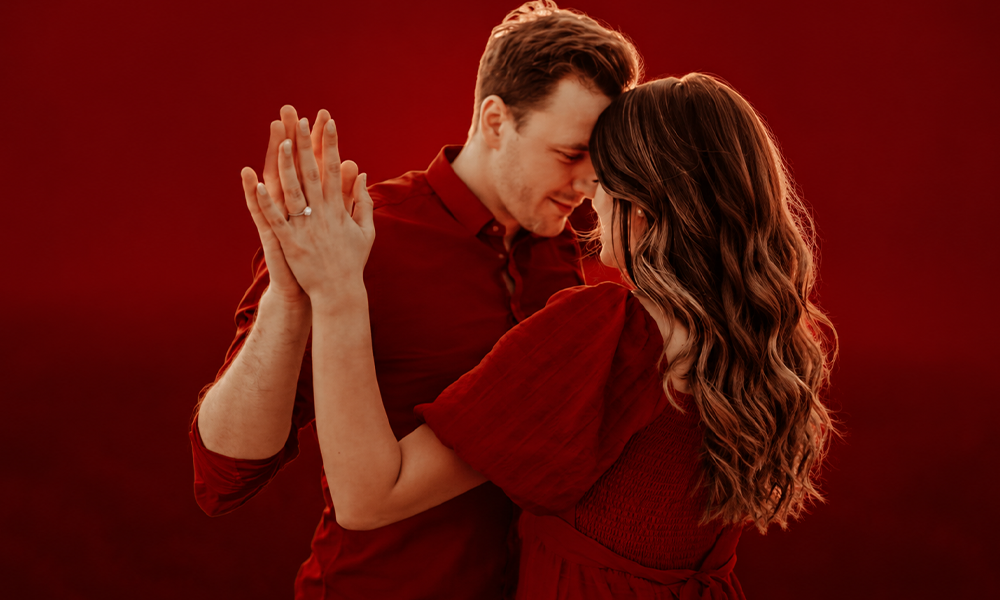
Engagement photos serve three practical purposes beyond the obvious one.
Save-the-date cards. Most couples use at least one engagement photo on their save the dates the portrait-tight shots that show faces clearly against a relatively clean background.
Wedding day decor. Many couples display enlarged engagement photos at their reception on welcome boards, guest books, and table centerpieces. These tend to be the wider editorial shots with more environmental context.
Getting comfortable with your photographer. This is the purpose most couples underestimate. Your engagement session is a rehearsal for your wedding day. It is where you learn how your photographer directs, how they handle light, whether they make you laugh or make you nervous and where you figure out what you are like in front of a camera together. Couples who have done an engagement session almost universally say it made them more relaxed on their wedding day.
When to Take Engagement Photos
There is no single right answer but most couples find a rhythm that works.
3–6 months before the wedding is the most common window. It gives you time to use the photos for save-the-date cards while keeping the session feeling current rather than distant from the wedding.
Immediately after the proposal captures the fresh excitement of the engagement particularly meaningful if you want documentary-style images of that specific emotional moment.
One year before gives maximum lead time for couples doing long-engagement planning, destination weddings, or those who want to use photos extensively across all pre-wedding communications.
Season-specific timing matters too. If you want fall foliage, book your session for late October in most of the US. Spring blooms peak in March–April. Summer beach sessions need to account for strong midday light golden hour timing becomes especially important. Winter sessions with snow require very flexible scheduling.
Best Engagement Photo Locations
The most important thing about your engagement photo location is that it means something to you not that it is visually spectacular.
Locations That Mean Something
Where you first met: A bar, a coffee shop, a college campus, a neighborhood park. The specific place you first encountered each other adds a layer of narrative to the photos that no scenic overlook can replicate.
Where you first lived together or spend most of your time: Your apartment, your neighborhood, your regular Sunday morning walk. Familiarity produces comfort and comfort produces genuinely relaxed photographs.
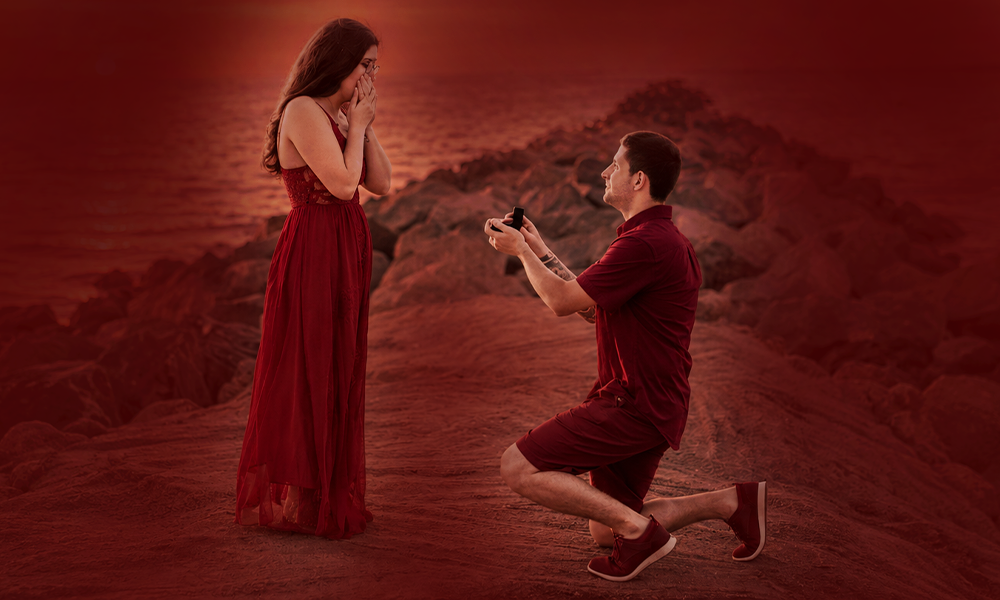
Where he proposed: Recreating the proposal location adds emotional continuity. You already know the lighting is good you loved the place enough to choose it for a proposal.
A place you always go on dates: Your favorite restaurant, the art museum you both love, the record store where you spend weekend afternoons. Melani Lust photographed a couple eating fried chicken in a bathtub. It was meaningful to them, it was totally them, and it produced images unlike anything anyone else had.
Outdoor Locations
Golden hour fields and meadows: Open fields in the thirty to sixty minutes before sunset provide warm, diffused light that is flattering on every skin tone, minimal distractions, and a timeless quality that photographs beautifully year after year.
Forest and woodland trails: Forests are private, textural, and warm the canopy filters light into something soft and green. Walk hand in hand down a trail rather than standing posed against a tree.
Beaches and lakeshores: Water provides reflection opportunities, interesting foreground textures, and open horizon backdrops. Early morning or late afternoon sessions avoid harsh midday light.
Mountain and canyon settings: Wide, dramatic landscapes create strong editorial images with scale and grandeur particularly effective for adventurous couples who want something cinematic rather than intimate.
Wildflower fields and botanical gardens: Spring and early summer bloom windows are short book early and monitor the bloom timeline in your region.
Urban Locations
Colorful murals and street art: Contrast a white outfit against a vibrant mural and the image pops. Urban murals change frequently confirm your chosen one is still there before the session.
Rooftop views: City skylines at golden hour or blue hour create a cinematic backdrop that works particularly well for couples who live in urban environments.
Cobblestone streets and historic districts: Architecture with texture, character, and depth creates more interesting frames than smooth, modern urban environments.
Late-night diner or bar: One of 2026’s strongest emerging trends direct flash photography in a neon-lit diner or late-night bar has a paparazzi energy that is bold, editorial, and personality-forward.
Your favorite coffee shop or bookstore: Intimate, indoor, and genuinely yours these feel like a date rather than a photoshoot.
Indoor Locations
Indoor sessions have grown significantly in 2026, driven by unpredictable weather and couples who want more control over the atmosphere.
At home: Nothing produces more relaxed, genuine photographs than a couple in their own space. Use natural window light wherever possible. Board games, cooking together, reading side by side activities you do every day become unexpectedly moving on film.
Art museums and galleries: Editorial, architectural, and genuinely interesting art museums give photographers strong lines, interesting light from skylights, and a cultured backdrop.
Stylish studios and creative spaces: Industrial lofts, plant-filled greenhouses, and vintage-furnished studios rented by the hour through platforms like Peerspace give you a curated environment without a public location’s unpredictability.
Historic hotels and restaurants: Ornate architecture, deep colors, and good interior lighting make historic properties particularly effective for indoor formal engagement sessions.
What to Wear for Engagement Photos
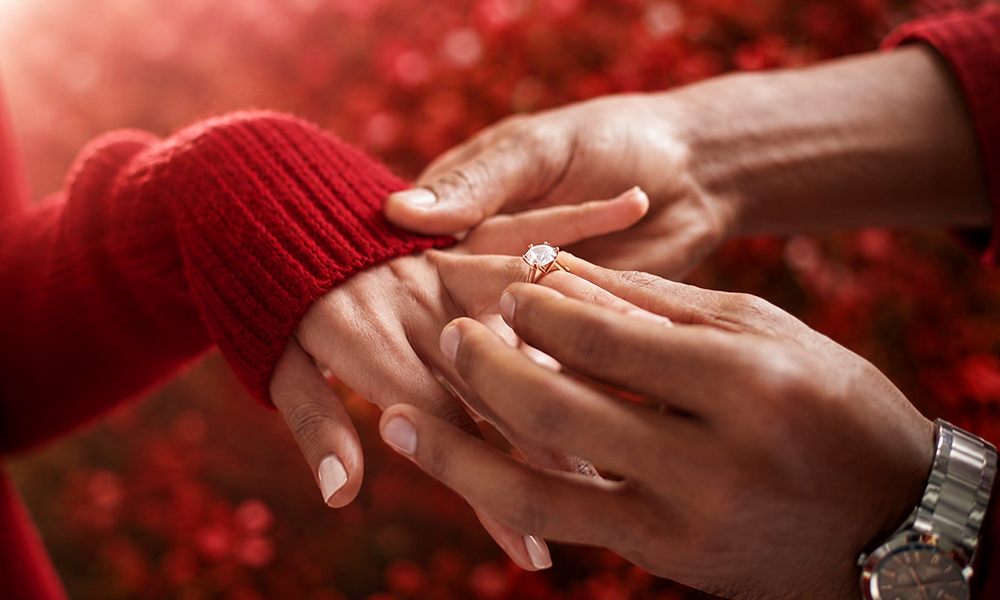
The most common engagement photo outfit mistake is choosing something you would not normally wear. Formal gowns and tuxedos read as costumes unless that genuinely reflects how you dress. A white dress looks clean in photos but removes personality. The goal is to look like elevated, intentional versions of yourselves not like people playing a different role.
Colors and Tones
Neutral tones work universally. Creams, taupes, soft whites, warm grays, muted blues, sage greens, and terracotta photograph beautifully in natural light and do not compete with the environment for visual attention.
Avoid matching exactly. Two people in identical navy outfits look like they coordinated for a family Christmas card. Instead, aim to be complementary your colors and textures should work together without being identical.
A pop of color can be the entire personality of a session. A bold red coat, a mustard yellow dress, a colorful veil. One statement piece in an otherwise neutral palette creates images that are immediately distinctive.
Avoid very bright whites and very dark blacks in the same frame. The exposure range can cause one person to appear washed out while the other photographs accurately.
Fabrics and Texture
Soft, flowing fabrics (linen, silk, chiffon, light knits) move beautifully and add visual dimension. Stiff fabrics (structured blazers, formal suits) create clean lines but reduce movement.
Texture matters outdoors especially. A textured knit sweater, a velvet blazer, a layered dress these add visual interest in wide natural settings where an identical texture on both people can flatten the composition.
Practical Comfort
If your feet hurt, it will show in your face. Heels that are painful after twenty minutes are not worth the height. Either break them in before the session or bring a pair of shoes you can actually walk in for movement shots.
Layer for weather. Shoot schedules shift with light and conditions. Having a jacket, a denim jacket, or a second look to throw over your outfit gives the photographer variation without a full wardrobe change.
Bring at least one backup outfit. Two looks give the photographer more variety and give you both a natural break mid-session to reset your energy.
How to Pose for Engagement Photos (Without Looking Stiff)
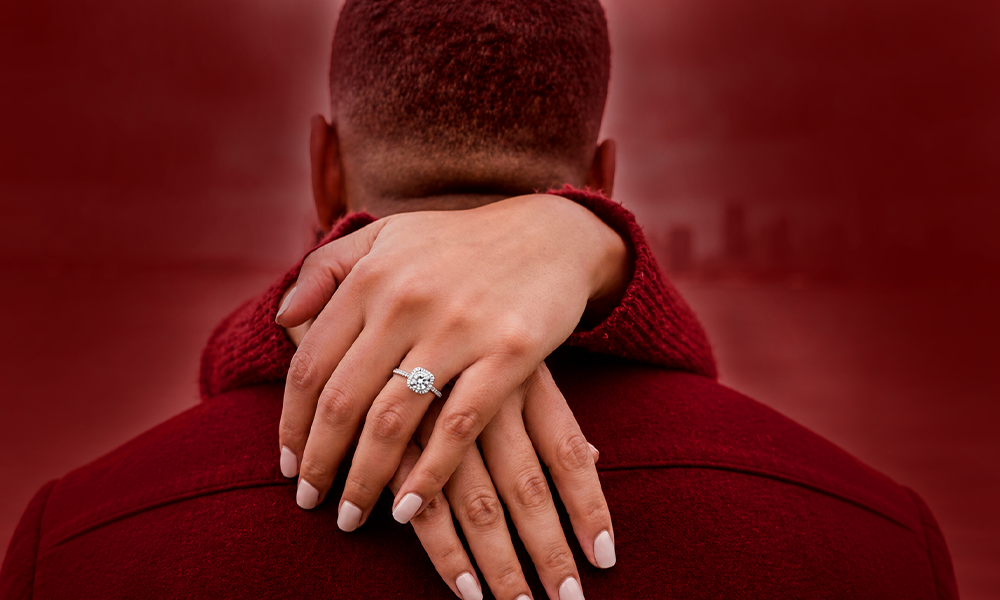
Most people’s biggest engagement photo anxiety is not knowing what to do with their bodies. The secret is that posing is mostly a myth movement and interaction are what actually produce the best images.
Focus on Actions, Not Poses
Instead of asking yourselves to hold a pose, give yourselves something to do:
- Walk toward the camera while talking to each other
- Spin or dip movement captures energy that a stationary pose never does
- Lean into a whisper, share a joke, reference an inside memory
- Run genuinely, at full speed toward or past the camera
- Cook, play a game, read together
- Look at something together rather than at the camera
The laughter is the image. When a photographer gets a couple laughing naturally not posing-for-the-camera laughing the resulting images are almost always the favorites. Tell your photographer any inside jokes or memories that reliably make you both laugh. Let them use them.
Looking at Each Other vs. the Camera
A mix of both creates a fuller gallery. Looking at the camera is powerful for portrait-tight shots. Looking at each other is more intimate and typically produces the images couples choose for large prints and display.
Physical Connection
Simple, natural points of connection a forehead rest, hands in hands, a chin-on-shoulder lean photograph better than forced embraces. The best engagement photo posing feels like something you would do anyway.
The 60-Second Reset
If the session starts to feel stiff, stop completely. Walk around, get a coffee, sit down somewhere comfortable. The first 15–20 minutes of any engagement session are the warmup the best images almost always come after you forget the camera is there.
2026 Engagement Photo Trends
These are the strongest trends shaping engagement photography right now.
1. Lifestyle Sessions at Personally Meaningful Locations
The dominant trend of 2026. Instead of booking a scenic location, couples are working with their photographers to identify places that genuinely mean something to their relationship and building the session around activity and interaction rather than posed beauty. The resulting images feel like a portrait of a relationship, not a portrait of two people in a pretty place.
2. Direct Flash Night Photography
Inspired by paparazzi aesthetics and early 2000s candid photography. Bold, direct flash a pop of artificial light in dark urban environments creates images that are high-contrast, editorial, and full of energy. Think: late-night diners, city sidewalks at 9pm, rooftop garages, bar interiors. Not right for every couple, but when it fits, the images are immediately distinctive.
3. Film and Disposable Camera Aesthetics
Grain, slight overexposure, muted color, and imperfect framing create a nostalgic quality that resonates strongly with couples who grew up before smartphones. Many photographers now shoot a roll of film alongside their digital work. Some couples incorporate a disposable camera as a prop that they actually use during the session.
4. Editorial Indoor Sessions
Styled, fashion-forward, magazine-aesthetic shoots in controlled indoor environments. Think intentional posing, dramatic light from a single window, architectural framing, and clothing that could appear in an editorial spread. Growing in popularity as couples become more interested in having images that feel like art, not just documentation.
5. Drone Photography
Aerial shots for engagement sessions capturing the couple as a small element in a dramatic landscape. Particularly striking for mountain, coastal, or destination sessions. Requires FAA authorization in many locations, so confirm with your photographer.
6. POV and Couples’ Perspective Photography
Camera angles from one partner’s point of view looking up at the other, or unique perspectives that place the viewer inside the couple’s experience. More experimental than traditional portrait-style engagement photography but produces images that feel genuinely immersive.
Including Pets and Children in Engagement Photos
Pets
Dogs are one of the most commonly included and most rewarding additions to an engagement session. They are also unpredictable, which produces some of the most genuine images in any gallery.
Practical notes:
- Book a slightly longer session (add 30–45 minutes) to account for pet energy
- Bring treats and have a handler (a friend or family member) stand off-frame and release on cue
- Morning sessions work better for energetic dogs hot afternoons make everyone cranky
- Let the dog be the dog do not try to pose them
Children
For couples who already have children who will be part of the wedding, including them in a portion of the engagement session is genuinely meaningful and creates continuity between the engagement and wedding galleries.
Book 2.5–3 hours instead of 2. Schedule the children’s portion early in the session when energy is highest. Have a transition plan for when kids are done someone to take them home or to a nearby activity so the couple can continue shooting without managing overtired children.
Practical Tips for the Best Engagement Session
Choose your photographer before your location. A great engagement photographer will have specific location ideas based on your style and will steer you toward spots that photograph well in different conditions. A beautiful location with a mediocre photographer produces mediocre images. The reverse is rarely true.
Scout the location in advance. If possible, visit your planned location at the same time of day as your session to understand the light. Golden hour light moves quickly knowing exactly where you will be standing when it is best is worth the advance trip.
Communicate your must-have shots. Tell your photographer before the session if there is a specific type of image you need a tight portrait for save-the-date cards, a full-length shot in a specific location, an image with your pet. Do not assume they will produce it automatically.
Plan your timing around light, not convenience. Golden hour is the thirty to sixty minutes before sunset. Blue hour is the ten to twenty minutes after cooler, more moody, excellent for flash photography. These windows are non-negotiable if you want the best natural light. Do not book a summer session at 2pm.
Eat before you shoot. Low blood sugar makes everyone slightly miserable and slightly less present. Have a real meal before your session.
Bring touch-up essentials. Lip balm, a small comb, blotting papers if you get oily in the heat, and the shoes you will actually wear for walking between locations.
Do not drink too much alcohol beforehand. One drink to calm nerves is reasonable. More than that affects how naturally you move and how present you are in your expressions.
Build in travel time. If you are shooting at golden hour, arrive early enough to take test shots in flat light rather than arriving at the golden window and scrambling.
FAQs
When should we take our engagement photos?
Most couples book 3–6 months before the wedding to have images ready for save-the-date cards. The best time is when you feel inspired and when the light, season, and location align with what you want. There is no universal rule.
How long do engagement sessions last?
Most sessions run 2–3 hours. Add 30–45 minutes for sessions including children or pets.
How many photos will we get?
Typically 50–100 edited images from a standard session. Discuss expectations with your photographer before booking.
What should we wear to engagement photos?
Neutral tones and soft textures photograph best. Coordinate without matching exactly. Wear something you feel genuinely comfortable in if it hurts or you feel unlike yourself, it will show. Bring a second outfit for variety.
Do we need props for engagement photos?
Only if the prop is something you actually use in real life. A meaningful book, your dog’s leash, a coffee cup from your favorite shop these read as details. A random umbrella or vintage bicycle rented for the photo reads as a prop.
What is the best location for engagement photos?
The best location is one that means something to you both where you met, where you go on dates, where you live. Beautiful but personally meaningless locations produce beautiful but impersonal photographs.
What is golden hour and why does it matter?
Golden hour is the 30–60 minutes before sunset when sunlight is warm, directional, and flattering. It is the most popular time for engagement sessions because the light is naturally beautiful on skin and creates a romantic atmosphere without requiring artificial lighting.
Should we hire the same photographer for engagement photos and our wedding?
It is not required, but it has a significant advantage: if you love your engagement photos, you already know your wedding photographer’s style, communication approach, and how they make you feel in front of a camera. That comfort is worth a great deal on your wedding day.