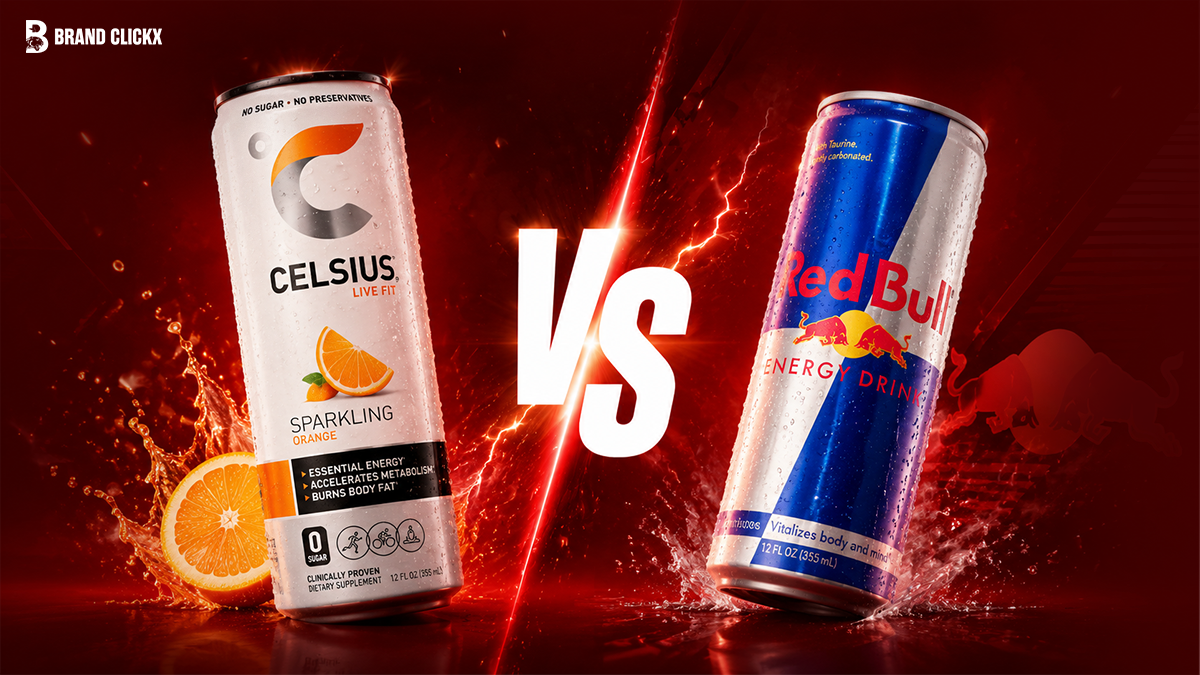
Celsius and Red Bull both sit in the energy drink aisle, both cost roughly the same, and both promise to sharpen your focus. But underneath the cans, they’re built on completely different formulas and which one is right for you depends on what you’re actually trying to get out of an energy drink.
This is the full breakdown: caffeine content, ingredients, nutrition, health risks, who should avoid each one, and a clear verdict.
Quick Answer
Celsius has 200mg of caffeine, zero sugar, 10 calories, and a blend of natural plant-based ingredients including green tea extract and guarana. It’s the stronger stimulant, built for fitness and pre-workout use.
Red Bull (original) has 80mg of caffeine and 27 grams of sugar in an 8.4oz can. It’s gentler, more familiar, and widely available — a better choice if you’re sensitive to caffeine or want a lighter energy boost.
Neither is a health product. Both are better consumed occasionally, not daily.
Brand Background
Red Bull launched in Austria in 1987, reached global markets in 1997, and built the modern energy drink category almost single-handedly. It remains the best-selling energy drink in the world with over $7 billion in annual revenue. The iconic slogan “Gives You Wings” and its 8.4oz slim can are instantly recognizable everywhere on earth.
Celsius launched in 2004 in the US, positioning itself from the start as a fitness-focused energy drink with natural ingredients. For years it was a niche product. Then it exploded growing 138% in a single year at one point and now generates over $1 billion in annual revenue, making it the third-largest energy drink brand in the US behind Red Bull and Monster.
Celsius Caffeine and Red Bull Caffeine: The Biggest Difference
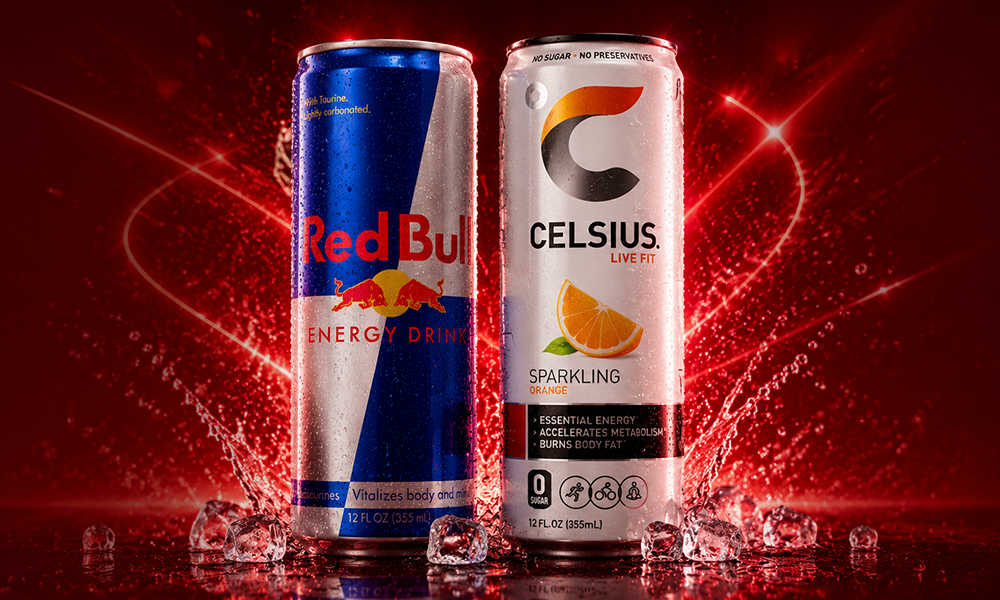
This is the most important number to understand before choosing between the two.
| Drink | Caffeine | Serving Size |
| Celsius Original | 200mg | 12 oz |
| Celsius Essentials | 270mg | 16 oz |
| Red Bull Original | 80mg | 8.4 oz |
| Red Bull Sugar-Free | 80mg | 8.4 oz |
| Red Bull Zero | 80mg | 8.4 oz |
Celsius delivers 2.5 times more caffeine than Red Bull in a single can. That’s roughly equivalent to two standard cups of coffee, or one large Starbucks Pike Place Roast. The FDA considers up to 400mg of caffeine per day safe for healthy adults so one Celsius puts you at exactly the halfway point before anything else you consume that day.
Red Bull’s 80mg is a gentler dose, closer to one standard cup of coffee. For someone who drinks coffee in the morning and wants an afternoon pick-me-up without going overboard, Red Bull is easier to stack within safe daily limits.
Where Celsius caffeine comes from: It’s sourced from three places green tea extract, guarana extract, and additional synthetic caffeine. Guarana releases caffeine more slowly than synthetic sources because the caffeine is bound to tannins. This means the effects of Celsius can linger longer than you might expect, which matters if you plan to drink it in the afternoon or evening.
Where Red Bull caffeine comes from: Synthetic caffeine (listed as “caffeine” on the label), with no plant-based caffeine sources.
Full Ingredients Comparison
Celsius Ingredients
The core of Celsius is its MetaPlus proprietary blend, which includes:
- Green tea extract (EGCG — an antioxidant linked to metabolism support)
- Guarana seed extract (natural caffeine source)
- Ginger root extract (anti-inflammatory, digestion support)
- B vitamins (B2, B3, B5, B6, B7, B12) essential for energy metabolism
- Vitamin C
- Chromium (involved in blood sugar regulation)
Other ingredients include carbonated water, citric acid, natural flavors, sucralose (artificial sweetener), and vegetable juice for color.
Celsius does not use artificial colors or high-fructose corn syrup. It does use sucralose worth noting if you prefer to avoid artificial sweeteners.
Red Bull Ingredients
Original Red Bull contains:
- Synthetic caffeine (80mg)
- Taurine (1000mg) — an amino acid that supports neurological function
- B vitamins (B3, B5, B6, B12)
- Sucrose and glucose (sugar — 27g in the original)
- Artificial colors
- Carbonated water
Red Bull Sugar-Free and Red Bull Zero replace the sugar with aspartame, acesulfame K, or sucralose depending on the variant.
Red Bull uses artificial colors to achieve its amber tint. Celsius avoids artificial colors entirely, using natural vegetable juice instead.
Nutrition Facts: Side by Side
| Category | Celsius (12oz) | Red Bull Original (8.4oz) | Red Bull Sugar-Free (8.4oz) |
| Calories | 10 | 110 | 15 |
| Sugar | 0g | 27g | 0g |
| Caffeine | 200mg | 80mg | 80mg |
| Taurine | 0mg | 1,000mg | 1,000mg |
| B Vitamins | Yes | Yes | Yes |
| Artificial Colors | No | Yes | Yes |
| Sweetener | Sucralose | Sugar | Aspartame/Sucralose |
The nutrition comparison looks like a clear win for Celsius against original Red Bull no sugar, a fraction of the calories. But comparing Celsius to Red Bull Sugar-Free is a closer call. Both are sugar-free and low calorie. The main difference then becomes caffeine dose (200mg vs 80mg) and ingredient philosophy (natural plant blend vs synthetic + taurine).
Is Celsius Bad for You? An Honest Look
This is the most searched question about the Celsius drink — and the honest answer is: not necessarily, but there are real considerations.
Caffeine: The Main Risk
At 200mg per can, Celsius is a strong stimulant. Most healthy adults can handle one can without issue. The risk comes from stacking it with other caffeine sources. If you drink Celsius on top of morning coffee, afternoon tea, or a pre-workout supplement, your total daily caffeine intake can easily push past 400mg — the FDA’s general safety threshold for healthy adults.
Documented side effects of consuming more than 200–400mg of caffeine per day include:
- Jitteriness and shakiness
- Increased heart rate and elevated blood pressure
- Anxiety and restlessness
- Insomnia and disrupted sleep
- Headaches (especially during withdrawal)
- Digestive discomfort
These are not unique to Celsius they’re caffeine effects at high doses. Celsius’s 200mg dose simply gets you there faster than most other energy drinks.
Guarana: Caffeine You Might Not Be Counting
Guarana in Celsius is a secondary caffeine source. Because it releases caffeine slowly, the stimulant effects can extend beyond what you’d expect from the listed 200mg alone. This matters especially for afternoon consumption drinking Celsius at 3pm can affect your sleep at 11pm.
Sucralose: The Sweetener Question
Celsius uses sucralose (brand name Splenda) as its zero-calorie sweetener. The FDA considers sucralose safe for general consumption. However, emerging research suggests that regular sucralose consumption may influence gut bacteria composition reducing beneficial species while potentially increasing bacteria associated with inflammation. The science is still evolving and effects appear to vary between individuals. One can occasionally is unlikely to cause harm. Daily long-term consumption is where concerns are more relevant.
Green Tea Extract: Generally Safe, Rarely Concerning
Green tea extract in Celsius contributes antioxidants (EGCG) and supports the thermogenic (metabolism-boosting) marketing claim. At the doses in Celsius, it’s generally well-tolerated. In rare cases, concentrated green tea extract at very high doses has been linked to liver stress — but this is associated with supplement-level doses, not the amounts in a single energy drink.
Does Celsius Actually Burn Fat?
Celsius markets itself as a metabolism booster and fat burner. There is some scientific backing here a clinical study of 60 participants confirmed that drinking Celsius does temporarily increase resting energy expenditure and circulates more fatty acids in the blood compared to a placebo. However, the effect is modest and short-lived. It does not replace diet or exercise. Calling Celsius a “fat burner” overstates what the research actually shows.
Who Should Avoid Celsius Entirely
- Children and teenagers
- Pregnant or breastfeeding individuals (limit caffeine to 200mg per day or less)
- People with caffeine sensitivity or anxiety disorders
- Anyone with a heart condition or high blood pressure
- People taking medications that interact with caffeine or stimulants
Is Red Bull Bad for You?
Original Red Bull carries a different set of concerns.
27 grams of sugar per can is the biggest issue. That’s about two-thirds of the American Heart Association’s recommended daily sugar limit for women (25g) and more than half for men (36g) in a single 8.4oz drink. Regular consumption of sugar-sweetened beverages is linked to increased risk of weight gain, type 2 diabetes, and metabolic syndrome, according to a meta-analysis published in Diabetes Care.
Artificial colors — Red Bull uses artificial coloring agents that some consumers prefer to avoid, though the FDA approves them for use.
Taurine — Red Bull contains 1,000mg of taurine per can, an amino acid that naturally occurs in the human body. Despite early concern, research has generally found taurine at these amounts to be safe and potentially beneficial for neurological and cardiovascular function.
At 80mg of caffeine, Red Bull’s stimulant risk is significantly lower than Celsius. For most healthy adults, the caffeine dose alone is unlikely to cause problems. The bigger health concern with original Red Bull is the sugar and the Sugar-Free version addresses that directly.
Pre-Workout: Celsius vs Red Bull
For gym and workout use, Celsius has a clear edge. Its 200mg caffeine dose combined with green tea EGCG, guarana, and ginger root is more in line with what research suggests for exercise performance benefits. A clinical study published in the Journal of the International Society of Sports Nutrition found that subjects who consumed Celsius 15 minutes before exercise showed significantly greater caloric expenditure during 60 minutes of treadmill exercise compared to a placebo.
Red Bull has no equivalent fitness-specific clinical literature. Its caffeine alone does provide measurable alertness and mild performance benefits, but 80mg is at the lower end of the dose range that sports nutrition research associates with meaningful exercise performance improvements.
If you’re using an energy drink specifically before a workout, Celsius is the more appropriate tool. If you’re drinking it for general alertness during the day, Red Bull’s lower caffeine makes it easier to manage without disrupting sleep.
Taste and Flavors
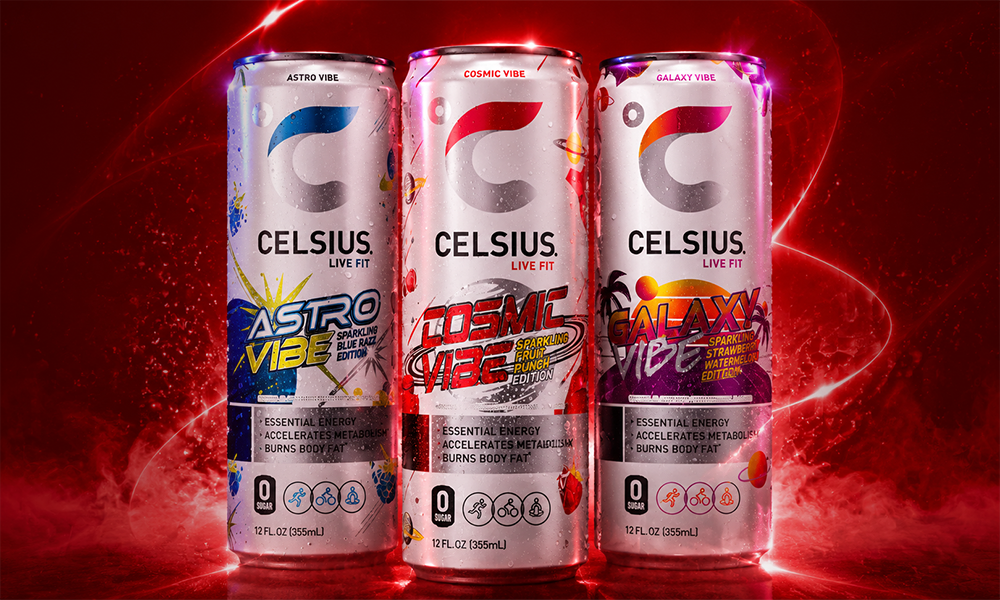
Celsius is available in 24+ flavors, including fruity options like Sparkling Orange, Peach Vibe, Kiwi Guava, and Wild Berry plus the Celsius Essentials line targeted at more serious gym users. The taste is light and sparkling, not overly sweet. The stevia version (Celsius Stevia) is available for those avoiding sucralose.
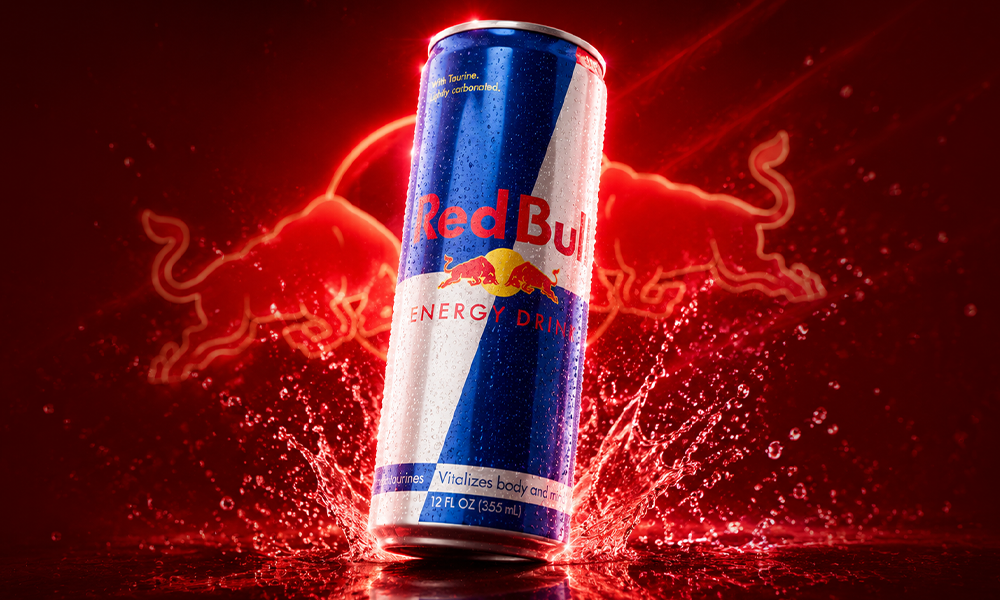
Red Bull comes in a smaller flavor lineup with the original and Sugar-Free as the most widely sold. Flavors include Watermelon, Tropical, Coconut Berry, and more under its “Summer Editions” and “Winter Editions” lines. The original Red Bull has a distinctive sweet, slightly medicinal taste that’s very recognizable people either love it or don’t.
Price Comparison
| Format | Celsius | Red Bull |
| Single can (in-store) | $2.00–$3.50 | $2.00–$3.00 |
| Price per oz | Lower (12oz can) | Higher (8.4oz can) |
| Availability | Most grocery, convenience, Amazon | Everywhere globally |
Celsius costs roughly the same per can but delivers a larger serving size, making it better value per ounce. Red Bull’s global distribution is unmatched you can find it in airports, gas stations, corner stores, and vending machines in nearly every country on earth. Celsius is widely available in the US but lacks the same international footprint.
Who Should Choose Which
Choose Celsius if:
- You want a pre-workout energy drink with functional ingredients
- You’re avoiding sugar and prefer natural plant-based caffeine sources
- You can tolerate 200mg of caffeine without side effects
- You’re a healthy adult using it occasionally before exercise
Choose Red Bull (Sugar-Free or Zero) if:
- You want a lighter caffeine dose that’s easier to manage throughout the day
- You’re sensitive to caffeine or new to energy drinks
- You want something widely available anywhere in the world
- You prefer a smaller serving size
Avoid both if:
- You’re under 18
- You’re pregnant or breastfeeding
- You have a heart condition, anxiety disorder, or caffeine sensitivity
- You’re stacking it with other caffeinated beverages without tracking total daily intake
The honest bottom line: Neither Celsius nor Red Bull is a health drink. Celsius is a better choice than original Red Bull for most adults because it avoids sugar and uses more natural ingredients. But its 200mg caffeine dose makes it the stronger stimulant by far — which is either an advantage or a risk depending on your tolerance and how you use it. One can of either, consumed occasionally by a healthy adult, is unlikely to cause harm. Daily use of multiple cans is where problems start.
Celsius vs Red Bull: Summary Scorecard
| Category | Winner |
| Less sugar | Celsius |
| Lower caffeine | Red Bull |
| Pre-workout performance | Celsius |
| Natural ingredients | Celsius |
| Better for caffeine-sensitive people | Red Bull |
| Global availability | Red Bull |
| Value per ounce | Celsius |
| Fewer artificial additives | Celsius |
| Safer for occasional casual use | Red Bull (lower caffeine dose) |
FAQs
How much caffeine is in Celsius?
A standard 12oz Celsius Original has 200mg of caffeine sourced from green tea extract, guarana, and additional synthetic caffeine. Celsius Essentials (16oz) contains 270mg. Both are significantly higher than Red Bull’s 80mg.
Is Celsius bad for you?
Not necessarily, when consumed in moderation by healthy adults. The main concerns are its high caffeine content (200mg per can), which can cause jitters, elevated heart rate, and insomnia if stacked with other caffeine sources, and its use of sucralose, which some emerging research links to gut bacteria changes. One can occasionally is generally considered safe for healthy adults. Daily heavy use is where risks accumulate.
Is Celsius the same as a Celcius drink?
Yes “Celcius” is a common misspelling of “Celsius.” Both refer to the same brand, Celsius Holdings, and the same product line.
Can you drink Celsius every day?
Most healthy adults can drink one can daily while staying within the FDA’s 400mg caffeine guideline as long as they limit other caffeine sources. Drinking more than one Celsius daily, or combining it with coffee and pre-workout supplements, can push total caffeine well above safe limits.
Is Red Bull or Celsius better before a workout?
Celsius, for most people. Its higher caffeine dose (200mg) and thermogenic ingredient blend align more closely with what exercise performance research supports. Drink it 15–20 minutes before exercise for best results.
Which has more sugar Celsius or Red Bull?
Red Bull Original has 27 grams of sugar per can. Celsius has zero. Red Bull Sugar-Free and Red Bull Zero also have zero sugar — so the comparison only holds for original Red Bull.