Direct to consumer brands in 2026 have changed the way companies sell products. Instead of depending mainly on wholesalers, distributors, and retail stores, these brands can sell directly to the people who use their products. This gives companies more control over pricing, marketing, customer experience, and communication. DTC became popular because the internet made it easier for small companies to reach customers without building a large network of physical stores. But the model has changed significantly since then.
Attracting customers is more competitive, advertising can be expensive, and shoppers now move across many channels before they buy anything. In 2026, the most successful DTC brands are rarely online-only businesses anymore. Many combine websites, apps, social media, physical stores, subscriptions, and select retail partnerships. This guide explains what DTC really means, how the model works, why companies use it, what has gotten harder, and where the model seems to be heading.
What Does DTC Actually Mean?
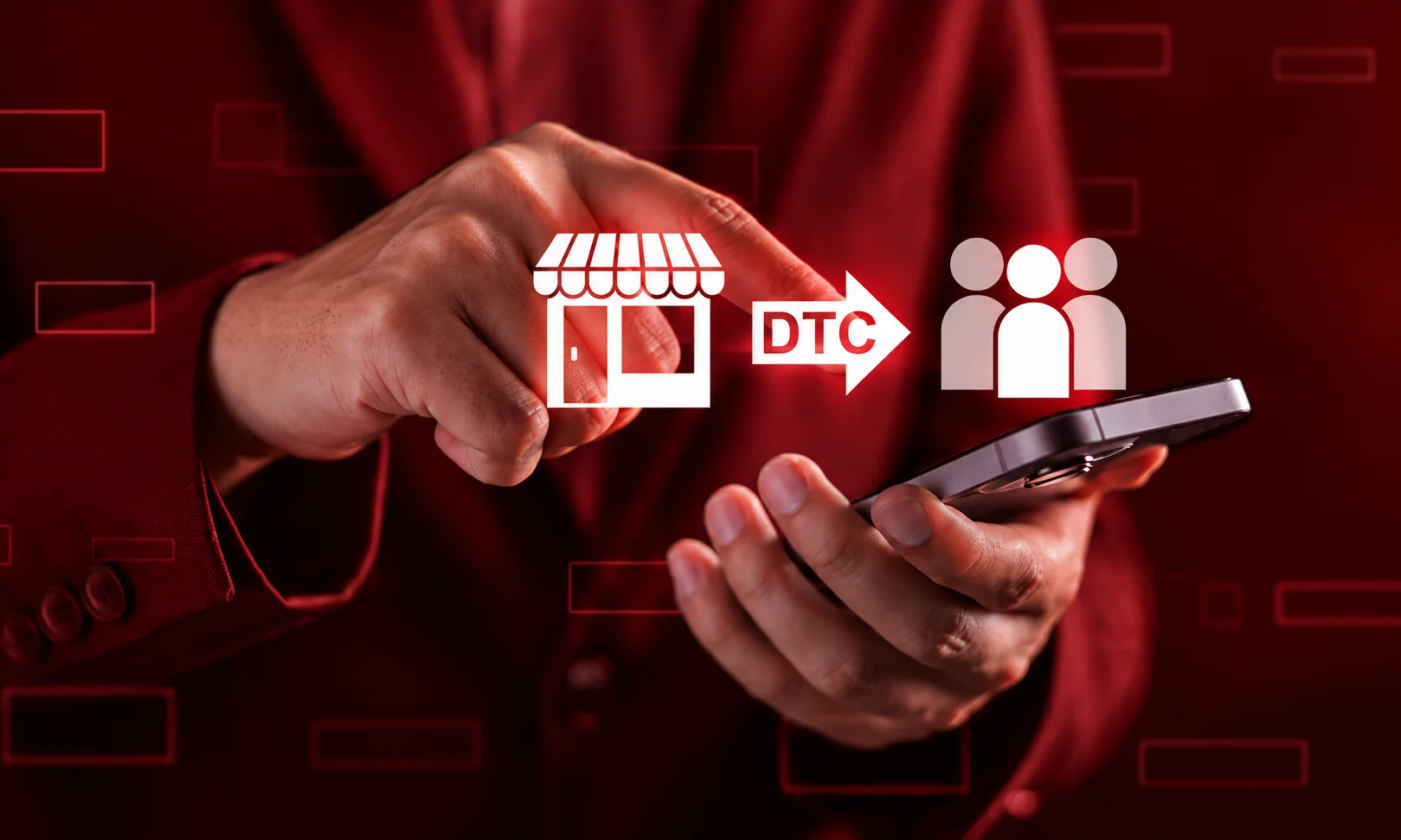
Direct-to-consumer means a company sells its products straight to the final customer instead of depending mainly on traditional retail businesses to make the sale. A DTC brand can sell through its own website, a mobile app, social media, physical stores, or other channels it controls directly. The important part is the relationship between the brand and the customer. The company manages much more of the buying experience itself instead of handing most of it over to a retailer.
DTC does not mean a company has to manufacture every product itself. A brand can use outside factories, warehouses, delivery companies, and payment providers while still operating as a DTC business. The real difference is not who physically makes the product. It is who controls the sale and the relationship with the buyer. It’s also worth noting that DTC and ecommerce are not the same thing. Ecommerce just means buying and selling through digital channels. DTC describes who owns the customer relationship. A brand can sell online without being purely DTC, and a DTC brand can eventually open physical stores or work with retailers without losing its direct connection to customers.
The Traditional Retail Path
In a typical retail setup, a product passes through several businesses before it reaches a shopper:
Manufacturer → Wholesaler → Distributor → Retailer → Customer
Each business in this chain performs a useful job, such as storing inventory, moving products, or selling them in stores. This system has helped brands reach large numbers of shoppers without building their own sales networks. The downgrade is that the brand has less control. The retailer often decides how a product is displayed, promoted, and priced, and it may also hold onto most of the customer data. For many companies, traditional retail is great for reach but weak for building a direct relationship with the people who actually buy the product.
The DTC Path
The DTC path is much shorter:
Brand → Customer
The company markets the product, presents the product information, processes the order, and communicates with the customer directly. This gives it more control over pricing, messaging, and the overall shopping experience. It can also learn more about customer behavior through purchases, website activity, and reviews information that can improve products and marketing over time. The problem here is responsibility. The brand now has to handle fulfillment, customer support, returns, and customer acquisition jobs that a retailer used to take care of.
A Common Misunderstanding
Many people assume DTC means a brand has to control its entire supply chain, but that isn’t true. A company can design a product, have it manufactured elsewhere, store it in a third-party warehouse, and ship it through an outside logistics company and still be a DTC brand, as long as it owns the sales relationship and the customer experience. This flexibility is one reason DTC works for businesses of very different sizes. A small company can outsource the complicated operational work and focus on its product and customers, while a larger brand may build more of that infrastructure itself over time.
A Short History of DTC
Selling directly to customers isn’t a new idea. Mail-order catalogs let companies reach buyers directly long before ecommerce existed. The internet made the model far easier to run by letting businesses build online stores, accept digital payments, and communicate with customers without needing a physical retail presence. Social media added another important layer. Brands could show products in videos, build an audience, and send people straight to their website, without needing a big advertising budget.
During the 2010s, companies like Warby Parker, Dollar Shave Club, Casper, and Glossier became well-known examples of this online-first approach, and their success made the model attractive to businesses across many industries. Since then, the market has matured. Starting an online store is easier than ever, but competition is also much stronger which has pushed many brands to think beyond a simple website-plus-advertising strategy.
How the DTC Business Model Works
A DTC business connects several stages of the customer journey:
Marketing → Website/App → Product Selection → Payment → Fulfillment → Delivery → Support → Repeat Purchase
Marketing brings potential customers to the brand. The website or app then gives them the information they need to decide whether to buy. After payment, the company has to manage inventory, fulfillment, shipping, and delivery. Customer service becomes another key part of the experience because the brand not a retailer is responsible for answering questions and solving problems. The relationship doesn’t have to end after the first purchase. Brands can use email, loyalty programs, subscriptions, and useful content to bring customers back. This is what makes DTC more than just an online checkout it’s a full customer relationship model.
The Costs Don’t Disappear, They Move
DTC reduces the need for some retail middlemen, but it doesn’t remove business costs. A brand still has to pay for inventory, storage, fulfillment, shipping, returns, customer service, technology, and marketing. Digital advertising in particular can become a major expense for companies that depend heavily on paid traffic. In other words, cutting out a retailer doesn’t automatically make a product more profitable many of the costs that retailer used to absorb simply move onto the brand’s own books instead. This is a big reason why well-known DTC names like Warby Parker and Casper eventually opened physical stores or signed retail partnerships. It wasn’t a sign the model failed a store can solve problems that a website can’t, like letting someone try on glasses or lie down on a mattress before buying.
Why Companies Choose the DTC Model
Companies choose DTC mainly for control and connection. Selling directly lets a brand decide how its products are presented, how prices are communicated, and how customers experience the business without a retailer’s rules getting in the way.
More control over the brand. A company can decide how products are photographed, described, and positioned, and can keep a consistent voice across its website, emails, packaging, and customer service.
Direct access to customer data. Brands can study purchases, repeat orders, abandoned carts, and reviews to understand what’s working and where shoppers are dropping off. This can support better products and smarter marketing but it also comes with responsibilities around privacy and data security.
Faster product testing. A company can introduce a product to a small audience, watch how customers respond, and make changes quickly instead of waiting on a slow retail buying cycle.
A direct line to the customer. Email, apps, and loyalty programs let a brand talk to customers before and after a sale, without a retailer standing in the middle.
The Economics of DTC Have Gotten Harder
Control is valuable, but getting customers profitably has become one of the biggest challenges in DTC. Brands increasingly compete for the same shoppers across search engines, social media, and video platforms, and advertising costs can climb as a result especially for companies with low margins or low repeat-purchase rates. This is why revenue alone doesn’t tell you whether a DTC business is healthy. Companies need to track customer acquisition cost, margins, repeat purchases, and customer lifetime value, along with how long it takes to recover the money spent acquiring a customer. A business can have strong sales and still struggle if it costs too much to bring in each new customer.
Why Retention Matters So Much
Getting a customer once is only half the job. If that person buys again, the brand earns more revenue from the same relationship without paying the full acquisition cost a second time. This matters most for products people naturally repurchase, like coffee, skincare, or pet food. Email, loyalty programs, useful content, subscriptions, and good customer service all support retention. A strong customer experience can also lead to word-of-mouth recommendations, which tend to be cheaper and more trusted than another paid ad. This is why the industry’s focus has shifted over time from “growth at any cost” toward building lasting customer relationships.
What’s New About DTC in 2026
DTC today is more mature than the early online-first model. Technology is easier to access, but competition has increased alongside it.
AI is becoming part of everyday operations. Brands are using it to help create marketing content, analyze customer feedback, improve recommendations, and support customer service. It may also be changing how people discover products in the first place instead of typing short keywords into a search bar, shoppers may increasingly describe what they need in plain language. That makes clear, accurate product information more important than ever.
Subscriptions still work well for the right products. They’re most useful for things people naturally reorder razors, coffee, skincare, pet food rather than one-time purchases dressed up as a subscription. A subscription only keeps working if it stays genuinely convenient; customers will cancel if it stops feeling worth it.
The market is more mature, not simply bigger. Early DTC brands leaned heavily on rapid growth and constant advertising. Today, companies have to think carefully about margins, fulfillment, retention, and operating costs, because they can no longer assume that spending more on ads will keep producing profitable growth.
Strategies That Actually Work
There’s no single playbook that works for every DTC brand the right approach depends on the product, the customer, and how often people buy.
- Social media as a discovery channel. Short videos, demonstrations, and creator content can introduce a brand to people who weren’t actively searching for it. But attention alone doesn’t create a sale the product page, reviews, pricing, and checkout experience still have to do their job.
- Storytelling that matches the product. A brand’s story works best when it explains the actual problem the product solves, rather than making vague claims that the product itself doesn’t back up.
- Personalization. Recommending products based on past purchases or browsing behavior can help customers find what they need faster but it can backfire if it feels intrusive rather than useful.
- Referrals and word of mouth. A recommendation from a real customer often carries more trust than an ad, but incentives can’t fix a weak product or poor service on their own.
DTC Across Different Industries
The DTC approach looks a bit different depending on what’s being sold:
| Industry | Common DTC Approach |
| Fashion & Apparel | Websites, social content, and physical stores for fit and try-on |
| Beauty & Skincare | Tutorials, reviews, and repeat purchases |
| Mattresses & Home Goods | Online ordering, home delivery, and trial periods |
| Food & Beverage | Subscriptions and recurring orders |
| Health & Wellness | Education, trust-building, and careful product claims |
| Pet Products | Recurring purchases and auto-reorder services |
Why So Many DTC Brands Are Going Hybrid
One of the biggest shifts in DTC is the move away from the idea that a brand has to stay online-only. Many well-known DTC companies have added physical stores or retail partnerships as they’ve grown. Physical stores let customers see, test, and ask questions about products in person something a website can’t fully replace for items like clothing, furniture, or mattresses. Stores can also build trust with people who are unfamiliar with a new brand, and they make returns and exchanges easier to handle. At the same time, online channels still offer convenience and a wider selection. The result is a hybrid model where digital and physical channels work together rather than compete a customer might discover a product on social media, research it online, try it in a store, and then order it through an app.
Important Metrics for DTC Brands
DTC companies need to track more than just revenue:
| Metric | What It Means |
| CAC | Cost to acquire one customer |
| CLV | Expected value of a customer over time |
| Conversion Rate | Percentage of visitors who purchase |
| Retention Rate | Percentage of customers who keep buying |
| Average Order Value | Average amount spent per order |
These numbers matter because rising sales can look positive while hiding a problem if the cost of acquiring customers is climbing faster than the value they bring back, the business isn’t actually getting healthier.
How to Build a DTC Brand
- Find a clear problem. Start with what customers need and why existing options fall short, rather than starting with a product idea and working backward.
- Create a strong value proposition. Customers should understand quickly what the product does, who it’s for, and why it’s different in plain language, not complicated marketing speak.
- Choose the right ecommerce setup. The technology should match the size of the business, with strong mobile performance and a simple checkout process.
- Plan fulfillment early. A great marketing campaign can’t make up for slow shipping or a messy returns process.
- Build a marketing strategy that isn’t dependent on one channel. Relying entirely on one social platform or ad network is risky, since algorithms and costs can change.
- Track profitability, not just sales. Compare acquisition costs against customer value regularly to see which products and channels are actually sustainable.
What Separates DTC Brands That Last
Brands that last tend to share a few traits:
- A clear reason to exist beyond just being cheaper, since “we cut out the middleman” isn’t a differentiator once most competitors say the same thing.
- Owned channels, like an email list or app, that don’t disappear when a platform changes its algorithm or ad prices.
- Retention discipline knowing exactly how long it takes to earn back what was spent acquiring a customer.
- A channel mix that fits the product physical stores tend to matter more for things people need to touch or try, while subscriptions work better for things people reorder automatically.
The Real Takeaway for 2026
The most important question for a brand today isn’t simply “should we sell direct to consumers?” Nearly every consumer brand does that to some degree already. The better question is: which parts of the customer relationship does the brand actually need to own, and which channels can deliver that relationship at a cost the business can sustain? In 2026, DTC is best understood as a flexible retail strategy built around customer relationships and sustainable economics not a single online store, and not one fixed formula every brand has to follow.
Our Editorial Approach at Brandclickx
This guide draws on ClickX’s hands-on experience working with direct-to-consumer brands on acquisition, retention, and channel strategy. It’s built from well-documented, practical aspects of how DTC actually works today, giving readers a grounded, trustworthy resource rather than hype.
Conclusion
DTC changed retail by giving brands a more direct way to reach customers. It offers real advantages more control over branding, pricing, and customer data but it also hands brands responsibilities that retailers used to handle, like fulfillment, customer service, and customer acquisition. That’s why the strongest DTC brands in 2026 are not necessarily the ones using the most channels or the flashiest technology. They’re the ones that understand their customers, offer a genuinely good product, manage their costs carefully, and build relationships that can hold up across however many channels their customers choose to shop on.
FAQ
What does DTC mean in 2026?
DTC still means selling products directly to customers instead of relying mainly on wholesalers or retailers. In 2026, most DTC brands combine their own website or app with physical stores, subscriptions, or social commerce, rather than staying online-only.
Is DTC still a good business model?
Yes, but it’s more competitive than it used to be. DTC still gives brands control over pricing, branding, and customer data, but rising advertising costs mean companies need strong retention and healthy margins, not just growing sales, to stay profitable.
Do DTC brands need physical stores?
Not necessarily, but many benefit from them. Physical stores help with products people want to see or try before buying, like clothing or mattresses, and they can build trust with new customers. A hybrid approach online plus physical has become common.
What’s the biggest challenge for DTC brands right now?
Customer acquisition costs. Getting new customers profitably is harder than it used to be, which is why many brands now focus more on retention, subscriptions, and repeat purchases instead of relying only on paid advertising.
How is AI changing DTC brands?
AI is being used for things like content creation, customer service, personalization, and product recommendations. It may also change how customers search for products, since shoppers increasingly describe what they need in plain language instead of using exact keywords.
What metrics should a DTC brand track?
The key ones are customer acquisition cost (CAC), customer lifetime value (CLV), conversion rate, retention rate, and average order value. Together, these show whether growth is actually profitable, not just whether sales are increasing.