Habibi is one of the most recognized Arabic words in the world and one of the most misunderstood. It is not just a romantic word. It is not just internet slang. And it does not mean the same thing every time someone says it.
This guide covers the full picture: the literal meaning, the Arabic root, the masculine and feminine forms, how it’s actually used across different relationships and contexts, how it spread globally, and everything you need to know to understand it and use it correctly.
AI Overview
Habibi (حَبِيبِي) is an Arabic word that literally means “my beloved” or “my love.” It comes from the Arabic root ḥ-b-b (ح-ب-ب), which relates to love and affection, combined with the suffix -ī (ي), meaning “my.” Put together: “my beloved.”
Despite its literal romantic translation, habibi is used in Arabic-speaking cultures across an enormous range of relationships between romantic partners, between friends (especially male friends), from parents to children, and even between strangers in casual or commercial settings. The word’s meaning shifts significantly based on tone, context, and relationship.
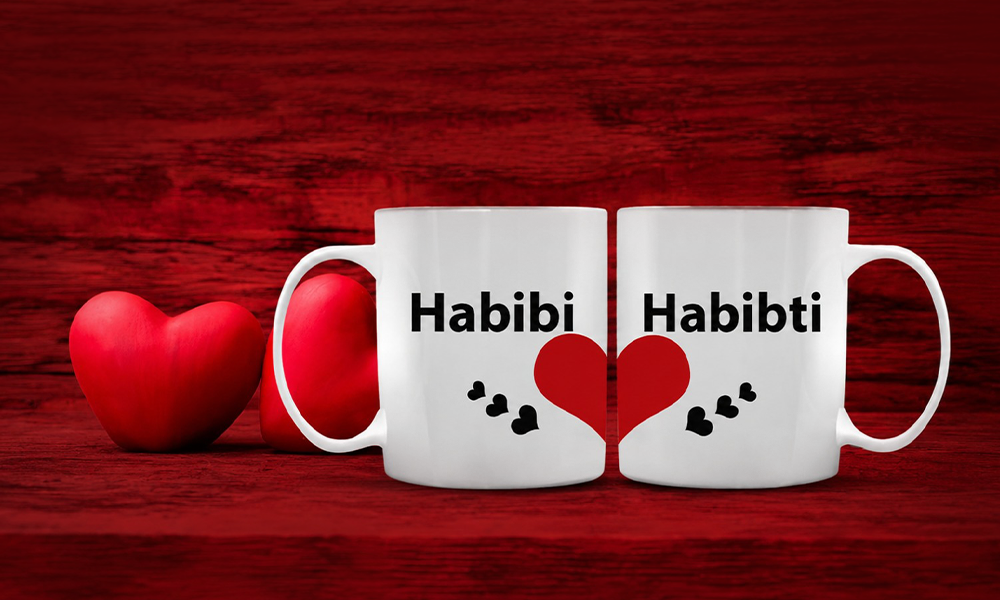
Habibi is the masculine form, used when addressing a male. The feminine form is habibti (حَبِيبَتِي), used when addressing a female. By 2026, habibi has also become a global internet slang term, adopted far beyond Arabic-speaking communities in memes, music, TikTok, and everyday digital conversation.
Key Takeaways
| Detail | Information |
| Literal meaning | “My beloved” / “my love” / “my dear” |
| Arabic script | حَبِيبِي |
| Pronunciation | ha-BEE-bee |
| Root | ḥ-b-b (ح-ب-ب) — love, affection |
| Masculine form | Habibi (حَبِيبِي) — used for males |
| Feminine form | Habibti (حَبِيبَتِي) — used for females |
| Plural form | Habaybi (حبايبي) — “my loved ones” |
| Language | Arabic — Modern Standard Arabic and all spoken dialects |
| Usage range | Romantic partners, friends, family, strangers |
| Global usage | Internet slang, music, social media, memes |
| Formal use | Avoid in professional or business settings |
The Literal Meaning of Habibi
Breaking the word down into its parts makes the meaning immediately clear.
Ḥabīb (حَبِيب) this means “beloved” or “darling.” It comes from the triconsonantal Arabic root ḥ-b-b, which covers everything related to love, affection, and attachment. This same root produces: ḥubb (حُبّ) meaning “love,” yuḥibbu (يُحِبُّ) meaning “to love,” and maḥbūb (مَحبوب) meaning “loved one.”
-ī (ي) — this suffix means “my” in Arabic. It is a simple possessive ending.
Put them together: ḥabīb + ī = ḥabībī = “my beloved.”
Dictionary.com defines it as “an Arabic word that literally means ‘my love’ (sometimes also translated as ‘my dear,’ ‘my darling,’ or ‘beloved’).”
The word exists in both Modern Standard Arabic the formal written form used across the Arab world and in every major spoken dialect from Morocco to Iraq. The spelling and core meaning stay consistent across dialects, though pronunciation can vary slightly by region.
Habibi vs Habibti: The Gender Difference
Arabic is a gendered language. Habibi and habibti are the same word just grammatically adjusted for the gender of the person being addressed.
Habibi (حَبِيبِي) — masculine form. Used when speaking to a male: a boyfriend, husband, male friend, brother, son, or male stranger.
Habibti (حَبِيبَتِي) — feminine form. Used when speaking to a female: a girlfriend, wife, female friend, sister, daughter, or female stranger. Pronunciation: ha-bib-TEE.
One interesting exception: in some Arabic dialects particularly Egyptian Arabic the masculine form habibi is sometimes used by a parent addressing a daughter, or between female friends, without it sounding incorrect. This reflects how dialects evolve and soften strict grammar rules in everyday speech. However, as a general rule, using habibti for females is grammatically correct and culturally appropriate.
How Habibi Is Actually Used
The most important thing to understand about habibi is that it is not a word with one meaning. Its emotional register shifts entirely based on who says it, to whom, and in what context. According to Applied Linguistics specialist and Arabic teacher Donovan Nagel at The Mezzofanti Guild: “It’s a super flexible word that you can use with friends, family, and sometimes even strangers.”
Between Romantic Partners
This is the context most non-Arabic speakers associate habibi with and it is a valid use. Between a husband and wife, boyfriend and girlfriend, or romantic partners of any kind, habibi carries the full emotional weight of “my love” or “my darling.” It is intimate, tender, and personal.
Example: “Good morning, habibi. I miss you.”
In songs, poetry, and film, habibi is almost always used in its romantic sense which is one reason the romantic connotation is so strongly associated with the word in global popular culture.
Between Male Friends
In Arabic-speaking cultures, it is completely normal and common for male friends to call each other habibi. It has no romantic implication in this context. It functions more like “bro,” “man,” “buddy,” or “mate” in English expressing closeness, warmth, and familiarity.
Example: “Habibi, where have you been? I haven’t seen you in weeks.”
From Parents to Children
Parents both mothers and fathers regularly call their children habibi (or habibti). In this context, it translates more naturally as “sweetheart,” “honey,” or “darling.” It is a term of pure parental affection.
Example: “Come here, habibi.”
With Strangers in Casual or Commercial Settings
This is the use case that surprises most non-Arabic speakers most. In Lebanon, Egypt, the Gulf states, and across the Arab world, it is entirely normal for a shopkeeper, a taxi driver, or a waiter to address a customer as habibi. It is not romantic in any way it functions as a general term of friendly warmth and hospitality, similar to how “my friend” or “mate” might be used in English commercial settings.
Example: “Welcome, habibi! What can I get for you?”
How Habibi Sounds in Different Situations

The same word can convey completely different emotions depending entirely on how it’s delivered:
| Tone | Meaning Conveyed | Example |
| Warm and slow | Deep affection, romantic | “Habibi…” (whispered) |
| Bright and casual | Friendly, like “bro” | “Habibi, come sit with us!” |
| Gentle and soft | Parental love, care | “It’s okay, habibi.” |
| Playful or teasing | Humor, sarcasm, or irony | “Habibi, relax — it’s just a game.” |
| Dramatic | Memes, online exaggeration | “Habibi, what did you do??” |
This tonal flexibility is exactly what has made habibi so versatile — and so popular online.
The Arabic Root and Related Words
Understanding the ḥ-b-b root opens up a whole family of Arabic words built around the concept of love:
| Arabic Word | Transliteration | Meaning |
| حُبّ | Ḥubb | Love |
| حَبِيب | Ḥabīb | Beloved (masculine noun) |
| حَبِيبَة | Ḥabība | Beloved (feminine noun) |
| حَبِيبِي | Ḥabībī | My beloved (masculine — habibi) |
| حَبِيبَتِي | Ḥabībtī | My beloved (feminine — habibti) |
| حَبَايِبِي | Ḥabāybī | My loved ones (plural) |
| مَحبوب | Maḥbūb | Loved one, popular |
| يُحِبُّ | Yuḥibbu | To love (he loves) |
The root appears in classical Arabic texts, in Quranic Arabic, and in pre-Islamic poetry — meaning habibi’s foundations stretch back more than 1,400 years before it ever appeared in a TikTok video.
Regional Variations Across the Arab World
Habibi is used across all Arabic-speaking countries but with slightly different frequencies and nuances:
Egypt: One of the highest-frequency uses of habibi in everyday speech. Egyptians use it constantly across all relationship types, including across gender (a mother calling her daughter habibi rather than habibti is not unusual). Egypt’s enormous cultural influence through music and film spread habibi to the wider Arab world and beyond.
Levant (Lebanon, Syria, Jordan, Palestine): Habibi is deeply embedded in daily speech and used warmly across all contexts. Lebanese Arabic in particular is known for using habibi even to soften interactions with strangers.
Gulf States (Saudi Arabia, UAE, Kuwait, Qatar, Bahrain, Oman): Standard usage across romantic, friendly, and familial contexts. The Gulf’s international business environment means habibi is often heard between Arabic speakers and long-resident expatriates who have absorbed it into their vocabulary.
North Africa (Morocco, Algeria, Tunisia, Libya): Habibi is understood and used, though North African dialects (Darija in Morocco, for example) have additional terms of endearment that may be used more regionally. The meaning remains consistent.
Iraq: Standard usage, though Iraqi dialect has its own terms of endearment that compete with habibi in frequency.
Other Arabic Terms of Endearment
Habibi is the most famous Arabic term of endearment, but it is far from the only one. These are commonly used alongside or instead of habibi depending on the depth of the relationship:
| Arabic | Transliteration | Meaning | Relationship Level |
| يا حياتي | Hayati | My life | Very intimate, romantic |
| يا روحي | Rohi | My soul | Deeply intimate |
| يا قلبي | Albi | My heart | Romantic or very close family |
| يا عزيزي | Azizi | My dear / my cherished one | Polite, can be formal |
| يا عيني | Ya ʿAynī | My eye (my dear) | Tender, affectionate |
| نور عيني | Nour al-ʿAyn | Light of my eyes | Deeply affectionate |
Hayati (my life) and rohi (my soul) are generally more intimate than habibi and are typically reserved for very close romantic partners. Azizi (my dear/cherished) can be used in more formal or polite contexts. Habibi occupies the middle ground warm and affectionate but flexible enough for any relationship.
Habibi in Music and Popular Culture
Arabic music has been instrumental in spreading habibi globally. Egyptian pop star Amr Diab one of the best-selling Middle Eastern artists of all time has used habibi across dozens of songs. His 1996 hit “Habibi Ya Nour El Ain” (My Beloved, Light of My Eyes) became one of the most recognized Arabic songs internationally and is directly responsible for introducing the word to millions of non-Arabic speakers.
Shakira, whose Lebanese heritage is a documented part of her background, has used Arabic including habibi across her career. Drake used habibi in lyrics on his 2016 album Views. DJ Snake and other global producers have incorporated the word into music that reached Western charts.
In film and television, habibi is a standard element of Arabic-language productions expressing everything from romantic tension to family warmth to street-level banter, reflecting exactly the range of real-world usage.
Habibi as Internet Slang and Global Meme
By 2026, habibi has fully crossed into global internet culture used daily by people who do not speak Arabic, often detached from its grammatical rules, and driven by emotional tone rather than literal meaning.
The “Hamood Habibi” meme originating from a misheard YouTube video accelerated the word’s spread as internet humor in the mid-2010s. TikTok creators, gamers, and meme accounts began using habibi in dramatic reaction videos, playful arguments, and affectionate exchanges.
On social media platforms, habibi carries specific tones:
TikTok/Instagram: Playful, dramatic, or affectionate. Often in meme formats or emotional content. Snapchat: More personal, used between close friends or romantic interests. WhatsApp: Most personal used by family members, couples, and close friends in direct messages. Dating apps: Often signals warmth and light flirtation, though it can feel presumptuous if used too early.
Search interest in “habibi meaning” has grown consistently from 2020 through 2026, driven primarily by people encountering it in music, social media, or conversations with Arabic-speaking friends before looking up what it means.
When Not to Use Habibi
Understanding when habibi is inappropriate is as important as knowing when it fits:
Professional or business settings: Habibi is informal. Using it in a formal meeting, a job interview, or a business email is inappropriate in most Arabic-speaking professional contexts, just as calling a business contact “sweetheart” would be inappropriate in English.
Early in an interaction with a stranger: While a shopkeeper calling a customer habibi is culturally normal in many Arab countries, a non-Arabic speaker doing the same in the wrong context can come across as presumptuous or even mocking.
Cross-gender in unfamiliar contexts: Using habibi with someone of the opposite gender who you don’t know well can be misread as flirtatious or inappropriate depending on the cultural context and setting.
Ironic overuse online: Non-Arabic speakers using habibi purely as a meme word, repeatedly and without genuine warmth, can feel disrespectful to Arabic speakers for whom the word carries real cultural and emotional weight.
How to Respond When Someone Calls You Habibi
Context determines the right response:
- Friend or family member: “Habibi!” back, or just continue the conversation naturally no formal acknowledgment needed.
- Romantic partner: Match the warmth “habibi” or “habibti” back, or any affectionate response in whichever language you share.
- Shopkeeper or stranger: A warm smile or simple thanks is perfectly appropriate. No need to reciprocate the word.
- Someone you’ve just met on a dating app: Read the tone. If it feels warm and genuine, a light reciprocation (“you too, habibi”) can feel natural. If it feels forced, there’s no obligation to play along.
FAQs
What does habibi mean?
Habibi literally means “my beloved” or “my love” in Arabic. In practice it is used across many relationship types romantic partners, friends, family members, and even strangers with meaning that shifts entirely based on tone and context.
Is habibi romantic?
It can be, but not always. Between romantic partners it is deeply affectionate. Between male friends it functions more like “bro” or “buddy.” From a parent to a child it means “sweetheart.” Context is everything.
What is the feminine form of habibi?
Habibti (حَبِيبَتِي), pronounced ha-bib-TEE. This is the correct form when addressing a female.
How do you pronounce habibi?
ha-BEE-bee. The stress falls on the second syllable. In Arabic script: حَبِيبِي.
Can non-Arabic speakers use habibi?
Yes it has entered global usage and is widely understood and used internationally. Use it in friendly, informal contexts. Avoid using it sarcastically or mockingly, as it carries genuine cultural weight for Arabic speakers.
What is the difference between habibi and habibti?
Both mean “my beloved.” Habibi is used for males, habibti for females. Using the wrong form is a grammatical error in Arabic, though in some dialects (especially Egyptian) the masculine form is occasionally used for females informally.
What are other Arabic words like habibi?
Hayati (my life), Rohi (my soul), Albi (my heart), Azizi (my dear), and Ya ʿAynī (my eye/my dear) are all Arabic terms of endearment. Hayati and Rohi are generally more intimate than habibi.