What’s Confirmed
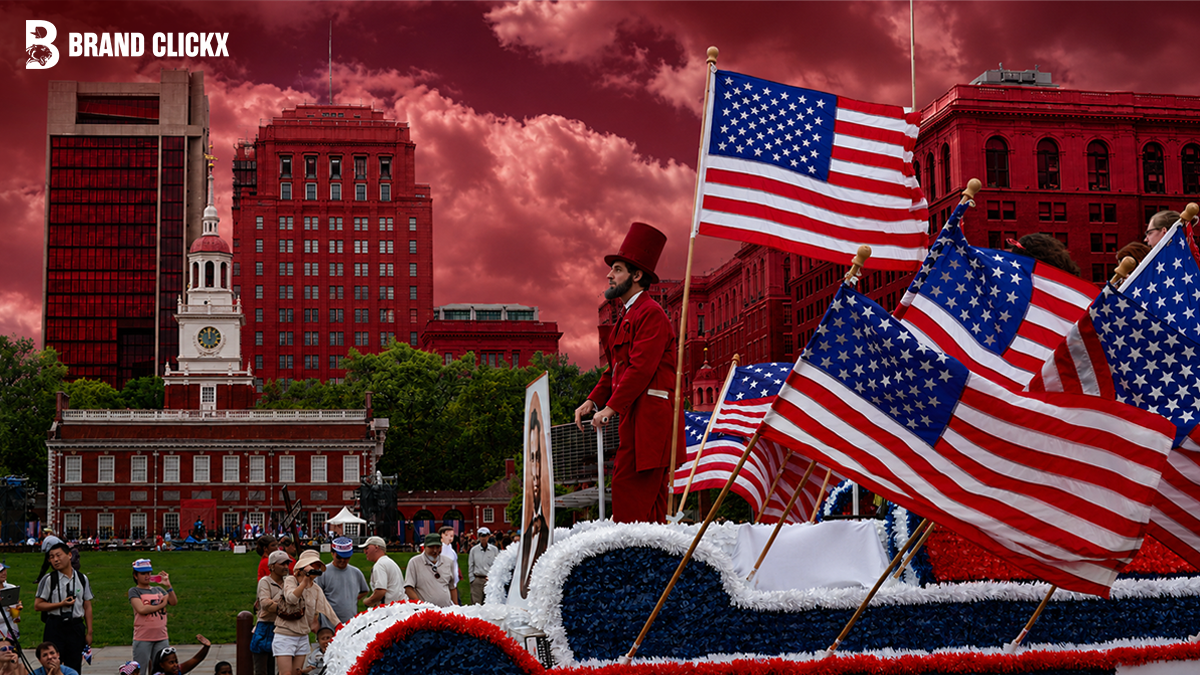
- America’s Independence Day Parade in Washington, DC was canceled on the evening of July 3, 2026, roughly 12 hours before it was scheduled to begin.
- The parade had been scheduled for 10:30 a.m. on July 4, 2026 the 250th anniversary of American independence.
- The cancellation was announced by Under the Sun Productions Inc., the parade’s organizer, with company president Todd Marcocci confirming the decision publicly.
- The National Weather Service issued an Extreme Heat Warning for the District of Columbia, with heat index values expected to reach 110°F to 115°F at the parade’s scheduled start time.
- Roughly 150 million people across the U.S. were under heat alerts as record temperatures prompted the cancellation of multiple outdoor events across the country.
- The evening’s fireworks and “Salute to America 250” event on the National Mall still proceeded, though with significant weather-related delays from severe thunderstorms later Saturday evening.
The Official Statement
The parade’s organizers issued a statement late Friday, July 3, confirming the cancellation. Todd Marcocci, president of Under the Sun Productions Inc., said the decision was made after extensive and careful consideration of the safety of participants, spectators, and staff, which the organizer identified as the top priority.
The National Weather Service‘s Extreme Heat Warning cited heat index values expected between 110°F and 115°F at the parade’s scheduled 10:30 a.m. start time. Heat index measures the “feels like” temperature by combining air temperature and humidity, and values above 105°F are broadly considered a threshold for high risk of heat-related illness, particularly for prolonged outdoor exposure.
Who Was Affected by the Parade Cancellation
The cancellation directly impacted participants who had traveled to Washington specifically for the parade. Among them: 80 students from the Grand Island Senior High marching band from Nebraska, who had been due to perform. Their school district confirmed to a local TV station Friday night that the band would no longer participate.
The parade is an annual event held as part of Fourth of July celebrations in the nation’s capital. Because it draws participants and spectators from across the country, cancellations at such short notice affect thousands of people who have already made travel and lodging commitments.
The Extreme Heat Situation
The parade cancellation was part of a broader heat wave gripping much of the eastern United States over the Independence Day weekend:
- Approximately 150 million Americans were under heat alerts during the weekend, according to reporting.
- Washington, DC saw actual air temperatures reaching around 102°F (39°C) on July 4, with the heat index pushing the “feels like” temperature significantly higher due to humidity.
- The heat dome affecting the region had already forced the Great American State Fair on the National Mall to close temporarily on Friday, July 3, before reopening at 5 p.m.
- U.S. Capitol Police confirmed that entry to Friday night’s “A Capitol Fourth” concert was delayed due to the heat.
- On Saturday, organizers delayed the opening of the Great American State Fair until noon due to continued extreme temperatures.
Other Cancellations Across the Region and Country
The DC parade wasn’t an isolated incident. Similar heat-related cancellations affected multiple regions:
In the DMV (DC-Maryland-Virginia) area:
- Fairfax, Virginia canceled its Independence Day Parade, though its evening fireworks show was still scheduled to proceed.
- Leesburg, Virginia canceled its parade but continued with a modified concert and fireworks schedule.
- Takoma Park, Maryland canceled its July 4 parade due to extreme heat.
- Laurel, Maryland canceled its July Fourth parade.
- Falls Church, Virginia’s “Civic Jam” event was postponed from July 3 to July 24.
Elsewhere:
- Philadelphia’s Salute to Independence Semiquincentennial Parade which was to have featured 250 elements representing all 50 states was canceled early Friday morning after its route had already been shortened due to heat.
- Multiple cities in Colorado canceled fireworks displays, with officials citing wildfire risk from dry conditions.
- Cities and towns in New Jersey, New York, and Pennsylvania canceled or postponed a range of parades, concerts, and fireworks displays.
What Went Ahead: The Salute to America 250 Event
While the daytime parade was canceled, the larger evening celebration on the National Mall the “Salute to America 250” event, organized by the Trump administration’s Freedom 250 group still proceeded, though not without further weather-related disruptions.
Key details on the evening’s events:
- Around 7:15 p.m., the National Park Service issued a weather evacuation alert due to approaching severe thunderstorms, asking visitors to seek shelter.
- Freedom 250 escalated the alert about 20 minutes later, telling attendees to immediately evacuate event grounds and shelter in nearby government buildings, including the Department of Commerce, Department of Education, National Museum of American History, and other federal buildings.
- Trump posted on Truth Social during the delay: “We will wait it out. I don’t care if it’s 2:00 O’Clock in the morning, or in one hour from now.”
- The National Mall reopened at 9:45 p.m., and Trump’s speech, originally scheduled earlier, was delayed to 11 p.m.
- The fireworks display proceeded after Trump’s speech, marking the 250th anniversary of American independence.
- All remaining flyovers scheduled for the night were canceled due to the weather.
The delayed events pushed the celebration’s fireworks into the early hours of Sunday morning.
What Freedom 250 and America 250 Are
For context on the broader event framework:
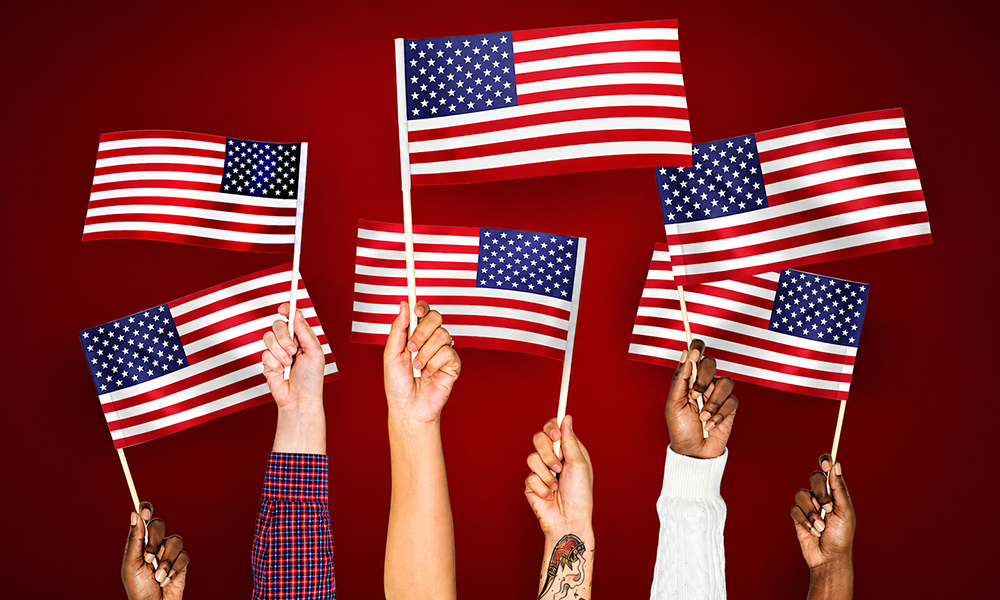
- America 250 is the umbrella term for the country’s 250th-anniversary (semiquincentennial) celebrations. A nonpartisan body was originally set up in 2016 to coordinate the anniversary programming.
- Freedom 250 is a Trump administration group that has, according to reporting, largely taken over the anniversary programming from that earlier nonpartisan body. It organized the National Mall celebration, the Great American State Fair, and related activities.
- The Great American State Fair occupied roughly a 1.5-mile stretch of the National Mall, featuring exhibits, a Ferris wheel, displays from conservative groups and defense contractors, and other attractions.
- Several Democratic-led states declined to send delegations to the fair, and multiple performers scheduled to appear reportedly dropped out citing partisanship concerns.
The parade cancellation itself is distinct from these broader programming disputes — it was a weather-driven safety decision by the parade’s private organizer, not a political or programming disagreement.
Weather Context: The Broader Picture
The heat dome affecting the eastern U.S. over the Independence Day weekend was part of a larger pattern of extreme weather:
- The National Weather Service’s Extreme Heat Warning for DC which triggered the parade cancellation is a level of alert issued only when conditions are considered dangerous to public health.
- Heat waves severe enough to force major event cancellations have become more common in recent years, though attribution of any single event to specific climate factors requires longer-term analysis than daily reporting typically provides.
- The severe thunderstorms that later disrupted the evening event were part of the same weather system, as heat-driven atmospheric instability contributed to storm development.
FAQs
When was the National Independence Day Parade canceled?
The parade was canceled on the evening of July 3, 2026, roughly 12 hours before its scheduled 10:30 a.m. start on July 4. The announcement came from organizer Under the Sun Productions Inc., with president Todd Marcocci citing safety concerns from the extreme heat.
Why exactly was the parade canceled?
The National Weather Service issued an Extreme Heat Warning for Washington, DC, with heat index values expected to reach 110°F to 115°F at the parade’s scheduled start time. Organizers cited participant, spectator, and staff safety as the reason for cancellation.
Did the National Mall fireworks and Salute to America 250 event still happen?
Yes, but with significant delays. Severe thunderstorms forced an evacuation of the National Mall around 7:15 p.m., with the site reopening at 9:45 p.m. Trump’s speech was delayed to 11 p.m., and fireworks proceeded after that, pushing the celebration’s finale into the early hours of Sunday morning.
What other July 4 events were canceled due to the heat?
Multiple parades were canceled across the DC-Maryland-Virginia area (including Fairfax, Leesburg, Takoma Park, and Laurel), plus Philadelphia’s Salute to Independence Semiquincentennial Parade. Fireworks displays were also canceled in several Colorado cities due to wildfire risk, along with cancellations in parts of New Jersey, New York, and Pennsylvania.
What is America 250 and Freedom 250?
America 250 is the umbrella term for the U.S. semiquincentennial (250th anniversary) celebrations. Freedom 250 is a Trump administration group that organized the National Mall celebration and the Great American State Fair, which occupied roughly 1.5 miles of the Mall as part of the anniversary programming.