


The fight against inflation in the United States may not be over yet.
New economic data released by the U.S. Department of Commerce shows inflation accelerated sharply in May, crossing the critical 4% mark for the first time in nearly three years.
According to the latest Personal Consumption Expenditures (PCE) price index, annual inflation rose to 4.1%, up from 3.8% recorded in April. The increase was largely driven by rising gasoline prices, though economists say the broader inflation picture remains relatively stable for now.
The report arrives at a critical moment for the Federal Reserve as policymakers continue weighing future interest rate decisions while monitoring economic growth.
Why Inflation Rose Above 4%
The biggest factor behind May’s inflation surge was energy prices.
Gasoline costs rose significantly during the month as global oil markets tightened amid supply concerns and geopolitical uncertainty. Since fuel prices affect transportation, manufacturing, and logistics across nearly every industry, higher gas prices quickly spread inflation pressure throughout the economy.
When energy costs increase, consumers usually feel the impact immediately through:
- Higher grocery prices
- Increased transportation costs
- Rising airline ticket prices
- More expensive delivery services
- Higher manufacturing expenses
This explains why overall inflation moved sharply higher in May.
Why the PCE Index Matters More Than CPI
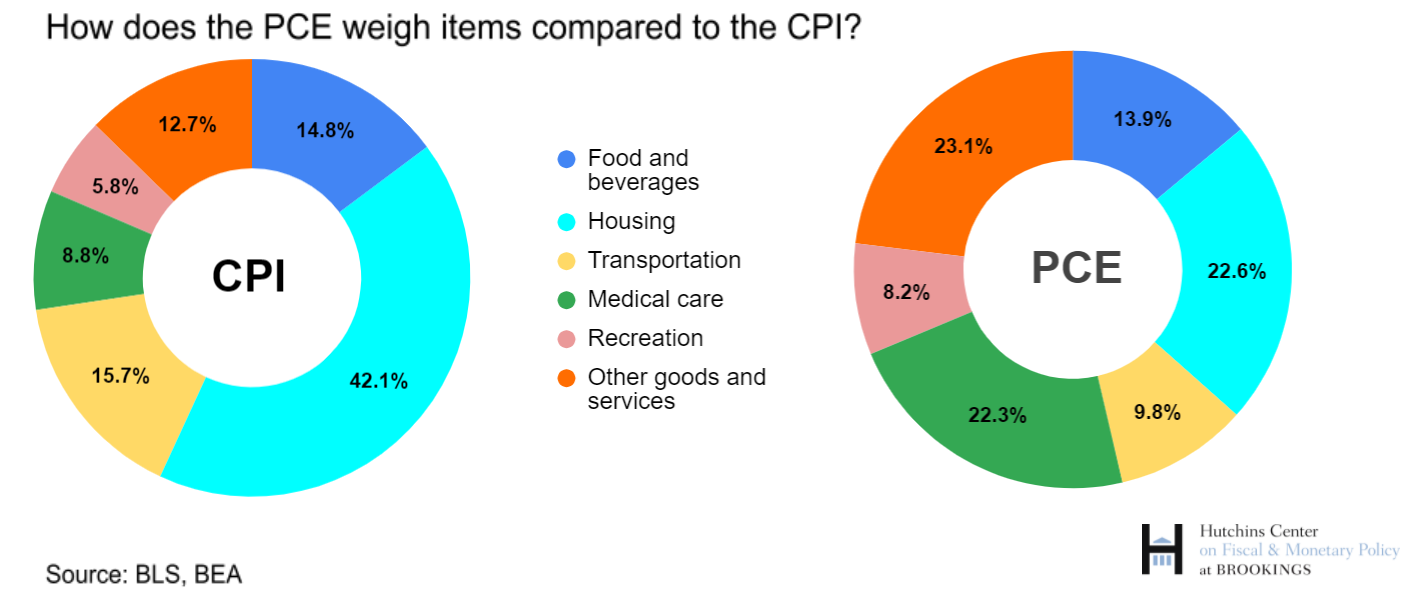
Most consumers follow Consumer Price Index (CPI) reports, but the Federal Reserve focuses more closely on the Personal Consumption Expenditures index.
PCE inflation tracks price changes across goods and services purchased by households and adjusts more dynamically when consumer spending habits shift.
Unlike CPI, PCE captures a broader picture of how Americans actually spend money across healthcare, services, housing, and retail purchases.
Because of this, the Federal Reserve uses PCE as its primary inflation measurement when making monetary policy decisions.
Core Inflation Remains Relatively Stable
While headline inflation moved above 4%, the deeper numbers tell a different story.
After removing volatile food and energy prices, core inflation rose to 3.4%, only slightly higher than April’s 3.3%.
Core inflation is often considered a better indicator of long-term economic stability because it removes short-term price spikes caused by fuel or seasonal food fluctuations.
The relatively stable core inflation reading suggests inflation pressure remains concentrated rather than spreading aggressively across the broader economy.
Gas Prices Are Driving the Inflation Story
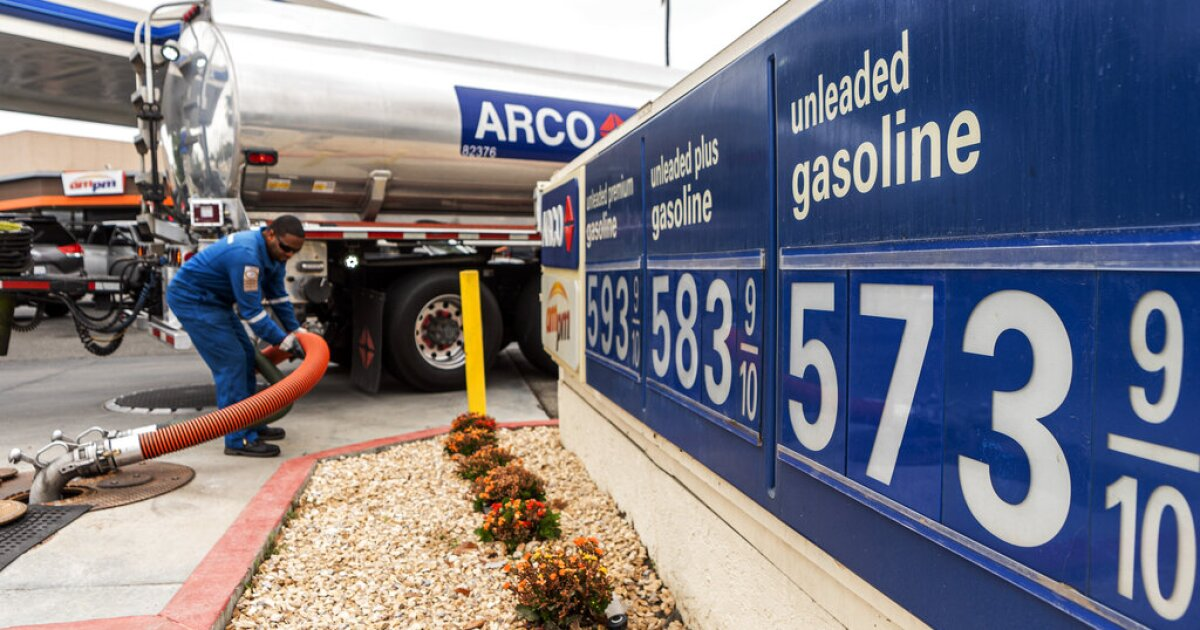
Energy prices remain one of the fastest-moving drivers of inflation worldwide.
When oil prices rise, transportation becomes more expensive, increasing costs throughout the supply chain.
This directly affects industries such as:
- Food production
- Retail shipping
- Manufacturing
- Travel and tourism
- Consumer goods distribution
Because fuel impacts nearly every sector, even short-term increases in gasoline prices can quickly raise national inflation numbers.
Federal Reserve Faces New Pressure
The latest inflation report creates new challenges for the Federal Reserve.
Earlier this year, many economists expected the central bank to begin cutting interest rates later in 2026.
That outlook now appears uncertain.
Higher inflation gives policymakers fewer reasons to lower borrowing costs because doing so too early could trigger another wave of inflation growth.
Financial markets are now adjusting expectations around future rate cuts.
Some analysts have even started discussing the possibility that additional rate hikes could return if inflation remains stubborn.
Interest Rate Cuts May Be Delayed
Consumers hoping for lower borrowing costs could face disappointment.
Higher inflation forces central banks to maintain higher interest rates for longer periods to control spending and reduce economic overheating.
This directly impacts:
- Mortgage rates
- Car loans
- Credit card interest
- Business borrowing
- Startup financing
If inflation remains elevated, consumers may continue facing expensive borrowing conditions throughout 2026.
Consumer Spending Remains Strong
One of the more surprising parts of the May report was continued consumer spending growth.
Household spending increased by 0.3%, beating economist expectations despite rising inflation pressure.
Disposable income also increased by 0.7% before inflation adjustment.
After adjusting for inflation, real disposable income still rose 0.3%.
Strong spending indicates consumers remain relatively confident, which helps economic growth but can also keep inflation elevated longer.
Political Pressure Builds Around the Fed
Donald Trump has repeatedly called for lower interest rates in recent months.
Lower rates generally stimulate faster economic growth and cheaper borrowing conditions.
However, stronger-than-expected inflation numbers make it harder for policymakers to justify immediate rate cuts.
This growing tension between political pressure and Federal Reserve independence is creating additional uncertainty for financial markets.
What Higher Inflation Means for Consumers
Inflation above 4% affects everyday households quickly.
When prices rise faster than wages, purchasing power declines and consumers feel increasing financial pressure.
Americans may begin seeing:
- Higher grocery bills
- Rising electricity costs
- More expensive transportation
- Higher insurance premiums
- Slower wage growth relative to living costs
Even small monthly increases compound significantly over time.
Stock Markets Could Become More Volatile
Persistent inflation often creates uncertainty for investors.
When inflation rises, markets begin adjusting expectations for future interest rates, which can trigger volatility across multiple sectors.
Higher inflation typically impacts:
- Technology stocks
- Growth companies
- Real estate investments
- Startup valuations
- High-debt businesses
Investors often move capital toward safer defensive sectors when inflation remains unpredictable.
Mortgage Rates Could Stay Elevated
Home buyers waiting for cheaper mortgages may need to wait longer.
Mortgage rates are heavily influenced by inflation expectations and central bank policy.
If inflation remains above target levels, lenders will likely continue keeping borrowing costs elevated.
This could further pressure housing affordability across the United States.
Is Inflation Getting Worse Again?
Not necessarily.
Although headline inflation rose sharply, much of the increase came from temporary energy-related price pressure.
Core inflation remains relatively controlled, suggesting the economy is not entering another broad inflation crisis.
If oil markets stabilize and gasoline prices decline, inflation could begin cooling again over the coming months.
What Happens Next
Markets are now watching three major developments closely.
Oil Prices
If gasoline prices fall, inflation could cool quickly.
Federal Reserve Decisions
Upcoming central bank meetings will determine whether rate cuts remain possible later this year.
Consumer Spending Trends
Strong consumer demand could keep inflation elevated for longer than expected.
Could Interest Rates Rise Again?
At this stage, most economists still expect the Federal Reserve to hold rates steady.
However, if inflation continues rising over multiple months, policymakers may reconsider tightening monetary policy further.
While immediate rate hikes remain unlikely, the probability has increased significantly after May’s latest inflation report.
Final Outlook
The newest inflation report sends mixed economic signals.
Headline inflation has crossed the 4% threshold, creating fresh concern among policymakers and investors.
At the same time, core inflation remains relatively stable, consumer spending remains healthy, and underlying economic activity continues showing resilience.
The biggest question now is whether energy-driven inflation proves temporary or signals the beginning of another prolonged inflation cycle.
For now, the worst may be over.
But the Federal Reserve is far from declaring victory.