
Introduction
Governments no longer compete only through diplomacy, infrastructure, or tax policy.
In 2026, countries and regional economies are increasingly competing for something far more valuable: private sector investment.
The new battleground is economic incentives.
Around the world, policymakers are aggressively redesigning industrial incentive programs to attract manufacturers, technology companies, logistics operators, and large-scale investors searching for lower operating costs and faster expansion opportunities.
One of the clearest examples is the growing use of Package Scheme of Incentives (PSI) frameworks.
What once functioned as a simple subsidy model has evolved into something far more strategic.
Today, these programs are becoming powerful economic growth weapons.
And governments understand exactly why.
What Is a Package Scheme of Incentives?

A Package Scheme of Incentives (PSI) is a structured government-backed economic program designed to stimulate industrial investment by offering financial and operational benefits to businesses willing to establish operations in targeted regions.
Rather than relying on isolated tax breaks, modern PSI programs combine multiple incentives into one integrated package.
These typically include:
- Capital investment subsidies
- Tax exemptions
- Interest rate subsidies
- Utility rebates
- Land acquisition incentives
- Regulatory fast-tracking
- Patent and technology support
The objective is simple.
Reduce the cost of expansion and make investment decisions easier for businesses.
Governments increasingly see these programs as long-term economic infrastructure rather than short-term subsidy programs.
Why Governments Are Weaponizing Incentive Programs
Global competition for investment has intensified dramatically.
Manufacturing companies now have more choices than ever.
A technology company can move production from one country to another in months.
Supply chains are becoming increasingly flexible.
As a result, governments can no longer wait passively for investment.
They must actively compete.
Package incentive programs have become one of the most effective ways to do that.
Instead of waiting for industries to arrive naturally, governments are now creating financial environments designed to pull companies in faster.
This changes everything.
1. Slashing Upfront Capital Costs for Businesses
The biggest obstacle for expanding companies is often initial capital expenditure.
Building factories, leasing industrial land, purchasing machinery, and setting up infrastructure requires enormous upfront investment.
Package incentive programs directly reduce these costs.
For example:
- Land acquisition subsidies lower facility costs
- Stamp duty exemptions reduce legal transaction expenses
- Technology grants reimburse equipment investments
- Capital subsidies offset construction expenses
Lower startup costs make expansion decisions easier.
For governments, this accelerates industrial development.
For businesses, it improves return on investment.
Everyone wins.
2. Lowering Long-Term Operating Expenses
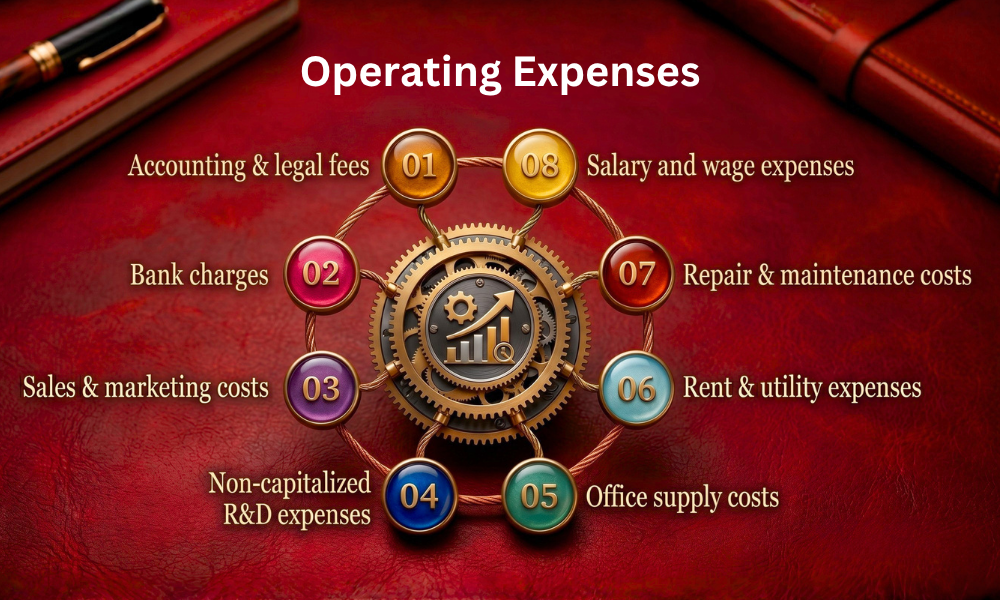
Attracting investment is not only about helping companies launch operations.
Governments increasingly focus on making long-term operations sustainable.
Many modern incentive programs now reduce recurring business costs.
Common incentives include:
- Electricity rebates for industrial operations
- Reduced utility tariffs
- Long-term tax exemptions
- Lower property registration fees
- Operational subsidies tied to production output
Even small cost reductions compound significantly over time.
For manufacturers operating on thin margins, lower operating costs directly improve competitiveness.
This can influence where companies choose to build facilities.
3. Governments Are Competing Like Corporations
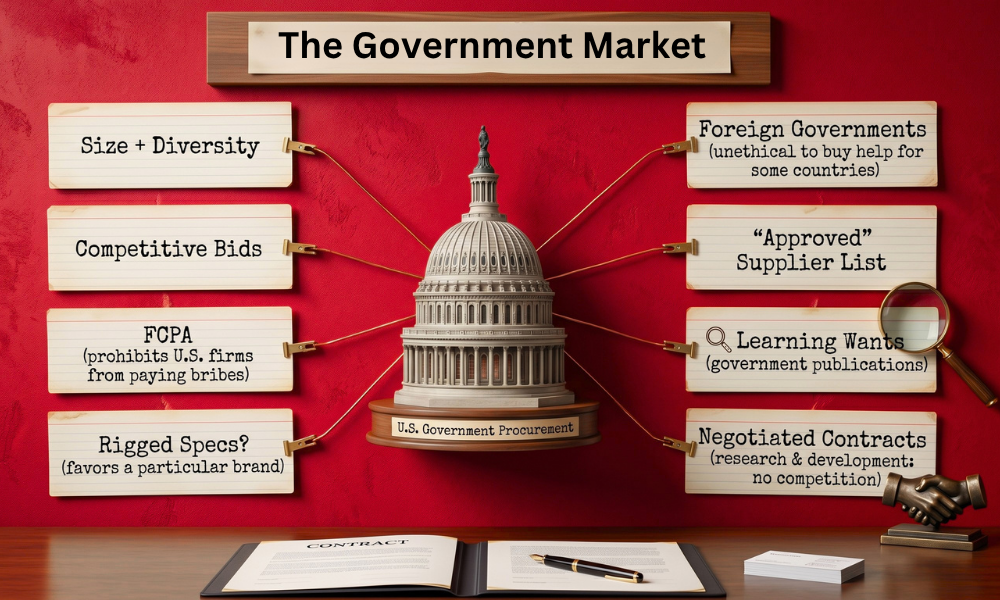
The old economic model assumed businesses would naturally invest where markets existed.
That model is disappearing.
Today, governments increasingly behave like competing corporations.
They actively market themselves to investors.
Countries now package incentives strategically to attract sectors like:
- Semiconductor manufacturing
- Artificial intelligence infrastructure
- Electric vehicle production
- Renewable energy manufacturing
- Biotechnology development
- Large-scale logistics operations
Economic policy has become competitive strategy.
Countries are essentially bidding for corporate investment.
And incentive packages are their negotiation tools.
4. De-Risking Debt and Expansion Financing
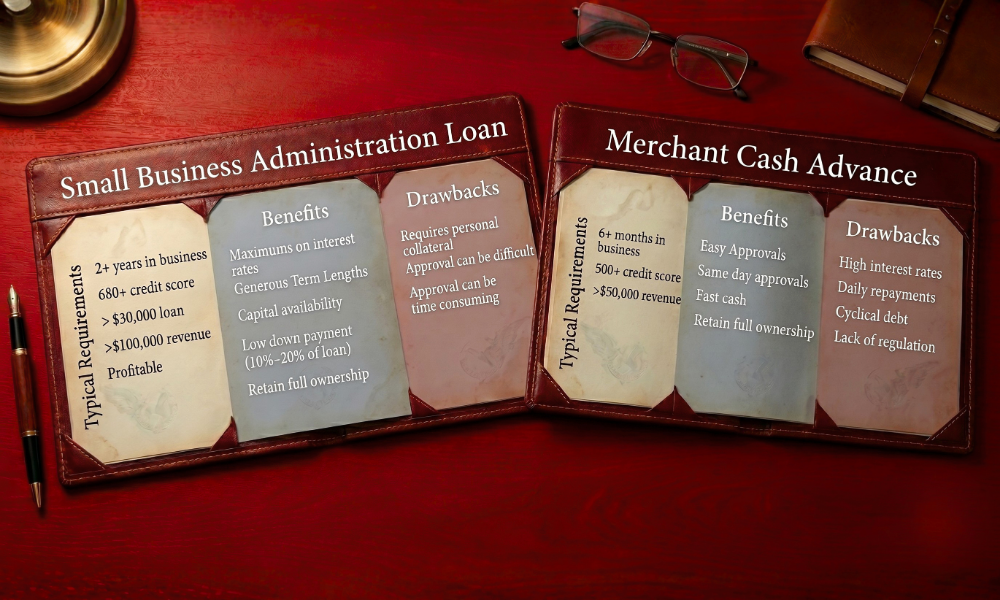
Fast-growing businesses often rely on external financing to expand.
High interest rates can make expansion extremely risky.
This is where incentive programs become extremely valuable.
Many schemes now include:
- Government-backed interest subsidies
- Reduced loan servicing costs
- Lower borrowing rates for capital investment
- Credit support for infrastructure development
This dramatically reduces financial risk.
Companies can scale faster while maintaining healthier balance sheets.
For lenders, reduced risk improves lending confidence.
It creates a stronger financial ecosystem overall.
5. Single-Window Systems Are Eliminating Bureaucracy
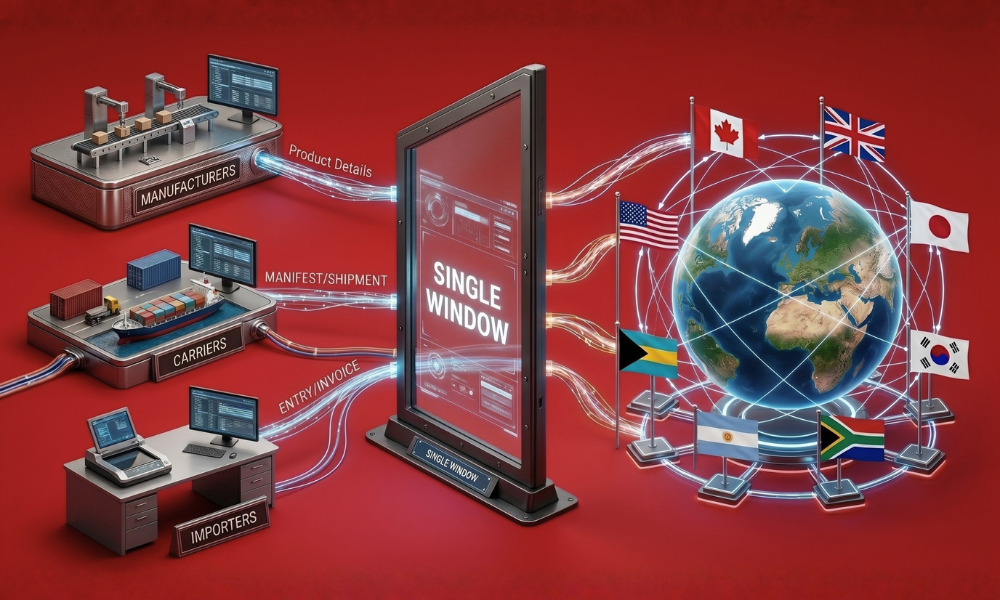
One of the biggest reasons businesses avoid expansion in emerging economies is regulatory complexity.
Multiple approvals often delay projects for months.
Modern incentive programs are solving this problem through digital infrastructure.
Governments increasingly offer single-window approval systems.
This means businesses can:
- Register faster
- Secure permits faster
- Track approvals digitally
- Reduce compliance delays
- Eliminate unnecessary paperwork
Speed matters.
Companies now value regulatory efficiency almost as much as financial incentives.
The fastest governments often attract the most investment.
6. Regional Development Is Becoming a Strategic Priority
Most governments face the same economic challenge.
Investment concentrates in major cities.
Smaller regions remain underdeveloped.
Package incentive programs solve this imbalance by directing investment into weaker economic zones.
Governments create tiered incentive systems.
The less developed the region, the higher the benefits.
This strategy helps:
- Create jobs in underserved communities
- Improve infrastructure outside urban centers
- Reduce migration toward overcrowded cities
- Build regional industrial clusters
Economic decentralization is becoming a global policy priority.
Incentive programs make this possible.
The Global Economic Shift Behind Incentive Competition
A major shift is happening worldwide.
Governments increasingly understand that attracting investment is no longer passive economics.
It requires aggressive competition.
Countries competing for industrial growth now focus on three priorities:
Capital Attraction
Bringing foreign and domestic investors into strategic sectors.
Industrial Sovereignty
Reducing dependency on global supply chain disruptions.
Employment Creation
Building long-term economic stability through local job creation.
The countries winning this competition are not always the largest economies.
They are often the ones building smarter incentive systems.
Why Businesses Should Pay Attention
For companies planning expansion, incentive programs are no longer secondary considerations.
They directly impact profitability.
The difference between building in one region versus another can mean millions in long-term savings.
Executives increasingly evaluate incentive structures before making expansion decisions.
Smart businesses now compare:
- Tax environments
- Utility subsidies
- Government support programs
- Financing assistance
- Regulatory approval speed
In many cases, incentives influence strategy more than market size itself.
This changes how businesses evaluate expansion opportunities.
Final Thoughts
Package Scheme of Incentives programs are quietly becoming one of the most powerful economic tools governments possess.
What started as simple tax relief programs has evolved into sophisticated investment attraction systems designed to compete globally.
Governments understand the stakes.
Investment creates jobs.
Jobs drive consumption.
Consumption fuels economic growth.
And the countries designing the smartest incentive frameworks are increasingly positioning themselves to win the next decade of industrial competition.
In modern economics, incentives are no longer administrative support.
They are strategic weapons.
Frequently Asked Questions
What is a Package Scheme of Incentives (PSI)?
A Package Scheme of Incentives is a government-backed framework that provides businesses with financial benefits such as tax exemptions, subsidies, and infrastructure support to encourage industrial investment.
Why do governments offer incentive packages to businesses?
Governments use incentive packages to attract private investment, create jobs, stimulate industrial growth, and encourage companies to establish operations in targeted regions.
Which industries benefit most from incentive programs?
Industries commonly benefiting include manufacturing, semiconductors, electric vehicles, renewable energy, logistics, biotechnology, and technology infrastructure.
How do incentive programs help emerging economies?
They attract capital, improve infrastructure, create employment, reduce regional inequality, and strengthen long-term industrial development.
Are government incentive packages becoming more important in 2026?
Yes. As global competition for investment intensifies, governments increasingly rely on advanced incentive programs to compete for high-value industries and large-scale corporate expansion.
How do businesses evaluate incentive programs before expanding?
Companies typically compare tax benefits, utility subsidies, financing support, regulatory approval speed, labor costs, and long-term operating savings before making expansion decisions.