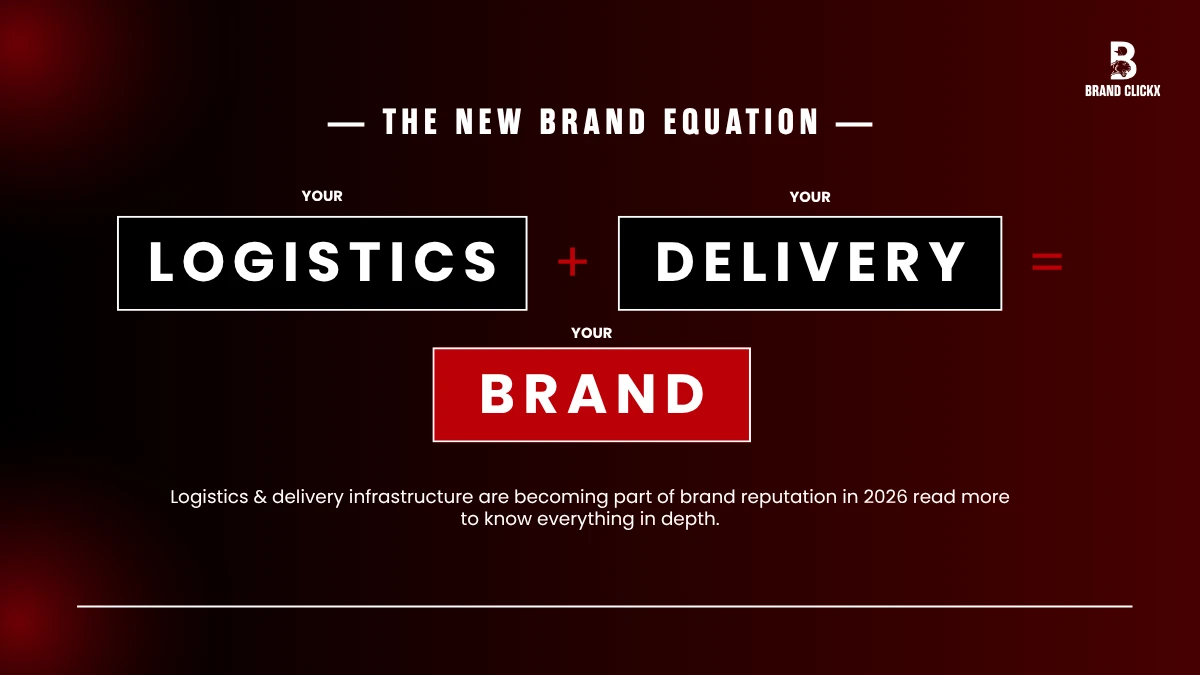
Brand reputation has traditionally been shaped by factors such as product quality, pricing, customer service, and marketing visibility. While those elements remain essential, modern businesses are increasingly discovering that operational infrastructure now plays an equally important role in how customers perceive reliability and professionalism.
In today’s highly connected economy, customers expect speed, consistency, transparency, and dependable service across every stage of the purchasing experience. As a result, logistics and transportation systems are no longer viewed only as backend operational functions. Increasingly, they are becoming highly visible parts of the customer experience itself.
Businesses that struggle with delivery delays, poor communication, inconsistent transportation support, or operational inefficiencies can quickly damage customer trust, even when their products or services remain competitive.
At the same time, companies with strong logistics infrastructure often strengthen brand credibility by delivering smoother, more reliable customer experiences.
This shift is changing how businesses think about transportation, fulfillment, and operational scalability across multiple industries.
Customer Expectations Around Reliability Continue Rising
Consumer expectations have evolved dramatically in recent years, particularly due to the growth of e-commerce, digital marketplaces, and on-demand services.
Customers now expect businesses to operate with greater speed and responsiveness than ever before. Delivery timelines, shipment tracking, communication transparency, and logistical consistency increasingly influence whether customers perceive a business as trustworthy and professional.
This expectation extends beyond traditional retail sectors. Automotive services, equipment transport, relocation support, dealership logistics, event operations, construction industries, and corporate fleet management all rely heavily on dependable transportation systems to maintain operational stability and customer confidence.
As businesses continue expanding across wider geographic markets, transportation reliability becomes even more important.
Customers and business partners increasingly associate efficient logistics with professionalism, organization, and operational competence. Delays, damaged shipments, scheduling confusion, or communication breakdowns can quickly affect brand perception regardless of the quality of the underlying product or service.
For many businesses, logistics infrastructure has therefore become directly connected to customer retention and long-term reputation management.
Transportation Networks Are Supporting Business Scalability
One of the biggest operational challenges facing growing businesses is maintaining consistency while expanding into larger markets.
As organizations scale nationally or internationally, transportation complexity often increases significantly. Businesses may need to coordinate fleet movement, inventory relocation, equipment transportation, dealership operations, corporate relocations, or specialized shipping across multiple states or regions simultaneously.
This creates stronger demand for logistics providers capable of supporting flexible transportation needs while maintaining operational reliability.
As businesses increasingly depend on scalable logistics infrastructure, companies such as A1Auto Transport are helping support vehicle relocation, dealership logistics, fleet transportation, heavy equipment movement, corporate relocation services, and long-distance shipping solutions across both domestic and international markets.
Transportation flexibility has become especially important for industries where mobility directly affects operational continuity.
Construction companies, automotive dealerships, auction services, event businesses, relocation providers, and equipment suppliers often require dependable transport coordination to maintain schedules and avoid operational disruptions.
In these environments, logistics performance increasingly contributes to overall business reputation rather than remaining hidden behind internal operations.
Brand Trust Is Closely Connected to Operational Consistency
Modern branding extends far beyond visual identity and advertising campaigns.
Today’s consumers evaluate businesses based on consistency across the entire customer experience. Operational performance therefore plays a major role in shaping how trustworthy and dependable a company appears over time.
When transportation systems function efficiently, customers often experience:
- clearer communication
- predictable scheduling
- reduced delays
- smoother service delivery
- stronger confidence in the business
Although many businesses once treated logistics primarily as a cost-management concern, operational consistency is now increasingly viewed as a customer experience strategy.
This shift is especially important in industries where transportation delays can affect larger business relationships or project timelines.
Vehicle shipping, fleet transport, industrial logistics, and equipment relocation often involve significant financial value and scheduling coordination. Businesses operating within these sectors increasingly understand that transportation quality directly influences customer trust and long-term brand perception.
Companies that invest in dependable logistics partnerships may therefore strengthen both operational efficiency and customer confidence simultaneously.
E-Commerce and Digital Commerce Are Expanding Logistics Demands
The rapid growth of digital commerce has also contributed to rising expectations surrounding logistics infrastructure.
Consumers increasingly expect businesses to operate seamlessly across regional and national markets regardless of physical location. This creates greater pressure on transportation systems, warehousing operations, fulfillment networks, and shipping coordination.
As online marketplaces continue expanding, logistics performance increasingly differentiates businesses within competitive industries.
Fast-growing companies often discover that operational scalability depends heavily on transportation reliability. Delayed deliveries, inventory bottlenecks, or inconsistent shipping coordination can quickly slow growth even when customer demand remains strong.
This broader shift has elevated logistics from a purely operational function into a strategic business priority.
Research and transportation guidance published through the U.S. Department of Transportation continues emphasizing the importance of transportation infrastructure, freight mobility, and efficient logistics systems within the broader American economy.
These larger infrastructure trends continue shaping how businesses approach transportation strategy and long-term operational planning.
Logistics Visibility Has Increased Through Digital Media
Another reason logistics increasingly influences brand reputation is the growing visibility created by digital communication and social media.
Customers now frequently share shipping experiences, service reviews, delivery feedback, and operational complaints online. Delayed shipments or transportation-related frustrations can quickly become public-facing customer service issues.
At the same time, businesses that provide smooth logistics experiences often benefit from stronger reviews, improved customer loyalty, and more positive brand perception.
This increased visibility encourages companies to place greater emphasis on transportation quality, communication systems, and fulfillment reliability.
Operational failures that previously remained isolated customer service issues may now influence broader online reputation across review platforms and social media environments.
As a result, transportation performance increasingly affects public brand image in ways that were far less visible in previous decades.
Specialized Transportation Services Continue Growing
Modern logistics demands are also becoming more specialized across many industries.
Businesses increasingly require transportation providers capable of handling:
- luxury vehicles
- heavy equipment
- commercial fleets
- auction vehicles
- oversized cargo
- construction machinery
- corporate relocations
- cross-country transport coordination
This specialization reflects the growing complexity of modern business operations and nationwide commerce.
Companies operating within these sectors often prioritize transportation partners that provide flexibility, insurance support, route coordination, scheduling transparency, and specialized operational expertise.
As industries become more interconnected and geographically distributed, transportation specialization continues becoming more valuable within broader business infrastructure systems.
Logistics Infrastructure Will Likely Continue Influencing Brand Reputation
As customer expectations continue rising and businesses operate across increasingly complex markets, logistics infrastructure will likely become even more important for long-term brand reputation.
Operational reliability is no longer viewed solely as an internal management concern. It increasingly shapes customer perception, business scalability, and competitive positioning across multiple industries.
Companies that invest in dependable transportation systems, strong logistics partnerships, and efficient operational coordination may strengthen both customer trust and long-term business resilience.
In modern business environments, logistics has evolved beyond simple transportation. It is increasingly becoming part of how brands communicate professionalism, consistency, and reliability to customers every day.