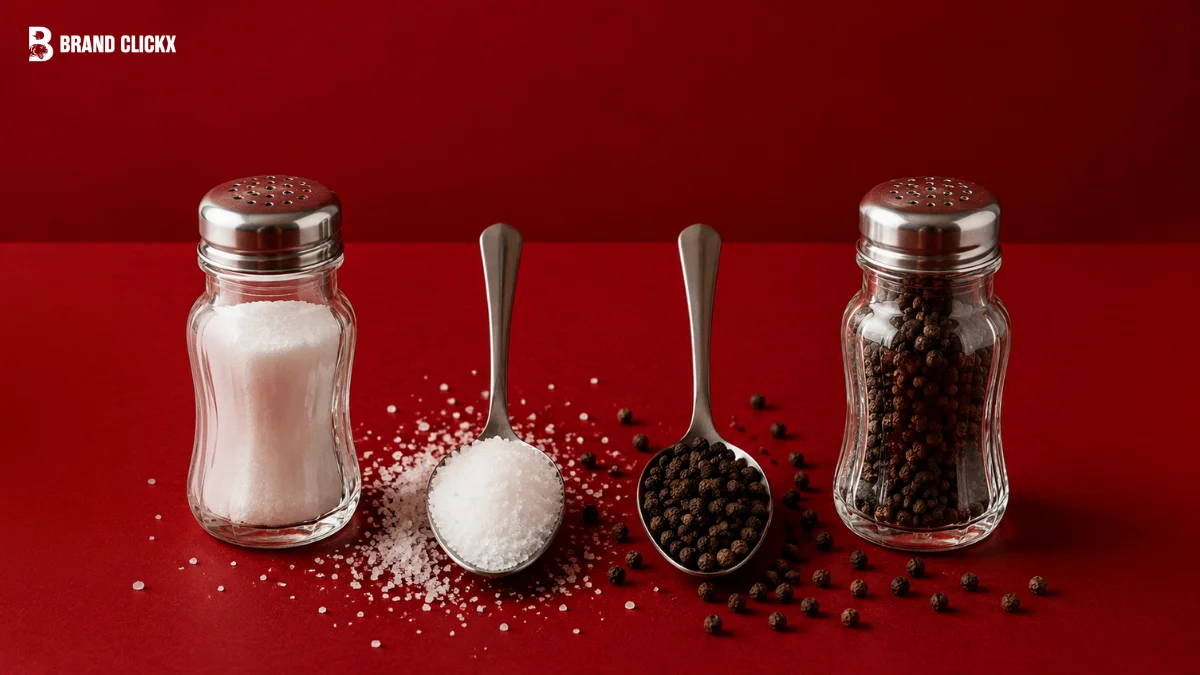
Salt and Peppercorn- pretty much everyone’s got both already, sitting right there on the counter, and honestly they never really leave it. Food tastes flat, nine times out of ten it just needs salt. Pepper’s doing something else entirely, warmth, a bit of smell, that little bite you feel at the back of your throat.
Works on basically everything too. Eggs, meat, fish, veggies, pasta, soup, salad, potatoes. Doesn’t take much either. Sometimes a pinch is the whole difference between forgettable and actually good.
But here’s the thing, they look simple sitting there and they’re really not. Salt’s got more variety than most people ever bother learning. Peppercorns come in different colors, different flavors. Even the grind size changes what you end up tasting. Learn that stuff once, and seasoning stops being a guessing game.
Quick Answer
Salt pulls out flavor. Pepper adds new flavor on top of it, warmth, smell, a bit of heat. That’s the split. Black, white, green, red pepper- all four come off the same plant. Piper nigrum, or nigrum, I mean. Different processing after picking is the only reason they end up tasting different by the time you buy them.
Salt’s no different in having its own range either; table salt, sea salt, kosher, flaky, none of them act quite the same once they actually land on food. Grain size, texture- that combo is really what decides how much you end up needing and how it feels once you’re eating it.
Key Takeaways
- Salt doesn’t really add flavor, it just pulls out what’s already sitting there. Pepper’s the opposite job, warmth, aroma, heat, all of it new.
- Black, white, green, red, every single peppercorn traces back to the same plant, the difference is entirely in how it’s processed after picking.
- A grinder and whole peppercorns will beat pre-ground pretty much every single time, no argument there.
- Fine salt, coarse salt, flaky salt, they don’t act the same, and grain size is basically what decides how much you actually end up using.
- Fine pepper for sauces and soups, coarse for steak and anything grilled, that’s really the split.
- Go slow, taste as you go, adjust from there instead of just guessing and hoping.
- Keep both away from moisture and heat, that’s basically the whole trick to storage.
- And none of this needs expensive ingredients, good everyday seasoning never really has.
What Is Salt, Exactly?
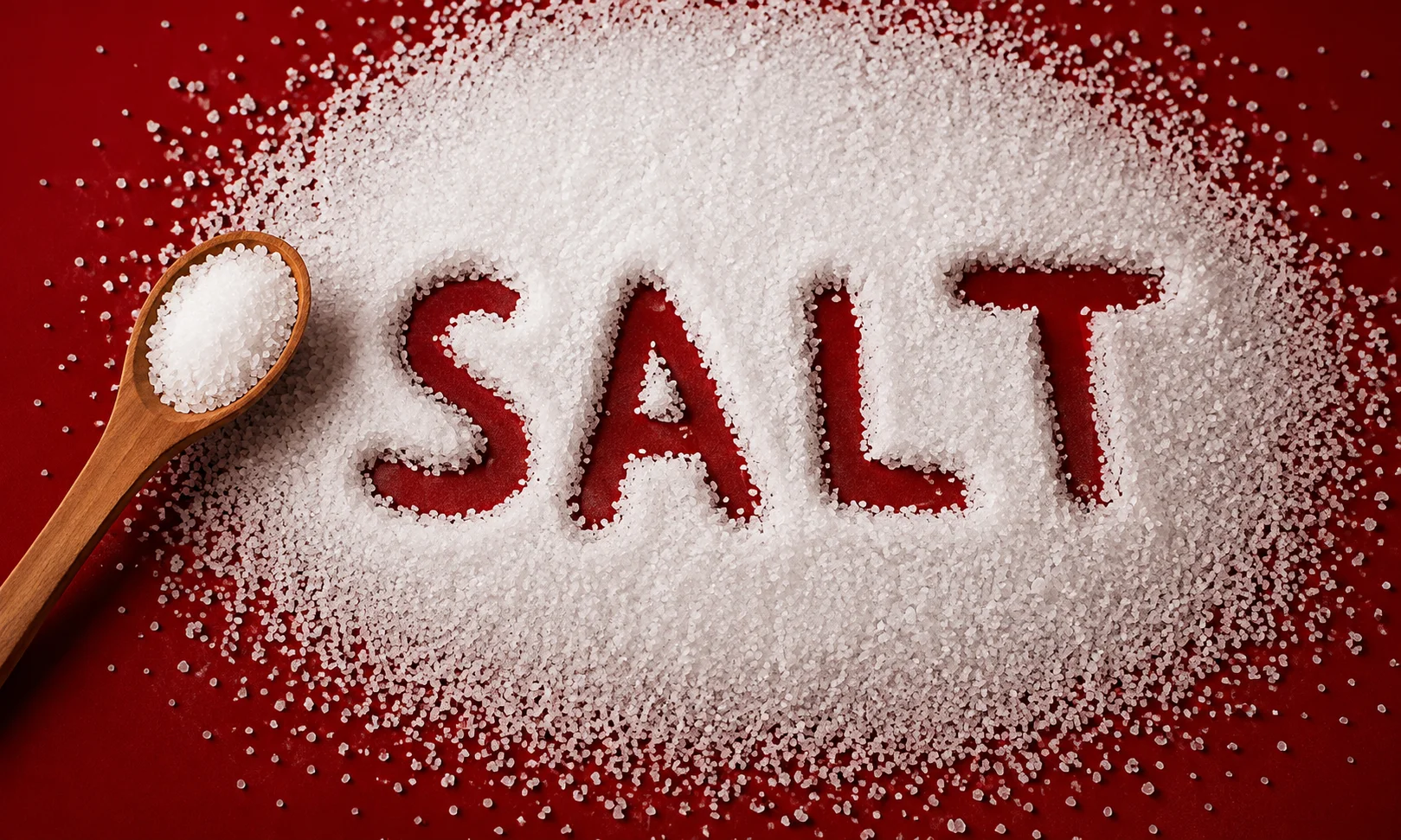
Salt’s a mineral, nothing fancier than that, and people have been throwing it into food for about as long as cooking’s existed. All it really does is make everything else taste more like itself.
You know that feeling when a dish just tastes off, flat, a bit boring, even though nothing in it was actually bad? Usually salt’s the missing piece. And it doesn’t have to taste salty either; done right, it just pushes the other flavors forward so you actually notice them.
More types out there than you’d think too. Table salt’s the fine stuff, dissolves fast. Sea salt swings from fine to coarse to flaky depending how it’s made. Kosher salt’s usually bigger-grained, and finishing salt’s the one you save for right at the end, mostly just for the crunch.
What Is a Peppercorn?
It’s just the dried fruit of the Piper nigrum plant. Black, white, green, red- doesn’t matter; they all start as the same berry off the same plant. What happens after picking is the only thing that changes. Black’s the one everyone’s already using: warm, sharp, and man, does it smell good fresh off a grinder.
White pepper’s from that same plant, just skinned before drying instead of left as-is. That’s the whole reason it tastes different. Cooks grab it for pale dishes mostly, mashed potatoes, cream sauce, wherever dark flecks would just look out of place.
Green and red, you won’t find those in most kitchens. But if you’re into trying stuff outside the usual, worth hunting down.
Why Do Salt and Pepper Work So Well Together?
Two totally different jobs- that’s really the whole answer. Salt just pulls forward whatever’s already in the food. Pepper’s bringing its own thing entirely: warmth, a bit of spice, stuff that wasn’t there before.
A plain baked potato tastes pretty mild sitting there by itself. Salt it, crack some black pepper on top, suddenly it’s a completely different dish. The same trick works on eggs, vegetables, chicken, fish, pasta, soup, honestly just about anything you throw it at.
Real trick’s restraint, though, always has been. Good seasoning makes the main ingredient taste more like the best version of itself, not buried under a pile of something else.
Salt vs. Peppercorn: What’s Actually Different
They get stored side by side constantly, but they’re not similar at all once you look closer.
| Salt | Peppercorn |
|---|---|
| Comes from mineral sources | Comes from a pepper plant |
| Mainly adds saltiness and balance | Adds warmth, aroma, and spice |
| Used in fine, coarse, or flaky forms | Used whole, cracked, or ground |
| Fits into almost every type of cooking | Common in savory dishes, some desserts too |
| Not plant-based at all | Comes from the Piper nigrum plant |
Worth clearing up too, black pepper and chili pepper aren’t the same thing, despite the name overlap. Black pepper’s Piper nigrum. Chili peppers are an entirely different plant family, Capsicum.
Types of Salt
You really don’t need ten different salts sitting in your cupboard. One solid everyday salt covers most cooking. Still, knowing the basic categories helps you actually pick the right one when it matters.
Table Salt
Fine grains, dissolves fast, that’s table salt in a sentence. Easy to measure, mixes cleanly into sauces, soups, dough, whatever. A lot of it’s iodized too, meaning iodine’s been added in.
Sea Salt
Made by evaporating seawater, and depending on how it’s processed, you end up anywhere from fine grains to big chunky crystals. Fine sea salt’s fine for actual cooking, but the larger flakes are better held back for finishing a dish right at the end. Brand to brand, flavor shifts a little, sure, but honestly it’s the texture you’ll actually notice more than anything else.
Kosher Salt
Bigger crystals than table salt, generally, and cooks tend to like that; easy to pinch between your fingers, easy to scatter over food. One catch though: grain size isn’t consistent brand to brand, so a teaspoon from one won’t necessarily match a teaspoon from another.
Flaky Salt
Light, thin crystals, meant for the end of cooking rather than mixed in throughout. A small sprinkle adds real crunch on steak, roasted vegetables, eggs, tomatoes, salads, even certain desserts. Doesn’t take much either; the flakes are easy to notice even in small amounts.
Types of Peppercorns
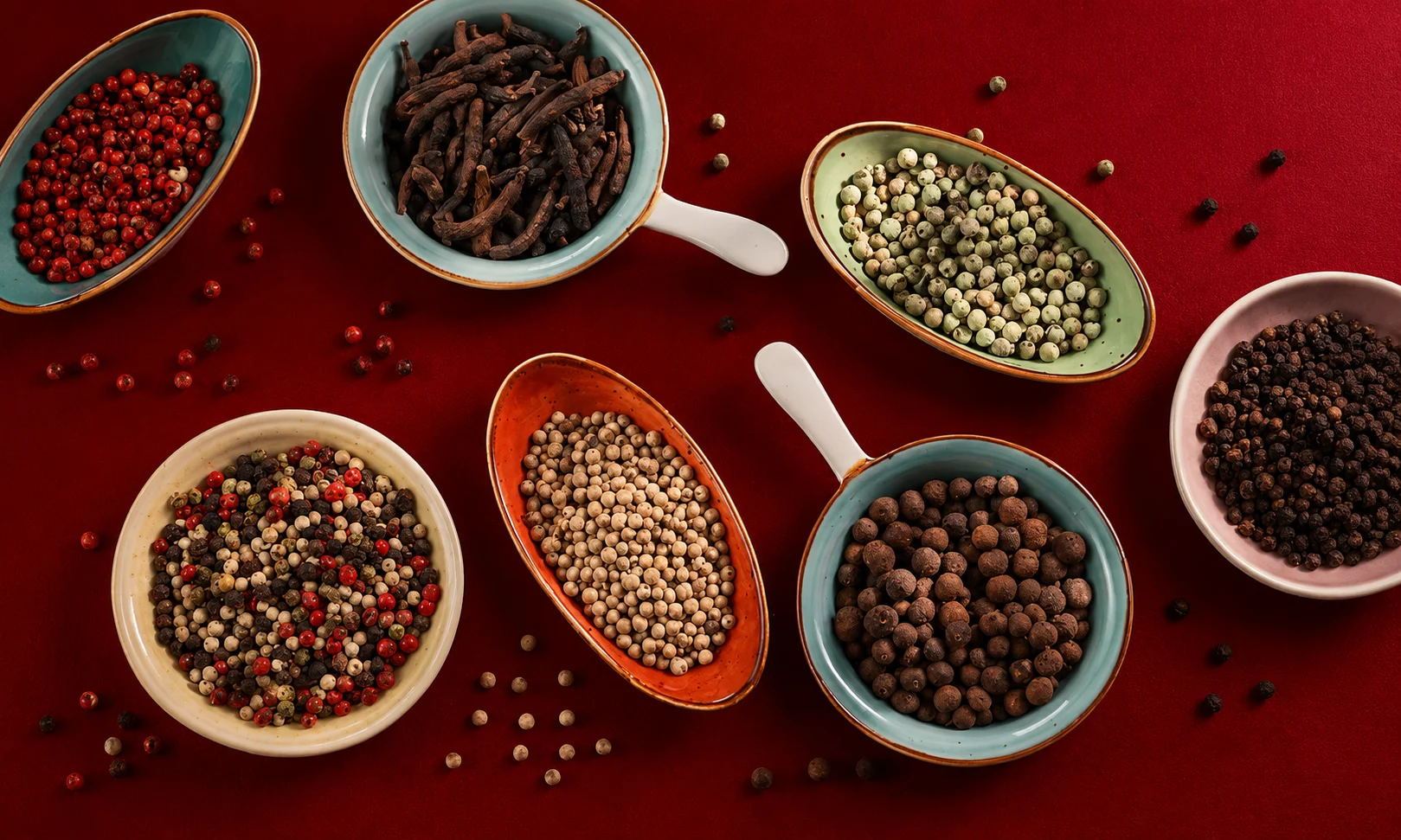
Peppercorns aren’t four different things, really, just one berry taken at different points and treated differently after, and that’s genuinely the whole story behind why they taste so different from each other.
Black’s the one already in your cupboard, basically guaranteed. Picked before it’s ripe, dried right after, and that’s exactly where the dark, wrinkled look comes from. Strong, warm, goes on nearly everything. And if you’re still buying the pre-ground jar, do yourself a favor: grinding your own fresh is about as easy an upgrade as cooking offers.
White’s the same berry underneath, just with the skin peeled off first. Milder once it’s done, and cooks mostly reach for it so you don’t get dark flecks showing up somewhere they’d look out of place: mashed potatoes, a pale cream sauce, that kind of thing.
Green gets pulled way early, before ripening even really starts. Softer, fresher, less of a bite, and it turns up a lot in French cooking specifically, usually brined or freeze-dried instead of dried all the way like black pepper is.
Red’s the one left the longest, fully ripe before picking. Rarest by a wide margin too. And just to head off the obvious question, no, it’s not related to chili peppers; that’s purely a naming coincidence, nothing more.
Whole Peppercorns or Ground Pepper?
Grind some pepper fresh, smell it right after, you’ll know exactly where this is going. Whole peppercorns just hold their flavor longer, stored right they’ll outlast the pre-ground stuff by months honestly. Grinding’s what actually releases the smell, that’s the whole reason fresh wins over whatever’s been sitting in a jar for who knows how long.
Not that pre-ground’s bad, it’s convenient, works fine in most recipes without any fuss. But if you’re cooking regularly, a cheap grinder and some whole peppercorns is one of those small changes that actually shows up in what you’re eating.
Does Grind Size Actually Matter?
More than most people think, yeah. Fine works into soups, sauces, dressings, marinades without leaving big chunks behind. Medium’s the default, covers most everyday cooking fine. Coarse is where you get actual texture, real bite, the kind you want on steak, grilled meat, roasted vegetables, anywhere the pepper’s supposed to be noticed, not disappear into the dish. If the grinder’s got settings, actually use them; don’t just leave it on one setting forever regardless of what’s cooking.
When Should You Add Salt?
No fixed rule here, start or end, it just depends what you’re making. Soups, sauces, stews, vegetables, pasta, grains, adding a bit while cooking gives the flavor time to build. Start small though, taste as you go, add more only if it needs it. Too much too fast wrecks a dish fast, and there’s no easy undo once it’s oversalted. Using flaky salt? Save some for the very end, that’s really where the texture actually earns its keep.
When Should You Add Pepper?
During cooking or right at the end, both work, depends on what you’re after. Cook pepper too long and that sharp edge softens up. Fresh-ground near the end keeps the stronger smell and brighter taste. Plenty of cooks just do both: some in during cooking, a fresh crack right before serving, gets you cooked and fresh pepper in the same bite.
Best Foods for Salt and Pepper
Part of what makes this pair so useful is how little effort it takes to get great results.
Eggs. Classic pairing, scrambled, fried, boiled, an omelet, doesn’t matter. Fresh-ground pepper alone can make a plain breakfast taste noticeably better.
Steak. Salt pulls out the meat’s own flavor, black pepper adds warmth and bite. Go coarse if you’re after that visible pepper crust on the outside.
Vegetables. Roasted veggies barely need seasoning beyond salt, pepper, a little oil, works on potatoes, carrots, broccoli, cauliflower, mushrooms, zucchini, asparagus, without complicating anything.
Fish. Works well without needing a whole spice cabinet involved. For delicate fish especially, go light on pepper so it doesn’t drown out the fish’s own flavor.
Soup. A bit of salt rounds out the flavor, pepper adds warmth on top. Add both slowly, taste before adding more, works across vegetable soup, chicken soup, tomato soup, lentil soup, most soups really.
Salad. Tomatoes, cucumber, leafy greens, avocado, eggs, cheese, all benefit. Dressing first or last depending on the recipe, then adjust salt and pepper to taste after.
Can You Use Salt and Pepper in Desserts?
Yes, just carefully.
Salt’s already common in sweet recipes, a small amount balances sweetness and helps other flavors come through. Pepper’s less expected but genuinely fun to experiment with, a tiny bit of fresh-ground black pepper works surprisingly well with strawberries, dark chocolate, caramel, certain fruit desserts.
Start with barely any, the goal’s an interesting edge, not turning dessert into something that tastes savory by accident.
How to Store Salt and Peppercorns
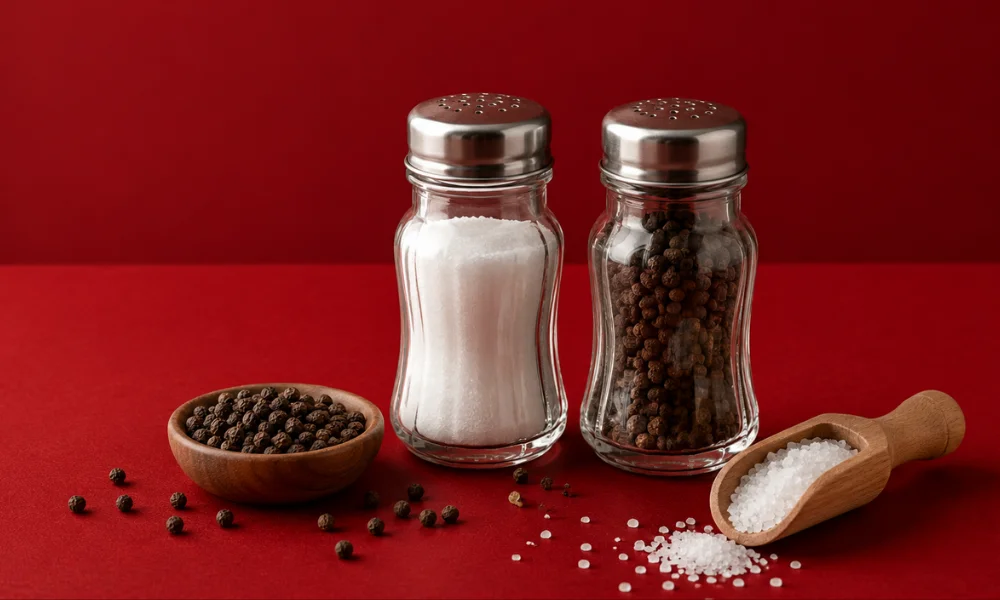
Not complicated, mainly just keep both away from moisture, heat, and light.
Salt goes in a dry container with a lid, not right next to the sink or hovering above a pot where steam can reach it. Whole peppercorns need the same treatment, dry, closed container, tucked in a cupboard away from direct sun and heat. No need for the fridge either, cool and dry does the job fine.
Common Salt and Pepper Mistakes
Biggest one, by far, adding too much too fast. Start small, taste, add more only if it actually needs it.
Using the same pepper grind for every single dish is another common miss, fine pepper suits sauces and soups, coarse suits steak and grilled food, they’re not interchangeable.
Also easy to forget, different salts have different grain sizes, so a teaspoon of fine salt isn’t hitting the same strength as a teaspoon of large flakes. And don’t skip tasting your food either, seasoning’s not just following a number on a recipe card, ingredients, cooking method, your own taste, all of it factors in.
Easy Salt and Pepper Combinations
You don’t need a spice rack overflowing to build simple, solid flavor.
| Seasoning | Good With |
|---|---|
| Salt + black pepper | Almost any savory food |
| Salt + pepper + garlic | Chicken, potatoes, vegetables |
| Salt + pepper + lemon | Fish, salads, vegetables |
| Salt + pepper + rosemary | Chicken and roasted vegetables |
| Salt + pepper + olive oil | Vegetables and salads |
| Salt + pepper + butter | Eggs, pasta, vegetables |
| Salt + pepper + paprika | Chicken and roasted potatoes |
These are just starting points, really. Once you know what flavors you actually like, start layering in herbs, lemon, garlic, paprika, whatever fits.
Do You Need Expensive Salt and Pepper?
No.
Specialty salts and rare peppercorns are fun to try, but they’re not required to cook good food. A basic salt and a decent black pepper handles most everyday cooking just fine. Specialty stuff’s worth reaching for when you actually want a different texture or aroma for a specific dish.
Regular salt for cooking, flaky salt for finishing, that split alone covers most needs. Same with pepper, everyday black pepper for daily use, something different when you feel like experimenting.
The best seasoning, honestly, is whatever actually works for your food and your budget, nothing fancier required.
Salt and Pepper Around the World
Salt’s been part of food culture pretty much everywhere for a very long time. Black pepper’s got its own particularly interesting backstory though.
It originally comes from the Malabar region in southwestern India, and it became a genuinely major spice in international trade centuries ago. These days it’s grown across several countries, Vietnam, Indonesia, Brazil, India, Malaysia among them.
People use it constantly, sauces, soups, spice blends, meat, vegetables, marinades, even the odd sweet dish. That flexibility’s really the whole appeal, small ingredient, huge range of uses.
How to Choose Salt and Pepper
You don’t need a cupboard full of options to get started.
For salt, pick one type you’re comfortable cooking with daily. Like finishing dishes at the table? Add a flaky salt into the mix later on.
For pepper, whole black peppercorns plus a simple grinder covers fine, medium, and coarse whenever you need any of them. Once the basics feel comfortable, branch into white pepper, green peppercorns, specialty salts, whatever catches your interest.
Salt and Pepper Buying Checklist
Before buying salt, think about grain size and how you’ll actually use it, fine for cooking and baking, larger flakes for finishing.
For pepper, decide between whole peppercorns and pre-ground. Already own a grinder? Whole peppercorns are worth it for the fresher flavor alone.
And skip the most expensive option on the shelf out of habit, start basic, reach for specialty products only when there’s an actual reason to.
Conclusion
Salt and pepper are about as basic as seasonings get, but using them well genuinely changes how everyday food tastes. No complicated spice collection needed, no expensive products required either.
Start with a salt you actually like and a small stash of whole black peppercorns. Season slowly, taste as you go, adjust from there. Once the basics feel natural, branch into different salts, peppercorns, and simple combinations worth experimenting with.
The goal was never to make food taste strongly of salt or pepper in the first place. It’s to help whatever you’re actually cooking taste like the best version of itself.
That’s really the whole reason this pairing’s stuck around in kitchens everywhere for as long as it has.
Frequently Asked Questions
Is peppercorn the same as black pepper?
Not quite. Peppercorn’s the dried fruit of the Piper nigrum plant in general. Black pepper’s just one specific type, made through a particular harvesting and drying process.
Are black and white peppercorns from the same plant?
Yes, same plant entirely, the difference comes down to how the berries get processed afterward.
Is freshly ground pepper actually better than pre-ground?
Usually, yes, stronger smell, fresher taste. Whole peppercorns also hold onto their flavor much longer than pre-ground pepper does once stored properly.
What’s the best salt for cooking?
No single answer, honestly. Fine salt suits everyday cooking and baking, coarse and flaky salts serve other purposes entirely.
Can I swap in sea salt for table salt?
Usually fine, yes. Just watch the grain size difference, you may need to adjust the amount to match.
What’s the best peppercorn for steak?
Black pepper’s the classic pick, and going coarse-ground gives you a stronger flavor with real texture on the crust.
Should salt go in before or after cooking?
Depends entirely on the dish. Add some during cooking, then taste and adjust right before serving.
How should peppercorns be stored?
Closed container, cool, dry spot, away from direct sunlight, steam, and excess heat.
What’s actually different between peppercorns and chili peppers?
Different plants entirely. Black pepper’s Piper nigrum; chili peppers come from the Capsicum family.
Can black pepper work in desserts?
Yes, a small amount pairs surprisingly well with chocolate, strawberries, caramel, and certain fruit-based desserts.