Some of the world’s biggest companies once looked almost impossible to defeat. They had famous brands, millions of customers, strong revenues, and large workforces. Yet many eventually collapsed because of debt, poor management, changing technology, fraud, stronger competition, or an inability to adapt.
This guide looks at some of the most famous failed companies in business history, explaining what each company did, how it became successful, what went wrong, and what modern businesses can learn from its collapse.
What Does “Failed Company” Mean?
A failed company is a business that can no longer operate successfully in its previous form. It may enter bankruptcy, shut down completely, be liquidated, or lose so much value that its original business model becomes unsustainable.
Not every company on this list disappeared overnight. Some declined for years before finally filing for bankruptcy or closing.
What Can Cause a Company to Collapse?
1. Too Much Debt
Debt can help a company expand, but excessive borrowing can become dangerous when sales weaken or interest costs rise.
2. Failure to Adapt
Markets change constantly. Companies that continue relying on an old business model while customers move elsewhere can lose their competitive advantage.
3. Poor Leadership
Bad strategic decisions, weak financial controls, and ineffective management can gradually damage a company even when its underlying brand remains strong.
4. Competition
New competitors can offer lower prices, better technology, faster service, or a more convenient customer experience.
5. Fraud and Mismanagement
False financial statements, misuse of company funds, or weak internal controls can destroy both investor confidence and the business itself.
6. Changing Consumer Behavior
Customers do not always buy the same products in the same way. Businesses that fail to recognize major shifts in consumer habits can quickly fall behind.
QUICK OVERVIEW
| Country | Industry | Founded | Major Success Period | What Made It Successful |
| 🇫🇮 Finland | Telecommunications | 1865 (Mobile: 1980s) | 1998–2007 | Hardware durability, global supply chain, and massive market share. |
| 🇨🇦 Canada | Technology / Smartphones | 1984 | 2000s–2010 | Enterprise security, physical QWERTY keyboard, and BBM instant messaging network. |
| 🇺🇸 United States | Retail / Department Stores | 1893 | 1950s–1990s | Mail-order catalog pioneer, massive real estate footprint, and trusted in-house brands (Craftsman/Kenmore). |
| 🇺🇸 United States | Healthtech / Biotech | 2003 | 2013–2015 | Promised revolutionary blood-testing technology using only a single fingerprick. |
| 🇨🇭 Switzerland | Aviation | 1931 | 1960s–1990s | Known as the “Flying Bank” for extreme financial stability, luxury service, and safety. |
| 🇬🇧 United Kingdom | Construction / Facilities | 1999 | 2000s–2016 | Massive government contractor managing crucial public infrastructure and hospital builds. |
| 🇯🇵 Japan | Conglomerate / Electronics | 1875 | 1980s–2000s | Pioneer in laptops, flash memory, and massive global industrial manufacturing. |
| 🇬🇧 United Kingdom | Travel / Hospitality | 1841 | 20th century–2010s | World’s oldest travel agency offering all-inclusive package holidays, planes, and hotels. |
Enron
What Was Enron?
Enron was a major U.S. energy company that became one of the country’s most admired corporations during the 1990s. It expanded from traditional energy operations into trading and other businesses.
How Enron Made Its Money
Enron generated revenue through energy trading, natural gas, electricity, and other financial and energy-related activities.
Why It Became So Successful
Enron presented itself as an innovative company transforming the energy industry. Its rapid growth and rising stock price attracted investors and employees.
What Went Wrong?
Behind the growth was a complex network of accounting practices that hid financial problems. When the company’s true financial condition became public, confidence collapsed.
Enron filed for bankruptcy in December 2001, becoming one of the most important corporate failures in U.S. history.
Lesson From Enron
Strong growth means little without transparent accounting and effective corporate governance.
Lehman Brothers

What Was Lehman Brothers?
Lehman Brothers was a major U.S. investment bank involved in trading, investment banking, asset management, and mortgage-related finance.
How Lehman Brothers Made Its Money
The bank earned money through financial services, securities trading, investment banking, and mortgage-related activities.
Why It Became So Successful
Lehman grew into one of the largest investment banks in the United States and became deeply connected to the global financial system.
What Went Wrong?
Lehman became heavily exposed to the U.S. housing and mortgage markets. As the housing market collapsed and losses increased, confidence in the bank deteriorated rapidly.
Lehman Brothers filed for bankruptcy in September 2008, becoming one of the defining events of the global financial crisis.
Lesson From Lehman Brothers
Large companies can still fail when excessive financial risk meets a sudden loss of market confidence.
Blockbuster
What Was Blockbuster?
Blockbuster was one of the world’s best-known video rental companies. Its stores allowed customers to rent movies and video games.
How Blockbuster Made Its Money
The company primarily earned money by renting physical movies and games through its large network of retail stores.
Why It Became So Successful
Blockbuster built a powerful brand and a huge physical store network. At its peak, visiting a Blockbuster store was a normal part of renting entertainment.
What Went Wrong?
The entertainment industry moved toward DVD-by-mail and eventually streaming. Blockbuster struggled to move away from its traditional store-based model quickly enough.
Netflix, which began with DVD rentals, eventually moved aggressively into streaming while Blockbuster’s traditional business deteriorated.
Lesson From Blockbuster
A successful business model can become a weakness when the market changes faster than the company.
Kodak
What Was Kodak?
Eastman Kodak was one of the world’s most famous photography companies. For decades, its film and cameras were central to everyday photography.
How Kodak Made Its Money
Kodak historically depended heavily on film, photographic chemicals, processing, and related imaging products.
Why It Became So Successful
Kodak built enormous brand recognition around photography and became one of the dominant names in film.
What Went Wrong?
Digital photography destroyed the economics of the traditional film business. Kodak had actually developed an early digital camera prototype, but it struggled to turn digital technology into a successful replacement for its film business.
Kodak filed for Chapter 11 bankruptcy protection in 2012.
Lesson From Kodak
Inventing the future is not enough. A company must also be willing to build its business around it.
Toys “R” Us
What Was Toys “R” Us?
Toys “R” Us was a major toy retailer known for its enormous selection of toys and large stores.
How Toys “R” Us Made Its Money
The company generated revenue by selling toys, children’s products, and related merchandise through its retail stores and online business.
Why It Became So Successful
Its huge product selection made it a destination for families looking to buy toys. The brand became closely associated with children’s shopping.
What Went Wrong?
Toys “R” Us faced growing competition from Walmart, Amazon, and other retailers while carrying a heavy debt burden. The company filed for Chapter 11 bankruptcy protection in 2017.
Lesson From Toys “R” Us
A strong brand cannot always overcome heavy debt and a changing retail environment.
Borders
What Was Borders?
Borders was a major U.S. bookstore chain with large stores across the country.
How Borders Made Its Money
The company primarily earned money by selling books, music, movies, and other media through physical retail stores.
Why It Became So Successful
Borders benefited from the popularity of physical bookstores and its large selection of books and entertainment products.
What Went Wrong?
The company struggled with the shift toward online book sales and digital reading. It also lagged behind competitors in developing a successful e-reader strategy. Borders filed for bankruptcy in 2011 and subsequently closed its stores.
Lesson From Borders
Being a market leader today does not guarantee relevance tomorrow.
Pan Am

What Was Pan Am?
Pan American World Airways, better known as Pan Am, was one of America’s most famous airlines and a pioneer in international aviation.
How Pan Am Made Its Money
Pan Am generated revenue primarily by carrying passengers and operating international air routes.
Why It Became So Successful
The airline built an iconic global reputation and pioneered routes connecting the United States with Europe, Asia, Latin America, and other regions.
What Went Wrong?
Pan Am suffered from chronic cash shortages, high fuel costs, heavy losses, and difficulties competing effectively after the airline industry became more deregulated.
The company filed for bankruptcy protection in 1991 and ceased operations later that year.
Lesson From Pan Am
A famous brand cannot survive indefinitely when its costs and competitive position become unsustainable.
WeWork
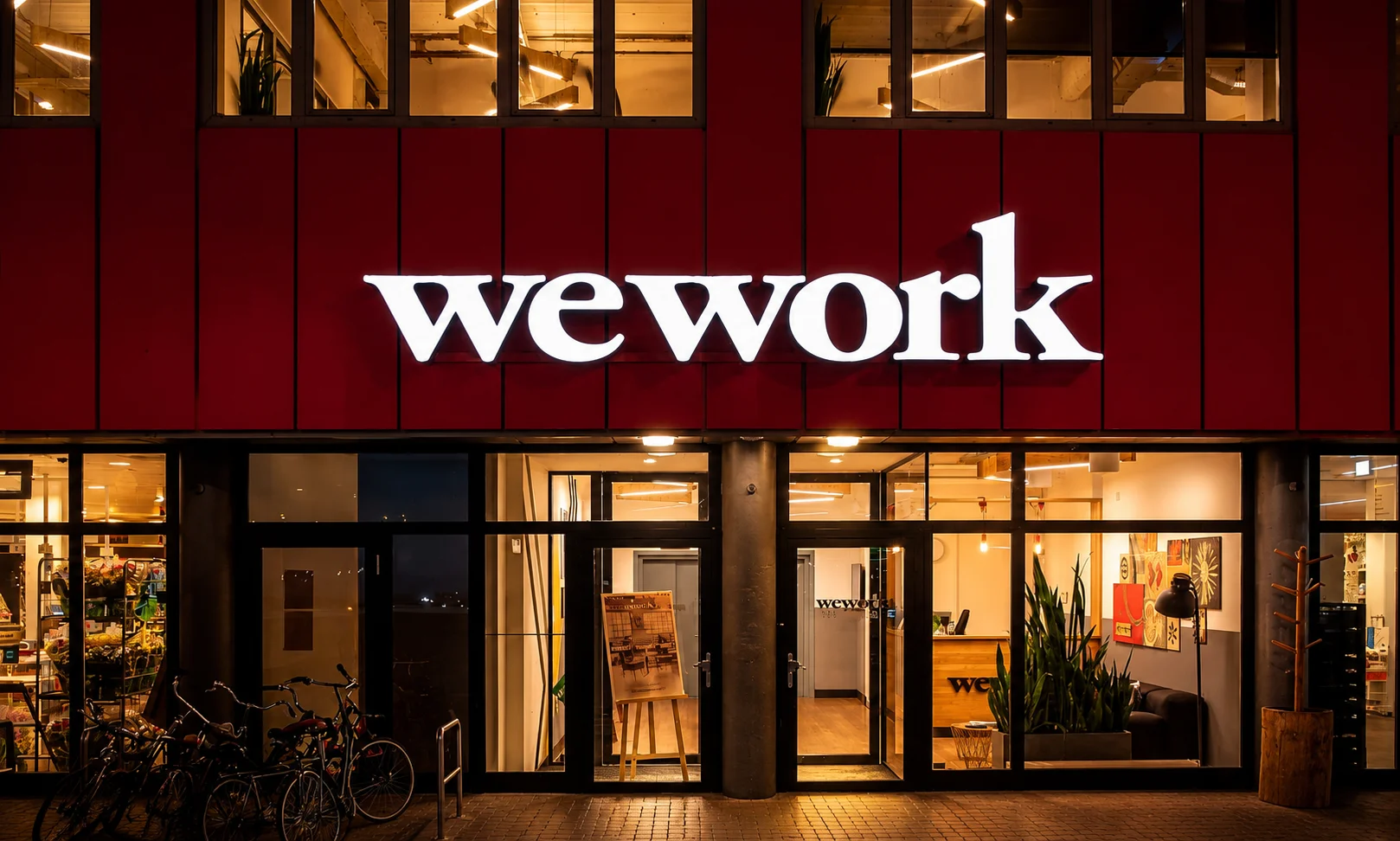
What Was WeWork?
WeWork built a global network of shared offices and flexible workspaces. It became one of the world’s most highly valued startups during the late 2010s.
How WeWork Made Its Money
The company leased large office properties and rented workspace to businesses, freelancers, and other customers.
Why It Became So Successful
WeWork attracted investors with its rapid expansion, modern office spaces, strong branding, and vision for changing how people worked.
What Went Wrong?
The company expanded rapidly while taking on substantial long-term lease obligations. Demand for office space also changed dramatically during the COVID-19 pandemic.
WeWork filed for bankruptcy protection in November 2023. Its restructuring eliminated about $4 billion in debt and dramatically reduced its valuation from its 2019 peak of $47 billion.
Lesson From WeWork
Rapid growth and a powerful brand cannot compensate for an unsustainable cost structure.
FTX
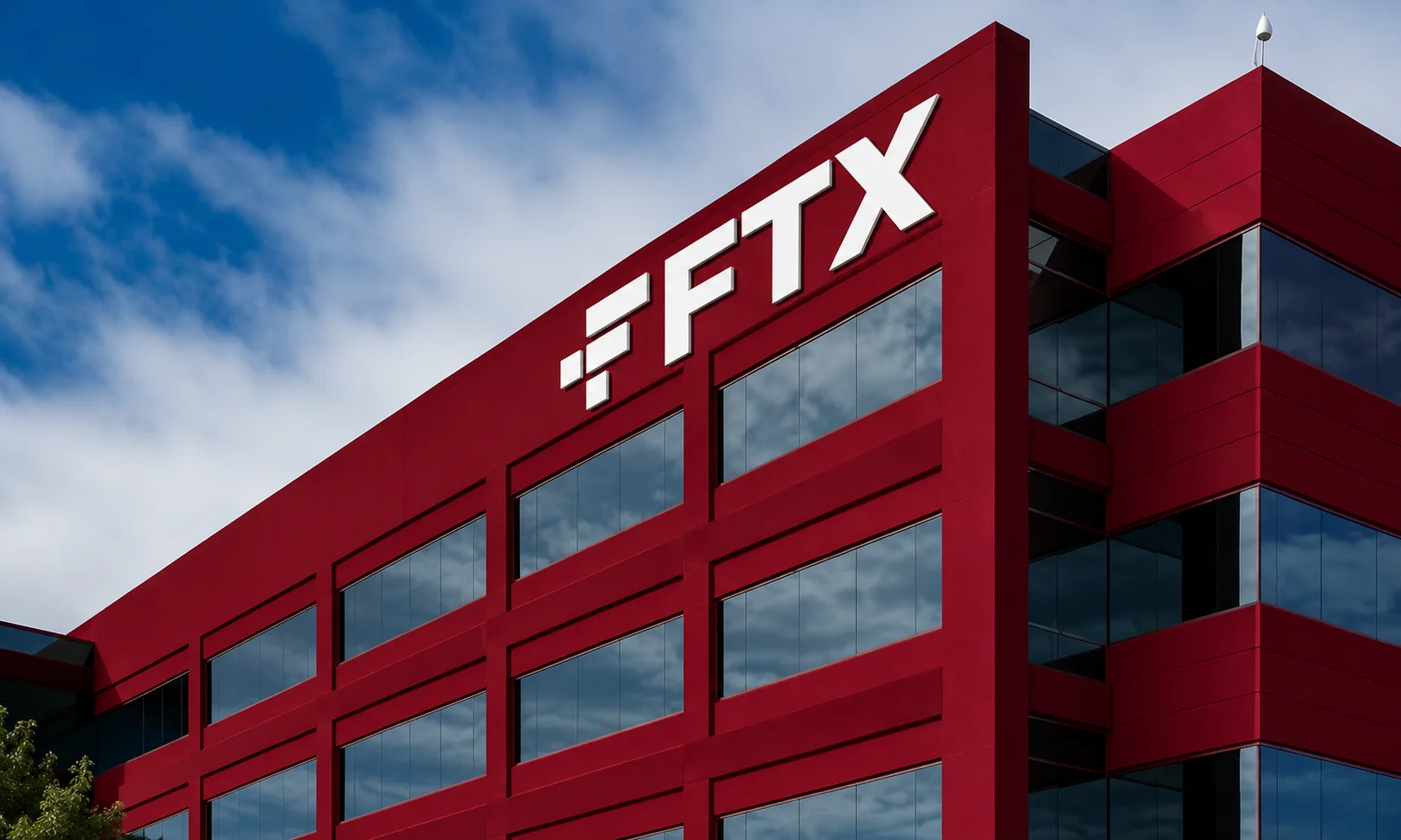
What Was FTX?
FTX was a cryptocurrency exchange that became one of the world’s largest digital-asset trading platforms.
How FTX Made Its Money
The company generated revenue from cryptocurrency trading, fees, and other digital-asset services.
Why It Became So Successful
FTX expanded rapidly and attracted major investors, customers, and public attention. Its founder, Sam Bankman-Fried, became one of the most prominent figures in the cryptocurrency industry.
What Went Wrong?
FTX collapsed after revelations about the misuse of customer funds and financial problems involving its affiliated trading firm, Alameda Research. The exchange filed for bankruptcy in November 2022.
Bankman-Fried was later convicted of fraud and sentenced to 25 years in prison.
Lesson From FTX
Trust, transparency, and proper controls are essential in financial businesses.
Wirecard

What Was Wirecard?
Wirecard was a German payments company that became one of Europe’s most prominent fintech businesses.
How Wirecard Made Its Money
The company processed electronic payments and provided payment-related services to businesses.
Why It Became So Successful
Wirecard presented itself as a fast-growing technology and payments company and became an important name in Germany’s financial sector.
What Went Wrong?
In 2020, Wirecard disclosed a €1.9 billion hole in its accounts. The revelation triggered a major corporate scandal, and the company subsequently filed for insolvency.
Reuters reported that the company owed creditors nearly $4 billion.
Lesson From Wirecard
Rapid growth and impressive financial figures mean little without reliable auditing and strong corporate controls.
What These Failed Companies Have in Common
Although these businesses operated in completely different industries, several patterns appear repeatedly.
They Failed to Adapt
Kodak, Blockbuster, and Borders were affected by major technological changes. Their experiences show how quickly customer behavior can change when a new technology becomes more convenient.
They Took on Too Much Risk
Lehman Brothers, WeWork, and Toys “R” Us demonstrate how debt and financial obligations can become dangerous when revenue or market conditions deteriorate.
They Lost Control of Their Finances
Enron, Wirecard, and FTX show a different type of failure: weak controls, misleading financial information, or misuse of funds can destroy a company’s reputation almost instantly.
Their Brands Could Not Save Them
Many of these companies had famous names and loyal customers. But brand recognition alone cannot overcome an unsustainable business model, excessive debt, technological disruption, or serious governance problems.
Biggest Lessons From Failed Companies
1. Adapt Before You Are Forced To
Companies should invest in new technologies and changing customer preferences before their existing business becomes obsolete.
2. Growth Is Not Everything
Rapid revenue growth or a rising valuation does not automatically mean a business is financially healthy.
3. Debt Must Be Manageable
Borrowing can accelerate expansion, but companies need enough financial flexibility to survive weaker periods.
4. Trust Takes Years to Build
A strong reputation can disappear quickly when customers or investors discover fraud, misleading information, or serious management failures.
5. Strong Governance Matters
Independent oversight, accurate financial reporting, internal controls, and responsible leadership can help identify problems before they become fatal.
Frequently Asked Questions
What is the biggest company failure in history?
There is no single answer because corporate failures can be measured by bankruptcy size, financial losses, investor damage, or economic impact. Lehman Brothers, Enron, and other major collapses are among the most significant in modern business history.
Why do big companies fail?
Large companies can fail because of excessive debt, poor management, fraud, technological disruption, changing consumer behavior, weak cash flow, or stronger competition.
Can a famous company still go bankrupt?
Yes. A strong brand does not guarantee financial stability. Companies such as Enron, Lehman Brothers, Kodak, Toys “R” Us, WeWork, and FTX all had significant recognition before their collapses.
Which failed company failed because of technology?
Kodak, Blockbuster, and Borders are classic examples. Each was affected by major changes in how consumers accessed photography, entertainment, or books.
Did Kodak invent the digital camera?
Kodak engineers developed an early digital camera prototype in 1975. However, the company struggled to turn digital photography into a successful business model as its traditional film business came under pressure.
Why did Blockbuster fail while Netflix succeeded?
Blockbuster was built around physical video rentals, while Netflix successfully transitioned from DVD-by-mail to streaming. The broader lesson is that adapting to a changing market can be more important than protecting an existing business model.
Was WeWork completely shut down after bankruptcy?
No. WeWork entered bankruptcy protection in 2023 and later emerged after restructuring. Its bankruptcy eliminated substantial debt and reduced its physical footprint and valuation.
What happened to FTX?
FTX filed for bankruptcy in 2022 after its financial problems became public. Its bankruptcy estate has been recovering assets for customers and creditors, while founder Sam Bankman-Fried was convicted of fraud and sentenced to 25 years in prison.
Can a failed company come back?
Yes. Bankruptcy does not always mean the complete disappearance of a company. Some businesses restructure their debts, sell assets, change ownership, or return with a smaller business model.
What is the biggest lesson from failed companies?
The biggest lesson is that past success does not guarantee future survival. Companies need healthy finances, strong leadership, effective controls, and the ability to adapt when technology, competition, or customer behavior changes.
Final Thoughts
The stories of failed companies show that size, fame, and past success do not guarantee survival. Kodak, Blockbuster, Borders, and Toys “R” Us struggled to adapt, while Enron, Wirecard, and FTX demonstrated the devastating consequences of financial and governance failures.
The common lesson is simple: companies must adapt to change, control risk, protect trust, and maintain a sustainable business model. A powerful brand may attract customers, but only sound management and the ability to evolve can keep a company alive.