

The fastest way to ruin a creator campaign is to hire a creator and then write every word for them. The brand may own the product, but that does not mean it should own every creative decision. Creative brief ownership should follow a simple split: the brand owns the commercial objective and the message and claims, while the creator owns the format and execution. That means the brand decides what the content must achieve and what it can safely say. The creator decides how to make that message work for their audience.
Most arguments start when those four layers get mixed together. So this article separates them and shows what each side should control, what the contract should say and when the balance should change.
Key Takeaways
- The brand should own the campaign objective and claims, while the creator owns the format and execution.
- Brands should control factual claims, disclosures, legal requirements and genuine brand safety boundaries.
- Creators should control the hook, tone, pacing, delivery and editing so the content fits their audience and style.
- Define approvals, revision rounds, turnaround times, material changes and usage rights before production begins.
- Regulated campaigns need tighter brand control, while trusted creators working on ongoing content can usually have more freedom in execution.
What people actually mean by the creative brief
A creator brief is not one giant list of instructions. It contains four different layers and each layer needs a clear owner.
| Brief layer | Main decision | Who should own it? |
| Commercial objective | What the campaign needs to achieve | Brand |
| Message and claims | What the audience must understand | Brand |
| Format and platform | Where and what type of content to make | Creator |
| Execution | Hook, script, pacing, delivery and edit | Creator |
This split removes a lot of confusion. A brand can say that a product needs to be positioned around a specific benefit without telling the creator exactly how to say it. The same applies to format. A brand may require a video for a particular platform, but the creator should decide whether the idea works better as a demonstration, story, review or another format that fits their audience.
The argument over creator brief ownership usually starts when someone treats all four layers as one decision.
What the brand has to own

The brand should keep control over the things that carry commercial or compliance risk. That includes the campaign objective, required product information, factual claims, disclosure requirements and clear brand safety boundaries.
A creator should not decide whether a product claim has enough evidence behind it or whether a regulated statement can appear in an advertisement. Disclosure also matters. Where a creator has a material connection with a brand, advertising rules can require a clear disclosure.
The responsibility does not disappear because the creator controls the execution. The brand should also define genuine non-negotiables. These can include prohibited claims, restricted topics, required disclosures, legal wording and situations where the brand cannot approve publication.
That does not give the brand control over every sentence. It gives the brand control over the boundaries within which the creator works. If a creator cannot accept those boundaries, the problem belongs in the partnership decision before production starts.
What the creator should own
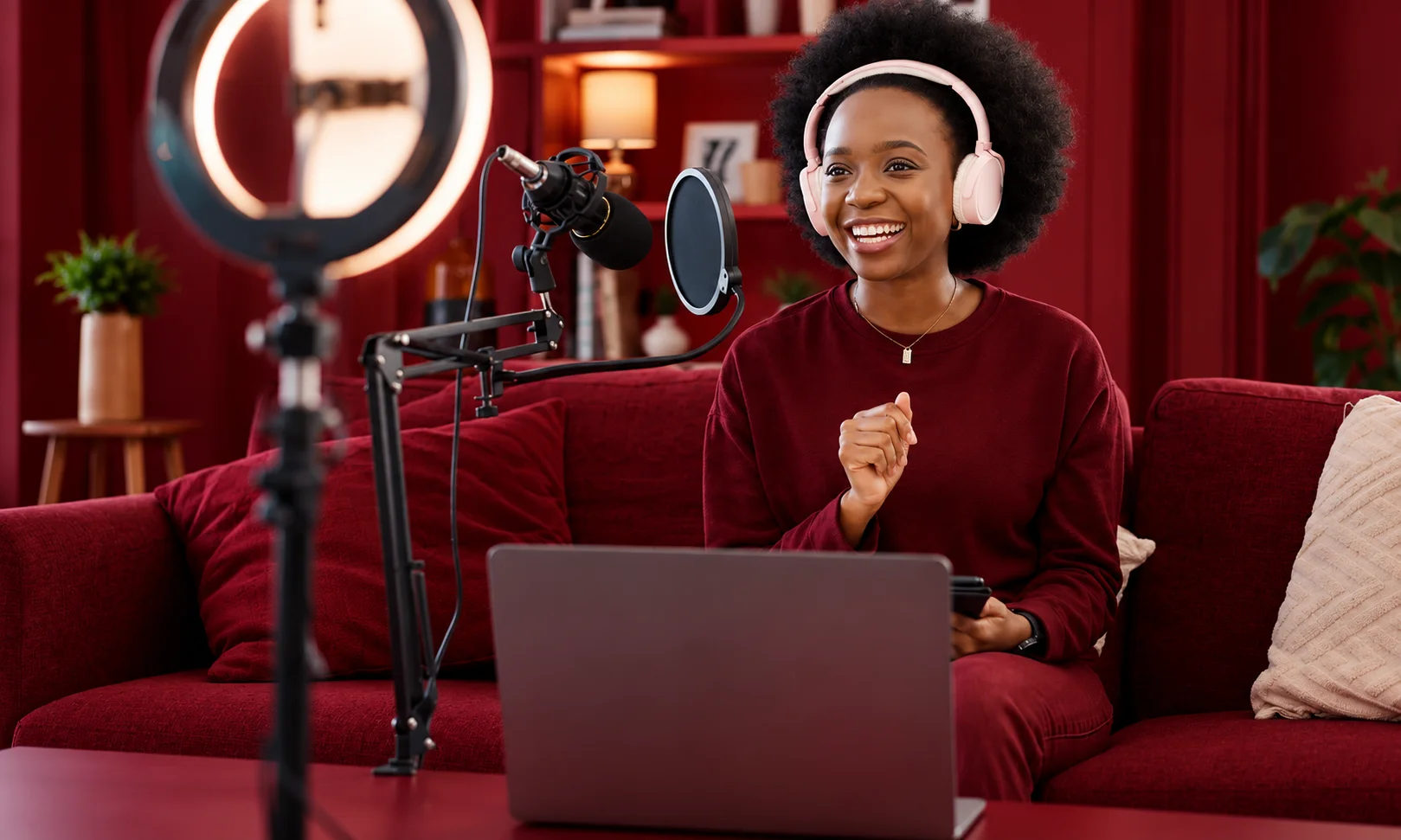
The creator should control the creative choices that determine whether their audience actually wants to watch the content.
Voice and execution
That includes the hook, structure, tone, pacing, delivery and editing style. It also includes the judgment call about how to make the brand fit naturally into the creator’s usual content.
Why creative freedom matters
Research supports giving creators meaningful creative freedom rather than assuming that tighter brand control will produce better results. A 2025 academic study found that high brand control over influencer posts can reduce consumer engagement by reducing influencers’ psychological ownership and making content feel less customized.
More recent research also points to a tension between brand scripting and the creator’s own storytelling style. Creator and influencer research has found that audiences can respond negatively when branded content feels disconnected from the creator’s normal voice.
The boundary
That does not mean creators should ignore the brief. It means influencer creative control works best when the creator owns the way the approved message reaches the audience.
The layer where the fights actually happen
The hardest part sits between the message and the execution. A brand may approve the idea but then start rewriting the hook. It may approve the claim but demand a specific sentence. It may approve the concept and then ask the creator to change the first three seconds because the product does not appear quickly enough.
That is where brand-creator negotiation needs a clear rule. Approve the message, not the sentence. For example, the brand can require the creator to communicate that a product offers a particular benefit. The creator can then choose whether to communicate that benefit through a question, demonstration, personal story or another approach.
The same rule applies to feedback. A brand should be able to say, “This claim is not approved” or “The disclosure needs to appear clearly.” It should be much more careful about saying, “Use these exact words and deliver them in this exact tone.” The difference looks small on paper, but it creates a very different working relationship.
How to write the split into the contract
Creative control becomes much easier when the contract answers the decision questions before production starts. The wording should reflect the actual deal and a qualified professional should review the contract before signing. Write down these points:
- Who approves what? State which decisions belong to the brand and which remain with the creator.
- How many revision rounds are included? Set a clear number rather than allowing unlimited changes.
- What is the turnaround time? Give both sides a defined period for feedback and responses.
- What counts as a material change? A factual correction is different from asking for an entirely new concept.
- Who controls usage rights? State where the brand can use the content, for how long and on which channels.
- What happens if the brand rewrites the script? Decide whether a major rewrite counts as a new creative direction and whether it triggers additional work or payment.
- What happens when compensation includes an affiliate commission? Make sure the contract explains how the commission works and whether the creator has any additional content obligations tied to performance.
The goal is not to create a complicated contract. It is to prevent both sides from assuming they own the same decision.
What changes when the content becomes paid media

The balance changes when a brand moves from simply publishing creator content to using that content as paid advertising.
Paid use changes the rights:
With whitelisting or similar creator amplification arrangements, the brand may receive permission to promote content through the creator’s account or identity. That makes usage rights much more important because the content now has a paid media role.
The brand needs clear creator licensing terms before the first paid campaign starts. Those terms should cover the platforms, campaign duration, territory, editing rights and whether the brand can make changes to the original asset.
Paying for media does not mean owning the creative:
Creative control also needs clarification. Paying to amplify a creator’s post does not automatically mean the brand can rewrite the content. The contract should state what edits the brand can make and what requires creator approval. This keeps the paid media rights clear without giving either side control they never agreed to.
Affiliate deals can change the incentive:
If the deal includes an affiliate commission, the creator may have a direct reason to care about conversion while the brand still controls claims and compliance requirements.
That creates a different working relationship. The creator can focus on making the content persuasive for their audience while the brand keeps control over the commercial and legal boundaries. For more on creator economics and budgets, see the related creator marketing budgets piece.
Three situations and who should hold the pen
A regulated category
The brand should hold more control over the message and claims. If the campaign involves regulated claims or strict disclosure requirements, the brand needs a clear compliance boundary. The creator can still control the presentation but should not change approved claims or introduce new ones without approval.
A new product launch
The brand should own the core message while the creator owns the presentation. A new launch needs consistency because the audience may have no existing understanding of the product. That does not require a word-for-word script. Give the creator the facts and required message, then let them decide how to explain them.
Always-on roster content
The creator should get more creative room. When a creator already understands the brand and has an established audience relationship, constant script approval can create unnecessary friction. A clear set of boundaries can replace repeated control over every post.
The creator still needs to follow agreed claims, disclosures and brand safety rules. The difference is that the creator earns more freedom over the actual content.
The answer, stated plainly:
The brand should own the objective and the claims. The creator should own the format and execution. That is the cleanest answer to the creative brief question because each side controls the decisions it understands best.
The brand knows its commercial goals, product facts and risk boundaries. The creator knows its audience, voice and content style. The balance should change when the risk changes. A regulated campaign needs tighter brand control over claims.
A trusted creator working on regular content can usually receive more freedom in execution. The one thing every brand should add to its next creator contract is a clear statement of who gets the final say on each layer of the brief. That single clause can prevent an entire campaign from turning into a revision battle.
Frequently Asked Questions
Who owns the creative brief in a creator partnership?
Neither side should own every part of it. The brand should own the commercial objective and approved claims, while the creator should own the format and execution. The contract should make those decision rights clear before production begins so both sides know where their control starts and ends.
Can a brand rewrite a creator’s script?
A brand can request changes that protect approved claims, compliance and brand requirements. However, rewriting the creator’s entire script can undermine the creator’s role in the partnership. A better approach is to approve the message and required facts while allowing the creator to choose the wording and delivery.
Who owns the content after the campaign ends?
The answer depends on the agreement. A creator may retain ownership while giving the brand defined usage rights or the contract may transfer specific rights to the brand. The agreement should state ownership, licensing period, platforms, territory and any paid media rights before content goes live.
How many revision rounds are normal in a creator deal?
There is no single number that works for every campaign. The important point is to define the included revision rounds before production starts. The contract should also distinguish between a normal correction and a major creative change because those requests require different amounts of creator work.
Does whitelisting change who controls the creative?
Whitelisting can expand the brand’s ability to use or promote creator content, but it does not automatically give the brand unlimited creative control. The agreement should define what the brand can edit, where it can run the content, how long the permission lasts and whether the creator must approve changes.
What should always be non-negotiable for a brand?
Brands should keep control over factual claims, required disclosures, legal requirements, core commercial objectives and genuine brand safety boundaries. These areas can carry financial, regulatory or reputational risk. The creator can then control the creative choices that sit inside those boundaries.
When should a brand give a creator more creative control?
A brand can give a creator more freedom when the creator understands the audience, has a strong track record with the brand and works in a lower-risk category. More freedom makes particular sense for ongoing partnerships where the creator already understands the brand’s objectives and boundaries.