
A few years ago, many marketing teams judged creator campaigns by one simple question: “How many followers does this creator have?” The campaign launched, the posts went live, and everyone celebrated the likes. A month later, sales barely moved, pipeline reports were empty, and no one could explain whether the investment had actually worked.
If you’ve experienced that frustration, you’re not alone.
That’s exactly why Creator Marketing Trends 2026 look very different from what worked even two or three years ago. Brands are no longer chasing the biggest names simply for visibility. Instead, they’re investing in trusted experts, measuring real business results, and building long-term partnerships that generate revenue, not just impressions.
The biggest shift isn’t that creator marketing is growing. It’s that it has finally become accountable.
Whether you’re leading marketing for a SaaS company, managing a B2B brand, or planning your first creator campaign, the rules have changed. AI is helping marketers discover better creators, micro and nano creators are attracting larger portions of marketing budgets, and platforms are making it easier to connect creator content directly to business outcomes.
This article explains the most important creator marketing trends shaping 2026, why they’re happening, what they mean for your business, and how you can build a strategy that keeps pace with where the industry is heading.
It focuses on practical insights supported by the research you provided, avoiding speculation except where future forecasts are clearly identified.
AI Overview
Creator marketing in 2026 has become a performance channel, not just a branding tactic. Brands now focus on trusted creators, measurable ROI, and long-term partnerships instead of follower counts.
AI is making creator discovery and campaign management faster, while micro and nano creators are delivering stronger engagement and better value. Success now depends on choosing the right creators, tracking business outcomes, and creating authentic content.
Key Takeaways
- Creator marketing is now focused on revenue, not reach.
- Micro and nano creators receive a growing share of marketing budgets.
- AI helps brands discover and manage creators more efficiently.
- Long-term partnerships outperform one-off campaigns.
- ROI and attribution remain the biggest challenge.
- Authentic content builds more trust than highly polished promotions.
What are the biggest Creator Marketing Trends 2026?
The biggest creator marketing trends in 2026 include long-term creator partnerships, AI-assisted workflows, micro and nano creators, performance-based campaigns, creator commerce, and better ROI measurement. Brands are shifting their budgets toward trusted experts who can deliver measurable business results.
What Is Creator Marketing?
Creator marketing is when a brand works with independent creators to produce authentic content that educates, builds trust, or drives sales.
In B2B, these creators are often LinkedIn experts, YouTube reviewers, podcast hosts, newsletter writers, or community leaders, not traditional celebrities. Their expertise matters more than their follower count.
Creator Marketing vs. Influencer Marketing
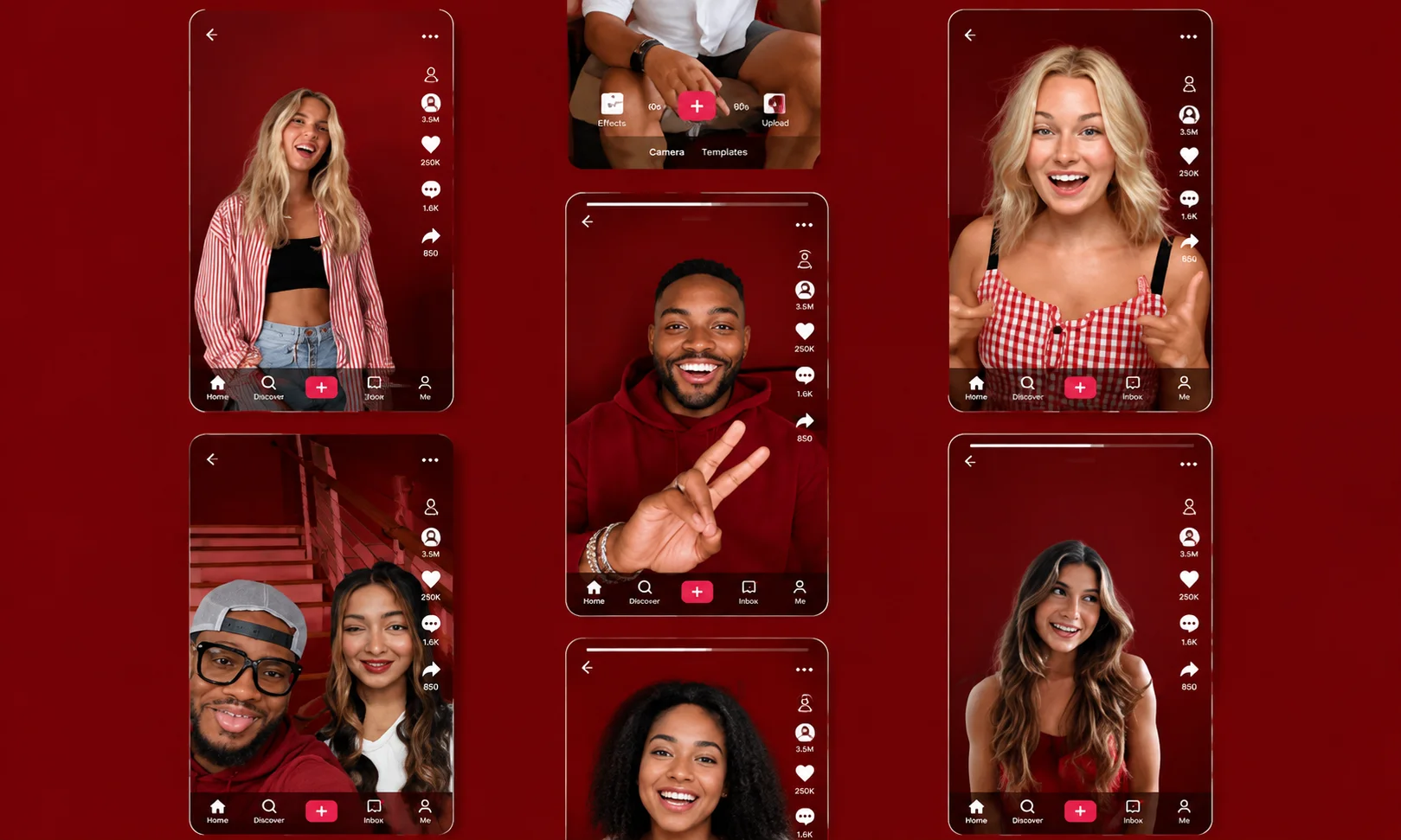
The two terms are often used interchangeably, but creator marketing puts greater emphasis on expertise and genuine audience trust.
A niche creator with 15,000 engaged followers can often generate better business results than a celebrity with millions of followers.
Why Creator Marketing Is Changing in 2026
The industry has matured.
Brands now expect creator campaigns to generate pipeline, customers, and measurable ROI, not just views or likes.
Recent industry data shows average creator marketing budgets grew 171% year over year, while 71% of organizations increased their investment. Much of that spending is moving away from traditional advertising into creator-led campaigns.
At the same time, buyers trust people more than logos. That shift is pushing brands toward experts who educate instead of simply promote products.
1. Long-Term Creator Partnerships Replace One-Off Campaigns
Many brands are moving away from single sponsored posts.
Instead, they build partnerships that last three to six months. This helps creators understand the product better and produce more authentic content over time.
Long-term partnerships also make campaign performance easier to measure and improve. Industry forecasts suggest these always-on programs will continue growing through 2026.
2. Micro and Nano Creators Continue to Win
Bigger audiences no longer guarantee better results.
Micro creators (10K–100K followers) and nano creators (1K–10K followers) often have stronger engagement and closer relationships with their communities.
Research projects that 45.5% of creator marketing spend will go to these smaller creators in 2026, making them one of the biggest industry shifts.
3. AI Becomes a Creator Assistant
AI isn’t replacing creators.
Instead, it’s helping brands discover the right creators, manage campaigns, and analyze performance faster.
Platforms are already introducing AI-powered creator matching and campaign tools, allowing marketers to spend less time on manual work and more time building quality partnerships.
4. Performance Matters More Than Popularity
Follower count is becoming a weaker success metric.
Today’s brands measure demo requests, qualified leads, pipeline influence, and cost per lead instead of likes alone.
ROI measurement is still challenging, but it’s now at the center of every successful creator campaign.
5. Creator Commerce Keeps Growing
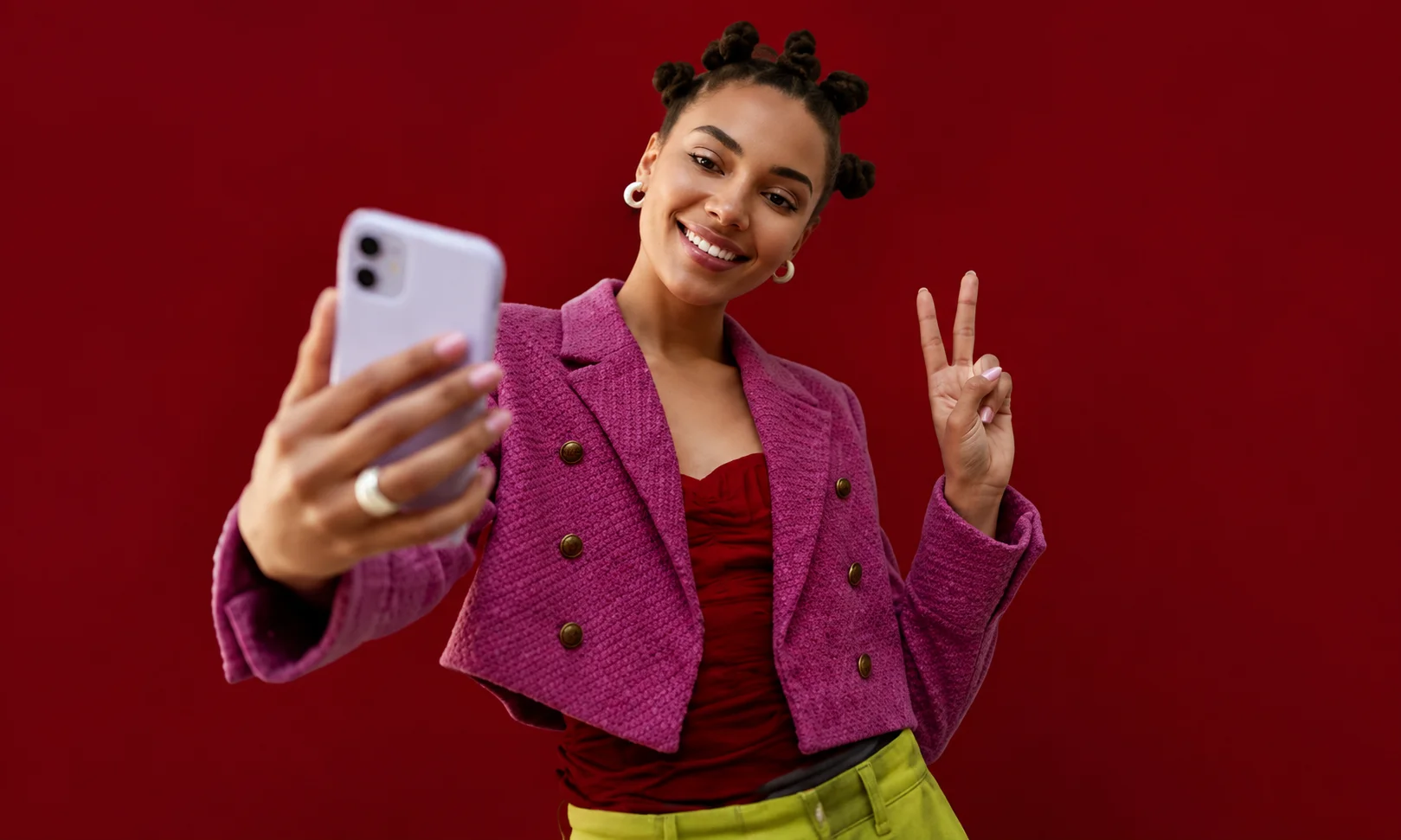
Creator content is no longer just for awareness.
More platforms now connect creator recommendations directly to purchases, making it easier for people to move from watching content to taking action.
New commerce features continue to strengthen this trend across the creator economy.
6. Trust Is the Biggest Competitive Advantage
The most successful creators aren’t always the biggest.
They’re the ones who consistently educate, solve problems, and build genuine relationships with their audience.
Research shows 87% of B2B buyers look to thought leaders during purchase decisions, while 82% say creator content directly influences them. Those numbers explain why authenticity has become one of the most valuable assets in creator marketing.
7. Better ROI Measurement Becomes Essential
Brands no longer accept “good engagement” as proof of success.
Instead, they track leads, pipeline, cost per lead, and revenue influenced by creator campaigns. ROI is still the biggest challenge, but it’s also the biggest priority.
8. Multi-Platform Creator Strategies Replace One-Channel Campaigns
Successful creators rarely rely on one platform.
Brands now combine LinkedIn for thought leadership, YouTube for in-depth content, podcasts and newsletters for authority, and TikTok or Instagram for broader awareness. This approach reaches buyers at different stages of their journey.
9. Employee and B2B Creators Gain More Influence
Not every successful creator is an influencer.
Employees, founders, engineers, consultants, and industry experts are becoming trusted voices because they share real experience instead of polished promotions.
For B2B brands, expertise often creates more influence than popularity.
10. Creator Content Fuels Paid Advertising
One creator post can now power an entire campaign.
Brands increasingly license creator content for paid ads, email campaigns, landing pages, and social media, giving high-performing content a much longer lifespan.
Usage rights have become a standard part of creator agreements.
11. Transparency Builds Stronger Trust
Audiences expect honesty.
Brands are paying closer attention to AI disclosure, sponsored content, and brand safety. Clear communication helps creators keep audience trust while protecting brand reputation.
As AI becomes more common, transparency is becoming a competitive advantage.
12. Community-Led Creators Deliver Better Long-Term Results
The most valuable creators don’t just publish content, they build communities.
Creators who run newsletters, podcasts, Discord groups, Slack communities, or other niche spaces often develop stronger relationships with their audience than creators focused only on social media.
Industry forecasts suggest these community-first creators will become even more valuable over the next few years, especially in B2B marketing.
Which Platforms Matter Most for Creator Marketing?
Different platforms serve different goals. Instead of being everywhere, focus on where your audience spends time.
| Platform | Best For | Why It Matters |
| B2B thought leadership | Reaches decision-makers and professionals. | |
| YouTube | Product reviews and tutorials | Builds trust through detailed content. |
| TikTok | Brand awareness | Short videos help reach new audiences quickly. |
| Visual storytelling | Great for product launches and lifestyle brands. | |
| Podcasts & Newsletters | Niche authority | Reach highly engaged communities. |
How to Prepare Your Brand for 2026
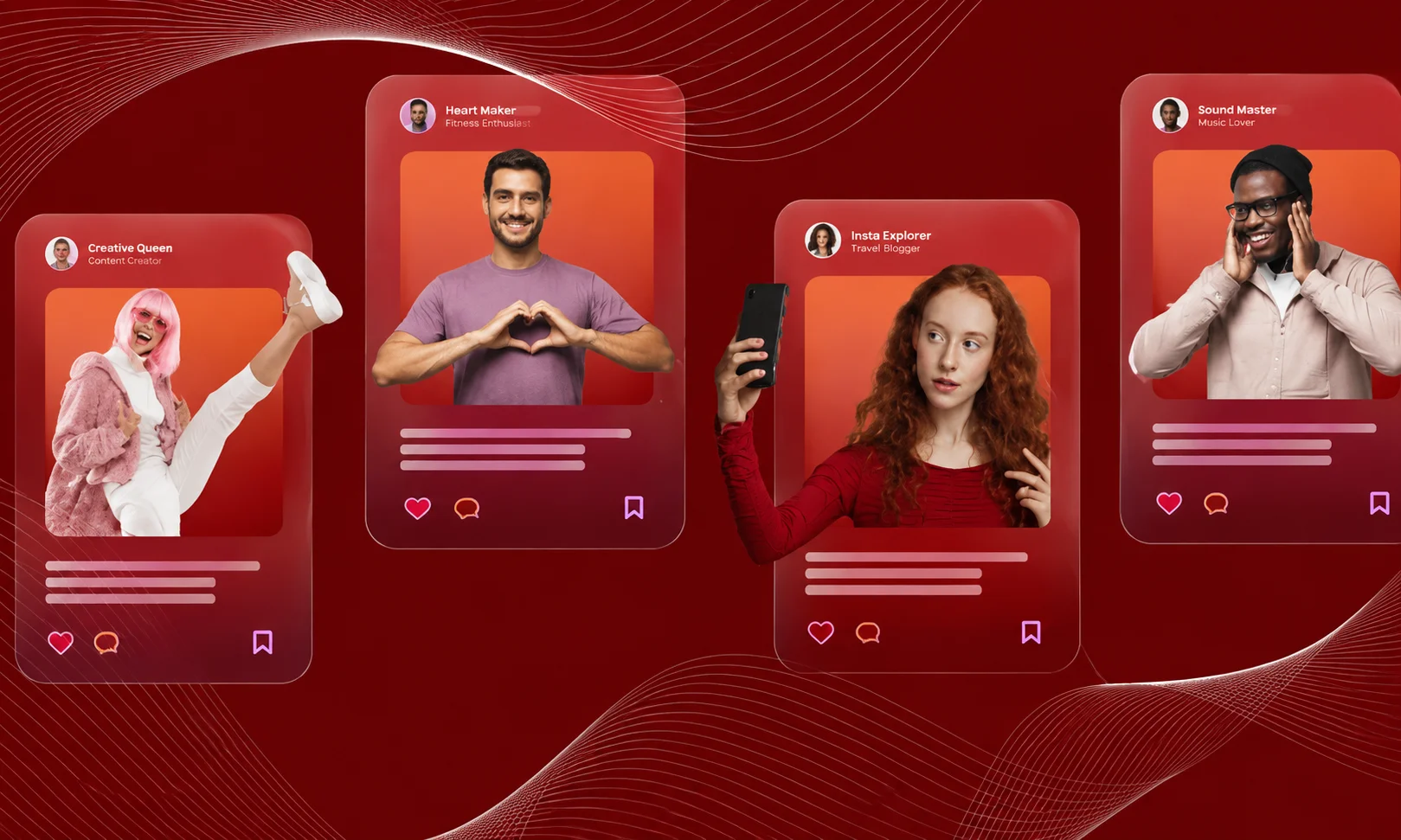
You don’t need a huge budget to succeed. You need a smarter strategy.
1. Set One Clear Goal
Decide what success looks like before choosing creators.
Examples include leads, demo bookings, sales, or brand awareness.
2. Choose Experts, Not Just Popular Creators
Look for creators whose audience matches your ideal customer.
Experience and trust often matter more than follower count.
3. Give Creators Creative Freedom
People follow creators because of their unique voice.
Allow them to explain your product naturally instead of using a scripted promotion.
4. Measure Business Results
Track meaningful metrics like qualified leads, conversions, and pipeline.
Avoid judging success by impressions alone.
Common Mistakes to Avoid
Many campaigns fail because of simple mistakes.
- Choosing creators based only on follower count.
- Running one sponsored post and expecting long-term results.
- Ignoring ROI and campaign measurement.
- Using AI to replace authentic creator voices.
- Working with creators who don’t match your audience.
Practical Action Plan
Getting started doesn’t have to be complicated.
- Define one clear business goal.
- Find creators who already speak to your audience.
- Start with a small campaign.
- Measure results using real business metrics.
- Scale partnerships that consistently perform.
Conclusion
Think back to the opening example, the campaign that looked successful because it generated plenty of likes but failed to deliver real business results. That story reflects how many brands approached creator marketing in the past.
The biggest lesson from Creator Marketing Trends 2026 is simple: success no longer comes from working with the biggest creators. It comes from partnering with trusted experts, measuring meaningful outcomes, and building relationships that last beyond a single campaign.
Whether you’re a startup testing creator marketing for the first time or an established brand refining your strategy, the fundamentals are clear. Focus on authenticity, choose creators who genuinely understand your audience, and measure the business impact of every campaign.
The creator economy will continue to evolve, but one thing is unlikely to change: people trust people far more than traditional advertising. Brands that understand this shift today will be in a much stronger position tomorrow.
Frequently Asked Questions
How is AI changing creator marketing?
AI helps brands discover creators, analyze campaigns, and automate repetitive tasks. It improves efficiency while allowing creators to focus on producing authentic content.
Which platform is best for creator marketing?
There isn’t a single best platform. LinkedIn is ideal for B2B marketing, YouTube works well for product education, TikTok and Instagram are strong for awareness, while podcasts and newsletters help build authority with niche audiences.
Is creator marketing worth it for SaaS in 2026?
Yes. Creator marketing has become a measurable growth channel rather than just a branding tactic. Marketing budgets are growing rapidly, but the best results come from tracking pipeline, leads, and revenue instead of impressions alone.
Which platforms matter most for B2B creator marketing?
LinkedIn is the leading platform for B2B thought leadership, while YouTube works well for product reviews and tutorials. Podcasts and newsletters help build trust with niche audiences, whereas TikTok and Instagram are better suited for top-of-funnel awareness.
How do you measure ROI for B2B creator campaigns?
Measure results using business metrics such as demo requests, SQLs, qualified leads, account engagement, and cost per lead. Use UTMs and CRM attribution to connect creator content with pipeline, and avoid relying only on vanity metrics like views or likes.
How much should a B2B brand budget for creator marketing?
There’s no fixed budget for every business. Many brands start with a small pilot campaign to identify what works, then increase investment into creators and campaigns that consistently deliver results.
What’s a typical creator fee in B2B?
Pricing depends on the creator’s expertise, audience, content format, and usage rights. Technical experts or industry specialists often charge more than general creators because of their credibility and influence within a specific niche.
What are LinkedIn Thought Leader Ads?
LinkedIn Thought Leader Ads allow brands to sponsor posts published by creators or employees instead of promoting content only from a company page. This helps brands reach professional audiences through trusted voices while expanding the visibility of high-performing creator content.