
Quick Answer
The U.S. legal market is changing, and competition between cities is getting stronger. New York and Washington, D.C. are still at the top, but places like Dallas, Houston, Chicago, California, Boston, and Miami are making their own mark. Today, law firms are not just competing for clients. They are also looking for good lawyers, better technology, strong relationships, and ways to give clients more value.
Key Takeaways
- New York City is still one of the biggest legal markets in America.
- Washington, D.C. is a major center for government and regulatory work.
- California is especially strong in technology, IP, entertainment, and venture capital.
- Chicago remains an important legal center in the Midwest.
- Dallas and Houston continue to attract law firms and legal talent.
- Boston is known for life sciences, healthcare, and technology.
- Miami is growing in areas such as real estate, private wealth, and international business.
- Law firms now compete on talent, pricing, technology, AI, and client service.
- The best city for a lawyer depends on their practice area and career plans.
When an attorney calls a legal market ‘competitive,’ they mean law firms are aggressively vying for everything that matters high-profile cases, major corporate accounts, and star legal talent.
New York City is still the clearest leader when recent lateral-partner hiring is used as a measure. Washington, D.C., follows closely, while Chicago, California’s major legal centers, Dallas, and Houston remain important national markets.
However, there is no official U.S. government ranking called “America’s Most Competitive Legal Markets.” The phrase is mainly used to describe the business and talent competition inside the legal industry.
In 2026, that competition is changing quickly. Law firms are not only competing on reputation and legal expertise. They are also competing on pricing, technology, artificial intelligence, talent, client service, and the ability to provide value.
What Are America’s Most Competitive Legal Markets?
A competitive legal market is a city or region where several law firms compete strongly for sophisticated legal work and experienced lawyers.
This competition can happen in different ways. Firms may compete for:
- Corporate mergers and acquisitions
- Private equity transactions
- Banking and finance work
- Complex litigation
- Antitrust matters
- Government investigations
- Intellectual property cases
- Real estate transactions
- Energy and infrastructure work
- Technology and life sciences matters
- Experienced partners and associates
The market is also shaped by clients. Large companies, financial institutions, investors, and other organizations compare firms based on expertise, price, experience, technology, and service.
So, being a competitive legal market does not simply mean having many lawyers. It means having strong competition for valuable legal work and legal talent.
Is There an Official Ranking?
No.
There is no single federal ranking that officially names the most competitive legal markets in the United States. Different organizations measure different parts of the legal industry.
For example, lateral hiring can show where firms are aggressively recruiting lawyers. Law-firm revenue and profitability can show financial strength. Billing rates can show pricing power, while office openings can indicate geographic expansion.
That is why the answer can change depending on the measurement.
For this article, recent Am Law 200 lateral-partner hiring data provides one useful way to compare major markets. Pirical’s Q2 2026 data counted 152 lateral-partner hires in New York City, 88 in Washington, D.C., 47 in Chicago, 37 in Dallas, and 34 in Houston.
These numbers do not mean those cities are automatically the “best” places to practice law. They show where significant movement of senior legal talent is happening.
How America’s Legal Markets Developed
The U.S. legal industry was not always as geographically diverse as it is today.
New York became a major legal center because of its financial markets, banks, corporations, securities activity, and large commercial transactions. Washington, D.C., developed around the federal government, regulators, agencies, investigations, and appellate work.
Later, California became increasingly important as technology, venture capital, entertainment, life sciences, and intellectual property expanded.
Chicago developed into a major Midwest center for corporate law, finance, litigation, restructuring, and private equity.
More recently, Texas and South Florida have gained attention as businesses, investment, energy companies, and financial activity have expanded in those regions.
The result is a legal market with several powerful hubs rather than one city controlling every type of high-value legal work.
The Most Competitive Legal Markets in 2026
The following markets stand out based on recent hiring activity, industry concentration, and the type of sophisticated legal work they attract.
| Market | Main strengths | Recent evidence |
| New York City | Finance, M&A, private equity, securities, litigation | 152 Q2 2026 lateral-partner hires |
| Washington, D.C. | Regulation, investigations, antitrust, government, appellate work | 88 Q2 2026 lateral-partner hires |
| California | Technology, IP, venture capital, entertainment, life sciences | 17% of cited U.S. Am Law 200 partner joins |
| Chicago | Corporate, finance, litigation, restructuring, private equity | 47 Q2 2026 lateral-partner hires |
| Dallas | Corporate, private equity, energy, infrastructure | 37 Q2 2026 lateral-partner hires |
| Houston | Energy, infrastructure, litigation, corporate work | 34 Q2 2026 lateral-partner hires |
| Boston | Life sciences, technology, healthcare, IP | Strong associate lateral growth reported by Mosaic |
| Miami | Cross-border business, real estate, private wealth | Major regional growth market |
| Atlanta | Corporate, logistics, employment, litigation | Significant regional market, though recent data is mixed |
| Denver | Energy, technology, corporate work, regional business | Seven new offices through reported 2025 combinations |
The figures come from different datasets and time periods, so they should not be treated as a single standardized ranking.
1. New York City

New York City remains the strongest answer if competitive legal markets are measured by senior-lawyer movement and concentration of high-value legal work.
Pirical counted 152 Am Law 200 lateral-partner hires in New York during Q2 2026, the highest number among the cities in its analysis.
The city’s strength comes from its enormous financial and corporate ecosystem. Wall Street banks, private equity firms, investment companies, public corporations, and major businesses create constant demand for sophisticated legal services.
New York is particularly strong in:
- Mergers and acquisitions
- Private equity
- Capital markets
- Securities
- Banking and finance
- Restructuring
- Commercial litigation
- White-collar defense
The city also has intense competition among major firms for partners who have specialized knowledge and strong client relationships.
Recent market activity supports that picture. U.S. law-firm office leasing also increased sharply during the first half of 2026, with New York among the major markets showing strong activity.
2. Washington, D.C.

Washington, D.C., is another exceptionally competitive legal market, but its strengths are different from New York’s.
The city’s legal industry is closely connected to the federal government and national regulatory system.
Major practice areas include:
- Federal regulation
- Antitrust
- Government investigations
- White-collar defense
- Administrative law
- Appellate litigation
- Trade
- Public policy
Pirical recorded 88 Am Law 200 lateral-partner hires in Washington, D.C., during Q2 2026, putting it second among the cities in its analysis.
The city is particularly attractive to lawyers with government experience because former prosecutors, regulators, and senior government officials can bring valuable knowledge of agencies and enforcement processes.
3. California: Los Angeles and San Francisco

California is best understood as several legal markets rather than one.
San Francisco and Silicon Valley are closely associated with technology, venture capital, intellectual property, artificial intelligence, startups, and life sciences.
Los Angeles has a different mix, with entertainment, real estate, litigation, corporate transactions, and technology playing important roles.
California accounted for 17% of U.S. Am Law 200 partner joins in the Law.com Compass data cited in the supplied research, making it one of the largest state-level legal markets.
The important point is that California’s strength does not depend on a single industry. Its legal ecosystem is supported by technology companies, investors, entertainment businesses, healthcare and life sciences companies, and large corporations.
4. Chicago

Chicago remains the major legal center of the Midwest.
Pirical recorded 47 lateral-partner hires in Q2 2026, placing Chicago behind New York, Washington, D.C., and ahead of Dallas and Houston in that dataset.
Chicago’s legal market is particularly strong in:
- Corporate law
- Private equity
- Financial services
- Litigation
- Bankruptcy
- Restructuring
- Commercial disputes
The city also benefits from its position as a major business center connecting companies across the Midwest and the rest of the country.
5. Dallas and Houston
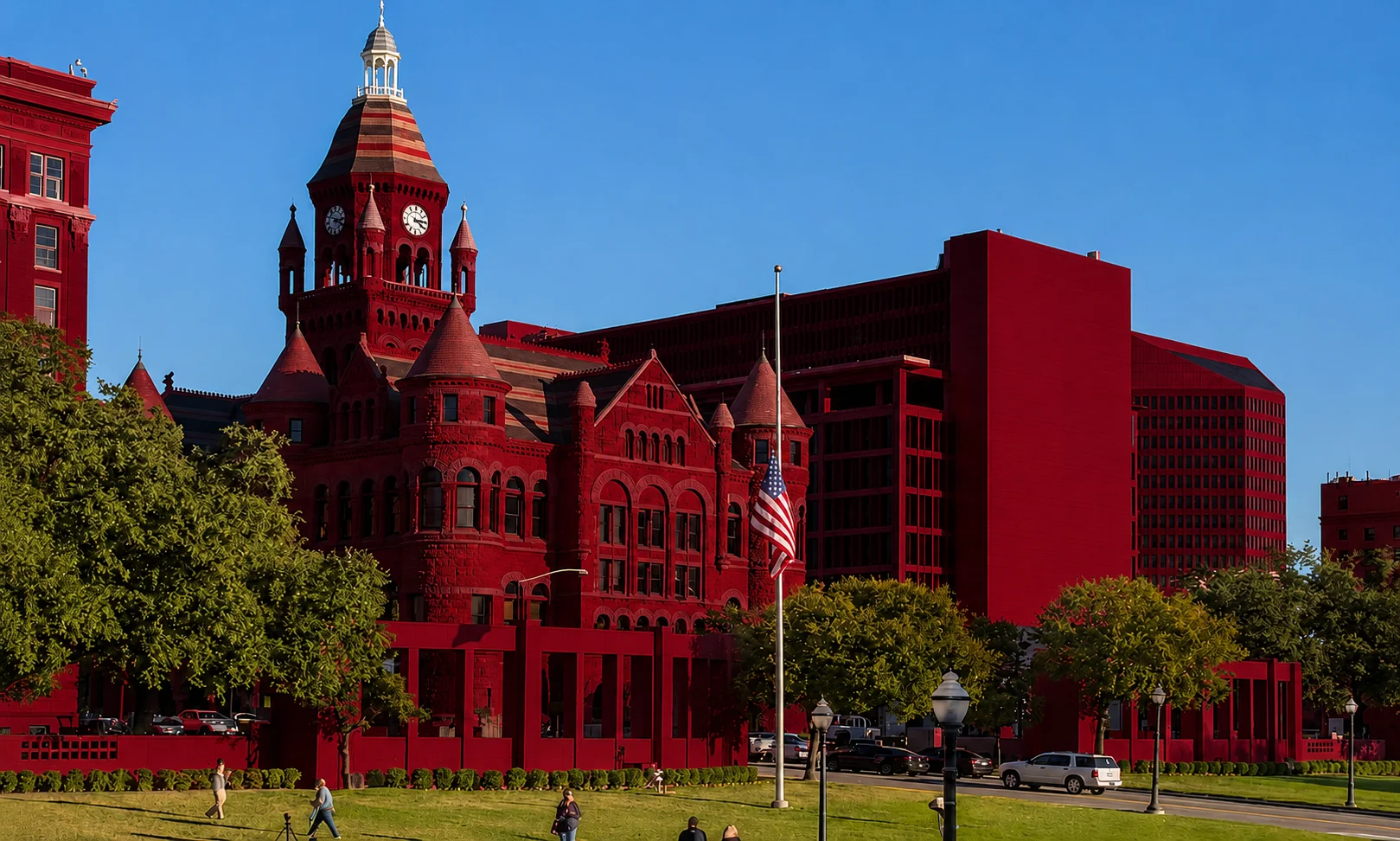
Texas has become one of the most important growth areas in the U.S. legal industry.
Dallas recorded 37 Q2 2026 lateral-partner hires, while Houston recorded 34, according to Pirical.
Dallas has developed a strong reputation in corporate transactions, private equity, finance, real estate, and disputes.
Houston has a particularly strong connection to energy, infrastructure, and large commercial matters.
The growth of Texas does not necessarily mean it is replacing New York or Washington. Instead, it shows that major law firms are building strong regional platforms in markets where clients and business activity are expanding.
6. Boston

Boston has a highly specialized legal market.
Its biggest advantages come from the concentration of:
- Biotechnology companies
- Pharmaceutical companies
- Healthcare organizations
- Technology businesses
- Universities
- Venture capital
- Intellectual property work
Mosaic reported strong year-over-year associate lateral growth in Boston during its Q2 2026 analysis.
That does not make Boston larger than New York or D.C. overall. Instead, it shows why market competitiveness should also be viewed through practice areas.
A lawyer working in biotechnology or patent litigation may find Boston more attractive than a much larger general legal market.
7. Miami and South Florida

Miami has become an increasingly important legal market for cross-border business, private wealth, real estate, finance, and Latin American transactions.
National firms have also paid more attention to South Florida as businesses and wealthy individuals have expanded their presence in the region.
Miami is therefore an example of a market where geographic growth and specialization can create strong competition even without matching New York’s overall size.
8. Atlanta

Atlanta is one of the most important legal markets in the Southeast.
Its economy supports corporate law, logistics, transportation, employment law, litigation, financial services, and technology-related work.
However, recent data is less consistent than the data for New York, D.C., Chicago, Dallas, and Houston.
That is an important distinction. A city can remain a major legal center even when one particular dataset shows slower hiring in a specific lawyer category.
9. Denver

Denver is another market worth watching.
Its legal economy is connected to energy, technology, real estate, outdoor industries, and regional corporate activity.
Reported SurePoint data cited by LawNext showed Denver gained seven offices through law-firm combinations in 2025, more than any other city in that dataset.
Office expansion does not automatically prove that Denver is one of America’s largest legal markets. It does, however, show how firms are using combinations and geographic expansion to strengthen their presence outside the traditional coastal hubs.
Why Are These Legal Markets So Competitive?
Several things bring firms into the same cities and make competition stronger.
High-value clients
Large cities attract corporations, financial institutions, investors, technology companies, and other organizations with complicated legal needs.
Major transactions and disputes can generate substantial legal fees. As a result, firms have a strong reason to compete for these clients.
Concentration of legal talent
Good lawyers tend to attract more lawyers.
A firm with a strong team can attract important clients, and those clients can make it easier to recruit additional talent. Over time, this can create a cycle that strengthens an already competitive market.
Lateral hiring
Law firms can grow faster by hiring lawyers from other firms.
Instead of spending years building a practice from scratch, a firm can bring in an experienced partner or team with specialist knowledge and existing relationships.
NALP reported that overall lateral hiring increased 16.4% in 2025.
That rise shows how active the market for moving lawyers has become.
Industry specialization
Local industries also matter.
Houston has energy. Boston has life sciences. Silicon Valley has technology. Washington has federal regulation. New York has finance and corporate work.
When a city has a strong industry base, law firms have a reason to build practices around it.
Client pressure
Firms are not only competing with one another. They are also answering to clients that want to know what they are getting for their money.
The 2026 Thomson Reuters and Georgetown Law report found that average law-firm profit grew 13% in 2025, while worked rates increased 7.3%.
At the same time, clients moved some work toward less expensive providers.
That puts firms in an interesting position. They may be able to charge higher rates for valuable expertise, but clients are also becoming more careful about paying premium prices.
What Are Law Firms Competing On?
Having a famous name is helpful, but it is not enough by itself.
Expertise
Clients usually want lawyers who understand the specific problem they are facing.
For example, a company dealing with an antitrust investigation may care more about a firm’s regulatory experience than its overall size.
Reputation
Reputation still matters.
A firm known for handling difficult cases or major transactions may have an easier time winning similar work and attracting experienced lawyers.
Price
Price is becoming harder to ignore.
Legal rates have increased, but clients are not required to send every matter to the most expensive firm. If another provider can deliver similar quality at a lower cost, clients may move some work.
Technology and AI
Technology is becoming part of the competition too.
Law firms are using AI and other tools for legal research, drafting, document review, knowledge management, and routine work.
But buying an AI tool does not automatically make a firm better. Lawyers still need to check the results, protect confidential information, and make sure the technology is being used responsibly.
Talent
Experienced lawyers remain central to a firm’s success.
The recent lateral market shows how much firms are willing to invest in finding the right partners and associates. At the same time, bringing someone into a new firm does not guarantee that the move will work out.
The Biggest Practice Areas
The strongest practice area depends on the city, but several fields consistently attract a lot of attention.
Litigation
Litigation is a major part of the U.S. legal market.
Commercial disputes, regulatory cases, investigations, and class actions can involve large teams and require lawyers with years of experience.
Pirical’s Q2 2026 data recorded 286 Am Law 200 partner hires in litigation, making it the largest practice category in its analysis.
Corporate and M&A
Corporate work is particularly important in markets such as New York, Chicago, Dallas, and San Francisco.
Private equity also creates demand for lawyers who understand transactions, financing, securities, and corporate structures.
Pirical recorded 172 corporate lateral-partner hires in Q2 2026.
Banking and Finance
Financial centers naturally create demand for banking and finance lawyers.
New York has a particularly strong position because of its concentration of banks, investment firms, and capital-market activity.
Regulatory and Government Work
Washington, D.C., has a major advantage in this area.
Lawyers who have worked at federal agencies can bring practical knowledge of investigations, enforcement, and regulatory processes.
Intellectual Property
Technology and life sciences have made intellectual property an important practice area in California and Boston.
Patent disputes can be especially demanding because lawyers may need both legal knowledge and a strong understanding of highly technical subjects.
Benefits of a Competitive Legal Market
A strong legal market can be useful for both lawyers and clients.
For lawyers, it may mean more opportunities to:
- Find better career options
- Earn higher compensation
- Build a specialist practice
- Meet other professionals
- Move between firms
- Work with major clients
- Handle complex legal matters
Clients can benefit as well.
They may have more firms to choose from, access to specialist lawyers, greater negotiating power, different pricing options, and newer technology.
Still, competition does not automatically make everything better. A busy market can also put pressure on lawyers to work longer hours and put firms under constant pressure to win new clients and retain existing ones.
The Problems With Intense Competition
A competitive market has its downsides too.
Rising legal costs
Worked rates increased in 2025, according to Thomson Reuters and Georgetown Law.
When rates rise, sophisticated legal work can become more expensive for clients, especially when a matter requires a large team over a long period.
Talent turnover
Hiring a successful lawyer from another firm does not guarantee that the move will deliver the expected results.
Clients may not follow. The lawyer may not fit the firm’s culture. Compensation expectations may also create problems.
Pressure on lawyers
Competitive BigLaw markets can involve demanding workloads and high expectations.
Lawyers are often expected to handle complex matters while also building relationships and, at senior levels, developing new business.
AI risks
AI can make certain tasks faster, but it can also produce incorrect information.
That creates obvious risks in legal work. Lawyers need to verify what AI produces and protect client information when using these systems.
New York vs. Washington, D.C. vs. Texas
Each major market has its own strengths.
| Market | Best known for | Main advantage |
| New York | Finance, M&A, private equity, securities | Huge concentration of corporate and financial work |
| Washington, D.C. | Regulation, investigations, government | Close connection to federal agencies |
| California | Technology, IP, venture capital, entertainment | Strong technology and innovation base |
| Chicago | Corporate, litigation, finance | Major Midwest business center |
| Dallas | Corporate, finance, private equity | Strong business and legal-market growth |
| Houston | Energy, infrastructure, disputes | Deep experience in the energy sector |
| Boston | Life sciences, healthcare, IP | Strong biotech and research base |
| Miami | Cross-border business, wealth, real estate | International business and South Florida growth |
There is no single market that is best for every lawyer.
Someone working in energy may prefer Houston. A lawyer focused on federal regulation may have more reason to choose Washington, D.C. A technology or patent lawyer may look closely at California or Boston.
The right choice depends on the type of work, career goals, clients, compensation, and specialist knowledge.
What Does the Future Look Like?
The legal market is likely to remain competitive, but the reasons for that competition may change.
New York and D.C. should remain major hubs
New York and Washington, D.C., currently have a substantial lead in recent lateral-partner activity.
Their deep client bases and specialized legal ecosystems make it difficult for other cities to replace them quickly.
Texas should continue attracting attention
Dallas and Houston are already major markets, and their recent lateral activity suggests that national firms continue to see opportunities there.
Technology will matter more
AI is likely to change how firms handle research, drafting, document review, and knowledge work.
The most successful firms may not be the ones that simply use the most AI. They may be the ones that use it safely while showing clients measurable improvements in efficiency and service.
Clients will demand more value
This may be the biggest change.
For years, premium law firms were able to increase rates while maintaining strong demand. But clients are becoming more careful about where they send work.
Thomson Reuters and Georgetown Law described the 2025 market as highly profitable but also warned that the foundations of that growth may be unstable.
That means future competition could become less about who can charge the highest rate and more about who can justify that rate.
Frequently Asked Questions
What is the most competitive legal market in the U.S.?
New York City is the strongest answer when recent Am Law 200 lateral-partner hiring is used as the main measurement. Pirical recorded 152 lateral-partner hires there in Q2 2026, ahead of Washington, D.C., Chicago, Dallas, and Houston.
Is Washington, D.C. a competitive legal market?
Yes. Washington, D.C., is one of the country’s strongest legal markets, particularly for federal regulation, antitrust, investigations, government work, and appellate litigation. It recorded 88 Am Law 200 lateral-partner hires in Q2 2026 in Pirical’s data.
Which cities are best for BigLaw?
New York and Washington, D.C., are the clearest national hubs, while Chicago, Los Angeles, San Francisco, Dallas, Houston, Boston, and Miami are also important. The best city depends on the lawyer’s practice area and career goals.
Is Texas becoming a major legal market?
Yes. Dallas and Houston already have major legal ecosystems, and recent lateral-partner hiring shows continued activity. Texas is especially strong in corporate, energy, finance, infrastructure, and litigation.
Why do law firms compete for lateral partners?
Lateral partners can bring specialized expertise, leadership, business relationships, and established client connections. However, hiring a partner does not guarantee that the expected clients or revenue will follow.
Which legal practice areas are highly competitive?
Litigation, corporate law, M&A, private equity, banking and finance, regulatory work, intellectual property, and restructuring are among the important competitive areas. The strongest practice varies from city to city.
Are legal fees increasing?
Yes. Thomson Reuters and Georgetown Law reported 7.3% growth in worked rates during 2025. However, clients are also shifting some work toward lower-cost firms, which creates pressure on premium providers.
How is AI changing law-firm competition?
AI is becoming part of legal research, drafting, document review, and knowledge management. Firms are increasingly competing on how effectively and safely they use the technology, but human review and professional responsibility remain essential.
Do smaller law firms compete with BigLaw?
Yes. Smaller and midsize firms can compete through lower prices, specialized expertise, local knowledge, and closer client relationships. Recent Thomson Reuters research found that lower-cost firms captured part of the demand moving away from the most expensive providers.
Will New York remain the top legal market?
Probably, but that is a forecast rather than a fact. New York’s large financial and corporate ecosystem gives it a strong foundation, while other markets such as Texas, California, Boston, and Miami continue to grow in specialized areas.
Final Takeaway
America’s most competitive legal markets are no longer limited to a small group of traditional cities.
New York City remains the clearest national leader, particularly when recent lateral-partner hiring is used as a measurement. Washington, D.C., follows with its unmatched concentration of federal regulatory and government-related work. California, Chicago, Dallas, Houston, Boston, Miami, Atlanta, and Denver each have their own areas of strength.
The bigger story is that competition is becoming more complicated.
Law firms are competing for clients, lawyers, technology, pricing power, and specialized expertise at the same time. Clients, meanwhile, have more options and are paying closer attention to whether expensive legal services actually deliver enough value.
That is why the future of America’s legal markets will probably not be decided by size alone. The firms and cities that combine strong talent, specialized expertise, technology, client relationships, and reasonable value will be in the strongest position.
For now, however, the evidence is clear: New York and Washington, D.C., remain the two most intensely competitive national legal hubs, while Texas, California, Chicago, Boston, and South Florida continue to strengthen their positions in specific areas of the U.S. legal market.