Quick Summary
- 10 Year Program: The Think Tank Initiative worked for 10 years, from 2008 to 2019. It helped research groups do their work better.
- Global Support: The program was led by Canada’s International Development Research Centre (IDRC) and supported by other international donors. It helped research groups in many developing countries.
- Flexible Funding: TTI gave organizations money they could use in different ways. They could pay staff, buy equipment, improve their offices, and support their daily work.
- Better Organizations: The program helped groups improve their research, staff, technology, management, and communication.
- Results Take Time: Research does not change government decisions quickly. It can take years for research and ideas to make a difference.
What Was the Think Tank Initiative?
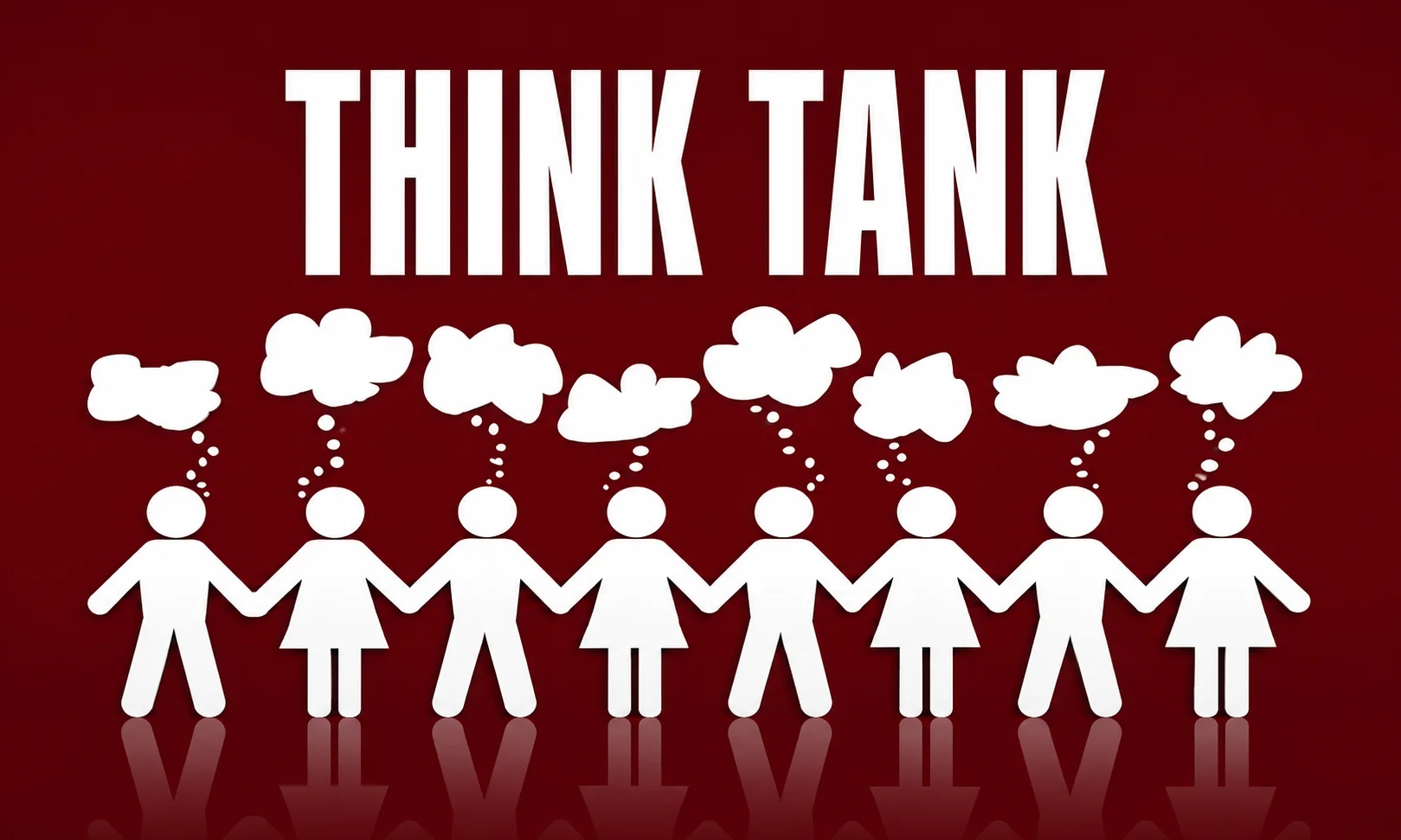
The TTI was an international program that helped independent research organizations in developing countries. It ran from 2008-2019 and supported groups in Africa, Asia, and America.
The program was different from normal short-term funding. Instead of giving money for only one project, TTI gave organizations more freedom to decide how to use the funds.
They could use the money to hire good staff, improve their offices, buy equipment, improve their research, and work more closely with government leaders.
| Stage | Years | Main Goal |
| Stage 1 | 2008–2014 | Improve research and build stronger teams |
| Stage 2 | 2014–2019 | Support long-term growth and better communication |
Do Think Tanks Really Have Influence?
When political changes happen people may ask if think tanks really make difference.
TT do not make government decisions themselves. However, they can provide research, and ideas that help governments and other leaders to make better decisions. Governments regularly make choices that go completely against expert advice.
However, that does not mean research groups are useless. It means we need to change how we measure their success.
A think tank does not have to write a new law to make a difference. It can bring light to forgotten public issues, explain hard topics to journalists, or give leaders clear facts when problems pop up. Even if you do not see instant changes on the news, reliable research slowly shapes how people view the world.
Real Impact Takes Time
Judging a research team only by whether a government passed their suggested law gives an incomplete picture. Passing a law involves politics, money, public mood, and media news cycles.
[ New Research ] ➔ [ News Stories & Debates ] ➔ [ Future Academic Work ] ➔ [ New Government Policies ]
Research usually moves in steady steps:
- Publishing the Facts: A team releases a detailed study on a local problem.
- Public Discussion: Journalists and local groups use those numbers to spark public debates.
- Building Knowledge: Other experts quote the study to build even better solutions.
- Final Action: Years later, parts of that original research naturally land inside official policies.
Why Good Data Matters (Even Without New Laws)
A well-researched report is never a waste of time, even if leaders ignore its main recommendations right away. Solid research helps in many ways:
- Shining Light on Hidden Problems: It highlights emerging issues before they turn into full-scale crises.
- Busting Myths: It offers hard facts that disprove false claims or old habits.
- Helping the Media: It gives reporters simple, reliable numbers to explain tricky topics to the public.
- Teaching Leaders: It gives government workers a clear look at complex issues so they can make better choices later.
Bringing People Together to Share Ideas
Modern policy groups do much more than write long reports. A major goal of a think tank initiative is to help these groups become safe, neutral meeting spots.
[ Government Officials ] <──┐ ┌──> [ Business Owners ]
├──> [ Think Tank ] <──┤
[ Local Researchers ] <──┘ Meeting Space └──> [ Community Groups ]
Neutral Space for Discussion
They bring together politicians, local scholars, business owners, and community leaders who rarely talk directly to each other. These meetings allow people to debate tough issues without the pressure of cameras or political arguments.
Training the Next Generation
Research builds up over time. The information gathered for one project helps future projects down the road. Plus, these organizations train young workers in data gathering, writing, and public speaking. Many of those young experts move on to work in government offices, universities, or local charities.
Safe Spaces to Try Unpopular Ideas
Governments are usually very cautious. Politicians worry about budgets, elections, public complaints, and strict laws, so they rarely test brand-new, unproven ideas.
Independent researchers have more freedom to test bold solutions:
- What happens to our energy grid if we switch systems over the next twenty years?
- How can a small change in tax rules help farm families earn more?
- What risks should we prepare for as artificial intelligence grows?
By asking these big questions, think tanks test smart ideas long before governments consider putting them into law.
Should Governments Always Listen to Experts?
No system should blindly follow every recommendation from a research group. Good leadership requires balancing facts with available budgets, public needs, and real-world limits.
[ Scientific Facts ] ──┐
[ Total Budget ] ──┼──> [ Smart, Balanced Decision ]
[ Public Needs ] ──┘
A research team should not judge its success simply by how many of its ideas become instant laws. If a government looks at clear facts and chooses a slightly different path that works better for its people, that is still a win for evidence-based decision-making.
Money and Support: The Fuel Behind Research

Not all policy groups work the same way. Their success depends heavily on their core focus, local environment, and funding model.
Every Group Has a Different Role
A team studying complex financial math will look very different from a team working on community healthcare education. Comparing them with the exact same goals makes no sense.
Local Conditions Matter
Politics, free speech, and local laws change how people receive news and advice. High-quality data produced in a country with strict news controls faces barriers that do not exist in open societies.
Why Flexible Funding Wins
How a group gets paid dictates what it can achieve:
Short-Term Grants ➔ Constant Worry & High Staff Turnover
Flexible Multi-Year Money ➔ Stable Teams, Long-Term Studies & Better Ideas
When groups constantly chase short-term grants, they spend all their energy filling out paperwork. Flexible, multi-year money allows them to hire great people, plan long-term projects, buy modern tools, and stay truly independent.
Simple Ways to Measure Genuine Impact
Instead of just counting new laws, modern experts judge research value by asking a few practical questions:
| What to Measure | The Main Question | What It Achieves |
| Public Understanding | Did the study help regular people and reporters understand the issue? | Raises the quality of everyday public debates. |
| Better Discussions | Did the data replace wild guesses with clear evidence? | Shifts talks from angry opinions to real facts. |
| Teamwork | Did the group bring rival leaders together for quiet talks? | Builds trust across different sectors. |
| Long-Term Value | Are people still reading and using the data years later? | Builds a reliable library of knowledge. |
| Skill Building | Did young workers learn skills that helped them get key jobs later? | Strengthens national leadership for the future. |
Policy Groups on the Global Stage
Today’s biggest challenges, like climate changes, trade issues, online safety, and health problems do not stop at national borders.
Global networks help research groups share knowledge:
- The Think20 (T20): A network connecting researchers worldwide to present well-tested ideas to G20 world leaders.
- Regional Alliances: Networks across Africa, Asia, and Latin America that help neighboring countries fix shared economic and environmental issues together.
[ Local Think Tanks ] ➔ [ Regional Teams ] ➔ [ Global Groups (e.g., T20) ] ➔ [ World Policy Changes ]
At BrandClickX, we know it can be hard to track how much a single report changes a huge international meeting. Still, these global connections ensure local facts reach the rooms where big decisions happen.
| Program Phase | Primary Focus | Key Outcome |
| Phase 1 (2008–2014) | Institutional capacity building & research quality | Strengthened internal management, peer review, and baseline research standards. |
| Phase 2 (2014–2019) | Organizational sustainability & policy engagement | Expanded communications, improved financial sustainability, and boosted legislative interaction. |
Is Think Tank Influence Really Overstated?

Major international events frequently lead political analysts to question the true reach of research institutions. The unexpected outcomes surrounding Brexit, the decision-making behind the Iraq War, and the implementation of widespread austerity measures across Europe clearly show that governments do not always follow expert advice. Even when well-funded institutions provide clear empirical data, political leaders often select entirely different paths.
However, recognizing these disconnects does not mean that policy institutions lack meaningful influence. The primary issue lies in how we define and measure influence.
A research group does not need to rewrite a national law to make a difference. An effective think tank initiative helps institutions bring attention to forgotten social issues, supply journalists with reliable figures, or provide legislators with balanced technical background. Even when the immediate impact remains invisible to the public, robust empirical work continuously shapes the policy environment.
Looking Beyond Immediate Policy Changes
Evaluating research impact solely by checking whether a report resulted in a quick legislative vote creates an incomplete and misleading picture. Public decision-making involves competing political interests, budget constraints, public sentiment, and media coverage.
[ Primary Research ] ➔ [ Media Coverage & Debates ] ➔ [ Secondary Academic Studies ] ➔ [ Long-Term Policy Frameworks ]
Research typically moves through several stages before reaching formal decision-makers:
- Initial Publication: A think tank releases a multi-year baseline data study.
- Public Discourse: Media outlets and civil society groups cite the findings to spark public debate.
- Synthesis & Citation: Other scholars and institutions build upon the research in subsequent policy papers.
- Policy Integration: Years down the line, elements of that original study naturally appear in legislative drafts.
Attributing that final legislative outcome to a single publication or organization oversimplifies a gradual, highly collaborative process.
The True Value of Good Research Without Instant Adoption
A detailed analytical report remains valuable even if a government chooses to ignore its core recommendations. High-quality empirical work delivers clear benefits beyond immediate legislation:
- Spotlighting Neglected Issues: Research brings crucial focus to emerging social, environmental, or economic challenges before they turn into full-blown crises.
- Challenging Outdated Assumptions: Independent data offers evidence that directly refutes long-held political biases or conventional wisdom.
- Informing Public Media: Independent reports give journalists, educators, and citizens clear facts to better understand complex national issues.
- Educating Decision-Makers: Detailed studies give policy staff a thorough understanding of technical challenges, even when political constraints prevent immediate adoption.
Think Tanks as Conveners and Knowledge Builders
Modern research institutions serve functions far beyond writing technical papers. A primary goal of any comprehensive think tank initiative is to help these organizations serve as neutral convening spaces.
Creating Safe Spaces for Dialogue
Think tanks bring together diverse groups—including government officials, opposition leaders, university scholars, civil society leaders, and private sector managers—who rarely sit in the same room. These roundtables foster open, non-partisan discussions away from public political pressures.
[ Government Officials ] <──┐ ┌──> [ Private Sector Leaders ]
├──> [ Think Tank ] <──┤
[ Academic Researchers ] <──┘ Convening Space └──> [ Civil Society Groups ]
Building Long-Term Institutional Knowledge
Research generates cumulative value over time. Datasets collected for a specific regional economic study often serve as vital secondary sources for future scholars. Furthermore, research organizations function as professional academies. Young analysts learn data processing, policy writing, and public communication before moving into roles within government ministries, universities, or global non-profits.
Providing Room for New Ideas
Governments are inherently risk-averse. Elected officials must account for political liability, strict budgets, upcoming elections, and administrative hurdles. Consequently, public agencies rarely have the time or incentive to explore unconventional, long-term policy models.
Independent policy organizations possess the freedom to ask forward-looking questions:
- What structural problems will emerge if our energy framework remains unchanged for twenty years?
- How could alternative tax structures impact rural household incomes?
- What unexpected societal costs might arise from rapid artificial intelligence integration?
By exploring these questions, research institutions test innovative policy concepts well before they enter formal legislative channels.
Should Policymakers Always Follow Think Tank Advice?
Unquestioning acceptance of every research recommendation is neither realistic nor healthy for democratic governance. Effective governance requires balancing empirical data against social values, fiscal realities, public sentiment, and administrative feasibility.
[ Empirical Evidence ] ──┐
[ Budget Limits ] ──┼──> [ Balanced Policy Decision ]
[ Public Opinion ] ──┤
[ Practical Feasibility ] ──┘
A research body should never measure its institutional value solely by the number of recommendations accepted by government officials. Evaluating evidence and choosing a different policy path can reflect a healthy, thorough decision-making process. The ultimate goal of an effective policy ecosystem is better-informed choices, not automatic policy adoption.
Context and Funding: The Pillars of Sustainable Research
Evaluating all policy institutions with identical metrics fails to account for variations in specialization, local context, and financial structure.
Diverse Institutional Roles
An organization focusing on advanced statistical economic modeling operates differently from one dedicated to community health education. Assessing both institutions by the exact same public visibility or legislative metric overlooks their distinct goals.
The Impact of Local Political Context
Political polarization, press freedom, and institutional transparency dramatically shape how policy advice is received. High-quality evidence produced in a highly polarized or restrictive environment faces hurdles that do not exist in open, collaborative political systems.
The Critical Role of Flexible Core Funding
Financial structure directly dictates institutional capabilities:
Short-Term Project Grants ➔ High Turnover & Administrative Strain
Core Multi-Year Funding ➔ Long-Term Planning, Retained Talent & Innovation
Standard short-term project grants force organizations to spend considerable time chasing immediate deliverables. In contrast, the flexible, multi-year core funding provided by the Think Tank Initiative allowed organizations to invest in long-term data collection, hire top-tier scholars, upgrade infrastructure, and maintain independent research agendas.
Measuring Genuine Impact: A Modern Framework
Instead of relying on single policy metrics, modern organizations evaluate research contributions through a broader, multi-dimensional framework.
| Evaluation Metric | Key Question Asked | Primary Benefit |
| Public Understanding | Did the research help clarify a complex topic for journalists and citizens? | Elevates public debate quality |
| Quality of Discourse | Did the study introduce reliable evidence to challenge unverified assumptions? | Shifts debate from opinion to fact |
| Stakeholder Alignment | Did the organization bring opposing groups together for constructive dialogue? | Fosters cross-sector cooperation |
| Research Longevity | Do scholars, students, and agencies cite the underlying data years later? | Builds cumulative knowledge |
| Capacity Development | Did researchers trained by the institution move into influential public roles? | Strengthens national leadership
|
Think Tanks on the Global Stage
Policy challenges today rarely respect international borders. Issues such as climate adaptation, global trade flows, digital security, and public health require cross-border collaboration.
Global networks offer vital opportunities for policy groups to pool intelligence:
- The Think20 (T20): Serving as an official engagement group for the G20, the T20 connects policy centers worldwide to deliver research-backed ideas to world leaders.
- Regional Alliances: Collaborative networks across Latin America, Africa, and Asia enable institutions to address shared economic and environmental challenges together.
[ Local Think Tanks ] ➔ [ Regional Networks ] ➔ [ Global Platforms (e.g., T20) ] ➔ [ International Policy Frameworks ]
Frequently Asked Questions
What was the primary mission of the Think Tank Initiative?
The program focused on strengthening independent policy research organizations in developing countries by providing flexible core funding, technical assistance, and organizational support from 2008 to 2019.
Why is flexible core funding critical for research institutions?
Core funding allows think tanks to cover essential operational costs, retain talented researchers, invest in long-term datasets, and pursue independent research agendas without relying exclusively on short-term project grants.
How does a think tank initiative help public decision-makers?
By supporting independent institutions, these initiatives give decision-makers access to reliable, non-partisan data, technical analysis, and neutral spaces for stakeholder discussions.
Can a think tank be successful if its advice is not adopted?
Yes. Successful research enriches public understanding, informs journalists, provides baseline data for future studies, and trains professionals who go on to serve in various public sectors.