

There’s a moment almost every wool blanket owner experiences. You notice a small stain, a lingering odor, or it’s simply been tucked away for months, and you wonder if it’s finally time to wash it. Then another thought follows:
What if I ruin it?
That’s a valid concern. Wool is naturally durable, but it reacts differently than cotton or synthetic fabrics. Using hot water, the wrong detergent, or a dryer can shrink or felt the fibers, changing the blanket permanently.
The good news is that once you understand how to wash a wool blanket correctly, keeping it clean is much easier than most people expect.
This guide walks you through the safest cleaning methods, when to hand wash or machine wash, how to dry a wool blanket properly, and the common mistakes that shorten its lifespan. By the end, you’ll know exactly how to clean your blanket while preserving its softness, warmth, and shape for years to come.
AI Overview
The safest way to wash a wool blanket is with cold water, a wool-safe detergent, and gentle handling. Most wool blankets can be hand washed, while some are also safe for a delicate machine cycle if the care label allows it. Avoid high heat, harsh detergents, and tumble drying, as these can cause shrinkage or damage. Proper drying and storage are just as important as washing to keep wool blankets in excellent condition.
Key Takeaways
- Always check the manufacturer’s care label before washing.
- Hand washing is the safest method for most wool blankets.
- Machine wash only if the care label specifically permits it.
- Use cold water and a detergent designed for wool.
- Never wring or tumble dry a wool blanket.
- Spot cleaning and airing often reduce the need for full washing.
- Proper drying and storage help extend the blanket’s lifespan.
How do you wash a wool blanket?
To wash a wool blanket safely, use cold water and a wool-safe detergent with minimal agitation. Hand washing is the safest option, although machine-washable wool blankets can usually be cleaned on a gentle wool cycle if the care label allows it. Lay the blanket flat to air dry and avoid using a tumble dryer to prevent shrinkage or felting.
Can You Wash a Wool Blanket?
Yes, but not every wool blanket should be washed the same way.
Many modern wool blankets are designed to be washed at home, either by hand or in a washing machine using a delicate wool cycle. Others, especially vintage, heirloom, or dry-clean-only blankets, require professional cleaning to prevent damage.
The first step is always checking the care label. Manufacturers test their products and provide instructions based on the blanket’s wool type, construction, and finishing process. Those instructions should always take priority over general cleaning advice.
If your blanket allows home washing, you don’t need expensive equipment or special skills. What matters most is using cold water, choosing a wool-safe detergent, limiting agitation, and drying the blanket correctly.
Following these basic principles protects the natural structure of the wool fibers and greatly reduces the risk of shrinking or losing softness.
Why Wool Blankets Need Special Care
Unlike cotton or polyester, wool is a natural animal fiber with a unique structure. Those fibers trap tiny pockets of air, which is why wool blankets provide excellent insulation while remaining breathable.
The same natural structure that makes wool warm also makes it sensitive to heat, moisture, and friction. When exposed to hot water or excessive agitation, the fibers tighten and lock together in a process known as felting. Once this happens, the blanket may shrink, become stiff, or lose its original shape.
Another advantage of wool is that it naturally resists odors and dirt better than many other fabrics. In many cases, simply airing the blanket outdoors or spot cleaning a small stain is enough, meaning you won’t need to wash it as often as cotton bedding.
Understanding how wool behaves is the key to cleaning it safely. Rather than treating it like an ordinary blanket, think of it as a durable natural fiber that rewards gentle care with years of reliable comfort.
Check the Care Label Before Washing
Before you fill a sink with water or add detergent, spend a minute reading the care label. It’s the quickest way to avoid damaging your blanket.
Not every wool blanket is made the same. Some are machine washable, others should only be hand washed, and some require professional dry cleaning. Following the manufacturer’s instructions is always safer than relying on general advice.
What the Care Label Can Tell You
A wool blanket’s label usually provides information about:
- Whether it’s machine washable
- The recommended water temperature
- Whether hand washing is preferred
- If bleach should be avoided
- Whether tumble drying is allowed
- If dry cleaning is required
If the label says “Dry Clean Only,” don’t risk washing it at home. This is especially important for vintage, heirloom, or premium woven wool blankets that can lose their shape after improper washing.
If the label has faded or is missing, treat the blanket as delicate and use the gentlest cleaning method.
What You’ll Need Before Washing
Preparing everything beforehand makes the process smoother and helps you avoid unnecessary handling, which can stress wool fibers.
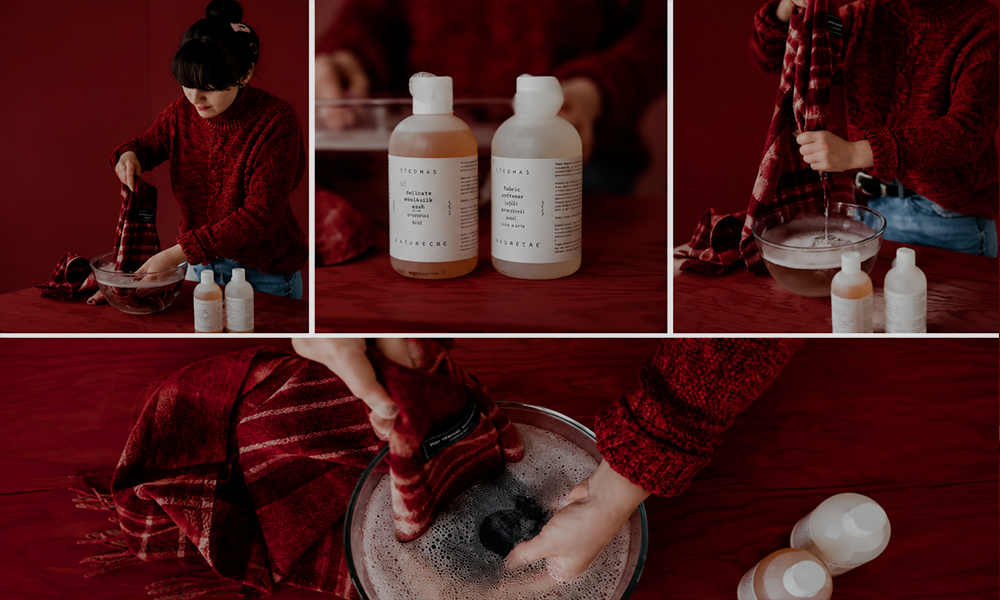
Gather these supplies before you begin:
- Wool-safe detergent
- Cold water
- Large sink, bathtub, or basin
- Clean white towels
- Flat drying rack or clean drying surface
- Soft cloth or sponge for spot cleaning
Avoid using regular laundry detergent. Many standard detergents contain enzymes and strong cleaning agents that strip the natural protective oils from wool fibers, making them rough over time.
A detergent specifically formulated for wool is designed to clean gently while helping the fibers maintain their softness and elasticity.
How to Wash a Wool Blanket by Hand
For most wool blankets, hand washing remains the safest cleaning method. It gives you complete control over water temperature and movement, reducing the chance of shrinkage or felting.
Step 1: Shake Out Dust and Loose Dirt
Take the blanket outdoors and give it a gentle shake.
This removes loose dust, pet hair, and small debris before washing, preventing dirt from working deeper into the fibers.
If you notice only a small stain, you may not need a full wash. Spot cleaning could be enough.
Step 2: Treat Stains First
Before soaking the blanket, inspect both sides for stains.
Apply a small amount of wool-safe detergent to the affected area using a damp cloth or soft sponge. Gently dab the stain instead of rubbing it.
Allow the detergent to sit for several minutes before rinsing the area with cold water.
Aggressive scrubbing can roughen the fibers and leave the affected spot looking different from the surrounding fabric.
Step 3: Fill a Basin with Cold Water
Fill a clean sink, bathtub, or large basin with enough cold water to completely cover the blanket.
Add the recommended amount of wool detergent and mix it gently until evenly distributed.
Avoid warm or hot water. Sudden temperature changes can tighten wool fibers and increase the risk of shrinkage.
Step 4: Wash Gently
Lower the blanket into the water slowly, making sure it’s fully submerged.
Rather than rubbing or twisting the fabric, gently press it through the water with your hands. This allows the detergent to circulate without damaging the fibers.
Let the blanket soak for around 10 to 15 minutes if it needs a deeper clean.
Step 5: Rinse Thoroughly
Drain the soapy water and refill the basin with clean cold water.
Press the blanket gently to release detergent residue.
Repeat the rinse until the water runs clear.
Leftover detergent can leave wool feeling stiff after drying, so don’t rush this step.
Step 6: Remove Excess Water Correctly
A wet wool blanket is much heavier than it looks.
Never twist or wring it to force water out. Doing so stretches the fibers and may permanently distort the blanket’s shape.
Instead, support the blanket with both hands and lift it carefully.
Lay it flat on a large clean towel, roll the towel together with the blanket, and press gently along the roll. The towel will absorb much of the excess moisture without stressing the wool.
This simple technique speeds up drying while helping the blanket keep its original shape.
Hand Washing Checklist
Before moving on to drying, make sure you’ve completed these steps:
- Read the care label.
- Removed loose dirt and dust.
- Spot cleaned visible stains.
- Washed using cold water.
- Used a wool-safe detergent.
- Avoided rubbing or twisting the blanket.
- Rinsed thoroughly.
- Removed excess water with towels instead of wringing.
Following these steps greatly reduces the risk of shrinking or damaging your wool blanket and prepares it for proper drying, which is just as important as the washing process itself.
How to Machine Wash a Wool Blanket Safely
If your blanket’s care label says it’s machine washable, you can clean it at home without damaging the fibers. The key is using the correct settings and avoiding anything that creates excessive heat or friction.
Machine washing isn’t suitable for every wool blanket. It’s generally best for modern, machine-washable wool products rather than vintage, handcrafted, or heirloom blankets.
Use the Right Machine Settings
Before starting the wash cycle, adjust your washing machine to:
- Wool or Delicate cycle
- Cold water only
- Low spin speed
- Wool-safe detergent
Avoid overloading the machine. A wool blanket needs enough space to move gently through the water.
If your washing machine doesn’t have a wool setting, choose the gentlest cycle available.
Mistakes That Cause Wool to Shrink
Most damaged wool blankets aren’t ruined by water, they’re damaged by heat and agitation.
Avoid these common mistakes:
- Washing with hot or warm water
- Using regular laundry detergent
- Choosing a heavy-duty wash cycle
- Using high-speed spin settings
- Putting the blanket in a tumble dryer
Even if your blanket is labeled machine washable, following these precautions helps preserve its softness and shape.
How to Dry a Wool Blanket Properly
Drying is just as important as washing.
Many wool blankets survive the wash but become misshapen because they’re dried incorrectly.
Lay the Blanket Flat
After removing excess water, spread the blanket on a clean drying rack or a large towel placed on a flat surface.
Smooth out wrinkles and gently reshape the blanket while it’s still damp.
This helps it dry evenly and keeps its original dimensions.
Keep It Away from Direct Heat
Never place a wool blanket:
- In a tumble dryer
- On a radiator
- Near a heater
- In direct, intense sunlight for long periods
High heat can permanently shrink wool fibers.
Instead, let the blanket air dry naturally in a well-ventilated room or shaded outdoor area.
Turn It Occasionally
Because wool holds moisture, drying can take longer than other fabrics.
Turn the blanket over once or twice during drying so both sides dry evenly.
Only fold or store it when it’s completely dry.
Even slight moisture can lead to mildew or unpleasant odors during storage.
Hand Wash vs. Machine Wash vs. Dry Cleaning
Choosing the right cleaning method depends on your blanket rather than personal preference.
| Cleaning Method | Best For | Risk of Damage | Convenience |
| Hand Wash | Most wool blankets | Very Low | Moderate |
| Machine Wash | Machine-washable wool blankets | Low (if label allows) | High |
| Professional Dry Cleaning | Vintage, heirloom, or dry-clean-only blankets | Lowest | Moderate |
Choose hand washing if:
- You aren’t sure how delicate the blanket is.
- The care label recommends gentle washing.
- The blanket has sentimental or high monetary value.
Choose machine washing if:
- The manufacturer specifically allows it.
- Your washer has a wool cycle.
- You can use cold water and a low spin speed.
Choose professional dry cleaning if:
- The label says “Dry Clean Only.”
- The blanket is antique or vintage.
- It contains delicate stitching, embroidery, or special finishes.
When in doubt, taking the more cautious approach is usually the better investment.
Best Detergent for Washing Wool Blankets
Not all detergents are suitable for wool.
Because wool contains natural fibers, harsh cleaning products can strip away its protective properties and leave it feeling rough over time.
Look for a detergent that is:
- Specifically made for wool
- Mild and pH-balanced
- Free from bleach
- Free from enzymes
- Designed for delicate fabrics
Avoid adding fabric softener.
Many people assume it makes wool softer, but it can coat the fibers and reduce the blanket’s natural breathability.
Using the correct detergent is a small detail that makes a noticeable difference after repeated washes.
Common Mistakes That Ruin Wool Blankets
Most wool blanket damage is preventable.
Avoid these mistakes to keep your blanket looking and feeling its best.
Washing Too Often
Unlike cotton blankets, wool naturally resists dirt and odors.
Frequent washing wears the fibers unnecessarily.
Spot cleaning and airing the blanket are often enough between deep cleans.
Using Hot Water
Heat is one of wool’s biggest enemies.
Always use cold water unless the manufacturer clearly states otherwise.
Wringing the Blanket
Twisting a wet wool blanket stretches the fibers and can permanently change its shape.
Instead, press out moisture gently using clean towels.
Hanging a Soaking Wet Blanket
A heavy, wet blanket can stretch under its own weight.
Always dry it flat on a suitable surface.
Ignoring the Care Label
No online guide can replace the manufacturer’s instructions.
If the care label recommends dry cleaning, follow that recommendation.
Replacing a damaged wool blanket is far more expensive than cleaning it correctly the first time.
How Often Should You Wash a Wool Blanket?
One of the biggest mistakes people make is washing wool too frequently. Unlike cotton, wool naturally resists odors, dust, and light dirt, so it doesn’t need regular laundering.
As a general rule, wash your wool blanket only when it’s visibly dirty, has absorbed odors, or has stains that can’t be removed with spot cleaning. For blankets used regularly, one or two washes a year are often enough.
Between washes, simply shake the blanket outdoors and let it air in a shaded, well-ventilated area. This refreshes the fibers and helps maintain the blanket’s natural softness.
How to Remove Common Stains from a Wool Blanket
Acting quickly gives you the best chance of removing a stain without leaving a permanent mark.
Food and Drink Stains
Blot the spill immediately with a clean, dry cloth.
Avoid rubbing the stain deeper into the fibers. Apply a small amount of wool-safe detergent mixed with cold water and gently dab the area until the stain begins to lift.
Mud and Dirt
Allow mud to dry completely before attempting to remove it.
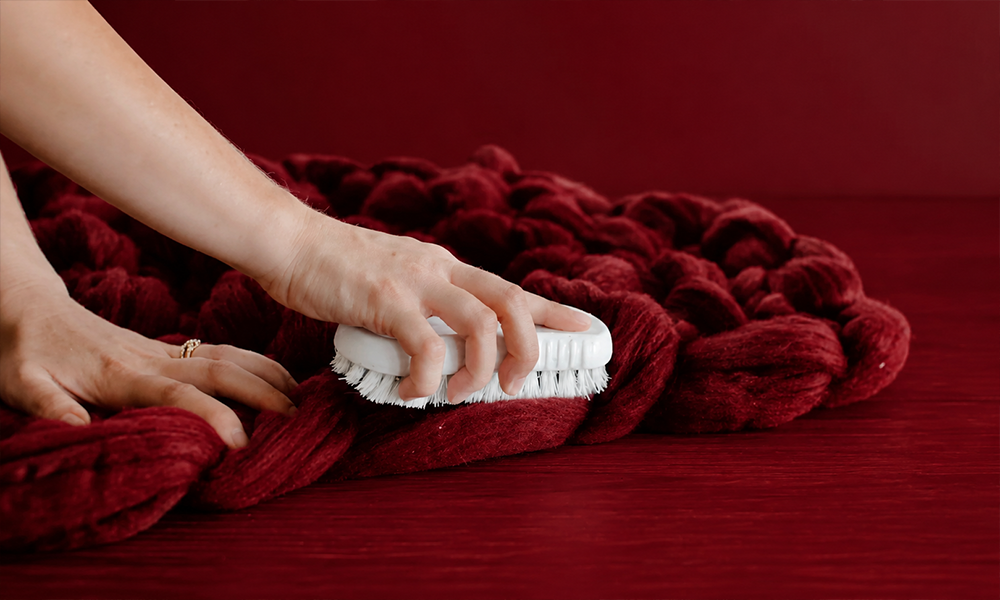
Once dry, brush away the loose dirt using a soft brush, then spot clean any remaining marks with cold water and a wool-safe detergent.
Pet Accidents
Blot as much moisture as possible using absorbent towels.
Clean the affected area gently with cold water and wool-safe detergent, then rinse thoroughly to prevent detergent residue from remaining in the fibers.
No matter the stain, avoid bleach or strong stain removers unless the manufacturer specifically recommends them.
How to Store a Wool Blanket Properly
Proper storage is just as important as proper washing.
Always make sure the blanket is completely dry before putting it away. Even slight dampness can lead to mildew, unpleasant odors, or mold over time.
Fold the blanket neatly and store it in a cool, dry place with good airflow.
Choose breathable cotton storage bags or fabric containers instead of airtight plastic bags, which can trap moisture.
If you’re storing the blanket between seasons, inspect it occasionally to make sure it stays clean, dry, and free from pests.
Troubleshooting Common Wool Blanket Problems
Even with careful handling, you may notice changes in your blanket over time. Most of these issues can be minimized with the right care.
The Blanket Feels Stiff
Stiffness is often caused by detergent residue.
Rinse the blanket thoroughly during washing and avoid using more detergent than recommended.
The Blanket Has an Odor
Wool naturally releases odors when aired out.
Instead of washing immediately, place the blanket outside in fresh air away from direct sunlight for several hours.
Small Fuzzy Balls (Pilling)
Light pilling is normal, especially on frequently used blankets.
Carefully remove pills with a fabric comb designed for wool rather than pulling them off by hand.
The Blanket Shrank Slightly
Unfortunately, significant shrinkage caused by heat or heavy agitation is usually permanent.
The best solution is prevention, cold water, gentle washing, and flat air drying.
Who Should Wash a Wool Blanket at Home?
Home washing is usually a good choice if:
- The care label allows machine or hand washing.
- The blanket is used regularly.
- It’s a modern wool blanket in good condition.
- You have access to a wool-safe detergent.
Who Should Choose Professional Cleaning?
Professional cleaning is the safer option if:
- The care label says “Dry Clean Only.”
- The blanket is antique or vintage.
- It’s an expensive heirloom.
- It has delicate embroidery or decorative finishes.
Paying for professional care is often far less expensive than replacing a damaged wool blanket.
Practical Wool Blanket Care Routine
Following a simple routine keeps your blanket clean while reducing unnecessary washing.
Weekly
- Shake out dust and lint.
- Air the blanket if possible.
- Check for new stains.
Monthly
- Brush away surface debris with a soft fabric brush.
- Inspect for signs of moisture or pests if stored.
Seasonally
- Wash only if needed.
- Dry the blanket completely before storage.
- Store it in a breathable fabric bag in a cool, dry location.
These simple habits help preserve the blanket’s warmth, softness, and appearance for many years.
Conclusion
If you’ve ever hesitated before washing a favorite wool blanket, you’re not alone. Many people worry about shrinking or damaging the fabric, but those risks are easy to avoid with the right approach.
Knowing how to wash a wool blanket isn’t about using complicated techniques. It’s about following a few simple principles: check the care label, use cold water, choose a wool-safe detergent, handle the fibers gently, and always let the blanket air dry flat.
With occasional cleaning, proper storage, and routine maintenance, a quality wool blanket can remain soft, warm, and comfortable for many years. A little extra care today is often what keeps it looking and feeling its best through countless winters.
Frequently Asked Questions
Can you wash a wool blanket in the washing machine?
Yes, but only if the care label specifically states that machine washing is safe. Use a wool or delicate cycle with cold water, a low spin speed, and a wool-safe detergent. If the label doesn’t clearly allow machine washing, hand washing is the safer choice.
What is the safest way to wash a wool blanket?
Hand washing is generally the safest method because it minimizes agitation and gives you complete control over water temperature. Use cold water, a detergent made for wool, and handle the blanket gently throughout the washing and rinsing process. Dry it flat instead of using a dryer.
Does washing shrink a wool blanket?
Washing itself doesn’t usually cause shrinkage. Heat, vigorous agitation, and tumble drying are the main reasons wool fibers shrink and felt. Following the care label and using cold water significantly reduces the risk.
What detergent should I use for a wool blanket?
Choose a detergent specifically formulated for wool or delicate fabrics. These products clean gently without stripping the natural properties of wool fibers. Avoid bleach, enzyme-based detergents, and fabric softeners unless the manufacturer recommends them.
How often should you wash a wool blanket?
Most wool blankets only need washing once or twice a year, depending on how often they’re used. Between washes, airing the blanket outdoors and spot cleaning small stains usually keeps it fresh without unnecessary wear.
Can you put a wool blanket in the dryer?
It’s best not to. High heat can shrink wool fibers and permanently change the blanket’s shape. Air drying the blanket flat on a clean surface is the safest method.
Can you wash a vintage wool blanket at home?
Vintage or heirloom wool blankets should be treated with extra care. If the care label recommends dry cleaning, or if no label is available, professional cleaning is usually the safest option to protect delicate fibers and preserve the blanket’s condition.
How do you keep a wool blanket soft after washing?
Use a wool-safe detergent, rinse thoroughly to remove residue, and avoid wringing or high heat during drying. Proper storage in a cool, dry place also helps maintain the blanket’s natural softness over time.