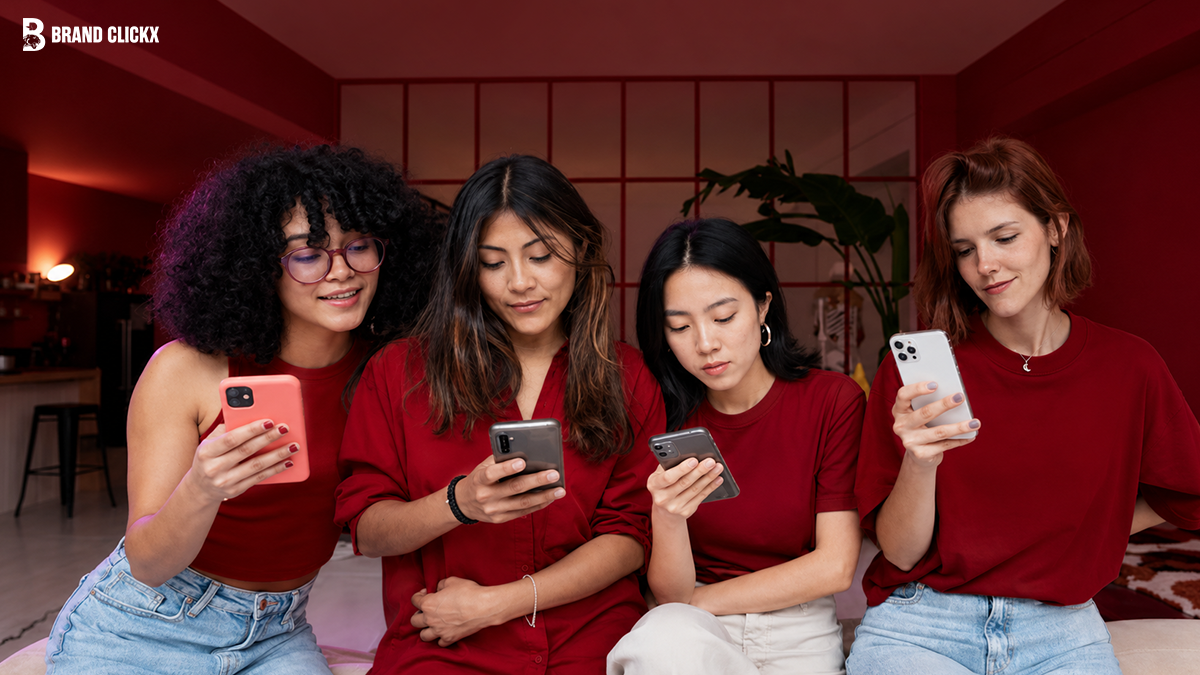
A few years ago, if someone mentioned “social media girls,” most people assumed they were simply talking about popular Instagram models or TikTok creators. Today, that phrase represents something much bigger.
The rapid growth of the Social Media Girls Forum and similar online discussion forums reflects a major shift in internet culture.
Millions of users are no longer satisfied with simply watching influencers;
They want to understand the stories behind the content, discuss online trends, analyze brand partnerships, and debate digital authenticity.
As platforms like Instagram, TikTok, YouTube, and Snapchat transformed everyday people into global internet personalities, a new ecosystem emerged around them.
These creators became entrepreneurs, marketers, entertainers, and public figures all at once, driving the expansion of the creator economy and inspiring communities dedicated to discussing every aspect of influencer culture.
That growing curiosity explains why search terms such as social media girls, social media girl forum, social girl forum, and forums social media girls have become increasingly common. People aren’t only looking for influencers anymore, they’re looking for places where those influencers are discussed openly and in greater depth.
This article explores everything you need to know about Social Media Girls Forum, how influencer communities work, why they have become such an important part of digital communication, how they affect teenagers and online behavior, and what the future of creator communities may look like.
AI Overview
Social Media Girls Forum refers to online discussion communities where people talk about female influencers, internet personalities, creator culture, and digital trends. These forums often provide conversations that extend beyond what is visible on mainstream social media platforms.
As influencer marketing continues to grow, these online communities have become places where users discuss creator transparency, audience engagement, reputation management, and evolving internet culture. At the same time, they raise important questions about privacy, online behavior, digital wellbeing, and responsible participation.
This guide explains how these forums work, why they became popular, their benefits and risks, and how they connect to the broader creator economy and modern digital society.
Key Takeaways
- Social Media Girls Forum has become one of the most recognized discussion spaces for conversations about influencers and creator culture.
- The rise of influencer communities reflects the rapid expansion of the global creator economy.
- These forums encourage public online discussions about transparency, authenticity, and audience engagement.
- Anonymous discussions create opportunities for open conversation but also increase concerns around privacy, misinformation, and ethical participation.
- Social media significantly influences adolescents, particularly regarding self-esteem, body image, and digital identity.
- Media literacy and healthy social media habits are becoming essential skills for navigating today’s online world.
- Understanding both the benefits and risks of online communities helps users participate more responsibly.
What Is Social Media Girls Forum?

Social Media Girls Forum is an online discussion community where users talk about female social media influencers, creator culture, internet personalities, and digital trends.
These forums provide spaces for public conversations about influencer accountability, audience engagement, online reputation, and the evolving creator economy while also raising important discussions about privacy and responsible online participation.
What Is Social Media Girls?
The phrase social media girls has evolved into a much broader concept than many people realize.
Today, it commonly refers to female influencers, digital creators, livestreamers, models, entrepreneurs, and internet personalities who build audiences across platforms like Instagram, TikTok, YouTube, Snapchat, and emerging creator-focused apps.
Many of these creators no longer treat social media as a hobby.
They operate like businesses.
A successful creator may negotiate sponsorships, launch personal brands, sell digital products, manage affiliate partnerships, analyze audience engagement, and build multiple income streams.
This transformation is one of the defining characteristics of today’s creator economy.
However, the phrase carries a second meaning.
Across the internet, “Social Media Girls” is also associated with online communities where users discuss public creators, analyze online trends, debate influencer marketing strategies, and examine digital culture from different perspectives.
Understanding both meanings helps explain why searches for social media girl forum and social girl forum continue to increase.
One refers to the creators.
The other refers to the communities built around discussing them.
The Rise of the Creator Economy
The popularity of social media girls cannot be separated from the explosive growth of the creator economy.
Instead of relying on traditional television, magazines, or celebrities, millions of people now consume entertainment, education, product reviews, and lifestyle content directly from digital creators.
This shift has changed how brands advertise, how audiences interact with public figures, and how online influence is measured. Audience engagement, creator transparency, and online reputation have become valuable assets that influence sponsorship opportunities and long-term success.
As creators gained influence, audiences naturally became more interested in discussing what happened behind the scenes.
That curiosity fueled the growth of specialized influencer communities.
Why Social Media Girls Forums Became Popular

The popularity of forums social media girls didn’t happen overnight.
It developed as audiences wanted conversations that social platforms often couldn’t provide.
Most mainstream platforms prioritize short comments, algorithmic recommendations, and highly curated content.
Independent discussion forums work differently.
They organize conversations into searchable topics, allowing users to revisit discussions long after a social media post disappears from public attention.
As influencer marketing expanded, so did public curiosity.
People wanted to understand sponsorships.
They questioned brand collaborations.
They debated authenticity.
They compared older content with newer posts.
Some simply wanted to discuss internet culture with like-minded people.
This demand created communities focused entirely on influencer discussions.
How Social Media Girls Forums Became Popular
The growth of forums social media girls wasn’t accidental.
It developed alongside changing internet behavior.
In the early days of social media, comment sections were the primary place for public conversations. Over time, however, algorithmic moderation, restricted comments, and automated content filtering limited what users could openly discuss.
Many people began looking for independent online discussion forums where conversations could continue without being shaped by platform algorithms.
This migration created dedicated influencer forums that focused on public online discussions surrounding creators, internet personalities, brand collaborations, platform algorithms, and digital trends.
A simple pattern explains this evolution:
| Digital Evolution | Result |
| Creator popularity increases | More audience curiosity |
| Curiosity grows | Demand for deeper discussions |
| Platform moderation increases | Users seek independent spaces |
| Independent spaces emerge | Specialized influencer communities develop |
These communities quickly became places where users analyzed influencer culture, discussed audience engagement strategies, tracked creator careers, and debated digital transparency.
Unlike traditional social media platforms, discussions were often organized into searchable threads, allowing members to revisit topics over time instead of relying on constantly changing algorithms.
Inside a Social Media Girls Forum
At first glance, a Social Media Girls Forum may look like an ordinary discussion board.
In reality, it functions as a unique digital ecosystem where thousands of users contribute observations, opinions, industry insights, and discussions about public online personalities.
Unlike Instagram or TikTok, where conversations revolve around individual posts, forums organize discussions around creators themselves.
A typical discussion generally falls into one of three categories:
| Discussion Type | Primary Focus | Community Perspective |
| Influencer Accountability | Sponsored content, transparency, fake followers | Analytical |
| Reputation Management | Public image, controversies, creator responses | Observational |
| Internet Culture | Algorithms, platform updates, creator trends | Industry-focused |
Some discussions examine how creators grow their audiences.
Others focus on digital marketing strategies or audience engagement.
Certain conversations explore the broader creator economy and how influencer businesses operate behind the scenes.
This diversity explains why these communities attract not only fans, but also marketers, journalists, researchers, and people interested in digital communication.
Why People Prefer Independent Discussion Forums

Many users appreciate online communities because they offer conversations that feel less restricted than those on mainstream platforms.
Instead of short comments that disappear beneath new posts, forums encourage detailed discussions, long-form analysis, and community-driven conversations.
This structure also allows users to exchange opinions, compare experiences, and participate in ongoing discussions about internet culture and the creator lifestyle.
At the same time, these spaces introduce important questions about privacy, responsible participation, and digital ethics.
Those topics have become increasingly significant as influencer communities continue to grow.
The Anatomy of Influencer Communities
Not every online community serves the same purpose. While social media platforms focus on publishing content, influencer forums focus on discussing it. That difference has made these communities an important part of today’s digital ecosystem.
Unlike Instagram or TikTok, where conversations disappear beneath newer posts, forums organize discussions into searchable threads. Members can revisit old topics, compare creator journeys, and follow long-term changes in influencer careers.
People join these communities for different reasons. Some want honest conversations about influencer marketing, while others are interested in learning about the creator economy, audience engagement, or digital branding.
The most active communities generally fall into several categories.
| Community Type | Primary Purpose | Typical Members |
| Influencer Discussion Forums | Discuss creators, collaborations, and industry news | Fans, critics, marketers |
| Creator Communities | Share growth strategies and creator experiences | Content creators |
| Digital Marketing Communities | Analyze trends, algorithms, and branding | Marketers and agencies |
| Online Discussion Forums | General conversations about internet culture | Everyday internet users |
Although these communities often overlap, each serves a different audience and contributes to a broader understanding of how online influence works.
Parasocial Relationships: Why People Feel Connected to Influencers
One of the most fascinating concepts in social media psychology is the parasocial relationship.
A parasocial relationship is a one-sided emotional connection where a viewer feels personally attached to a creator, even though the creator has never met them.
Imagine watching the same YouTube creator every morning for three years.
They share personal stories.
They celebrate milestones.
They talk about struggles.
Eventually, they begin to feel familiar, almost like a friend.
From the viewer’s perspective, that relationship feels genuine.
For the creator, however, millions of viewers may be experiencing the same feeling simultaneously.
This psychological connection explains why audiences become deeply invested in creator decisions, controversies, relationships, and business choices.
It also explains why discussions about influencers continue long after a single post goes viral.
Creator Transparency vs. Fake Followers
As influencer marketing has matured, audiences have become far more skeptical.
Follower counts alone are no longer enough to establish credibility.
People now expect creators to be transparent about sponsorships, partnerships, and advertising.
Consider two different creators.
The first openly labels every sponsored post, explains why they partnered with a brand, and only recommends products they actually use.
That honesty builds long-term audience trust.
The second creator secretly purchases thousands of fake followers to appear more successful.
While the account looks impressive at first glance, engagement remains unusually low because automated accounts rarely interact like real people.
Today, brands increasingly use professional auditing tools that analyze engagement quality instead of focusing only on follower numbers.
As a result, authenticity has become one of the most valuable assets in the creator economy.
Why Millions of Teens Spend Hours on Social Media

Understanding how social media affects teens begins with understanding why they spend so much time online.
For today’s generation, social media is much more than entertainment.
It functions as a classroom, social club, news source, shopping center, and communication platform all at once.
Teenagers use social media to build friendships, express creativity, discover new interests, and participate in conversations happening around the world.
Digital communities also provide opportunities for young people who may struggle to find like-minded friends in their local environment.
For many adolescents, online spaces become places where they feel understood and accepted.
However, these benefits come with important challenges.
Most social media platforms are intentionally designed to maximize audience engagement.
Every notification, like, comment, and share creates a small psychological reward that encourages users to return repeatedly.
Over time, these reward loops can significantly increase daily screen time.
How Does Social Media Affect Teens?
The relationship between teenagers and social media is complex.
Social media itself is neither entirely good nor entirely bad.
Its impact depends largely on how, why, and how often it is used.
Healthy use can encourage creativity, learning, collaboration, and global communication.
Excessive use, however, may replace activities that are essential for healthy development.
Hours spent scrolling often reduce physical activity.
Late-night screen time affects sleep quality.
Constant notifications interrupt concentration during schoolwork.
Perhaps most importantly, social media changes how many adolescents evaluate themselves.
Instead of comparing themselves only with classmates, teenagers now compare themselves with carefully curated images created by influencers across the world.
Those comparisons are rarely realistic.
What Social Media Research Reveals
Modern social media research, communication studies, and digital communication research continue to explore how online platforms influence human behavior.
Although findings differ across studies, several patterns appear consistently.
Researchers have found that heavy daily social media use is associated with higher reports of anxiety, emotional distress, and reduced sleep quality among adolescents.
Studies in behavioral research also suggest that recommendation algorithms often prioritize emotionally engaging or controversial content because it keeps users interacting for longer periods.
Another consistent finding involves visual platforms.
Research in social media psychology indicates that teenage girls often experience greater pressure related to appearance because image-focused platforms encourage constant comparison with highly edited content.
Rather than proving that social media directly causes mental health conditions, researchers generally emphasize that existing habits, family support, personality, and digital literacy all influence outcomes.
Understanding these factors helps create healthier online experiences instead of simply blaming technology itself.
The Psychology Behind Online Communities
Human beings naturally seek belonging.
That desire has existed long before smartphones and social media.
Online communities simply provide a new environment where that need can be expressed.
People join forums because they want conversations that feel meaningful.
Some seek advice.
Others want validation.
Many simply enjoy discussing shared interests with people who understand them.
Anonymity plays an important role in these communities.
Without using their real identity, users often feel more comfortable expressing opinions they might never share publicly.
This openness can create thoughtful discussions and supportive peer networks.
Unfortunately, anonymity also has a downside.
When people believe they cannot be identified, some become more aggressive, leading to harassment, misinformation, and toxic online behavior.
For this reason, responsible moderation and clear community guidelines remain essential for healthy digital communities.
Digital Identity and Online Reputation
Every comment, photo, video, and interaction contributes to your digital identity.
Whether you are an influencer or an everyday user, your online presence gradually forms a digital reputation.
For creators, that reputation directly affects sponsorship opportunities, audience trust, and long-term career growth.
For regular users, it can influence education, employment, and professional networking.
Understanding online reputation has therefore become an essential part of media literacy.
Before posting, sharing, or commenting, it is worth asking one simple question:
Would I be comfortable if this content remained online for the next ten years?
That mindset helps build healthier digital habits while reducing future risks associated with online privacy and reputation.
The Positive Side of Social Media
When discussions about social media begin, the conversation often focuses on its risks. While those concerns deserve attention, they tell only half the story.
Used intentionally, social media has created opportunities that previous generations never had. It has transformed education, entrepreneurship, networking, and creative expression across the world.
Global Connection Beyond Borders
For many people, especially teenagers and young creators, social media provides access to communities they could never find locally.
A student interested in photography can learn directly from professionals.
An aspiring artist can receive feedback from creators across continents.
Someone struggling with isolation may discover supportive online friendships that positively influence their confidence.
These global communities make learning and collaboration more accessible than ever before.
Creative Expression and Career Opportunities
The creator economy has lowered the barrier to entrepreneurship.
Today, a smartphone and consistent effort can become the foundation of an entire business.
Content creators build careers through:
- Brand collaborations
- Affiliate marketing
- Digital products
- Online courses
- Merchandise
- Freelancing
- Membership communities
Many successful creators started with little more than a passion for sharing useful content.
This demonstrates how digital platforms can reward creativity when used responsibly.
Learning Through Social Media
Educational content has expanded dramatically over the past decade.
Platforms now host lessons on programming, finance, photography, business, languages, fitness, science, and countless other topics.
Rather than replacing traditional education, social media increasingly complements it.
The challenge is learning how to distinguish credible educational content from misinformation.
That is where media literacy becomes essential.
The Dark Side of Social Media
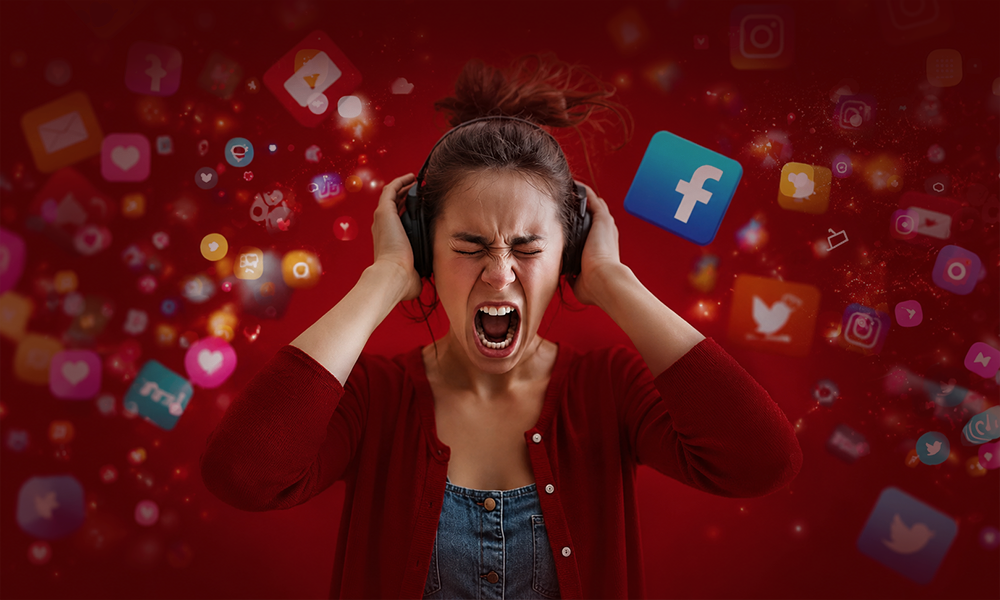
Despite its benefits, excessive or unhealthy social media use presents genuine risks.
Understanding these challenges helps individuals develop healthier online habits rather than abandoning technology altogether.
Social Comparison and Body Image
One of the most significant psychological effects involves social comparison.
People naturally compare themselves with others.
Social media amplifies this tendency because users usually share their best moments rather than everyday reality.
Imagine a teenager scrolling through dozens of professionally edited vacation photos.
Without realizing those images may include filters, professional lighting, and careful editing, they begin comparing themselves to unrealistic standards.
Over time, this comparison may negatively affect body image and self-esteem.
The problem isn’t photography.
The problem is confusing curated content with everyday life.
Fear of Missing Out (FOMO)
Another common challenge is the Fear of Missing Out, often called FOMO.
This feeling occurs when people worry that others are enjoying experiences they are missing.
A student preparing for an exam may repeatedly check social media because they fear missing an important conversation or trending event.
Each interruption reduces concentration.
Eventually, productivity declines while anxiety increases.
Healthy digital habits help reduce this constant need to stay connected.
Social Media and Anxiety
Notifications create anticipation.
Likes create validation.
Comments create emotional responses.
These reward systems encourage users to return repeatedly.
For some individuals, especially adolescents, this constant cycle contributes to increased stress and anxiety.
The issue is rarely one notification.
It is the cumulative effect of hundreds of small interruptions throughout the day.
Learning when to disconnect is becoming an important life skill.
Social Media and Depression
Social media does not automatically cause depression.
However, unhealthy patterns of use may contribute to emotional difficulties in vulnerable individuals.
Continuous comparison with idealized lifestyles can create unrealistic expectations about success, appearance, and happiness.
When someone’s daily life fails to match those expectations, disappointment often follows.
Balanced online habits and strong offline relationships remain important protective factors.
Cyberbullying
Unlike traditional bullying, cyberbullying follows people wherever they carry a device.
Negative comments, rumors, edited images, and online harassment can spread rapidly across multiple platforms.
Because online content remains accessible long after it is posted, the emotional impact may continue for weeks or months.
This highlights the importance of responsible online behavior and effective moderation.
Digital Parenting:
Helping Teens Build Healthy Social Media Habits
Many parents believe banning social media is the simplest solution.
In reality, education usually produces better long-term results.
Children eventually gain independent internet access.
Preparing them to think critically is more valuable than temporarily restricting technology.
Teach Media Literacy
Instead of asking,
“Why are you watching this?”
Try asking,
“Why do you think this creator posted it this way?”
Simple conversations encourage teenagers to analyze online content rather than consuming it passively.
Create Healthy Screen Boundaries
Healthy digital wellbeing often begins with simple routines.
Examples include:
- No phones during family meals.
- Screen-free bedrooms at night.
- Scheduled breaks during homework.
- Daily outdoor activities.
- Device-free conversations.
Small habits consistently practiced often produce better results than strict short-term restrictions.
Discuss Digital Footprints
Every online action leaves evidence.
Photos.
Comments.
Videos.
Likes.
Even deleted content may remain archived somewhere online.
Helping young people understand digital footprints encourages more thoughtful online decisions throughout adulthood.
Practical Guide:
How to Use Social Media Responsibly
Whether you participate in a Social Media Girls Forum or simply use Instagram every day, these practices encourage healthier online experiences.
Before joining any online community:
Read community rules.
Respect privacy.
Verify information before sharing it.
Avoid participating in harassment.
Protect personal information.
Before believing influencer content:
Ask yourself:
- Is this sponsored?
- Is the information verified?
- Is the creator transparent?
- Could this image be edited?
- Am I comparing myself unfairly?
These simple questions improve digital literacy significantly.
For Content Creators
Creators should focus on:
- Authentic communication.
- Honest sponsorship disclosures.
- Building genuine audience trust.
- Long-term reputation instead of short-term popularity.
- Ethical content creation.
Trust remains one of the strongest competitive advantages in today’s creator economy.
The Future of Social Media Girls Communities
Online communities continue evolving alongside technology.
Artificial intelligence now generates images, videos, captions, and even virtual influencers.
As AI-generated content becomes more common, distinguishing authentic creators from synthetic content will become increasingly important.
Future discussion forums will likely focus less on celebrity gossip and more on transparency, digital ethics, AI disclosure, and creator accountability.
Communities may also become more specialized.
Instead of discussing every influencer together, users may gather around niche industries such as education, technology, finance, fitness, or fashion.
This shift could create healthier conversations built around expertise rather than controversy.
Conclusion
When people first discover a Social Media Girls Forum, they often assume it is simply another discussion website.
In reality, these communities reflect something much larger.
They reveal how internet culture has evolved from simple content sharing into an interconnected world of creators, audiences, businesses, psychologists, marketers, researchers, and everyday users.
The same platforms that create career opportunities also introduce challenges involving privacy, mental health, body image, misinformation, and digital responsibility.
Understanding both sides allows you to participate more thoughtfully.
As the creator economy continues growing, discussions about transparency, ethics, and digital wellbeing will become even more important.
Whether you’re a curious reader, a marketer, a creator, or a parent, learning how these communities operate helps you navigate today’s online world with greater confidence.
The internet will continue changing.
How we choose to participate in it will matter even more.
Frequently Asked Questions
1. Why do discussions on Social Media Girls Forum often appear in Google search results before an influencer’s official profile?
This happens because search engines index public discussion pages quickly, especially when they contain fresh conversations around trending topics. Forums also generate a large amount of user-created content, which continuously updates the page and signals relevance to search engines. As a result, discussions about an influencer may temporarily rank higher than their own social media profiles for certain searches.
2. Can participating in influencer discussion forums affect your own digital reputation?
Yes, even if you post anonymously, your online activity can sometimes be traced through shared information, reused usernames, or data breaches. More importantly, the opinions and content you publish become part of your digital footprint. Before posting, consider whether your contribution is respectful, fact-based, and something you would be comfortable being associated with in the future.
3. Why do some influencers monitor discussion forums even when they never respond publicly?
Many creators and management agencies quietly monitor public forums to understand audience sentiment, identify recurring criticism, and detect misinformation before it spreads further. These discussions can provide valuable feedback that isn’t always visible in social media comments, helping creators improve content, strengthen audience trust, and protect their online reputation.
4. How can you tell whether a discussion about an influencer is based on facts or online speculation?
Start by checking whether the claims reference publicly available information or simply repeat anonymous opinions. Compare the discussion with official statements, verified news sources, and the creator’s own content before accepting it as accurate. Healthy skepticism is an important part of media literacy and helps prevent the spread of misinformation.
5. How might AI change Social Media Girls Forums over the next five years?
Artificial intelligence is likely to transform these communities by making it harder to distinguish authentic content from AI-generated images, videos, and comments. Future discussions may focus less on celebrity gossip and more on content verification, deepfake detection, creator transparency, and digital authenticity. Communities that adapt by encouraging evidence-based discussions and responsible moderation are likely to remain the most trusted.