

So I spent way too much time looking into these forums, and honestly? They’re not what most people think they are.
Everyone’s heard of them. You see screenshots floating around Twitter, maybe a TikTok calling out “forum drama,” and suddenly people assume these spaces are just toxic wastelands where bored people tear creators apart for fun. But that’s not really what I found when I actually started paying attention to what’s happening in these communities.
Real conversations are happening. The kind where someone notices that a creator’s entire brand shifted over two years, and a thread documents the whole evolution with screenshots and actual analysis. People asking questions like “wait, is this photoshopped?” and fifty other people confirming they noticed the same thing. It’s honestly kind of fascinating.
If you’re trying to understand how these communities actually work and why they’ve become such a big deal, there’s a deeper dive into the whole social media girls forum landscape that covers everything from their history to their impact. But first, let me walk you through what I actually found when I started looking at these spaces.
The Different Types of SocialMediaGirlsForums and Their Cultures
Not all forums like this are created equal. I’ve noticed some pretty distinct differences in how they operate.
The Long-Memory Archives
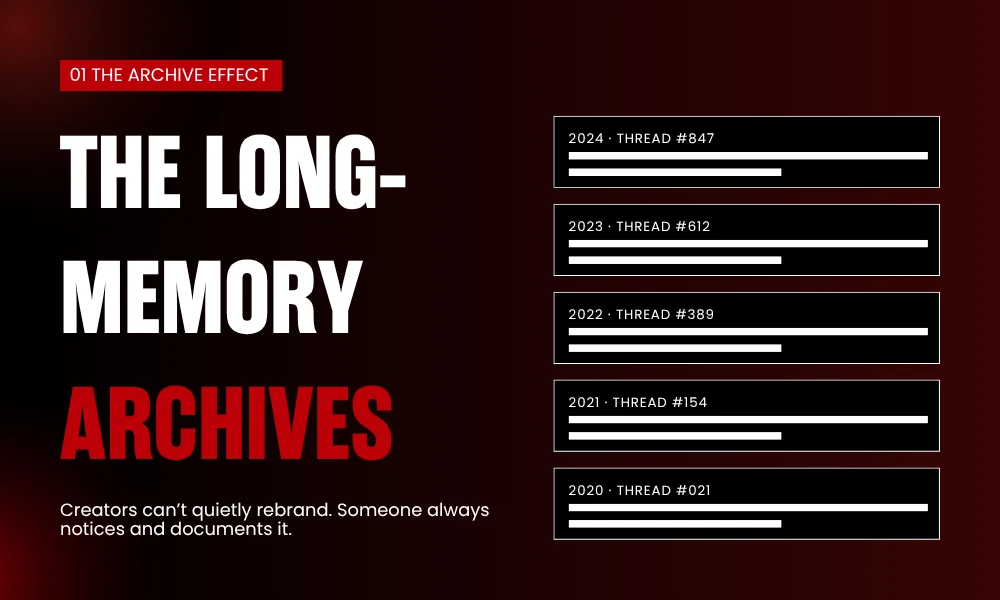
Guru Gossip is probably the one everyone knows about. What’s weird about it is how people treat it like Wikipedia for influencers. Someone will dig up a post from 2019, compare it to what the creator’s saying now, and build an entire argument around how their messaging has changed.
I actually find this kind of compelling. Because it means if you follow an influencer, there’s basically a permanent record somewhere of everything they’ve said. It changes the dynamic. Creators can’t really just forget their old brand and rebrand completely without someone noticing and calling it out.
The downside is that these long threads can feel heavy. Like you’re reading a 300-page document about one person’s Instagram evolution. Some people think that’s useful. Others find it excessive.
For a comprehensive look at how these different communities operate and their broader role in digital culture, check out our full guide to socialmediagirlsforum.
The Reactionary Fast-Paced Ones
Then you’ve got forums like Tattle Life where things move crazy fast. A controversy breaks out at 2 pm, and by 4 pm, there are forty pages of discussion. New threads pop up constantly. It’s almost like real-time Twitter commentary, except it actually stays there permanently.
The energy is different. You get people who want to participate in what’s happening right now. Hot takes. Quick observations. But also the conversation can feel scattered because it moves so fast.
Reddit, The Structured Version
Reddit’s actually interesting because it’s more organized. You’ve got specific subreddits focused on influencers or social media culture, with clear rules, mods who actually enforce them, and an upvote system that pushes the best comments to the top.
Because of how Reddit works, these discussions actually show up on Google. So if you search for someone’s name and something controversial happened, you might find a Reddit thread ranking pretty high. Which means a lot more people see these conversations than they would on a private forum.
The downside (or upside, depending on how you look at it) is that Reddit’s stricter. You can’t just say whatever. There are content rules, and mods will remove things. So you get less of the raw, unfiltered conversation that drives some people to forums in the first place.
What People Actually Talk About in These Communities
This is where it gets interesting because it’s honestly way more varied than you’d think.
The “Wait, Is That Real?” Conversations: A huge chunk of forum posts are just people asking if something is edited or real. You’ll see a before-and-after photo, and someone will be like “that doesn’t look right,” and then fifteen people will chime in explaining the specific editing techniques.
It’s kind of educational, actually. I’ve learned way more about Facetune and Photoshop from forum threads than I ever expected to.
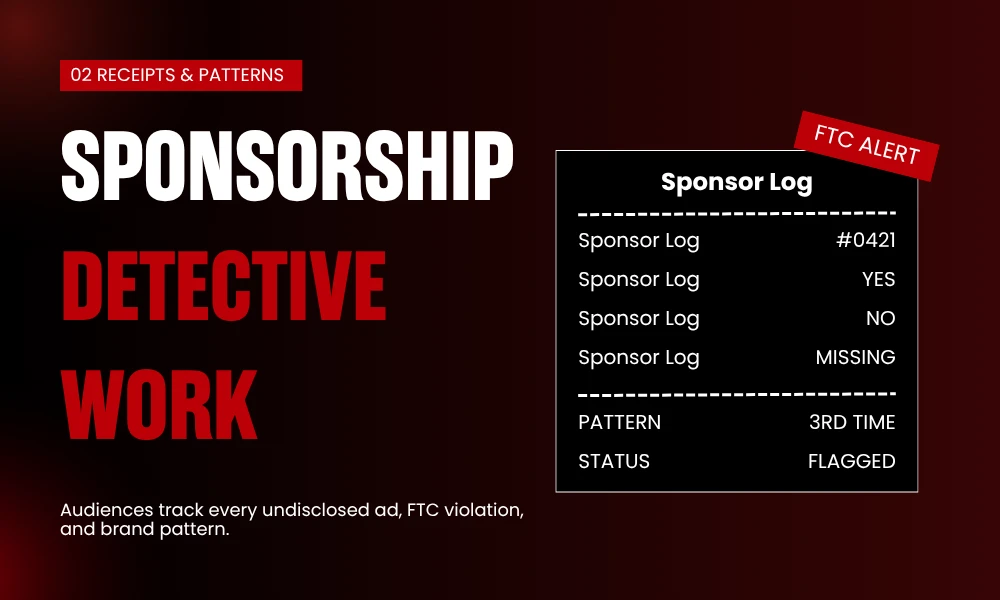
Sponsorship Detective Work: This one I find genuinely useful. People are constantly noticing which partnerships are disclosed and which ones aren’t.
Someone will be like “wait, she’s been wearing the same brand five times this month and never mentioned it’s an ad,” and then there’s this whole discussion about FTC guidelines and whether it matters. Marketers are probably in there too, learning what audiences actually catch.
The Slow Brand Shift: You see threads that are like “remember when she used to talk about mental health and now she’s all about luxury bags, when did that change?” And people will literally map out the transition month by month. It’s weirdly thorough.
Drawing Actual Lines: The healthy forums, the ones that don’t feel toxic, have conversations about where criticism stops and invasion of privacy starts. Like, people will genuinely call each other out for speculating about someone’s personal life that hasn’t been shared publicly.
There’s this understanding that you can analyze what someone chooses to put out there, but their private relationships or family stuff is off limits.
Burnout and the Behind-the-Scenes Stuff: You also see a lot of people noticing when creators seem exhausted or stressed. Threads will evolve into conversations about how unsustainable it is to post every single day, how the pressure to monetize everything changes relationships with social media. It’s actually kind of compassionate when you read through it.
Why These Forums Actually Exist (And Why People Keep Coming Back)
I think the main reason these communities exist is pretty simple: Instagram and TikTok don’t show you the full picture.
Your feed is literally designed to show you what keeps you scrolling. It’s curated, filtered, algorithm-approved. You’re seeing the best version of someone’s life, or at least the version they want you to see. Which is fine, that’s kind of the point of Instagram. But it leaves you with questions.
People join these forums because they want answers to those questions. Why does her apartment look so different in different posts? Is that a filter, or did she get surgery? How much of this is real versus performed? It’s not always mean-spirited. Sometimes it’s just curiosity.
The Validation Factor: Something is reassuring about logging into a forum and seeing that fifty other people noticed the same thing you did. Like you weren’t being paranoid or too critical, other people genuinely saw it too. That collective observation feels more trustworthy than your individual reaction.
Anonymity Changes Things: Most forums let you post anonymously or semi-anonymously, which means people actually say what they’re thinking instead of worrying about who might see it. On your main accounts, you probably wouldn’t comment on someone’s post saying, “This seems edited.”
But on a forum? You might. That freedom creates more honest conversations, which can be good or bad depending on how people use it.
How This Actually Affects Creators (Even If They Don’t Admit It)
Most creators will say they don’t read these forums. But I’m pretty sure a lot of them do, at least occasionally.
The awareness that these communities exist changes behavior, whether someone’s actively reading them or not. Some creators become way more transparent about partnerships because they know people will notice undisclosed sponsorships. Others just lean into the image control harder, knowing that everything gets analyzed.
I’ve read threads where people were like “wait, she used to post about anxiety and mental health, why does her feed look so polished now?” and it got me thinking about how creators are basically walking a tightrope. They can’t just quietly shift their brand because someone’s going to notice and document it.
The Weird Flip Side: Sometimes forums actually reinforce positive behavior. When a creator is honest about struggling or doesn’t use heavy filters, forum discussions will praise that approach. So there’s this positive feedback loop where people recognize and appreciate transparency. That matters.
The creators who seem to handle this best aren’t the ones ignoring forums. They’re the ones who listen to feedback, not just from the forums, but from audience sentiment in general, and actually make changes based on it. They understand that audiences are more sophisticated now. People can tell when something’s not authentic.
The Ethics Thing (It’s Complicated)
Okay, so this is where I have to be honest about the messy part of all this.
Where It Crosses the Line: There’s a real difference between analyzing someone’s public Instagram post and searching for their address or digging into their family’s personal information. The good forums get this. The toxic ones don’t. When you start seeing posts that are like “does anyone know where she lives” or “I found her sister’s LinkedIn”, that’s when it becomes actual harassment.
The Evidence vs. Speculation Problem: Some threads are genuinely thoughtful. People link to specific posts, compare timelines, and ask questions. Other threads? Someone just says something, and everyone runs with it without any actual proof. That’s when you get misinformation spreading.
Proportional Criticism: Here’s something I’ve noticed, sometimes forums can be weirdly harsh about really minor stuff. Someone makes one awkward post and gets dissected for weeks. Is that proportional? Probably not. There’s this tendency to build narratives that maybe aren’t fair.
Remember They’re Human: I think the healthiest forums operate from this basic principle: these are real people. Even if they’re public figures, even if they monetize their lives, they’re still human beings. That should matter. The forums that keep this front and center tend to have better conversations overall.
The best moderated spaces remind people of these boundaries. They discourage personal attacks, they call out when things cross from analysis to harassment, they fact-check rumors. It’s not easy to maintain, but it’s the difference between a forum that’s genuinely insightful and one that’s just a pile-on.
Why Google Keeps Ranking These Things (And Why That Matters)
It’s actually interesting that forum discussions rank as high as they do on Google. But when you think about it, it makes sense.
Forums have exactly what search engines love: long conversations with natural language, lots of keywords (without it being forced), constant updates, and actual engagement. A forum thread isn’t some stiff corporate blog post. It’s multiple people using different words and phrases to talk about the same topic. From a search algorithm perspective, that’s gold.
So when someone Googles an influencer’s name or a specific trend, they’ll often find forum discussions ranking up there with news articles. Which means these communities end up being part of the public information ecosystem. More people see them. They become more influential. It’s a feedback loop.
The reality is that if you’re a public figure, there’s probably a forum thread about you that people can find through a simple Google search. That’s just how it works now.
The Main Communities Worth Knowing About
If you ever end up in one of these forums, it helps to know what you’re getting into.
Guru Gossip is kind of the OG. Long threads, tons of history, very detailed. If you want the full timeline of someone’s internet evolution, that’s where you’ll find it.
Reddit communities are good if you want something that feels more organized and moderated. Threads are easier to follow, and discussions tend to stay on track. Plus, they rank on Google, so you might end up there accidentally.
Tattle Life moves fast. Real-time discussions, lots of activity. It’s chaotic, but you get a sense of what people are talking about right now.
Lipstick Alley has a broader vibe; it’s not just about social media, it’s about culture and entertainment and how everything connects.
Private or niche communities are smaller but often have smarter conversations because the membership is more curated. You hear less about them because they’re not as searchable.
They’re all different, which is kind of the point. Depending on what you’re looking for, one might make more sense than another.
If You’re a Creator, This Is Actually Useful Information
If you create content, understanding this ecosystem probably matters more than you think.
It’s not about being afraid of forums or trying to control what people say about you. But knowing that people are analyzing your content, noticing patterns, and discussing your approach? That’s actually valuable feedback.
Some creators use it that way. Someone notices people keep commenting on inconsistencies, so they address it or explain their evolution. Someone sees people appreciate transparency, so they start being more open about what’s real. That’s smart.
The creators who struggle most with forums are usually the ones who feel attacked by any criticism. But if you can separate the valid observation from the mean-spirited comment, there’s actually a useful signal in there about how people perceive you.
And honestly? If you’re being authentic and transparent, forums tend to be more supportive than you’d expect. People notice and appreciate that stuff.
The Bigger Picture: Why This Matters Beyond Just Gossip
Honestly, I think these forums represent something important about how we interact with media now.
We’re not passive anymore. We don’t just consume content and accept it at face value. We question it, we analyze it, we try to understand what’s real and what’s curated. That’s actually a good shift in terms of media literacy.
Twenty years ago, if you had questions about a celebrity, you’d read what a magazine wrote about them. Now? You have access to real people’s actual thoughts and observations. That’s powerful, but it also comes with responsibility.
The forums that work well understand this. They’re not just places to complain. They’re places to think collectively about digital culture, authenticity, marketing, and how all of it affects us.
So Why Does Any of This Actually Matter?
I think it matters because it shows how people actually think about digital culture when they’re not being performative themselves.
These forums are kind of the opposite of social media. On social media, you’re constructing an image. On a forum, you’re trying to understand someone else’s image. It’s more critical, more honest, more real in a lot of ways.
For researchers or people trying to understand influencer marketing, creator economy dynamics, or how audiences actually perceive online personas, forums are primary sources. They show you real human thinking in real time.
But beyond that, I think forums matter because they represent a power shift. Creators no longer control the entire narrative about themselves. Their audience does, collectively, through discussions like these. That’s a fundamental change in how public life works.
What Comes Next?
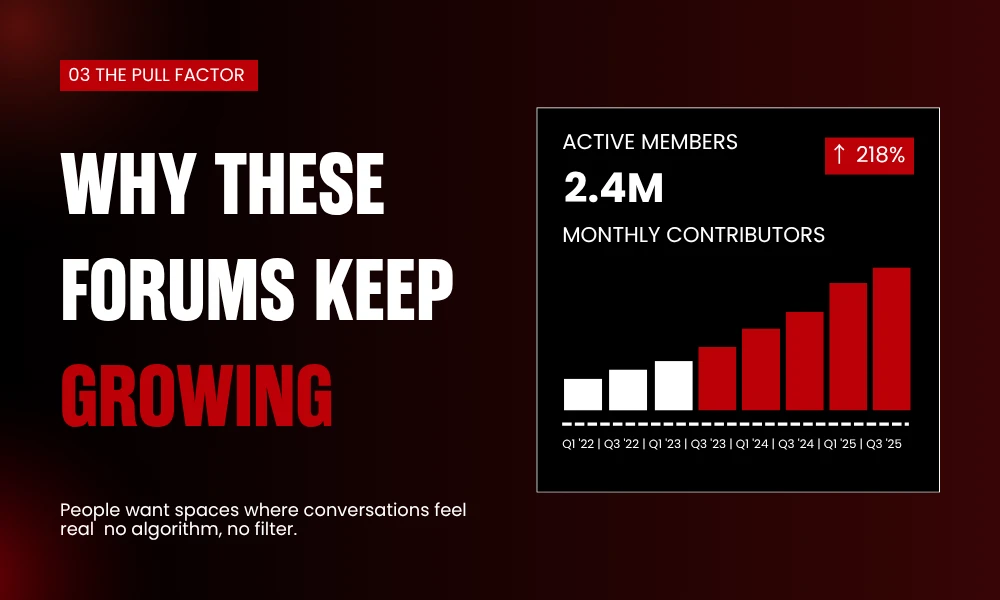
I don’t think these forums are going away. If anything, they’ll probably grow as social media becomes more polished and commercialized.
People want spaces where conversations feel real. Where you can ask questions without an algorithm filtering them. Where you’re thinking with other people instead of just consuming content.
The forums that survive and thrive will probably be the ones that figure out how to moderate well, how to allow open discussion while preventing actual harassment. That’s the balance. It’s not easy, but it’s possible.
And honestly? That’s kind of what we need. Spaces to think collectively about digital culture instead of letting each person be confused and isolated with their own doubts.
Frequently Asked Questions
What exactly is a social media girls forum?
It’s basically an online discussion community where people talk about influencers, creators, and how social media culture works. Some are focused on specific platforms or creator types, but they all serve the same basic function: a place to discuss and analyze online personalities outside of the platforms where those personalities exist.
If you want the full breakdown of how these work and why they matter, check out our complete guide to socialmediagirls forum.
Are people actually serious in these forums, or is it all drama?
Both, honestly. You’ll find people having genuinely thoughtful discussions about media literacy, marketing ethics, and authenticity. You’ll also find people being petty. The better forums somehow manage to have mostly the first type of conversation. The worst ones lean into drama.
Why would anyone join one of these?
Different reasons. Some people want to understand influencer culture better. Some are interested in media literacy, how editing, filters, and marketing work. Some just want context that social media doesn’t provide. Some feel validated when they realize other people noticed the same inconsistencies they did.
Do these forums ever actually hold people accountable?
Yeah, sometimes. Well-moderated forums can bring attention to genuine problems, misleading advertising, harmful advice, and undisclosed sponsorships. Whether that accountability is proportional or fair depends on the specific forum and thread. But the potential is there.
Can influencers actually find themselves in these forums?
Many do. Some actively avoid them because it’s emotionally hard. Others read them regularly. Almost all of them know they exist. That awareness alone changes behavior sometimes.
What’s the difference between forum discussions and just complaining on Twitter?
Permanence, mostly. A Twitter thread disappears into the feed. A forum thread stays there, gets referenced, and builds on itself. There’s history and memory to it. That changes the dynamic. Also, forums tend to have standards about what kind of discussion happens, whereas Twitter is just chaos.