Key Takeaways
- The World’s Most Valuable Personal Fortunes are dominated by major business owners and technology entrepreneurs.
- Elon Musk currently leads Forbes’ real-time ranking with about $864.2 billion.
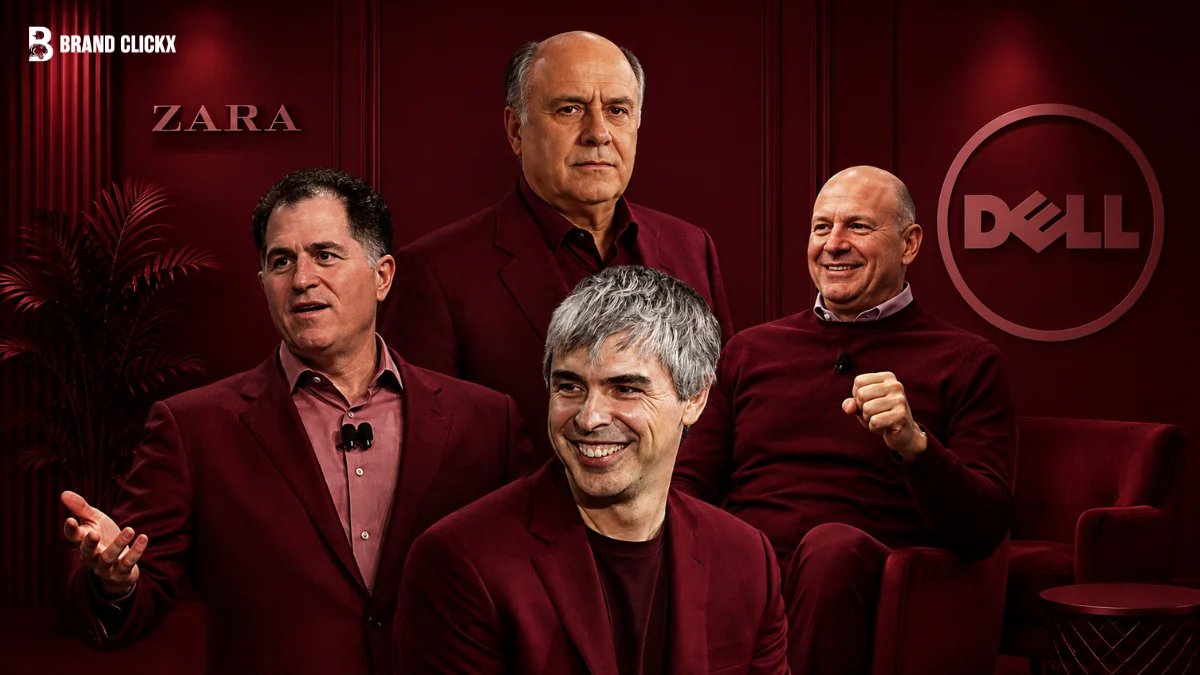
- Larry Page, Jeff Bezos, Sergey Brin, and Michael Dell make up the rest of the current top five.
- Mark Zuckerberg, Jensen Huang, Larry Ellison, Steve Ballmer, and Amancio Ortega complete the current top ten.
- Technology, AI, e-commerce, software, retail, and investment ownership are major sources of extreme wealth.
- Billionaire net worth figures can change rapidly because much of the wealth is linked to market prices.
- Different rankings may show different numbers because they use different dates and methods.
Quick Answer
The World’s Most Valuable Personal Fortunes currently include Elon Musk at about $864.2 billion, Larry Page at $283 billion, Jeff Bezos at $270.2 billion, Sergey Brin at $261 billion, Michael Dell at $255.1 billion, Mark Zuckerberg at $202.5 billion, Jensen Huang at $194.4 billion, Larry Ellison at $192.6 billion, Steve Ballmer at $152.3 billion, and Amancio Ortega at $146.4 billion, according to Forbes’ real-time data updated August 15, 2026.
The ranking is not fixed. Share prices, private-company valuations, currency movements, investments, and other assets can change a person’s estimated net worth from one day to the next.
The World’s Most Valuable Personal Fortunes in 2026
| Rank | Person | Estimated Fortune | Main Source of Wealth |
|---|---|---|---|
| 1 | Elon Musk | $864.2B | Tesla, SpaceX |
| 2 | Larry Page | $283B | |
| 3 | Jeff Bezos | $270.2B | Amazon |
| 4 | Sergey Brin | $261B | |
| 5 | Michael Dell | $255.1B | Dell Technologies |
| 6 | Mark Zuckerberg | $202.5B | Meta |
| 7 | Jensen Huang | $194.4B | Semiconductors |
| 8 | Larry Ellison | $192.6B | Oracle |
| 9 | Steve Ballmer | $152.3B | Microsoft |
| 10 | Amancio Ortega | $146.4B | Zara |
Figures are Forbes real-time estimates and can change with market movements.
1. Elon Musk
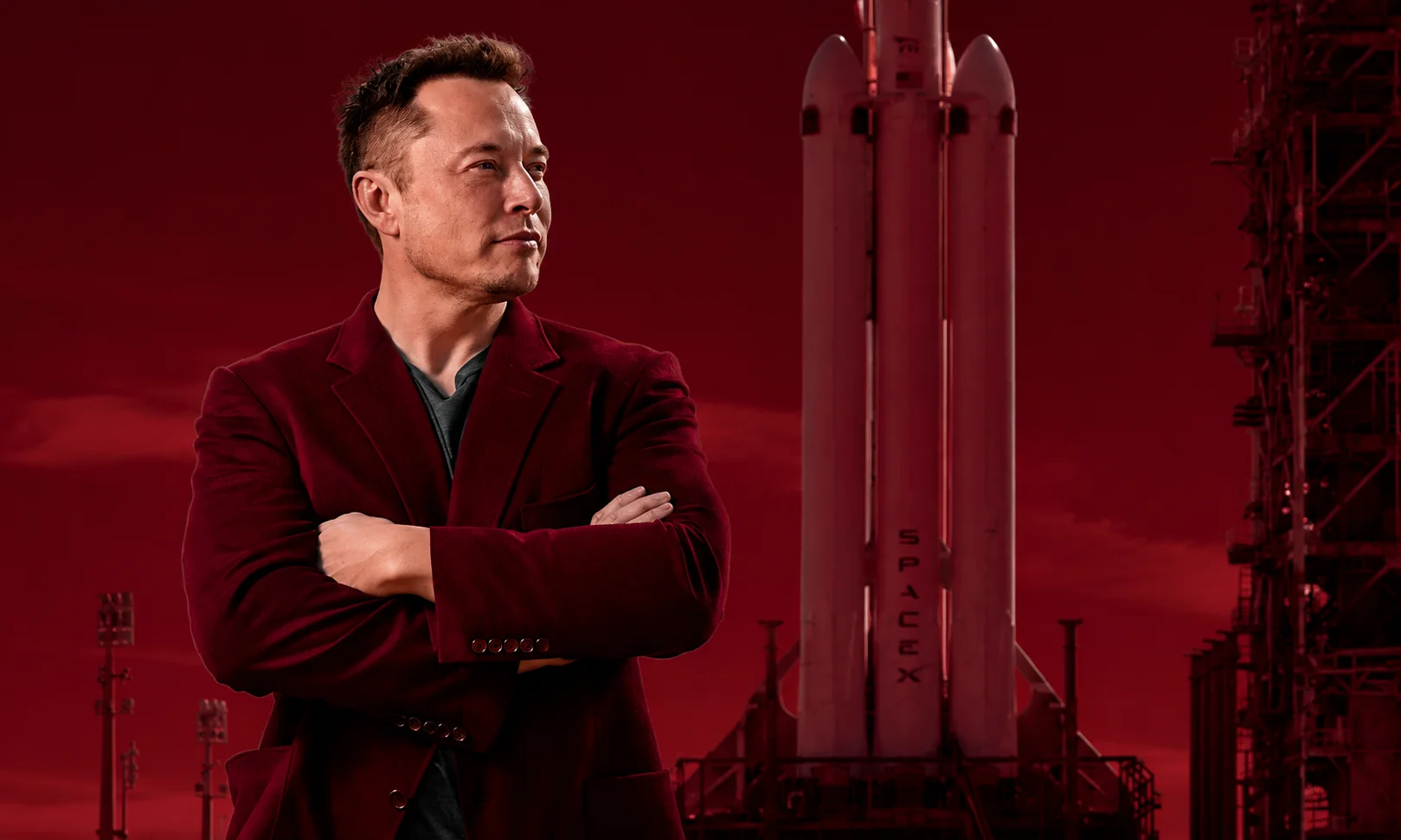
Elon Musk currently holds the largest of the World’s Most Valuable Personal Fortunes, with Forbes estimating his wealth at $864.2 billion on August 15, 2026. His fortune is mainly connected to Tesla and SpaceX.
His wealth is unusual because it is spread across several major technology businesses. Tesla connects him to electric vehicles and energy, while SpaceX gives him a major position in the private and commercial space industry.
Musk’s fortune also shows why billionaire rankings can move so dramatically. When the value of a company changes, the estimated value of the owner’s stake can change by billions of dollars without the person receiving that money as cash.
2. Larry Page
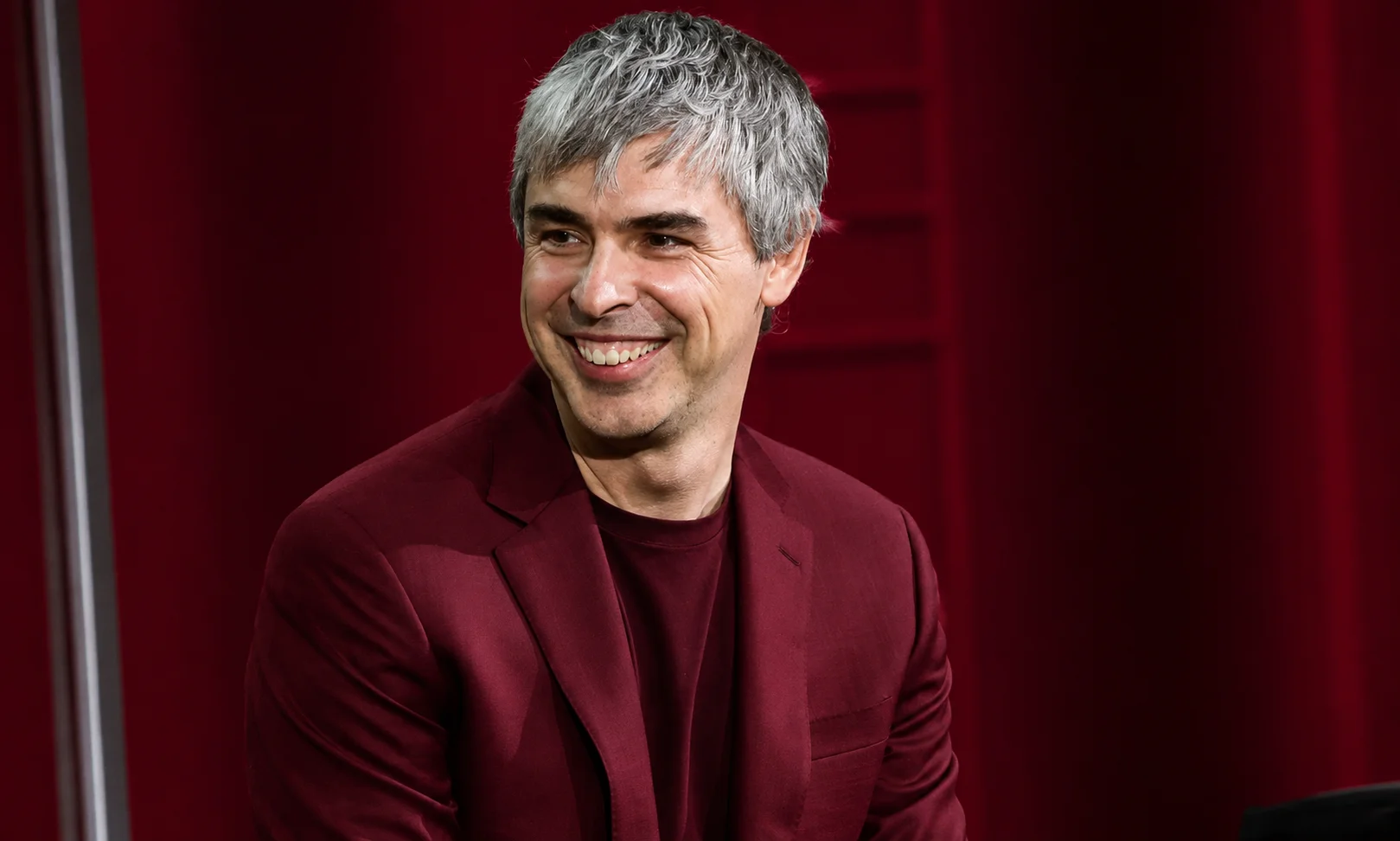
Larry Page, Google’s co-founder and an Alphabet board member, ranks second with an estimated $283 billion. Page co-founded Google with Sergey Brin in 1998, and the company’s growth transformed both internet search and online advertising.
Page’s fortune is a strong example of how owning a valuable technology company for decades can create enormous personal wealth.
3. Jeff Bezos
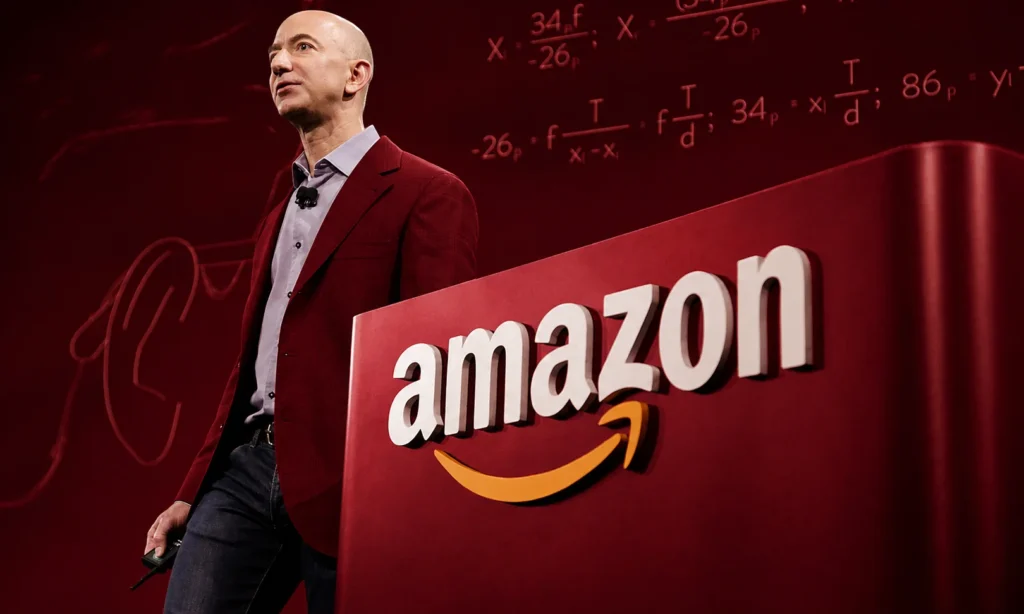
Jeff Bezos has an estimated fortune of $270.2 billion, placing him third in the current Forbes ranking. He founded Amazon in 1994 and later stepped down as CEO, becoming executive chairman. Forbes says he owns about 8% of Amazon.
Amazon’s businesses now extend far beyond online shopping. Its cloud computing operations, logistics network, advertising business, and consumer services have helped make the company one of the world’s most influential corporations.
4. Sergey Brin
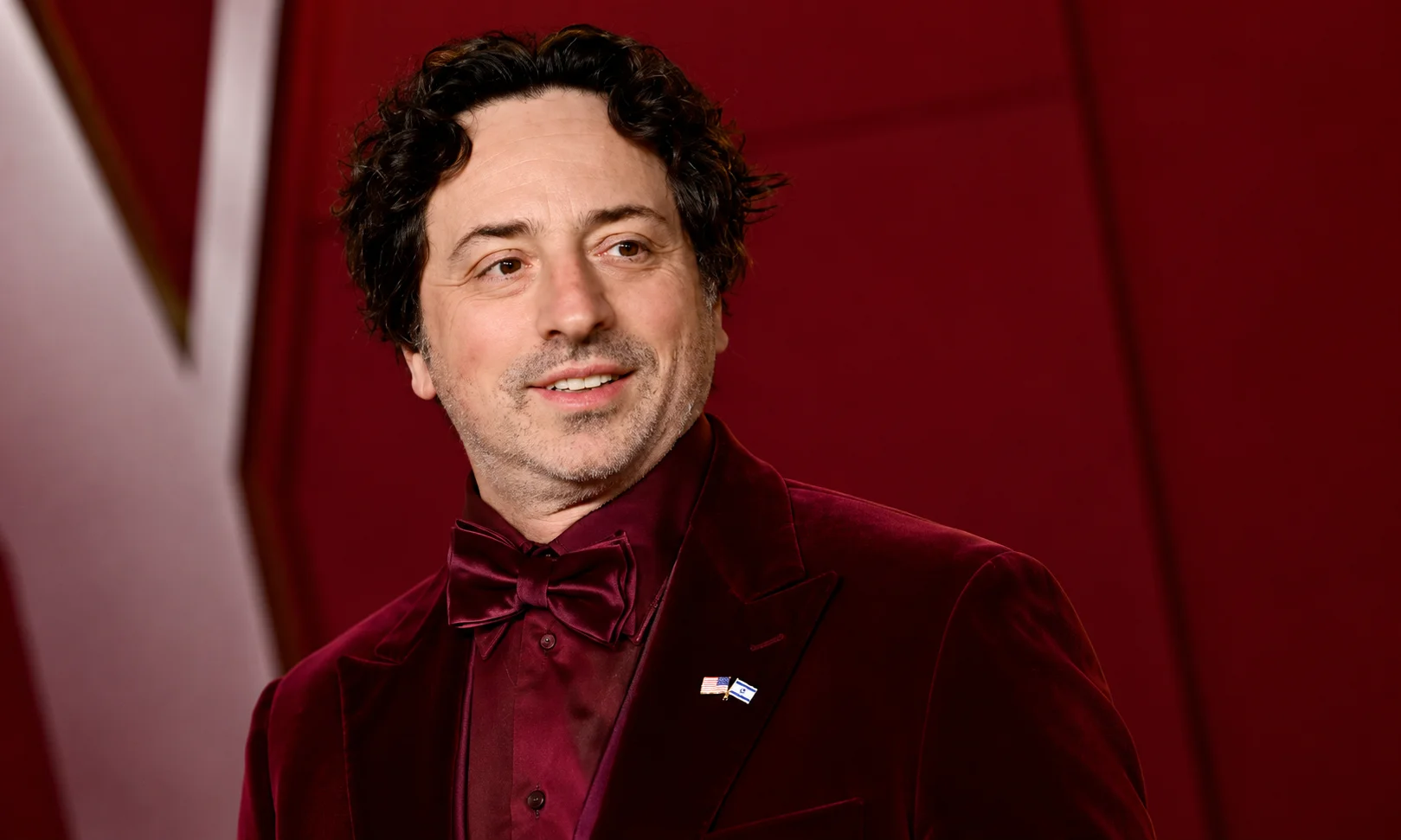
Sergey Brin ranks fourth with an estimated $261 billion. Like Page, Brin built his fortune through Google, which he co-founded while studying at Stanford.
The two Google founders remain among the world’s richest people because their ownership interests benefited enormously from the long-term growth of the company and its parent, Alphabet.
5. Michael Dell
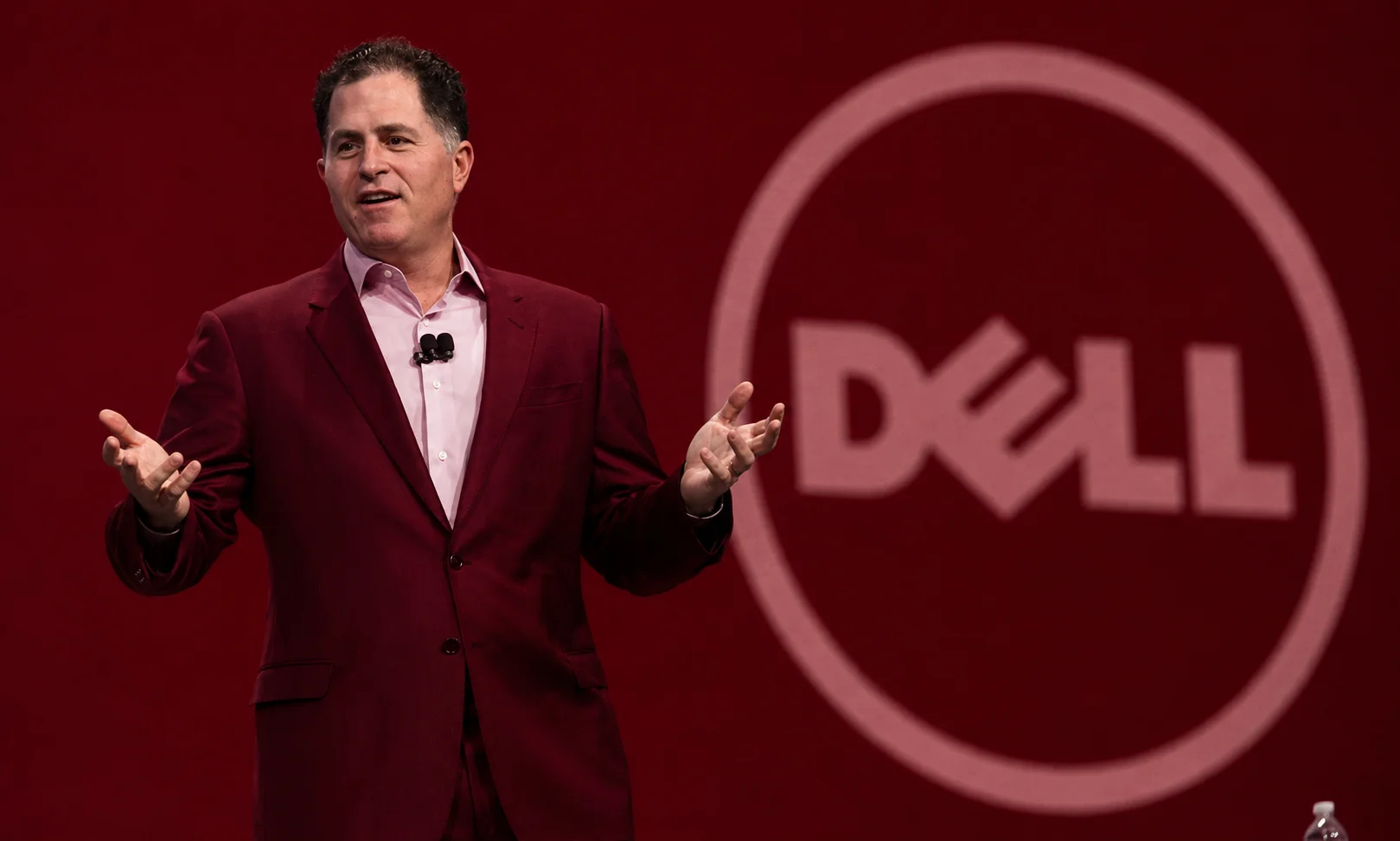
Michael Dell currently holds the fifth-largest fortune at approximately $255.1 billion. His wealth is primarily connected to Dell Technologies and other investments.
His story is different from many technology billionaires because he started Dell as a young student selling computers. Over time, that small business developed into a global technology company.
6. Mark Zuckerberg
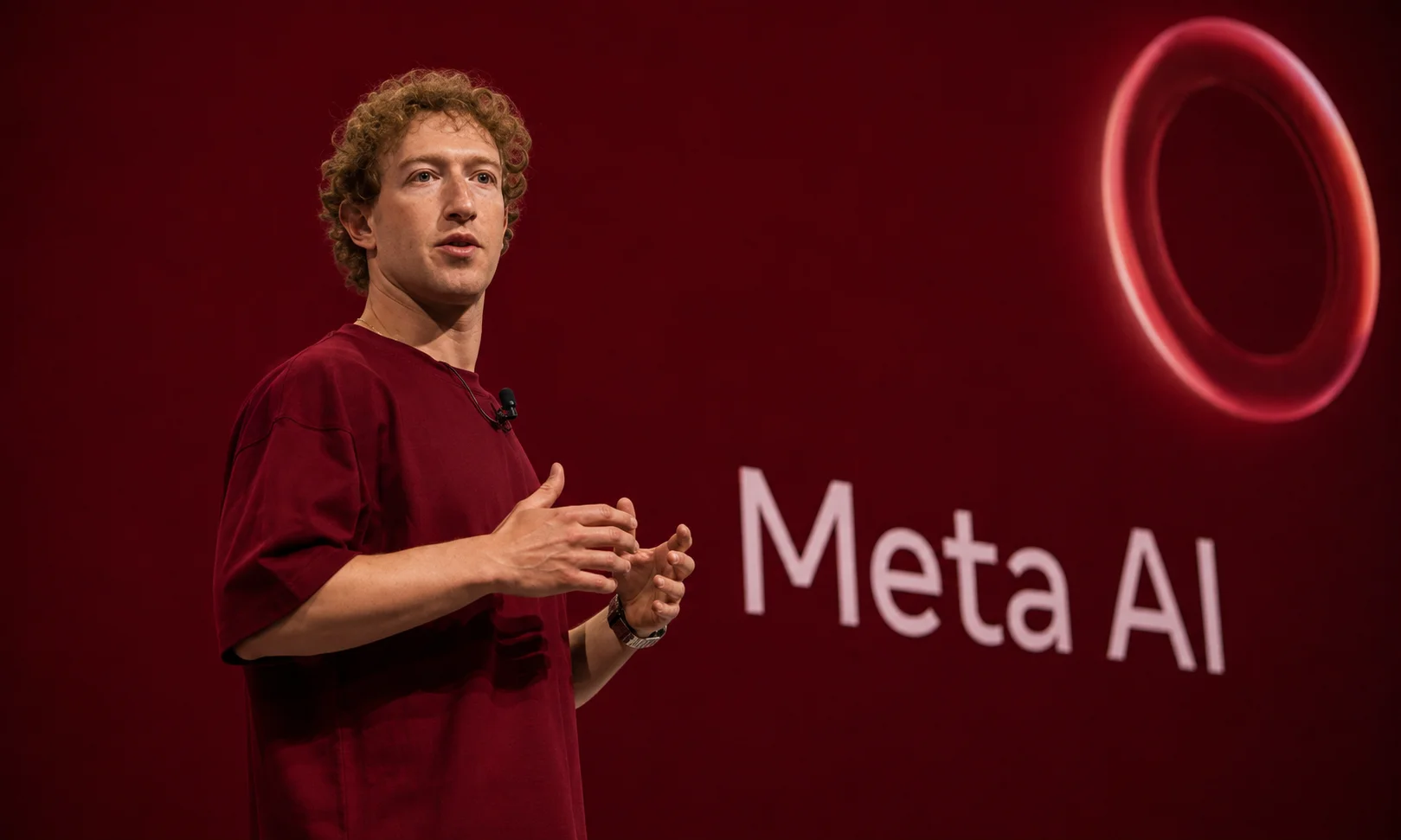
Mark Zuckerberg ranks sixth with an estimated $202.5 billion, almost all of it connected to Meta. He founded the company as Facebook in 2004 while studying at Harvard, and it has since grown into a group that also includes Instagram and WhatsApp.
Meta’s scale is the main reason for the size of his fortune. The company’s applications are used by billions of people, and advertising against that audience has produced enormous revenue over two decades.
His position also illustrates how quickly wealth linked to a single company can move. Because so much of Zuckerberg’s estimated net worth sits in Meta shares, his ranking tends to rise or fall with investor sentiment about the company’s spending on artificial intelligence and other long-term projects.
7. Jensen Huang
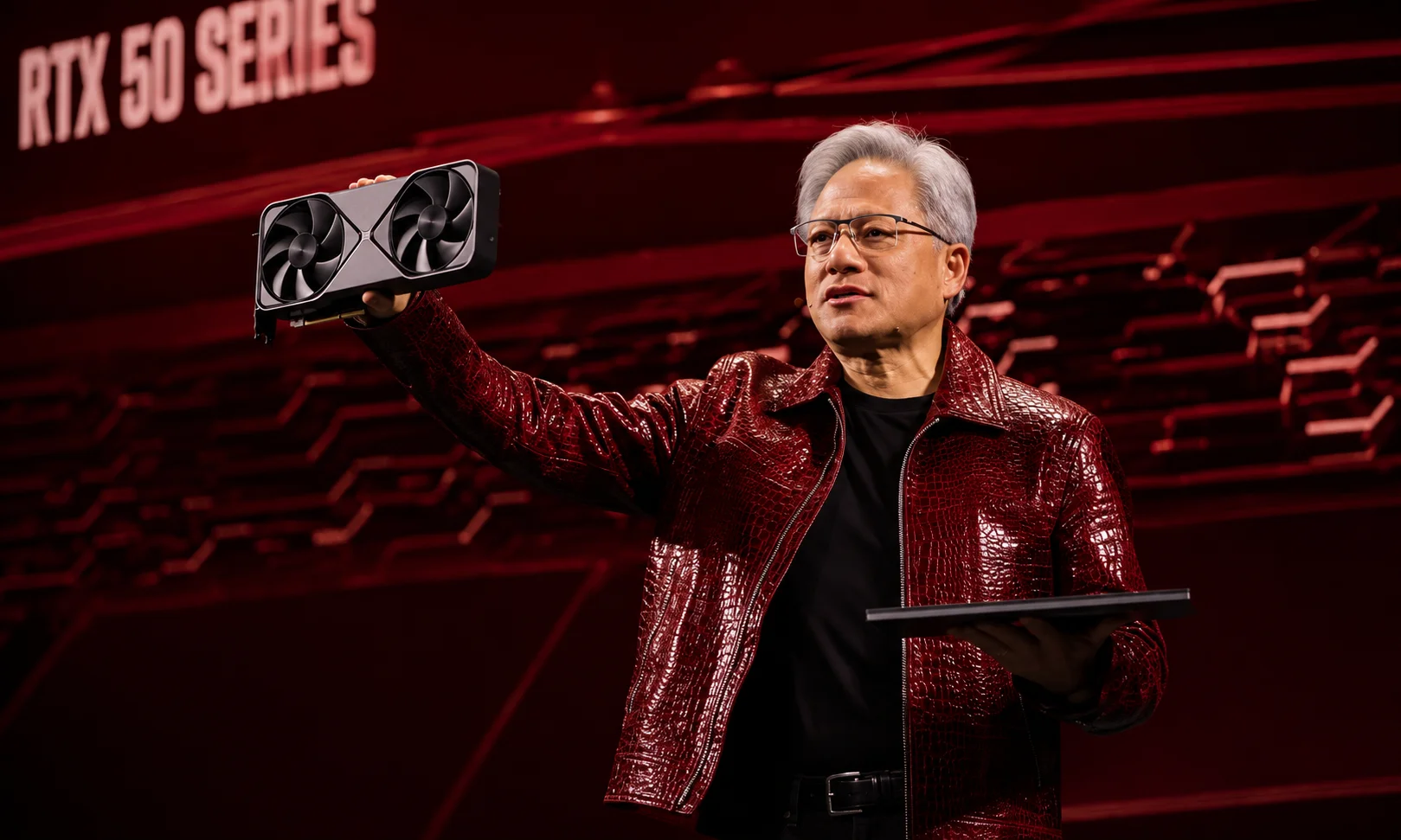
Jensen Huang has an estimated fortune of $194.4 billion, placing him seventh. He co-founded Nvidia in 1993 and has led the company as chief executive ever since, retaining an ownership stake of roughly 3%.
Nvidia originally became known for graphics chips used in computer gaming. Those same processors later proved well suited to training and running artificial intelligence systems, and demand from AI developers and data centres transformed the company’s financial position.
Huang is therefore one of the clearest examples of how the AI boom has reshaped the upper end of the wealth rankings. A relatively small percentage stake in an exceptionally valuable company can be worth more than outright ownership of a smaller one.
8. Larry Ellison
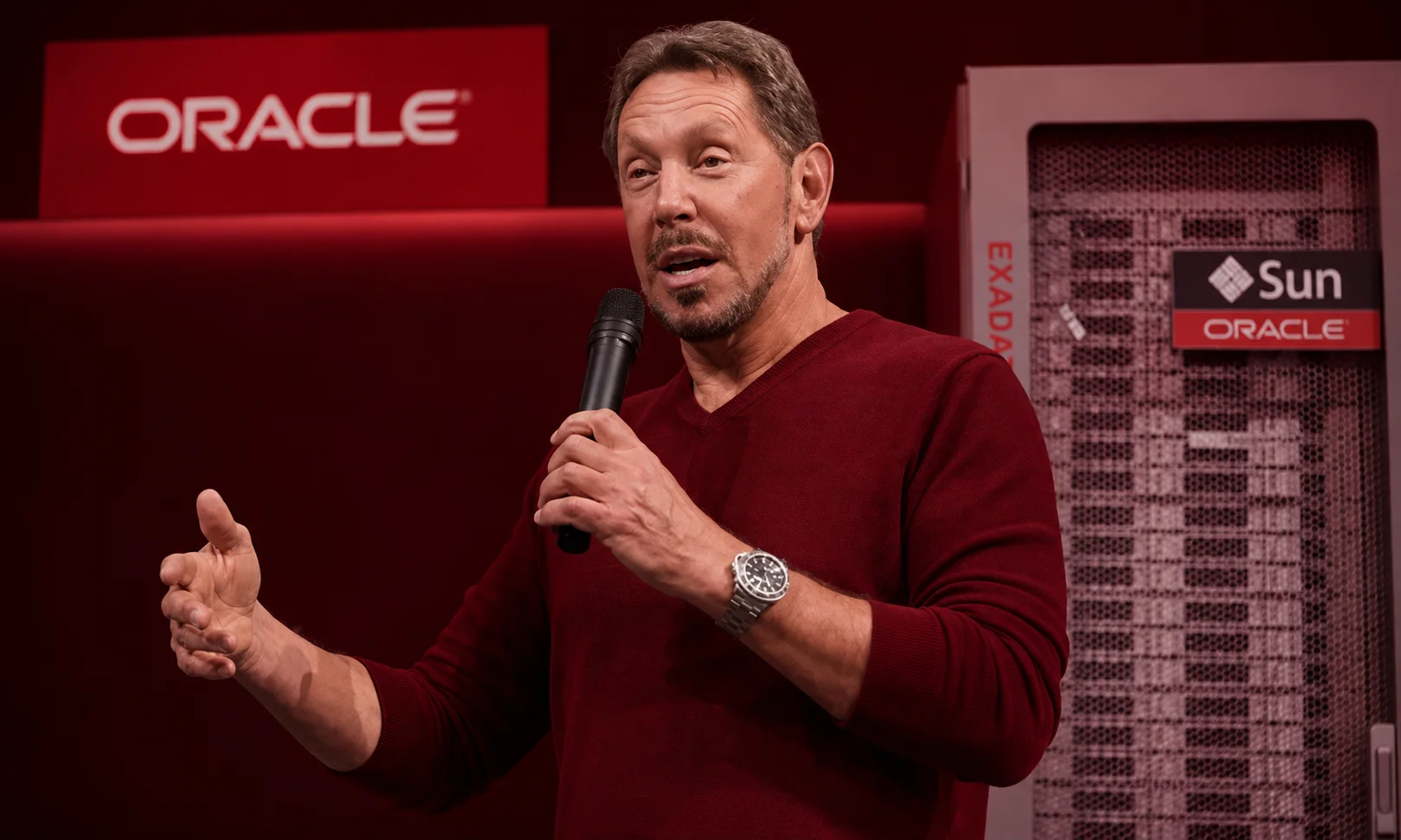
Larry Ellison ranks eighth with an estimated $192.6 billion. He co-founded Oracle in 1977 and remains its chairman and chief technology officer, owning roughly 40% of the software company.
Oracle’s database and enterprise software products made Ellison one of the earliest technology billionaires, and more recent interest in the company’s cloud and AI infrastructure business has continued to influence its value.
His recent movement in the ranking is a useful lesson in volatility. Forbes reported that Ellison fell from second-richest to eighth in the space of about two months as Oracle’s share price declined, without any change in how much of the company he owns.
9. Steve Ballmer
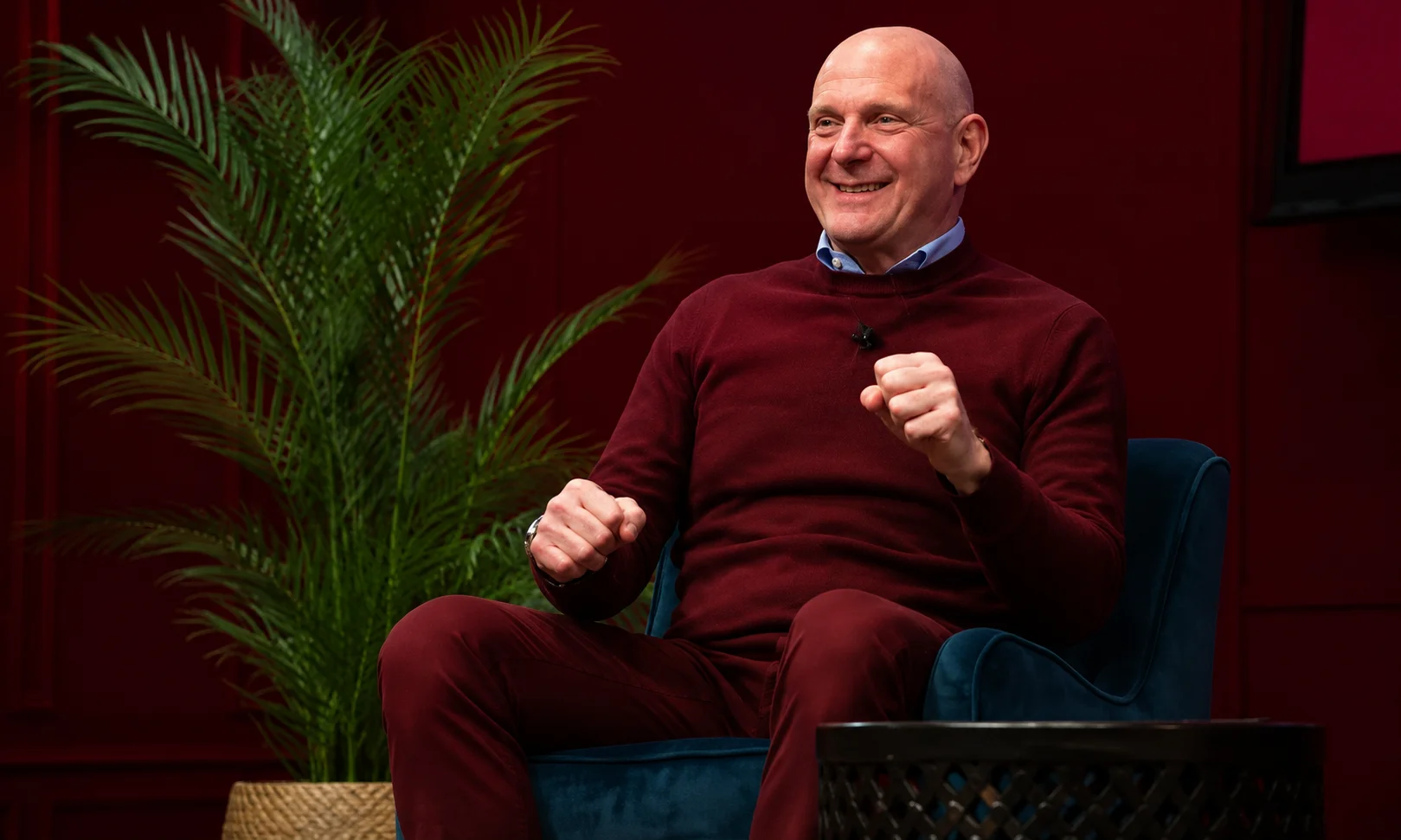
Steve Ballmer holds the ninth-largest fortune at approximately $152.3 billion, largely through Microsoft. He joined the company in 1980 as one of its earliest employees and served as chief executive from 2000 to 2014.
Ballmer’s position is notable because he did not found Microsoft. His wealth came from an early employee stake that he retained long after leaving the company, which grew alongside Microsoft’s expansion into cloud computing and enterprise software.
He is also the owner of the Los Angeles Clippers, showing how very large fortunes are often redeployed into assets well outside the industry that created them.
10. Amancio Ortega
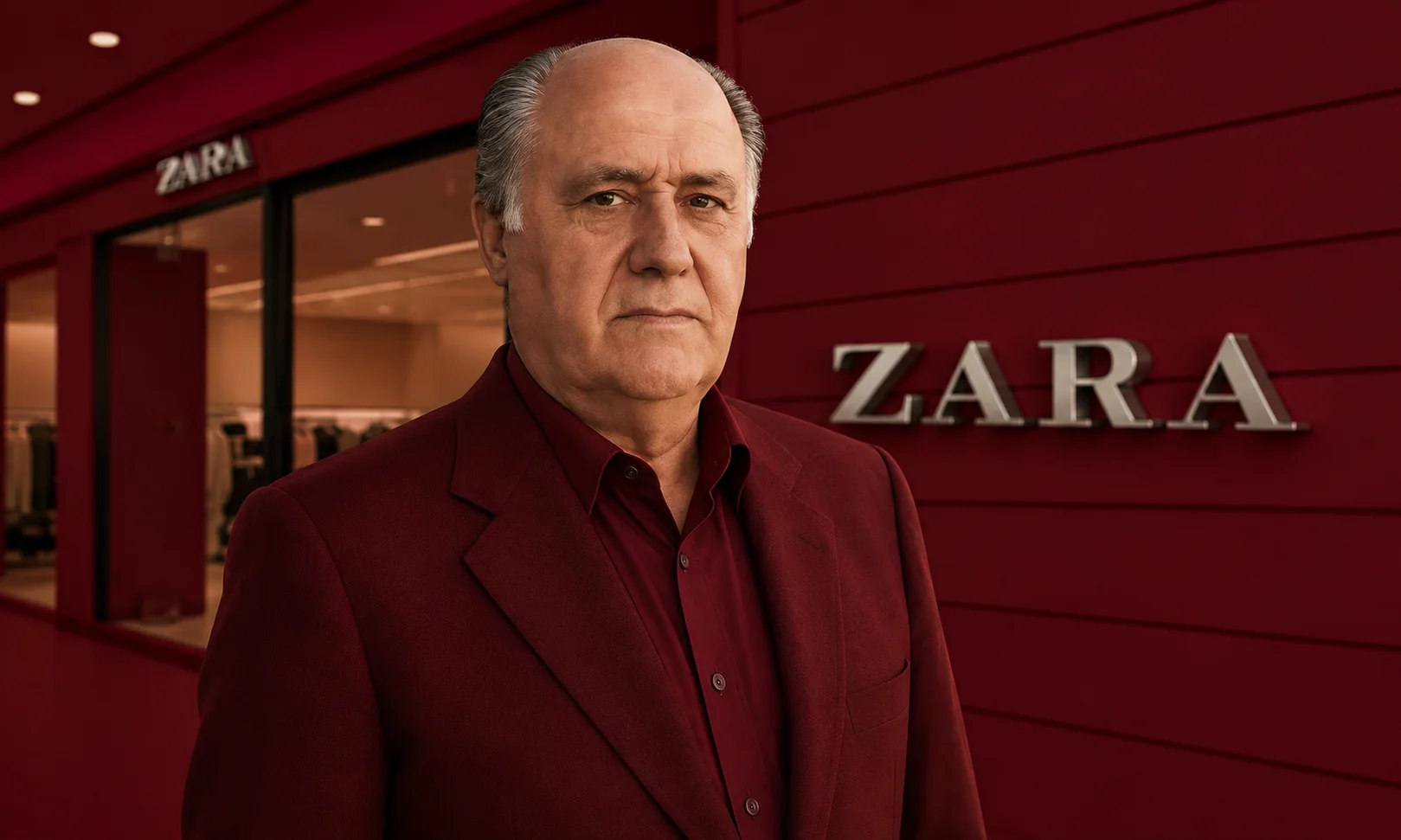
Amancio Ortega completes the current top ten with an estimated $146.4 billion, connected to Zara and its parent company Inditex. He is the only person outside the United States in the present top ten.
Ortega built the business in Spain around fast-moving supply chains and rapid product turnover, an approach that allowed Zara to move designs from concept to store shelves far more quickly than traditional retailers.
His fortune also depends less on a single share price than most of the others on this list. Alongside his Inditex holding, Ortega receives substantial dividends and has built a large international property portfolio.
This group demonstrates that the World’s Most Valuable Personal Fortunes are no longer built from only one type of business. Technology remains dominant, but retail, fashion, software, and investment ownership also create enormous fortunes.
Where Do These Fortunes Come From?
The World’s Most Valuable Personal Fortunes usually come from ownership rather than salary.
A billionaire may own millions or billions of dollars’ worth of company shares. If those shares increase in market value, the person’s estimated net worth rises as well.
For example, a founder who owns a large percentage of a public company can become several billion dollars richer after a strong trading day. However, this does not necessarily mean billions of dollars have entered their bank account.
Technology and Artificial Intelligence
Technology is one of the biggest wealth creators in the modern economy. Google, Amazon, Meta, Tesla, Oracle, Microsoft, Dell, and Nvidia have all produced enormous fortunes for founders, executives, or early investors.
AI has added another powerful factor. Nvidia’s rise has helped make Jensen Huang one of the world’s wealthiest individuals, while AI-related growth has also influenced the value of several technology companies.
E-Commerce and Retail
Amazon and Zara show another path to enormous wealth.
Bezos benefited from Amazon’s transformation from an online bookstore into a global commerce and cloud computing company. Ortega built his fortune through Inditex and its Zara fashion brand.
Long-Term Investment
Some of the World’s Most Valuable Personal Fortunes come from holding valuable assets for many years.
Warren Buffett is the clearest example. His fortune is closely associated with Berkshire Hathaway, where long-term investing and capital allocation have played a central role.
Why Net Worth Changes So Quickly
Billionaire wealth is often more volatile than it looks.
Forbes explains that its real-time ranking updates public holdings frequently while private-company fortunes are generally updated less often. This means the ranking can change during periods of strong market movement.
There are several major reasons.
| Factor | Effect on Fortune |
|---|---|
| Stock prices | Can quickly increase or reduce wealth |
| Private-company valuations | Can change estimated ownership value |
| Exchange rates | Affect fortunes measured in U.S. dollars |
| Debt | Reduces estimated net worth |
| Asset sales | Can change ownership and liquidity |
| Donations | Can reduce personal wealth |
| Company performance | Influences share value over time |
Therefore, a billionaire’s reported wealth should be viewed as an estimate, not as a bank balance.
How Forbes Measures Billionaire Wealth
Forbes’ annual billionaire ranking uses a specific valuation date. Its 2026 World’s Billionaires List used stock prices and exchange rates from March 1, 2026. Forbes estimated private businesses using factors such as revenue, profits, comparable-company valuations, and other available information.
The real-time ranking works differently because it is designed to follow market movements. Forbes says public holdings are updated every five minutes when relevant stock markets are open, while fortunes heavily connected to private companies are generally updated daily.
That distinction matters when comparing different billionaire lists.
World’s Most Valuable Personal Fortunes vs Family Wealth
Personal fortunes should not always be confused with the world’s richest families.
Forbes generally ranks individuals rather than combining large multigenerational family fortunes. Some rankings may therefore show different numbers when family assets are grouped together.
For example, the Walton family has enormous combined wealth through Walmart, but individual Walton family members appear separately in Forbes’ real-time individual ranking.
This is why a list of the World’s Most Valuable Personal Fortunes can look very different from a list of the world’s richest families.
What We Can Learn From the World’s Richest People
The World’s Most Valuable Personal Fortunes reveal several clear patterns.
First, ownership matters. The biggest fortunes usually come from owning a meaningful stake in a successful company.
Second, scale matters. Businesses serving hundreds of millions or billions of people can create enormous economic value.
Third, time matters. Many of the people on the list built their fortunes over decades rather than through a single successful year.
Finally, wealth is constantly changing. A ranking published today may look different tomorrow because financial markets never stand still.
Common Mistakes When Reading Billionaire Rankings
One common mistake is treating net worth as cash. Most billionaire wealth is tied to businesses, shares, investments, and other assets.
Another mistake is comparing numbers from different dates. A fortune reported in March may be very different from the same person’s fortune in August.
It is also important to check the source. Forbes, Bloomberg, and other major wealth trackers use different methodologies, so their estimates can sometimes disagree.
Frequently Asked Questions
Who has the largest personal fortune in 2026?
As of August 15, 2026, Forbes’ real-time ranking lists Elon Musk first with an estimated fortune of $864.2 billion.
Who is the second-richest person in the world?
Larry Page ranks second in Forbes’ August 15, 2026 real-time ranking, with an estimated $283 billion.
Who completes the top ten?
After the top five, Forbes’ August 15, 2026 real-time ranking lists Mark Zuckerberg sixth at about $202.5 billion, Jensen Huang seventh at $194.4 billion, Larry Ellison eighth at $192.6 billion, Steve Ballmer ninth at $152.3 billion, and Amancio Ortega tenth at $146.4 billion.
Is Elon Musk a trillionaire?
Forbes reports that Musk became the world’s first trillionaire on June 12, 2026, following SpaceX’s public listing. However, the real-time estimate on August 15 places his fortune at about $864.2 billion, showing how quickly estimated wealth can change.
Who is the richest person in Asia?
The answer can change with market prices. Forbes’ real-time ranking currently places several Asian billionaires among the world’s wealthiest, including Changpeng Zhao, who ranks 17th globally with an estimated $109.7 billion on August 15, 2026.
Are billionaire net worth figures exact?
No. They are estimates based on known assets, ownership stakes, market prices, private-company valuations, debt, and other available information.
Does a billionaire have all of their wealth in cash?
Usually not. Much of the fortune is normally connected to company shares, private businesses, real estate, investments, or other assets.
Conclusion
The World’s Most Valuable Personal Fortunes offer a fascinating look at how modern wealth is created. From Google’s search technology and Amazon’s global marketplace to Tesla, SpaceX, semiconductors, software, and fashion, these fortunes are closely connected to businesses that have reached extraordinary scale.
More importantly, the World’s Most Valuable Personal Fortunes are not fixed numbers. Markets move, companies grow, ownership changes, and new industries emerge. Consequently, today’s richest person can have a very different position tomorrow.
For readers around the world, including Pakistan and every other region, these rankings are useful not simply because of the enormous numbers. They also show how innovation, ownership, investment, technology, and long-term business decisions can shape the global economy.