

AI Overview
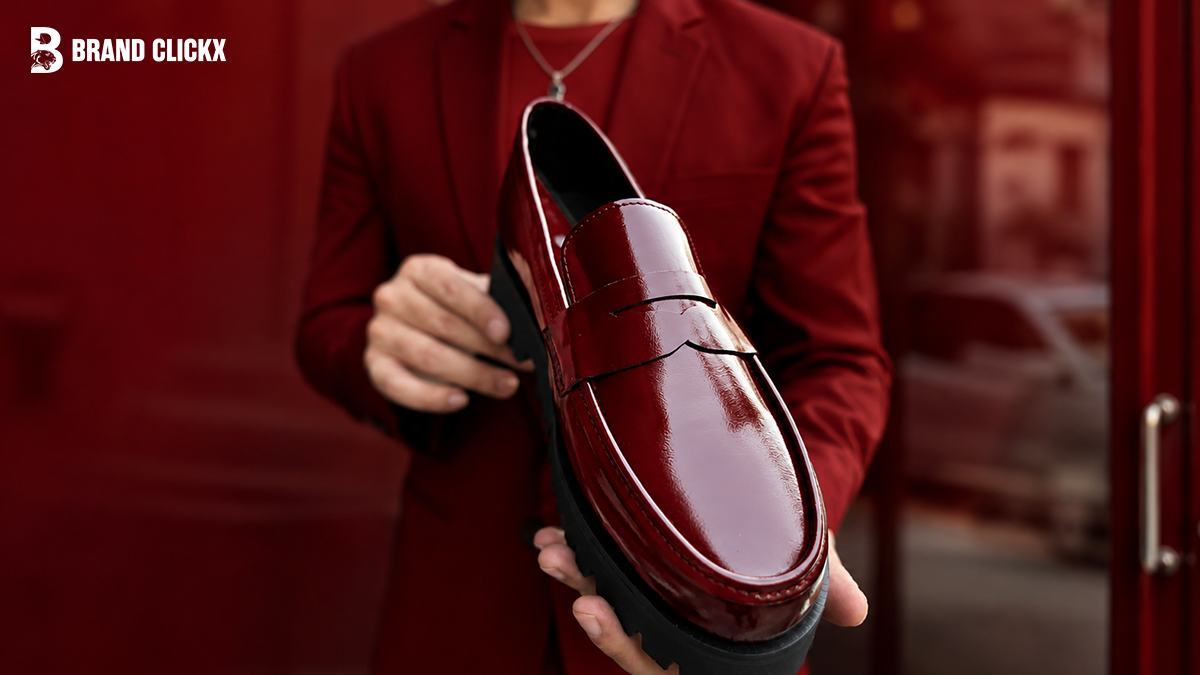
Penny loafers are timeless slip-on shoes recognized by the leather saddle strap across the top, featuring a small cutout that inspired their famous name. They combine classic design with everyday comfort, making them suitable for business casual, smart casual, and even some formal occasions.
This guide explains where penny loafers came from, how to choose the right pair, which materials last the longest, how to style them, and what separates premium craftsmanship from ordinary shoes.
You’ll also learn practical buying tips, maintenance advice, and the latest trends shaping penny loafers in 2026.
A Familiar Moment That Many People Experience
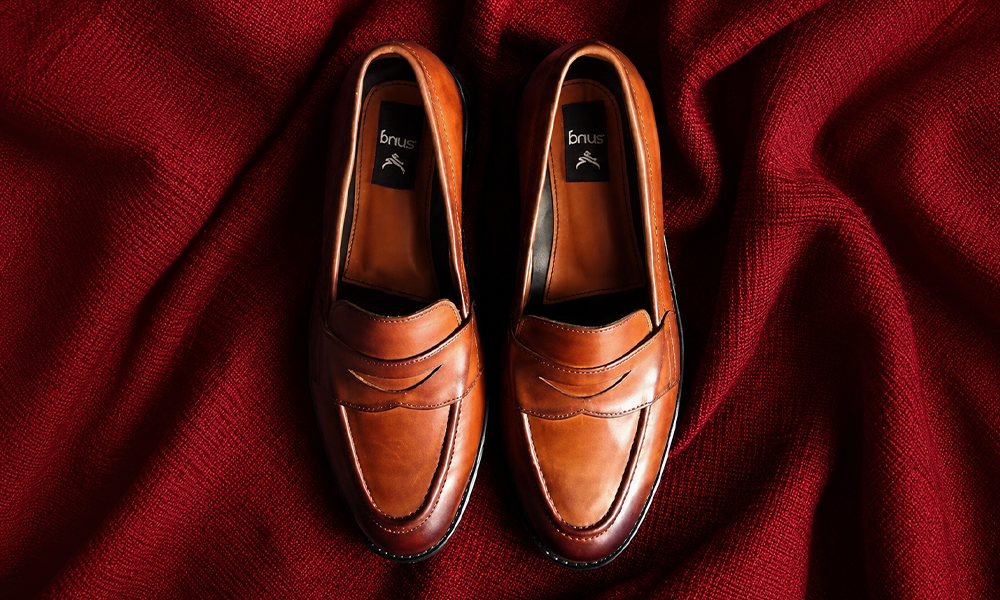
You find a pair of shoes that looks polished enough for work but relaxed enough for dinner with friends. They seem like the perfect balance between sneakers and formal dress shoes.
Then comes the question: Are these actually worth buying?
That question has made many people discover penny loafers, a shoe that has quietly remained fashionable for decades while adapting to modern wardrobes. Whether you’re building a professional wardrobe or simply looking for footwear that works with jeans, chinos, and tailored trousers, penny loafers deserve serious attention.
In this guide, you’ll learn what penny loafers are, why they’re called that, how to choose the right pair, which materials offer the best value, and how to wear them confidently in 2026.
Key Takeaways
- Penny loafers are slip-on shoes identified by a leather saddle strap with a signature cutout.
- Their origins trace back to Norway before G.H. Bass introduced the famous Weejuns in the United States.
- Full-grain leather offers the best durability, while suede provides greater comfort for casual wear.
- The right fit is snug at first because quality leather naturally stretches over time.
- Penny loafers work with business casual, smart casual, and many semi-formal outfits.
- Proper care can keep premium loafers looking great for more than a decade.
- Modern designs now combine traditional craftsmanship with improved comfort technologies.
What Are Penny Loafers?
Penny loafers are classic slip-on shoes featuring a leather saddle strap with a small cutout across the vamp. Originally inspired by Norwegian footwear and later popularized by G.H. Bass in America, they are valued for their versatility, comfort, and ability to complement both casual and business-casual outfits.
What Are Penny Loafers?
At first glance, penny loafers may look simple, but every detail serves a purpose.
Unlike traditional dress shoes, they have no laces, buckles, or straps used for fastening. Instead, they rely on precise construction and a secure fit to stay comfortably on your feet.
The defining feature is the leather saddle stitched across the top of the shoe. In its center is a small diamond- or half-moon-shaped slot that became the shoe’s signature design element.
That single detail transformed a practical slip-on into one of the most recognizable shoes ever created.
Why Are They Called Penny Loafers?
The nickname dates back to American college campuses during the 1950s.
Students placed a penny into the saddle’s cutout because a public payphone call cost two cents, making the coin a handy emergency backup. Over time, this habit became part of the shoe’s identity, and the name “penny loafer” spread around the world.
Today, very few people actually carry coins in their loafers, but the name remains an enduring symbol of classic style.
The History of Penny Loafers
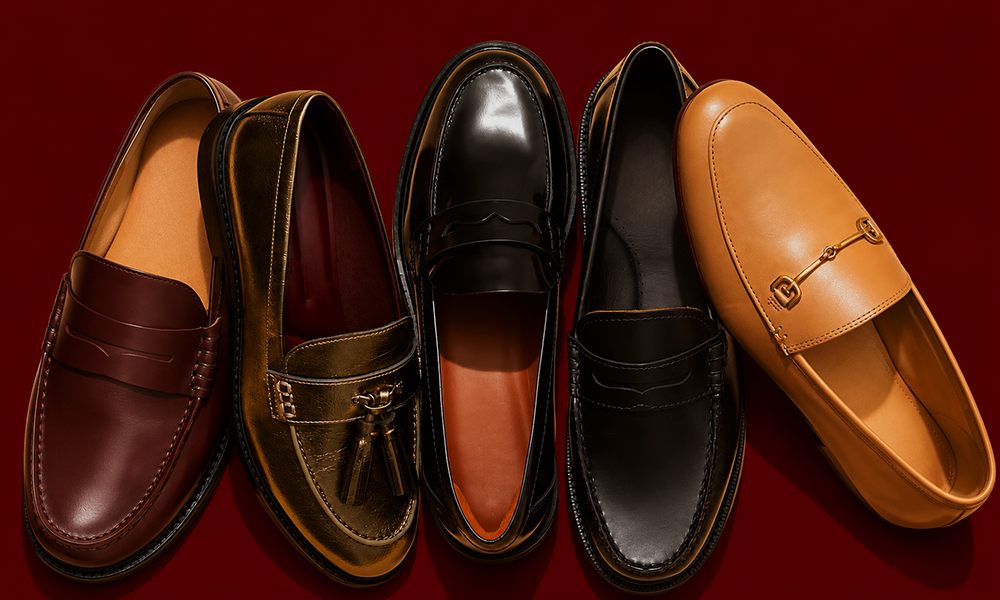
The story of penny loafers begins long before they became a fashion icon.
From Norway to America
In the early twentieth century, Norwegian shoemaker Nils Gregoriusson Tveranger created the Aurland Moccasin after combining traditional Norwegian slip-on footwear with construction ideas inspired by Native American moccasins.
Tourists visiting Norway admired the design for its comfort and practicality, bringing the shoes back to the United States.
Recognizing their potential, G.H. Bass & Co. introduced an American version in 1934. The company added the distinctive leather saddle and named the shoe Weejuns, a playful reference to its Norwegian roots.
That decision helped shape one of the most influential shoe designs in fashion history.
The Ivy League Influence
During the 1950s, penny loafers became closely associated with Ivy League students.
They were comfortable enough for everyday campus life while remaining polished enough for classrooms, social events, and weekend gatherings.
Even decades later, that preppy heritage continues to influence how penny loafers are styled around the world.
Why Penny Loafers Are More Popular Than Ever in 2026
Fashion trends change quickly, yet penny loafers continue to evolve without losing their identity.
Instead of competing with sneakers, they now fill the space between casual comfort and refined dressing. This shift has made them especially attractive as hybrid work environments become more common.
According to Grand View Research, the global loafers market reached $35.8 billion in 2025 and is projected to grow to $37.1 billion in 2026.
The same report forecasts the market will reach $49.1 billion by 2033, growing at a 4.1% CAGR between 2026 and 2033.
Leather remains the preferred material, accounting for 47.18% of total market revenue in 2025, according to Grand View Research.
The report also shows that men’s loafers represented 51.49% of total revenue, while the women’s segment is expected to grow at a faster 4.5% CAGR through 2033.
These numbers highlight why heritage brands continue investing in classic penny loafers while newer companies introduce modern interpretations with enhanced comfort.
Anatomy of Penny Loafers
Understanding the parts of a penny loafer makes shopping much easier because each component affects comfort, durability, and style.
The Saddle
The saddle is the leather strip stitched across the top of the shoe.
Its distinctive cutout creates the unmistakable look that separates penny loafers from every other loafer style.
The Vamp
The vamp covers the top of your foot and the toe area.
High-quality leather in this section gradually molds to your foot, improving comfort with regular wear.
The Last
The last is the foot-shaped form used during manufacturing.
Rounder lasts usually create a relaxed casual appearance, while slimmer lasts produce a more elegant dress shoe profile.
The Sole
Penny loafers generally feature either leather or rubber soles.
Leather soles provide a refined appearance and are best suited to formal settings. Rubber and Vibram-style soles deliver extra grip and durability, making them ideal for everyday wear.
Types of Penny Loafers
Not every pair of penny loafers is designed for the same purpose. The material, sole, and construction all influence how the shoe looks, feels, and performs over time.
Choosing the right style depends on where you plan to wear it and how often you expect to use it.
Leather Penny Loafers
Leather penny loafers remain the most versatile choice. They pair effortlessly with business casual outfits, tailored trousers, dark denim, and even suits when the design is sleek.
Among leather options, full-grain calfskin is considered the premium choice. It develops a rich patina with age, accepts polish well, and offers excellent durability.
Suede Penny Loafers
Suede provides a softer texture and usually feels comfortable from the first wear.
These loafers suit relaxed outfits, especially during spring and summer. They work well with linen trousers, chinos, and lightweight tailoring, although they need a protective spray because suede absorbs moisture more easily than smooth leather.
Shell Cordovan Penny Loafers
For buyers seeking exceptional longevity, shell cordovan stands in a class of its own.
Made from a specific layer beneath horsehide, it resists creasing, develops a deep shine over time, and is prized by collectors. Its premium price reflects both the material’s rarity and its long lifespan.
Dress vs. Casual Penny Loafers
A sleek leather sole and slim profile create a dressier appearance suitable for formal offices and special occasions.
Chunkier rubber soles, wider lasts, and beefroll stitching create a more casual look that pairs naturally with denim and relaxed tailoring.
Comparison of Common Penny Loafer Materials
| Material | Best For | Durability | Comfort | Maintenance |
| Full-Grain Leather | Business, formal, everyday | Excellent | Improves over time | Moderate |
| Suede | Casual, summer outfits | Good | Excellent | Higher |
| Shell Cordovan | Premium investment | Outstanding | Excellent | Moderate |
How to Choose the Best Penny Loafers
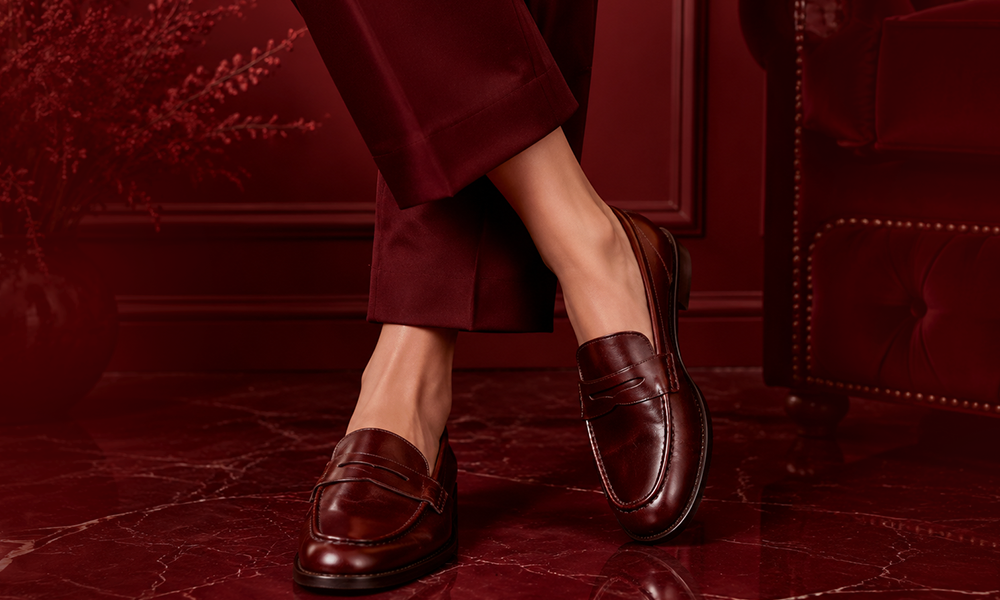
Buying quality footwear isn’t about choosing the most expensive pair. It’s about matching the shoe to your lifestyle.
A thoughtful purchase will serve you far longer than chasing trends.
Choose the Right Leather
If you want maximum versatility, full-grain leather is the strongest choice.
For relaxed wardrobes, suede offers a softer appearance that’s ideal during warmer months.
If you’re building a long-term collection, shell cordovan provides remarkable durability and develops character with every year of wear.
Understand Construction Methods
Construction affects durability almost as much as the leather itself.
Goodyear Welt
Goodyear welted loafers feature a leather welt stitched between the upper and outsole.
This method creates a durable structure that can be resoled multiple times, making it ideal for long-term ownership.
Blake Stitch
Blake-stitched shoes connect the upper directly to the outsole.
The result is a lighter, more flexible loafer with a slimmer silhouette, although it offers less water resistance than Goodyear welt construction.
Moccasin Construction
Moccasin construction wraps the leather underneath the foot before stitching it together.
This creates exceptional flexibility and a glove-like fit, making it popular for casual penny loafers.
Focus on Fit
Because penny loafers don’t have laces, fit becomes even more important.
They should feel comfortably snug when new without causing pain. Premium leather stretches slightly during the break-in period, so buying a loose pair often leads to heel slip later.
Consider the Sole
Leather soles offer elegance and work best indoors or in dry conditions.
Rubber and Vibram-style soles provide better traction, making them more practical for frequent walking and unpredictable weather.
Who Should Buy Penny Loafers?
Penny loafers are an excellent investment if you:
- Want one shoe that works for both casual and business casual outfits.
- Prefer timeless fashion over short-lived trends.
- Appreciate quality leather footwear.
- Need comfortable slip-on shoes for daily wear.
- Value shoes that can last for many years with proper care.
Who Might Want Another Style?
Penny loafers may not be the ideal choice if you:
- Need footwear for heavy rain or snow every day.
- Prefer adjustable lace-up shoes because of unique foot shapes.
- Want athletic cushioning for long-distance walking.
- Only wear extremely formal black-tie clothing.
Penny Loafers vs Other Loafer Styles
Many shoppers confuse penny loafers with other popular loafers.
The differences become much clearer when viewed side by side.
| Style | Defining Feature | Best For | Formality |
| Penny Loafers | Leather saddle with cutout | Everyday, business casual | Casual to Business Casual |
| Tassel Loafers | Decorative leather tassels | Smart casual | Smart Casual to Semi-Formal |
| Horsebit Loafers | Metal horsebit detail | Modern tailoring | Smart Casual to Formal |
| Venetian Loafers | Plain upper without ornament | Relaxed outfits | Casual |
If versatility is your priority, penny loafers remain the safest choice because they transition between different dress codes more naturally than the alternatives.
Common Buying Mistakes
Many first-time buyers focus only on appearance.
That often leads to disappointment after a few months.
Avoid these common mistakes:
- Buying loafers that already feel loose.
- Ignoring construction quality.
- Choosing style over comfort.
- Wearing suede in heavy rain.
- Skipping shoe trees after each wear.
- Expecting stiff leather to feel broken in immediately.
Are Penny Loafers Worth the Investment?
For many people, the answer is yes.
Unlike trend-driven footwear, penny loafers have remained relevant for decades because they solve a practical problem. They offer the polish of dress shoes without sacrificing everyday convenience.
High-quality Goodyear-welted or Blake-stitched loafers can also be resoled, allowing a single pair to stay in service for many years.
That makes their cost easier to justify when measured over their full lifespan rather than their initial purchase price.
How to Style Penny Loafers in 2026
One reason penny loafers have remained popular for generations is their versatility. A single pair can work with casual outfits, office attire, and even semi-formal occasions when styled correctly.
Current fashion trends also show that loafers are no longer reserved for traditional wardrobes. They now fit naturally into modern streetwear and relaxed tailoring.
Business Casual
For work, pair black or dark brown leather penny loafers with tailored trousers, an Oxford shirt, and a lightweight blazer.
This combination looks polished without feeling overly formal, making it ideal for offices with a business-casual dress code.
Smart Casual
Dark jeans or chinos work exceptionally well with leather penny loafers.
Complete the outfit with a polo shirt, knit sweater, or casual button-down shirt for a clean and balanced appearance.
Summer Styling
Suede penny loafers shine during warmer months.
Pair them with linen trousers or tailored shorts and a breathable linen shirt. No-show socks help maintain the sockless appearance while protecting the shoe’s interior.
Winter Styling
During colder seasons, polished leather penny loafers complement wool trousers, knitwear, and structured overcoats.
Many fashion editors now embrace high-contrast white or ribbed crew socks with black loafers, creating a contemporary interpretation of classic Ivy style.
Real-World Examples That Show Their Versatility
Fashion trends often come and go, but penny loafers continue finding new audiences.
One example is Tyler, the Creator, who frequently combines chunky black penny loafers with oversized preppy clothing and white athletic socks. His styling has introduced the classic loafer to a younger generation.
Another example comes from professionals working in creative and technology industries. Many have begun replacing minimalist leather sneakers with penny loafers to achieve a more refined business-casual look without sacrificing comfort.
Collectors also view premium models such as the Alden Leisure Hand Sewn (LHS) in Shell Cordovan as long-term investments. These shoes can be restored and resoled, allowing owners to wear them for decades.
Caring for Penny Loafers
Quality footwear rewards proper care.
A few simple habits can dramatically extend the life of your loafers while preserving their appearance.
Leather Penny Loafers
Clean dirt with a soft cloth after wearing them.
Apply leather conditioner every few weeks to prevent drying and cracking. Polish occasionally to maintain the leather’s finish.
Insert cedar shoe trees after each wear to absorb moisture and help the shoes retain their original shape.
Suede Penny Loafers
Use a suede brush to remove dust and restore the nap.
A suede eraser helps lift light marks, while a waterproofing spray offers extra protection against unexpected moisture.
Simple Maintenance Schedule
| Frequency | Recommended Care |
| After Every Wear | Wipe clean and insert cedar shoe trees |
| Every Few Weeks | Condition leather or brush suede |
| Every Few Months | Polish leather and inspect soles |
| When Needed | Resole Goodyear welted or Blake-stitched loafers |
Practical Application: Choose the Right Penny Loafers in 5 Steps
Instead of buying based only on appearance, use this simple framework.
Step 1: Define Your Purpose
Think about where you’ll wear the shoes most often.
Office wear, weekend outings, travel, and formal events each benefit from slightly different styles.
Step 2: Select the Material
Choose full-grain leather for versatility, suede for casual comfort, or shell cordovan if you’re investing in exceptional durability.
Step 3: Check the Construction
If longevity matters, prioritize Goodyear welt or Blake stitch construction.
These methods allow repairs and resoling, extending the life of the shoes.
Step 4: Get the Fit Right
Your loafers should feel snug but never painful.
Since leather stretches gradually, avoid purchasing a pair that already slips at the heel.
Step 5: Plan for Long-Term Care
Budget for shoe trees, conditioner, and occasional maintenance.
Small habits today can keep quality loafers looking excellent for many years.
The Future of Penny Loafers
Classic footwear continues evolving without abandoning its heritage.
Research indicates that brands are increasingly adopting vegetable-tanned leather and environmentally responsible materials as sustainability becomes a greater priority.
Comfort is also improving.
Modern manufacturers are introducing athletic-inspired cushioning and hybrid soles while preserving the timeless appearance that made penny loafers famous.
Custom 3D-shaped lasts and more personalized fitting solutions are also expected to become increasingly common over the next several years.
Conclusion
Remember that moment at the beginning when you were searching for one pair of shoes that could handle both everyday life and more polished occasions?
That search explains why penny loafers have never truly disappeared. They solve a problem that few shoes manage as well: combining elegance, comfort, and versatility in one timeless design.
Whether you choose classic full-grain leather, soft suede, or an investment-worthy shell cordovan pair, the right loafers can serve your wardrobe for years with proper care.
Fashion trends will continue to change, but well-made shoes built on thoughtful craftsmanship rarely go out of style. They simply become part of your story.
Frequently Asked Questions
What are penny loafers?
Penny loafers are classic slip-on shoes identified by a leather saddle strap across the vamp with a small cutout in the center. The design originated from Norwegian-inspired footwear before being adapted by G.H. Bass & Co. in the United States.
Today, they are considered one of the most versatile shoes for business casual, smart casual, and everyday wear.
Why are they called penny loafers?
The name dates back to the 1950s, when American college students placed pennies into the cutout on each shoe. At the time, a public payphone call cost only a few cents, so carrying pennies in their loafers provided emergency phone money.
Although the practice has disappeared, the nickname has remained part of footwear history.
How should penny loafers fit?
Penny loafers should feel comfortably snug when you first try them on. Since quality leather gradually stretches during the break-in period, buying a loose pair usually leads to heel slippage later. A secure fit around the heel and midfoot provides the best long-term comfort.
Can you wear penny loafers with a suit?
Yes. Sleek leather penny loafers in black or dark brown work well with many business and semi-formal suits. Choosing polished full-grain leather creates a more refined appearance than suede, making it suitable for professional environments and formal occasions.
Should you wear socks with penny loafers?
Both approaches work depending on the occasion. No-show socks create the popular sockless appearance while protecting the inside of the shoe from moisture. For business settings, thin dress socks matching your trousers provide a more traditional and polished look.
Are penny loafers still in style in 2026?
Absolutely. Current fashion trends show penny loafers becoming even more popular as workplaces continue embracing business-casual dress codes.
Modern styling combines traditional craftsmanship with contemporary elements such as chunky soles or high-contrast socks, making them relevant for both classic and younger wardrobes.
How long do quality penny loafers last?
A well-made pair can last for many years with proper maintenance. Goodyear-welted and Blake-stitched loafers can often be resoled, extending their lifespan significantly. Using cedar shoe trees, conditioning the leather, and storing them correctly all contribute to long-term durability.
What is the difference between Weejuns and penny loafers?
“Weejuns” is the trademarked name used by G.H. Bass & Co. for its famous penny loafer model. Every Weejun is a penny loafer, but not every penny loafer is a Weejun. Many other heritage and modern brands now produce their own versions using different materials and construction methods.