Quick answer:
In the google nest vs amazon echo fight, Amazon wins on pure automation value in 2026. The Echo Show 8 is the hardware to beat. Google Nest takes it for conversational AI, YouTube integration, and smarter web queries.
Here we go again with the google nest vs amazon echo thing. It never ends. The year 2026 didn’t end it either. What this year did was make it closer than I figured, which is somehow more annoying than a blowout.
Both brands make good hubs now. Both also charge a bit of a premium if you want the high-end screens. Blame the ongoing component shortages mostly. So I quit asking which assistant knows more random trivia, because for normal people, that’s the wrong question.
Here’s the one I actually care about. The money was leaving your wallet anyway. Who gives you more helpful home control for it?
I look at these ecosystem updates most weeks. This is where I keep landing. At BrandClickX, we live to cut through the tech jargon and tell you what actually works on your kitchen counter when deciding between google nest vs amazon echo ecosystems.
The Short Version
Pure automation power and device compatibility? Amazon, and it’s barely a contest. Security organization ends up in the same place in their recent 2026 platform rundown. The device everybody points at for a balanced setup is the Echo Show 8. If you just want the most responsive routines your budget can buy, google home vs amazon echo debates usually end with Alexa taking the crown.
Now flip it. Context-aware conversations, natural phrasing, and clean video casting? Google Nest, then. Recent hands-on writeups hand Google the win for conversational logic, thanks to Gemini AI being woven into the backend. In the broader google nest vs amazon echo product matchup, Amazon just keeps the raw utility value crown with its massive third-party accessory support.
So your google assistant vs alexa call is really one question. Do you want a smarter assistant to talk to, or a better system to run your gadgets? Pick.
What Each Brand Is Actually Selling
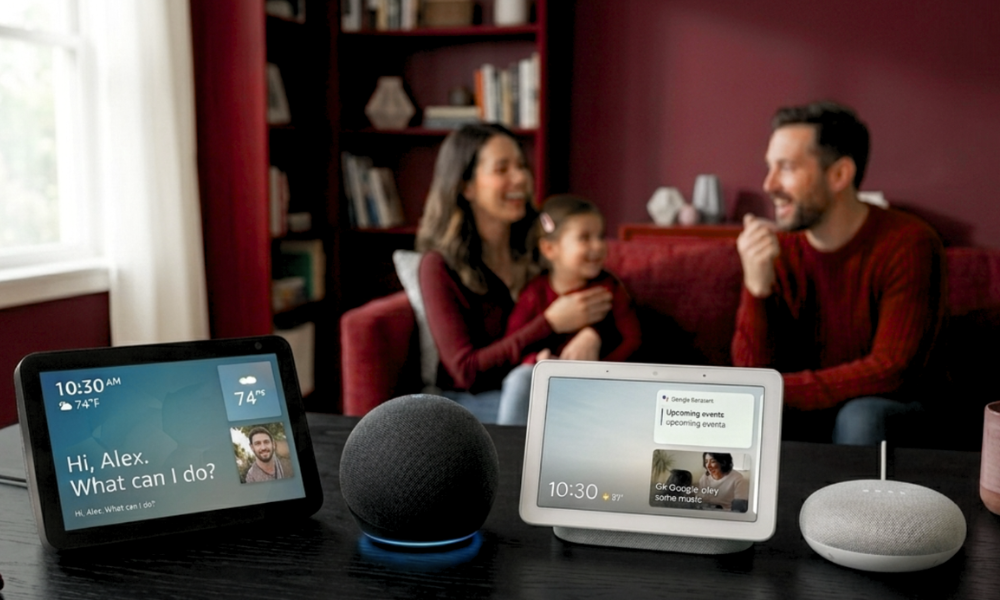
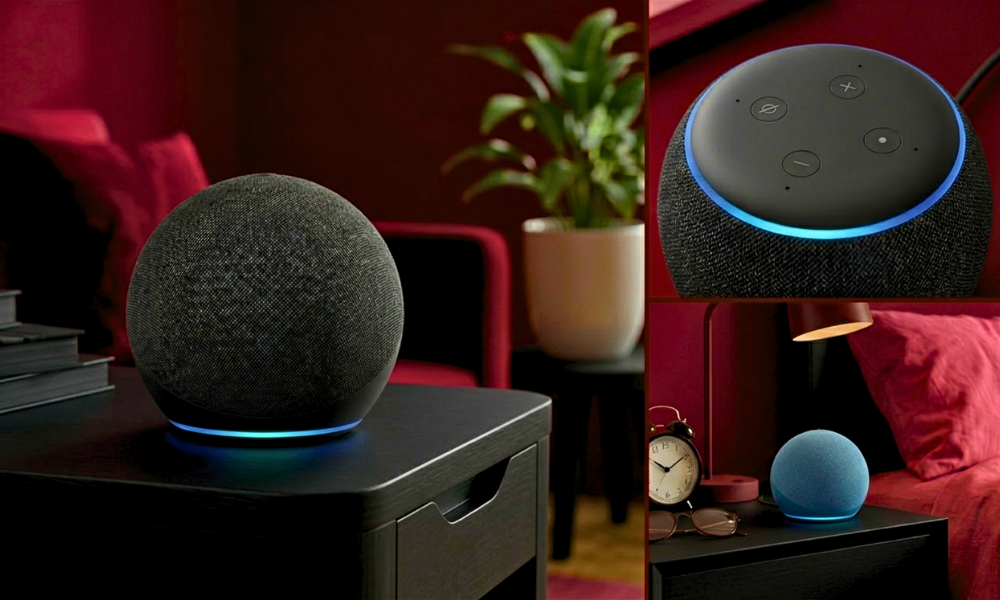
Amazon’s Echo lineup starts tiny with the Echo Pop and Echo Dot, then scales up. You have the standard spherical Echo, the Echo Show 8, the rotating Echo Show 10, and the massive, wall-mounted Echo Show 15 and Echo Show 21 running full Fire TV software.
Google keeps it short and sweet. There is the Nest Mini, the fabric-covered Nest Audio, the 7-inch Nest Hub, and the larger Nest Hub Max. For anyone weighing google home vs amazon echo setups, these hardware lines represent completely different design mentalities.
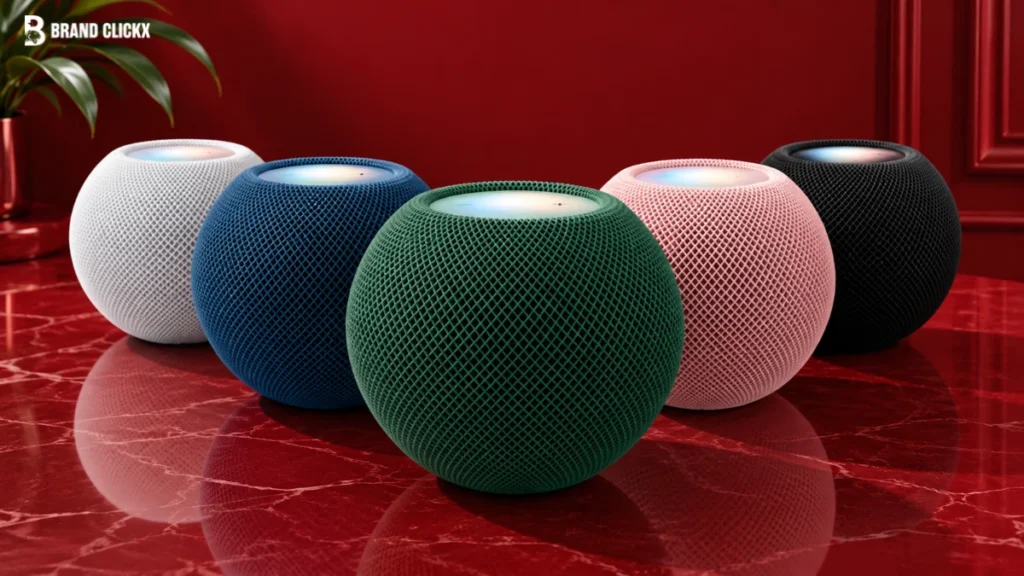
Down at the bottom, don’t ignore other alternatives either. If you are entirely trapped in the Apple walled garden, a HomePod mini is the play under a hundred bucks, but for true open-ended smart homes, it’s a two-horse race.
And here’s the bit that caught me off guard checking the latest mid-2026 data. While Google has been heavily pushing Gemini updates into old hardware, Amazon quieted down on releasing radical new physical shapes this season.
They are focusing almost entirely on their upgraded generative AI software model. This means your current options are highly refined. Nobody is rolling out a brand-new shape to make your current gear obsolete next month.
The Price Gap and Ecosystem Value
Okay, money. Best part and the worst part. Standard pricing settled down a bit by mid-2026, and looking at what you get for your money tells you most of what you need.
Top shelf first. An Echo Show 15 or 21 will run you anywhere from $299 to $399 depending on sales. A Nest Hub Max sits closer to $229. Do that math out loud. You are paying a chunk more for the large Echo screens, but you get a full-blown streaming television interface with a remote control
The middle of the stack is where things get fiercely competitive. The Echo Show 8 and the Nest Hub (2nd Gen) sit right in the sweet spot for bedside or counter use, acting as core pillars for your collection of the best smart home devices.
Mid-2026 Street Prices & Hub Snapshot
| Smart Hub Device | Rough 2026 Price | Best For |
| Echo Pop / Echo Dot | ~$25 to $50 | Cheap voice access in small rooms |
| Nest Mini | ~$40 to $50 | Adding Google Assistant to bedrooms |
| Nest Hub (2nd Gen) | ~$80 to $100 | Bedside clock and sleep tracking |
| Echo Show 8 | ~$130 to $150 | Best overall display value |
| Nest Hub Max | ~$229 | YouTube fans and kitchen recipes |
| Echo Show 11 | ~$219 | Loud sound and larger counter spaces |
| Echo Show 15 / 21 | ~$299 to $399 | Wall-mounted family organization |
Note: Prices move all the time based on retail trends. Most hubs drop significantly during holiday events and regional sales, and hardly anyone ever pays full retail price. Check live tracking on the day you buy.
Where Each Hub Actually Wins
Raw hardware speed and sensory triggers belong to Amazon. Devices like the latest Echo Show 8 carry built-in Zigbee, Thread, and Matter radios right out of the box. They also pack ultrasound motion sensors. This means your Echo can tell when you walk into a room and turn on your best smart home devices without waiting for a cloud server to approve the command.
Conversational logic? That used to be a close race. Not anymore. The google assistant vs alexa dynamic shifted hard when Google swapped its legacy voice engine for Gemini-based processing. Google understands messy sentences perfectly.
If you say, “Uh, change the living room light to that cozy color, wait, no, just turn it down to ten percent,” Google adjusts cleanly. Alexa can still get confused by those mid-sentence corrections.
However, if you push into heavy household automation, Alexa struts again. If you have Ring doorbells or Blink cameras, the Echo Show displays show your camera feeds almost instantly. Trying to bring those Amazon-owned camera feeds into a google home vs amazon echo setup can cause noticeable loading lag.
Automation vs. Everyday Software Usability
The software backend is easily half of the google nest vs amazon echo argument at this point.
Amazon’s routine builder remains the gold standard for normal users. No code is required to create multi-step rules. So then you can say to Alexa, ‘turn off the plugs’, ‘lower the thermostat’ and ‘lock the doors when my security system arms’. No fuss, works like a charm each time.
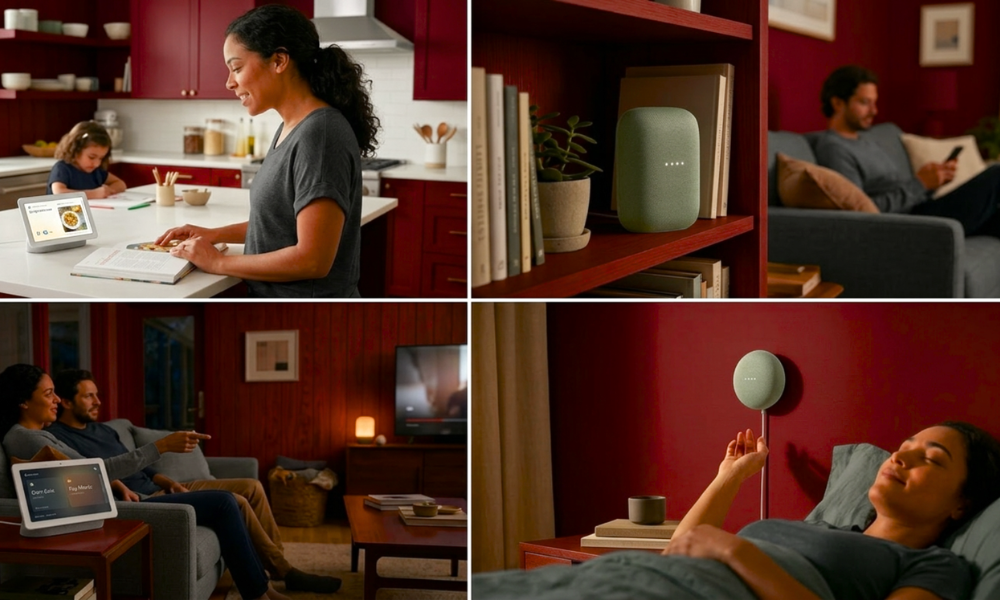
Well, forget complexity with automation that is gone in Google’s software integration. Coming in the form of a Nest Hub, all those tasks related to your Google account (personal calendar, commuting & Maps data, casual web searches) are managed exceptionally well.
When you ask a Nest Hub for a recipe, it will share a clean step-by-step layout from Google Search right on screen. Alexa frequently attempts to steer you toward an optimized purchase or a clunkier wiki answer.
Google wins media casting hands down in the ongoing google home vs amazon echo rivalry. With native Google Cast on board now, you can send most any video or audio stream from your phone to a Nest screen with one press.
Echo shows, since they have integrated apps or a simple web page, effectively meaning you are stuck in the Echo ecosystem and not really able to expand your YouTube use if it’s something that you watch a lot.
Best Smart Hub for Your Home, by Budget
Finding the best smart home devices comes down to looking at what devices you already own and checking your wallet. No filler down here.
- Under $50: Grab an Echo Dot if you want a built-in temperature sensor for cheap automation, or a Nest Mini if you prefer Google’s answers.
- $80 to $150 (The Sweet Spot): The Echo Show 8 is the definitive pick for a balanced smart display. If you want something smaller for a nightstand that tracks your sleep patterns without a camera, choose the Nest Hub (2nd Gen).
- $200 and up: The Echo Show 15 or 21 if you want a wall-mounted command center that behaves like a kitchen TV. Go for the Nest Hub Max if you want a premium screen with a built-in Nest security camera.
One more thing, because it quietly ruins smart builds: keep an eye on your home router. If your router can’t physically handle the traffic, a smart home packed with 20 individual Wi-Fi switches and bulbs will stutter and keep dropping commands. Trust me here.
So, Which Do You Buy?
If you’d like the most responsive home automation routines, you own Ring or Blink security cameras already, and want a built-in smart hub that works with nearly any third-party gadget under the sun, then go for Amazon Echo. The Echo Show 8 makes Amazon the undisputed utility champion this year in the structural google nest vs amazon echo comparison, no asterisk.
Stick with Google Nest if you want an assistant that sounds truly human to converse with, you’re all in on the YouTube and Android ecosystems, and you enjoy unobtrusive web integration on your display screens.
Most heavy automation builders choose Amazon. Most casual users who want a smart screen for videos and questions choose Google. Ultimately, your choice in the google assistant vs alexa debate should match your current phone, your favorite apps, and your existing cameras. That is the whole thing. Stay tuned with BrandClickX for further deep dives into tech integration.
FAQs
Is Amazon Echo or Google Nest better value in 2026?
For pure gadget compatibility and automation flexibility, Amazon Echo offers better value. In the overarching google nest vs amazon echo standoff, Amazon acts as a multi-protocol hub natively, which saves you from buying extra hardware bridges down the road.
Can a Google Nest hub control Amazon Ring cameras?
Technically yes, through third-party workarounds, but the experience is slow. If your house relies on Ring security gear, choosing an alternative from the google assistant vs alexa lineup will show that sticking to an Echo display avoids annoying camera feed delays.
Do these smart home hubs require a subscription?
No. The core voice controls, smart home integrations, and basic features are entirely free. You only pay a monthly fee if you subscribe to advanced security camera storage plans like Nest Aware or Ring Protect.
What is the best budget smart display this year?
The Echo Show 8 frequently wins because it balances great sound, a fast processor, and a highly functional screen size for under $150, making it one of the absolute best smart home devices on the market today.
Which assistant is better at understanding natural speech?
Google Nest wins here. Thanks to regular language model updates that redefine the google assistant vs alexa user experience, it handles casual conversational stumbles, context changes, and follow-up questions much better than Alexa.