
On July 23, 2026, a routine federal court hearing suddenly became one of the biggest press freedom stories of the year. What began as a dispute over subpoenas ended with the U.S. Department of Justice unexpectedly backing down in a closely watched leak investigation.
The decision immediately drew national attention because the NYT subpoena Trump plane leak case sits at the crossroads of national security, government transparency, and First Amendment protections. It also raised a larger question: how far can prosecutors go when investigating classified leaks involving journalists?
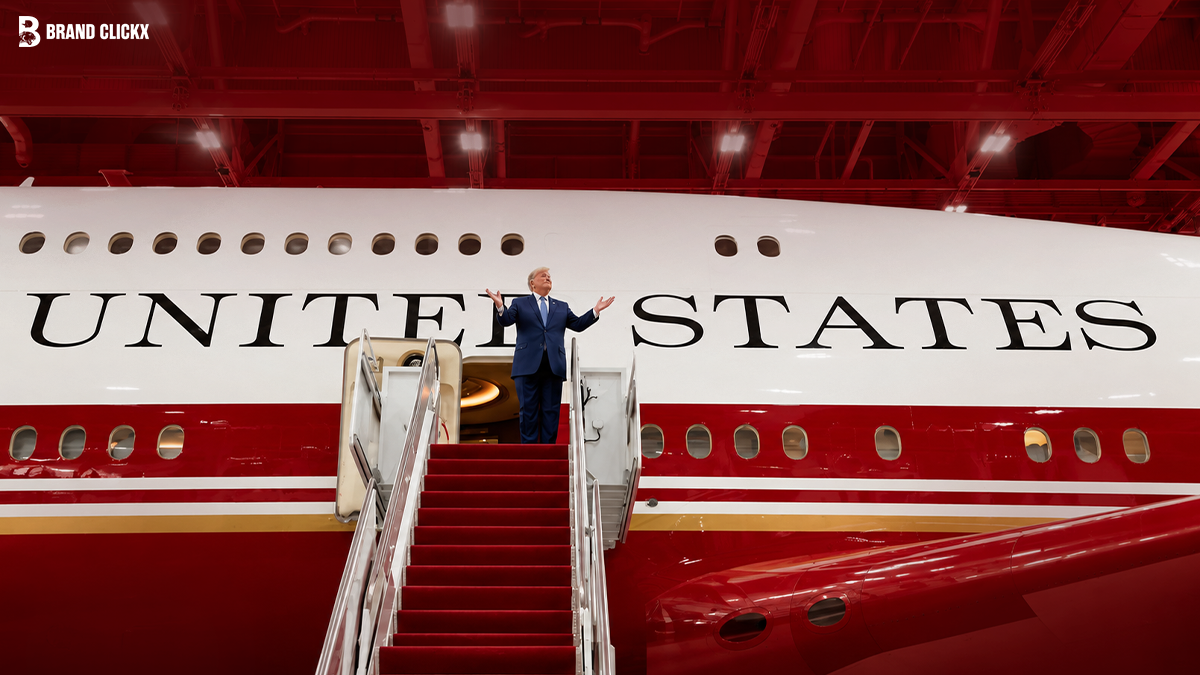
The dispute centered on reporting by The New York Times about security concerns surrounding President Donald Trump’s Qatari-donated presidential aircraft. Prosecutors wanted testimony and phone records from Times reporters, arguing they were investigating the source of sensitive government leaks. Before the court could decide whether those subpoenas should stand, however, the DOJ withdrew them.
Understanding why that happened requires looking beyond the courtroom. The case highlights how leak investigations work, why judges closely scrutinize subpoenas aimed at reporters, and what this decision could mean for future clashes between the government and the press.
AI Overview
The U.S. Department of Justice withdrew subpoenas issued to New York Times journalists during a federal court hearing on July 23, 2026. The subpoenas were part of a grand jury investigation into leaks concerning security details of President Donald Trump’s Qatari-donated presidential aircraft. Although the subpoenas were withdrawn, the broader leak investigation remains active, leaving ongoing questions about the balance between national security and press freedom.
Key Takeaways
- The DOJ withdrew subpoenas targeting New York Times reporters on July 23, 2026.
- The investigation focuses on leaked information about Trump’s Qatari-donated presidential aircraft.
- The subpoenas sought grand jury testimony and reporters’ phone records.
- Judge Arun Subramanian questioned prosecutors about procedural errors and First Amendment protections before the withdrawal.
- The withdrawal does not end the underlying criminal leak investigation.
- The case has renewed debate over how leak investigations should balance national security with freedom of the press.
- Similar subpoenas involving other major news organizations have recently been withdrawn after judicial scrutiny.
Featured Snippet
What happened in the NYT subpoena Trump plane leak case?
The U.S. Department of Justice withdrew subpoenas issued to New York Times journalists on July 23, 2026, during a federal court hearing. The subpoenas were part of a leak investigation into reporting about President Donald Trump’s Qatari-donated presidential aircraft, but the broader investigation continues despite the withdrawal.
What Happened in the NYT Subpoena Trump Plane Leak Case?
The controversy began after The New York Times published a report saying U.S. officials had raised security concerns about President Donald Trump’s Qatari-donated presidential aircraft. The article said the jet reportedly lacked some defensive systems found on the traditional Air Force One.
The White House rejected those claims. Officials said the aircraft uses high-level security protocols and argued that some travel decisions were intentionally designed to protect the president through operational secrecy.
Following the publication, the U.S. Attorney’s Office for the Southern District of New York, led by Jay Clayton, opened a grand-jury investigation to identify who leaked the information.
As part of that investigation, prosecutors issued subpoenas seeking testimony and phone records from New York Times journalists. Multiple news organizations reported that three reporters were targeted, though not every outlet confirmed the exact number.
The newspaper challenged the subpoenas in federal court, arguing they threatened press freedom and could discourage confidential sources from speaking with journalists in future investigations.
That legal challenge led to a hearing before Judge Arun Subramanian on July 23, 2026. During the proceedings, the judge questioned prosecutors about procedural mistakes and whether they had adequately considered First Amendment protections before seeking records from reporters.
Before the hearing concluded, the DOJ announced it would withdraw the subpoenas, ending the immediate dispute over compelling journalists to testify or hand over records.
Importantly, withdrawing the subpoenas did not close the criminal leak investigation. Prosecutors can still continue pursuing the source of the leaked information through other lawful investigative methods.
How the DOJ Leak Investigation Worked
The events in this case followed a legal process that the Justice Department often uses when investigating suspected leaks of sensitive government information.
1. A News Report Triggered the Investigation
The process began after The New York Times reported that officials had concerns about the security features of President Trump’s Qatari-donated aircraft.
Federal prosecutors believed someone with access to sensitive information may have disclosed details that were not meant for public release.
2. A Grand Jury Investigation Was Opened
To identify the source of the leak, the DOJ launched a grand-jury investigation.
A grand jury does not decide guilt or innocence. Instead, it helps prosecutors determine whether enough evidence exists to pursue criminal charges or continue the investigation.
3. Reporters Received Subpoenas
As part of the inquiry, prosecutors issued subpoenas seeking testimony and phone records from New York Times journalists.
The government argued these requests were intended to identify the person who leaked the information—not to prosecute the reporters themselves.
4. The New York Times Challenged the Orders
Rather than comply immediately, the newspaper asked the federal court to block the subpoenas.
Its legal team argued that forcing journalists to reveal sources or provide communications could discourage whistleblowers and undermine investigative reporting protected by the First Amendment.
5. The Court Hearing Changed the Outcome
During the July 23 hearing, Judge Arun Subramanian closely questioned prosecutors about procedural errors and whether the subpoenas met the legal standards required when targeting members of the press.
Before the judge ruled on the dispute, the DOJ informed the court that it was withdrawing the subpoenas.
6. The Investigation Continues
The withdrawal ended only these specific subpoena requests.
The DOJ can still pursue the leak investigation through other evidence or investigative methods that do not require enforcing these subpoenas.
Why the Judge’s Questions Changed the Case
The turning point came during the July 23, 2026 hearing in the U.S. District Court for the Southern District of New York.
Instead of simply reviewing paperwork, Judge Arun Subramanian closely examined whether the DOJ had followed the legal safeguards required before compelling journalists to provide testimony and records.
Procedural Errors Came Under Scrutiny
During the hearing, prosecutors acknowledged what they described as “inadvertent errors” in how the subpoenas had been handled.
The judge questioned whether the government had fully satisfied its obligations before seeking information from members of the press, especially in a case involving confidential sources.
First Amendment Was Central to the Hearing
The discussion quickly shifted beyond the leak itself.
Judge Subramanian emphasized that subpoenas directed at journalists require careful review because they can affect newsgathering and the willingness of sources to speak with reporters on matters of public interest.
That concern became one of the defining issues in the hearing.
The DOJ Changed Course
Rather than continue defending the subpoenas, government lawyers told the court they would withdraw them at that time.
The decision avoided an immediate judicial ruling on whether the subpoenas should be enforced, while also ending the legal fight over these specific orders.
What the Withdrawal Did and Didn’t Do
The withdrawal protected the targeted reporters from having to comply with these subpoenas.
It did not determine whether the original leak was lawful, whether anyone leaked classified information, or whether the broader criminal investigation would continue.
Why This Case Matters Beyond One Investigation
The withdrawal of the subpoenas resolved one legal dispute, but it also revived a much broader debate over how leak investigations should be conducted when journalists are involved.
Balancing National Security and Press Freedom
The DOJ argues that leak investigations help protect classified or sensitive government information. When unauthorized disclosures occur, prosecutors try to identify who shared the information and whether any laws were broken.
News organizations see the issue differently. They argue that compelling reporters to reveal sources can discourage whistleblowers from exposing matters that serve the public interest.
A Reminder That Courts Provide Oversight
One of the biggest takeaways from this case is the role of the federal courts.
Rather than accepting the subpoenas automatically, the court examined whether prosecutors had followed the legal standards expected when seeking records from journalists. That scrutiny ultimately preceded the DOJ’s decision to withdraw the requests.
Part of a Broader Pattern
This was not an isolated episode.
In recent months, multiple news outlets reported that the DOJ also withdrew subpoenas involving other major media organizations after facing legal challenges and judicial review. Those developments have intensified discussion about how future leak investigations should be handled.
What to Watch Next
Although these subpoenas are no longer being enforced, the legal and policy debate is far from settled.
Key questions now include whether the DOJ revises its approach to future leak investigations, whether Congress considers stronger protections for journalists, and how courts respond if similar cases arise again.
Practical Takeaways: What This Means for Readers
If you’ve been following headlines about the NYT subpoena Trump plane leak, here are the most important points to remember.
The Leak Investigation Is Still Active
The DOJ’s decision did not end the investigation.
Only the subpoenas issued to New York Times journalists were withdrawn. Prosecutors can continue trying to identify the source of the leaked information through other lawful investigative methods.
A Withdrawn Subpoena Is Not the Same as a Dismissed Case
This distinction often causes confusion.
When a subpoena is withdrawn, the government simply stops enforcing that specific legal demand. It does not automatically end the underlying investigation or prevent future legal action if new evidence emerges.
The Court Never Ruled on the Subpoenas
Because the DOJ withdrew the requests during the hearing, Judge Arun Subramanian did not issue a final decision on whether the subpoenas were legally valid.
That means the case does not create a new legal precedent on reporter subpoenas, even though it has already influenced public debate.
Future Leak Cases May Face Greater Scrutiny
Legal observers will likely pay closer attention whenever prosecutors seek records or testimony from journalists.
Courts may continue examining whether investigators have exhausted less intrusive options before compelling members of the press to cooperate.
Why This Story Matters
At its core, this case is about more than one newspaper or one investigation.
It highlights the ongoing challenge of protecting national security while preserving the independence of the press two principles that often come into tension when government leaks become public.
Conclusion
For a few hours on July 23, 2026, the focus of the hearing was whether New York Times reporters would be forced to testify and surrender records in the NYT subpoena Trump plane leak investigation. By the end of the day, that immediate legal battle had come to an unexpected close when the DOJ withdrew the subpoenas.
Even so, the larger story is still unfolding. The federal leak investigation remains active, while the questions raised about press protections, prosecutorial discretion, and judicial oversight are likely to influence similar cases in the future.
The case also shows that courts can play a decisive role before a dispute reaches a final ruling. Careful judicial scrutiny, combined with constitutional concerns, can reshape the course of a high-profile investigation without deciding its ultimate outcome.
For now, the subpoenas are gone, but the broader conversation over how the government investigates leaks—and how journalists protect confidential sources—has only become more significant.
Frequently Asked Questions
What exactly did the DOJ withdraw in the NYT subpoena Trump plane leak case?
The DOJ withdrew subpoenas that sought grand-jury testimony and phone records from New York Times journalists. These subpoenas were part of a criminal investigation into leaks about reporting on President Donald Trump’s Qatari-donated presidential aircraft.
The withdrawal ended the immediate effort to compel reporters to provide information. It did not end the broader leak investigation.
Why did the DOJ issue subpoenas to New York Times reporters?
Federal prosecutors said the goal was to identify the government source who allegedly disclosed sensitive information about the presidential aircraft.
The investigation focused on the suspected leak itself rather than the publication of the news story. The DOJ maintained that it was pursuing potential leakers, not prosecuting journalists.
Did the judge order the DOJ to withdraw the subpoenas?
No. Judge Arun Subramanian did not issue an order requiring the DOJ to withdraw them.
During the hearing, he questioned prosecutors about procedural errors and First Amendment protections. Before the court ruled, the DOJ voluntarily withdrew the subpoenas.
Does withdrawing the subpoenas mean the investigation is over?
No.
The withdrawal applies only to these specific subpoenas. Prosecutors can continue the grand-jury investigation using other lawful investigative methods if they choose.
Why is this case important for press freedom?
Journalists often rely on confidential sources to report on matters of public interest. Press organizations argue that forcing reporters to reveal sources could discourage future whistleblowers from coming forward.
At the same time, the government argues that leak investigations are necessary to protect classified or sensitive information. This case highlights the continuing balance between those two interests.
What was the New York Times report about?
The reporting centered on security concerns surrounding President Trump’s Qatari-donated presidential aircraft.
According to the published reports, some U.S. officials questioned whether the aircraft had all of the defensive systems used on the traditional Air Force One. The White House disputed those claims, saying the aircraft follows high-level security protocols.
Could similar subpoenas be issued again?
Yes, although there is no indication that new subpoenas have been issued in this case.
Future requests would likely receive close judicial scrutiny, particularly when they involve journalists and confidential sources. Any renewed effort would still need to satisfy applicable legal and constitutional standards.