


A direct-to-consumer brand does not have to choose between its own website and marketplaces. A marketplace expansion strategy uses marketplaces to reach new shoppers while keeping the DTC site valuable for brand building, customer relationships and product testing.
The basic idea is very simple: use each channel for the job it does best. Your website can remain the home base while a marketplace becomes a discovery and conversion channel. The goal is profitable reach without losing control.
Key Takeaways
- Marketplace expansion can add reach without replacing your DTC website.
- Start with products that have clear demand and healthy unit economics.
- Choose marketplaces based on customer fit, fees and operational requirements.
- Protect your DTC channel with useful exclusives and clear channel rules.
- Measure profit, not just marketplace revenue.
- Expand one channel at a time.
What is a marketplace expansion strategy?
A marketplace expansion strategy is a plan for taking a DTC brand onto third-party shopping platforms such as Amazon, Walmart Marketplace or another marketplace that fits the brand.
DTC brands usually control their storefront, pricing presentation, customer experience and much of their first-party customer data. Marketplaces work differently. They provide access to an existing shopping audience but set their own rules, fees, seller requirements and customer experience.
That trade-off is the heart of the decision: more reach can help but poor margins can weaken the business. For example, a skincare brand might start with three proven products and watch demand, returns, advertising costs and inventory before expanding.
Why should a DTC brand expand to marketplaces?
The strongest reason is reach. Marketplaces already have shoppers searching for products. Marketplaces can also test product demand. Your DTC store can focus on education, bundles, loyalty and brand storytelling while the marketplace handles discovery and checkout.
This is why marketplace expansion should not mean abandoning DTC. It is usually stronger as a hybrid model. For the wider retail media picture, see BrandClickX’s Retail Media Networks guide.
What job should the marketplace perform?
A marketplace should have a clear job in your overall DTC strategy. Don’t add a marketplace simply because other brands are using one.
For some brands the main goal may be reaching shoppers who have never visited the DTC website. For others it may be testing product demand or entering a new market. A marketplace can also provide another sales channel while the DTC website remains the main place for deeper brand relationships.
Before launching ask one simple question: What do we want this marketplace to achieve that our DTC site cannot achieve as easily? A clear answer makes it easier to choose the right marketplace and measure whether the expansion is working.
Which products should you put on a marketplace first?
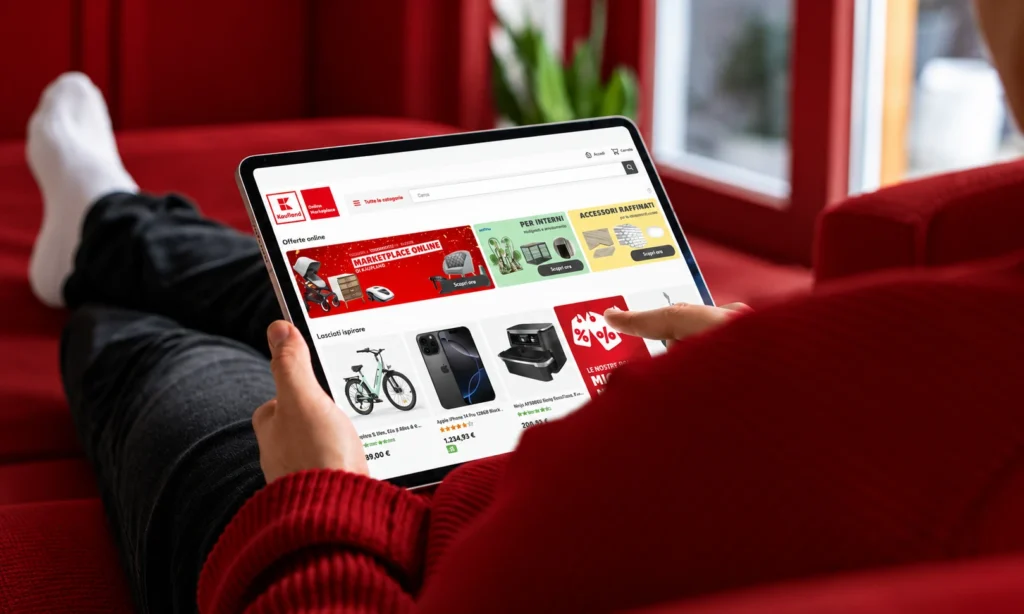
Do not start with the whole catalog. Start with products that have a clear reason to win in a marketplace environment. Good candidates often have:
- Clear customer demand
- Simple product benefits
- Reliable inventory
- Healthy contribution margin after marketplace costs
- Low return risk
- Packaging that can survive shipping
A hero product can be a strong starting point because buyers can understand it quickly. A bundle can work when it gives shoppers a clear reason to choose your brand. Products needing heavy consultation or education may belong on your DTC site. Your best DTC seller is not automatically your best marketplace product.
Should your marketplace assortment match your DTC store?
Your marketplace assortment does not always need to be an exact copy of your DTC store. A brand can use marketplaces for selected products while keeping other products or bundles exclusive to its own website. For example a DTC store might offer a larger bundle or a limited product while the marketplace carries the brand’s most popular individual products.
The goal is to give each channel a useful role without confusing shoppers. Before listing a product ask whether it fits the marketplace audience and whether selling it there supports the wider business.
How do you choose the right marketplace?
Start with customer fit rather than platform size for brands. Ask where your target customer already shops. Then look at category rules, seller requirements, fees, fulfillment options, advertising tools, returns and pricing expectations.
Amazon and Walmart Marketplace are obvious options for many brands, but a niche marketplace can offer better customer fit than a huge general marketplace.
Cost matters too. Marketplace selling involves fees that reduce what you keep from each sale. Amazon uses selling-plan and referral fees, while optional services can add costs. Walmart Marketplace charges category-based referral fees with separate fulfillment costs. So the correct question is not “Where can I sell?” It is “Where can I sell profitably?”
A simple marketplace selection framework
Before choosing a marketplace check seven things:
- Customer fit: Are your target shoppers already using the platform?
- Category fit: Does the marketplace work well for your type of product?
- Economics: Can the product remain profitable after fees and other costs?
- Operations: Can you keep inventory and fulfillment reliable?
- Advertising: Can you gain visibility without spending more than the product can support?
- Customer relationship: What information and relationship control will the platform allow?
- Expansion potential: Could this channel support future growth?
A large marketplace is not automatically the best marketplace. The right choice is the platform that fits your customers, products, economics and operating ability.
Build the economics before you launch
This is where expansion plans often become too optimistic. Calculate the contribution margin for a marketplace order before spending money on ads. Start with the selling price. Then subtract product cost, marketplace fees, fulfillment, shipping, returns, discounts and advertising.
What remains covers overhead and profit. A simple example shows the point. If a $40 product leaves $12 before advertising, spending $12 on ads uses the entire contribution from that order. That may still be justified if later value or organic sales changes the economics.
Run the numbers by product. A marketplace may look profitable at brand level while hiding weak economics on individual SKUs.
Look beyond the first order
A first marketplace order should not always be judged on revenue alone. Think about whether the channel creates new demand and whether customers can provide additional value over time.
This is different from selling through your own DTC website. On your own site you generally have more direct control over the customer relationship. On a marketplace your access to customer information and future communication depends on the platform’s rules.
That means a marketplace order can be useful while still requiring careful measurement. Look at the profit from the order and the wider role the marketplace plays in acquiring and reaching customers.
Does Marketplace Expansion Actually Create New Sales?
Marketplace growth does not automatically mean the business has gained new sales. Some shoppers may have bought from your DTC website anyway. If those purchases simply move to a marketplace then revenue may rise while the business keeps less money from each order.
This is called sales cannibalization. It means one channel takes sales that might otherwise have happened through another channel.
To understand whether marketplace expansion is creating real growth, compare marketplace performance with the wider business. Look at marketplace sales, DTC sales, contribution margin and demand from customers or regions that were previously difficult to reach.
The goal is not to move as many existing orders as possible. The goal is to create profitable growth for the whole brand.
Protect your DTC channel from channel conflict
Marketplace expansion can create tension when shoppers see different prices, bundles or promotions. Set clear rules before launch:
- Which products are exclusive to your DTC store
- Which products can appear on marketplaces
- Whether bundles will differ by channel
- How promotions will be handled
- How pricing changes will be approved
- Which channel gets new products first
Keep core products available in both places when useful while giving your DTC site exclusive bundles, limited releases or loyalty benefits.
How can a marketplace cannibalize DTC sales?
Channel conflict and cannibalization are related but they are not the same thing. Channel conflict happens when different sales channels create problems around pricing, promotions, products or the customer experience. Cannibalization happens when marketplace sales replace sales that might otherwise have happened through the DTC website.
Brands can reduce this risk by giving each channel a clear role. That might mean using different bundles, offering certain products through the DTC site, changing launch timing or creating useful DTC loyalty benefits.
The right approach depends on the brand. The key is to measure the total business rather than celebrating marketplace revenue on its own.
Your brand pricing power also matters here. If constant marketplace discounts train shoppers to wait for a lower price, expansion can damage the economics you were trying to improve. BrandClickX’s Brand Pricing Power guide explains why price response should be measured rather than assumed.
Who Owns the Customer Relationship?
One of the biggest differences between DTC selling and marketplace selling is control over the customer relationship. With a DTC website the brand generally has more direct control over the shopping experience and the customer information it collects. This can make it easier to build loyalty and communicate with customers over time.
A marketplace works differently. The platform controls much of the shopping environment and the seller’s access to customer information depends on the marketplace’s rules.
That does not make marketplaces less valuable. It simply means brands should understand what they gain and what they give up when they add another channel. A marketplace can help with discovery and sales while the DTC site remains important for long-term brand relationships.
Get inventory and operations ready
A marketplace launch is also an operations project. Your systems and team need to keep product information, inventory, orders, pricing, fulfillment and returns accurate across channels.
Without good synchronization one channel may show products that are unavailable or display information that no longer matches the DTC store. Customer service can also become harder when orders come from several platforms. If your systems are not ready start with a small assortment. A controlled launch gives the team time to find problems before marketplace expansion becomes difficult to manage.
If systems are not ready, start with a small assortment. A controlled launch is easier to fix than a large launch with stock errors. Compare fulfillment options by total cost and service requirements rather than headline fees.
Treat marketplace listings as sales pages
A marketplace listing must answer buyer questions quickly. Make the title clear. Show the product in useful images. Explain the benefit without unsupported promises and keep specifications easy to find.
Answer the buyer’s basic questions directly: What is it? Who is it for? What comes in the package? What size is it? How is it used? Reviews can influence conversion. You cannot control every review but you can control product quality and accurate descriptions.
Use marketplace advertising carefully
Marketplace advertising can help a new listing gain visibility. But advertising should support a sound product rather than hide a weak one. Watch advertising spend, conversion rate, sales and contribution margin together. Do not judge campaigns only by revenue. A product can generate sales while losing money after fees and fulfillment.
Retail media also extends beyond marketplace search into onsite, offsite and in-store activity. BrandClickX’s Retail Media guide explains this wider model.
What should you measure after expansion?
Track numbers that answer business questions:
- Marketplace revenue
- Contribution margin
- Advertising spend and return
- Conversion rate
- Average order value
- Return rate
- Stockouts
- Organic sales share
- New-to-brand customers where reliable data is available
Compare the marketplace with DTC without expecting identical results. The deeper question is whether marketplace growth adds profitable customers and reach. Higher sales with sharply lower margins means the strategy needs work.
When Should You Add a Second Marketplace?
Adding a second marketplace should be a business decision rather than a race for more sales. The first marketplace should be reasonably stable before you add another. You should understand your product margins, advertising costs, fulfillment process, inventory needs and return patterns. Look for signs such as:
- Reliable inventory
- Predictable fulfillment
- Healthy contribution margin
- Controlled returns
- Clear performance reporting
- A team that can manage another channel
Once the first marketplace is stable you can decide whether another platform offers enough new customers or geographic reach to justify the extra work. More channels are not always better. The best expansion is the one the business can operate profitably.
When should a DTC brand not expand?
Sometimes the best strategy is to wait. Delay the launch if inventory is unstable, margins are already weak, product information is poor or the team cannot handle another customer service and fulfillment workload.
A marketplace may also be a poor fit when the brand depends heavily on customization, consultation or membership. Expansion is not automatically growth. Growth is useful when the new channel improves the whole business. A clear plan for business growth and planning can help brands evaluate their readiness before committing to a new sales channel.
A simple marketplace expansion roadmap

Start by defining the job you want the marketplace to perform. Then choose a platform that fits your customers, products and economics. Select a small group of products and calculate the expected contribution margin before launch. Prepare inventory, product information, fulfillment, returns and customer service.
After launch measure sales, profitability, advertising, returns and stock levels. Also ask whether the marketplace is creating incremental demand or simply moving existing DTC sales. If the first marketplace becomes operationally stable, consider a second channel. Expand step by step rather than adding several marketplaces before you understand the economics of the first one.
Sources / E-E-A-T Note
This article was checked against current first-party marketplace documentation, search guidance and established ecommerce research. Fees, seller requirements and fulfillment terms can change. The fact-checking approach follows BrandClickX editorial standards.
Disclaimer
This article is for general educational purposes. Marketplace rules, fees, fulfillment options and customer-data access vary by platform and country and can change. Check current terms before making a business decision.
Frequently Asked Questions
1. Is marketplace expansion good for every DTC brand?
No. It works best for brands with reliable inventory, clear product offerings, and healthy profit margins.
2. Should a DTC brand sell its best product on a marketplace?
Not necessarily. Start by testing a strong product that customers can easily understand and that offers healthy profit margins.
3. Can marketplaces hurt a DTC brand?
Yes. Pricing conflicts, low profit margins, inventory issues, and poor customer experiences can harm a brand.
4. Should I launch on Amazon and Walmart at the same time?
Usually, no. Starting with one marketplace makes it easier to understand the process and manage costs before expanding.
5. What is the most overlooked part of marketplace expansion?
Inventory and profit margin management are often overlooked. Marketplaces can increase sales while creating stock problems or reducing profits.
6. Can a marketplace customer still become valuable to the DTC brand?
Yes, but it depends on the marketplace’s rules and the customer information available. Brands should not assume they will receive the same customer data as they do through their own online stores.