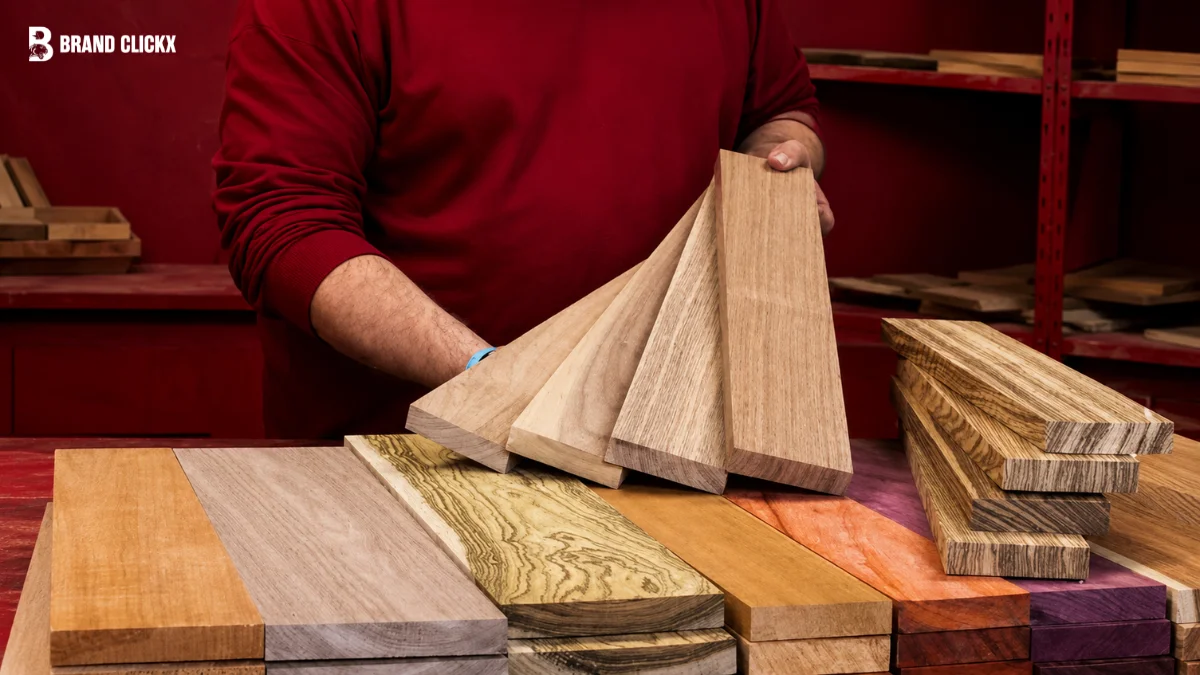
Mahogany’s basically the gold standard when it comes to high-end furniture, custom cabinetry, and acoustic guitars and it’s not hard to see why. That deep reddish tone, the smooth grain running through it, the way it just holds up over decades. woodworkers have been reaching for this stuff for centuries because it does exactly what you need it to do: keeps its shape, takes a finish beautifully, and doesn’t warp on you down the line.
Finding actual mahogany these days is the hard part. Trade rules have tightened up quite a bit, and there’s plenty of similar looking wood out there trying to pass as the real thing. This guide from BrandClickx walks through what genuine mahogany actually looks and feels like, how you can tell it apart from the fakes, and what to check before you spend your money.
Why Mahogany Wood Stands Out
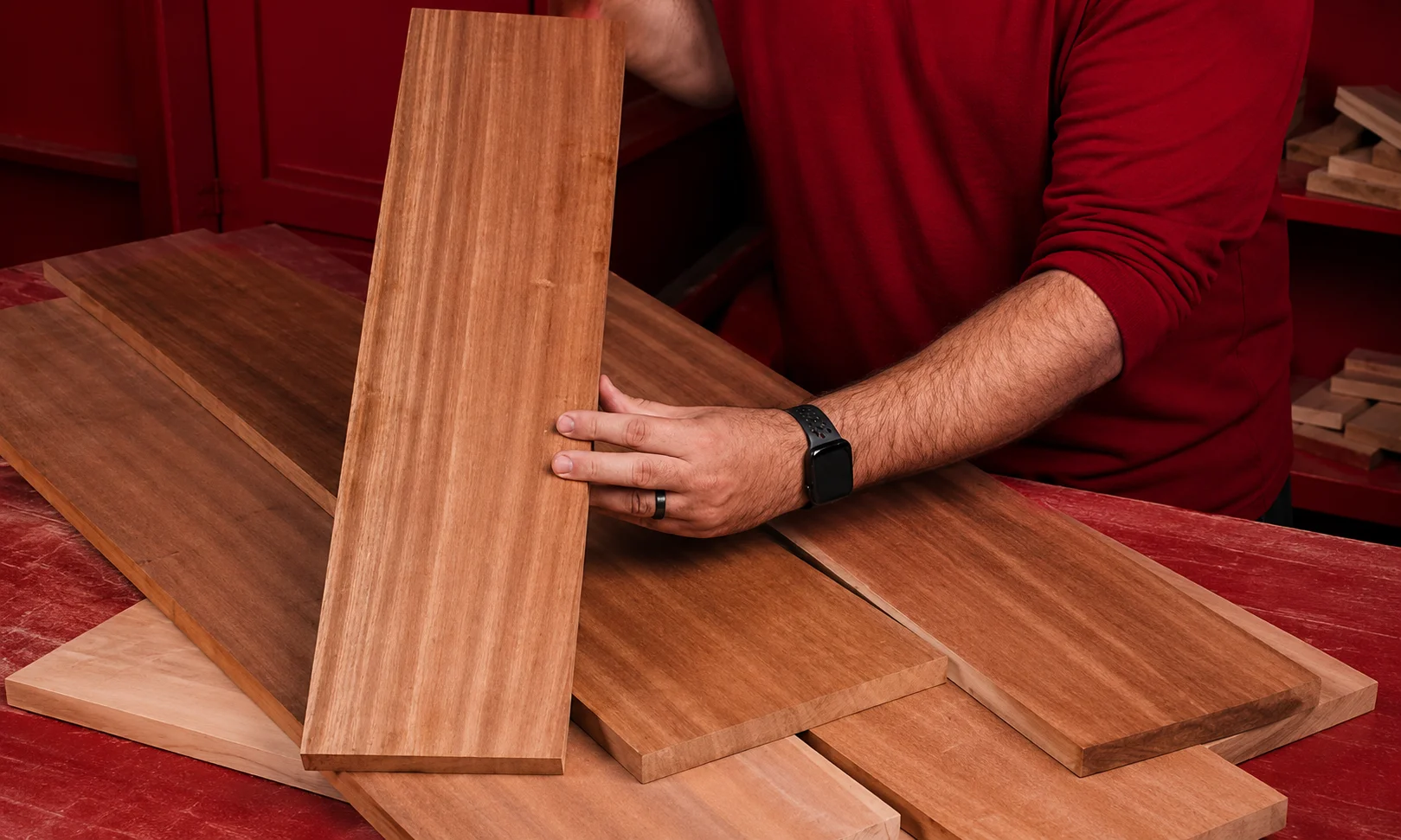
If you ask why mahogany has stuck around for so long, it really comes down to one thing, it just doesn’t move once it’s built into something. Most hardwoods swell up or shrink a little as humidity changes through the year, sometimes even warp a bit, but mahogany seems to shrug most of that off. That’s really the whole reason furniture makers have trusted it generation after generation.
Key Takeaways
Real mahogany didn’t get its name for nothing. It stays put once it’s in place, it holds up against rot far better than most woods, and it’s just easy to work with overall. Cutting, carving, finishing- none of it feels like a fight.
- Before you hand over any money, ask for FSC or CITES paperwork. That’s really the only way to know the wood was actually cut legally and isn’t tied to illegal logging somewhere down the chain.
- Here’s something worth knowing though, plenty of what gets labeled “mahogany” on a shelf isn’t the real species at all.
Real Mahogany vs. Common Alternatives
Not everything labeled “mahogany” on a shelf tag is actually the real thing, and knowing the difference can save you from paying real mahogany prices for a wood that isn’t even related to it.
Hardness Ratings and Technical Details
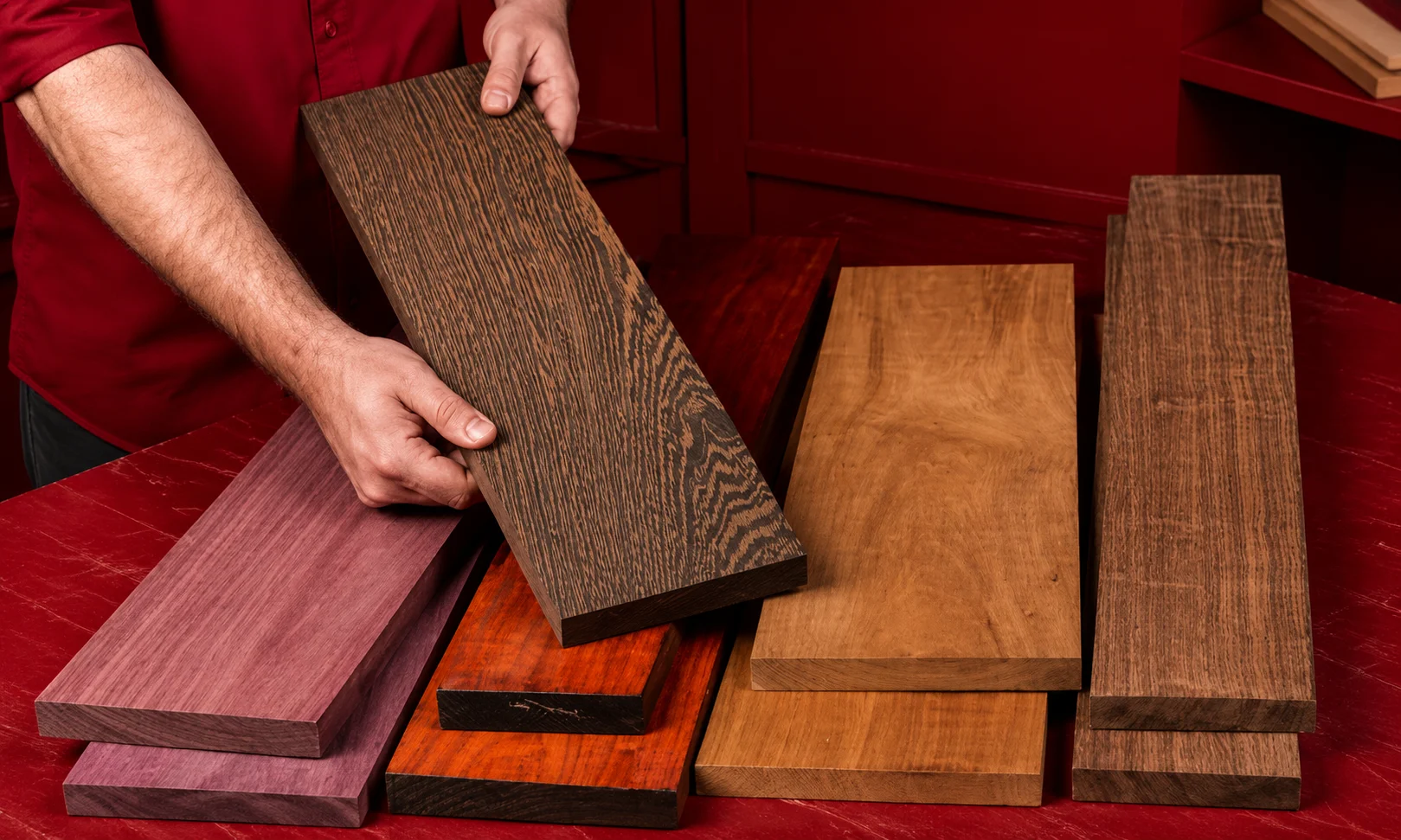
Ask a woodworker why they like mahogany and you’ll get some version of the same answer: it’s strong enough to matter but never a pain to actually work with. Quick clarification first though. “Mahogany” isn’t one tree. It’s a name people slap on a group of related species, so hardness and other traits can swing a fair bit from board to board depending on origin.
Janka Hardness
The Janka test is pretty simple in concept. Push a steel ball halfway into a piece of wood and see how much force that takes. More force, harder wood.
True mahogany, Swietenia macrophylla, lands right in the middle of that range. It won’t beat out the harder tropical hardwoods on toughness, and honestly that’s kind of the appeal. Strong enough to survive as furniture, soft enough that cutting it doesn’t feel like a battle.
Dimensional Stability
Here’s probably the single biggest reason people reach for it. Humidity swings don’t push mahogany around much, so furniture built from it tends to stay tight for years instead of warping or cracking open at the seams like cheaper stuff does.
One thing to watch for, though. Don’t trust some single shrinkage percentage you find online as gospel truth. That number moves depending on species, moisture content, grain direction, even how the test was run. Treating one figure as the answer for “mahogany” as a category just isn’t accurate.
Physical Performance Highlights
This wood doesn’t react much to changes in temperature or humidity. That’s probably why people still use it for furniture, cabinets, and trim work after all these years. On the hardness scale, it sits right in the middle. It’s tough enough to handle daily wear, but easy enough that it’s not a fight to work with.
Gluing usually isn’t a fight either; prep the surface right, and it bonds fine with most standard adhesives. Finishing is where it really earns its reputation, though. Oils, stains, clear coats- they all sit beautifully once the surface is prepped properly.
Also worth mentioning, genuine mahogany resists decay reasonably well on its own. How well depends on the species, the conditions, and honestly the quality of that specific piece of wood.
Grain and Texture
Grain runs mostly straight, though you’ll occasionally hit a board with interlocked or slightly wild grain running through it. Texture sits between medium and moderately coarse, and there’s a natural sheen that really comes alive once you sand and finish it.
Some boards show off genuinely beautiful figure too. That’s part of the draw honestly, it performs well and it looks the part.
Moisture and Seasonal Movement
Like any wood pulled from a living tree, mahogany still responds to the air around it. Even wood that’s considered stable will swell or shrink a little as the seasons change.
That’s why drying, storage, acclimation, and installation actually matter. Skip any of those steps and you’re asking for trouble later, especially with doors, cabinets, flooring, bigger furniture pieces, anything where a little movement really shows.
Why Woodworkers Like Mahogany
It’s not one thing that makes mahogany special. It’s the whole combination, durability, workability, good looks, longevity, all showing up in the same wood at once. Its density sits right in that comfortable middle zone too, so it never really fights you the way harder tropical species can.
That mix is exactly why you’ll find it in furniture, cabinets, musical instruments, decorative pieces, boats, doors, trim work. Pretty much anywhere someone wanted something that looks good and holds up.
Global Trade Rules and Sustainability
Mahogany forests took a real beating throughout the 1900s. Decades of unchecked logging pushed wild populations low enough that environmental groups eventually stepped in, trying to slow illegal cutting before the species disappeared for good.
Key International Regulations (CITES & EUDR)
Every wild species of true mahogany, that’s Swietenia macrophylla, Swietenia mahagoni, and Swietenia humilis, now sits under Appendix II of CITES, the treaty that governs trade in endangered plants and animals worldwide.
Export permits. Timber can’t leave its home country without a CITES permit attached. That permit has to prove two things, the wood was cut legally, and removing it didn’t push the species closer to trouble in the wild.
Chain of custody, or FSC certification. Most major markets simply won’t buy lumber without FSC or PEFC certification. Think of it as a paper trail that follows the wood from forest floor to store shelf, so buyers know nothing illegal got mixed into the batch along the way.
Deforestation laws. Newer regulations take this even further. The EU’s Deforestation Regulation is the big one people talk about, and it now makes companies hand over the exact GPS coordinates of where their timber came from, proving that land wasn’t cleared recently.
The Plantation Solution
Demand for executive furniture, luxury yachts, and acoustic guitars hasn’t slowed down, so the mahogany trade had to find another way to keep up, plantations, mostly outside Central and South America, that don’t require tearing into wild rainforest.
Fiji runs some of the largest, most established sustainably managed mahogany plantations anywhere on earth, under fairly tight government and environmental oversight.
Indonesia and India operate big plantation systems of their own too, feeding export demand while easing some of the pressure off native Amazonian forests.
Wood quality comparison. Plantation grown mahogany shares the same genetics and workability as the wild stuff. The real difference comes down to growth speed, plantation trees tend to grow faster under managed conditions, which can leave the wood a shade lighter with wider grain rings compared to old growth timber.
Common Uses for Mahogany Wood
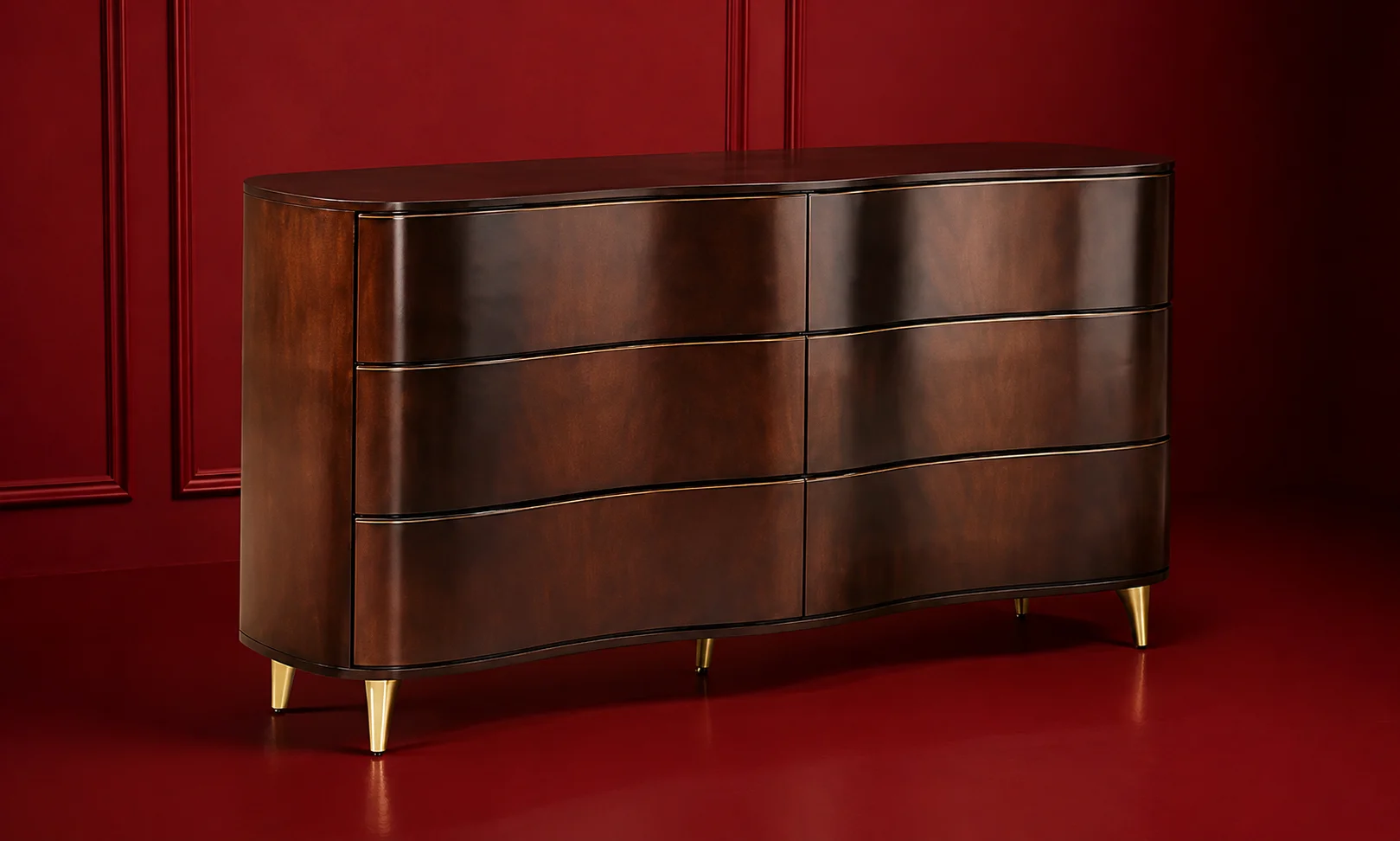
Mahogany handles moisture, dampness, and warping so well that it naturally ends up in a lot of high end work.
Custom furniture and cabinetry. It’s a popular pick for tables and dressers meant to last, since the joints stay tight through both cold and warm months instead of loosening up over time.
Musical instruments. A lot of guitar builders reach for mahogany when making necks and bodies, mainly because it gives off a clear, warm sound that’s hard to get from other woods.
Marine joinery. It holds up well even when conditions keep shifting between wet and dry, which is exactly why you’ll see it used so often on luxury boats and wooden yachts.
How to Spot Real Mahogany Wood
A few simple checks can save you from getting fooled by a fake.
Look at the grain lines. Real mahogany runs clean and straight, without big knots or resin pockets breaking up the pattern.
Watch how the tone changes. It starts lighter, almost pinkish, and slowly deepens into that warm reddish brown color once it’s spent some time in sunlight.
Check the surface pores. Take a look at the cut ends. Genuine mahogany shows real, visible pores, not a smooth surface that looks almost plastic.
Ask for the paperwork. Get FSC certification or CITES export documents from whoever’s selling it, that’s your real proof the wood was sourced legally.
Care and Maintenance Rules
Honestly, mahogany doesn’t ask for much. Take care of it every once in a while, and it’ll look good for years without any real effort on your part.
Watch the humidity. Somewhere between 35 and 55 percent indoors is the sweet spot. Go too dry or too damp, and you’ll start noticing the wood move a little.
Keep it away from direct sun. Leave a piece sitting in a sunny spot for months and you’ll see it fade unevenly, sometimes the finish even starts to crack. If you’ve got a good piece, just try to keep it off to the side, away from windows.
Don’t overdo the cleaning. A plain dry microfiber cloth handles dust just fine. Stay away from harsh chemicals or anything with ammonia in it, that stuff tends to hurt the finish more than help it.
Wax it once in a while. You don’t need to do this often, once a year is plenty. Just a coat of decent furniture wax or wood oil keeps everything sealed up and looking the way it should.
Conclusion
Honestly, mahogany just doesn’t get beat for furniture, cabinets, instruments, that whole category. It stays stable, doesn’t rot easily, and it’s actually nice to work with, which not every hardwood can say. Buy something made from it and it’ll probably outlast you. Yeah, wild mahogany’s protected now, CITES and all that, but that’s fine, that’s kind of the point. Plantation wood is there so you can still get real mahogany without touching what’s left growing wild.
FAQs
Is mahogany waterproof?
Not really, no. It handles moisture better than a lot of woods, way better, but it’s still wood at the end of the day. Outdoors, just varnish it and you’re fine.
Why’s real mahogany so pricey?
Basically comes down to how little of it you’re allowed to harvest now. Rules are tight, supply’s low, and everyone still wants the properly certified plantation stuff, so the price stays up there.
Santos mahogany vs the real deal, what’s the difference?
Not even related trees. Santos is heavier, way harder too, almost double on the Janka scale, and it smells spicy when you cut it, kind of surprising the first time. Real mahogany’s lighter, softer, easier to actually carve.