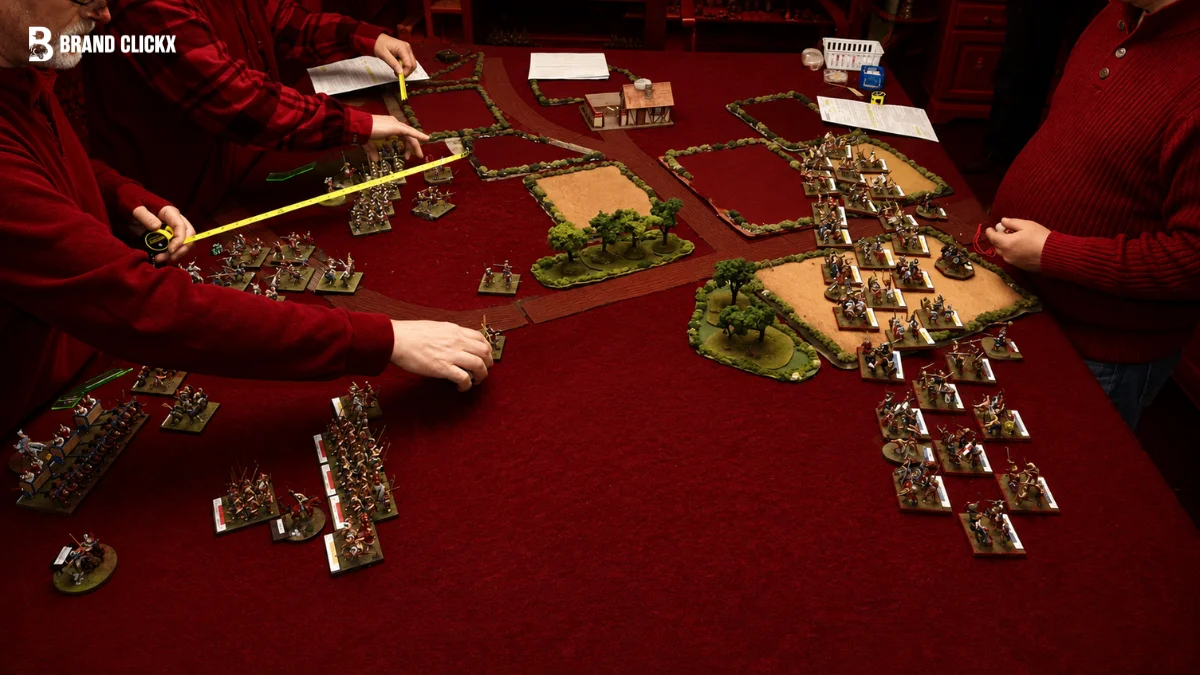
Miniatures. Strategy. A slice of history. Even some creativity thrown in. Tabletop war games somehow manage to pull all of that together in one hobby. No screens involved just a real table, physical models in your hands, terrain you probably built yourself, some dice, and a rulebook telling you how the fight unfolds.
Here’s the thing though for most players, the battle itself is only part of the appeal. Painting and building the miniatures? That can end up being the more addictive part, honestly. You might spend weeks just assembling an army, putting together terrain piece by piece, working out your strategy and only then does it all come together on the table with friends.
Depending on the game, you’re either staying grounded in real history or diving into fantasy and sci-fi territory. But the historical ones have a pull of their own there’s something about actually studying how real armies operated, the weapons they carried, how they lined up for battle, the calls commanders had to make in the moment.
What Are Tabletop War Game Miniatures?
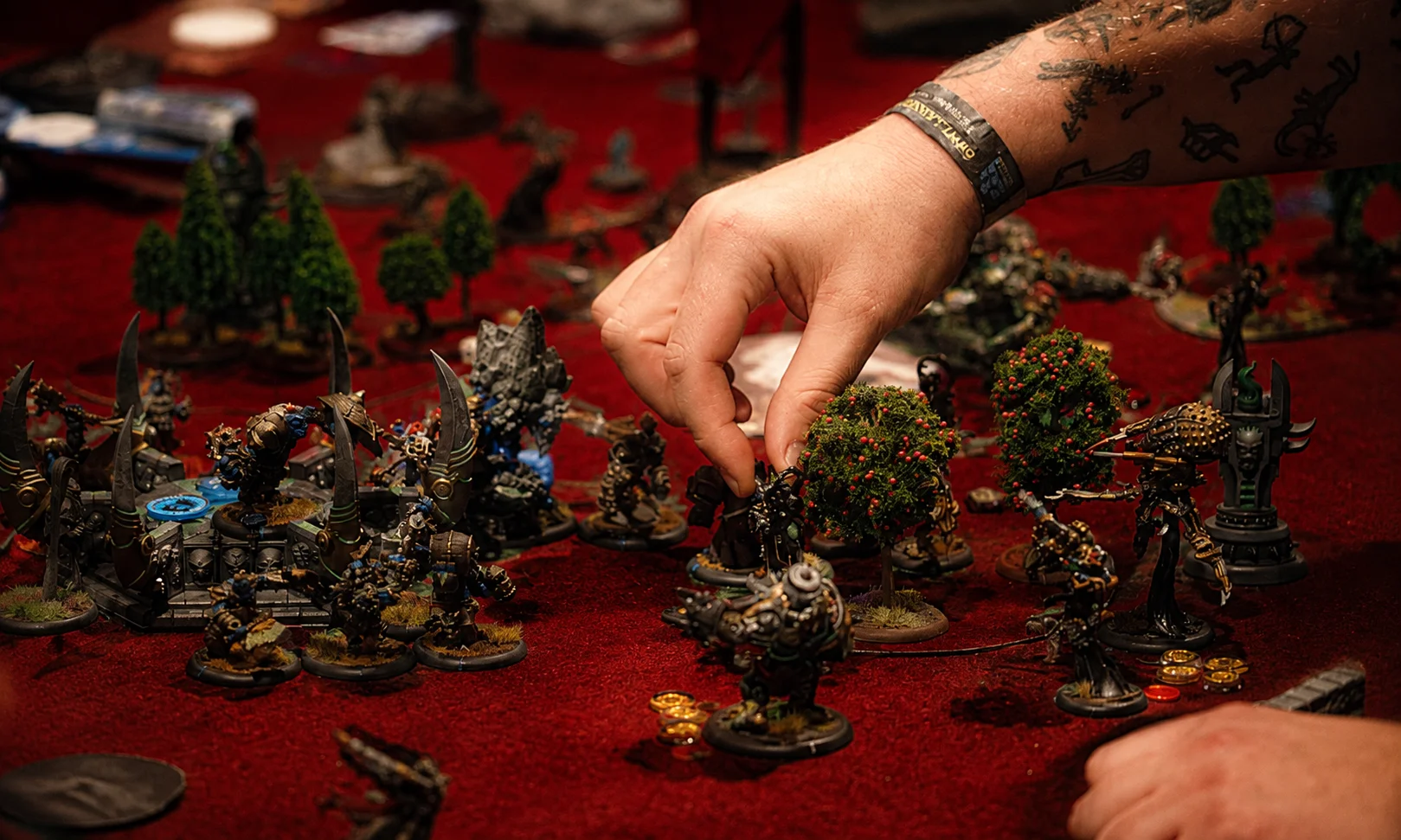
Tabletop war game miniatures basically small physical models standing in for soldiers, vehicles, weapons, whatever unit you need on the table. Sizes vary a lot more than you’d think. Some games go tiny, just a few millimetres tall. Others go big, and with that extra size comes a lot more detail.
Here’s something worth knowing: one miniature might represent a single soldier in one game, but in another, a whole base of models could stand for an entire company, or even something much larger. So the size of the model alone doesn’t really tell you how big the actual battle is that’s entirely down to the rules, and what the game decides each model or base actually represents.
Key Takeaways
- Small models, big role that’s basically what tabletop miniatures are. Stand-ins for soldiers, vehicles, whatever units the battle needs.
- Sizes vary a ton depending on the game. Some go tiny and simple, others go big with all the detail you could want.
- Want to fit a massive battle on the table? Smaller scale’s usually the move. Doing a tight skirmish instead? Bigger figures tend to shine there.
- Ground scale worth knowing this term it’s just how much real-world distance a stretch of table is supposed to represent.
- What a miniature or base actually “counts as” in the game? Comes down entirely to the rulebook, not the model itself.
- For a lot of hobbyists, honestly, painting the models and building terrain is half the appeal — sometimes more than the actual games.
- Go historical, and you pick up a surprising amount along the way real armies, real battles, the weapons and tactics that were actually used.
Why Do People Play Tabletop War Games?
There’s a lot more going on here than just pushing small models around a table. Strategy’s a huge part of the draw figuring out where your units need to be, timing your attacks right, actually using the terrain to your advantage instead of ignoring it. On top of that, there’s a real creative outlet built into the hobby too.
Plenty of players build and paint their own miniatures long before those models ever see a gaming table. And if you’re into historical games specifically, there’s a whole extra layer there you end up picking up bits of knowledge about different armies, weapons, famous battles, tactics that actually got used. Then there’s the social side of it, which honestly might be underrated. Most people end up playing with friends or a local gaming group, and that alone makes it a pretty easy way to meet others who are into the same thing.
Historical and Fantasy War Games
What Does Miniature Scale Mean?
Miniature scale tells you about the size of the models. But there is another type of scale that matters in war games. This is called ground scale. Ground scale is the relationship between the distance on your gaming table and the distance it represents in the real world.
For example, a game might use an inch on the table to represent a much greater distance on an actual battlefield. The model scale and ground scale do not always match. This may seem strange at first, but there is a good reason for it.
Here’s a fun problem if everything on the table were shrunk down to one perfectly accurate scale, most tabletop battles just wouldn’t work. Soldiers would end up able to see and shoot clear across half the table, and there simply wouldn’t be enough space to actually represent the kind of battle the game’s going for. So game designers end up making deliberate trade-offs bending the scale a bit here and there just to keep the whole thing actually playable.
Why Do Games Use Different Scales?
The size of the miniatures often depends on the size of the battle. A small skirmish game may focus on individual soldiers or small groups. Larger miniatures can work well because the game only needs to represent a small area. A larger battle needs more units.
Using hundreds of large models can quickly fill the table. Smaller models make it easier to represent larger forces. For example, a game using 6mm miniatures can fit many more units onto a normal table than a game using 28mm figures. This does not mean the smaller game is less detailed. It simply focuses on a different level of battle.
Skirmish Games
A skirmish game usually keeps things small-scale a limited number of soldiers on the table. You might be controlling individual fighters, or maybe small squads, but either way, since the model count’s low, you end up paying a lot more attention to what each individual figure is actually doing.
That’s where movement, cover, line of sight, weapon range all those small tactical calls really start to matter. And larger miniatures tend to shine in this format too, since you can actually see the models clearly and take your time painting in the finer details.
Larger Battles
At the other end, some games represent much larger battles. Instead of controlling individual soldiers, a player may control companies, battalions, brigades, divisions, or even larger formations. The focus changes as the battle becomes larger.
You may spend less time deciding what one soldier does and more time thinking about where an entire formation should move. This can make command, movement, reserves, supply, and the overall battle plan more important.
What Is an Order of Battle?
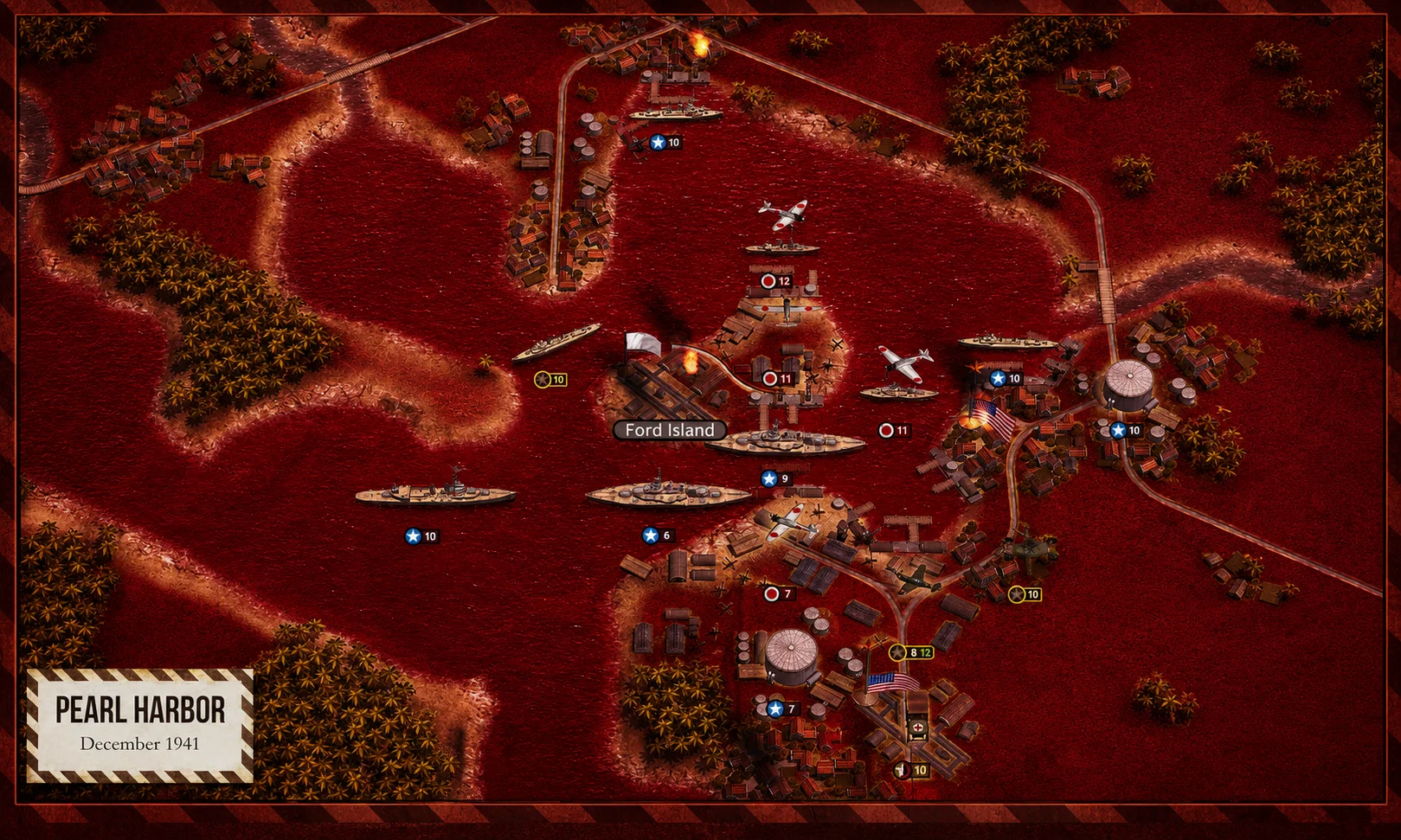
If you are interested in historical tabletop war games, you will often come across the term order of battle. An order of battle is a way of showing which military units took part in a battle and how those units were organized.
It can include information about formations, commanders, and the units under them. For a historical game, this can help players understand what forces were actually involved. It can also help when creating an army for a game based on a real battle. However, the level of detail can vary depending on the game. A small skirmish game may care about individual soldiers. A larger game may be more interested in battalions, brigades, or divisions.
Ground Scale and Weapon Range
Ground scale becomes especially important when you look at weapon ranges. Imagine a game where large 28mm models are used to represent individual soldiers. The actual range of a rifle is much greater than the distances that can normally fit into a small gaming table at the same scale.
If the rules copied real distances exactly, the game could become difficult to play. A designer may therefore compress the ground scale. The models can remain large enough to see and paint, while movement and weapon ranges are adjusted to create a useful game. This is one reason why a miniature should not be treated as a perfect model of the real-world scale. It is mainly a representation used by the rules.
Small Miniatures for Large Battles
Smaller miniatures can be very useful when you want to play a large battle. With 6mm or 10mm figures, you can place many units on the same table without using huge amounts of space.
This can give you a better view of the whole battlefield. You can see where your main force is moving, where your reserves are waiting, and how different parts of the army are connected. For players who enjoy large-scale command, this can be more important than having highly detailed individual soldiers.
Picking the Right Miniature Size
Before buying an army, look at the rules you want to play. Do not choose a miniature size only because the models look good. First ask yourself what kind of battle you want to play. If you want a small battle with individual soldiers, a larger scale may suit you.
If you want to control many units across a large battlefield, smaller models may be easier to manage. Also check whether the game has a recommended scale. Using models from different manufacturers can sometimes create noticeable differences in height and style, so it is worth checking examples before buying a large collection.
Building and Painting Miniatures
Painting is a major part of the hobby for many players. You normally start by assembling the miniature if it comes in separate parts. The model can then be prepared and painted. Beginners do not need to create highly detailed models from the beginning.
A simple paint job can still look good on the gaming table. Start with basic colors and focus on getting the main parts right. As you gain experience, you can learn techniques such as shading, highlighting, dry brushing, and adding small details. Painting can also make your army easier to recognize during a game.
Creating a Tabletop Battlefield
Miniatures look much better when they have a suitable battlefield around them. Terrain can include buildings, roads, hills, trees, walls, rivers, bridges, and other features. Terrain is not only for appearance.
It can also affect how the game is played. A building may provide cover. A hill may give a unit a better view. A road may make movement easier. This means the battlefield itself can become part of your strategy.
Rules Matter as Much as Miniatures
A common mistake for beginners is choosing models before choosing the game. It is often better to do this the other way around. First find a ruleset that matches the type of battle you want to play.
Then check which models and scale work with those rules. Different games can have very different approaches. Some focus on individual soldiers and short tactical decisions. Others focus on larger formations and battlefield command. The same miniature can therefore feel very different depending on the rules being used.
Tabletop War Games as a Learning Hobby
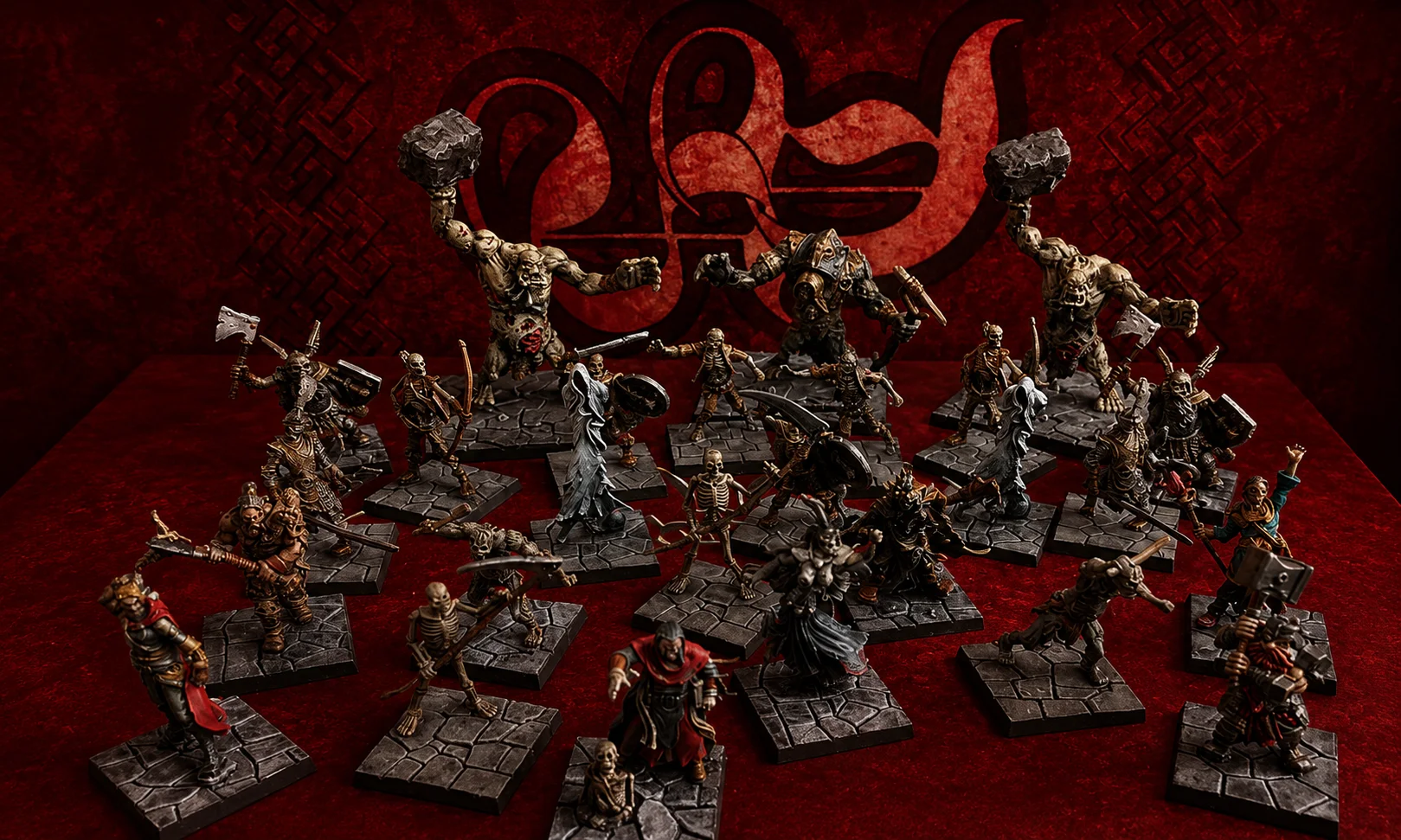
Historical tabletop war games can teach you more than just how to win a game. While learning a historical period, you may come across information about military organization, weapons, terrain, communication, and battlefield tactics.
You can also learn why commanders made certain decisions. Of course, a tabletop game is still a game. Rules simplify real warfare so that people can actually play. A historical game should therefore not be treated as a perfect recreation of every detail of a real battle. Instead, it can be a useful and enjoyable way to explore history.
How to Start Tabletop War Gaming
If you’re brand new to this, keep that first project simple don’t overcomplicate it. Pick one game, learn its basic rules, and don’t go buying a massive army right off the bat. A small force is plenty to start with. Just make sure the miniature size actually fits the ruleset you’re using, then assemble and paint a handful of models before you commit any more money.
Finding other players helps a lot too. A local gaming club, group, or even an online community can save you from a lot of beginner mistakes and speed up how quickly you pick up the rules. But honestly, the biggest thing don’t wait around for a “perfect” army or a perfectly built battlefield before playing your first game. You’ll learn way more just by actually getting out there and playing than by prepping endlessly beforehand.
Final Thoughts
Tabletop war game miniatures are really a bunch of hobbies rolled into one you’re building models, painting them, putting together terrain, picking up little bits of history, and then actually testing your strategy against someone else across the table. Size is just one small piece of it. There’s ground scale to factor in, how big the battle’s meant to feel, the rules you’re playing by, and what each model’s even supposed to represent in the first place.
A larger miniature tends to work great for a small skirmish. Go smaller, though, and you can fit a much bigger battle onto the table. And honestly, there’s no single “best” scale or ruleset out there for everyone it really comes down to what kind of game you’re actually after. So the simplest advice: start small, get the rules down, paint up a few models, and just play. The rest the bigger army, your own personal style of gaming that comes together naturally over time.
FAQs
What are tabletop war game miniatures?
They are small models used to represent soldiers, vehicles, weapons, or other units in a tabletop war game.
What miniature scale is best for beginners?
There is no single best scale. Larger models can be easier to see and paint, while smaller models are useful for games with many units.
What is ground scale in wargaming?
Ground scale shows how much real-world distance is represented by a distance on the gaming table.
Are historical war games accurate?
Historical war games can be based on real armies and battles, but their rules usually simplify real warfare to make the game playable.
Should I buy miniatures before choosing a game?
It is usually better to choose the ruleset first. Then you can buy miniatures that fit the game’s scale and requirements.
Do I need to paint my miniatures?
No. Painting is optional, but many players enjoy it because it adds another creative part to the hobby.