A brand extension strategy begins with an attractive thought: customers already trust our name, so perhaps they will buy something else from us.
The difficult word is “else.” A customer may trust a company to make a dependable appliance without trusting it to make a comfortable pair of headphones. Familiarity opens a conversation; the new product still needs to earn the purchase.
Brand extension means applying an established brand to an additional offer, often in a new category. A sound strategy tests whether the existing reputation is relevant, whether the company can deliver the new experience and whether the extension adds enough value to justify its demands.
The most revealing question is simple: what does the name help the customer believe, and what still needs proof?
Key Takeaways
- Separate changes within a product line from moves into a new category.
- Brand fit involves customer meaning as well as technical similarity.
- Parent recognition does not establish demand or delivery capability.
- Test the product proposition and the contribution of the name separately.
- Include support, returns, distribution and ongoing maintenance in the operating review.
- Judge the extension’s contribution without assuming every sale is additional business.
What Is a Brand Extension Strategy?

A brand extension strategy sets out why an established identity should enter an additional offer, what should transfer from the parent and how the business will assess the result.
It should define the buyer, need, category, proposition and delivery requirements. It should also explain why extending the existing name is preferable to using another identity or improving an existing offer.
The distinction between line and category extensions is useful, although category boundaries are not always clear.
| Move | What changes | Main question |
| Line extension | A variation within an existing category | Does the variation serve a useful need? |
| Category extension | The brand enters another category | Does the parent provide relevant credibility? |
| New audience or occasion | The offer reaches a different context | Does the proposition remain useful and understandable? |
| Sub-brand introduction | A distinct identity develops within the family | Is a lasting identity needed to explain the difference? |
These moves can occur together. A company might enter a new category and introduce a sub-brand for it. Keep the product decision separate from the naming decision so one does not automatically justify the other.
How Do You Decide Whether the Brand Fits?
Examine three connections: the customer need, the meaning of the parent and the capabilities required to deliver.
A connection in one area cannot compensate automatically for a gap in another. Two products may use related technology but occupy very different buying situations. Two purchases may occur in the same room but require different reasons to believe.
Revisit the parent’s brand positioning. Identify the specific associations you expect to transfer, rather than relying on a broad claim such as innovation or quality.
Then investigate whether the intended buyers recognise those associations and consider them relevant. Internal confidence in the connection is a hypothesis until the customer evidence supports it.
What Does Dyson’s Move Into Headphones Illustrate?
Dyson announced its OnTrac headphones in 2024, presenting the product through audio engineering, noise cancellation and customisation. This is a documented example of an established name entering an offer that requires a different customer experience from its better-known household machines.
The announcement establishes what Dyson introduced and how the company framed it. It does not establish that consumers accepted the extension or that the product achieved a particular commercial outcome.
The strategic interpretation is that engineering provides a possible bridge between categories. Buyers still need to assess the qualities relevant to headphones, including comfort, sound and everyday usability.
What changes operationally?
Dyson’s owner guidance covers wireless connectivity and product use. The practical implication for any business entering a category is that delivery extends beyond the launch proposition.
A new device category brings its own setup questions, troubleshooting needs and customer expectations. A company cannot rely on the parent name to answer those questions after purchase.
This is the useful lesson from the example: identify the full experience the extension commits the organisation to delivering. The same discipline applies whether the new offer is hardware, software or a service.
Can a Brand Extend Into a New Occasion Without Abandoning Its Core?
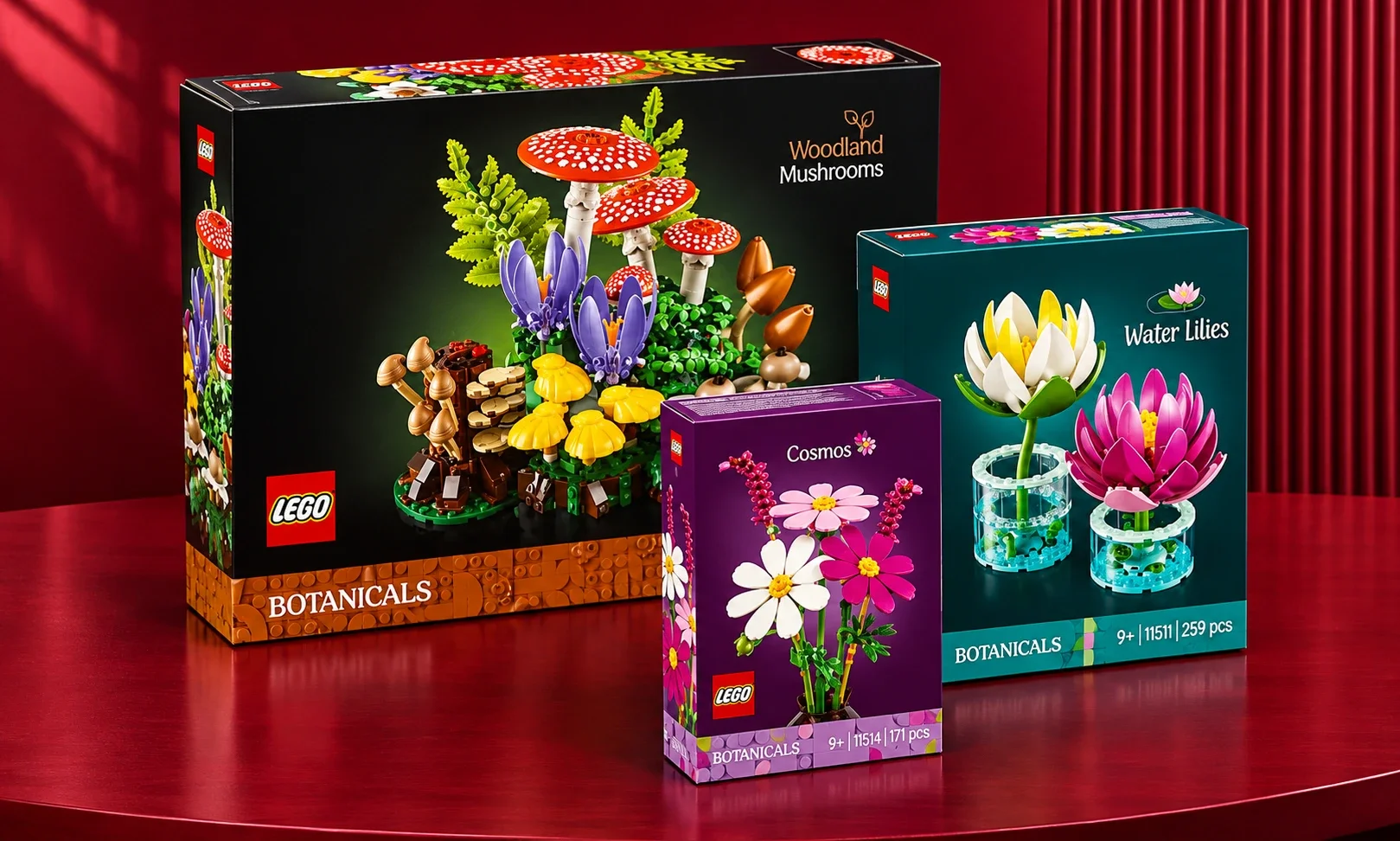
Yes. LEGO Botanicals provides a useful example of familiar product mechanics serving another context.
LEGO’s own materials state that the Botanical collection launched in 2021 with the Flower Bouquet and Bonsai Tree. The products use the building experience to create objects that can be displayed, bringing gifting and decorative use into the proposition.
The observation is the product format and how the company presents it. The editorial interpretation is that the extension preserves a recognisable activity while broadening what the completed object is for.
That distinction matters. Moving into another occasion does not necessarily mean replacing the core capability. It may mean applying it to a need an existing audience or a different audience finds useful.
It still requires research. A coherent connection does not, by itself, establish the size of the opportunity or willingness to pay.
What Should You Test Before the Name Goes on the Product?
Start with the need. Investigate what people currently do, which alternatives they choose and where those alternatives fall short.
Next, assess the value proposition. Can the team explain a useful benefit and demonstrate why the offer can deliver it?
Then investigate the name’s contribution. Does knowing the parent change what participants understand, expect or question? Are those expectations accurate?
Keep these questions distinct. A weak proposition should not be declared promising merely because people recognise the parent. A useful product should not be rejected solely because its first description makes the connection unclear.
Can you compare branded and unbranded concepts?
A carefully designed comparison can help investigate the contribution of the brand, but the design matters. Keep the underlying offer comparable and consider order effects if participants see multiple versions.
Exploratory interviews can reveal interpretations and concerns. They cannot alone estimate market-wide acceptance or establish that the brand causes higher sales.
For stronger comparative or commercial claims, use a suitable research design and specialist input where needed. Document the materials, recruitment and limitations so the conclusions remain traceable.
What Does a Worked Extension Review Look Like?
Consider the fictional company Rill, known for reusable drinking bottles. It is considering a countertop water-filtration system.
Assume its current buyers associate it with convenient drinking on the move. Assume the business has experience with bottle design and retail distribution but has not yet demonstrated the capability to support filtration equipment.
These are scenario assumptions, not findings from an actual business.
Define the proposed bridge
The team proposes that both offers help people manage everyday drinking water. That is a plausible need connection.
However, confidence in a bottle does not establish confidence in filtration performance. The extension needs its own evidence for the claims it makes, as well as a viable delivery and service model.
Compare more than launch options
Rill could investigate the category further, work with a capable partner under a clearly explained arrangement, develop the necessary capabilities or decide the opportunity is unsuitable.
Using another name would change the identity question, but it would not remove the product’s delivery requirements.
Identify the unresolved work
The review should assess the relevant performance evidence, replacement components, availability, customer instructions, support and returns. It should investigate whether buyers understand what the system does and what maintenance it requires.
The point is not to turn this example into technical product guidance. It is to show why a broad connection between needs leaves important category-specific work unresolved.
Make a bounded recommendation
On the stated assumptions, investigate demand and delivery capability before committing to a branded launch. Test whether the Rill name adds relevant reassurance without creating unsupported expectations.
A plausible brand connection supports further investigation. It does not yet support a launch decision.
How Do You Evaluate the Commercial Case?

Estimate the resources required to develop, launch and sustain the offer. Include distribution, inventory where relevant, support, maintenance and the opportunity cost of diverting attention from existing products.
Distinguish additional business from sales shifted within the portfolio. Also consider whether customers might have bought a competitor’s product without the extension.
Simple scenarios can clarify assumptions, but avoid treating a precise spreadsheet as evidence that the inputs are reliable. Review sensitivity to demand, margin, service costs and timing.
Define what the business needs to learn before increasing commitment. A limited launch can reveal operational problems, but its results may not generalise if the audience or support conditions differ from the intended wider market.
What Happens When the Extension Stretches Too Far?
Warning signs include customers repeatedly asking why the brand is in the category, an explanation dependent on vague associations, or a delivery model that cannot support the promised experience.
Those signals require diagnosis. Confusion could come from weak communication rather than a fundamental mismatch. Delivery problems could arise despite a useful customer proposition.
Separate the questions before acting. You may need a clearer proposition, different architecture, stronger capability or a decision to stop.
A different logo cannot resolve an inadequate product. A better product may still need a clearer account of why the parent belongs in the category.
How Should You Protect the Parent Brand?
Make the extension’s promise specific and supportable. Explain meaningful differences between the new offer and familiar products so customers do not transfer assumptions that no longer apply.
Set responsibility for customer experience across teams and partners. Monitor complaints and misunderstandings alongside commercial performance.
Carry the evidence and boundaries into the creative brief. Campaign language should not turn a tentative connection into an unsupported claim about capability.
Define review points and exit conditions. If the product is withdrawn, customers may still need support, parts, access or clear communication. The parent relationship continues to matter after the launch decision changes.
What Should Your Brand Extension Checklist Include?
- Is the customer need defined independently of the proposed product?
- Have relevant alternatives, including doing nothing, been investigated?
- Can you explain the specific association the parent contributes?
- Does customer evidence support that interpretation?
- Are the new category’s delivery requirements understood?
- Are product claims supported by appropriate evidence?
- Have naming and product decisions been assessed separately?
- Are ongoing costs and portfolio effects included?
- Are the research limits visible in the recommendation?
- Is there a plan for review, support and potential withdrawal?
A strong extension gives an established name a useful new application. It preserves enough familiarity to make sense and provides enough new proof to earn the purchase. The name can help a customer consider the offer; the experience has to justify the decision.
Frequently Asked Questions
Is a new flavour a brand extension?
It is commonly described as a line extension within an existing category. A move into a different category is generally called a category extension. Define the actual change when terminology is ambiguous.
Does a famous brand have an advantage in every category?
Recognition may help people notice an offer, but it does not establish relevance, competence or demand. Those need separate investigation.
Should an extension use a sub-brand?
Only when a lasting distinction needs its own identity within the family. A descriptive product name may be sufficient; a new category does not automatically require another brand.
Can an unsuccessful extension damage the parent?
It can create negative associations, but the extent depends on the experience and how customers connect it to the parent. Separate identities do not guarantee insulation either.
What is the first step in planning an extension?
Define the customer need and the decision the business faces. Then investigate the proposition, parent relevance and delivery requirements before committing to identity work or launch activity.