
A lot more than just music on your commute is what wireless headphones handle now, covering everything from long flights to focused listening at home. And honestly, the whole story isn’t sound quality anymore either. All of it factors into which pair actually makes sense for you, comfort, noise cancellation, battery life, call quality, connectivity, price.
Ten wireless headphones across three categories are what we’re comparing in this guide, looking at what each one genuinely does well. The Sony WH-1000XM6, Bose QuietComfort Ultra Headphones (2nd Gen), Sennheiser Momentum 5 Wireless, Apple AirPods Max 2, Bowers & Wilkins Px7 S3, Sennheiser Momentum 4 Wireless, Sony WH-1000XM5, Bose QuietComfort Headphones, Beats Studio Pro, and JBL Live 770NC are all included. Different priorities are what each one’s built around, so don’t expect a single “best” pick crowned here that works for everybody.
How these headphones were picked, what’s worth checking before you buy, and the common issues that tend to crop up after purchase will also get walked through. Really, helping you land on a pair that fits how you’d actually use it day to day is the goal here, not just pointing you toward whatever costs the most.
Quick Comparison Table
| Headphones | Best for | Main strength |
| Sony WH-1000XM6 | Best overall | Strong combination of sound, ANC and features |
| Bose QuietComfort Ultra Headphones (2nd Gen) | Noise cancellation | ANC and long-wear comfort |
| Sennheiser Momentum 5 Wireless | Music | Sound quality and customization |
| Apple AirPods Max 2 | Apple users | Apple ecosystem and audio features |
| Bowers & Wilkins Px7 S3 | Premium sound | Detailed audio and premium build |
| Sennheiser Momentum 4 Wireless | Battery life | Up to 60 hours of battery life |
| Sony WH-1000XM5 | Value | Strong features at a lower price than the XM6 |
| Bose QuietComfort Headphones (2nd Gen) | Comfort | Comfortable design and ANC |
| Beats Studio Pro | Everyday use | Simple Apple and Android compatibility |
| JBL Live 770NC | Lower-cost option | Long battery life and useful features |
What Is the Best Wireless Headphone Overall?
Sony WH-1000XM6 provides a strong balance between comfort, active noise cancellation, sound quality, battery life, and connectivity which makes it our best overall wireless headphone for 2026.
Category 1: Best Wireless Headphones Overall and for Premium Features
A strong mix of comfort, sound, noise cancellation, useful features, and battery life is what headphones in this category offer. Buyers wanting a premium wireless headphone, rather than a model built around just one specific need, are who these are aimed at.
1. Sony WH-1000XM6
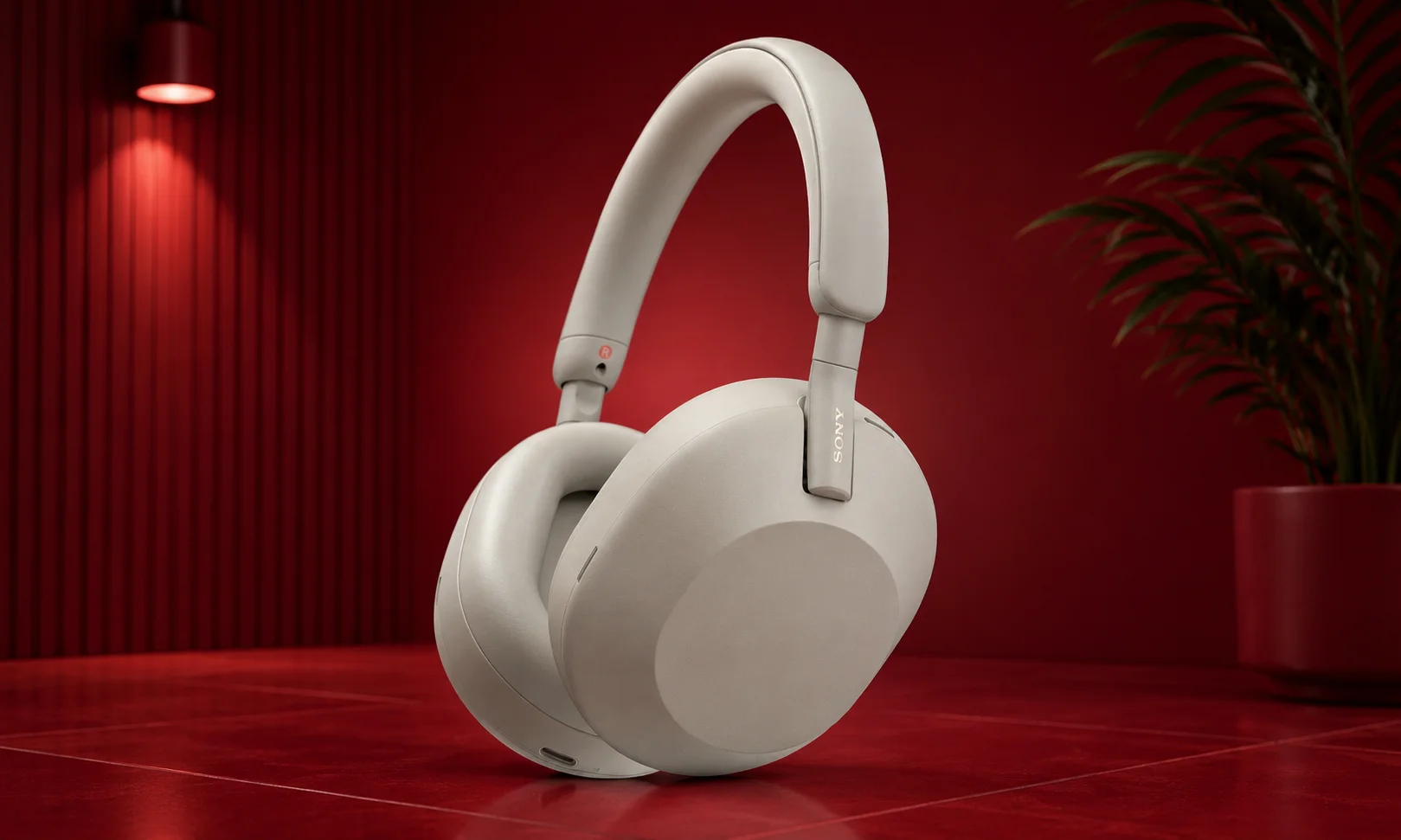
Best Overall Wireless Headphones
Strong noise cancellation, high-quality sound, a comfortable over-ear design, and useful everyday features all come together in the Sony WH-1000XM6, making it our top overall pick. One pair of wireless headphones for music, travel, work, and general listening is what this makes a good choice for.
Sound Quality
30mm drivers power the WH-1000XM6, and Sony’s LDAC Bluetooth codec is supported as well. An equalizer is also included in the Sony | Sound Connect app, letting the sound be adjusted to your preference.
Noise Cancellation
Built around active noise cancellation is the XM6, using Sony’s QN3 processor along with multiple microphones to process surrounding sounds. Adjusting the noise cancellation is possible through the headphone controls and Sony’s app, useful when moving between noisy and quiet environments.
Comfort and Design
An over-ear design is used by the headphones, featuring a wider, cushioned headband and synthetic-leather ear pads. Folding inward for storage is possible with the ear cups, while a relatively compact design remains for carrying during travel.
Battery Life
Up to 30 hours of playback with noise cancellation turned on, and up to 40 hours with it turned off, is what Sony rates the WH-1000XM6 for. Additional playback can also come from a quick charge, when little time is available to recharge.
Connectivity and Calls
Bluetooth 5.3 is supported by the XM6, and connecting to two Bluetooth devices at the same time is possible too. Useful for regularly switching between a phone and computer is this multipoint feature. A multi-microphone system designed to improve voice pickup during calls is also included by Sony.
Who Should Buy the Sony WH-1000XM6?
Buyers wanting one premium pair for several uses is who the WH-1000XM6 makes the most sense for. Especially suitable is this if regularly traveling, commuting, working from a laptop, and listening to music throughout the day describes you.
Who Should Avoid the Sony WH-1000XM6?
The right choice might not be the WH-1000XM6 if the longest possible battery life is what you want, if headphones mainly for competitive gaming are needed, or if premium noise cancellation and advanced features simply aren’t necessary. Worth considering too are less expensive models, if basic wireless music listening rather than a full set of premium features is your main goal.
2. Bose QuietComfort Ultra Headphones (2nd Gen)
Best for Noise Cancellation
Listeners who put comfort and noise cancellation ahead of other features will find a strong choice in the Bose QuietComfort Ultra Headphones (2nd Gen). Maximum noise cancellation through its Quiet Mode is what the headphones use, according to Bose, and adjustable noise-control modes for different listening situations are also included.
Sound Quality
Custom-tuned drivers are used by the headphones, and Bose’s adjustable audio controls through the Bose app are supported as well. Also included is Immersive Audio, which can create a wider presentation for compatible content without a separate surround-sound system being required.
Noise Cancellation
The main reason to consider the QuietComfort Ultra (2nd Gen) really comes down to noise cancellation. Several listening modes are provided by Bose, including Aware Mode and Quiet Mode, so hearing more of what’s happening around you, or reducing surrounding noise, both become options.
Comfort and Design
An over-ear design with cushioned earcups and a padded headband is what the QuietComfort Ultra (2nd Gen) uses. A major part of the design has been kept as comfort by Bose, making these headphones suitable for people expecting to wear them for extended periods.
Battery Life
Up to 30 hours of battery life with Immersive Audio turned off is what Bose rates the headphones for. Lower is the rated playback time with Immersive Audio enabled, dropping to up to 18 hours.
Connectivity and Calls
Bluetooth and multipoint connectivity are supported by the headphones, allowing connections with two devices to be maintained. Microphones for voice pickup and calls are also included.
Who Should Buy the Bose QuietComfort Ultra (2nd Gen)?
Particularly for long listening sessions, commuting, and travel, these are best for people who want strong noise cancellation and a comfortable over-ear design.
Who Should Avoid It?
Another model is worth considering if maximum battery life is your main priority, or if premium ANC features simply aren’t needed. Simpler headphones covering basic wireless listening for less can also be found by buyers mainly wanting the lowest possible price.
3. Sennheiser Momentum 5 Wireless
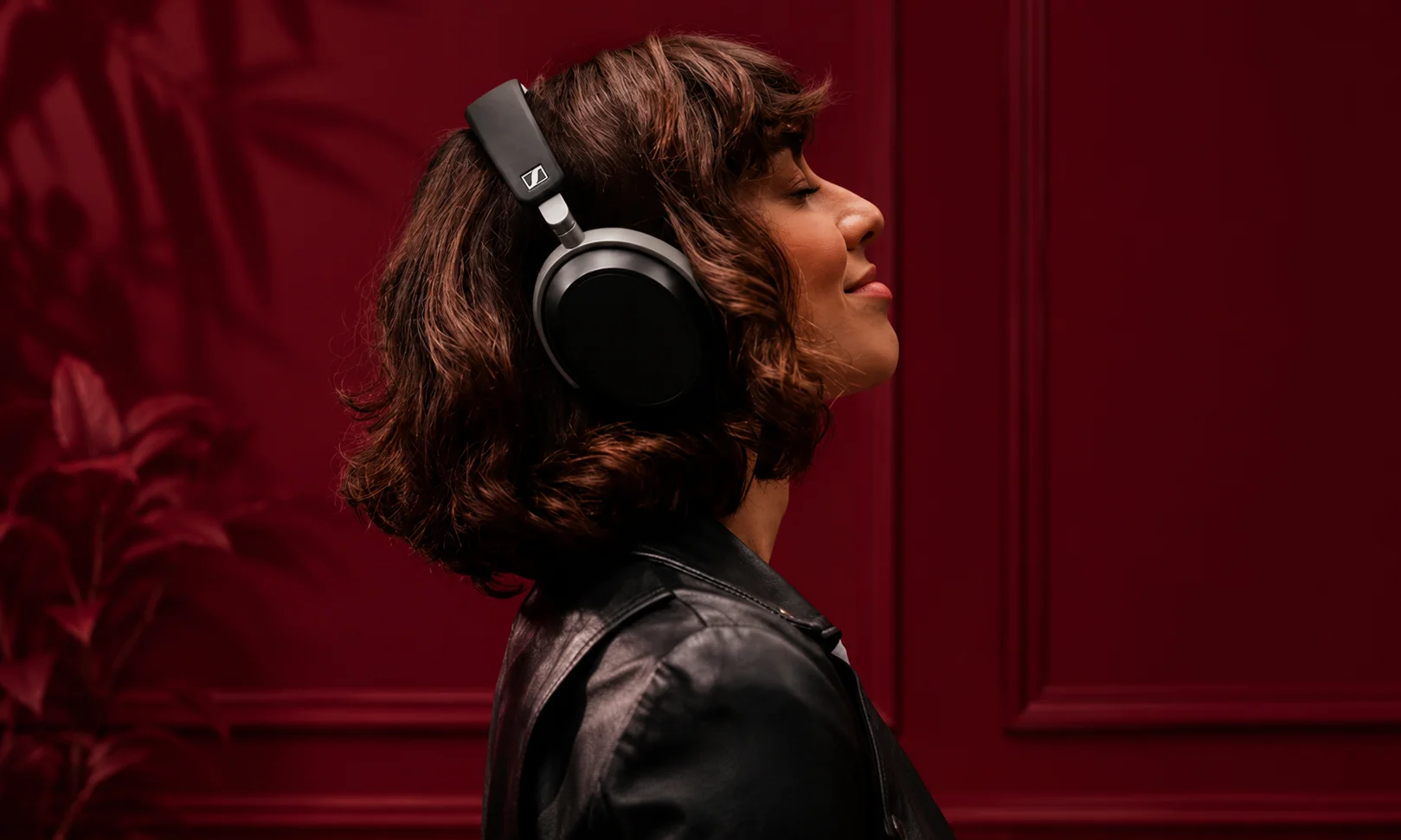
Best for Music
Listeners who put sound quality high on their list will find a strong option in the Sennheiser Momentum 5 Wireless. Adaptive noise cancellation, an adjustable equalizer, and a long rated battery life all combine with Sennheiser’s audio tuning here.
Sound Quality
42mm dynamic drivers power the Momentum 5 Wireless, with Bluetooth codecs including SBC, AAC, aptX Adaptive, and aptX Lossless supported on compatible devices. Through the Sennheiser Smart Control app, adjusting the sound is also possible.
Noise Cancellation
Adaptive active noise cancellation is used by the headphones, adjusting the level of noise reduction according to the surrounding environment. A transparency mode is also available, useful when sounds around you need to be heard without removing the headphones.
Comfort and Design
An over-ear design with padded earcups and a padded headband is what the Momentum 5 Wireless has. Rotating for easier storage is possible with the earcups, and a carrying case comes included with the headphones.
Battery Life
Up to 60 hours of playback with ANC enabled is what Sennheiser rates the Momentum 5 Wireless for. Considerably more rated battery life than many premium wireless headphones is what this gives it.
Connectivity and Calls
Bluetooth multipoint is supported by the Momentum 5 Wireless, so maintaining connections with two devices becomes possible. Wired listening through USB-C and a 3.5mm connection is also supported, giving alternatives when Bluetooth isn’t what you want to use.
Who Should Buy the Sennheiser Momentum 5 Wireless?
Listeners wanting strong audio performance, extensive sound customization, and long battery life in one pair of over-ear wireless headphones is who this makes sense for.
Who Should Avoid It?
The best fit this may not be, if noise cancellation is your only priority, or if the strongest integration with a particular phone ecosystem is what you want. A simpler model may also be preferred by buyers mainly wanting a lightweight headphone for occasional use.
4. Apple AirPods Max 2
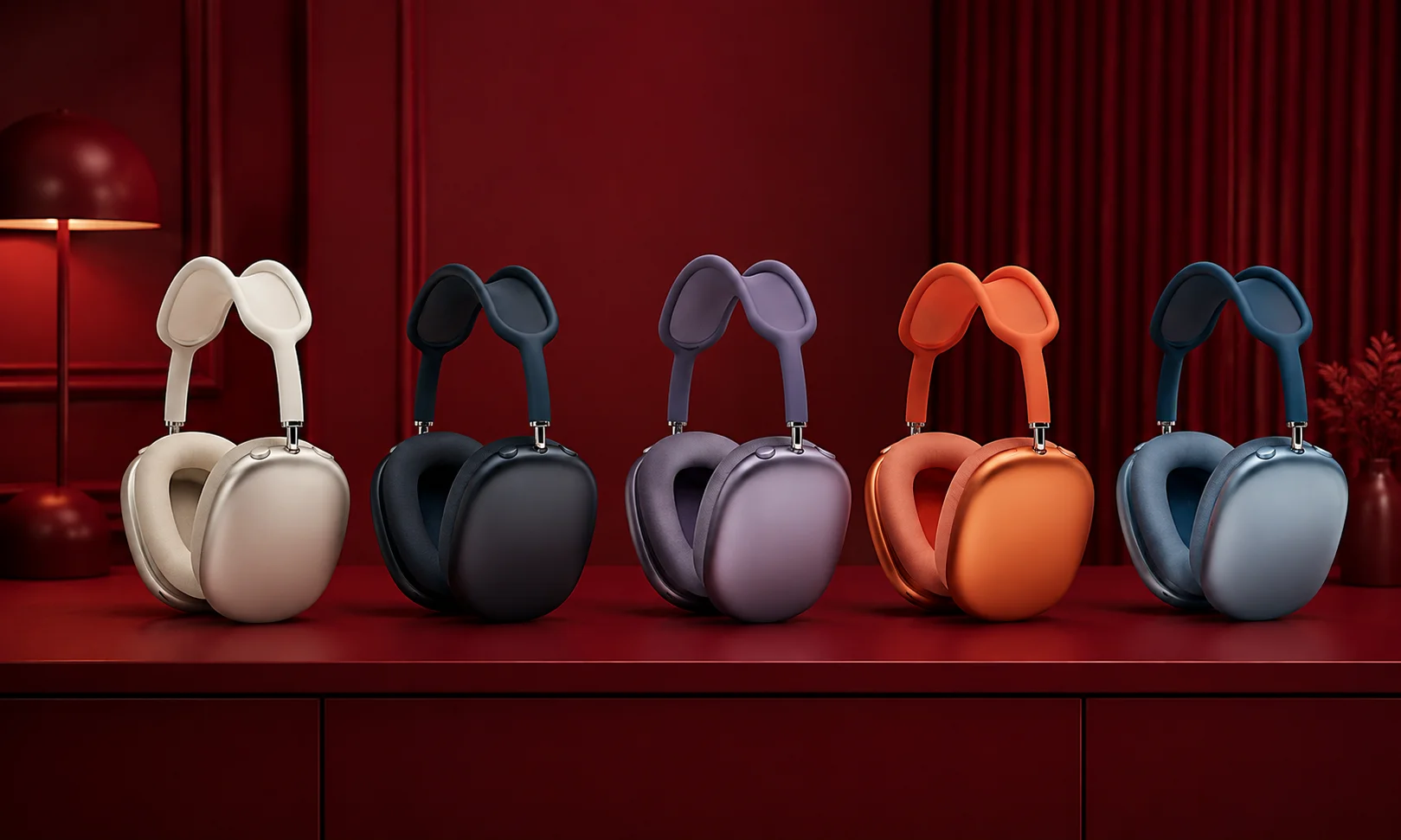
Best for Apple Users
People who regularly use Apple devices are exactly who the Apple AirPods Max 2 was designed for. How it works within Apple’s ecosystem is really its main advantage, though active noise cancellation, Personalized Spatial Audio, and lossless audio support through USB-C also come with it.
Sound Quality
A custom high-excursion driver and Apple’s H2 chip for audio processing power the AirPods Max 2. Dynamic head tracking is supported through Personalized Spatial Audio, which can create a more immersive presentation with supported content.
Noise Cancellation
The AirPods Max 2’s active noise cancellation system is enabled by the H2 chip. Unwanted environmental sounds can be reduced by its ANC, according to Apple, while staying aware of your surroundings becomes possible when outside sounds are let through by Transparency mode.
Comfort and Design
Memory-foam ear cushions and a breathable knitted headband come with the over-ear design on these headphones. A seal around the ears is also what the ear cushions are designed to create, though relatively heavy compared with some competing models is what the headphones remain.
Battery Life
Up to 20 hours of listening time with ANC and spatial audio enabled is what Apple rates the AirPods Max 2 for. About 1.5 hours of listening time can come from just a five-minute charge.
Connectivity and Apple Features
Wireless connections rely on Bluetooth for the AirPods Max 2, and Apple’s ecosystem features for compatible devices are included as well. Automatically switching between supported Apple devices signed into the same Apple Account is something it can do, making it particularly convenient for people already using an iPhone, iPad, or Mac.
Who Should Buy the AirPods Max 2?
People who already use several Apple devices, and want headphones taking advantage of Apple’s audio and device-switching features, is who this is a good choice for.
Who Should Avoid It?
Another pair is worth considering if long battery life, lower weight, or broad platform flexibility matters more to you than Apple’s ecosystem features. The headphones can still be used by Android users, though the same level of Apple-specific integration isn’t something they get.
5. Bowers & Wilkins Px7 S3
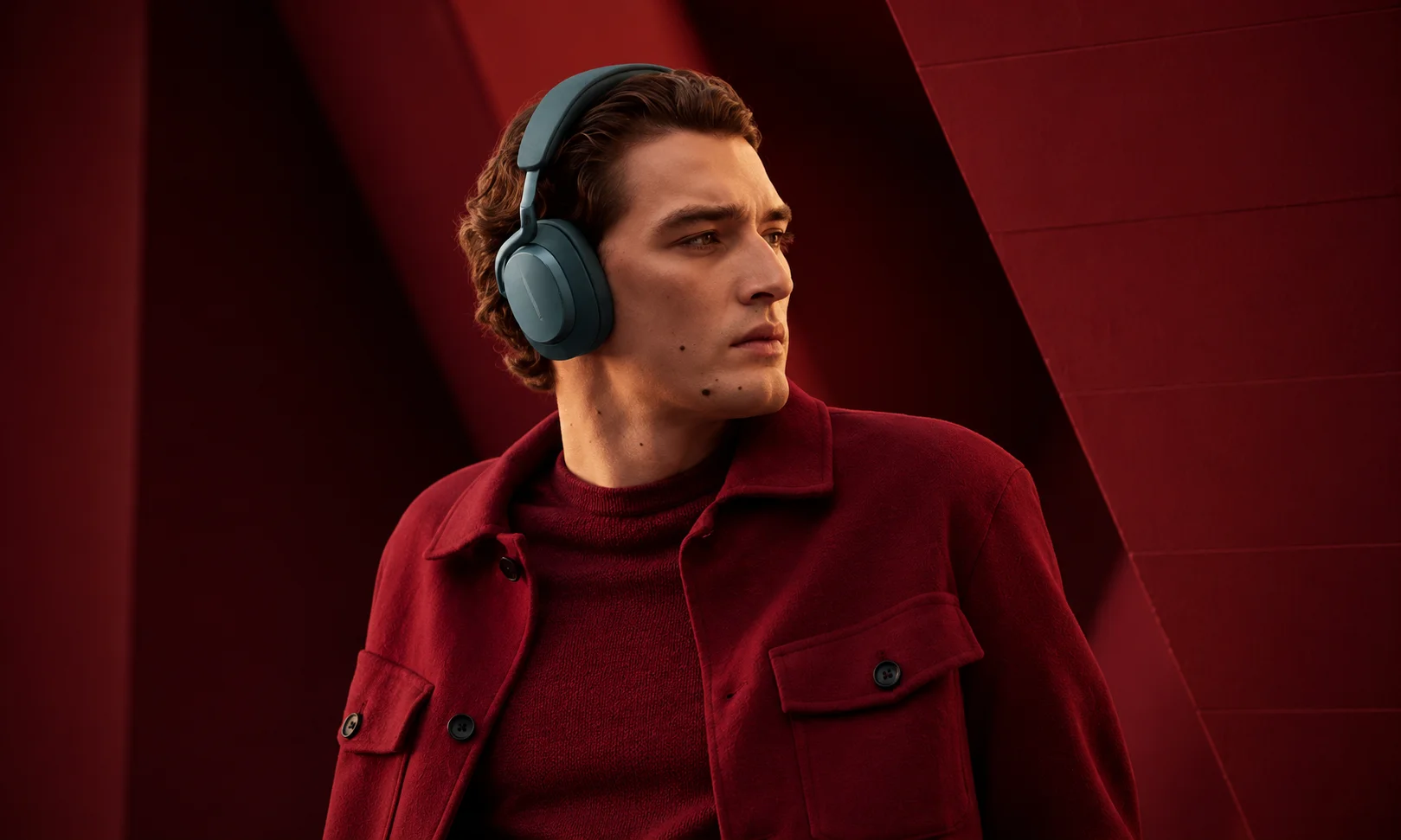
Best for Premium Sound and Build
Listeners wanting a premium over-ear headphone with a strong focus on audio quality and physical design are exactly who the Bowers & Wilkins Px7 S3 is aimed at. 24-bit digital processing combines with active noise cancellation and support for several high-quality Bluetooth codecs here.
Sound Quality
40mm bio-cellulose drivers positioned inside each earcup are used by the Px7 S3. Bluetooth codecs including aptX Adaptive, aptX Lossless, aptX HD, aptX, and AAC are supported, depending on the connected device. A five-band equalizer for adjusting the sound is also provided through the Bowers & Wilkins Music app.
Noise Cancellation
Active noise cancellation with dedicated microphones for monitoring surrounding sound is what the Px7 S3 has. A transparency mode is included as well, allowing outside sounds to pass through when hearing your surroundings becomes necessary.
Comfort and Design
An over-ear design with memory-foam ear cushions covered in soft materials is used by the headphones. Contributing to the premium construction are the aluminum arms and fabric-covered headband, while folding inward for easier storage is possible with the earcups.
Battery Life
Up to 30 hours of battery life from a full charge is what Bowers & Wilkins rates the Px7 S3 for. Up to seven hours of additional playback can come from just a 15-minute quick charge.
Connectivity and Calls
Bluetooth 5.4 and multipoint connectivity are supported by the Px7 S3, allowing two devices to remain connected. USB-C audio and a traditional 3.5mm wired connection are also supported, giving several ways to use the headphones.
Who Should Buy the Px7 S3?
Listeners placing sound quality, premium construction, and flexible wired and wireless connectivity high on their list is who the Px7 S3 is a good fit for.
Who Should Avoid It?
The best choice this may not be, if maximum noise cancellation or the longest battery life available is your main priority. Better-value alternatives may also be found by buyers who care more about getting the most features for their money.
Category 2: Best Wireless Headphones for Specific Needs
This category targets buyers with one particular priority in mind, whether that’s battery life, comfort, or value. None of these headphones necessarily win in every category, but each has a clear strength that justifies a look.
6. Sennheiser Momentum 4 Wireless
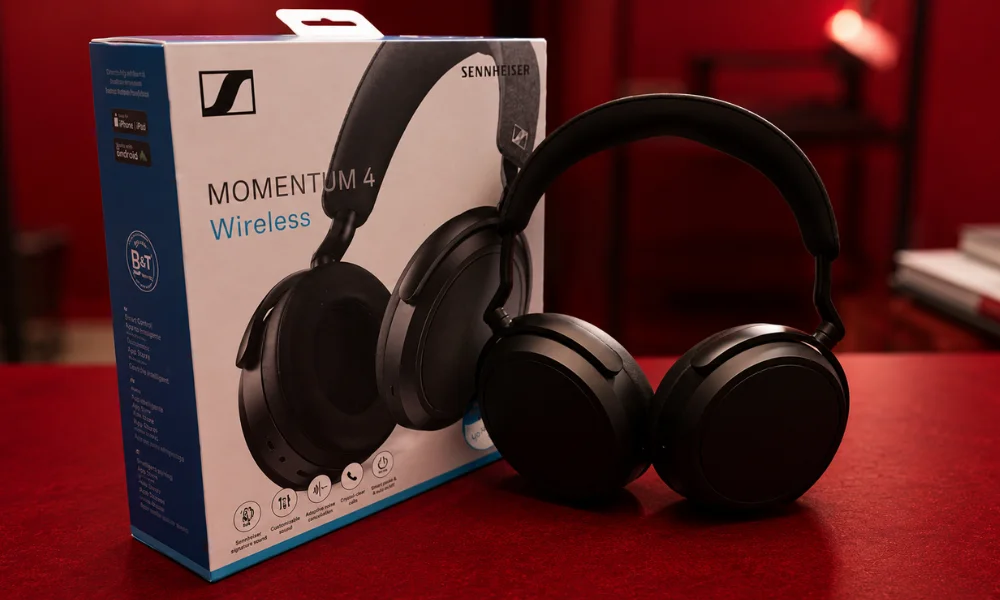
Best for Battery Life
Battery life topping your list of concerns? The Sennheiser Momentum 4 Wireless handles that well. Long playback time is the headline feature, but adaptive noise cancellation, sound customization, and multipoint Bluetooth round things out too.
Sound Quality
42mm dynamic drivers sit inside the Momentum 4, with SBC, AAC, aptX, and aptX Adaptive codec support. The Sennheiser Smart Control app opens up sound adjustments, equalizer included.
Noise Cancellation
Noise reduction adjusts automatically based on your surroundings, thanks to adaptive ANC built into these headphones. A transparency mode is on hand too, for whenever outside sound needs to come through.
Comfort and Design
Lightweight and over-ear, the Momentum 4 pairs cushioned earcups with a padded headband. Flat-rotating earcups make packing and carrying simpler as well.
Battery Life
This is where the Momentum 4 really pulls ahead. Sennheiser’s rating sits at up to 60 hours with ANC running, and a short charge tops things up with several extra hours of use.
Connectivity and Calls
Two devices can stay linked at once thanks to Bluetooth multipoint. Wired options exist too, covering both USB-C and standard 3.5mm connections.
Who Should Buy the Momentum 4?
People wanting very long battery life without giving up features such as ANC, multipoint connectivity and sound customization is who the Momentum 4 is a good option for. It is particularly useful for frequent travelers and people who listen for long periods between charges.
Who Should Avoid It?
The right choice this may not be, if the strongest possible noise cancellation is your first priority, or if the newest premium headphone design and features are specifically what you want. A better fit in those cases may be newer flagship models.
7. Sony WH-1000XM5
Best for Value
Finding it at a lower price than the newer WH-1000XM6 is what makes the Sony WH-1000XM5 remain worth considering. Many of Sony’s premium features are retained here, including active noise cancellation, LDAC support, multipoint Bluetooth, and app-based sound customization.
Sound Quality
30mm drivers are used by the XM5, and SBC, AAC, and LDAC Bluetooth codecs are supported. An equalizer is also included in Sony’s Sound Connect app, allowing the sound to be changed to suit your preference.
Noise Cancellation
Sony’s QN1 noise-cancelling processor, together with multiple microphones, is used by the WH-1000XM5 to reduce surrounding sounds. Adjusting the noise cancellation is possible through the headphone controls and companion app.
Comfort and Design
An over-ear design with soft-fit leather ear pads and a lightweight construction is what the XM5 has. Swiveling is possible with the earcups, though folding inward into a compact shape, unlike some older Sony models, is not something the XM5 does.
Battery Life
Up to 30 hours of playback with noise cancellation enabled, and up to 40 hours with it turned off, is what Sony rates the WH-1000XM5 for. Additional playback can come from a quick charge when needed.
Connectivity and Calls
Bluetooth 5.2 and multipoint connection are supported by the XM5, allowing it to stay connected to two devices. Four beamforming microphones and Sony’s voice-pickup processing for calls are also included.
Who Should Buy the WH-1000XM5?
Enough of a price drop to make it a better-value alternative to the newer XM6 is when the XM5 makes the most sense. Especially suitable is this for buyers who still want Sony’s combination of ANC, sound customization, and multipoint connectivity.
Who Should Avoid It?
Worth considering instead is the newer model, if the price difference between the XM5 and XM6 is small. Looking elsewhere also makes sense if a headphone that folds into a more compact travel package is specifically what you want.
8. Bose QuietComfort Headphones
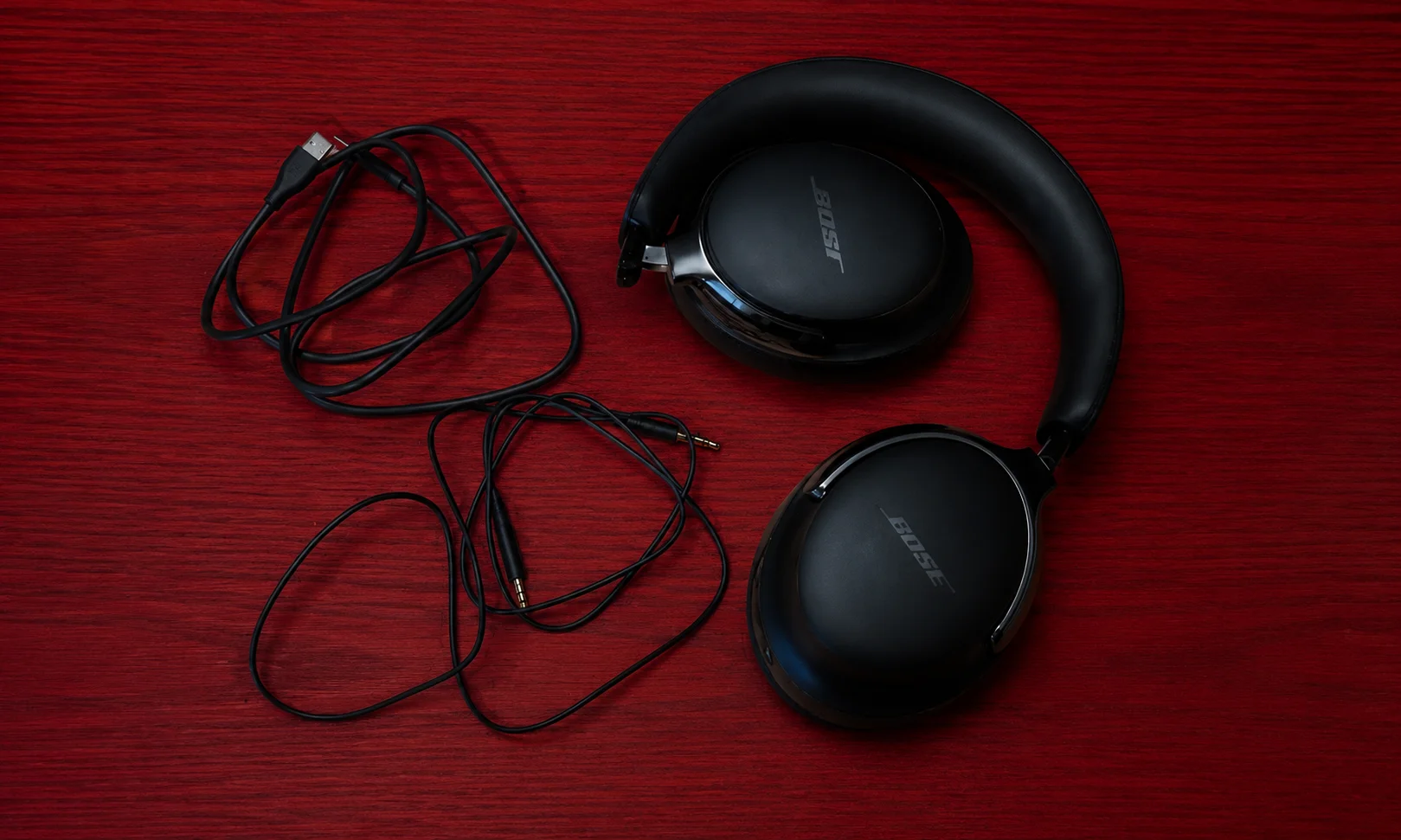
Best for Comfort
People who put long-wearing comfort high on their list will find a good option in the Bose QuietComfort Headphones. An over-ear design combines with active noise cancellation and adjustable listening modes here, making them suitable for everyday listening, work, and travel.
Sound Quality
Bose’s adjustable audio settings, including an equalizer in the Bose app, are used by the headphones. Changing the balance of bass, midrange, and treble becomes possible with this, rather than being limited to the default sound profile.
Noise Cancellation
Adjustable noise cancellation through its listening modes is included by Bose. Noise cancellation is provided by Quiet Mode, while hearing more of your surroundings when needed is what Aware Mode allows.
Comfort and Design
Comfort is really the main reason to consider this model. Soft ear cushions and a padded headband are used by the headphones, while keeping the cushions around the ears rather than pressing directly on them is what the over-ear design does.
Battery Life
Up to 24 hours of battery life on a full charge is what Bose rates the QuietComfort Headphones for. Using a wired connection is also possible with the headphones, when Bluetooth isn’t required.
Connectivity and Calls
Bluetooth is supported by the QuietComfort Headphones, and maintaining connections with two devices through Bose’s multipoint feature is possible too. A built-in microphone system for phone calls and other voice use is also included.
Who Should Buy the Bose QuietComfort?
People wanting a comfortable over-ear design with noise cancellation, who expect to wear their headphones for extended periods, is who these headphones make the most sense for.
Who Should Avoid It?
The best choice these may not be, if maximum battery life, premium audio codecs, or the latest flagship features are more important to you. A broader feature set is offered by some of the higher-end models in this list, in those cases.
Category 3: Best Wireless Headphones for Everyday Use and Lower Budgets
Making sense when useful wireless features are wanted without moving to the highest-priced premium models is what headphones in this category focus on. Everyday listening, mobile use, commuting, and buyers wanting to spend less are what these are aimed at.
9. Beats Studio Pro
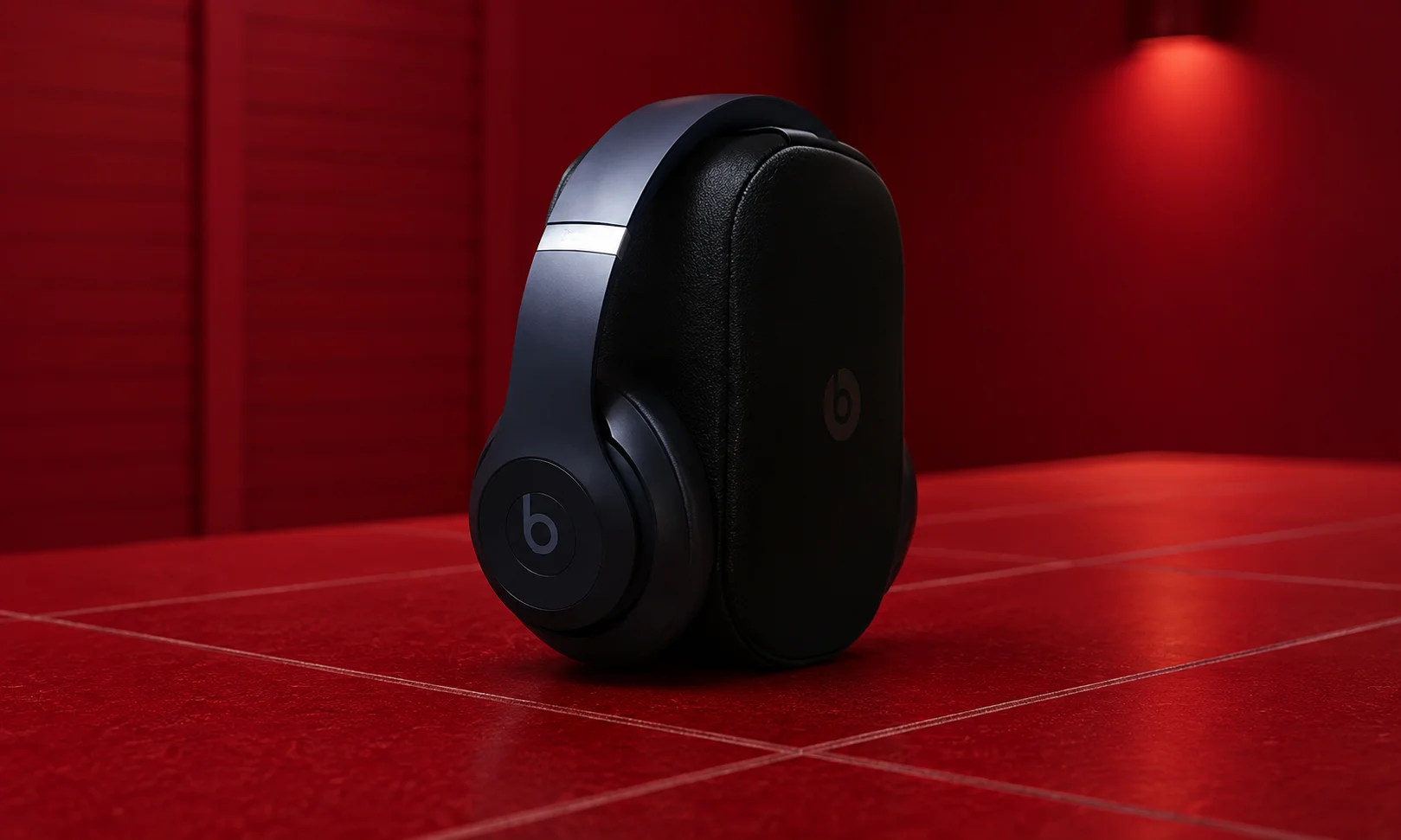
Best for Everyday Use
People wanting wireless over-ear headphones that work with both Apple and Android devices will find a versatile option in the Beats Studio Pro. Active noise cancellation, a transparency mode, and USB-C audio are all included, giving it more flexibility than a basic Bluetooth headphone.
Sound Quality
Custom 40mm drivers are used by the Studio Pro, and lossless audio through USB-C is supported with compatible devices and content. Personalized spatial audio with dynamic head tracking is also provided on supported Apple devices.
Noise Cancellation
Active Noise Cancelling and Transparency mode are included by the headphones. Surrounding sounds are reduced by ANC when focusing on your audio is what you want, while more outside sound passing through is what Transparency mode allows.
Comfort and Design
An over-ear design with cushioned ear cups and a lightweight plastic construction is what the Studio Pro has. Easier carrying than headphones with a fixed frame is made possible by its folding design.
Battery Life
Up to 40 hours of listening with ANC and Transparency turned off, or up to 24 hours with either feature enabled, is what Beats rates the Studio Pro for. Up to four hours of playback after a 10-minute charge can come from a Fast Fuel charge.
Connectivity and Calls
Both iOS and Android devices are worked with by the Studio Pro, and USB-C audio is supported. Built-in microphones for calls and voice use are also included.
Who Should Buy the Beats Studio Pro?
People wanting simple over-ear wireless headphones that work across Apple and Android devices, while still offering ANC, transparency mode, and USB-C audio, is who this is a good fit for.
Who Should Avoid It?
Another model is worth considering if maximum noise cancellation, the longest battery life, or advanced Bluetooth codec support is your main priority. More extensive features in those areas are offered by some premium headphones in this list.
10. JBL Live 770NC
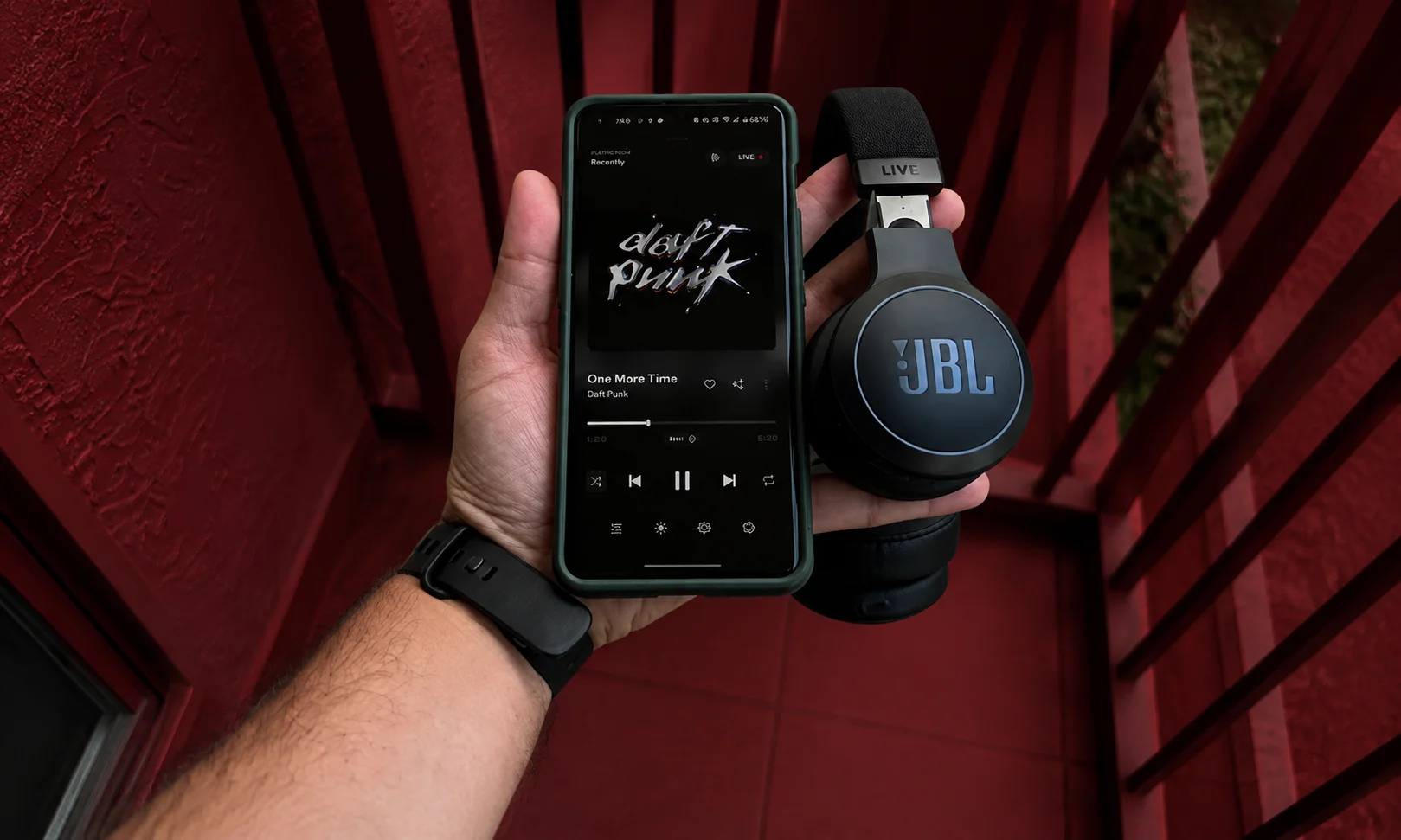
Best for Lower-Cost Features
Buyers wanting an over-ear wireless headphone with active noise cancellation and a long battery rating, without moving to the most expensive models, will find a practical option in the JBL Live 770NC.
Sound Quality
40mm drivers are used by the Live 770NC, and JBL’s app-based sound controls are supported. An equalizer is included in the JBL Headphones app, so adjusting the sound rather than relying only on the default tuning becomes possible.
Noise Cancellation
Adaptive Noise Cancelling is used by the headphones to reduce surrounding noise, and Smart Ambient features are included for hearing more of your surroundings when needed. Varying depending on the environment and fit of the earcups is the exact level of noise reduction.
Comfort and Design
An over-ear design with a fabric-covered headband and cushioned earcups is what the Live 770NC uses. Folding for easier storage and transport is also possible with the headphones.
Battery Life
One of the strongest reasons to consider the Live 770NC really is battery life. Up to 65 hours of playback with ANC off, and up to 50 hours with ANC on, is what JBL rates it for. Up to four hours of playback can come from just a 5-minute charge.
Connectivity and Calls
Bluetooth 5.3 and multipoint connectivity are supported by the Live 770NC, allowing connection to two devices. Wired listening through a 3.5mm audio cable is also supported, and built-in microphones for calls are included.
Who Should Buy the JBL Live 770NC?
Wanting long battery life, ANC, multipoint connectivity, and app-based sound controls without paying flagship-level prices is who the Live 770NC is a good choice for.
Who Should Avoid It?
The best fit this may not be, if the strongest ANC or the highest-end sound performance available from premium headphones is what you want. Worth considering instead in that case are the Sony, Bose, or Bowers & Wilkins models in this guide.
How We Chose the Best Wireless Headphones
Choosing the headphones based on price, brand name, or a single specification wasn’t how we did this. Instead, features capable of making the biggest difference during everyday listening got our attention first, followed by which models actually make sense for different types of buyers.
Sound Quality
Driver design, supported Bluetooth codecs, sound customization, and independent listening tests where available all factored into our evaluation. Treating one particular sound signature as objectively better for everyone was something we avoided too.
Noise Cancellation
Whether active noise cancellation is offered, how each model’s noise-control modes function, and how well independent testing rates its ability to reduce outside sound were all things we examined.
Comfort
Weight, padding, adjustability, and the over-ear design itself all played into our thinking here. Since comfort is partly personal, absolute claims that a headphone will suit every listener were something we steered clear of.
Battery Life
Manufacturers’ rated playback figures were used, and whether those numbers shift when other features or ANC get enabled was something we noted. A more useful comparison results from this than simply quoting battery capacity on its own.
Connectivity and Calls
Bluetooth support, multipoint connectivity, wired options, and microphone features all got checked. If regularly switching between a phone, computer, and other devices is something you do, these details matter quite a bit.
Features and Compatibility
Useful features such as companion apps, equalizers, transparency modes, spatial audio, and platform-specific functions were all taken into account. Compatibility factored in too, since some features behave differently across Apple and Android devices.
Price and Value
Since price can shift over time, treating a fixed price as the main reason to recommend a headphone wasn’t our approach. What we considered instead was the performance and features offered relative to its position in the market.
Who Each Headphone Is For
Finally, a specific use case was given to each model rather than claiming any single headphone excels at everything. A more useful list for readers with different priorities is what results from this approach.
What to Check Before Buying Wireless Headphones
How and where you plan to use them is really what the best headphones for you depend on. These areas are worth checking before buying, rather than choosing only by brand or price.
Sound
The type of sound you prefer is worth thinking about. If music is mainly what you listen to, checking whether an equalizer or other sound controls that let you adjust its tuning are included makes sense.
Noise Cancellation
ANC can prove useful if traveling or spending time in noisy places describes you. Whether adjustable noise-control modes, along with a transparency or ambient mode for hearing surrounding sounds, are included is worth checking.
Comfort
Weight, ear-cup size, padding, and headband design are all worth examining on the headphone. Trying it on before buying, if possible, makes sense too, since fit and pressure can vary quite a bit from person to person.
Battery Life
The manufacturer’s rated playback time is worth looking at, along with checking whether that figure gets measured with ANC on or off. The same runtime when additional features are enabled may not be provided by a headphone with a longer advertised battery life.
Connectivity
Bluetooth compatibility is worth checking, and whether multipoint is supported matters too, if regularly switching between a phone and computer is something you do. Useful as well can be wired connections, when conserving battery or using the headphones with another audio source is what you want.
Calls
Checking microphone performance in independent reviews makes sense if meetings or phone calls are what you use headphones for. How clearly your voice will sound in a busy environment isn’t something manufacturer microphone specifications alone can tell you.
Device Compatibility
Working with multiple platforms is possible for most Bluetooth headphones, though limited depending on whether an iPhone, Android phone, Windows PC, or Mac is what you use may be some features. Checking the features you actually need before buying is worth doing.
Size and Portability
How you will carry the headphones is worth considering. Useful can be a folding design and included carrying case, if regularly taking them to work, school, or while traveling is something you do.
Price
Setting your budget before comparing models makes sense. Better-value choices can sometimes come from older flagship headphones after newer models arrive, while enough for you might be a cheaper model, if only basic wireless listening is what you need.
Common Mistakes When Buying Wireless Headphones
Similar on a store page is how wireless headphones can look, but a few common issues can still affect the buying decision. Choosing a model that doesn’t suit your needs is something checking these points before ordering can help you avoid.
Buying for ANC Without Checking Reviews
Advertised by a headphone might be active noise cancellation, but reducing outside noise equally well isn’t guaranteed across every model just because of that. Checking independent testing, rather than relying only on the presence of an ANC feature, makes sense if important to you is ANC.
Ignoring the Fit
Head shape, ear size, and how firmly the headphones sit is what comfort depends on. Tight or heavy to another person is how a model comfortable to one person can feel, so worth checking when buying online are return policies.
Comparing Battery Claims Incorrectly
Different features enabled or disabled is how manufacturers may quote battery life. Whether ANC is included in the advertised figure should always be checked, since playback time can be reduced by turning on noise cancellation or other features.
Assuming Every Feature Works on Every Device
Through a particular phone or operating system is how some headphones support extra features. Whether your devices work with things like spatial audio, app controls, multipoint, or advanced codecs is worth checking before buying.
Choosing by Codec Names Alone
Sounding better for every listener isn’t automatically guaranteed just because a headphone supports a high-quality Bluetooth codec. That codec also needs to be supported by the phone or computer, and the overall tuning and audio source still matter just as much.
Overlooking Wired Connections
Only Bluetooth support is what some buyers check, later discovering that a cable is needed for a particular device or situation. Whether USB-C audio, a 3.5mm connection, or both are supported by the headphones is worth checking, if wired listening matters to you.
Expecting One Headphone to Be Best at Everything
The longest battery life may not come with a headphone offering excellent ANC, while the same level of noise reduction may not be offered by another with exceptional battery life instead. According to your main priorities is how choosing should happen, rather than assuming the highest-ranked model will be ideal for every use.
Final Verdict
A well-rounded combination of sound quality, noise cancellation, comfort, battery life, and everyday features is what makes the Sony WH-1000XM6 our best overall choice. The only strong option this isn’t, though, and depending on what matters most to you, the better choice can change.
Worth considering are the Bose QuietComfort Ultra Headphones (2nd Gen), if noise cancellation and comfort happen to be your priorities. A strong alternative for listeners placing more importance on music and battery life is the Sennheiser Momentum 5 Wireless, while for people already using several Apple devices, more sense is made by the AirPods Max 2.
Another option for buyers focused on premium audio and build quality is the Bowers & Wilkins Px7 S3. A practical choice remains the Sennheiser Momentum 4 Wireless, if battery life matters most, while more sense can be made by the Sony WH-1000XM5 when its price sits significantly below the XM6.
Worth considering for comfort-focused buyers are the Bose QuietComfort Headphones. A straightforward option for Apple and Android users is offered by the Beats Studio Pro, while ANC, multipoint connectivity, and long rated battery life make the JBL Live 770NC a lower-cost choice.
Simple is the main takeaway here: matching your priorities, rather than choosing only by its position on a list, is how the headphone should be chosen.
Frequently Asked Questions
Which wireless headphones are best overall in 2026?
Strong sound, active noise cancellation, comfort, battery life, and connectivity all combine in one package on the Sony WH-1000XM6, making it our overall pick.
Which wireless headphones have the longest battery life?
Among the longest-lasting options in this list are the Sennheiser Momentum 4 Wireless and Momentum 5 Wireless, both carrying manufacturer-rated battery life of up to 60 hours with ANC enabled.
Do I need ANC in wireless headphones?
No. Continuous background noise, such as what’s found on airplanes, trains, and in busy offices, is where ANC proves most useful. Paying extra for advanced noise cancellation may not be necessary, if quiet environments are mainly where your listening happens.
Does ANC reduce battery life?
Usually, yes. Varying by model is the amount, which is why comparing the manufacturer’s battery rating with ANC enabled against disabled matters more than relying on just one advertised figure.
Can I use wireless headphones while they are charging?
This depends on the model. Wired listening while charging, or when the battery is low, is supported by some headphones, while normal Bluetooth playback during charging isn’t allowed by others.
How long should wireless headphones last?
No fixed lifespan applies across every model. Battery aging, physical wear, usage, and care all affect how long a pair remains useful. Checking the manufacturer’s warranty and battery-service options before buying can be worthwhile, especially for expensive headphones.
Are over-ear wireless headphones good for long listening sessions?
They can be, though comfort varies between people. Weight, headband pressure, ear-cup size, padding, and heat buildup all affect how comfortable a headphone feels over several hours.
Which wireless headphones are best for travel?
Strong travel options are the Sony WH-1000XM6 and Bose QuietComfort Ultra Headphones (2nd Gen), since active noise cancellation combines with over-ear designs and long battery life on both. Your preferred fit, along with tolerance for headphone weight, should also influence the decision.