
The right travel credit card can do much more than earn points when you buy a plane ticket. A good card can help reduce the cost of flights and hotels, provide airport lounge access, cover certain travel problems, offer rental car protection and give you flexible rewards that can be used in different ways.
But travel cards are not all designed for the same person. A card with a very high annual fee may be excellent for someone who flies every month but make little sense for someone who takes one vacation a year. Likewise, a simple card that earns rewards on everyday spending may be better than a complicated premium card for someone who does not want to track dozens of benefits.
For this guide, the focus is on six strong travel cards that cover different types of travelers. The choices include the Chase Sapphire Preferred, Capital One Venture X, Chase Sapphire Reserve, American Express Platinum, Citi Strata Premier and Wells Fargo Autograph.
The fees, welcome offers and benefits on credit cards can change, so always check the current terms before applying.
The 6 Best Travel Credit Cards at a Glance
| Credit Card | Best For | Annual Fee | Main Strength |
| Chase Sapphire Preferred | Best overall | $95 | Flexible rewards and strong travel protections |
| Capital One Venture X | Best premium value | $395 | Simple rewards and premium travel benefits |
| Chase Sapphire Reserve | Best luxury travel | $795 | Travel credits, lounges and strong protections |
| American Express Platinum | Best for airport lounges | $895 | Premium travel perks and extensive lounge access |
| Citi Strata Premier | Best everyday travel rewards | $95 | Strong earning across several everyday categories |
| Wells Fargo Autograph | Best no-annual-fee option | $0 | Travel rewards without an annual fee |
1. Chase Sapphire Preferred

The Chase Sapphire Preferred is one of the easiest travel cards to recommend because it provides a strong combination of rewards, travel benefits, flexibility and a relatively low annual fee.
At around $95 per year, it does not require the spending level of a premium travel card.
That makes it especially attractive to people who travel several times a year but do not need airport lounges and luxury hotel benefits every time they fly.
Rewards
The card earns points across several useful spending categories.
Travel and dining are particularly important categories for travelers, allowing cardholders to build rewards without relying entirely on airfare purchases.
The points can generally be used through the issuer’s travel platform or transferred to participating airline and hotel loyalty programs.
That flexibility is one of the card’s biggest advantages.
Travel Protections
Travel problems can become expensive quickly.
A delayed flight can mean paying for a hotel room and meals. A canceled trip can result in nonrefundable expenses. A rental car can create another potential financial risk.
The Sapphire Preferred includes several travel protections when the relevant trip or rental is paid for according to the card’s terms.
This can include:
- Trip cancellation and interruption protection
- Trip delay protection
- Baggage protection
- Rental car coverage
- Travel accident coverage
The exact limits, exclusions and eligibility requirements matter, so cardholders should read the benefit terms before depending on the protection.
Transfer Partners
Transferable points are particularly useful for travelers who know how airline and hotel loyalty programs work.
Instead of always using points at a fixed value, you may be able to move them to an eligible travel partner and book an award through that program.
This can sometimes produce significantly more value than simply using points for a basic statement credit.
Everyday Spending
The Preferred is also useful when you are not traveling.
Dining, groceries, streaming and other regular expenses can help generate points throughout the year.
That means you do not need to spend thousands of dollars on airline tickets just to build a useful rewards balance.
Who Should Get It
This card makes the most sense for:
- Travelers who take several trips each year
- Beginners entering the points-and-miles world
- People who want flexible rewards
- Travelers who value travel insurance
- People who do not want a large annual fee
- Cardholders who want airline and hotel transfer options
Who Should Skip It
A premium card may be better for someone who visits airport lounges frequently.
Likewise, someone who wants a completely free card may prefer a no-annual-fee option.
2. Capital One Venture X
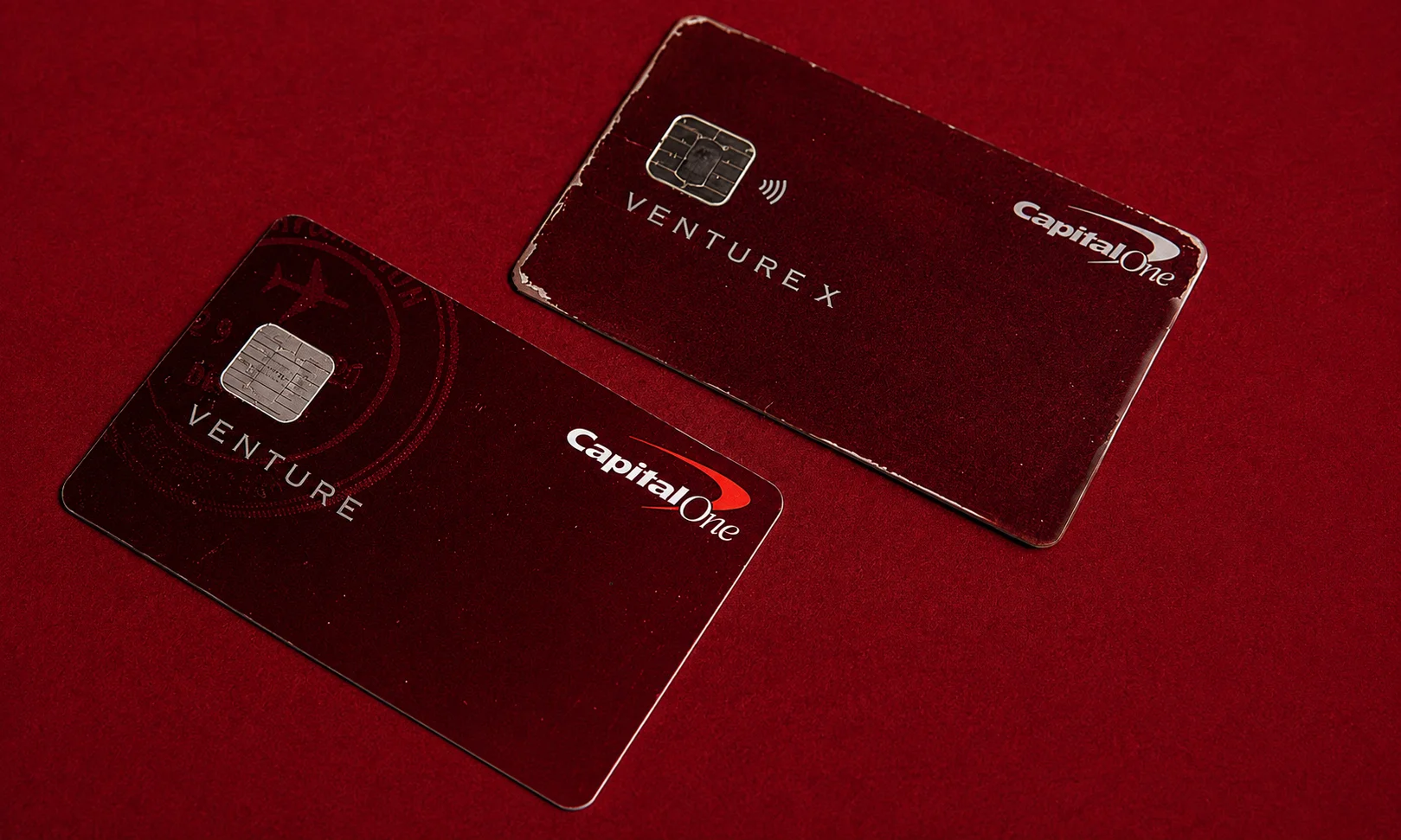
The Capital One Venture X is aimed at travelers who want premium benefits without paying the extremely high annual fees charged by some luxury cards.
Its annual fee is around $395, putting it well above entry-level travel cards but below several premium competitors.
Rewards Structure
One of the biggest advantages is simplicity.
The card generally earns 2 miles per dollar on everyday purchases, while certain travel purchases made through the issuer’s travel platform can earn higher rewards.
This means you do not have to remember a long list of spending categories every time you use the card.
Annual Travel Credit
The card includes a substantial annual travel credit tied to eligible bookings through the issuer’s travel platform.
This can significantly reduce the effective cost of the annual fee for someone who already spends money on travel.
There are also anniversary rewards that can add further value for people who keep the card long term.
The important point is that these benefits should only be counted at their full value if you would have spent the money anyway.
A $300 travel credit is not really worth $300 to someone who would never make the qualifying booking.
Airport Lounge Access
The Venture X is particularly attractive to travelers who want airport lounge access.
Eligible cardholders can receive access to participating lounges, subject to the card’s current rules and participating locations.
For frequent travelers, avoiding expensive airport food and finding a quiet place to work or relax can make the benefit valuable.
Transfer Partners
Capital One miles can also provide flexibility through participating airline and hotel transfer partners.
This gives experienced travelers another way to use their rewards rather than simply applying them toward travel purchases.
Everyday Use
The flat earning structure is one of the strongest reasons to choose this card.
You can use it for ordinary purchases without constantly calculating which category earns the most points.
That makes it easier for people who want travel rewards without turning credit-card spending into a full-time hobby.
Who Should Get It
The Venture X is particularly good for:
- Frequent travelers
- People who want lounge access
- Travelers who want simple rewards
- People who can use the annual travel credit
- Cardholders who spend heavily outside bonus categories
- Travelers who want a premium card without an extremely high annual fee
Who Should Skip It
If you rarely travel, paying $395 every year may not make sense.
It also requires you to use the card’s travel benefits effectively to justify the annual fee.
3. Chase Sapphire Reserve

The Chase Sapphire Reserve is designed for frequent travelers who can take advantage of premium benefits.
Its annual fee is around $795, making it a serious financial commitment.
However, the card offers substantially more travel benefits than a basic rewards card.
Premium Travel Rewards
The Reserve is built around travelers who spend significant amounts on travel and dining.
It can provide elevated rewards on eligible travel and dining purchases, allowing frequent travelers to accumulate points quickly.
$300 Travel Credit
One of its most important benefits is the annual travel credit.
Eligible travel purchases can receive credits up to the applicable yearly amount under the card’s terms.
For someone who spends well over $300 on travel every year, this can reduce the effective cost of holding the card.
Airport Lounges
Airport lounge access is another major reason people choose the Reserve.
Frequent flyers can use participating lounges to escape crowded terminals, find seating, access refreshments and sometimes work before a flight.
The value depends heavily on how often you actually fly.
Someone who takes two flights per year may get little value from lounge access.
Someone flying every month can get considerably more.
Travel Insurance
Travel protection is one of the Reserve’s strongest areas.
Depending on the specific benefit and eligibility requirements, protections can cover situations involving trip cancellation, interruption, delays, baggage and rental cars.
Premium travel insurance can be valuable because unexpected travel problems can otherwise become expensive.
Rewards Flexibility
Chase points can be used in multiple ways.
You can redeem them through the issuer’s travel platform or transfer them to participating travel partners.
This gives experienced travelers opportunities to get greater value from their points.
Who Should Get It
The Reserve is best suited to:
- Frequent flyers
- Luxury travelers
- People who regularly spend on travel and dining
- Travelers who use airport lounges
- People who value strong travel protections
- Cardholders who can comfortably justify a high annual fee
Who Should Skip It
The Reserve is not designed for occasional travelers.
If you take one vacation each year and rarely use premium benefits, a $95 card can make much more financial sense.
4. American Express Platinum

The American Express Platinum Card is built around premium travel.
Its annual fee is around $895, making it one of the most expensive consumer travel cards.
The value comes from its extensive collection of travel benefits, credits and airport lounge access.
Airport Lounge Access
Lounge access is arguably the card’s biggest attraction.
Eligible cardholders can receive access to a wide range of participating airport lounges.
For frequent flyers, this can make a substantial difference to the airport experience.
However, lounge access is only valuable if you actually travel enough to use it.
Travel Credits
The Platinum Card comes with numerous credits and benefits.
These can include credits connected to hotels, transportation, airline-related purchases, rideshare services and other categories.
The challenge is that these benefits often have specific conditions.
- Some require enrollment.
- Some apply only to particular purchases.
- Others may have monthly or annual limits.
That means you should never assume that the headline value of all credits equals money in your pocket.
Airline Rewards
The card is particularly attractive to people who understand airline points and transfer programs.
Membership Rewards points can be transferred to participating airline and hotel programs.
This gives travelers considerable flexibility when planning international trips.
Hotel Benefits
The card can also provide hotel-related benefits and credits depending on the current program terms.
Frequent luxury travelers may get meaningful value from these perks.
Travel Protections
The card includes several travel-related protections, but the coverage varies by benefit and circumstances.
Travelers should understand exactly what is covered before relying on the card as their only travel insurance.
Who Should Get It
The Platinum is best for:
- Frequent international travelers
- Airport lounge users
- Luxury travelers
- People who use several premium travel benefits
- Travelers who understand transferable points
- People comfortable managing multiple credits
Who Should Skip It
The Platinum is usually difficult to justify for occasional travelers.
If you do not use the credits and lounges, the high annual fee can outweigh the rewards.
5. Citi Strata Premier

The Citi Strata Premier is a good option for travelers who want a relatively modest annual fee while earning rewards across several everyday spending categories.
Its annual fee is around $95.
Everyday Rewards
One of the card’s strengths is the number of everyday categories that can earn elevated rewards.
Depending on current terms, categories can include areas such as:
- Travel
- Restaurants
- Gas stations
- Supermarkets
- Other everyday purchases
This can make it easier to accumulate rewards without constantly booking flights.
Travel Rewards
Citi ThankYou points can be used for travel through the issuer’s travel options or transferred to participating loyalty programs.
This flexibility makes the card more interesting to people who are willing to learn how points transfers work.
Hotel Benefit
The card can also provide an annual hotel-related benefit under its current terms.
For someone who already plans to book qualifying hotel stays, this can help offset the annual fee.
No Need for Luxury Travel
Unlike premium cards, the Strata Premier does not require you to visit airport lounges every month to make sense.
It is more focused on earning useful rewards from normal spending.
Who Should Get It
The card is a strong fit for:
- Everyday spenders
- Travelers who want a low annual fee
- People who spend heavily on groceries and gas
- Travelers who want transferable points
- People who do not need luxury lounge benefits
6. Wells Fargo Autograph
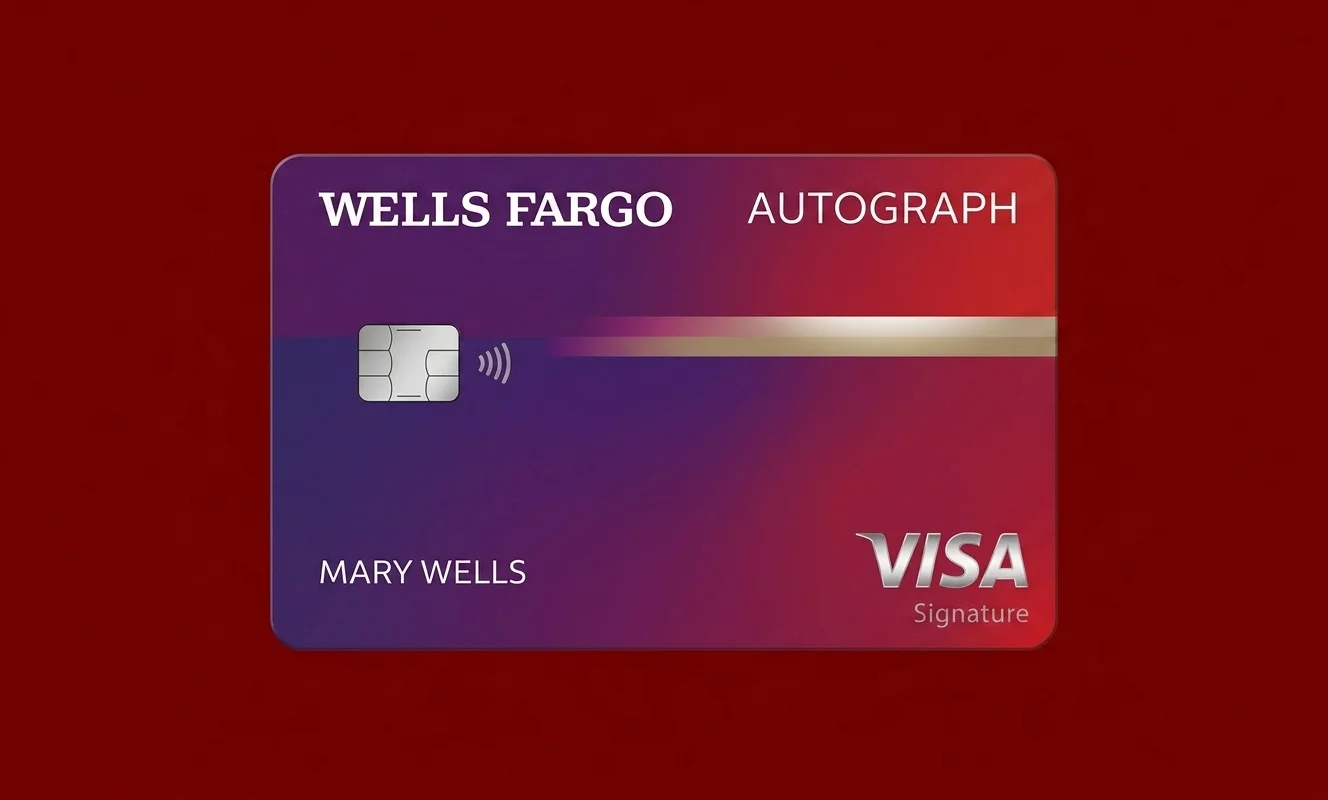
The Wells Fargo Autograph is particularly interesting because it comes with no annual fee.
That immediately changes the calculation.
You do not have to earn enough travel credits to offset a yearly fee.
Instead, you can focus on whether the rewards and benefits are useful for your spending.
Everyday Categories
The card can earn rewards in several common spending categories, including areas such as travel, dining, gas, transit and streaming services.
This can make it useful for people whose spending naturally falls into those categories.
Travel Use
The card can be useful for travelers who want rewards without committing to a premium annual fee.
It can also be attractive as a secondary card for someone who already has another travel card.
Cell Phone Protection
One additional benefit that can be valuable is cell phone protection when eligible monthly service payments are made with the card.
This can provide another reason to keep the card even when you are not traveling.
No Annual Fee
The biggest advantage is simple.
You can keep the card without paying an annual fee.
That makes it much easier to justify for occasional travelers.
Who Should Get It
It is a good choice for:
- Occasional travelers
- Budget-conscious consumers
- People who do not want annual fees
- Beginners
- People who want rewards on everyday spending
- Travelers looking for a secondary card
Travel Credit Cards Compared
| Feature | Sapphire Preferred | Venture X | Sapphire Reserve | Amex Platinum | Citi Strata Premier | Wells Fargo Autograph |
| Annual fee | $95 | $395 | $795 | $895 | $95 | $0 |
| Best feature | Balanced travel value | Premium value | Luxury travel | Lounge access | Everyday rewards | No annual fee |
| Lounge access | Limited | Yes | Yes | Extensive | No major lounge focus | No major lounge focus |
| Transferable rewards | Yes | Yes | Yes | Yes | Yes | Yes |
| Travel protections | Strong | Strong | Very strong | Strong | Good | More limited |
| Best for | Most travelers | Frequent travelers | Premium travelers | Luxury travelers | Everyday spenders | Occasional travelers |
| Complexity | Moderate | Moderate | High | High | Moderate | Low |
Travel Rewards Explained
Travel credit cards generally use one of three reward systems.
Points
Points are usually associated with flexible rewards programs.
They may be used for travel bookings or transferred to airline and hotel programs.
The value can vary depending on how you redeem them.
Miles
Miles do not always mean actual airline miles.
Some credit cards call their rewards miles even when they function more like flexible travel points.
Always look at the redemption rules rather than assuming every mile has the same value.
Airline-Specific Rewards
Some cards are connected directly to an airline.
These can provide benefits such as free checked bags, priority boarding or airline-specific rewards.
They make the most sense when you frequently fly with the same airline.
Welcome Bonuses
Welcome bonuses can be one of the fastest ways to accumulate a large rewards balance.
A typical offer requires you to spend a certain amount within a specified period after opening the account.
For example, a card might offer a large number of points after several thousand dollars of eligible spending within the first few months.
But there is an important rule:
Never spend money you would not normally spend simply to earn a welcome bonus.
Paying interest on unnecessary purchases can erase the value of the bonus.
Welcome offers also change frequently, so the offer available when you apply may be different from the one advertised previously.
Annual Fees
Annual fees are not automatically bad.
The real question is whether the benefits you actually use are worth more than the fee.
For example, a $395 card could make sense if you naturally use a large annual travel credit, lounge access and anniversary rewards.
But if you travel only once a year and do not use the benefits, a $0 or $95 card is probably more sensible.
Always calculate the real value you personally receive, not the maximum theoretical value advertised by the card issuer.
Airport Lounge Access
Lounge access sounds attractive, but its value depends on your travel habits.
It can be especially useful if you:
- Fly several times a year
- Have long airport layovers
- Arrive early at airports
- Travel internationally
- Need a quiet place to work
- Frequently buy expensive airport food
If you rarely fly, lounge access should not be a major reason for paying a large annual fee.
Travel Insurance and Protection
Travel insurance can be one of the most valuable features of a travel credit card.
Depending on the card, protections may include:
- Trip cancellation
- Trip interruption
- Trip delay
- Lost luggage
- Baggage delay
- Rental car damage
- Travel accident coverage
- Emergency assistance
There is an important limitation.
Credit-card travel protection is not the same thing as a comprehensive standalone travel insurance policy.
Coverage has conditions, exclusions, dollar limits and qualifying requirements.
Read the benefit guide before assuming a particular medical, cancellation or baggage problem will be covered.
Foreign Transaction Fees
If you travel internationally, check whether the card charges foreign transaction fees.
A card that charges a percentage on every overseas purchase can become expensive during a long trip.
The cards in this guide are generally designed with international travelers in mind, but the exact terms should always be checked before traveling.
Booking Directly or Through a Travel Portal
Some cards provide higher rewards or special credits when you book through the card issuer’s travel platform.
This can be useful, but it can also create restrictions.
Before booking, compare:
- Final price
- Cancellation rules
- Change policies
- Room or flight availability
- Loyalty-program benefits
- Rewards earned
- Customer support
- Price differences
A portal should not automatically be considered better simply because it offers more points.
Using Points for Maximum Value
There are several ways to use travel rewards.
You can often:
- Book flights
- Book hotels
- Pay for rental cars
- Apply rewards toward eligible travel
- Transfer points to airline programs
- Transfer points to hotel programs
- Redeem for other purchases
The easiest redemption method is not always the most valuable.
Transferring points can sometimes produce better value, but it requires more planning.
You should generally find the flight or hotel you want before transferring points because transfers can be difficult or impossible to reverse.
How to Choose the Right Travel Card
Start with your actual travel habits. Ask yourself how many trips you take every year. Then look at where your money goes.
- If you spend heavily on dining, choose a card that rewards dining.
- If you fly frequently, look for travel rewards and airport benefits.
- If you stay at hotels regularly, hotel transfer partners and hotel credits may be more valuable.
- If you want simplicity, a flat-rate rewards card may be better.
- If you travel only occasionally, avoid paying hundreds of dollars for benefits you will rarely use.
What to Check Before Applying
Before choosing a travel credit card, check these points:
- Annual fee
- Current welcome bonus
- Spending requirement for the bonus
- Regular APR
- Foreign transaction fees
- Travel rewards rate
- Dining rewards
- Hotel rewards
- Transfer partners
- Airport lounge access
- Travel insurance
- Rental car coverage
- Baggage protection
- Annual credits
- Redemption rules
- Expiration policies
- Authorized-user costs
- Eligibility requirements
Also check whether your credit profile is suitable for the card.
Approval is never guaranteed simply because you meet a published credit-score range.
How to Use a Travel Credit Card Responsibly
Travel rewards are valuable only when the underlying credit-card habits are healthy. The most important rule is to pay the statement balance in full whenever possible.
Credit-card interest can easily exceed the value of points and miles.
- Do not carry a balance just to earn rewards.
- Do not overspend to reach a welcome bonus.
- Do not pay an annual fee for benefits you will not use.
- Do not book an expensive trip simply because a credit card offers extra rewards for travel.
The card should support your travel plans rather than encourage unnecessary spending.
Which Travel Card Is Best for You?
Best Overall
Chase Sapphire Preferred
It provides one of the strongest combinations of reasonable annual cost, flexible rewards and travel protections.
Best Premium Value
Capital One Venture X
It is especially attractive for frequent travelers who can use its travel credit, lounge benefits and simple rewards structure.
Best for Luxury Travel
Chase Sapphire Reserve
It is designed for travelers who spend heavily on travel and can take advantage of premium benefits.
Best for Airport Lounges
American Express Platinum
It is particularly appealing to frequent flyers who place a high value on lounge access and premium travel benefits.
Best for Everyday Spending
Citi Strata Premier
It provides a relatively low-cost way to earn rewards across several everyday spending categories.
Best No-Annual-Fee Travel Card
Wells Fargo Autograph
It is a strong option for travelers who want rewards without committing to an annual fee.
Final Verdict
The best travel credit card depends less on the card with the biggest welcome bonus and more on how you actually spend and travel.
- For most people who want a reasonably priced travel card, the Chase Sapphire Preferred offers an excellent balance of rewards, flexibility and protection.
- The Capital One Venture X is a better fit for frequent travelers who want premium benefits while keeping the annual fee below the most expensive luxury cards.
- The Chase Sapphire Reserve and American Express Platinum are designed for travelers who can extract substantial value from premium credits, lounge access and travel benefits.
- The Citi Strata Premier is a practical choice for people who want to earn travel rewards from everyday spending without paying a large annual fee.
- The Wells Fargo Autograph is the simplest option for someone who wants travel rewards while avoiding an annual fee altogether.
The most important thing is to choose a card based on benefits you will actually use, spending you already plan to do and an annual fee you can comfortably justify. A travel credit card should make your trips cheaper, easier or more comfortable. It should never become a reason to spend money you cannot afford to repay.
Frequently Asked Questions
1. Which travel credit card is best for beginners?
The Chase Sapphire Preferred is generally considered the best card for beginners. It features a low $95 annual fee, straightforward earnings on dining and travel, flexible point redemption options, and strong built-in travel protections without complex spending requirements.
2. Are luxury travel cards with high annual fees actually worth it?
Yes, but only if you regularly use the specific perks offered. Premium cards like the Capital One Venture X or Amex Platinum carry higher annual fees, but their annual travel credits, airport lounge access, and hotel perks can easily outweigh the cost for frequent travelers.
3. How do transferable points differ from fixed-rate miles?
Transferable points (such as Chase Ultimate Rewards or Amex Membership Rewards) can be moved directly to airline and hotel loyalty programs, often yielding much higher redemption value. Fixed-rate miles, on the other hand, function more like a simple cash-back credit toward travel purchases at a static rate.
4. Does credit card travel insurance replace comprehensive travel insurance?
No. While credit card coverage provides great baseline protection for trip delays, cancellations, baggage loss, and rental car damage, it usually has strict coverage limits and exclusions. It often lacks extensive emergency medical or medical evacuation coverage, which standard standalone policies provide.
5. Will I lose my points if I cancel or downgrade my travel card?
Yes, in most cases, unused points tied to an issuer’s rewards program will be forfeited if you close the account without a remaining eligible card. To keep your points, you should either transfer them to an airline/hotel partner, redeem them before canceling, or downgrade to a no-annual-fee card within the same rewards ecosystem.