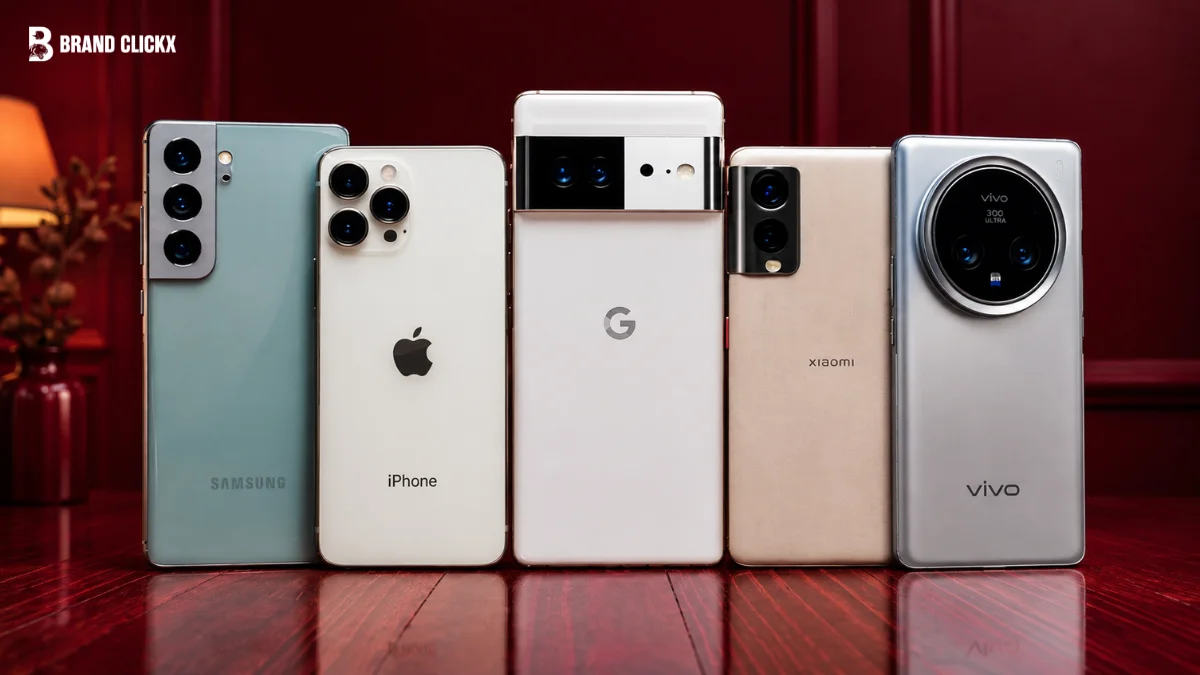
Phone cameras have come a long way. Today’s best camera phones can capture detailed photos, sharp video and impressive zoom shots that once required a dedicated camera.
But choosing the best camera phone is not just about megapixels. Sensor size, lens quality, stabilization, autofocus, image processing and low-light performance all play a major role in the final photo.
The right phone also depends on how you shoot. iPhones are strong for video and consistency, Samsung phones offer powerful zoom, Pixels are excellent for easy point-and-shoot photography, while some Xiaomi models focus on larger sensors and more advanced camera controls.
We compared the leading camera phones for photo quality, zoom, video, low-light performance, software, ease of use and value to find the best options for different types of photographers in 2026.
Our Top Picks
| Category | Our Pick | Score | Best For |
|---|---|---|---|
| Best Overall Camera Phone | Samsung Galaxy S26 Ultra | 9.5/10 | All-around photography |
| Best for Video | iPhone 17 Pro Max | 9.4/10 | Video creators |
| Best for Serious Photography | Xiaomi 17 Ultra | 9.3/10 | Photography enthusiasts |
| Best Point-and-Shoot Camera | Google Pixel 10 Pro XL | 9.1/10 | Everyday photography |
| Best for Portraits | vivo X300 Ultra | 9.0/10 | People and portraits |
| Best Budget Camera Phone | Google Pixel 10a | 8.5/10 | Affordable photography |
What Is the Best Camera Phone?
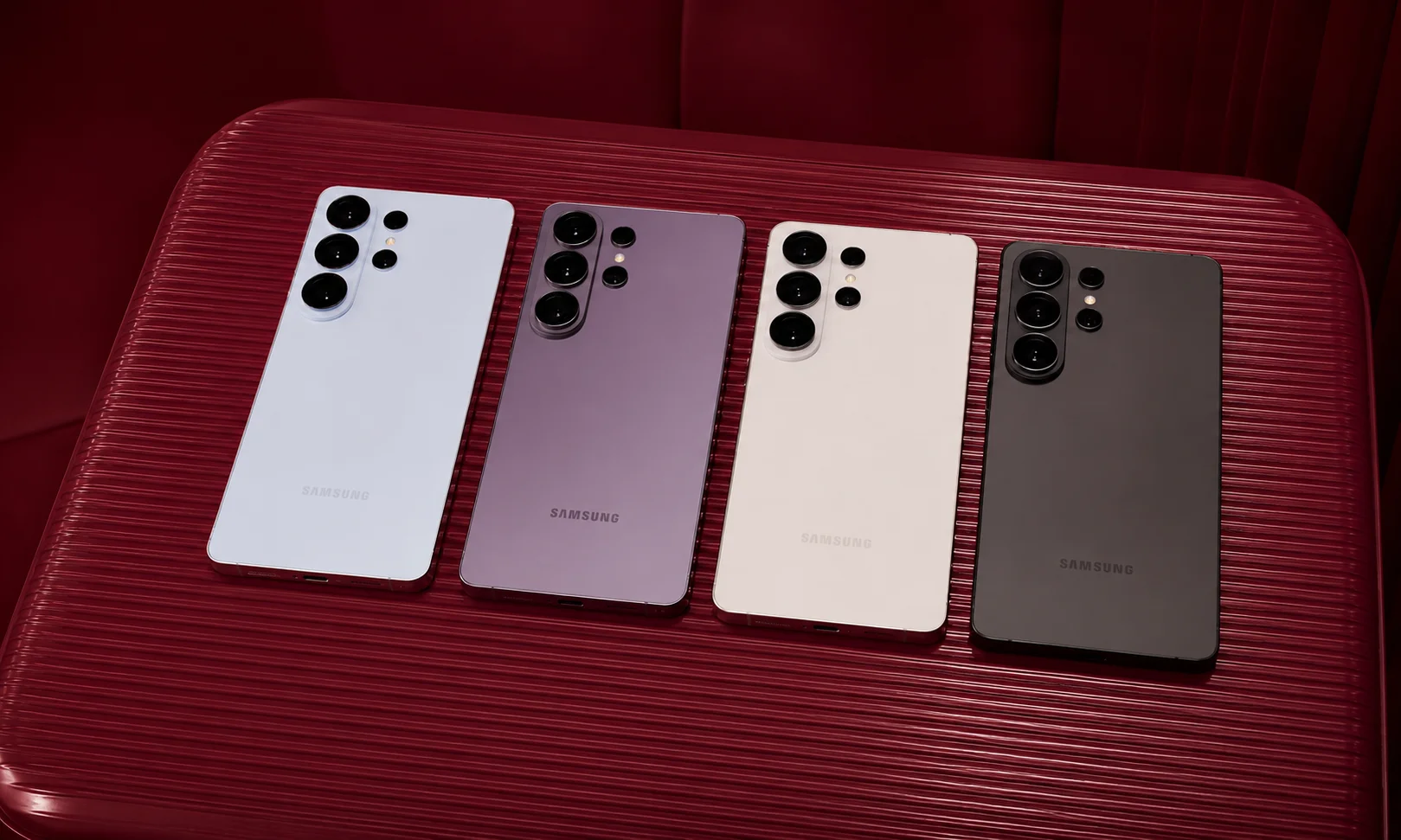
The Samsung Galaxy S26 Ultra is our best overall camera phone for 2026. It may not lead every category, but it offers the most complete camera package, combining a 200MP main camera with ultrawide and dual telephoto lenses, strong zoom capabilities and Samsung’s image-processing technology. It handles everything from everyday photos and portraits to landscapes, travel shots and distant subjects with impressive consistency.
The iPhone 17 Pro Max is our pick for video creators, while the Xiaomi 17 Ultra is a better choice for photography enthusiasts who want advanced camera hardware and more control. For most people, however, the Galaxy S26 Ultra offers the best balance of photo quality, zoom, versatility and ease of use.
Best Camera Phones of 2026
1. Samsung Galaxy S26 Ultra
Best for: Overall camera versatility
Our score: 9.5/10
Why We Recommend It
The Galaxy S26 Ultra is the camera phone we would recommend to the widest range of serious smartphone photographers. Its biggest advantage is versatility. Instead of relying on one excellent main camera and software zoom, Samsung gives you a complete multi-camera system covering everyday shots, ultrawide scenes and multiple telephoto perspectives.
The main camera uses a 200MP sensor, while the rear system also includes 50MP ultrawide, 50MP telephoto and 10MP telephoto cameras. Samsung lists 3x and 5x optical zoom, optical-quality 2x and 10x zoom and digital zoom up to 100x.That makes it particularly useful when you cannot physically move closer to your subject.
Pros
- Extremely versatile camera system
- Excellent zoom flexibility
- High-resolution main camera
- Strong low-light capability
- Excellent video options
- Extensive manual and camera controls
Cons
- Expensive
- Large phone
- 100x zoom is more useful for framing than everyday photography
- AI processing can sometimes produce an overly polished look
Main Camera Performance
The 200MP main camera gives the S26 Ultra plenty of resolution to work with, but the number itself is not what makes the camera impressive.Samsung’s wider aperture and image-processing system are important because they help the phone capture more useful information in challenging conditions.
Samsung says its ProVisual Engine is designed to improve color accuracy and detail while reducing noise. For everyday photography, that means you have a camera that can handle everything from quick family pictures to more deliberate landscape shots.
Zoom Performance
Zoom is where the S26 Ultra separates itself from many rivals. The dedicated 3x and 5x telephoto cameras give you genuine optical perspectives instead of asking the main camera to crop heavily into the image.
This is especially useful for concerts, sports, travel, wildlife and architecture. The phone also offers higher magnification levels when you need them, although extreme digital zoom should be treated as a convenience rather than a replacement for optical zoom.
Low-Light Photography
Samsung has also made low-light photography a major focus. Wider apertures on the main and telephoto cameras are designed to bring in more light and reduce noise. The result is a camera system that remains useful after sunset rather than becoming dependent on bright scenes.
Who Should Buy It?
The Galaxy S26 Ultra is the best choice for people who want one phone that can handle almost every type of photography.
It is especially well suited to travelers, photography enthusiasts and Android users who frequently use zoom.
Who Should Skip It?
If you mostly take selfies, food pictures and casual photos for social media, the S26 Ultra may offer more camera hardware than you need.It is also a poor value if you rarely use the telephoto cameras.
Editor’s Verdict
The Galaxy S26 Ultra wins because it is the most complete camera package rather than because it dominates one single category.
Key Specifications
| Feature | Galaxy S26 Ultra |
|---|---|
| Main camera | 200MP |
| Ultrawide | 50MP |
| Telephoto | 50MP + 10MP |
| Front camera | 12MP |
| Optical zoom | 3x, 5x |
| Video | Up to 8K at 30fps |
| Battery | 5,000mAh |
| Software | Android 16 |
2. iPhone 17 Pro Max
Best for: Mobile video and consistent photography
Our score: 9.4/10
Why We Recommend It
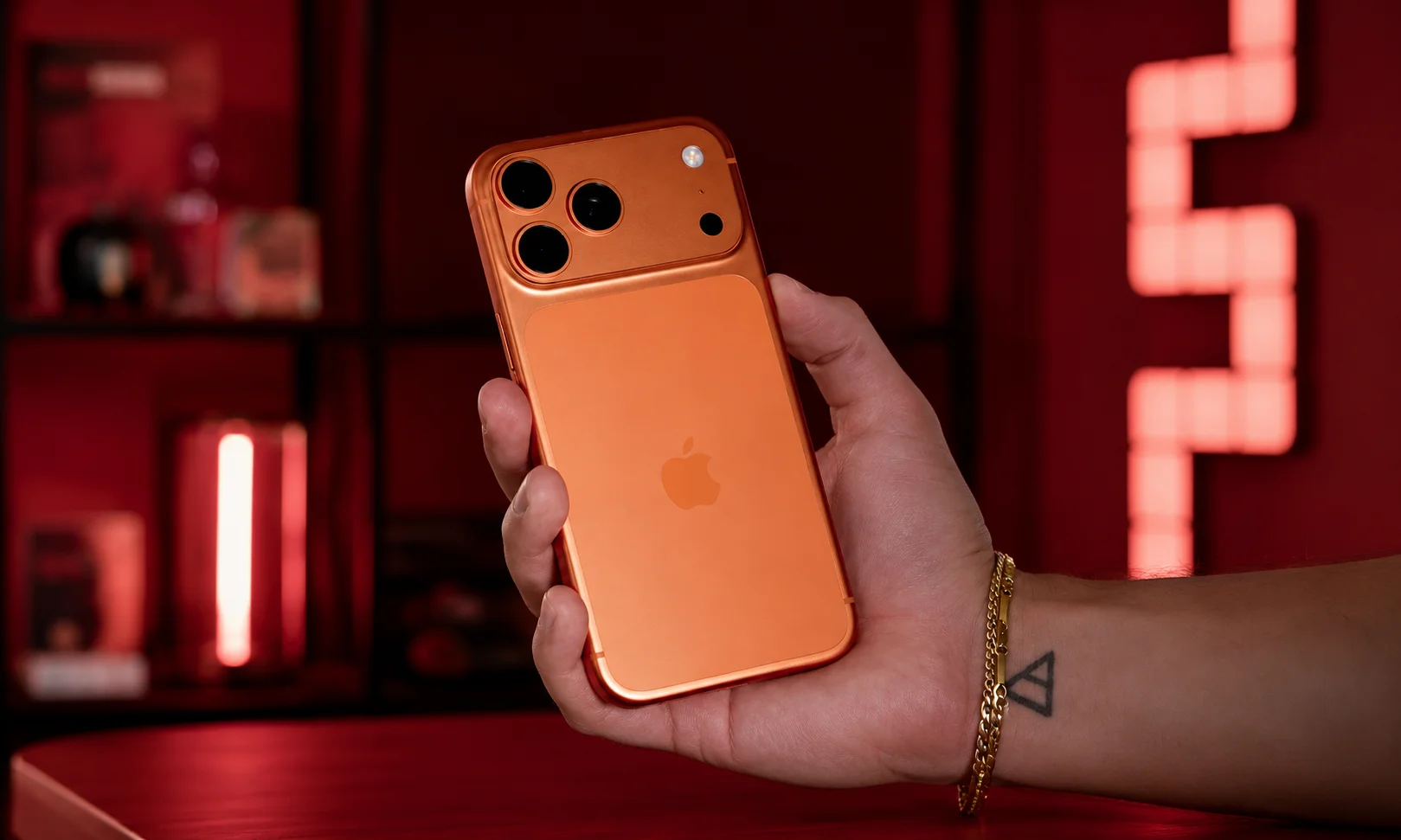
The iPhone 17 Pro Max is the phone we would choose for someone who treats video as seriously as photography.
Apple has equipped the Pro models with 48MP Fusion cameras across the main, ultrawide and telephoto systems. The telephoto camera provides 4x and 8x optical-quality focal lengths, while the main camera also offers a 2x optical-quality option.
The important part is consistency. When you switch between cameras, you want exposure, color and detail to remain predictable. That matters even more when recording video.
Pros
- Excellent video capabilities
- Strong camera consistency
- 48MP rear cameras
- Excellent stabilization
- Strong low-light photography
- Easy to use
Cons
- Very expensive
- Less extreme zoom than some Android rivals
- Professional video tools may be unnecessary for casual users
Photography Performance
The iPhone’s strength is predictability. You can open the camera, point at a subject and usually get a usable photograph without spending time adjusting settings.
Apple’s current Pro system also provides high-resolution capture from all three rear cameras, giving users more flexibility when cropping or changing perspectives.
Video Performance
This is where the iPhone earns its second-place position. The Pro models are designed with serious video recording in mind, including advanced recording formats and professional-oriented controls.
For creators who shoot YouTube videos, short films, travel content or social media clips, the iPhone remains one of the easiest phones to recommend.
Portraits
The 4x telephoto perspective is also useful for portraits because it lets you photograph people from a more comfortable distance without relying on an extreme zoom level.
Who Should Buy It?
Buy the iPhone 17 Pro Max if you want excellent photography combined with class-leading video tools and a simple shooting experience.
Who Should Skip It?
Choose Samsung instead if long-range zoom is your biggest priority.
Editor’s Verdict
The iPhone 17 Pro Max is the camera phone for creators who want to record as much as they photograph.
Key Specifications
| Feature | iPhone 17 Pro Max |
|---|---|
| Main camera | 48MP |
| Ultrawide | 48MP |
| Telephoto | 48MP |
| Front camera | 18MP |
| Telephoto | 4x / 8x optical-quality |
| Video | Up to 4K |
| Battery | 5,088mAh |
| Software | iOS 26 |
3. Xiaomi 17 Ultra
Best for: Serious mobile photography
Our score: 9.3/10
Why We Recommend It
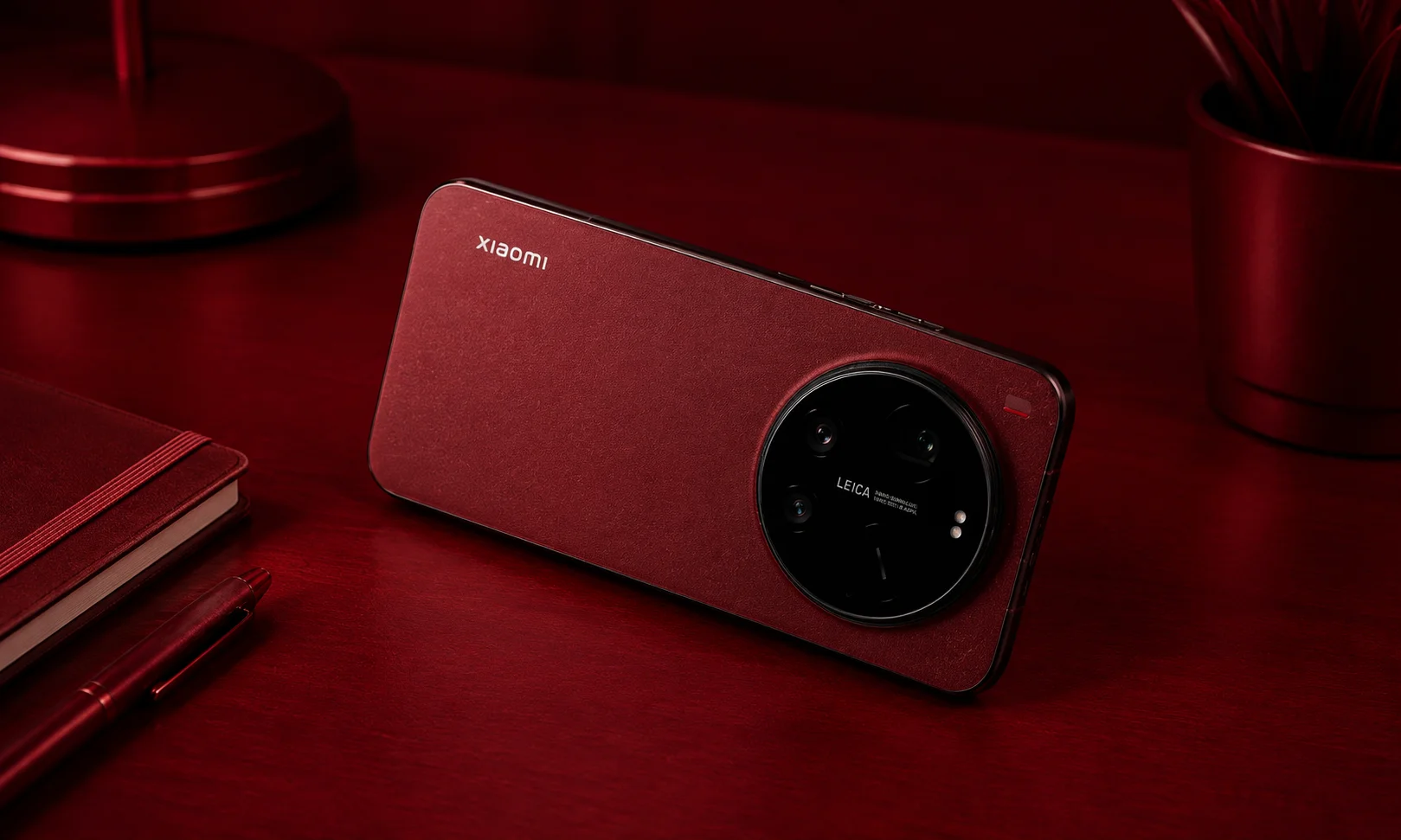
The Xiaomi 17 Ultra is the most photography-focused phone on this list.
Its main camera uses a 1-inch-class 50MP sensor, while its Leica telephoto camera combines 200MP resolution with a 1/1.4-inch sensor and a mechanical 75–100mm optical zoom system. Xiaomi also includes a 50MP ultrawide camera.
That hardware gives the phone a different personality from the iPhone and Samsung. Instead of simply trying to make every picture look good automatically, Xiaomi gives photography enthusiasts more tools to control the result.
Pros
- 1-inch main camera sensor
- 200MP telephoto camera
- Mechanical optical zoom
- Leica optics and imaging modes
- Excellent manual controls
- Strong professional video options
Cons
- Availability varies by market
- Large camera module
- More complicated than a simple point-and-shoot phone
- AI photography can sometimes create questionable results
Camera Hardware
The 1-inch main sensor is one of the biggest reasons to consider the Xiaomi 17 Ultra. Larger sensors can capture more light and provide greater flexibility in difficult lighting. Xiaomi combines that sensor with a wide-aperture Leica lens and LOFIC HDR technology.
The telephoto camera is equally unusual. Its 75–100mm mechanical optical zoom can move through several focal lengths rather than relying entirely on digital cropping. Xiaomi says the system can provide optical-quality zoom out to 400mm equivalent.
Video Performance
The phone is not limited to photography. It can record 8K video at 30fps and 4K video at up to 120fps, with Dolby Vision and Log recording options.That gives advanced users plenty of room to experiment.
An Important AI Warning
There is one reason to be careful with AI-assisted photography.
Recent reports highlighted a case in which Xiaomi’s Supermoon mode reportedly added artificial-looking lunar detail to an eclipse photograph. The issue does not erase the phone’s impressive hardware, but it shows why computational photography should not automatically be treated as a literal representation of a scene.
Who Should Buy It?
The Xiaomi 17 Ultra is ideal for photographers who enjoy experimenting with lenses, focal lengths, RAW files and manual controls.
Who Should Skip It?
If you simply want to open the camera and take a picture with minimal thought, the Pixel or iPhone will probably be easier.
Editor’s Verdict
The Xiaomi 17 Ultra has arguably the most exciting camera hardware here, but its strengths are best appreciated by people who actually enjoy photography.
Key Specifications
| Feature | Xiaomi 17 Ultra |
|---|---|
| Main camera | 50MP, 1-inch sensor |
| Telephoto | 200MP, 1/1.4-inch sensor |
| Ultrawide | 50MP |
| Front camera | 50MP |
| Optical zoom | 75–100mm mechanical |
| Video | Up to 8K |
| Battery | 6,000mAh |
| Software | Android 16 |
4. Google Pixel 10 Pro XL
Best for: Point-and-shoot photography
Our score: 9.1/10
Why We Recommend It
The Pixel 10 Pro XL takes a different route to great photography.Google relies heavily on computational photography, AI and image processing rather than simply throwing the largest possible camera hardware into the phone.That makes the Pixel particularly attractive to people who want good photographs without learning how to operate a complicated camera system.
Pros
- Excellent automatic photography
- Strong computational photography
- Useful AI camera features
- Excellent portraits
- Long software support
- Simple shooting experience
Cons
- Images can sometimes look over-processed
- Processor performance trails some rivals
- Less camera flexibility than Samsung
- Not aimed at professional photographers
Camera Performance
The Pixel’s biggest advantage is consistency in automatic mode.You can photograph a person in difficult light, capture a quick landscape or take a picture indoors without spending much time adjusting exposure.That is exactly what many phone buyers want.
AI Features
Google has pushed AI deeper into the camera experience, including tools intended to help users improve their photography and zoom into distant subjects.
The tradeoff is that computational photography can occasionally make an image look less natural. Recent camera comparisons have praised the Pixel’s imaging capabilities while also noting that its processing can sometimes be aggressive.
Who Should Buy It?
Choose the Pixel 10 Pro XL if you want excellent automatic photographs and useful AI tools without having to become a camera expert.
Who Should Skip It?
Serious photographers who want the most advanced physical camera hardware should look at Samsung or Xiaomi.
Editor’s Verdict
The Pixel is the easiest recommendation for people who care about the final photograph more than the technical process used to create it.
Key Specifications
| Feature | Pixel 10 Pro XL |
|---|---|
| Main camera | 50MP |
| Ultrawide | 48MP |
| Telephoto | 48MP, 5x |
| Front camera | 42MP |
| Video | Up to 8K |
| Processor | Tensor G5 |
| Battery | 5,200mAh |
| Software | Android 16 |
5. vivo X300 Ultra
Best for: Portraits and long-range photography
Our score: 9.0/10
Why We Recommend It
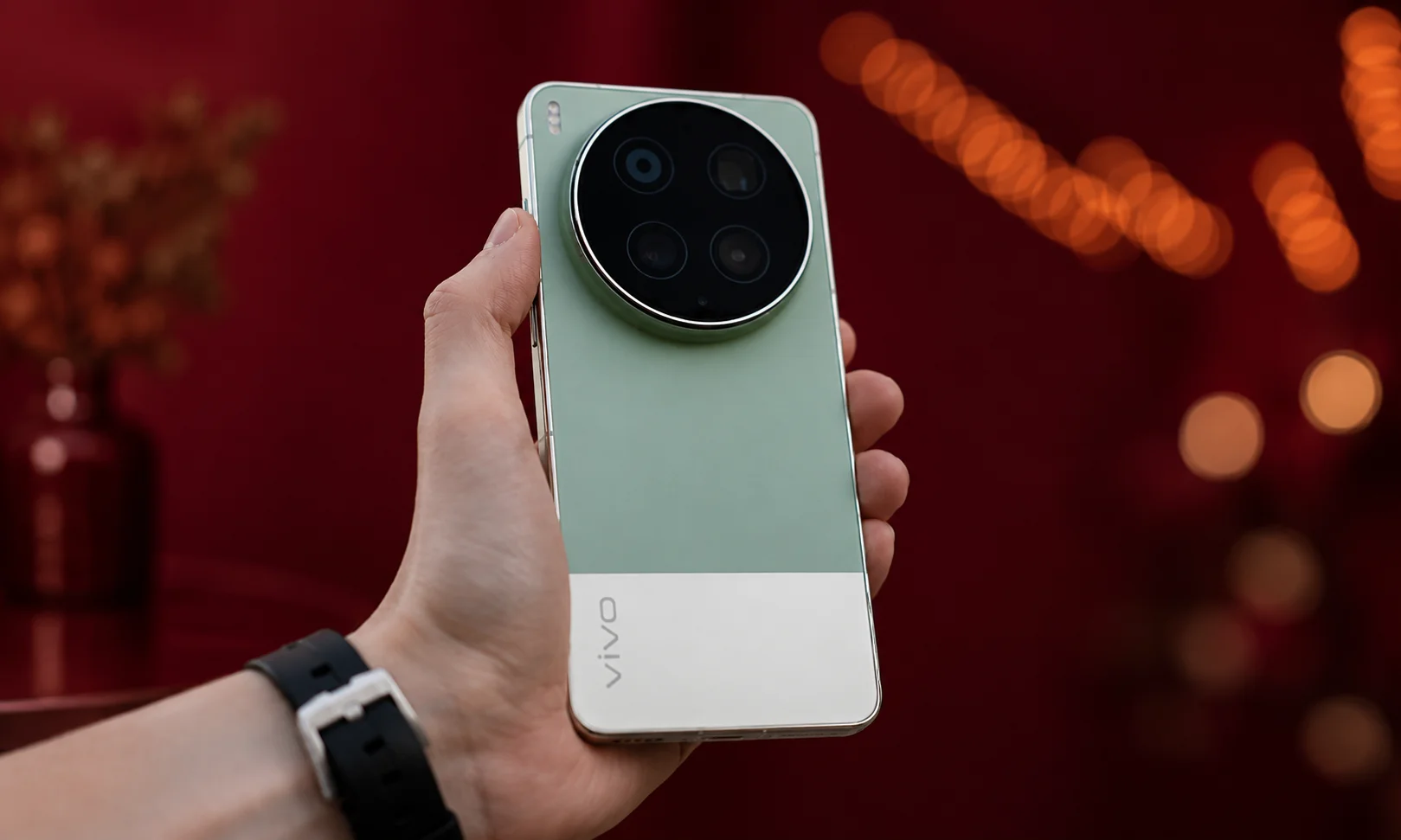
The vivo X300 Ultra is an interesting alternative to the better-known Samsung, Apple and Google flagships.
Its biggest appeal is its emphasis on advanced optics and telephoto photography. Periscope cameras have become one of the major differentiators between flagship phones, with manufacturers increasingly competing on optical zoom, stabilization and specialized lenses.
That makes the vivo particularly interesting for people who photograph people, sports and distant subjects.
Pros & Cons
Pros
- Excellent telephoto potential
- Strong portrait photography
- Advanced stabilization
- High-end camera hardware
- Interesting choice for photography enthusiasts
Cons
- Availability differs between markets
- Large camera hardware
- Less familiar software experience for some buyers
Portrait Performance
Portrait photography is not simply about background blur.A good portrait camera needs the right focal length, accurate skin tones, reliable autofocus and convincing separation between the subject and background.
The vivo’s camera system is designed around that type of photography, making it particularly attractive to people who photograph people regularly.
Zoom Performance
Periscope cameras allow smartphones to achieve much longer focal lengths without requiring a physically enormous lens.
The X300 Ultra is part of the latest generation of phones pushing this idea further, with advanced telephoto hardware and stabilization.
Who Should Buy It?
Portrait photographers, travel photographers and enthusiasts who want powerful telephoto capabilities should consider it.
Who Should Skip It?
Buyers who prioritize easy availability, accessories and long-established software ecosystems may prefer Apple, Samsung or Google.
Editor’s Verdict
The vivo X300 Ultra is a specialist’s choice that becomes much more attractive if portraits and zoom are high on your list.
6. Google Pixel 10a
Best for: Affordable photography
Our score: 8.5/10
Why We Recommend It
You do not need to spend flagship money to get a good phone camera.The Pixel 10a is our budget choice because Google’s image processing can give ordinary photographs a more polished look than its price suggests.
It does not have the camera hardware or flexibility of the Galaxy S26 Ultra, iPhone 17 Pro Max or Xiaomi 17 Ultra. But that is not really its purpose.It is designed for people who want a dependable everyday camera at a lower price.
Pros
- Strong everyday photographs
- Good computational photography
- Easy to use
- Lower price
- Useful AI features
Cons
- Limited camera flexibility
- Less powerful zoom system
- Fewer professional video options
- Not designed for serious photographers
Who Should Buy It?
Choose the Pixel 10a if your photography mostly consists of people, pets, food, travel and social-media pictures.
Who Should Skip It?
Spend more if you regularly use telephoto zoom, professional video modes or manual camera controls.
Editor’s Verdict
The Pixel 10a is the value choice: it gives ordinary buyers strong photography without paying for a flagship camera system they may never fully use.
Best Camera Phones Compared
| Phone | Best For | Main Camera | Telephoto | Video | Battery | Score |
|---|---|---|---|---|---|---|
| Samsung Galaxy S26 Ultra | Overall | 200MP | 50MP + 10MP | 8K | 5,000mAh | 9.5 |
| iPhone 17 Pro Max | Video | 48MP | 48MP | 4K | 5,088mAh | 9.4 |
| Xiaomi 17 Ultra | Photography | 50MP, 1-inch | 200MP | 8K | 6,000mAh | 9.3 |
| Google Pixel 10 Pro XL | Point-and-shoot | 50MP | 48MP | 8K | 5,200mAh | 9.1 |
| vivo X300 Ultra | Portraits/Zoom | High-resolution | 200MP-class | Flagship | Large | 9.0 |
| Google Pixel 10a | Budget | 48MP | Limited | 4K at 60fps | 5,100mAh | 8.5 |
Which Camera Phone Is Best for You?
Best Overall Camera
Samsung Galaxy S26 Ultra
It is the most complete choice if you want strong photography, multiple lenses and excellent zoom flexibility.
Best for Video
iPhone 17 Pro Max
Choose it if recording video is a major part of what you do with your phone.
Best for Serious Photography
Xiaomi 17 Ultra
Its large main sensor, Leica optics, 200MP telephoto and extensive manual controls make it especially interesting for enthusiasts.
Best Point-and-Shoot Camera
Google Pixel 10 Pro XL
It is designed for people who want the phone to make most of the photographic decisions.
Best for Portraits
vivo X300 Ultra
Its specialized camera hardware makes it an appealing option for people photography.
Best Budget Camera Phone
Google Pixel 10a
It provides a strong everyday photography experience without the cost of a premium flagship.
Best for Extreme Zoom
Samsung Galaxy S26 Ultra
Its combination of dedicated telephoto cameras and high-magnification zoom makes it the safest overall choice for distant subjects.
What to Consider Before Buying a Camera Phone
Megapixels Are Only Part of the Story
A larger megapixel number can give you more resolution, but it does not automatically mean better photographs.Sensor size, lens quality, stabilization, autofocus and image processing can have just as much influence on the final result. Modern phones also use pixel-binning techniques to combine multiple pixels into larger effective pixels, particularly when trying to improve low-light results.
Sensor Size Matters
Sensor size determines how much light the camera can capture.This is one reason the Xiaomi 17 Ultra is so interesting. Its main camera uses a 1-inch-class sensor, which is considerably larger than the sensors used in many conventional smartphone cameras.A larger sensor does not guarantee a better photograph, but it gives the camera hardware more room to work with.
Think About Zoom
If you photograph distant subjects, look for a phone with a dedicated telephoto camera.Digital zoom can be useful, but optical zoom generally provides a stronger foundation for retaining detail.Samsung and Xiaomi are particularly interesting choices for buyers who prioritize long-range photography.
Check Video Features
If you create videos, do not choose your phone based only on still photography.
Look at:
- Stabilization
- Autofocus
- Dynamic range
- Recording resolution
- Frame rates
- Log recording
- External microphone support
- Color consistency between cameras
The iPhone 17 Pro models are especially strong for users who treat their phone as a video-production tool. Apple’s Pro system includes advanced video features alongside its three 48MP rear cameras.
Consider Manual Controls
Automatic photography is convenient, but enthusiasts may want control over shutter speed, ISO, focus, exposure and RAW files.Phones such as the Xiaomi 17 Ultra are more appealing if you want that additional control. Xiaomi lists RAW capture and Pro mode among the phone’s camera features.
Think About AI Processing
AI can make smartphone photography much better.It can reduce noise, improve exposure, remove unwanted objects and help recover details from difficult scenes.But more processing is not always better.
An image that looks impressive on a phone screen may not always be a completely faithful representation of the original scene. The recent Xiaomi Supermoon controversy is a useful reminder that buyers should understand how aggressively their phone modifies photographs.
Do Not Ignore Last Year’s Flagships
A previous-generation flagship can still have an excellent camera.If a newer phone costs significantly more but offers only modest camera improvements, the older model may provide much better value.This is particularly important during major shopping periods when retailers begin clearing older flagship inventory.
Check Availability in Your Market
Some of the most interesting camera phones are not officially sold everywhere.
Before importing a phone, check:
- Warranty support
- Network compatibility
- Local software features
- 5G bands
- Google services
- Repair availability
- Camera restrictions in your region
A technically excellent phone is not a good purchase if getting it repaired or supported becomes difficult.
How We Evaluate Camera Phones
A camera phone cannot be fairly judged by one specification or one impressive sample photograph.
Our editorial evaluation considers the complete camera experience, combining manufacturer specifications with current independent testing and published hands-on assessments. We do not treat a manufacturer’s advertised camera claims as proof of real-world performance.
Photography
We consider how each phone handles:
- Daylight
- Indoor scenes
- Low light
- Portraits
- Landscapes
- Moving subjects
- Skin tones
- Fine detail
- High-contrast scenes
The goal is to judge how useful the camera is in situations people actually encounter.
Main Camera
The main camera usually receives the most attention because it handles the majority of everyday photographs.We consider sensor size, aperture, stabilization, autofocus, resolution and computational processing.
Ultrawide Camera
An ultrawide lens is useful for landscapes, buildings, interiors and large groups.We look at edge detail, distortion, exposure consistency and whether image quality drops noticeably compared with the main camera.
Telephoto and Zoom
We assess the quality of dedicated telephoto cameras as well as the phone’s computational zoom.A phone that produces an excellent 3x or 5x photograph is generally more useful than one that advertises an enormous digital zoom number but produces weak detail at high magnification.
Night Photography
Low-light performance is tested by considering brightness, noise, detail, color and highlight control.We also look at whether night modes create natural photographs or overly processed images.
Portraits
Portrait testing considers skin tones, autofocus, hair detail, background separation and focal length.A portrait should look natural rather than simply having the strongest possible blur effect.
Video
Video evaluation considers stabilization, autofocus, resolution, frame rates, dynamic range, color consistency and professional recording options.This category receives extra weight for phones marketed toward creators.
Ease of Use
A technically advanced camera is not automatically a good camera phone.We consider how quickly the camera opens, how easily users can change lenses, how understandable the controls are and how reliably automatic mode produces a good result.
Value
Finally, we consider the price.A $1,500 phone does not automatically deserve a higher ranking than a $600 phone simply because it has more hardware.The question is whether the additional camera capability is actually worth the additional money.
Other Camera Phones Worth Considering
OnePlus 15
The OnePlus 15 is worth considering if you want a powerful flagship with a capable multi-camera system but do not necessarily want to pay for the most expensive camera phones. Independent camera testing places it below the leading models, but it remains a credible alternative for buyers who value overall phone performance as much as photography.
iPhone 17 Pro
The iPhone 17 Pro is essentially the smaller alternative to the Pro Max for buyers who want Apple’s Pro camera system without choosing the largest model. Its rear camera system uses the same 48MP main, ultrawide and telephoto approach, including 4x and 8x optical-quality telephoto options.
Samsung Galaxy S25 Ultra
The previous-generation Ultra remains worth considering when available at a substantial discount. It may not have the newest S26 Ultra hardware, but its combination of multiple cameras and long-range zoom can still satisfy demanding smartphone photographers.
Frequently Asked Questions
Which phone has the best camera in 2026?
Our overall pick is the Samsung Galaxy S26 Ultra because it offers the strongest balance of main-camera quality, ultrawide photography, telephoto flexibility and software features. The iPhone 17 Pro Max is our preferred option for video, while the Xiaomi 17 Ultra is the more photography-focused choice for enthusiasts.
Is iPhone or Samsung better for photography?
Neither is automatically better for everyone. Samsung has the stronger case if you care about camera versatility and long-range zoom, while the iPhone is especially compelling for video and consistent results across its cameras.
Is a 200MP camera better than a 48MP camera?
Not necessarily. Resolution is only one part of a camera system. Sensor size, lens quality, stabilization, autofocus and computational photography can have a major impact on the final image.
Which phone is best for zoom photography?
The Samsung Galaxy S26 Ultra is our overall choice because it combines dedicated 3x and 5x telephoto cameras with high-magnification zoom. The Xiaomi 17 Ultra is another compelling option because of its 200MP telephoto camera and mechanical 75–100mm optical zoom system.
Which phone is best for low-light photography?
The answer depends on what you value. Xiaomi’s large 1-inch-class main sensor gives the 17 Ultra a strong hardware advantage, while Samsung and Google use sophisticated processing to improve difficult scenes. The iPhone 17 Pro also includes dedicated low-light and Night mode features.
Can a phone camera replace a professional camera?
For many people, yes. A modern flagship can replace a dedicated camera for travel, family photography, social media and casual video. A mirrorless camera still has major advantages in sensor size, interchangeable lenses, depth-of-field control and specialized photography.
Should I buy a camera phone now or wait?
If your current phone takes poor photographs or lacks the camera features you need, there is little reason to wait indefinitely. If you already own a recent flagship, however, compare the actual camera improvements before upgrading because newer models do not always represent a dramatic jump in image quality.
What to Expect From Camera Phones Next
The next major improvement in smartphone photography is unlikely to come simply from putting more megapixels into every camera. Manufacturers are increasingly competing on larger sensors, better telephoto optics, faster image processing, more advanced stabilization and AI features that can understand what is happening inside a photograph.
The Xiaomi 17 Ultra’s combination of a 1-inch main sensor and mechanical telephoto zoom shows where high-end smartphone hardware is heading. Apple’s focus remains heavily centered on computational photography and video, while Samsung continues to push versatility and zoom.
For buyers, that is good news.You no longer have to choose between a phone that takes good pictures and one that offers advanced camera controls. In 2026, the best camera phones can do both.
Our final picks are simple: choose the Galaxy S26 Ultra for the best all-around camera system, the iPhone 17 Pro Max for video, the Xiaomi 17 Ultra for serious photography, the Pixel 10 Pro XL for easy point-and-shoot photography, and the Pixel 10a if value matters most.