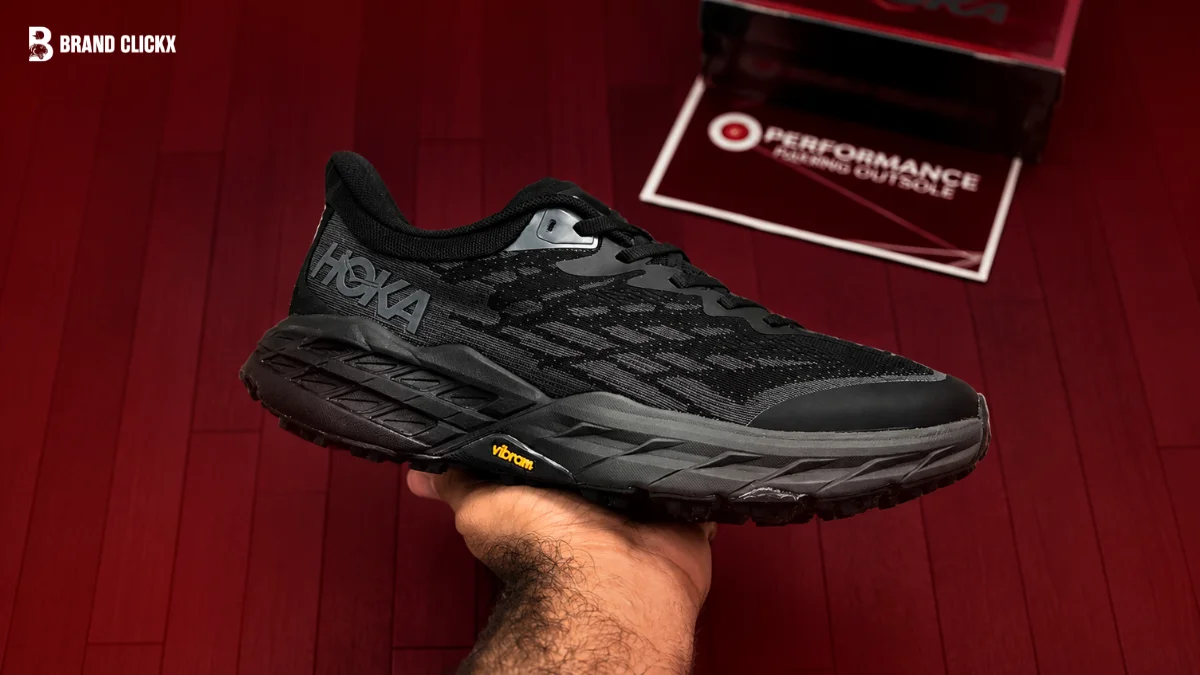
Hoka shoes are hard to miss. Their thick midsoles, curved soles and oversized shape have made them a familiar sight on running tracks, sidewalks, airports and gyms.
But popularity does not mean a shoe is worth $145 or $165. So we tested Hoka shoes for walking, running, long periods on our feet, low-impact activities and everyday use to find out whether they are worth the money in 2026.
Our testing showed that Hoka shoes can be extremely comfortable, but the right model depends on how you use them. The Clifton felt easier for everyday running, the Bondi offered more cushioning, while the Arahi stood out for its supportive feel.
So, are Hoka shoes worth it? For the right person, yes. But choose the model based on your feet and activity, not simply its popularity.
Are Hoka Shoes Worth It?
After hands-on testing, our overall answer is yes Hoka shoes are worth considering if comfort, cushioning and support are your priorities.
Cushioning Is the Biggest Advantage
The biggest strength is cushioning. Several shoes we tested felt noticeably protective underfoot, especially during walking and long periods of standing.
Clifton 9: Comfortable for Everyday Use
The Clifton 9 was comfortable for long periods on our feet and also worked well for running.
Bondi 8: Softer and More Cushioned
The Bondi 8 delivered an even softer, more cushioned experience. However, one tester found it too plush for running.
Arahi 7: Supportive but Needs Breaking In
The Arahi 7 offered a different experience. It felt supportive and stable while walking, although it needed some breaking in and could feel slightly tight around the toes.
No Hoka Is Perfect for Everyone
That variety matters. There is no single Hoka shoe that is perfect for everyone. The best choice depends on your feet, activity and preferred feel.
Hoka shoes may be a good choice if you want:
- Plenty of cushioning
- A protective feel underfoot
- Comfortable walking shoes
- Daily running shoes
- Support for long periods on your feet
- Stability options
- Shoes that can handle regular training
You may prefer another brand if you want:
- Very lightweight shoes
- Firm cushioning
- A thin sole
- A traditional sneaker shape
- Less expensive footwear
- A less noticeable running-shoe design
Our testing suggests that Hoka is worth the money when its cushioning and design match your needs.
What We Learned From Testing Hoka Shoes
Hoka Shoes Can Feel Very Different
The most useful part of testing several Hoka models was discovering how different they can feel.
A thick Hoka midsole does not automatically mean every shoe will feel soft and comfortable for every activity.
Bondi 8: Excellent Cushioning but Not for Everyone
The Bondi 8 felt extremely cushioned and supportive during walking and low-impact activities. One tester also found it comfortable and stable while moving across rocky outdoor terrain.
However, the same tester experienced familiar shin-splint pain after several 30- to 45-minute runs in the Bondi.
Clifton 9: Better for Regular Running
The Clifton 9 provided a different experience. It felt lighter and more suitable for regular running while also working well for walking and long periods on the feet.
Arahi 7: Stable but Needs Breaking In
The Arahi 7 was comfortable for walking and provided noticeable ankle stability. However, it needed some time to break in and felt slightly narrow around the toe area for one tester.
Bondi 8: Comfortable for Some Activities
Another tester experienced heel pain while running in the Bondi 8 but found the shoes comfortable when moving boxes up and down stairs.
More Cushioning Does Not Always Mean More Comfort
The testing showed an important lesson: more cushioning does not automatically mean more comfort.
Your activity, running style, foot shape and personal preference all play a role in finding the right Hoka shoe.
The Hoka Shoes We Tested
1. Hoka Clifton 9: Best for Everyday Running
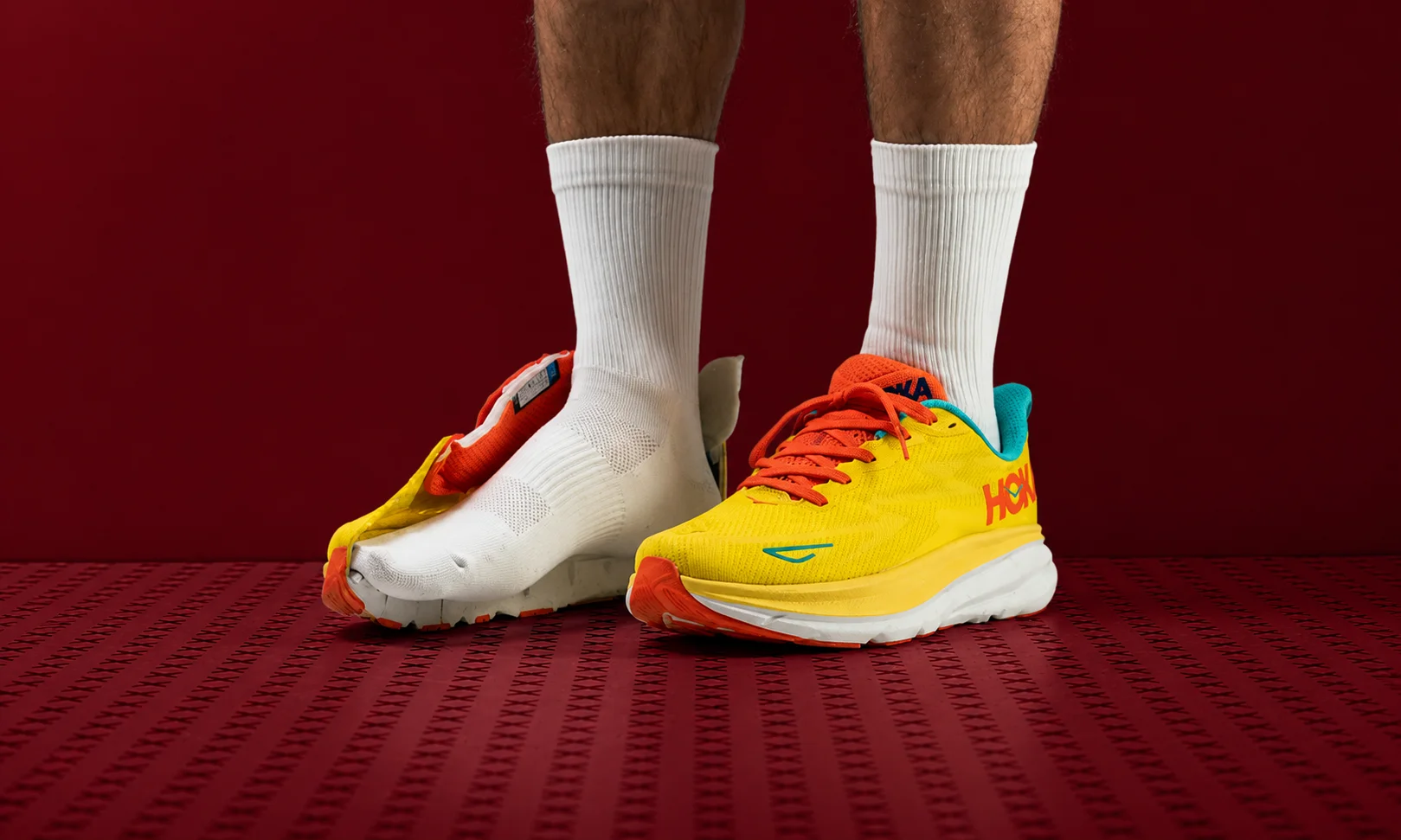
The Clifton 9 was one of the strongest performers in our testing.
Cushioning and Versatility
It combines substantial cushioning with a lighter and more versatile feel than the Bondi. That makes it a practical option for runners who want one shoe for regular training and walking.
Comfortable for Running and Walking
One tester described the Clifton as extremely comfortable for both treadmill running and long walks. Another reviewer said the shoe worked particularly well for long periods on her feet and even managed to style an all-black pair into an office outfit.
Less Bulky Feel
The Clifton also stood out because it did not feel as bulky as some of the more heavily cushioned Hoka models.
What we liked
- Comfortable for running
- Good cushioning
- Lighter feel than the Bondi
- Works well for walking
- Suitable for long periods on your feet
- Easier to style casually
What we didn’t like
- Still looks like a running shoe
- May feel too chunky for minimalist-style wardrobes
- Not designed specifically for racing
Our verdict: The Clifton is one of the safest choices for someone who wants a Hoka for daily running, walking and general use.
2. Hoka Bondi 8: Best for Maximum Cushioning
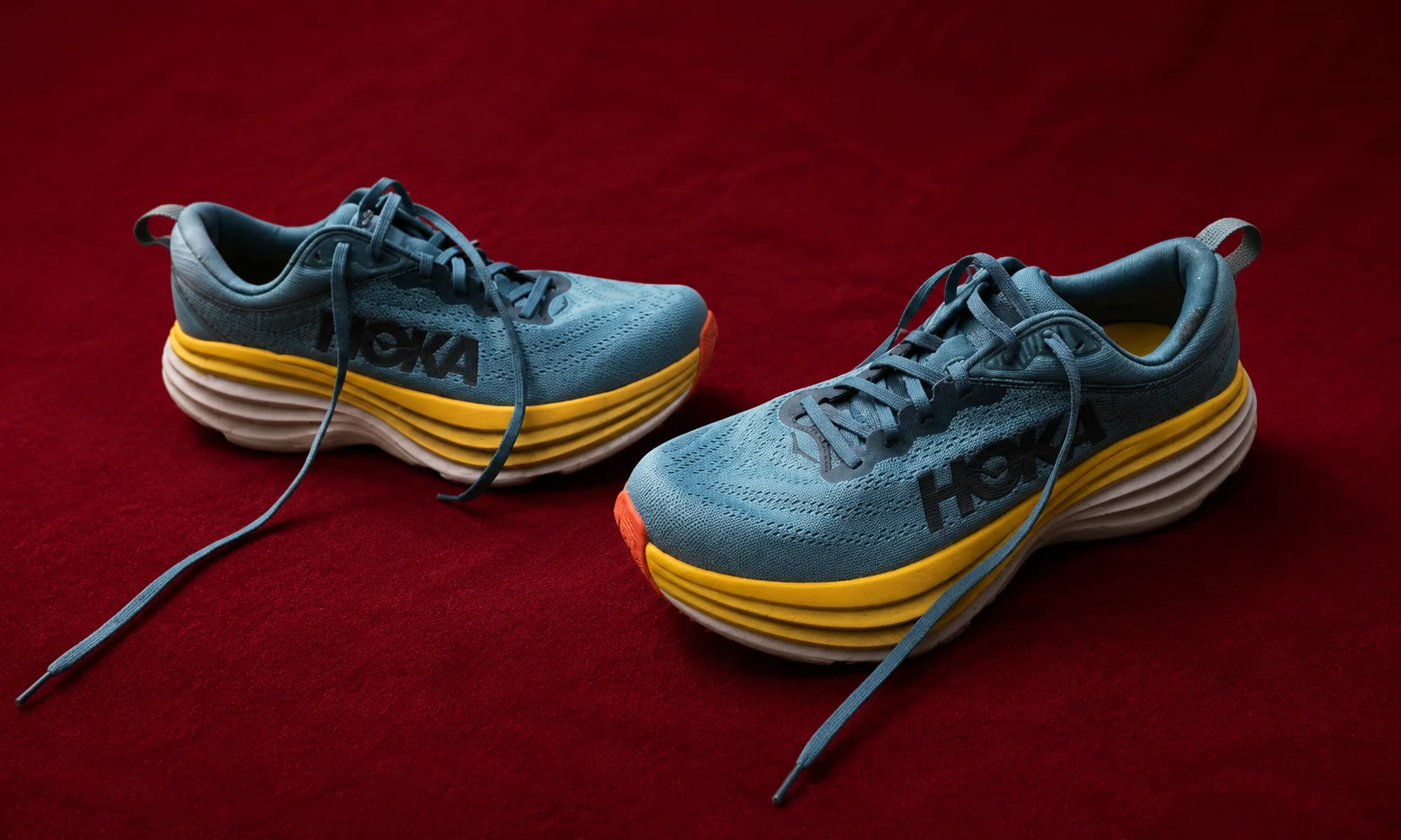
The Bondi 8 is the shoe to consider if your first priority is cushioning.
During testing, it delivered a very soft, bouncy and supportive feel. It worked particularly well for walking and low-impact activities.
Comfortable for Walking and Outdoor Activities
One tester wore the Bondi during an outdoor Easter-egg hunt that involved uneven, rocky terrain and remained comfortable throughout the activity.
Another tester wore the Bondi while moving house and found the cushioning supportive while carrying boxes up and down stairs.
Softness May Not Suit Everyone
But there was a catch.
Bondi’s softness did not work equally well for every tester.
One reviewer experienced heel pain during a run and said the shoe felt too plush for her preference. Another tester developed shin-splint pain after several 30- to 45-minute runs.
Cushioning Does Not Guarantee the Right Fit
That does not mean the Bondi is a bad running shoe. It shows that a highly cushioned shoe is not automatically the right running shoe for every person.
What we liked
- Very soft cushioning
- Comfortable for walking
- Supportive underfoot
- Good for low-impact activities
- Protective feel
- Useful for long periods on your feet
What we didn’t like
- Heavier than the Clifton
- Bulky appearance
- Very soft feel may not suit everyone
- Some testers preferred it for walking rather than running
Our verdict: Buy the Bondi if maximum cushioning is your priority. If you prefer a lighter or firmer running shoe, look elsewhere in the Hoka lineup.
3. Hoka Arahi 7: Best for Stability
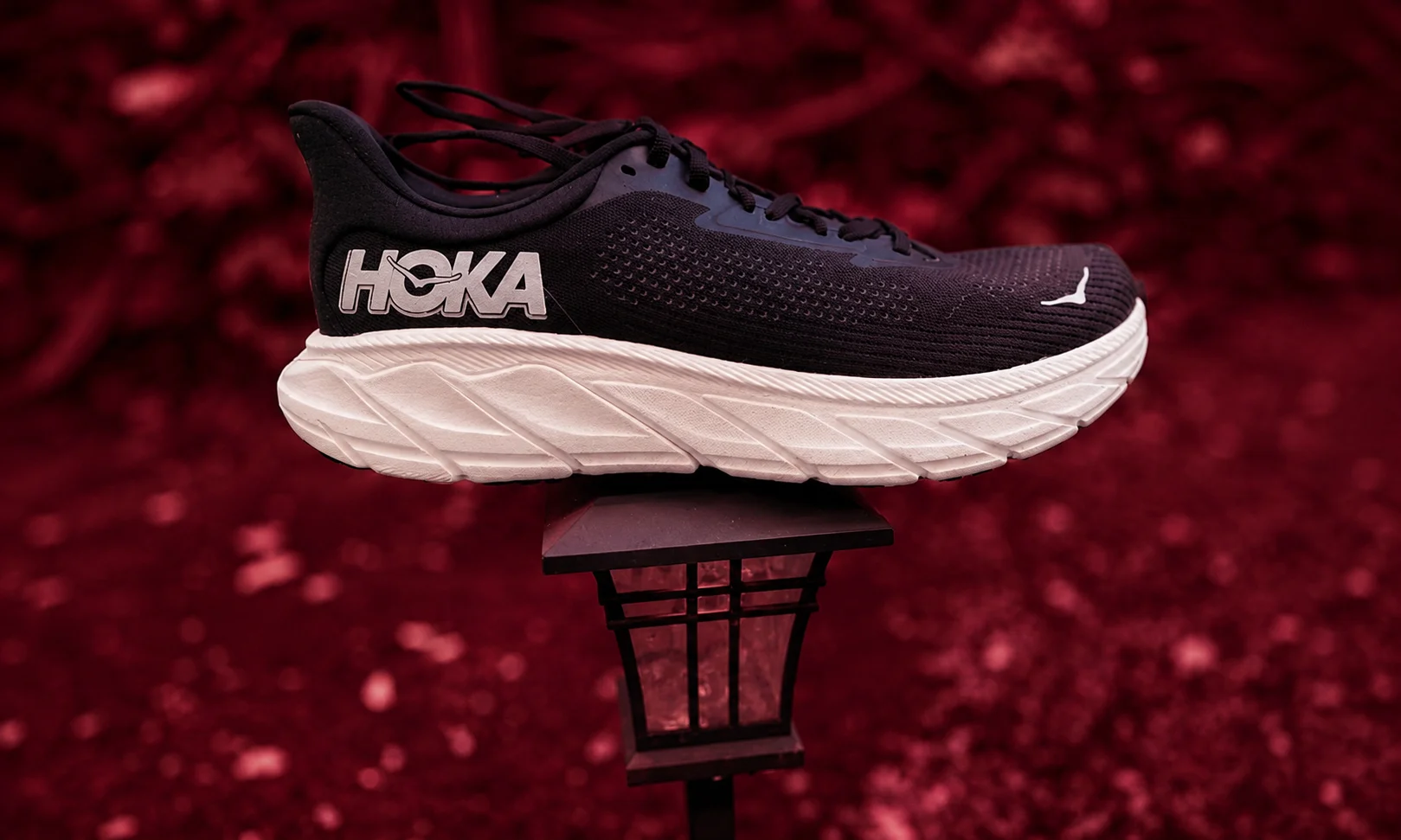
The Arahi 7 provided one of the clearest examples of why choosing the right Hoka model matters.
Instead of simply maximizing softness, it focuses more on support and stability.
Support and Stability
During testing, one reviewer found the Arahi comfortable for walking and particularly liked the way it kept her ankle steady. She also reported no back pain after walking in them.
Break-In Period and Toe Space
However, the shoe was not perfect.
The bottom of her feet felt slightly sore during the first few wears, suggesting that the Arahi may need a short break-in period. She also wished the toe area were slightly wider.
What we liked
- Supportive feel
- Stable platform
- Comfortable for walking
- Good ankle support
- Useful for daily activity
What we didn’t like
- May require breaking in
- Toe area can feel narrow for some feet
- More structured than softer Hoka models
Our verdict: The Arahi is worth considering if stability is important to you and you prefer a more structured shoe.
Hoka Clifton vs. Bondi vs. Arahi
These models are often grouped together simply because they are all Hokas, but our testing showed that they serve different purposes.
| Feature | Clifton 9 | Bondi 8 | Arahi 7 |
|---|---|---|---|
| Price | $145 | $165 | $145 |
| Cushioning | High | Very high | Moderate to high |
| Feel | Balanced | Very soft | Supportive |
| Weight | Lighter | Heavier | Moderate |
| Walking | Excellent | Excellent | Excellent |
| Running | Very good | Better for some runners | Good for stability needs |
| Stability | Moderate | Moderate | Stronger focus |
If you want a simple rule:
- Choose Clifton for versatility.
- Choose Bondi for maximum cushioning.
- Choose Arahi for stability.
Can You Wear Hoka Shoes Casually?
This was one of the more interesting parts of our testing.
Hoka shoes are not exactly subtle. Their oversized midsoles and running-shoe shape can make them difficult to incorporate into some outfits.
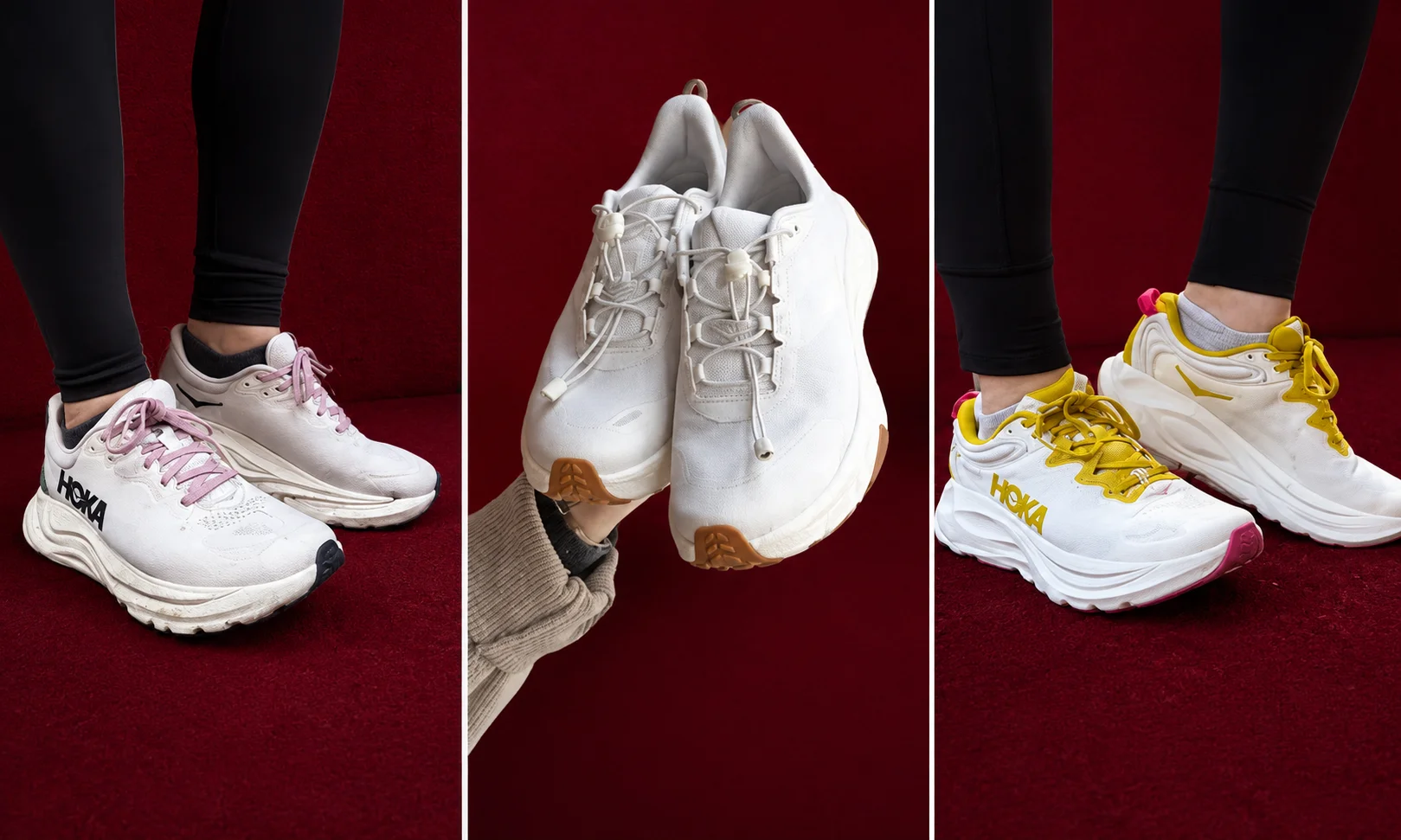
One tester found the Clifton 9 too chunky for regular casual wear, although she could make it work with baggy trousers and a tank top. Another tester successfully worked an all-black Clifton into an office outfit.
Color Makes a Difference
That suggests that color matters almost as much as the model.
Bright running colors can make Hoka shoes look strongly athletic. Black, white and more neutral versions can be easier to wear with everyday clothing.
Our styling tip
If you want to wear Hoka shoes outside the gym, start with a neutral color.
Black, white, gray and muted tones are generally easier to combine with jeans, trousers and casual office clothing than bright athletic colorways.
Hoka Shoes Pros and Cons
After careful hands-on testing of several Hoka models, we found clear strengths and a few drawbacks. The experience also showed that what works well for one person may not feel the same for another.
Pros
- Excellent cushioning
- Comfortable for walking
- Strong options for running
- Good choices for long periods on your feet
- Stability models available
- Different models have different purposes
- Several testers would buy their shoes again
Cons
- Relatively expensive
- Some models feel bulky
- Very soft cushioning is not for everyone
- Fit varies between models
- Some shoes may need breaking in
- The chunky design will not appeal to everyone
Are Hoka Shoes Expensive?
Hoka shoes are not cheap compared with basic sneakers. The models tested were generally priced around $145 to $165, putting them firmly above many entry-level athletic shoes.
Is the Higher Price Worth It?
But price alone does not tell you whether they are good value.
If you walk or run regularly and wear your shoes several times a week, comfort and durability can make a more expensive shoe worthwhile.
If you only want an occasional casual sneaker, spending more on specialized running technology may not make as much sense.
What Should You Consider Before Buying?
The better question is not:
“Are Hoka shoes expensive?”
It is:
“Will I use the features I am paying for?”
If the answer is yes, the price becomes easier to justify. Comparing prices across sporting-goods retailers can also make a meaningful difference, since older models are often discounted once a new generation launches.
Who Should Buy Hoka Shoes?
After testing several Hoka models in real-world situations, we found that they are especially appealing to people who prioritize comfort, cushioning and support. The Clifton 9 performed well for running and walking, while the Bondi 8 stood out for cushioning and low-impact activities. The Arahi 7 offered a more supportive and stable feel, although it needed some breaking in for one tester.
Hoka shoes are particularly worth considering if you:
- Walk frequently
- Run regularly
- Spend long hours standing
- Prefer cushioned shoes
- Want a protective feel
- Need a daily training shoe
- Want a stability option
- Value comfort over having the smallest-looking sneaker
Who Should Not Buy Hoka Shoes?
After testing several Hoka models, we found that the brand’s thick cushioning and distinctive shape will not suit everyone. One tester found the Bondi 8 too plush for running, while the Arahi 7 felt slightly narrow around the toes. These experiences show that comfort is highly personal, and a softer or more structured shoe is not automatically better for every foot.
You may prefer another brand if you:
- Want extremely lightweight footwear
- Prefer firm cushioning
- Like minimalist shoes
- Dislike thick soles
- Want a traditional sneaker appearance
- Mainly care about getting the lowest possible price
There is nothing wrong with preferring a different type of shoe.
Hoka’s biggest strength is also its biggest limitation: the brand is built around a distinctive cushioned design that some people love and others simply do not.
What Our Hoka Testing Actually Showed
After testing different Hoka models in real-world situations, we came away with a much more balanced view of the brand.
Bondi was the cushioning specialist. It felt soft, protective and comfortable for walking and low-impact activities. But its plush feel was not ideal for every runner.
The Clifton was the most versatile. It worked well for running, walking and long periods on your feet. It also proved easier to incorporate into everyday outfits.
The Arahi focused more on support. It keeps the ankle feeling stable during walking, although the toe area may not provide enough room for everyone.
The biggest lesson was that Hoka shoes are not interchangeable.
A person who loves the Clifton may not enjoy the Bondi. Someone who needs stability may prefer the Arahi.
Are Hoka Shoes Worth It in 2026?
Yes, but only if you choose the right model.
Our hands-on testing showed why Hoka has become so popular. The shoes can provide excellent cushioning, support and comfort, particularly for walking, daily running and long periods on your feet.
But the testing also showed why you should not simply buy the most popular Hoka.
The Bondi’s very soft cushioning will appeal to some people and feel excessive to others. The Clifton offers a more balanced experience, while the Arahi provides additional stability.
Hoka also is not the best choice for everyone.
If you prefer firm cushioning, lightweight shoes or a slimmer sneaker design, another brand may be a better match.
Our Final Picks
- Best overall: Hoka Clifton
- Best for maximum cushioning: Hoka Bondi
- Best for stability: Hoka Arahi
- Best for walking: Hoka Bondi or Clifton
- Best for everyday running: Hoka Clifton
Frequently Asked Questions About Hoka Shoes
Are Hoka shoes worth the money in 2026?
Yes, if cushioning, comfort and support are your priorities. Our hands-on testing showed that Hoka shoes can be very comfortable, but the best model depends on your feet and how you plan to use them.
Which Hoka shoe is best overall?
Based on our testing, the Clifton 9 is the best overall choice. It offered a balanced combination of cushioning, comfort and versatility for running, walking and long periods on your feet.
Is the Hoka Bondi 8 good for walking?
Yes. The Bondi 8 performed particularly well for walking and low-impact activities during our testing. Its soft cushioning provided a protective feel, although its plush ride may not suit every runner.
Is the Hoka Clifton 9 good for running?
Yes. The Clifton 9 felt lighter and more versatile than the Bondi 8 and worked well for regular running. It also performed well for walking and everyday use.
Is the Hoka Arahi 7 good for stability?
Yes. The Arahi 7 focuses more on support and stability than maximum softness. One tester particularly liked how it helped keep her ankle steady while walking.
Are Hoka shoes comfortable for long periods?
They can be. During testing, the Clifton 9 worked well for long periods on the feet, while the Bondi 8 provided strong cushioning during walking and activities that involved extended standing and movement.
Are Hoka shoes good for everyone?
No. Our testing showed that different models can feel very different. Some testers found the Bondi 8 too plush for running, while the Arahi 7 felt slightly narrow around the toes for one tester.
Are Hoka shoes expensive?
Hoka shoes are relatively expensive compared with basic sneakers. The models discussed in our testing were generally priced around $145 to $165. Whether they are worth the price depends on how often you will use them and whether their cushioning and features match your needs.
Can you wear Hoka shoes casually?
Yes, although their chunky running-shoe design may not suit every outfit. Our testing showed that black, white, gray and other neutral colors can be easier to style casually than bright athletic colorways.
Do Hoka shoes need to be broken in?
Some may. During testing, one reviewer found that the Arahi 7 caused slight soreness under the feet during the first few wears, suggesting that it needed some break-in time.
Are Hoka shoes good for wide feet?
Fit varies between models. One tester found the Arahi 7 slightly narrow around the toes, showing why it is important to consider your foot shape and try the shoes before committing to them.
What is the biggest advantage of Hoka shoes?
The biggest advantage is cushioning. Our testing found that several models provided a soft, protective feel, particularly during walking and long periods on the feet.
Final Verdict
So, are Hoka shoes worth the money?
For most people who prioritize cushioning and comfort, yes.
The important part is choosing the right pair. If you want a soft, protective shoe for walking, the Bondi is worth a look. If you want a more balanced everyday running shoe, the Clifton is the stronger choice. If stability is your priority, the Arahi deserves consideration.
After putting several models through real-world use, we found that not every Hoka shoe feels the same. And that is actually a good thing.
Hoka’s biggest advantage is that you can choose the type of ride you want rather than settling for one design.
The shoes may never become everyone’s idea of a stylish sneaker, but when comfort is the priority, our testing showed why so many people are willing to overlook the chunky look.