

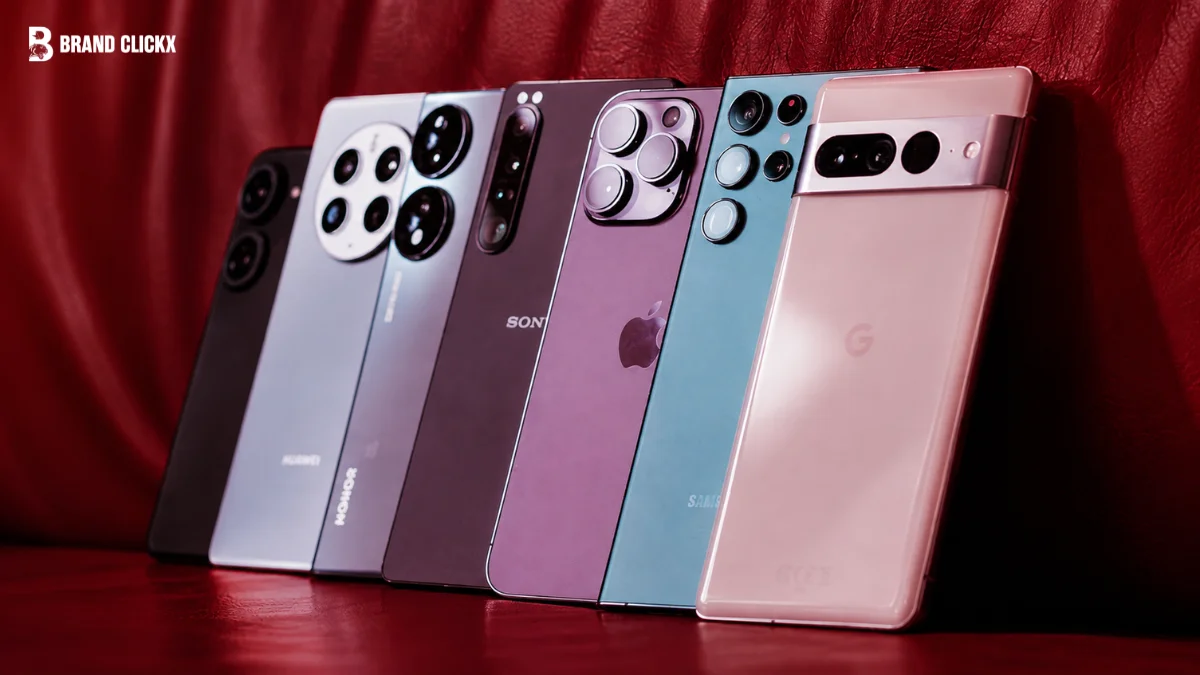
The Top Smartphones In 2026 are more competitive than ever. Today’s phones offer powerful processors, advanced camera systems, bright high-refresh-rate displays, long battery life, fast charging, and increasingly capable AI features.
Smartphones now serve as more than communication devices. They are used for work, photography, gaming, entertainment, social media, payments and everyday tasks, making performance, reliability and software experience increasingly important.
The best smartphone for one person may not be the best for another. Some users prioritize camera quality, while others care more about battery life, gaming performance, display quality, design or long-term software support.
What Makes a Great Smartphone?
A great smartphone should offer a strong balance of performance, display quality, cameras, battery life, software and durability.
Performance and Software
A powerful processor keeps apps, games and multitasking smooth. Reliable software updates are also important for security and long-term use.
Display Quality
Look for a bright, sharp display with good colors and a high refresh rate. OLED or AMOLED panels generally provide excellent contrast and viewing quality.
Camera Performance
A good smartphone should capture clear photos and videos in different lighting conditions. Image processing, stabilization and camera versatility also matter.
Battery Life and Charging
Strong battery life is essential for everyday use. Fast charging can also make a big difference when you need a quick power boost.
Build Quality and Features
Premium materials, water resistance, good speakers and useful connectivity can improve the overall experience. The best phone combines these features without unnecessary compromises.
Top Picks by Category
| Badge | Phone | Best For |
| Best Overall | Samsung Galaxy S26 Ultra | Camera versatility and productivity in one phone |
| Best Value Flagship | OnePlus 15 | Flagship power and battery at a lower price |
| Editor’s Choice (iOS) | Apple iPhone 17 Pro Max | Video creators and long-term software support |
| Best Camera Phone | Vivo X300 Pro | Highest-rated camera of the year |
| Best Software & AI | Google Pixel 10 Pro | Cleanest Android experience with strong on-device AI |
| Best Photography Alternative | Xiaomi 17 Ultra | Leica-tuned optics and 1-inch style sensor |
| Best Foldable | Honor Magic V5 | Thin, light, durable book-style foldable |
| Best Budget Flagship | Google Pixel 10 | Flagship features well under $800 |
The Complete Smartphone Buying Guide
1. Consider Your Budget
Set a budget before comparing phones. This helps narrow your choices and prevents paying for features you don’t need.
2. Check Performance
Look for a capable processor and enough RAM for your everyday needs, whether that’s browsing, gaming or multitasking.
3. Compare the Cameras
Consider photo quality, video recording, low-light performance and camera features based on how you plan to use the phone.
4. Look at Battery Life
Choose a phone with enough battery capacity for your daily routine. Fast charging is also useful for quick top-ups.
5. Check the Display
Look for a bright, sharp screen with good colors and a high refresh rate for smoother scrolling.
6. Consider Software Support
Long-term software and security updates can help your phone remain useful and secure for several years.
7. Check Storage and Connectivity
Make sure the phone has enough storage for your apps, photos and videos. Also check support for 5G, Wi-Fi and Bluetooth if these features matter to you.
8. Think About Your Priorities
Top 15 Smartphones Of 2026, Ranked
| Rank | Phone | Badge | Estimated Starting Price |
| 1 | Samsung Galaxy S26 Ultra | Best Overall | $1,299 |
| 2 | Apple iPhone 17 Pro Max | Editor’s Choice (iOS) | $1,199 |
| 3 | OnePlus 15 | Best Value Flagship | $899 |
| 4 | Google Pixel 10 Pro | Best Software & AI | $999 |
| 5 | Vivo X300 Pro | Best Camera Phone | ~$1,025 (region-limited) |
| 6 | Xiaomi 17 Ultra | Best Photography Alternative | ~$1,235 |
| 7 | Google Pixel 10 Pro XL | Best Large-Screen Pixel | $1,199 |
| 8 | Google Pixel 10 | Best Budget Flagship | $799 |
| 9 | Honor Magic V5 | Best Foldable | Premium, region-limited |
| 10 | Samsung Galaxy S26 | Best Compact Flagship | $695 (street price) |
| 11 | Nothing Phone (3) | Most Distinctive Design | Mid-premium |
| 12 | Honor Magic 8 Pro Air | Best Compact / Thin Design | Premium, region-limited |
| 13 | Xiaomi 15T Pro | Best All-Rounder Value | Mid-range |
| 14 | Nothing Phone (4a) | Best Budget Design Pick | Budget |
| 15 | OnePlus 15R | Best Budget Battery Life | Budget-mid |
1. Samsung Galaxy S26 Ultra
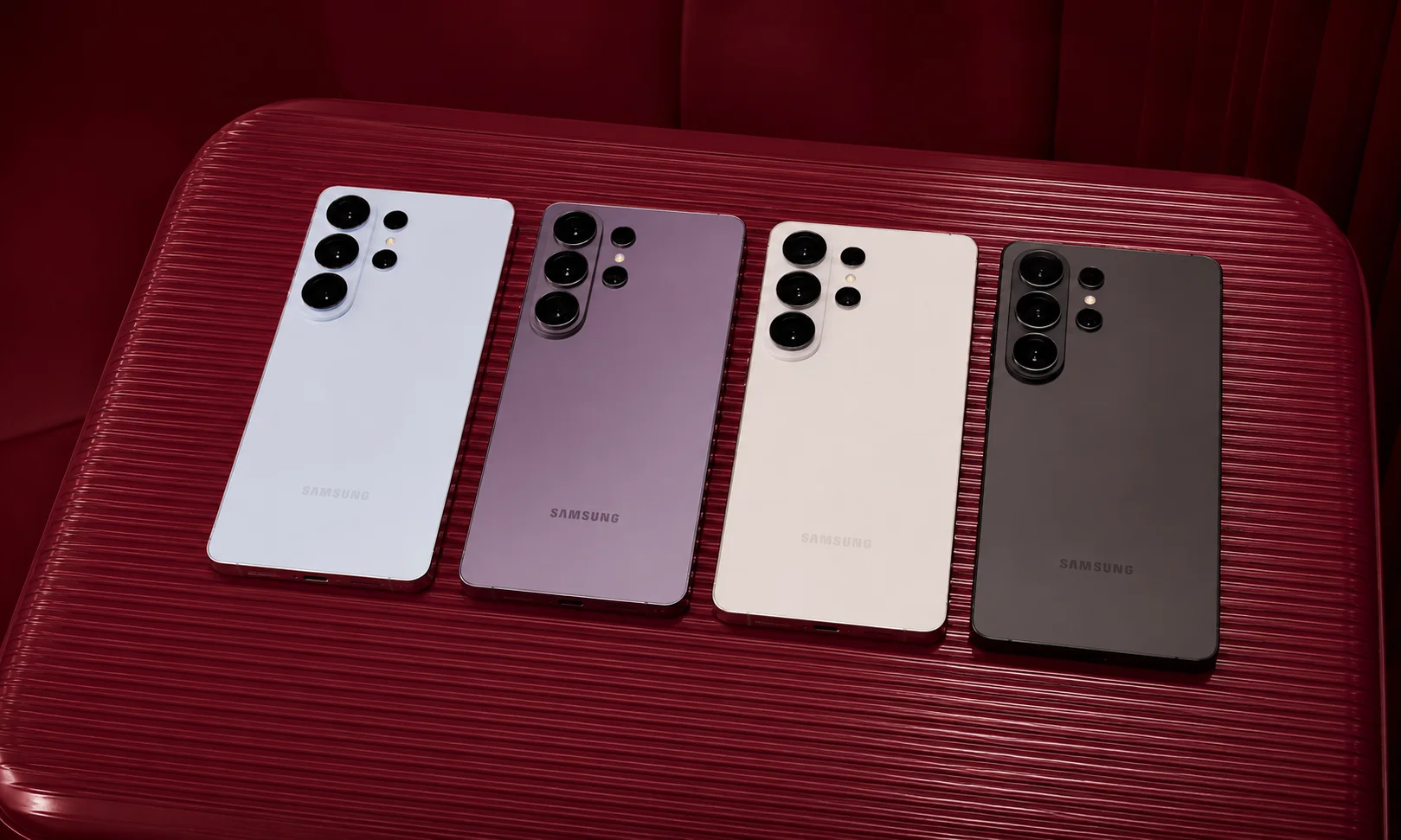
The best Android flagship
The Samsung Galaxy S26 Ultra combines a powerful camera system, S Pen support and a large high-resolution display, making it a strong choice for photography and productivity.
Specifications
| Specification | Details |
| Company | Samsung |
| Country | South Korea |
| Estimated Price | $1,299 |
| Display | 6.9-inch, 3120 × 1440, 120Hz |
| Brightness | 2,600 nits |
| Chipset | Snapdragon 8 Elite Gen 5 |
| Battery | 5,000mAh |
| Charging | 60W wired |
| Weight | 214g |
| Thickness | 7.9mm |
| Water/Dust Resistance | IP68 |
Reasons to Buy
- Excellent 200MP camera and 5x periscope zoom
- Integrated S Pen
- Long software support
- Strong productivity features
Reasons to Avoid
- Expensive
- Samsung’s software can take time to learn
- No 2TB storage option
Buy It If
- You want advanced zoom and photography.
- You need S Pen productivity features.
- You prefer Android over iOS.
Don’t Buy It If
- You want the cheapest flagship option.
- You prefer simpler software.
- You need 2TB storage.
The Bottom Line
The Galaxy S26 Ultra is a powerful flagship for users who want advanced cameras, productivity features and premium Android performance.
2. Apple iPhone 17 Pro Max
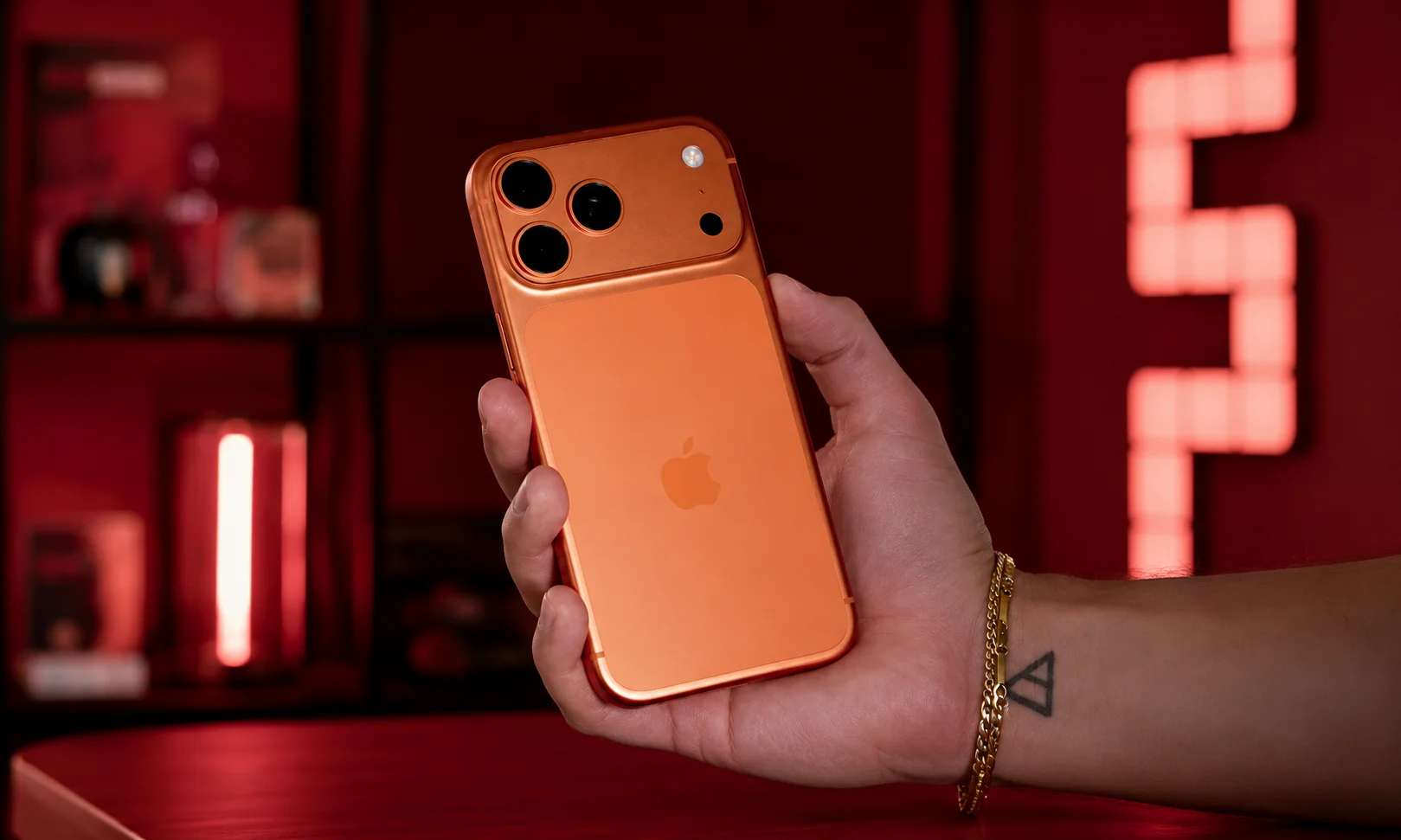
The best iPhone
The iPhone 17 Pro Max is designed for video creators, long-term iOS users and buyers who want powerful performance, extensive storage and Apple’s ecosystem.
Specifications
| Specification | Details |
| Company | Apple |
| Country | United States |
| Estimated Price | $1,199 |
| Display | 6.9-inch, 2868 × 1320, 1–120Hz |
| Brightness | 3,000 nits |
| Chipset | Apple A19 Pro |
| RAM | 12GB |
| Battery | 5,088mAh |
| Weight | 233g |
| Thickness | 8.75mm |
| Water/Dust Resistance | IP68 |
Reasons to Buy
- Extremely powerful processor
- Excellent video capabilities
- Up to 2TB storage
- Strong long-term software support
Reasons to Avoid
- Heavy
- Expensive
- No dedicated stylus
Buy It If
- You want a powerful iPhone flagship.
- You create videos or other demanding content.
- You want maximum storage.
Don’t Buy It If
- You want a lighter phone.
- You prefer Android.
- You want dedicated stylus support.
The Bottom Line
The iPhone 17 Pro Max is a premium choice for users who prioritize performance, video recording, storage and Apple’s ecosystem.
3. OnePlus 15
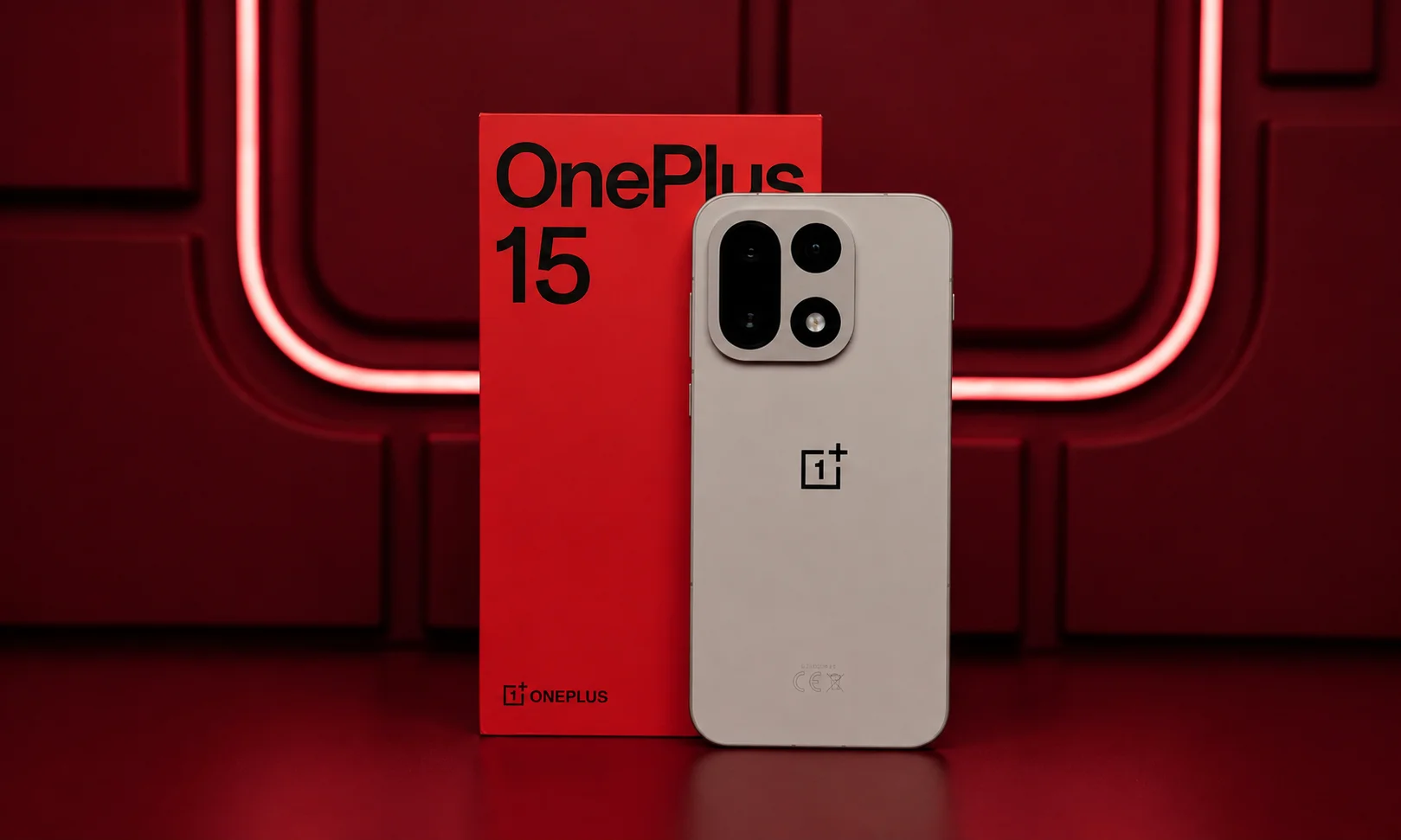
The best value flagship
The OnePlus 15 delivers flagship-level performance, fast charging and exceptional battery endurance at a lower starting price than the leading Samsung and Apple flagships.
Specifications
| Specification | Details |
| Company | OnePlus |
| Country | China |
| Estimated Price | $899 |
| Chipset | Snapdragon 8 Elite Gen 5 |
| Battery | Large-capacity battery |
| Charging | Fast wired charging |
| Best For | Flagship performance and value |
Reasons to Buy
- Flagship chipset
- Excellent battery life
- Fast charging
- Lower price than top Ultra-tier phones
Reasons to Avoid
- Cameras trail dedicated camera flagships
- Weight varies by finish
- Shorter software commitment than Samsung and Apple
Buy It If
- You want flagship performance for less.
- Battery life is a major priority.
- You value fast charging.
Don’t Buy It If
- Camera performance is your top priority.
- Longest possible software support matters most.
The Bottom Line
The OnePlus 15 is a strong value flagship for buyers who want high-end performance and battery life without paying $1,200 or more.
4. Google Pixel 10 Pro
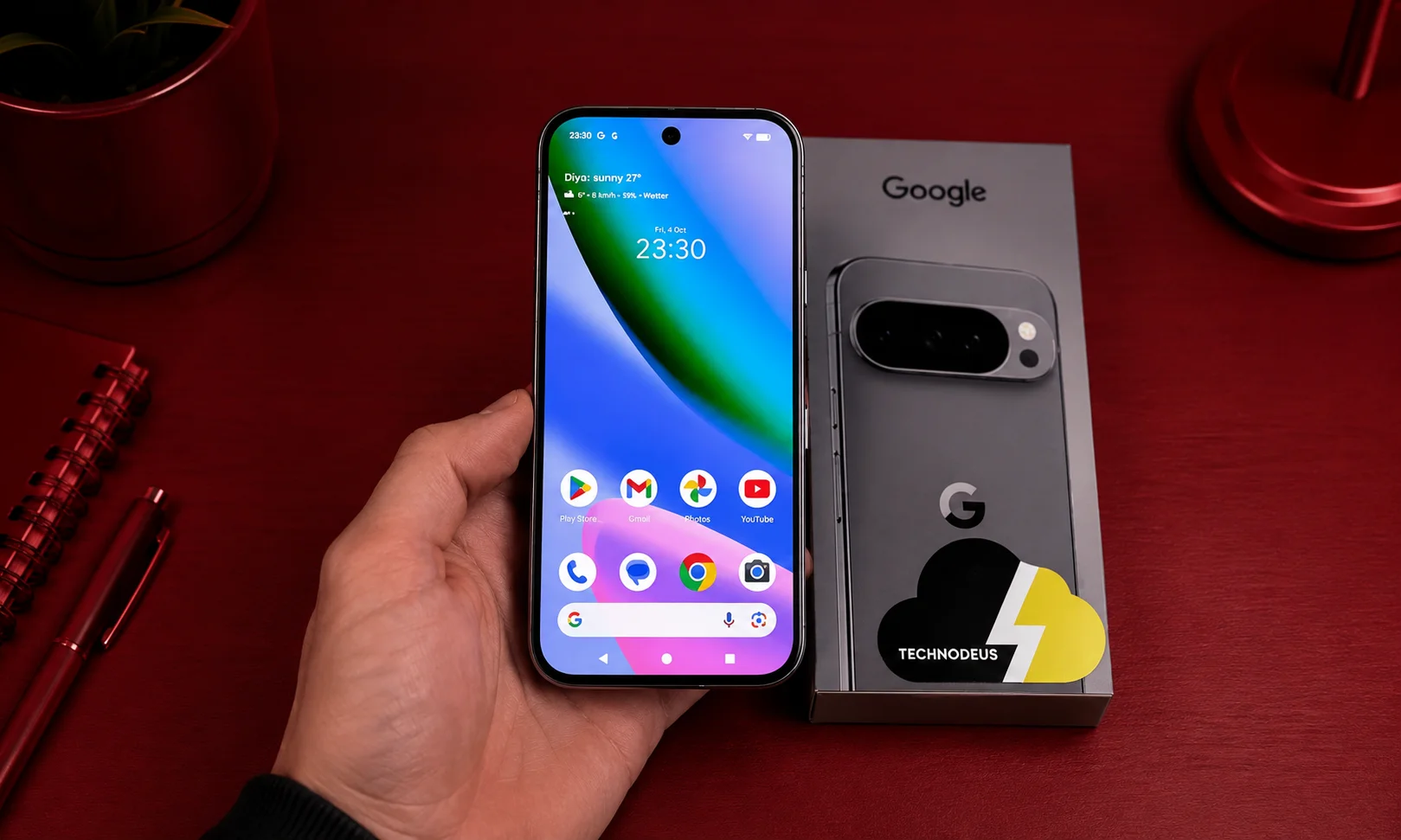
The best software and AI experience
The Pixel 10 Pro focuses on Google’s software experience and on-device AI, while also offering a capable camera system and all-day battery life.
Specifications
| Specification | Details |
| Company | |
| Country | United States |
| Estimated Price | $999 |
| Chipset | Google Tensor |
| Charging | 30W wired |
| Wireless Charging | 15W PixelSnap |
| Base Storage | 128GB |
| Best For | AI and clean Android |
Reasons to Buy
- Strong hardware-software integration
- Useful AI photography tools
- Clean Android experience
- Full-day battery life
Reasons to Avoid
- 128GB base storage
- Lower raw performance than some rivals
- Less suited to heavy gaming
Buy It If
- You want Google’s AI features.
- You prefer clean Android software.
- Photography and software experience matter more than gaming power.
Don’t Buy It If
- You need large base storage.
- You want maximum gaming performance.
The Bottom Line
The Pixel 10 Pro is a strong choice for users who value AI, clean software and reliable everyday performance.
5. Vivo X300 Pro
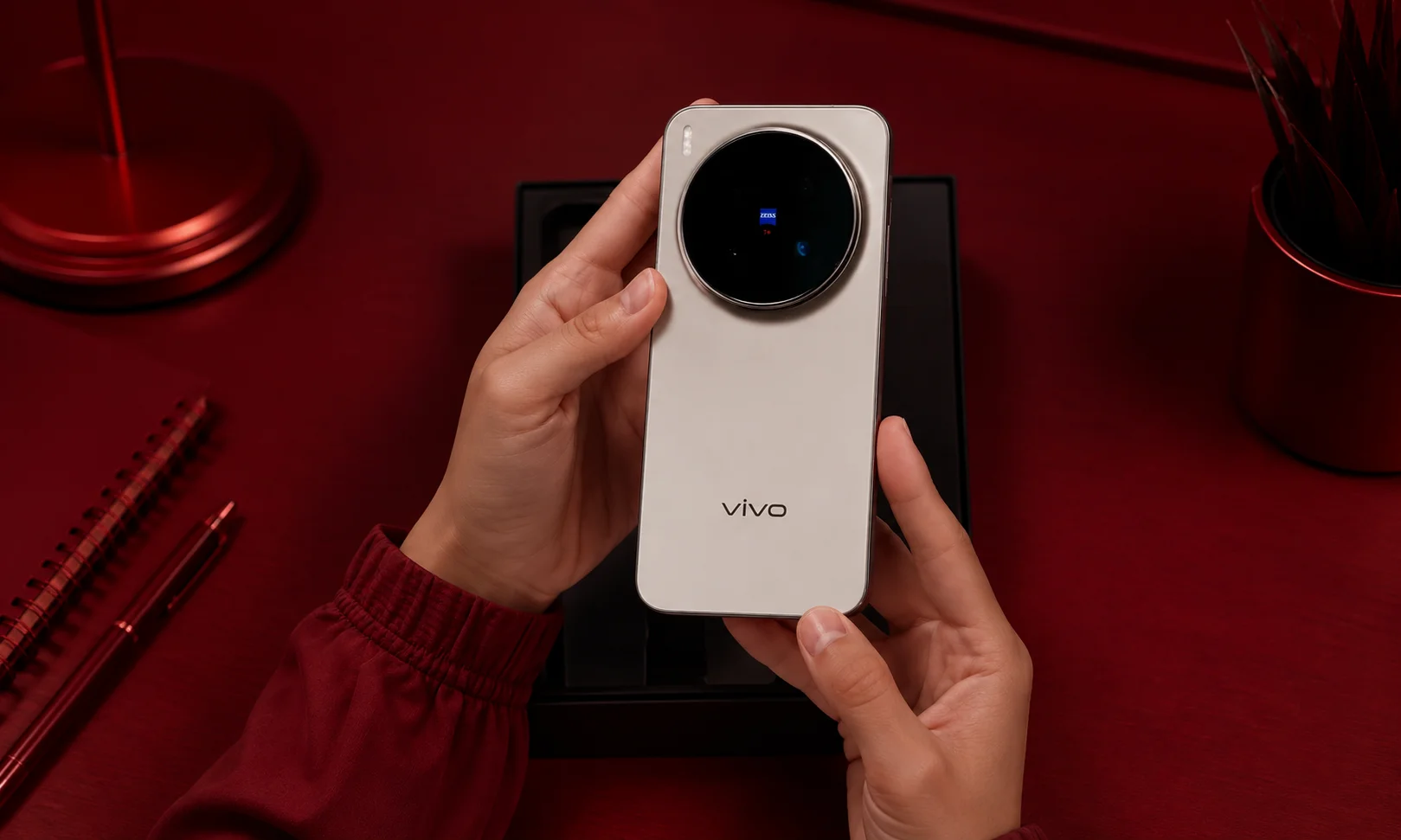
The best camera phone
The Vivo X300 Pro is built around photography, combining a large Sony main sensor, a 200MP telephoto camera, a large battery and fast charging.
Specifications
| Specification | Details |
| Company | Vivo |
| Country | China |
| Estimated Price | ~$1,025 |
| Camera | Large Sony main sensor + 200MP telephoto |
| Battery | 6,510mAh |
| Charging | 90W wired |
| Display | QHD+ |
| Water/Dust Resistance | IP68/IP69 |
| Best For | Photography |
Reasons to Buy
- Exceptional camera performance
- Large battery
- Fast 90W charging
- IP68/IP69 protection
Reasons to Avoid
- Limited availability in some markets
- No official US warranty for imported units
- Less established long-term software support
Buy It If
- Photography is your main priority.
- The phone is officially available in your region.
- You want a large battery with fast charging.
Don’t Buy It If
- You need broad carrier availability.
- Long-term software support is your biggest concern.
The Bottom Line
The Vivo X300 Pro is an excellent option for photography-focused buyers who can access it in their market.
6. Xiaomi 17 Ultra
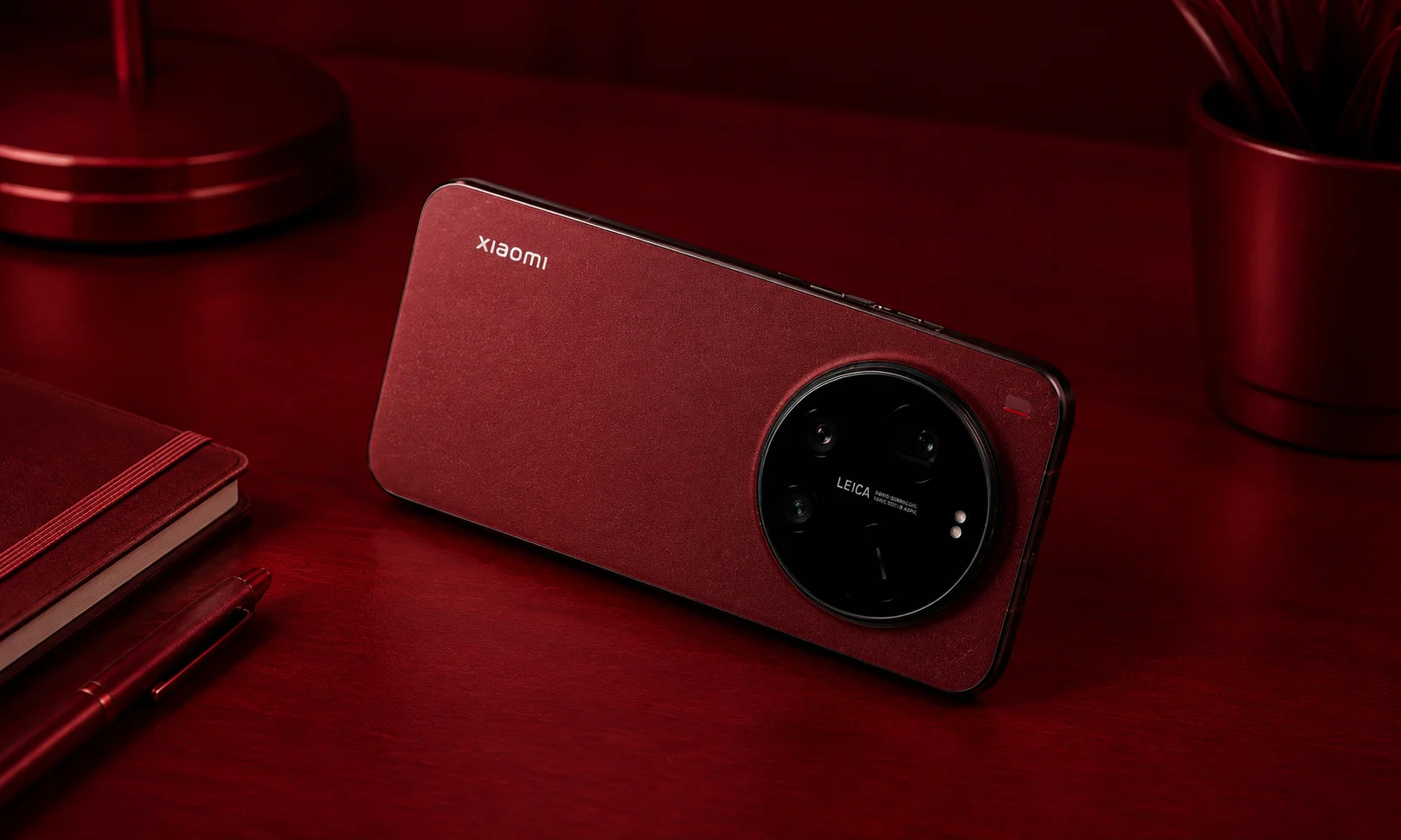
A strong photography alternative
The Xiaomi 17 Ultra combines Leica-tuned cameras with strong gaming performance, making it appealing to both photography enthusiasts and mobile gamers.
Specifications
| Specification | Details |
| Company | Xiaomi |
| Country | China |
| Estimated Price | ~$1,235 |
| Main Camera | 1-inch-style 50MP sensor |
| Display | 6.9-inch OLED |
| Performance | Strong sustained GPU performance |
| Best For | Photography and gaming |
Reasons to Buy
- Large main camera sensor
- Leica tuning
- Strong gaming performance
- Good wireless charging support
Reasons to Avoid
- Vivo offers stronger overall camera performance
- Limited regional availability
- Expensive at higher configurations
Buy It If
- You want Leica-focused photography.
- You also care about gaming performance.
- Xiaomi products are officially available in your market.
Don’t Buy It If
- You want the strongest camera performance available.
- You need broad regional availability.
The Bottom Line
The Xiaomi 17 Ultra is a premium choice for users who want distinctive photography and strong gaming performance.
7. Google Pixel 10 Pro XL
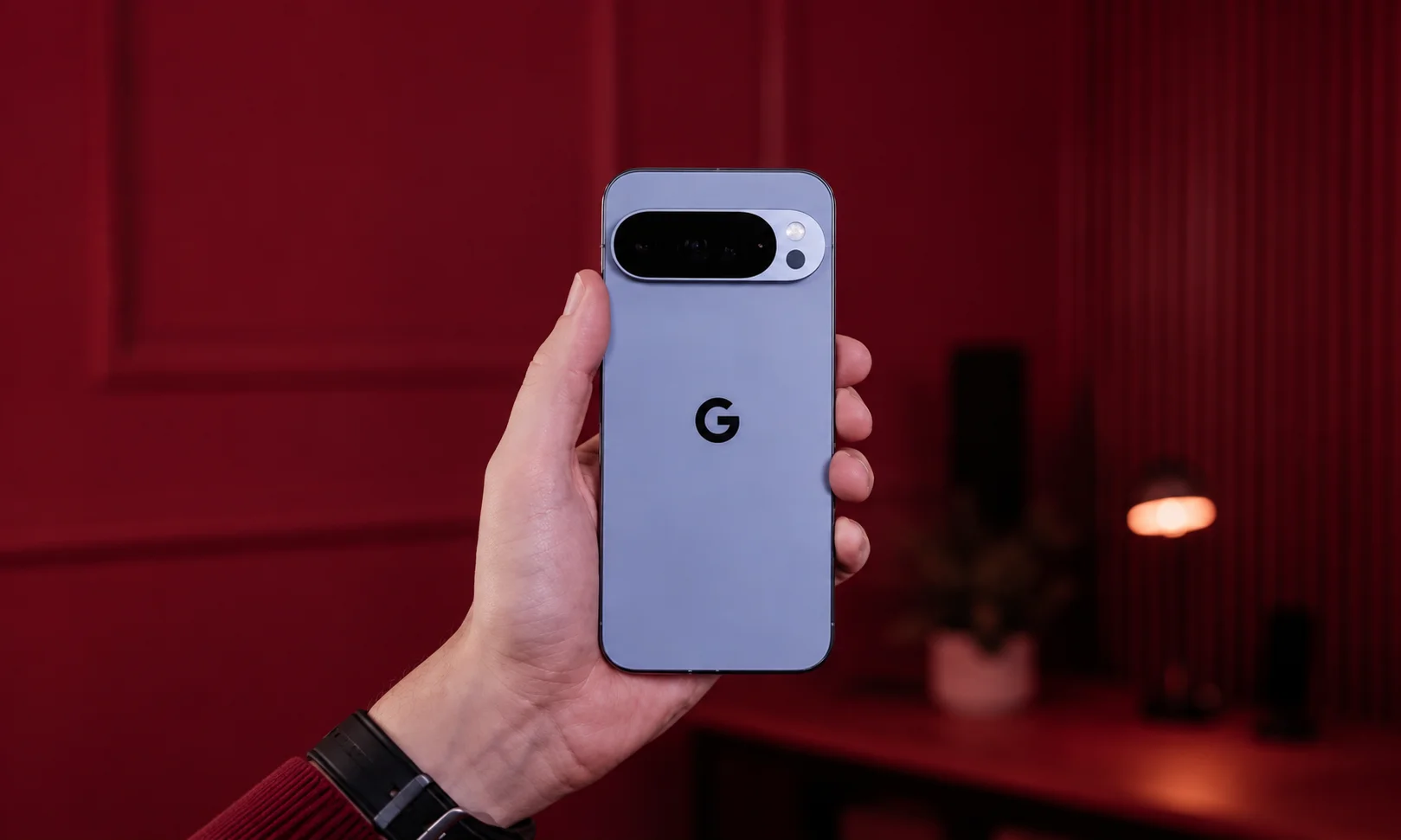
The best large-screen Pixel
The Pixel 10 Pro XL brings Google’s software experience to a larger display with a bigger battery and faster wireless charging.
Specifications
| Specification | Details |
| Company | |
| Country | United States |
| Estimated Price | $1,199 |
| Chipset | Google Tensor |
| Wireless Charging | Qi2.2, 25W |
| Best For | Large-screen Pixel users |
Reasons to Buy
- Large, capable Pixel experience
- Strong software features
- Faster Qi2.2 wireless charging
- Large display and battery
Reasons to Avoid
- Premium price
- Similar gaming limitations to the smaller Pro
- Large size
Buy It If
- You want the largest Pixel.
- You value Google’s software experience.
- You prefer a large display.
Don’t Buy It If
- You want a compact phone.
- You prioritize sustained gaming performance.
- You want to spend less.
The Bottom Line
The Pixel 10 Pro XL is suited to buyers who want Google’s software experience in a larger flagship package.
8. Google Pixel 10
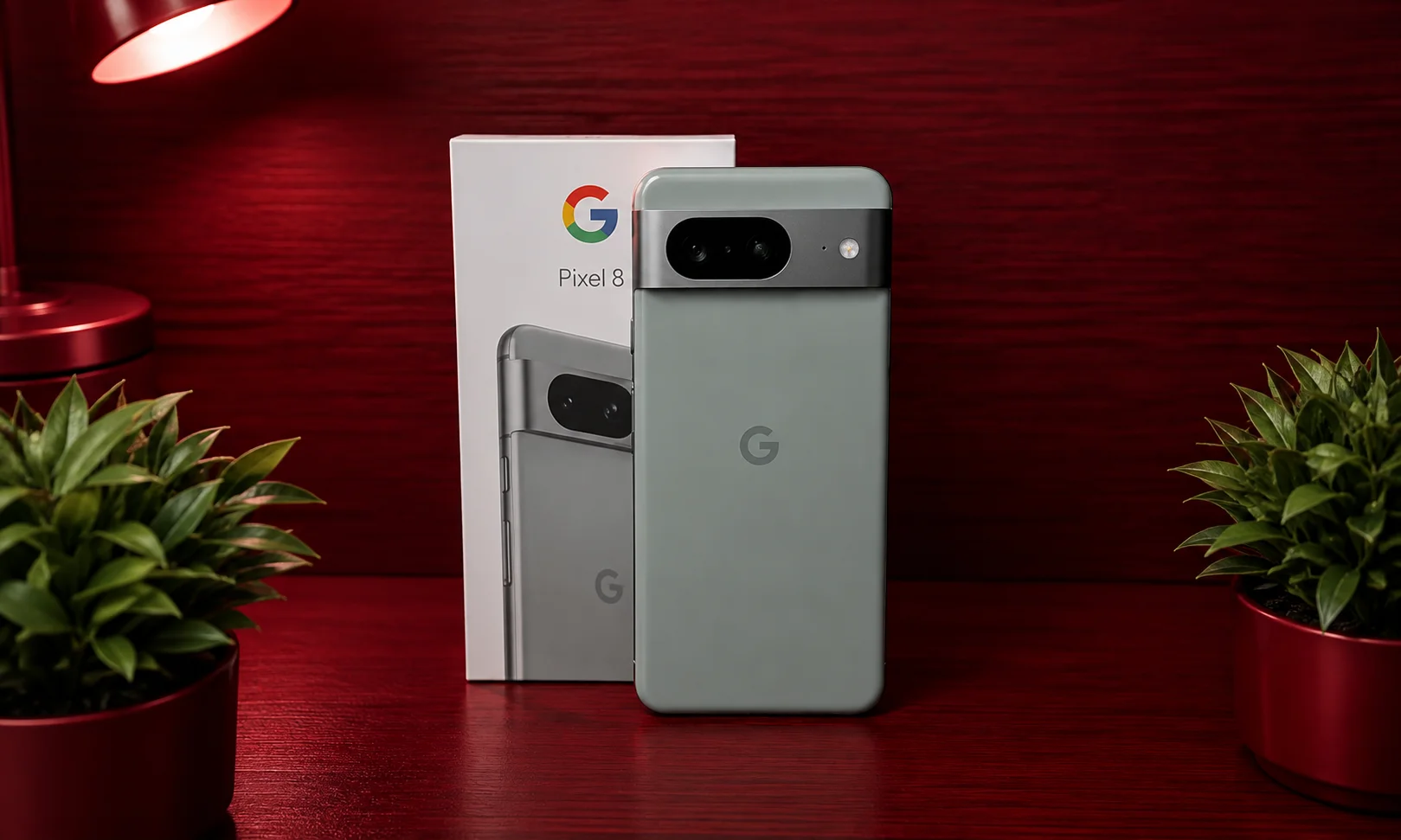
The best budget flagship
The standard Pixel 10 brings much of Google’s software and AI experience to a lower price than the Pro models.
Specifications
| Specification | Details |
| Company | |
| Country | United States |
| Starting Price | $799 |
| Wireless Charging | Qi2, 15W |
| Best For | Flagship software at a lower price |
Reasons to Buy
- Strong software and AI experience
- Premium design
- Qi2 wireless charging
- Lower price than Pro models
Reasons to Avoid
- Smaller camera system
- Less RAM and storage than Pro models
- Slower wireless charging than the Pro XL
Buy It If
- You want Google’s software without paying Pro prices.
- AI features are important to you.
- You want a premium design at a lower price.
Don’t Buy It If
- You need the best Pixel camera system.
- You need maximum storage and RAM.
The Bottom Line
The Pixel 10 offers a compelling balance of Google’s software, AI features and premium design at $799.
9. Honor Magic V5
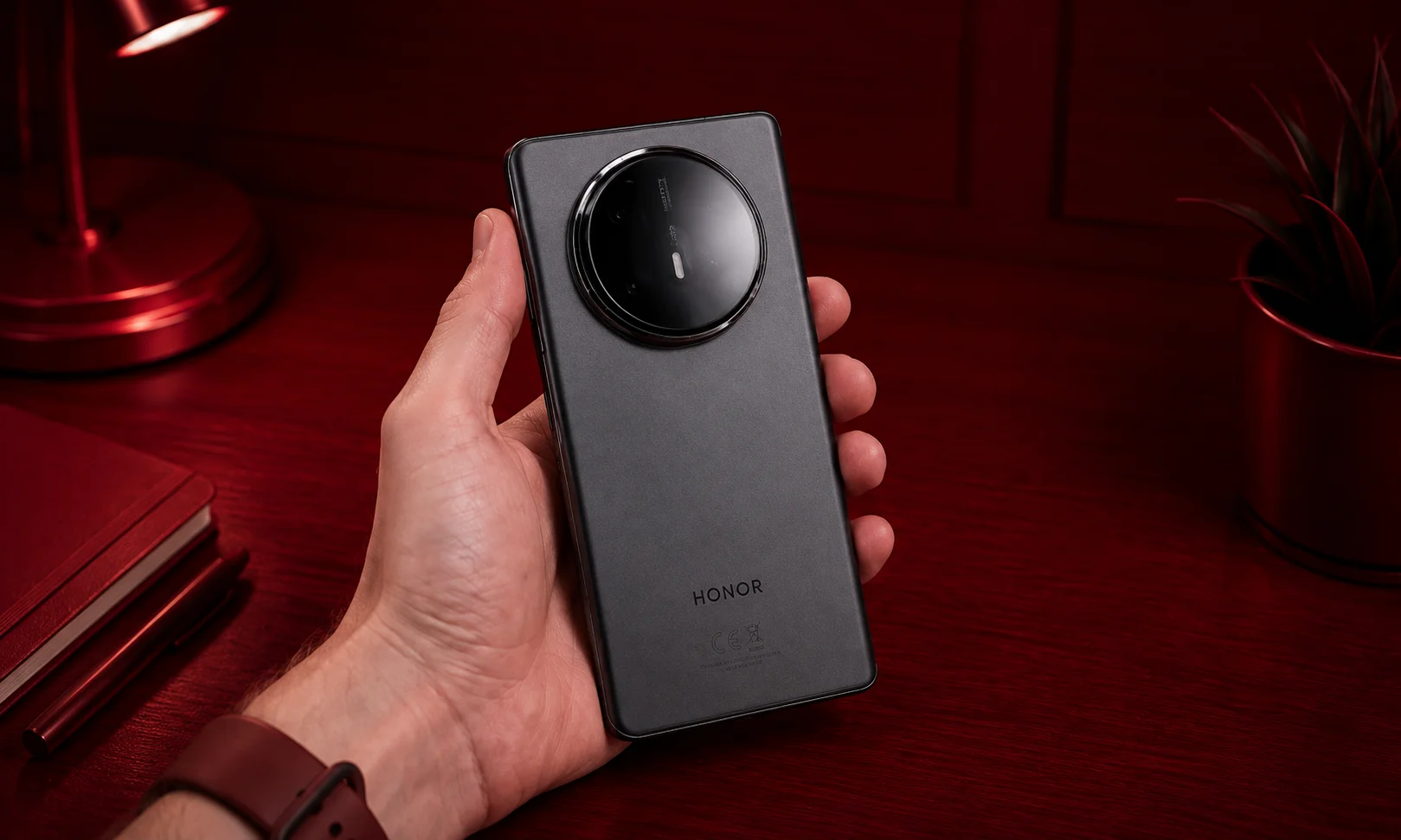
The best foldable
The Honor Magic V5 combines a thin, lightweight book-style foldable design with strong durability and premium features.
Specifications
| Specification | Details |
| Company | Honor |
| Country | China |
| Price | Premium, region-limited |
| Form Factor | Book-style foldable |
| Durability | IP58/IP59 |
| Features | Stylus support, Dolby Vision |
| Best For | Thin and durable foldable design |
Reasons to Buy
- Very thin and lightweight
- Strong water and dust protection
- Stylus support
- Dolby Vision on both displays
Reasons to Avoid
- Expensive
- Limited regional availability
- Long-term hinge durability remains a consideration
Buy It If
- You want a thin book-style foldable.
- Durability matters to you.
- You want stylus support.
Don’t Buy It If
- You want a conventional smartphone.
- You want the widest possible availability.
- You don’t want to pay a foldable premium.
The Bottom Line
The Honor Magic V5 is a standout foldable for buyers who want thinness, durability and premium features.
10. Samsung Galaxy S26
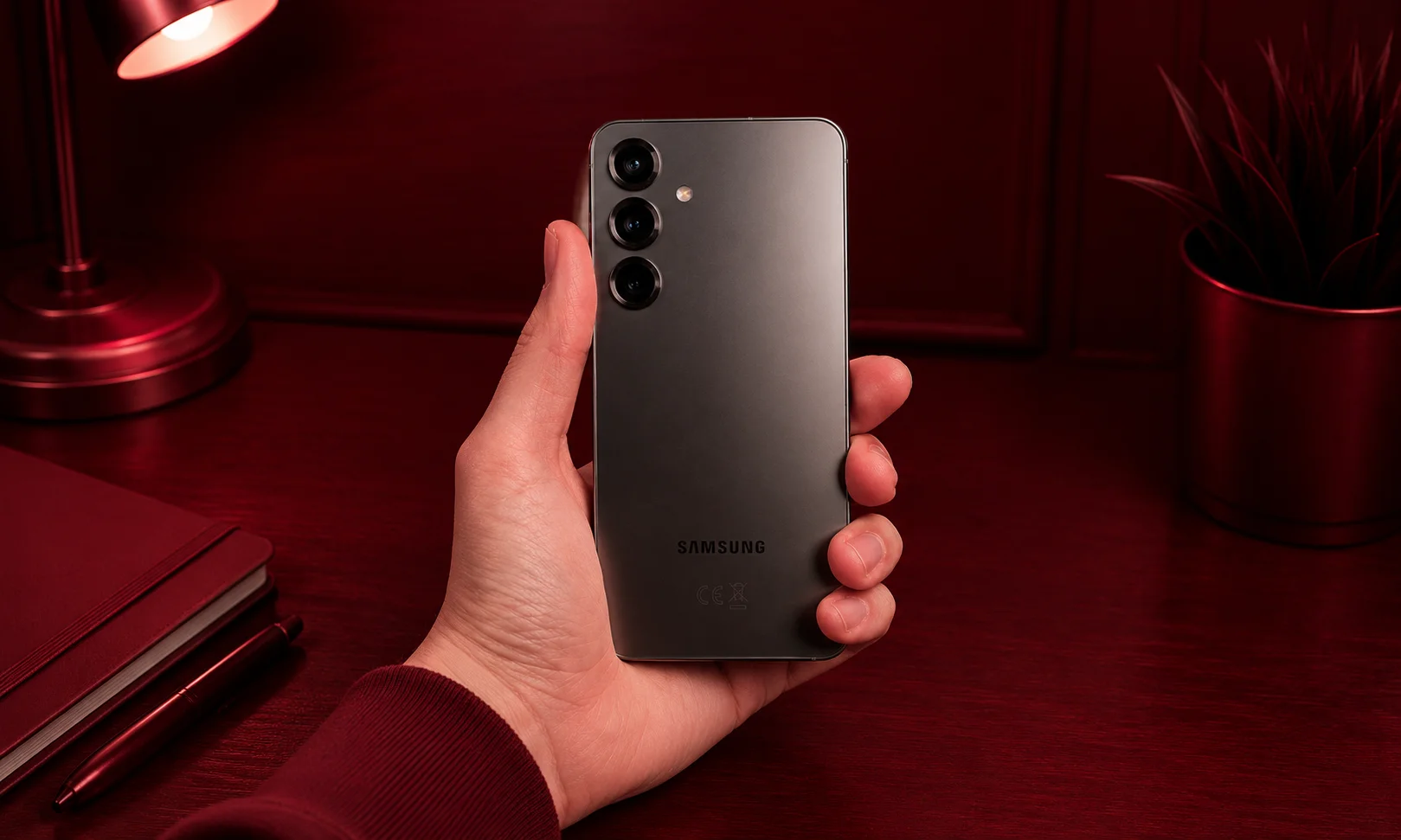
The best compact flagship
The Galaxy S26 brings Samsung’s flagship software and design experience to a smaller and more affordable package than the Ultra.
Specifications
| Specification | Details |
| Company | Samsung |
| Country | South Korea |
| Estimated Street Price | ~$695 |
| Best For | Compact flagship buyers |
| Key Features | Galaxy AI and Samsung ecosystem |
Reasons to Buy
- Lower price than the Ultra
- Shares core software experience with the Ultra
- Long software support
- More pocketable design
Reasons to Avoid
- No S Pen
- No Ultra-level periscope zoom
- Smaller battery
- Weaker camera system than dedicated camera flagships
Buy It If
- You want a smaller Galaxy flagship.
- You want Samsung’s software and ecosystem.
- You don’t need Ultra-level cameras.
Don’t Buy It If
- You need the best Galaxy camera system.
- You want S Pen support.
- Battery capacity is a top priority.
The Bottom Line
The Galaxy S26 is a good choice for buyers who want core Galaxy flagship features in a smaller and more affordable phone.
11. Nothing Phone (3)
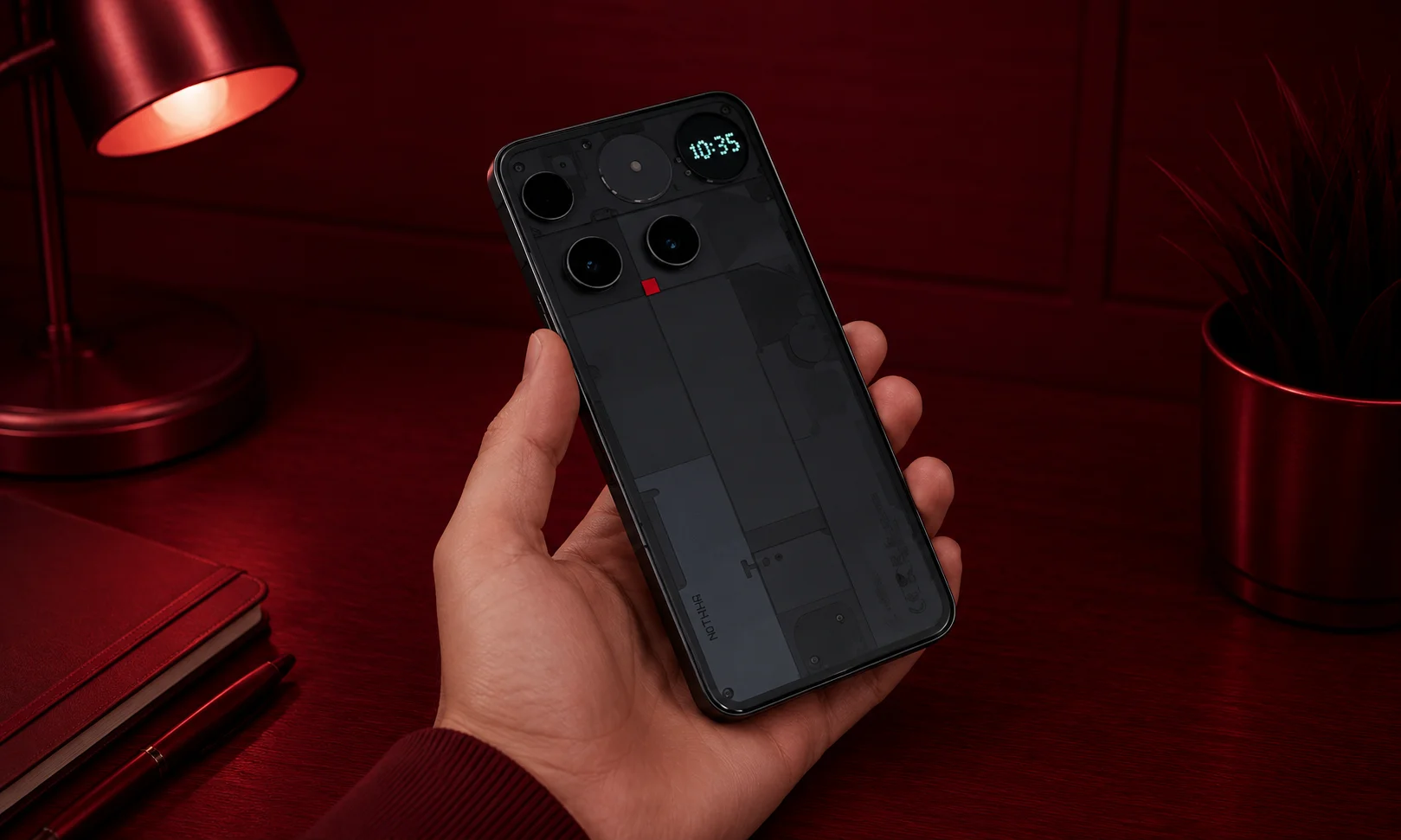
The most distinctive design
The Nothing Phone (3) stands out with its transparent design, Glyph Interface 2.0 and clean Android software.
Specifications
| Specification | Details |
| Company | Nothing |
| Country | United Kingdom |
| Positioning | Mid-premium |
| Chipset | Snapdragon 8s Gen 3 |
| Software | Near-stock Android |
| Best For | Distinctive design |
Reasons to Buy
- Unique design
- Functional Glyph lights
- Clean Android experience
Reasons to Avoid
- Cameras trail dedicated camera flagships
- Chipset is below the top Snapdragon tier
- Design-first approach may not suit spec-focused buyers
Buy It If
- You want a phone that looks different.
- You prefer clean Android.
- Design matters more than having the fastest chipset.
Don’t Buy It If
- Camera performance is your top priority.
- You want maximum flagship performance.
The Bottom Line
The Nothing Phone (3) is an appealing mid-premium phone for buyers who prioritize design and a clean Android experience.
12. Honor Magic 8 Pro Air
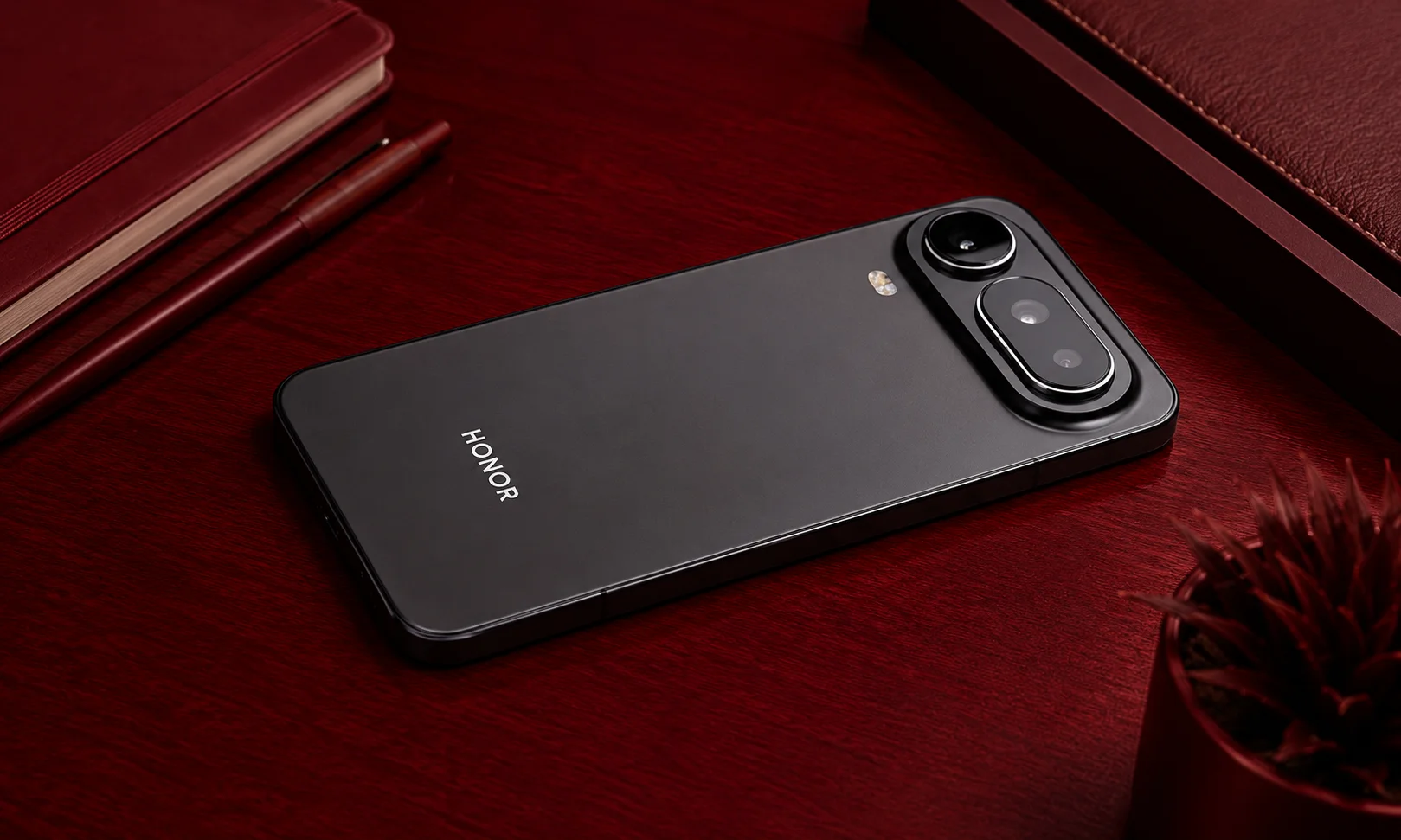
The best compact and thin design
The Honor Magic 8 Pro Air focuses on delivering flagship capability in a particularly thin and lightweight design.
Specifications
| Specification | Details |
| Company | Honor |
| Country | China |
| Positioning | Premium, region-limited |
| Form Factor | Compact, thin flagship |
| Best For | Slim and lightweight design |
Reasons to Buy
- Thin and lightweight
- Flagship-level performance
- Easy one-handed design
- Strong enthusiast appeal
Reasons to Avoid
- Limited regional availability
- Smaller battery than larger flagships
- Camera compromises from the thin design
Buy It If
- You want a thin, light flagship.
- One-handed use is important.
- You dislike large Ultra-style phones.
Don’t Buy It If
- Battery capacity is your biggest priority.
- You need the most capable camera system.
- The phone isn’t officially available in your market.
The Bottom Line
The Magic 8 Pro Air is aimed at buyers who want flagship performance without the size and weight of a traditional Ultra phone.
13. Xiaomi 15T Pro
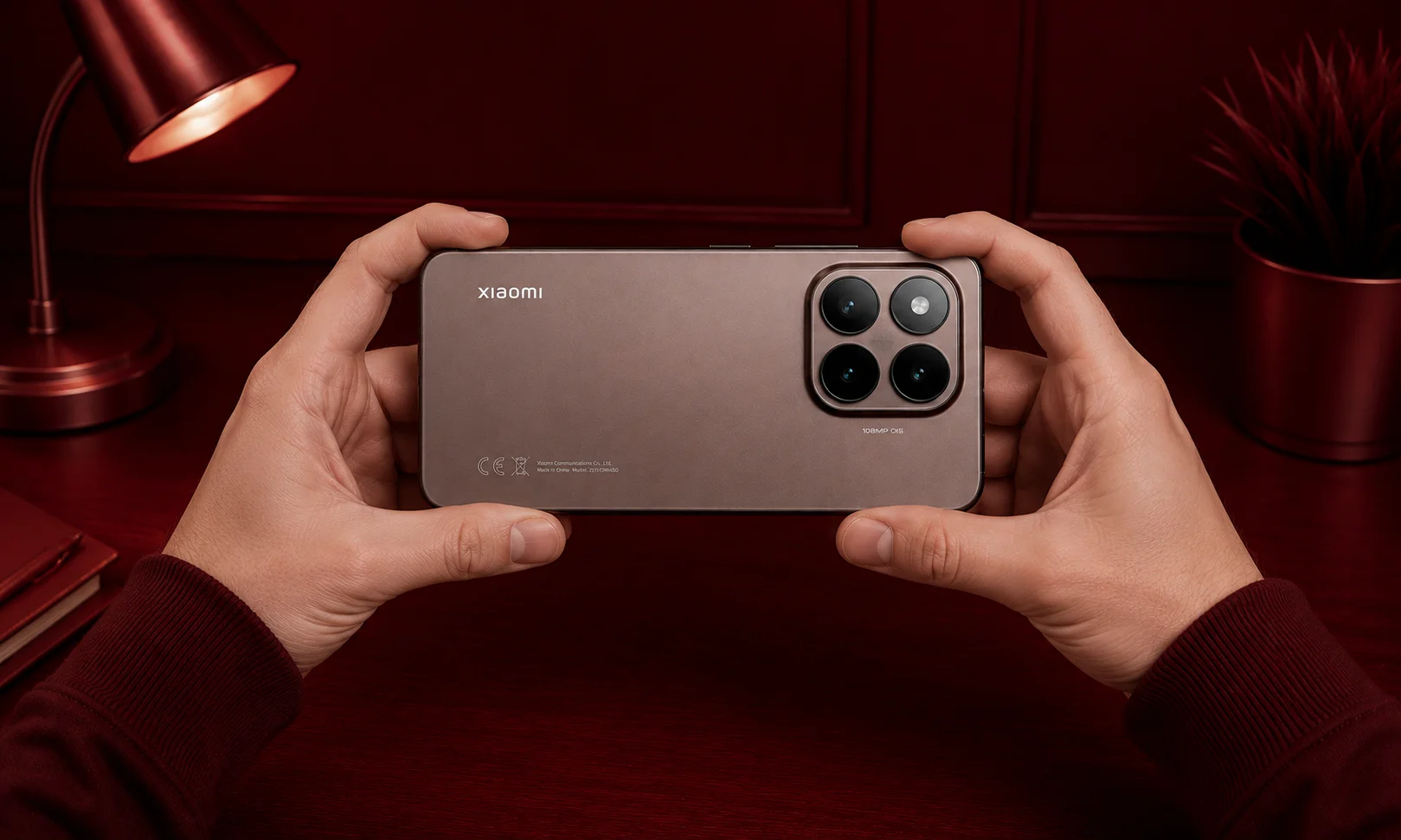
The best all-rounder value
The Xiaomi 15T Pro focuses on balance rather than dominating a single category, making it a practical value-oriented option.
Specifications
| Specification | Details |
| Company | Xiaomi |
| Country | China |
| Positioning | Mid-range |
| Best For | Balanced performance and value |
Reasons to Buy
- Strong value
- Balanced camera, display and battery performance
- Good choice for buyers who don’t need Ultra-tier specifications
Reasons to Avoid
- Doesn’t lead a specific category
- Shorter software commitment than Samsung, Apple and Google
- Regional pricing varies
Buy It If
- You want balanced performance at a lower price.
- You don’t need the highest-end specifications.
- Value matters more than having the best camera or gaming performance.
Don’t Buy It If
- You want the absolute best in one specific category.
- Long-term software support is your top priority.
The Bottom Line
The Xiaomi 15T Pro is a sensible choice for buyers looking for balanced features and strong value without paying flagship prices.
14. Nothing Phone (4a)
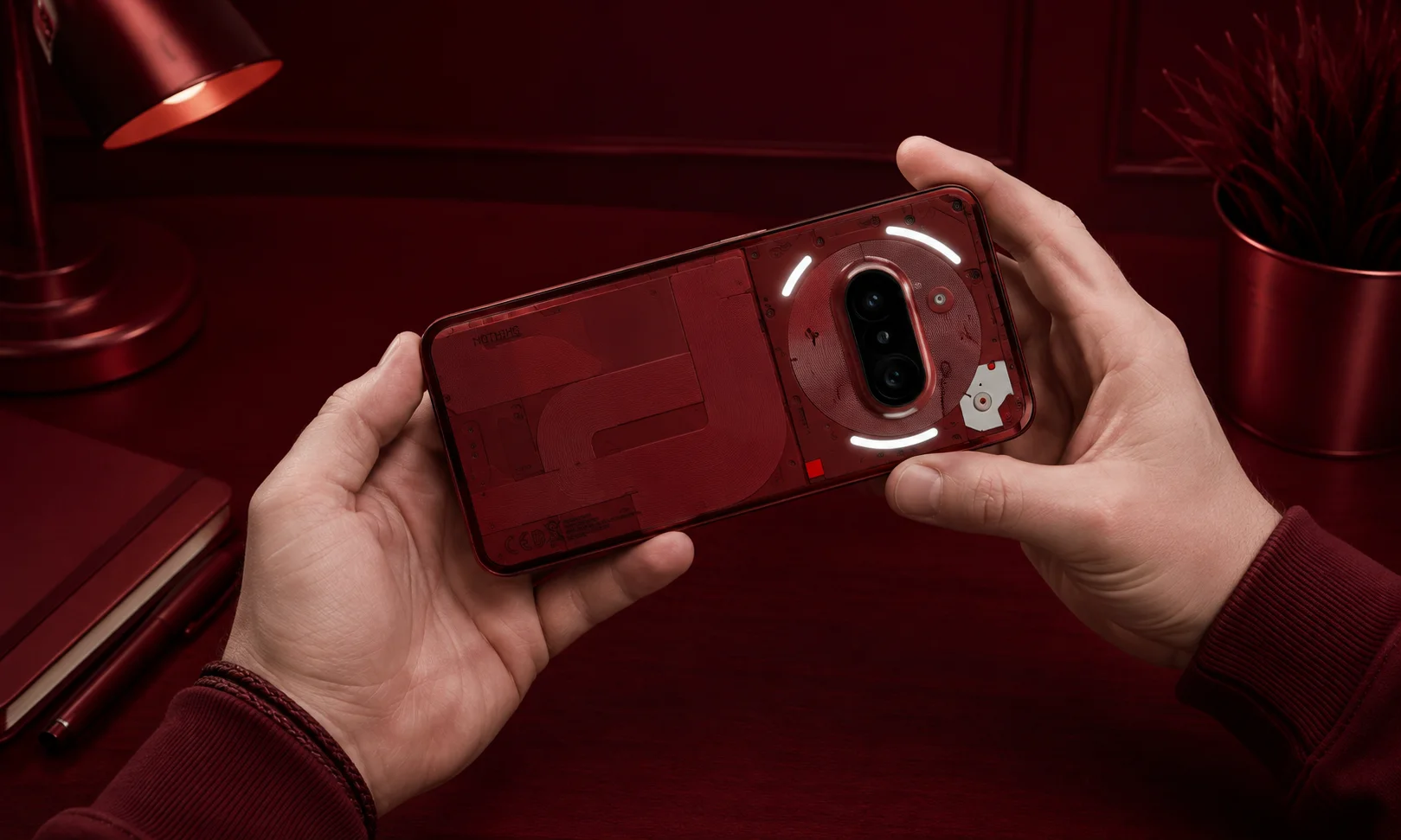
The best budget design pick
The Nothing Phone (4a) brings the company’s distinctive design and Glyph lighting to a more affordable category.
Specifications
| Specification | Details |
| Company | Nothing |
| Country | United Kingdom |
| Positioning | Budget |
| Best For | Design-focused budget buyers |
| Key Feature | Glyph Interface |
Reasons to Buy
- Distinctive Nothing design
- Affordable
- Improved Glyph lighting
- Good option for design-focused buyers
Reasons to Avoid
- Performance trails flagship phones
- Cameras are less capable
- Fewer premium materials
Buy It If
- You want Nothing’s design at a lower price.
- Appearance is important to you.
- You don’t need flagship-level performance.
Don’t Buy It If
- You want the fastest performance.
- Camera quality is your main priority.
- You want premium materials.
The Bottom Line
The Nothing Phone (4a) is an appealing budget option for buyers who want standout design without flagship pricing.
15. OnePlus 15R
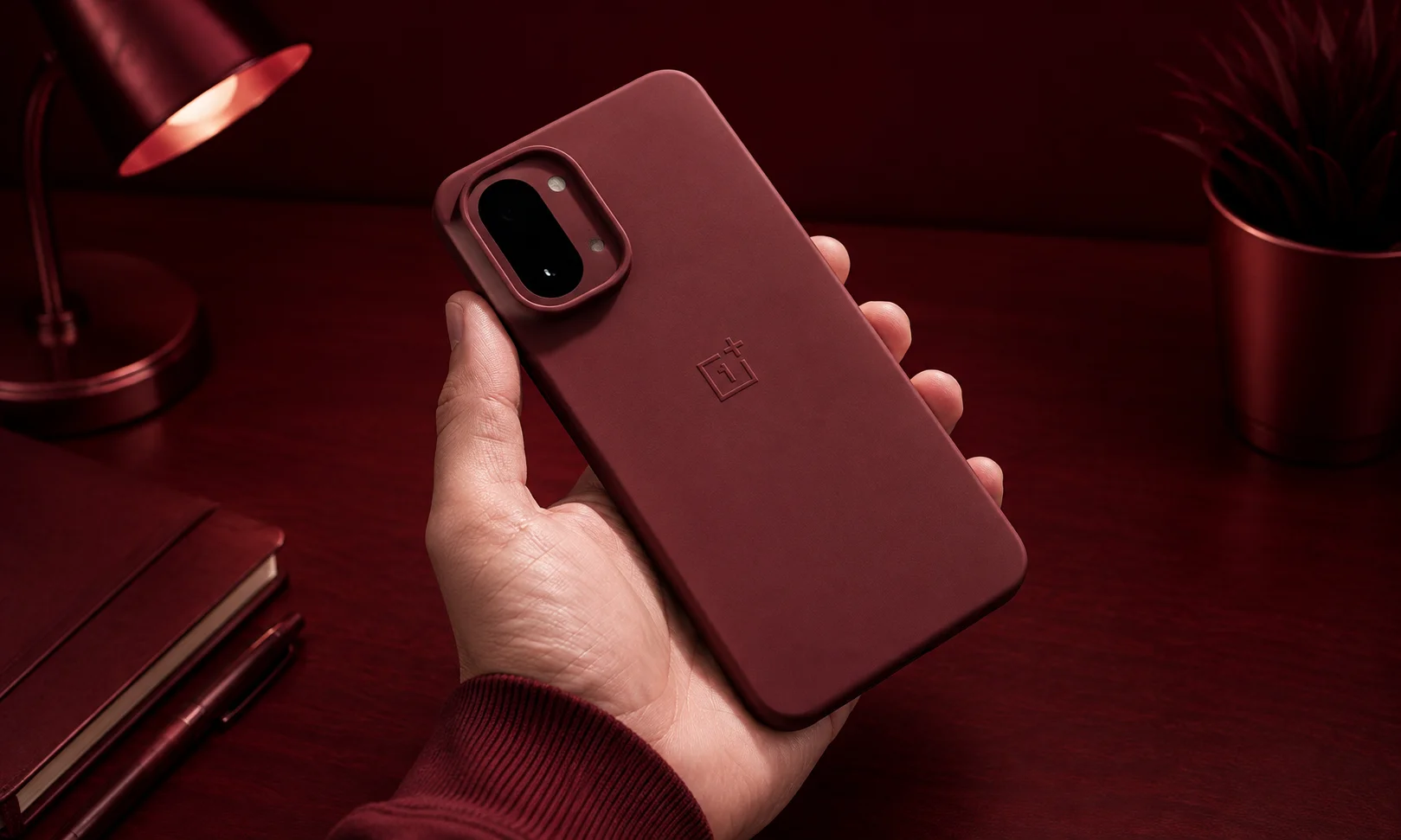
The best budget battery-life pick
The OnePlus 15R keeps the brand’s focus on battery life while reducing the price and some flagship features of the OnePlus 15.
Specifications
| Specification | Details |
| Company | OnePlus |
| Country | China |
| Positioning | Budget-mid |
| Best For | Battery-focused buyers |
| Key Feature | Strong battery life |
Reasons to Buy
- Strong battery life
- Competitive pricing
- OnePlus 15-inspired design
- Good choice for long daily use
Reasons to Avoid
- Weaker camera and chipset than the OnePlus 15
- Fewer premium finishes
- Shorter software commitment than Samsung, Apple and Google
Buy It If
- Battery life is your main priority.
- You want OnePlus features at a lower price.
- You don’t need flagship-level cameras.
Don’t Buy It If
- You want the best OnePlus camera system.
- Maximum performance matters most.
- Long-term software support is your priority.
The Bottom Line
The OnePlus 15R is a practical choice for buyers who want strong battery life and competitive performance without paying flagship prices.
Our Ranking Methodology
We ranked smartphones based on the factors that matter most in everyday use and long-term ownership. Our evaluation considers performance, camera quality, display, battery life, charging, software, build quality, features, value for money and overall user experience.
Performance
We consider processor capability, multitasking, gaming performance and how well each phone handles demanding workloads.
Camera Quality
We assess the overall camera system, including photo quality, video, low-light performance, zoom and camera versatility.
Display
We consider screen quality, resolution, brightness, refresh rate, color accuracy and overall viewing experience.
Battery and Charging
Battery capacity, real-world endurance and charging speed are considered to determine how practical each phone is for daily use.
Software and Updates
We look at the operating system, useful software features, AI capabilities, ease of use and the manufacturer’s long-term update commitment.
Design and Build
Materials, durability, weight, ergonomics and water or dust resistance help determine how well a phone is built for everyday use.
Features and Innovation
We consider features that meaningfully improve the experience, such as stylus support, foldable designs, advanced cameras, wireless charging and AI tools.
Value for Money
Price is compared with the phone’s overall capabilities. A more expensive smartphone can rank highly if its additional features and performance justify the premium.
Overall Experience
Finally, we consider how well everything works together. The highest-ranked phones are not necessarily the best in every individual category; they offer the strongest overall combination of performance, features, quality and value.
Best Phone Under $900
The OnePlus 15 and Google Pixel 10 both start under $900, making them the strongest starting points for buyers who want flagship-level capability without flagship-level pricing.
Best Camera Phone
The Vivo X300 Pro and Xiaomi 17 Ultra represent the top of the camera category this year, with the Vivo winning on raw camera score and battery, and the Xiaomi countering with Leica-tuned color science and stronger sustained gaming performance.
Best Phone For AI Features
The Google Pixel 10 Pro and Pixel 10 Pro XL lead this category, thanks to a Tensor chip built specifically around on-device Gemini performance rather than general-purpose benchmark scores.
Best Foldable Phone
The Honor Magic V5 leads the foldable category this year, combining thinness, durability, and a feature-complete dual-display experience that few other foldables have matched.
Frequently Asked Questions
What is the best smartphone overall in 2026?
The Samsung Galaxy S26 Ultra is the most well-rounded pick for most buyers, combining a class-leading camera system, S Pen support, and Samsung’s long-term software commitment, though it comes at the highest price on this list.
What is the best iPhone in 2026?
The iPhone 17 Pro Max remains Apple’s flagship pick, leading the field on raw processor speed and video recording tools like Cinematic Mode and ProRes.
What is the best camera phone in 2026?
The Vivo X300 Pro posted the highest camera score among tested 2026 flagships, though it’s sold mainly across Asia and Europe rather than through US carriers; the Xiaomi 17 Ultra is the closest widely available alternative.
What is the cheapest flagship-level phone worth buying in 2026?
The Google Pixel 10, starting at $799, and the OnePlus 15, starting at $899, both deliver flagship-level capability well below Samsung and Apple’s top-tier pricing.
Which phone has the best battery life?
The Vivo X300 Pro’s 6,510mAh battery leads this list on raw capacity, while the OnePlus 15 has also been singled out by reviewers for chart-topping battery life among widely available flagships.
Is Samsung or Apple better for AI features in 2026?
Neither is clearly ahead of Google here — the Pixel 10 Pro’s Tensor chip is specifically optimized for on-device Gemini tasks — but Samsung’s redesigned Galaxy AI photo processing and Apple’s Center Stage camera reframing are both genuinely useful, not gimmicky, additions.
How long will my phone receive software updates?
Samsung and Apple have both converged on roughly seven years of updates for their flagship phones, a significant improvement over the three-to-four-year policies common a decade ago; Google, Xiaomi, Vivo, and OnePlus generally offer shorter but improving commitments.
Should I buy a foldable phone in 2026?
Foldables like the Honor Magic V5 have closed much of the feature gap with traditional flagships, including stylus support and Dolby Vision certification, but they still carry a real price premium and somewhat greater long-term durability risk than a standard slab phone.
Are Chinese flagship phones like the Vivo X300 Pro worth importing?
They can offer genuinely class-leading hardware, but importing typically means no official regional warranty, potential missing carrier bands, and less certain long-term software support compared to phones sold officially in your market.
What chipset do most 2026 Android flagships use?
Most, including the Galaxy S26 Ultra and OnePlus 15, use Qualcomm’s Snapdragon 8 Elite Gen 5, while Google’s Pixel line uses its own Tensor chip optimized for AI rather than raw benchmark performance.
Is IP68 water resistance enough, or should I look for IP69?
IP68 covers accidental submersion and dust, which is sufficient for the vast majority of buyers; IP69, found on a small number of 2026 phones like the Vivo X300 Pro, adds resistance to high-pressure, high-temperature water jets, which matters mainly for specific work or outdoor use cases.
Which phone is best for gaming?
The Xiaomi 17 Ultra was specifically noted for strong sustained GPU performance, and Snapdragon 8 Elite Gen 5 phones generally (the Galaxy S26 Ultra and OnePlus 15) handle demanding games better than Tensor-powered Pixel phones during long sessions.
Final Verdict
If you want a single answer, the Samsung Galaxy S26 Ultra remains the safest overall pick for most buyers in 2026, thanks to its combination of camera versatility, productivity features, and long-term software support. But the right choice really depends on what matters most to you. iOS loyalists and video creators should look at the iPhone 17 Pro Max, value-focused buyers should consider the OnePlus 15 or Google Pixel 10, photography enthusiasts who can access it should look at the Vivo X300 Pro, and foldable fans should start with the Honor Magic V5.