

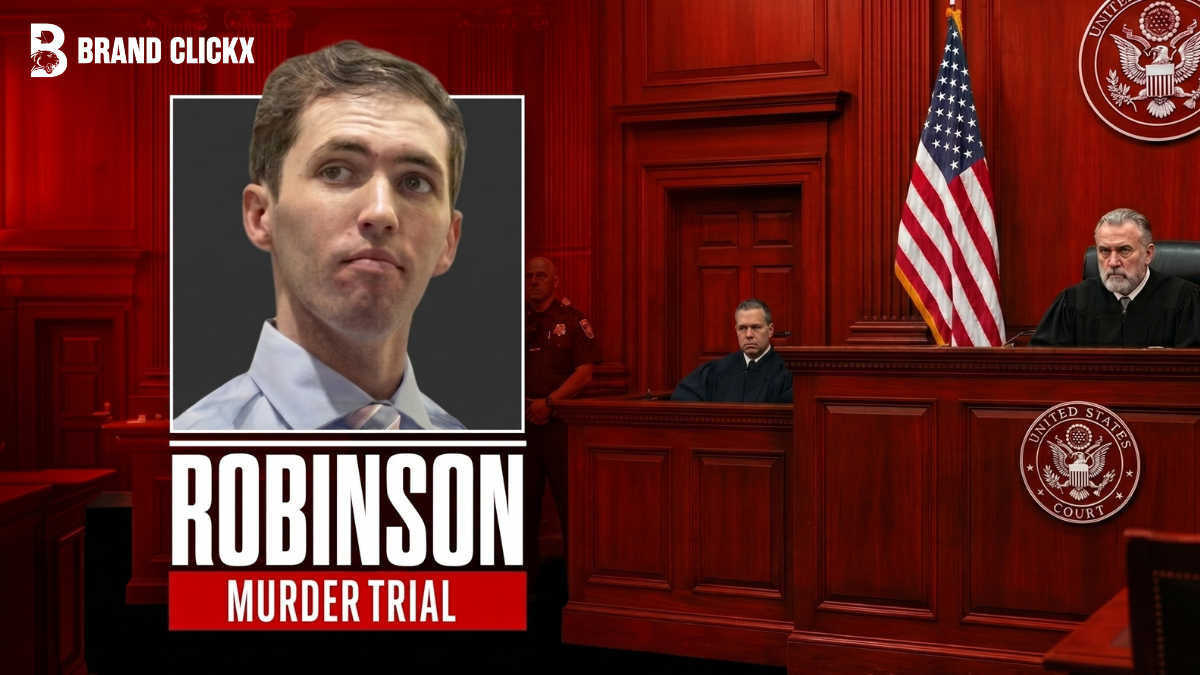
For years, political polarization in America largely existed inside television studios, social media arguments, and increasingly hostile campaign rhetoric.
That line is beginning to disappear.
The case involving Tyler James Robinson, the 23-year-old Utah man accused in the killing of Charlie Kirk, has quickly evolved beyond a criminal prosecution.
It now represents something much larger.
A warning sign that political identity, internet radicalization, and real-world violence are colliding in increasingly dangerous ways.
While media coverage has focused heavily on courtroom developments and evidentiary disputes, the broader implications extend far beyond one criminal case.
The Tyler Robinson prosecution may become one of the defining examples of how digital-era political extremism is reshaping modern public risk.
Who Is Tyler Robinson?
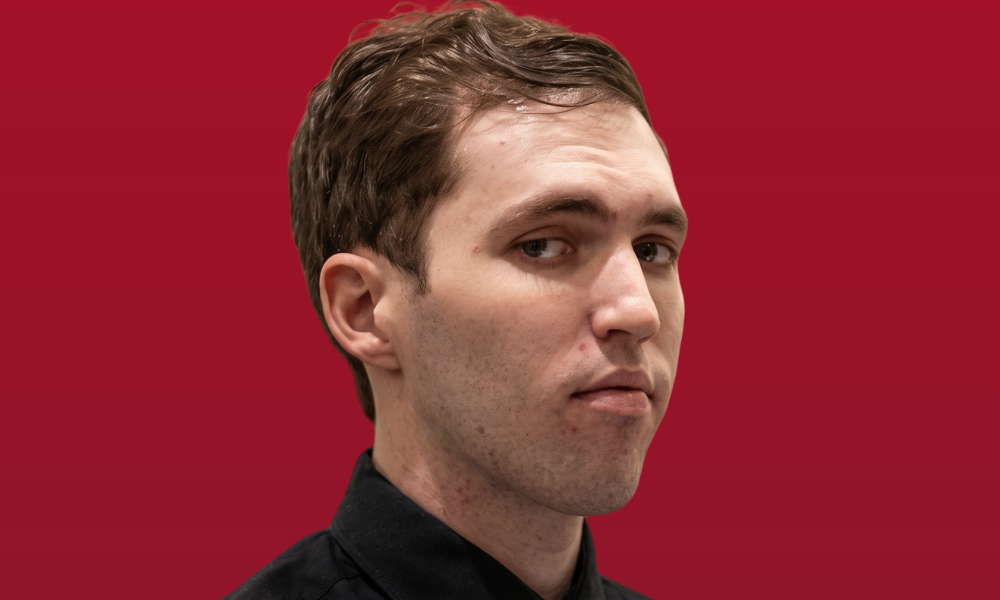
Tyler James Robinson is a Utah resident currently facing multiple felony charges connected to the fatal shooting of Charlie Kirk during a public speaking event at Utah Valley University.
According to prosecutors, Robinson allegedly surrendered shortly after the incident and investigators later connected multiple pieces of physical and digital evidence to the case.
Charges reportedly include:
- aggravated murder
- firearm-related felony charges
- obstruction of justice allegations
- witness tampering accusations
Prosecutors have indicated they may pursue capital punishment if conviction thresholds are met.
The case remains under active legal proceedings.
But the larger conversation is already expanding.
Why This Case Matters Beyond Criminal Law
At surface level, this appears to be a high-profile homicide prosecution.
But viewed through a broader lens, the case exposes a rapidly escalating problem facing modern democracies.
Political identity increasingly functions as tribal identity.
This creates dangerous psychological conditions.
As ideological divisions deepen, individuals increasingly stop viewing political opponents as competitors inside democratic systems.
They begin viewing them as existential enemies.
The consequences become unpredictable.
The Tyler Robinson case illustrates how modern political conflict increasingly escapes digital platforms and enters physical reality.
Political Figures Are Becoming Security Targets
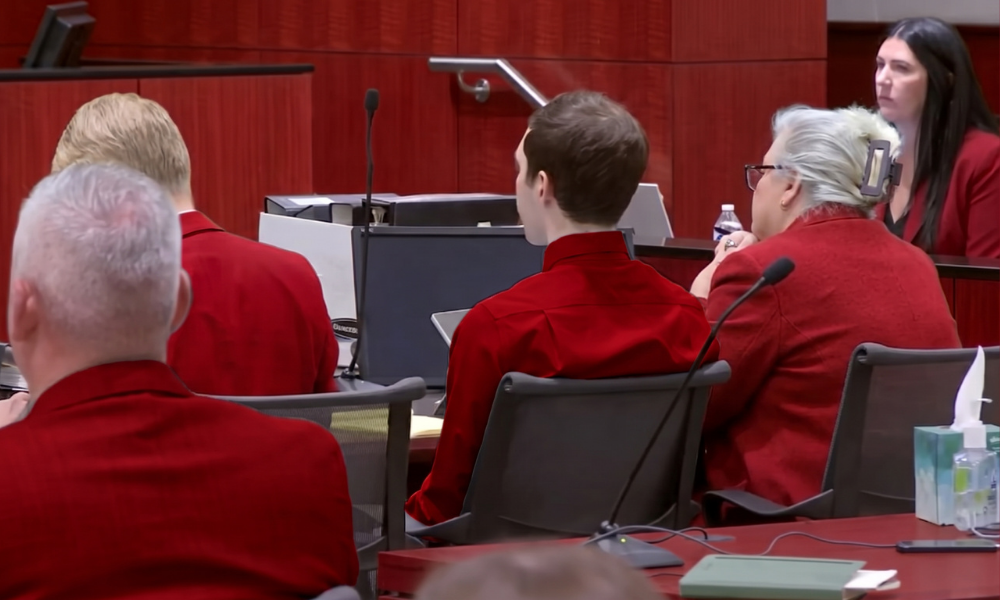
Historically, security threats primarily surrounded presidents, government leaders, and major diplomats.
That risk landscape has changed.
Modern media ecosystems allow independent political influencers to build audiences rivaling traditional institutions.
Figures like Charlie Kirk now command massive direct audience influence through digital channels.
This changes threat exposure dramatically.
Political commentators, podcast hosts, activist founders, and internet-first ideological leaders increasingly face security risks previously limited to elected officials.
The barrier separating media personality and political target continues shrinking.
The Internet Radicalization Pipeline Keeps Accelerating
One of the most concerning dimensions of modern political violence involves online behavioral acceleration.
Digital platforms increasingly create ideological reinforcement loops.
Users rarely encounter balanced information environments.
Instead, algorithms prioritize emotional intensity.
Research from Pew Research Center has repeatedly shown that digital communities increasingly intensify political identity formation by surrounding users with highly reinforcing ideological content.
This matters because radicalization no longer requires physical organizations.
It can happen entirely online.
Individuals now consume thousands of hours of emotionally amplified political content before ever interacting physically with ideological communities.
That fundamentally changes how extremism develops.
The Charlie Kirk Case Reflects a Broader Security Trend
The death of Charlie Kirk has generated enormous media attention because it fits a larger trend already worrying political analysts.
Political violence incidents have steadily increased across Western democracies.
This trend extends beyond one ideology.
Both left-wing and right-wing extremist incidents have shown rising frequency globally.
The concern for institutions is obvious.
When political disagreement increasingly becomes identity warfare, violence risks rise exponentially.
The Tyler Robinson case is not isolated.
It may represent a larger societal trajectory.
Why Social Platforms Are Under Growing Pressure
Technology companies increasingly face difficult questions surrounding platform responsibility.
Social media ecosystems thrive on engagement.
Emotionally charged political content generates engagement better than neutral discourse.
This creates structural incentives.
Algorithms naturally amplify conflict.
Companies like Meta Platforms, X Corp, and YouTube increasingly face scrutiny over whether engagement-driven algorithms unintentionally accelerate ideological extremism.
The policy debate remains unresolved.
But the pressure continues rising.
The Economics of Polarization
There is another uncomfortable reality.
Political conflict has become economically profitable.
Modern media increasingly monetizes outrage.
Creators grow faster by maximizing emotional reaction.
News organizations increasingly compete through ideological intensity.
Political content creators thrive on confrontation.
This produces dangerous incentives.
The louder and more extreme the discourse becomes, the more financially rewarding it often becomes.
The Tyler Robinson case exposes what happens when polarization stops functioning as content and starts influencing behavior.
What Happens Next
The criminal proceedings against Tyler James Robinson will continue unfolding inside the legal system.
But the larger issue extends beyond the courtroom.
Institutions now face difficult structural questions.
How should societies respond when digital political ecosystems increasingly normalize hostility?
How should technology companies balance free expression with algorithmic amplification risks?
Can modern democracies sustain political discourse when ideological disagreement increasingly resembles social warfare?
These questions are becoming harder to ignore.
Frequently Asked Questions
Who is Tyler Robinson?
Tyler James Robinson is a Utah man currently facing criminal charges connected to the killing of political activist Charlie Kirk.
What happened to Charlie Kirk?
Charlie Kirk was fatally shot during a public speaking event in Utah, leading to an ongoing high-profile criminal prosecution.
Why is the Tyler Robinson case receiving national attention?
The case involves a prominent political figure and raises wider concerns surrounding political extremism and public safety.
What broader issues does this case highlight?
The case highlights growing concerns surrounding online radicalization, political polarization, platform responsibility, and rising political violence.
Why are political influencers increasingly security targets?
Digital media allows political personalities to build massive direct influence, increasing exposure to ideological hostility and security risks.
Final Perspective
The Tyler Robinson prosecution will eventually reach a legal conclusion.
But the deeper issue may persist far longer.
Modern political conflict is increasingly no longer confined to debate.
Technology platforms amplify division faster than institutions can regulate it.
Political identity increasingly shapes personal identity.
And when societies begin treating disagreement as existential conflict rather than democratic competition, isolated incidents stop looking isolated.
The Tyler Robinson case may ultimately be remembered less as a criminal proceeding and more as an early warning sign of a much larger problem modern democracies are struggling to contain.