Learn how pricing psychology works, which strategies fit your business, and when psychological pricing can hurt customer trust.
Pricing psychology is the practice of presenting prices in ways that influence how customers perceive value, affordability, and risk. People do not judge every price through pure calculation. They compare prices, notice context, react to reference points, and often make decisions using mental shortcuts.
That is why a good pricing psychology guide should go beyond a list of tricks. Charm pricing, anchoring, bundles, decoys, and premium pricing can all influence buying decisions. Used badly, though, the same tactics can make a brand look cheap or manipulative.
What Is Pricing Psychology, and Why Does It Work?
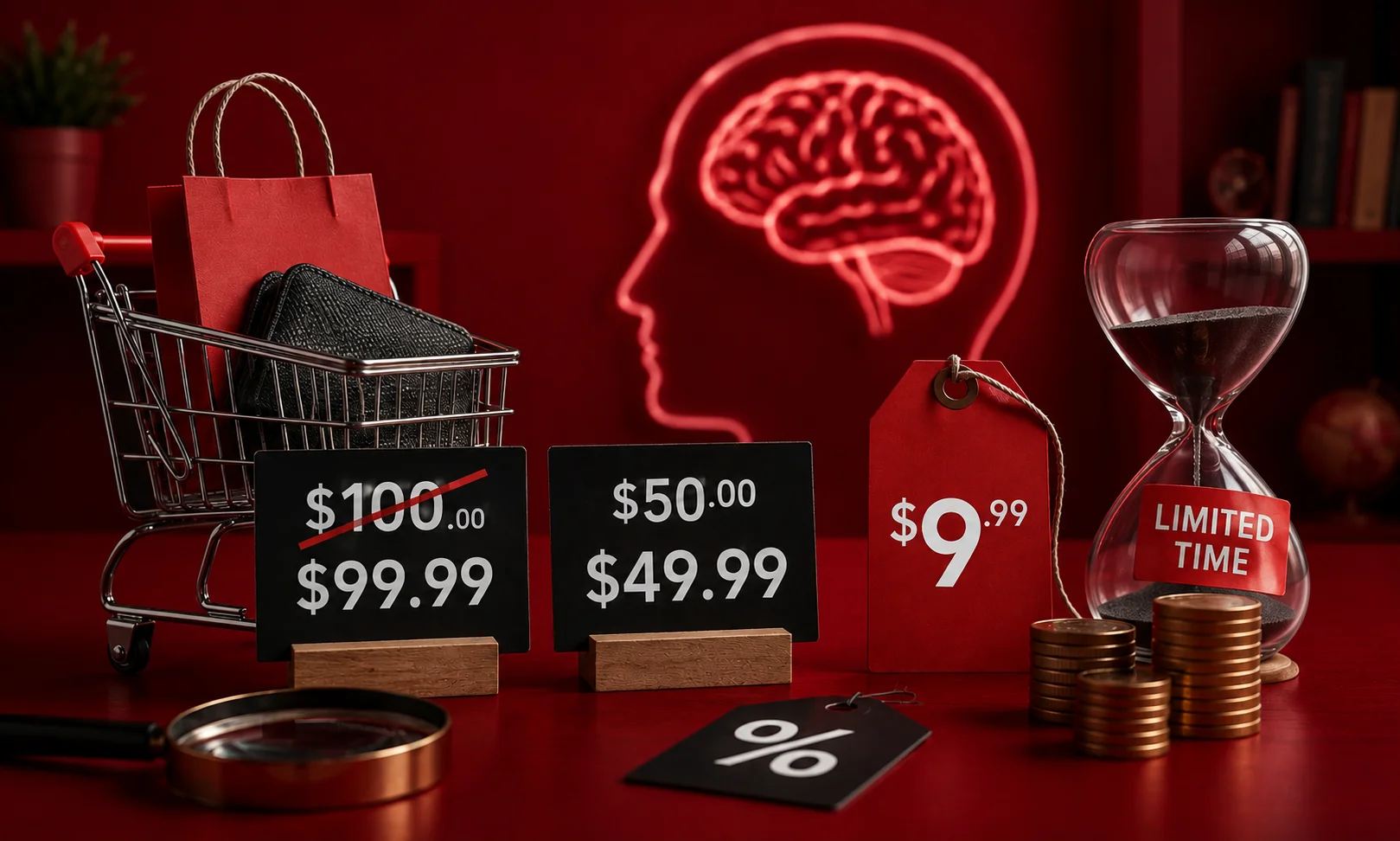
Pricing psychology uses behavioral principles to influence how customers interpret a price. The actual number matters, but so does what appears beside it, how it is presented, and what the customer expects to pay.
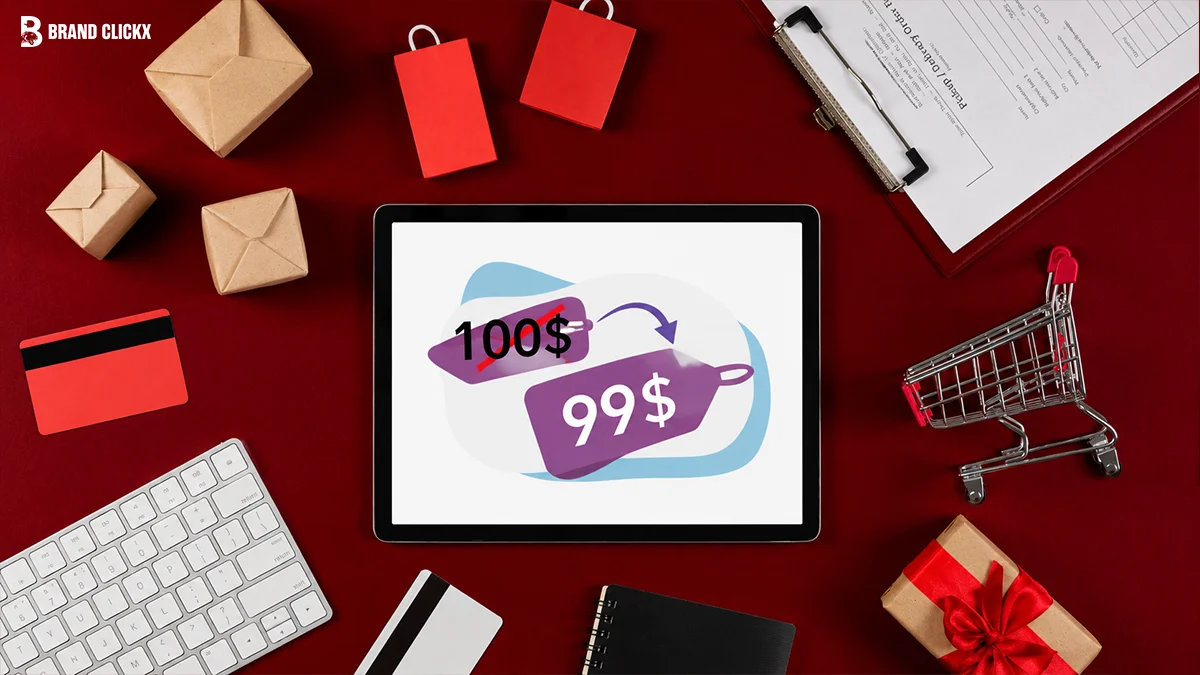
A $79 product can feel expensive or affordable depending on the reference point. Put it next to a $129 product, and the same $79 may suddenly look reasonable. Change $100 to $99, and the difference may feel larger than one dollar.
The reason is simple: people use cognitive shortcuts, also called heuristics, when making buying decisions. Carefully calculating every product, feature, benefit, and competitor price would take too much time.
Prospect Theory and Loss Aversion
Prospect theory, developed by Daniel Kahneman and Amos Tversky, explains why people often react more strongly to losses than equivalent gains. Losing $100 can feel more painful than gaining $100 feels rewarding.
This helps explain why limited offers, discounts, and scarcity messages can work. Missing a deal feels like losing something that was available moments earlier.
The same principle also connects to the pain of paying. A business that makes the cost feel easier to understand or compare may reduce hesitation, but that does not mean it should hide the real price.
The Role of Perceived Value
Pricing psychology does not magically create value.
Instead, it changes how customers interpret the value already attached to an offer. A strong product with poor price presentation may struggle, while a weak product can get an initial sale but rarely keeps customers for long.
That distinction matters. The goal is not to trick people into buying something they do not want. Good pricing helps customers understand the offer and decide whether it is worth the money.
A Short History of Psychological Pricing
Odd pricing has existed long before ecommerce, subscription apps, and digital checkout pages. One popular explanation for early just-below pricing is that merchants wanted cashiers to open the register for change, creating a record of each sale and making theft harder.
Whether that was the single origin is difficult to prove, but odd pricing became common during the late nineteenth and early twentieth centuries. Over time, researchers began studying price endings as a question of consumer behavior rather than simple retail practice.
Research by Schindler and Kirby examined patterns in advertised price endings and found evidence consistent with consumers processing certain prices differently from round numbers. That research helped support later work on left-digit effects and price perception.
Why Pricing Tactics Face More Scrutiny Today
Consumers are far more familiar with pricing tactics than they were decades ago. A countdown timer, crossed-out price, or $9.99 ending is no longer a surprising idea.
That awareness creates a problem for businesses that overuse these tactics. What once looked like a useful nudge can start to look like a deliberate attempt to manipulate the customer.
Regulators have also paid closer attention to misleading reference prices, hidden charges, and pricing practices that make the final amount unclear. The safest direction is straightforward: customers should know what they are paying before they reach checkout.
8 Core Psychological Pricing Strategies
1. Charm Pricing and the Left-Digit Effect
Charm pricing sets a price just below a round number, such as $9.99 instead of $10 or $199 instead of $200. The best-known explanation is the left-digit effect. People tend to read numbers from left to right, and the first digit can carry more weight when they form an initial impression of the price.
A price of $3.99 can feel like it belongs in the three-dollar range. At $4.00, the product moves into a different mental category, even though the real difference is only one cent.
A Famous Charm Pricing Experiment
A well-known experiment involving researchers from the University of Chicago and MIT tested women’s clothing at three prices: $34, $39, and $44.
The surprising result was that the $39 version outsold both alternatives, including the cheaper $34 option. The $39 item sold 21 units compared with 16 at $34 and 17 at $44 in the reported experiment.
The broader lesson is not that every business should automatically add a 9 to its prices. Charm pricing can influence demand, but the effect depends on the product, audience, and buying context.
Where Charm Pricing Works Best
Charm pricing usually fits mass-market retail, ecommerce, consumer goods, and products where buyers are price-sensitive. A $49.99 kitchen appliance or $19.99 accessory looks natural in many categories. Customers already expect those types of price endings.
Premium brands should be more careful. A $5,000 luxury service may look stronger than $4,999 because the round number can signal confidence rather than a bargain.
2. Price Anchoring
Price anchoring works by showing customers a reference number before they evaluate the main offer. A $150 jacket can look very different when placed beside a genuine $250 original price. A $129 software plan may also feel more affordable after customers see a $399 enterprise option.
The underlying cognitive bias is anchoring bias. The first relevant number can influence how people judge the numbers that follow.
How to Use Anchoring Without Misleading Customers
Anchoring works best when the reference price is believable.
A fake regular price may create a short-term conversion lift, but customers often notice when a product is permanently shown as “70% off.” Eventually, the discount stops looking like a deal because the sale price becomes the obvious real price.
A better approach is to use genuine price differences or real product tiers.
For example:
- Starter: $49 per month
- Growth: $129 per month
- Enterprise: $399 per month
The higher plan creates a reference point without inventing a fictional discount.
3. Decoy Pricing
Decoy pricing introduces an option designed to influence the choice between other options. The psychological mechanism is commonly called the asymmetric dominance effect. One option makes another option appear clearly better by comparison.
Imagine a software company offers these plans:
- Starter: $30 per month
- Pro Lite: $55 per month
- Pro: $60 per month
If Pro Lite has fewer features than Pro, the $60 plan can suddenly look like the obvious choice.
How Decoy Pricing Differs From Anchoring
Anchoring changes the customer’s reference point. Decoy pricing changes the comparison between options. The decoy exists because it makes another option look more attractive.
The difference matters because many pricing guides treat these tactics as the same thing. They are related, but they influence decisions in different ways.
When Decoy Pricing Can Fail
A decoy should not look absurd. If customers immediately see that one plan exists only to push them toward another plan, the pricing page can feel manipulative.
The options should still make sense for different customer needs. Otherwise, the business may win a few conversions while damaging trust.
4. Prestige Pricing
Prestige pricing uses a higher price to support a premium or exclusive brand position.
The psychological mechanism involves perceived value and price-quality inference. When customers have limited information, price can become one signal of expected quality.
A $20 bottle of wine and a $120 bottle are not judged only by production costs. Customers may associate the higher price with craftsmanship, exclusivity, quality, service, or status.
Why Round Numbers Often Fit Premium Brands
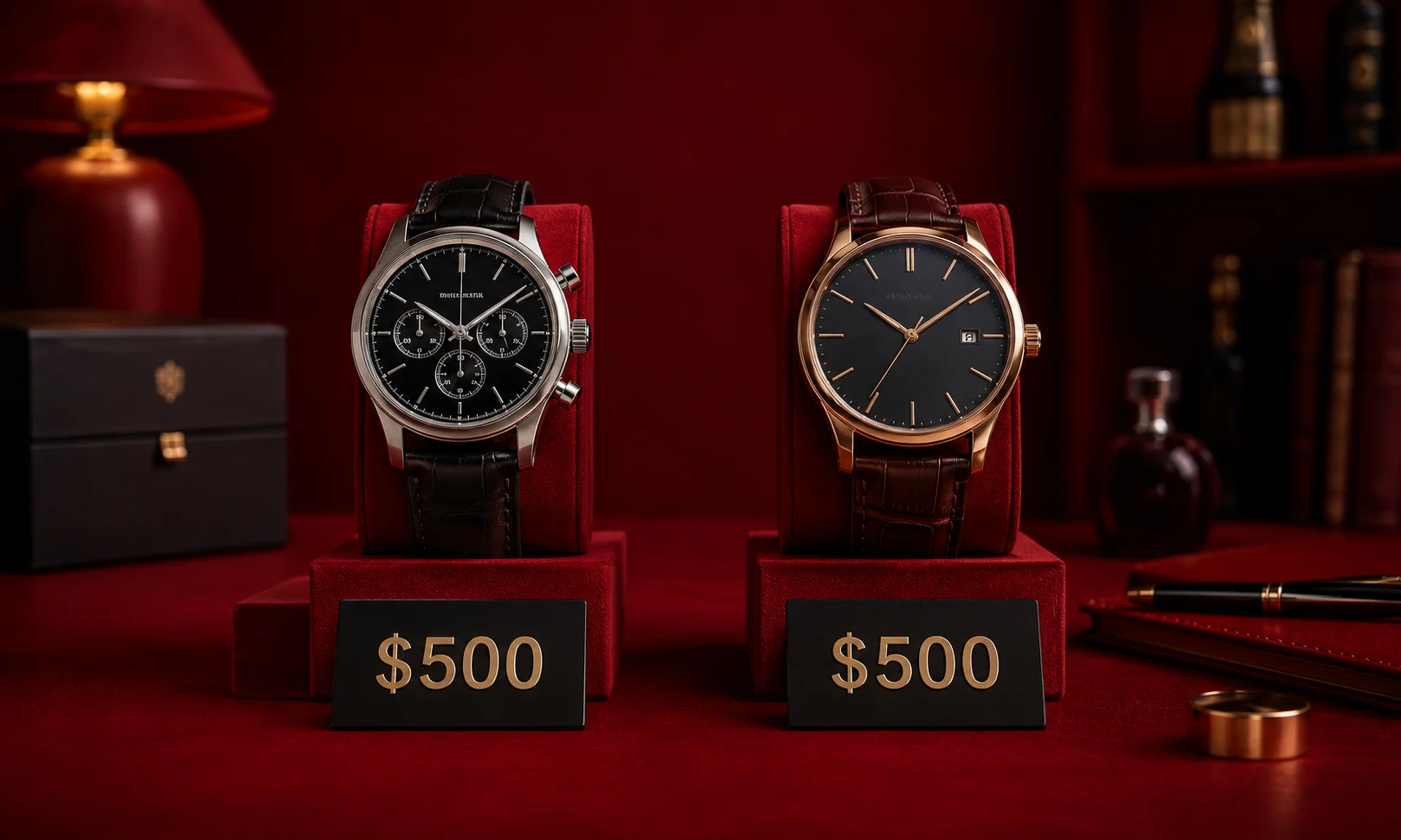
This is where common advice about .99 pricing breaks down. A $7,999 luxury product can look promotional. A clean $8,000 price may better match a high-end brand. The price communicates something before the customer reads the product description.
The Biggest Risk With Prestige Pricing
A premium price cannot survive without premium proof. Poor reviews, weak customer service, generic branding, or an average product can quickly expose an inflated price. Prestige pricing works when the entire experience supports the number.
5. Bundle Pricing
Bundle pricing combines several products or services into one offer. The psychological effect comes partly from mental accounting. Instead of evaluating several separate prices, the customer sees one package and one buying decision.
Consider a skincare offer:
- Cleanser: $24
- Serum: $48
- Moisturizer: $32
- Complete bundle: $89
The customer can compare the bundle price with the combined individual value.
Why Bundles Can Reduce Price Resistance
Buying one package can feel easier than buying several separate items. The customer also spends less time calculating individual costs. That can reduce the pain of paying and make the overall purchase feel simpler.
Bundles work best when the products naturally belong together.
A Common Bundle Pricing Mistake
Businesses sometimes throw unrelated products together and call the result a value bundle. That usually creates confusion instead of value. A laptop, mouse, and protective case make sense together. A laptop, coffee mug, and unrelated online course probably do not.
6. Tiered Pricing and the Compromise Effect
Tiered pricing gives customers several versions of an offer at different price points.
The main psychological mechanism is the compromise effect, sometimes called the center-stage effect. When people see a low-priced option, a high-priced option, and a middle option, many feel comfortable choosing the middle.
The middle plan feels like a reasonable balance between cost and benefits.
A Simple Tiered Pricing Example
Imagine a software company offers:
- Basic: $29
- Professional: $79
- Advanced: $199
The Professional plan may attract buyers who do not want the limitations of Basic but also do not want to commit to Advanced. The customer is no longer asking only, “Should I buy?”
Instead, the question becomes, “Which version fits me?”
How to Build Better Pricing Tiers
Each tier needs a real reason to exist. Usage limits, support levels, features, storage, and access can all justify different prices. The differences should be clear enough that customers can understand them quickly.
Do not create confusion just to force people toward the middle option.
7. Scarcity and Urgency
Scarcity and urgency encourage customers to act before an opportunity disappears.
Common examples include:
- Only 3 seats remaining
- Offer ends Friday
- Early-bird pricing expires tonight
The main psychological drivers are loss aversion and FOMO. Missing a deal can feel worse than gaining the same deal feels good.
Real Scarcity Works Better Than Fake Scarcity
A conference has a limited number of seats. A hotel room can genuinely be booked by another customer. An early-bird deadline can be a real business decision.
These situations are different from a countdown timer that resets every time someone refreshes the page.
What Happens When Urgency Is Overused
Customers notice patterns. Research by Anderson and Simester found that sale signs became less effective when they appeared on more products, partly because widespread use weakened their credibility.
Urgency only works when customers believe it. That sounds simple, but plenty of businesses still run permanent “ending soon” promotions.
8. Subscription and Freemium Pricing
Subscription and freemium pricing change how customers experience the cost of an offer. A $600 annual product can feel like a large commitment. The same offer presented as $50 per month can make the initial decision easier.
Freemium pricing removes the upfront payment entirely, allowing customers to try the product before paying.
The Psychology Behind Freemium Models
Freemium pricing can benefit from reduced friction and the endowment effect. Once customers begin using a product and building it into their routine, they may place greater value on keeping access.
That can make an upgrade decision easier than asking someone to pay before they have experienced the product.
The Problem With Measuring Only Signups
More signups do not automatically mean better pricing. A low monthly price can increase customer acquisition while creating higher churn. A freemium plan can also attract thousands of users who never become paying customers.
For subscription businesses, retention, upgrades, cancellations, and customer lifetime value matter just as much as initial conversion.
Which Strategy Fits Your Business?
The right strategy depends on what the business sells, how customers make decisions, and what the brand is trying to communicate.
There is no universal pricing trick that works everywhere. A tactic that performs well for a discount retailer can damage a luxury service brand.
Ecommerce and DTC Businesses
Charm pricing, bundles, anchoring, and genuine promotions often fit naturally. A $49.99 product can feel normal in consumer ecommerce, especially when buyers are comparing several similar products.
The caution is simple: do not cover every product page with timers, crossed-out prices, popups, and “limited stock” warnings. Eventually, the store starts to look like a permanent clearance sale.
SaaS and Subscription Businesses
Tiered pricing, anchoring, and freemium structures often make more sense than simply changing $100 to $99. SaaS buyers usually compare features, usage limits, integrations, and expected return. Clear pricing can matter more than a clever price ending.
B2B and subscription customers also think about recurring costs, so value-based pricing deserves serious attention.
B2B and Enterprise Sales
Anchoring can work during proposals and negotiations, but value-based pricing is often more important. If a product saves a company $500,000 per year, the difference between $99,999 and $100,000 will rarely influence the decision.
Enterprise buyers often care more about ROI, implementation risk, procurement requirements, and long-term value.
Luxury Products and Professional Services
Prestige pricing and selective anchoring are usually better fits. Rounded prices can signal confidence, while strong proof of expertise and quality does the heavier work.
Avoid constant discounts. A luxury business that is always running a 40% sale eventually teaches customers to wait for the next promotion.
The Pros and Cons of Psychological Pricing
Psychological pricing can improve results because customers rarely evaluate prices in a completely mathematical way. But every tactic comes with trade-offs.
The Advantages
It can improve conversion. Better price presentation can make an offer easier to compare and understand.
It can improve perceived value. Anchors, bundles, and tiers can help customers see what they are receiving.
It can support positioning. Prestige pricing can reinforce a premium brand rather than simply increasing the number on the price tag.
The Risks
It can damage trust. Fake discounts and manufactured urgency are easy to overuse.
It can clash with the brand. A luxury company using aggressive charm pricing may weaken its own premium image.
It can create short-term gains and long-term losses. A tactic that raises conversion but increases churn, returns, or complaints is not a successful pricing strategy.
When Psychological Pricing Backfires
Psychological pricing backfires when customers notice the tactic more than the value behind the offer. That is the real dividing line.
The Tactic Looks Too Obvious
Imagine a store showing a product as “normally $299” and “now $149” every day of the year. Customers eventually stop believing the $299 price. The sale price becomes the real price in their minds.
Research on sale signs also suggests that excessive promotional messaging can lose credibility when customers see it everywhere.
The Price Does Not Match the Brand
A high-end architecture firm charging $4,997 may accidentally make its service look like a digital course. A clean $5,000 price or a custom proposal may better match the buying experience. The same pricing tactic can communicate completely different things in different industries.
Customers Believe the Price Is Unfair
Pricing fairness matters more than many businesses realize. A company can have a mathematically logical pricing model and still face customer backlash if people believe they are being treated unfairly.
Before testing a price difference, ask how customers would react if they compared what they paid with someone else.
Regulatory and Transparency Problems
Some pricing practices attract regulatory attention when reference prices are misleading or the final amount is difficult to understand.
Hidden fees create the same problem. So do discounts based on prices that were never genuinely charged. If a pricing strategy depends on customer confusion, it is already a bad strategy.
How to Test a Pricing Psychology Tactic Before You Commit
Do not change your entire pricing structure because a competitor uses .99 endings or a blog claims that anchoring increases conversions. Test the idea properly.
Start With One Clear Hypothesis
For example:
“Changing the annual plan from $600 to $599 will increase completed purchases without reducing customer value.” That gives the test a clear purpose and prevents vague conclusions later.
Change One Major Variable at a Time
Do not change the price, headline, product image, discount, and checkout flow all at once. If conversion changes, you will not know what caused it. Pricing tests need cleaner comparisons than ordinary website experiments.
Measure More Than Conversion Rate
Track the results that actually affect the business:
- Revenue per visitor
- Gross margin
- Refunds or returns
- Upgrade rate
- Customer churn
- Customer lifetime value
- Support complaints
A lower price can increase conversions while reducing profit. More sales do not always mean a better business result.
Run the Test Long Enough
Do not declare a winner after a few hours or ten purchases. The amount of data needed depends on your traffic and the size of the difference you expect to see.
If traffic is limited, test meaningful price differences instead of obsessing over tiny changes that the business cannot reliably measure.
Be Careful With Existing Customers
Testing prices on existing customers can create fairness problems. Customers talk. Screenshots travel quickly. Two people discovering that they paid very different prices for the same offer can create more damage than the experiment is worth.
Where possible, test new-customer offers and make sure the pricing logic can be defended publicly.
Is Psychological Pricing Ethical?
Psychological pricing is not automatically ethical or unethical. The difference depends on whether the tactic helps customers understand a genuine offer or pushes them toward a decision through confusion.
Transparent bundles, clear pricing tiers, and legitimate early-bird offers can be fair. Fake scarcity, fictional discounts, hidden charges, and misleading countdown timers are different.
A Simple Ethical Test
Ask one question:
Would the business feel comfortable explaining the pricing tactic openly to a customer? If the answer is no, the strategy probably needs to be reconsidered. Good pricing influences decisions without hiding what the customer is actually buying or paying.
Frequently Asked Questions
What are the 5 C’s of pricing?
The 5 C’s of pricing are commonly described as cost, customers, competitors, company objectives, and channel or market conditions. Businesses use these factors to set prices that cover costs while matching customer demand and market realities.
Does the .99 trick actually work?
Yes, it can work. Prices ending in .99 may feel cheaper because buyers tend to focus on the left digit first. However, the effect depends on the product, audience, and brand position.
Why is it $4.99 and not $5?
$4.99 uses charm pricing and the left-digit effect. Many customers mentally place $4.99 in the four-dollar range rather than treating it exactly the same as $5.
What is charm pricing?
Charm pricing is a psychological pricing tactic that sets prices just below a round number, such as $9.99 instead of $10. It is designed to make the price feel lower than the nearest whole number.
Can you give me an example of psychological pricing?
A simple example is selling a product for $49.99 instead of $50. Another example is showing a $200 product next to a $400 premium option, making the $200 option appear more affordable.
What is the most effective pricing strategy?
There is no single pricing strategy that works best for every business. The most effective approach depends on the product, target customer, competition, costs, and perceived value. For many businesses, value-based pricing combined with testing works better than relying on psychological tactics alone.