

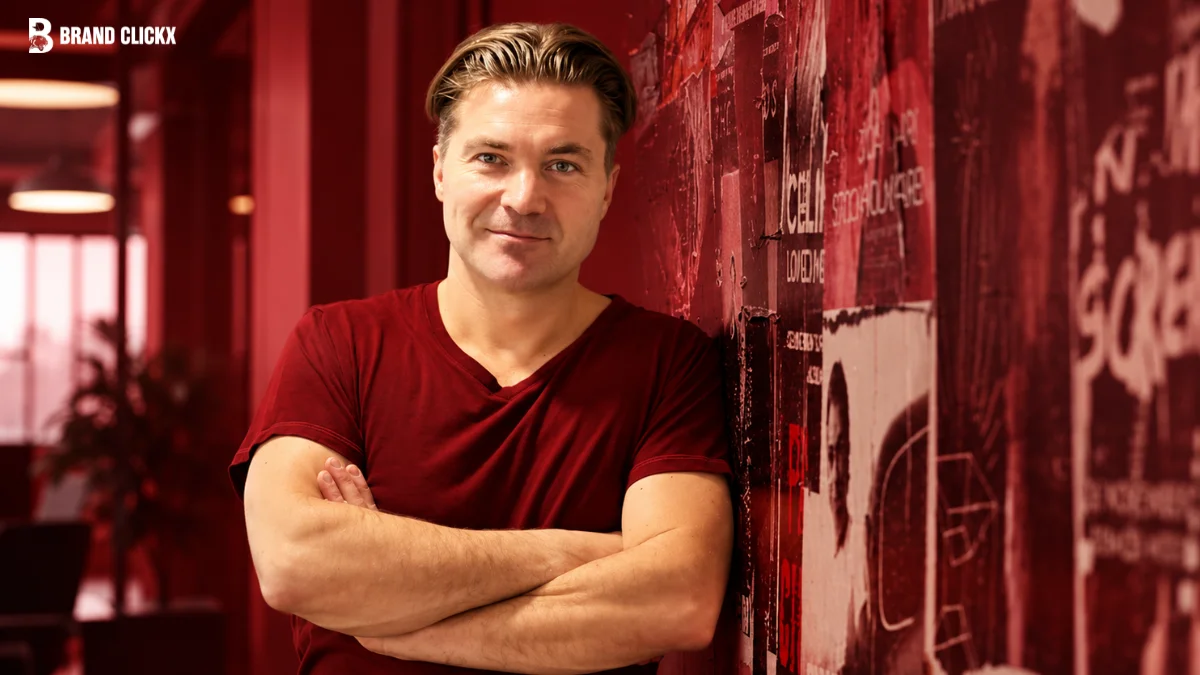
Spotify co-founder Martin Lorentzon has warned that he will leave Sweden right away if the country brings back a wealth tax. Lorentzon is worth around 110 billion Swedish kronor ($11.7 billion), according to Bloomberg. His warning comes as left-wing opposition parties call for new taxes on the ultra-rich ahead of Sweden’s general election.
This dispute has quickly become a major issue in the election campaign. Opinion polls show the left-of-center opposition bloc leading the current center-right government. Social Democrat leader Magdalena Andersson has ruled out bringing back the old wealth, inheritance, or gift taxes.
However, smaller allied parties mainly the Left Party and the Green Party are actively demanding taxes on billionaires and top wealth holders. Lorentzon explained his stance in an email to Bloomberg and an article in the newspaper Expressen. He warned that taxing company shares will hurt Sweden’s startup culture and push business builders out of the country.
Lorentzon’s Position and Critique of Net Wealth Levies
Lorentzon made his intentions clear when Bloomberg asked if a new wealth tax would cause him to move abroad. “Yes, absolutely,” Lorentzon wrote in an email. “I would prefer to stay, but such a tax will mean that I must leave immediately”. He described the proposed tax as “directly counterproductive”. He added that forcing business founders to sell company shares just to pay tax bills helps no one.
In an opinion piece for Expressen, Lorentzon explained why he strongly opposes an annual net wealth tax (förmögenhetsskatt). He emphasized that he is happy to pay taxes. He openly supports progressive taxes on actual earnings, such as business profits, dividends, and realized capital gains. But he rejects taxes on wealth that exists only on paper.
Lorentzon explained that a founder’s fortune is rarely sitting as cash in a bank account. Instead, it mostly consists of shares in an operating company. If the government taxes that paper value every year, founders must sell off parts of their companies to pay their tax bills. Lorentzon argued that this dilutes founder control and forces Swedish companies into foreign ownership.
He also addressed the public debate about extreme wealth. In Expressen, he wrote that no single person truly needs a billion kronor. Even so, he argued that personal need is the wrong basis for good economic policy. Wealth taxes assume that the economy is a fixed pie where one person’s success must hurt someone else.
Lorentzon argued that real growth happens when innovators invent products that make society better. He warned that capping wealth through asset taxes will lead to fewer startups, less funding for green technology, and less tax money to support Swedish public services.
The Electoral Dynamic and Tax Policy Proposals
The tax debate comes at a tense time before Sweden’s national election. Sweden ended its inheritance and gift taxes in 2004 and scrapped its wealth tax in 2007 to stop capital from leaving the country. While regular workers in Sweden pay high income taxes, taxes on capital gains and investment accounts have stayed relatively low and competitive.
The Left Party, led by Nooshi Dadgostar, has made a “billionaire tax” a core part of its campaign. Dadgostar stated that taxing Sweden’s richest people could raise 50 billion Swedish kronor each year. The party wants to spend this money on public healthcare, schools, and unemployment benefits. Because wealthy citizens might leave to avoid the tax, the Left Party also wants an “exit tax” on anyone moving assets abroad. At the same time, the Green Party has proposed higher taxes targeting the richest one percent of earners.
The table below summarizes where the main political groups and business leaders stand on these tax proposals:
| Political Group / Stakeholder | Core Tax Proposals | Stated Strategic Objectives | Primary Criticisms & Systemic Risks |
| Left Party (Vänsterpartiet) | Billionaire wealth tax and an exit tax on money moving abroad. | Raise ~50 billion SEK yearly for public welfare; reduce the wealth gap. | Could cause wealthy citizens to leave quickly; forces asset sales in startup companies. |
| Green Party (Miljöpartiet) | Wealth tax on the richest 1%; higher taxes on high-value homes and capital. | Shift taxes from regular jobs to capital; fund green energy programs. | May discourage startup investing; risks driving tech talent and founders abroad. |
| Social Democrats (Socialdemokraterna) | Clear rejection of bringing back old wealth, gift, and inheritance taxes. | Keep capital stable while maintaining center-left credibility. | Business leaders fear the party may compromise with left-wing allies after the vote. |
| Center-Right Government (Moderaterna-led) | Protection of flat capital rules; lower taxes on businesses and workers. | Protect national competitiveness, attract foreign investment, and speed up AI progress. | Left-wing critics claim these policies widen wealth gaps and cut money for public care. |
| Industrial Leadership & Lorentzon | Progressive taxes on realized capital gains, dividends, and corporate profits. | Keep Swedish companies locally owned, protect founder leadership, and grow the economy. | Critics argue that paper fortunes grow tax-free when rich owners borrow against their stock. |
Organized Business Resistance and the Political Crossfire
Lorentzon is not the only business figure opposing the proposed taxes. He recently joined seven other top corporate executives to write an article in the newspaper Dagens Nyheter (DN Debatt). The signatories included leaders from major Swedish firms, such as Christian Cederholm of Investor AB, Martin Lundstedt of Volvo Group, and industrialist Fredrik Lundberg.
The group warned that taxing private savings, investments, and family business transfers would damage Sweden’s ability to compete globally. They wrote that national prosperity cannot be taken for granted and that businesses need steady rules to keep investing in Sweden.
Left-leaning politicians criticized the business leaders’ article. Center Party leader Elisabeth Thand Ringqvist claimed the executives were trying to help the right-wing parties win the election. Lorentzon replied on social media, telling politicians not to dismiss startup founders and business builders who want a strong economy.
Ministers from the governing Moderate Party also backed the business leaders. Moderate politician Jessica Rosencrantz warned that a “tax shock” from the left would cause Sweden to fall behind in critical technology races, especially artificial intelligence (AI).
Historical Precedents and the Norwegian Spillover
The debate highlights two major examples from history and modern policy: Sweden in the late twentieth century and Norway today.
During the 1970s and 1980s, Sweden had very high income taxes along with a heavy wealth tax. Because of those rules, several famous Swedish business founders left the country. IKEA founder Ingvar Kamprad and Tetra Pak founders Ruben and Gad Rausing moved their homes and assets abroad so heavy taxes would not break up their businesses. The resulting loss of capital led Sweden to drop its wealth and inheritance taxes in the 1990s and 2000s so that founders would remain.
A similar situation is taking place in Norway. After a left-leaning government took power in 2021, Norway raised its wealth tax and made rules for moving money abroad much stricter. As a result, dozens of wealthy Norwegian founders and investors moved their legal residences to Switzerland or Stockholm.
Stockholm legal and financial advisers report that Swedish business owners are already preparing for similar changes. Mattias Schömer, a tax lawyer at the firm Vinge, and Klas Tikkanen, an executive at Nordic Capital, noted that wealthy clients are setting up foreign structures and updating their wills. Tikkanen warned that if an exit tax is announced, many entrepreneurs could leave Sweden immediately.
Structural Stakes for the Swedish Technology Sector
This tax debate is critical for Sweden because Stockholm is one of Europe’s top tech hubs. The city produces more billion-dollar tech startups per person than almost any other European capital, including Spotify, Klarna, King, and Mojang. However, tech companies and their founders can relocate easily.
Spotify has pushed back against Swedish rules before. In 2016, Lorentzon and co-founder Daniel Ek wrote an open letter warning that Spotify might move future growth to New York. They noted that Stockholm lacked affordable housing and taxed worker stock options at up to 70 percent, compared to 15 to 20 percent in the United States.
While the 2016 dispute was about hiring talent, Lorentzon’s latest warning is about company ownership. Tech founders often hold voting control through special share setups. Lorentzon owns 12 percent of Spotify’s stock but controls 43 percent of its voting power. Under an annual wealth tax on stock values, market swings could create huge tax bills. To pay them, founders would have to sell shares and lose control, or move out of the country.
Frequently Asked Questions
Why does Martin Lorentzon say he will leave Sweden?
Lorentzon says an annual wealth tax would force company founders to sell parts of their businesses every year just to pay tax bills. Because founder wealth is mostly locked up in company shares rather than cash in a bank, he argues that taxing paper value hurts business growth and forces Swedish firms into foreign hands.
Does Martin Lorentzon oppose all forms of taxation?
No. Lorentzon has stated clearly that he is happy to pay taxes and supports progressive tax systems. He supports taxing realized profits, capital gains, and dividends when money is actually earned. He only opposes an annual tax on unsold, paper wealth.
Which Swedish political parties are calling for a wealth tax?
The Left Party (Vänsterpartiet) is campaigning for a direct “billionaire tax” to raise an estimated 50 billion Swedish kronor for social services. The Green Party (Miljöpartiet) is also calling for higher taxes on the richest one percent. However, the leader of the Social Democrats, Magdalena Andersson, has ruled out bringing back the old wealth tax.
What happened when Norway recently raised its wealth tax?
After Norway increased its wealth tax and tightened exit rules in 2021, dozens of the country’s wealthiest business founders and investors moved abroad. Many relocated to low-tax countries like Switzerland, and some moved to Stockholm, taking their investments and taxable income with them.
What is an exit tax, and why are Swedish entrepreneurs concerned about it?
An exit tax charges people on the unrealized value of their assets if they decide to leave the country. Left-wing politicians want an exit tax to stop capital flight. However, business leaders and tax experts warn that announcing an exit tax could trigger an immediate rush of founders leaving Sweden before the law takes effect.