

A new CEO can walk into what looks like a perfectly fine company on the surface and already be running out of time underneath it. Sales slipping. Cash getting tight. Employees quietly losing faith. Customers starting to drift toward someone else. There’s no long runway here, no slow learning curve you get to ease into.
That’s the whole reason the first 90 days carry so much weight. Nobody expects you to fix everything at once; that’s not even possible. What actually matters is figuring out what’s genuinely broken, stopping the bleeding before it gets worse, making the handful of calls that really can’t wait, and giving people something clear to hold onto.
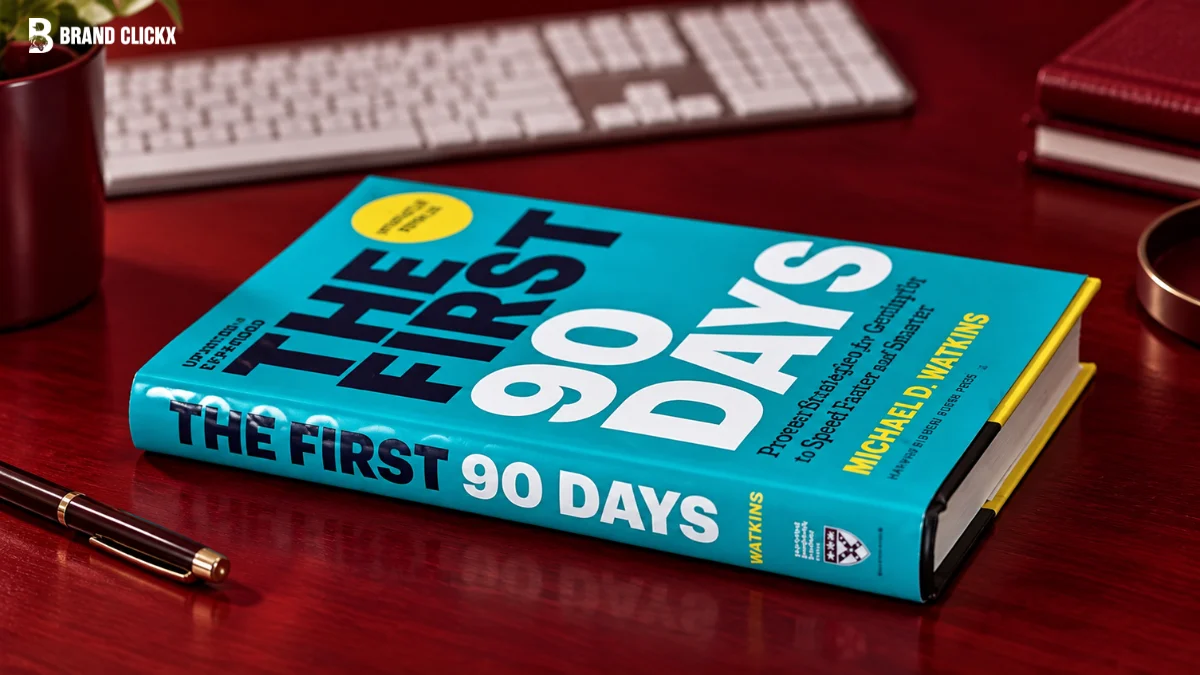
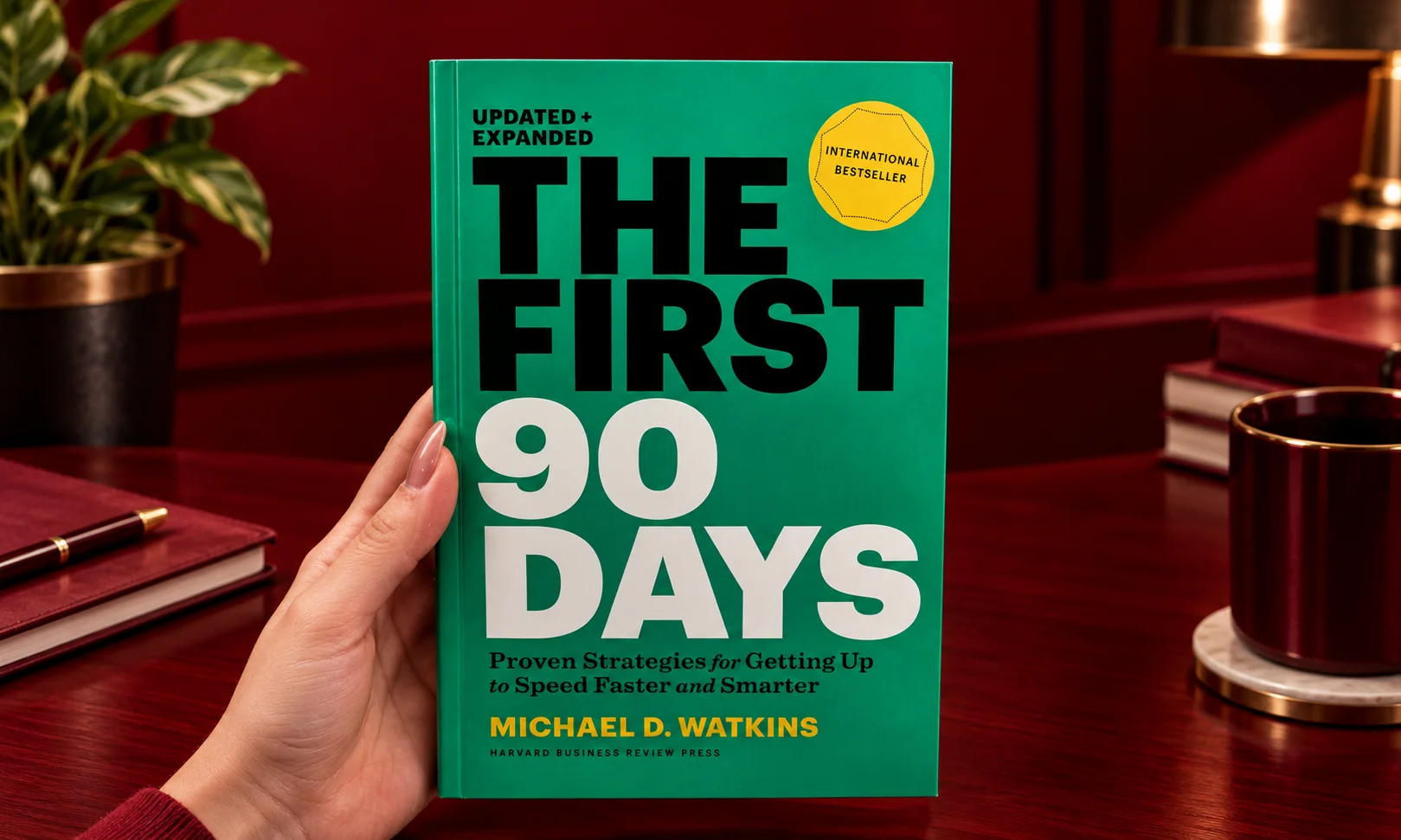
Michael Watkins laid a lot of this groundwork years ago with his First 90 Days framework, and newer research on CEOs walking into turnarounds backs it up further — cutting complexity early tends to genuinely improve the odds things turn around.
For anyone stepping into a struggling company, it really comes down to three things, in order: stabilize first, actually understand the business, then start building the way forward.
What Makes the First 90 Days Different in a Turnaround?
A typical CEO transition gives leaders time to sit back, observe, build relationships, and roll out changes gradually. A turnaround doesn’t give you that luxury.
Every week that passes, problems tend to get more expensive. Cash can disappear fast, key employees may walk out the door, suppliers can lose confidence, and customers can start drifting toward competitors. Research on new CEOs in corporate turnaround situations has found that crisis leaders are often forced to make high-stakes decisions before they’ve even fully understood the company they’re running.
That creates a genuinely tough balancing act. A CEO can’t afford to sit back and wait six months to act — but acting without enough information can just as easily make things worse.
The way through it is separating what’s urgent from what’s important long-term. Protect the company right away, while building enough visibility to make smarter strategic calls down the line.
Key Takeaways
- Start with facts, not assumptions that’s the whole foundation of the first 90 days.
- Cash flow and staying financially stable need attention right away in any turnaround, no delays.
- Actually listen to employees, customers, suppliers, the people who really know what’s going on.
- Sometimes simplifying the business does more good than piling on new complexity ever could.
- Don’t sit on critical talent decisions without a genuinely good reason to wait.
- Three or four clear priorities will always beat a long, scattered list nobody can execute.
- Quick wins need to solve something that actually matters, not just look good in a report.
- By day 90, the company should have real clarity, real accountability, and a recovery plan grounded in reality.
Days 1–30: Find the Truth Before You Try to Fix the Business

The first month should be almost entirely about getting an honest, clear picture of where things actually stand.
Don’t rely only on the polished presentations someone’s prepared for you as the new CEO. Go talk directly to customers, employees, managers, suppliers, investors, and board members. Ask simple, direct questions, and pay attention to whatever answer keeps coming up again and again.
Start With Cash
In a turnaround, cash needs your attention immediately — before almost anything else.
Go through the cash balances, upcoming payments, debt obligations, payroll, receivables, inventory, and any major supplier commitments. Put together a short-term cash forecast so the leadership team knows exactly where the pressure is actually coming from.
Revenue can look perfectly healthy on paper while cash is quietly draining away in the background. A CEO needs a clear read on both, not just one.
Listen Before You Announce Big Changes
Employees usually know where the real problems are long before those problems ever show up in a board report.
Meet with people across every level of the company, not just senior leadership. Ask what’s actually working, what’s slowing them down day to day, which customers are unhappy, and which decisions seem to take forever to get made.
This isn’t just a box-checking listening tour. It’s genuinely how you uncover how the company really operates underneath the surface.
McKinsey’s research on CEO transitions also stresses how important it is to understand an organization’s context, culture, people, and operating model before making any big moves.
Identify the Biggest Problems
By the time the first 30 days wrap up, the CEO should be able to answer a few basic but important questions:
- Where is the company actually losing money?
- What’s putting cash at real risk?
- Which customers matter most?
- Which products or services actually turn a profit?
- Where has the organization gotten too complicated?
- Which leaders are actually helping the turnaround, and which aren’t?
- Which problems simply cannot wait?
The point here isn’t to produce a 100-page strategy document nobody will read. The point is knowing exactly what deserves your attention first.
Days 31–60: Stabilize and Make the Hard Calls
Once the picture’s clearer, the CEO can shift from diagnosis into actual action.
This is usually where the genuinely difficult decisions start.
Simplify the Business
Turnaround leaders often feel pressure to launch new products, break into new markets, acquire a competitor, or chase some fresh revenue opportunity. It’s tempting, sure — but piling more complexity onto an already-struggling business tends to create even more problems, not fewer.
Recent academic research found that early retrenchment — cutting down organizational and business complexity early on — was linked to better turnaround outcomes, while expansion-focused moves didn’t show that same benefit.
That doesn’t mean every struggling company should just shrink across the board. It means the CEO should carefully question anything that adds more complexity before the core business is actually stable again.
Sometimes the smartest move a leader can make is simply to stop doing certain things.
Make the Talent Decisions
A turnaround can’t succeed if the wrong people are sitting in critical positions.
The CEO needs to identify which leaders can actually handle pressure, make real decisions, communicate clearly, and execute consistently. Some employees might just need more coaching and support. Others might be better suited to a different role entirely. And in some cases, difficult exits are simply going to be necessary.
McKinsey’s research has found that one of the most common regrets among CEOs is moving too slowly on talent decisions — waiting far longer than they should have.
The key here is making these calls based on actual performance and business needs, not personal preference or loyalty.
Create a Short List of Priorities
A turnaround needs sharp focus — not some sprawling fifteen-item to-do list nobody can actually track. Instead of loading employees down with a dozen-plus priorities, cut it to three or four that genuinely move the needle. That might be protecting cash, improving customer retention, fixing whatever operational bottleneck’s causing the most damage, and clawing back to profitability.
And everyone in the company needs to actually know what success looks like for each one and who’s on the hook for getting it done.
Days 61–90: Build Momentum

By the third month, the CEO should be moving past emergency mode and into something more repeatable a rhythm the business can actually sustain going forward.
The company needs more than a string of good individual decisions. It needs an actual way of working that keeps progress moving once the initial energy of “the new CEO is here” starts to fade.
Show Early Wins
An early win might be something as simple as cutting a cost that never should’ve been there in the first place, winning back a customer who mattered, clearing out a bottleneck that’s been dragging on everyone, tightening up collections, or finally shutting down a product line that’s been quietly bleeding money for years.
And the best ones aren’t just for show. They solve something real, and that’s what actually gives employees confidence — not the announcement itself, but the fact that something genuinely improved.
Give People a Clear Direction
Employees shouldn’t be sitting there guessing where the company’s actually headed. That’s leadership’s job to spell out.
Lay out what’s been discovered, what’s changing, what’s staying put, and what needs to happen from here. Be upfront about the hard parts too — just don’t tip it into fear nobody needs to be carrying around.
Good communication in a turnaround was never about making things sound better than they are. It’s about taking something genuinely difficult and making it understandable for the people actually living through it every day.
Set Up an Operating Rhythm
The CEO needs regular meetings and reporting, but built tightly around the handful of numbers that actually matter — not everything under the sun.
A weekly turnaround meeting, say, might just cover cash position, sales, where customers are being lost, operational issues, and progress on whatever major initiatives are already underway.
That’s what creates real accountability — without every meeting turning into a chaotic attempt to cover absolutely everything at once.
The CEO’s Biggest Mistake: Trying to Fix Everything
A struggling company can throw hundreds of problems at you all at once. The CEO might spot outdated technology, weak marketing, clunky processes, unhappy employees, declining sales, high costs, and gaps in leadership — all at the same time. The instinct is to attack every single one of them right away.
That usually just creates noise, not real progress. The better question to ask is: which problem, if solved first, makes several of the other problems easier to solve too?
That one question alone is usually enough to point leaders toward the moves that actually matter most — the ones with real leverage.
The first 90 days should build focus, not run people into the ground. McKinsey’s also flagged this — new CEOs need genuine discipline over where their time and attention go, because it doesn’t take long for a CEO to become a bottleneck once every decision starts getting kicked upstairs to them.
What a Successful First 90 Days Should Actually Produce
By the end of 90 days, the company doesn’t need to be fully transformed — that’s not a realistic bar.
What it should have, though, is a much clearer picture of its financial position, its strongest and weakest areas, its most critical people, its biggest risks, and its most promising opportunities.
The CEO should also have a leadership team that’s genuinely capable of executing the plan going forward.
And most importantly, employees should actually understand what the company’s trying to accomplish and what role they personally play in the recovery.
So really, the first 90 days aren’t about crafting some perfect strategy. They’re about building clarity, stability, and real momentum.
Why Experience and Evidence Actually Matter Here
Turnaround leadership isn’t the kind of topic where vague, feel-good motivational advice gets the job done. Real people’s livelihoods are on the line here — employees, customers, investors, suppliers, and honestly, the future of the whole company. There’s no room for fluff.
So content on this subject actually needs to be backed by something — credible leadership research, real hands-on business experience, evidence laid out clearly instead of just stated as fact. Even Google’s own guidance leans this way, pushing for content written for actual people, original thinking, sources you can trust, and writing that genuinely shows real expertise and lived experience behind it.
For CEOs, that same idea plays out on the ground: listen to the people who actually know the business inside out, check your assumptions against real numbers instead of gut feeling, and don’t make a big call just because it sounds bold or impressive sitting in a boardroom.
At BrandClickX, the goal isn’t to make a turnaround sound like some dramatic movie moment. It’s to explain, plainly, what leaders can actually do when the pressure’s real and the stakes genuinely matter.
FAQs
What should a CEO actually be doing in those first 90 days?
First things first get a real handle on where the company actually stands. Financials, customers, people, operations, the biggest risks lurking around. In a turnaround situation specifically, things shift pretty quickly toward stabilizing what’s shaky, cutting out unnecessary complexity, making the tough calls on talent, and narrowing everything down to just a few things that actually move the needle.
Why does this early period matter so much when a company’s in trouble?
Because it sets the tone for everything that follows. A new CEO’s stuck walking a tightrope here learn too slowly and you waste time you don’t have, act too fast without understanding anything and you risk making a bad situation worse. Every week you sit on the sidelines, the financial and operational problems tend to compound.
Should a new CEO just start making big changes on day one?
Not really, no — and definitely not everything at once. Urgent stuff, sure, deal with that fast. But the bigger strategic bets need real information behind them first. Honestly the hardest part isn’t making decisions — it’s figuring out which ones can wait and which ones absolutely can’t.
What’s the mistake that trips up most CEOs during this window?
Trying to fix literally everything at the same time. It sounds ambitious but it just spreads leadership too thin, and nothing actually gets done well. Turnarounds tend to go a lot better when there’s a tight focus on a handful of critical issues instead of a giant wish list.
How does a CEO actually earn trust while a company’s falling apart?
Mostly through being straight with people, taking visible action, staying consistent, and actually listening instead of just performing it. People get behind hard changes a lot more easily when they understand the reasoning — and when they see leadership holding itself to the same bar it’s setting for everyone else.
And what does “success” even look like once the 90 days are up?
It doesn’t mean the company’s magically fixed — that’s just not realistic in three months, nobody should expect that. What it does mean is the CEO’s got real clarity on the business now, the worst risks have been stabilized, the leadership team’s stronger, priorities have actually been narrowed down, and there’s measurable momentum building toward genuine recovery.