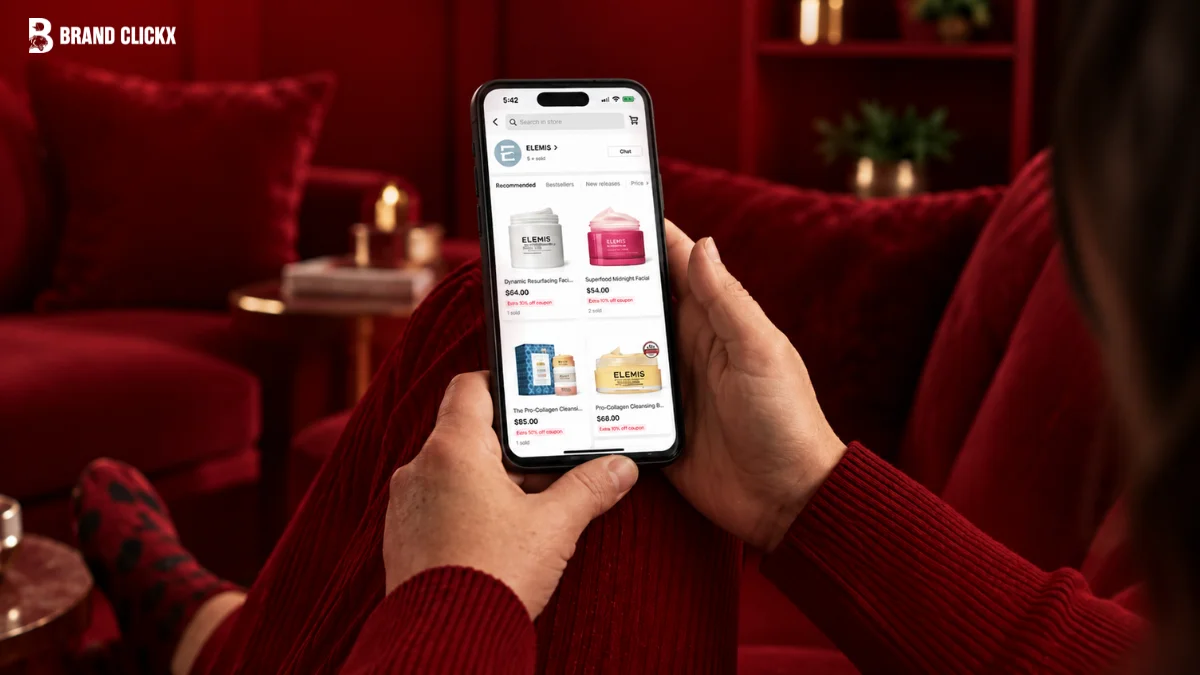
TikTok Shop has grown from an experimental “buy button” into one of the fastest-growing ecommerce channels in the world. It combines short-form video, livestream shopping, and a built-in marketplace so people can go from watching a video to checking out without ever leaving the app. This guide gives a clear explanation of TikTok Shop, how it works for buyers, sellers, and creators, and what to know before getting started.
What Is TikTok Shop?
TikTok Shop is TikTok’s native ecommerce platform. It lets brands, sellers and creators list products directly inside the app and sell them through in-feed videos, livestreams and a specific shopping tab without sending shoppers to an outside website. Instead of TikTok simply hosting ads that link out to a retailer, the entire purchase browsing, checkout, and payment happens inside TikTok itself.
It launched first in Southeast Asian markets and has since expanded to the US, UK, and a growing list of countries. The platform now represents billions of dollars in annual merchandise sales and is central to TikTok’s push to become a full “social commerce” destination, not just an entertainment app.
How TikTok Shop Works
At a high level, TikTok Shop connects three groups: sellers who list products, creators who promote them through content, and buyers who discover and purchase them, often all within the same short video or livestream. The system looks like this:
- Sellers create a shop in TikTok’s Seller Center, upload a product list and set prices, shipping and (optionally) affiliate commission rates.
- Creators attach product links to their videos or livestreams, either from their own shop or by joining a seller’s promoter program.
- Buyers tap a shopping bag icon or product card that appears on a video, livestream, or the TikTok Shop tab, then complete checkout using saved payment details, all without leaving TikTok.
- TikTok handles payment processing, and depending on the seller’s fulfillment setup, either the seller ships the order themselves or TikTok’s own fulfillment network (Fulfilled by TikTok) handles storage and shipping.
How People Buy Products on TikTok
Shoppers encounter products in several places:
- In-feed videos with a shopping bag icon or product tag overlay
- LIVE shopping streams where presenters demo products in real time
- The TikTok Shop tab, a dedicated storefront for browsing by category, similar to a traditional marketplace
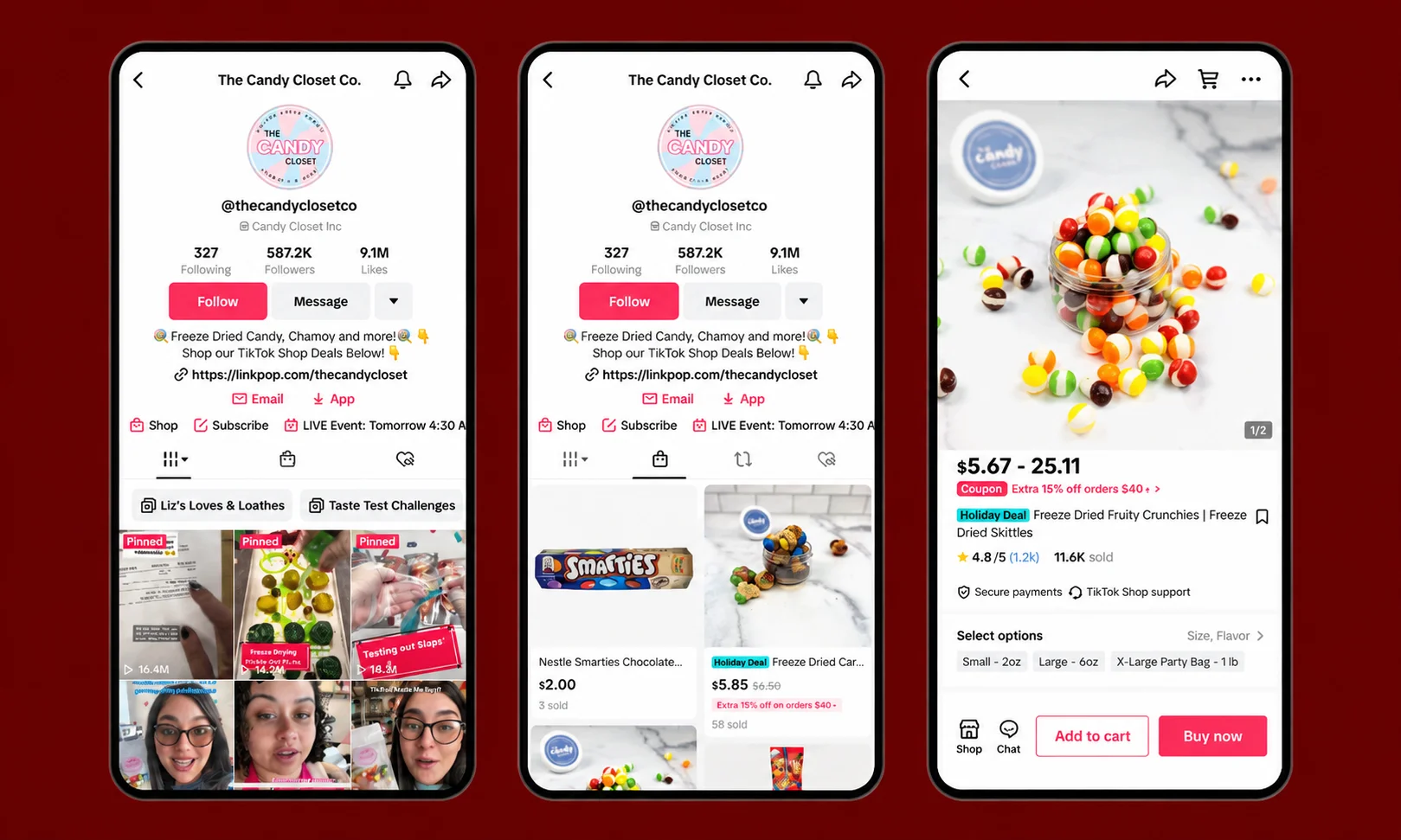
- Creator storefronts, where a creator’s recommended or affiliate products are collected in one place
- Search results, which can surface shoppable products alongside regular videos
Checkout happens natively: buyers add items to a cart, enter shipping and payment info once, and can reuse those details for future purchases, reducing the friction of being redirected to an external site.
How Sellers Use TikTok Shop
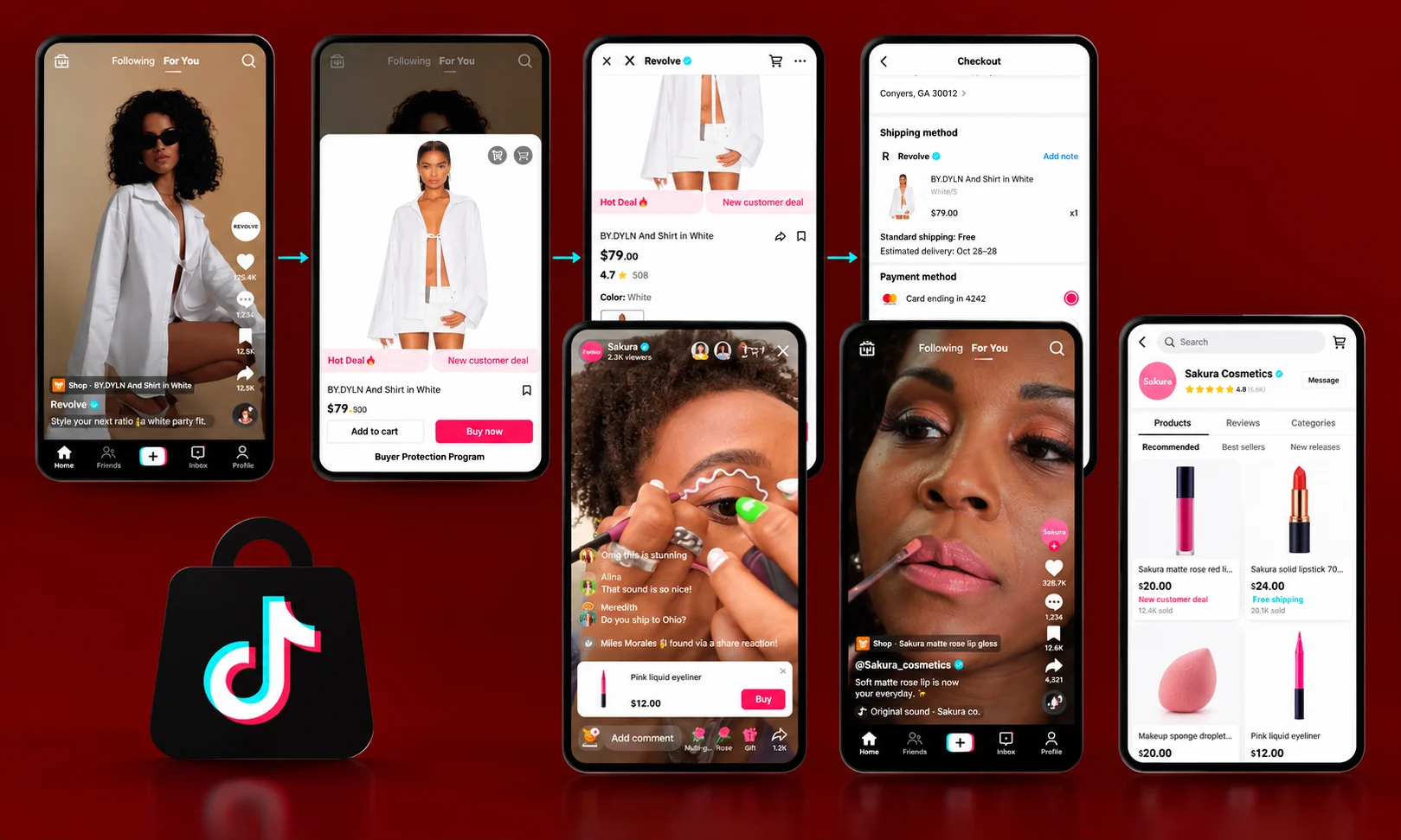
Sellers set up a storefront through the Seller Center, list products with photos, descriptions, and pricing, and choose a fulfillment method self-fulfillment or TikTok’s fulfillment service. From there, most sellers pursue one or more of these plans to actually create sales:
- Organic content, posting videos that showcase products and link directly to checkout
- LIVE selling, hosting real-time shopping streams
- Shop Ads, paid placements that function similarly to search or marketplace advertising, letting sellers bid on relevant keywords and categories
- Affiliate programs, attracting creators to promote products in exchange for a commission
Because TikTok Shop’s discovery is driven heavily by content rather than passive search, sellers typically need a steady stream of video content or creator partnerships to sustain visibility listings alone rarely generate consistent traffic.
How Creators Make Money Through TikTok Shop
Creators have a few main paths to earnings:
- Affiliate commissions: promote other sellers’ products and earn a percentage of each sale, often through Shop Affiliate links
- Selling their own products: creators can register as sellers themselves and run their own shop
- LIVE shopping revenue: combine commission from products sold during a livestream with platform gifts or bonuses
- Direct brand partnerships: negotiated flat fees, free product, or a revenue split in exchange for dedicated content
Commission rates are typically set by the seller, generally in the 5–20% range, though rates vary widely by category and negotiation.
What TikTok Shop Affiliate Marketing Is
TikTok Shop’s affiliate program (often called Shop Affiliate) connects sellers with creators willing to promote their products. Sellers set a commission rate and add products to an open marketplace of items creators can browse and choose to promote; no direct outreach required, though sellers can also negotiate one-off partnerships. When a creator’s labeled content leads to a sale, TikTok tracks the referral and pays the creator their commission automatically, taken out from the seller’s payout.
This self-service affiliate model is attractive to sellers with limited budgets, since they only pay when a sale actually happens. The problem is that affiliate marketplaces are crowded, and conversion rates from any single creator’s content can vary greatly.
TikTok Shop LIVE Shopping
LIVE shopping is one of TikTok Shop’s signature features. Hosts, creators, brands, or a mix of both run live video streams where they explain products, answer questions in real time, and tag items that viewers can purchase instantly without leaving the stream. It borrows heavily from livestream ecommerce formats popularized in China and has become a major sales channel, particularly for beauty, fashion, and household goods.
For sellers and creators, LIVE shopping tends to convert well because it combines real-time persuasion, urgency (limited-time deals, flash discounts), and the same one-tap checkout used elsewhere on the platform.
TikTok Shop Fees
Fee structures change by market and have shifted several times since launch, but as of 2026, the general US fee framework looks roughly like this:
- Referral (commission) fee: typically around 6% of the order value for most categories in the US, with some categories (such as select jewelry) charged a lower rate around 5%. New sellers sometimes get a discounted introductory rate for their first sales window.
- Payment processing: in some markets this is bundled into the referral fee; in others it’s billed separately, generally in the 2–3% range plus a small per-transaction fee.
- Affiliate commissions: set by the seller, commonly 5–20% of the sale, paid only when a creator drives a sale.
- Fulfillment fees: sellers using TikTok’s own fulfillment service pay per-unit handling and storage costs on top of standard shipping.
- Advertising (Shop Ads): optional but often necessary for consistent traffic; cost-per-click varies by category competition.
- Other costs: returns/refund administration, chargeback fees for disputes, and shipping-protection fees on eligible high-value orders.
Because several of these stack on top of each other, a seller’s effective cost of selling can run well above the headline referral fee, especially for sellers who lean heavily on affiliates and ads to drive traffic. Rates differ by country; the UK’s standard referral fee, for example, has generally run higher than the US rate, so sellers should always confirm current numbers in their own Seller Center rather than relying on older published figures.
TikTok Shop Benefits and Disadvantages
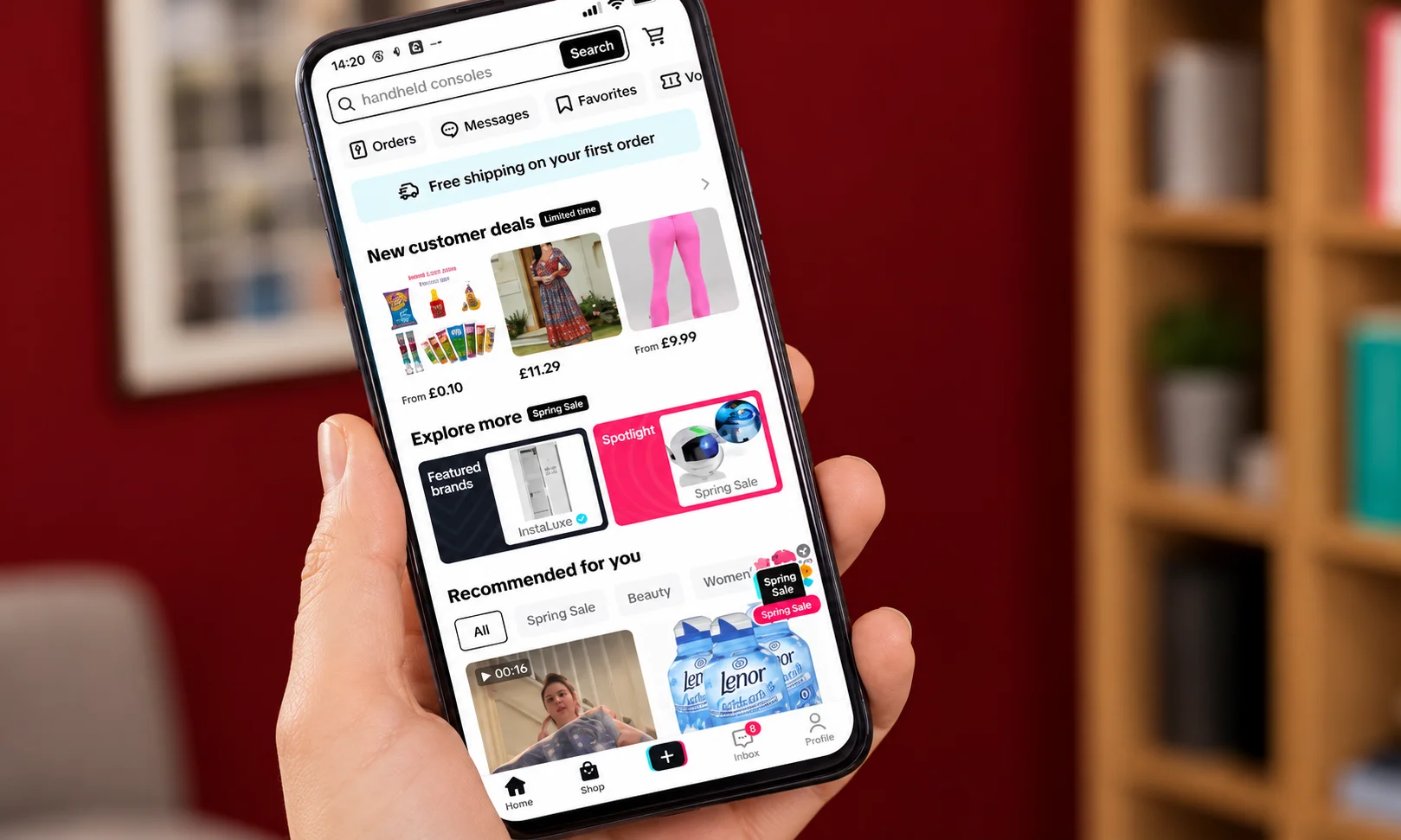
Benefits:
- Built-in audience discovery: sellers don’t need an existing following to get seen, since TikTok’s algorithm can surface content to relevant shoppers
- Frictionless, native checkout that reduces cart abandonment compared to sites that redirect off-platform
- Multiple revenue paths for creators (affiliate, own shop, LIVE, brand deals)
- No mandatory subscription or listing fees to start selling
Disadvantages:
- Fees stack quickly once affiliates, ads, and fulfillment are added, which can compress margins
- Success depends heavily on ongoing content production, not just product listings
- Return rates and buyer disputes can be higher than traditional ecommerce, partly due to impulse-driven, video-triggered purchases
- Policy and fee changes have been frequent, making long-term planning harder than on more stable platforms
Who Can Sell on TikTok Shop
TikTok Shop is open to both individual sellers and registered businesses, though exact requirements vary by market. In the US, general requirements typically include:
- Being at least 18 years old and a resident of a supported market
- A valid government-issued ID (and business registration documents/EIN for business accounts)
- A bank account to receive payouts
- A TikTok account in good standing, converted to or created as a Business account
- Products that comply with TikTok’s prohibited and restricted items policy
Notably, most markets do not require a minimum follower count or an existing audience to apply. Dropshipping is generally permitted as long as sellers can meet TikTok’s required shipping windows.
TikTok Shop vs. Traditional Ecommerce
| TikTok Shop | Traditional Ecommerce (e.g., Shopify) | |
| Discovery | Algorithm-driven, content-first | Mostly seller-driven traffic (ads, SEO, email) |
| Checkout | Native, in-app, one-tap | Usually off-platform, on the seller’s own site |
| Content requirement | High — ongoing video/live content needed | Low — listings can generate sales passively |
| Fees | Referral fee plus affiliate, ad, and fulfillment costs | Platform/subscription fee, generally lower marketplace commission |
| Ownership of customer relationship | Limited — TikTok controls much of the buyer data | Full — seller owns customer data and relationship |
| Best for | Impulse-friendly, visually demonstrable products | Brand-building, repeat customers, higher-consideration purchases |
In short, TikTok Shop trades some control and margin for built-in discovery and a much lower barrier to reaching new buyers.
Is TikTok Shop Safe and Trustworthy?
TikTok Shop includes standard marketplace protections: buyer refund and dispute processes, seller verification requirements, and (in some cases) optional shipping protection programs. As with any open marketplace, though, trust varies by individual seller; quality control, counterfeit goods, and inconsistent shipping times have been regular concerns raised by shoppers and industry observers.
Practical steps for buyers to shop more safely include checking a seller’s ratings and review history, reading return policies before purchasing, and using TikTok’s official checkout and payment tools rather than any off-platform payment requests. For sellers, sticking to TikTok’s compliance rules (accurate listings, honest advertising, no prohibited items) is what keeps a shop in good standing and avoids account suspension.
TikTok Shop Trends and Future Growth
TikTok Shop has expanded rapidly since its Western launch, with merchandise value climbing into the billions of dollars annually and the platform now live in numerous markets across North America, Europe, and Southeast Asia. Several trends are shaping where it’s headed:
- Heavier reliance on affiliate and creator-driven sales as the primary discovery engine, rather than passive product listings
- Growth of LIVE shopping as a dominant format, following patterns already well established in Asian ecommerce markets
- Rising effective seller costs, as competition among sellers for ad placement and creator attention pushes up the real cost of driving sales beyond the base referral fee
- Continued fee and policy adjustments, as TikTok tunes commission rates, new-seller incentives, and category rules
- Expansion into new categories and markets, as TikTok looks to compete more directly with established players like Amazon, Shopify, and regional marketplaces like Shopee and Lazada
For sellers and creators, the throughline is that TikTok Shop is maturing from an experimental feature into a serious, competitive ecommerce channel — one that increasingly rewards those who treat content creation as a core, ongoing part of running the business rather than a one-time marketing push.
Our Approach to Accurate Ecommerce Content
BrandClickX creates practical ecommerce and digital marketing guides based on current platform features, industry practices, and verified information. Our content is reviewed for accuracy, clarity, and usefulness, with attention to changing fees, policies, seller requirements, and marketplace trends. We explain complex ecommerce topics in simple language so readers can understand how platforms such as TikTok Shop work and make better business decisions. Information is updated when major platform changes affect sellers, creators, or buyers.
Conclusion
TikTok Shop has turned scrolling into shopping, giving sellers a way to reach buyers through video and livestream content instead of relying only on search or ads, and giving creators a direct path to earn from the audiences they’ve built. It isn’t a plug-and-play replacement for a traditional storefront; success depends on consistent content, and the stacked fees from referrals, affiliates, and ads mean margins need careful planning. But for brands and creators willing to treat content as an ongoing part of the business rather than a one-off campaign, TikTok Shop offers a discovery engine that few other ecommerce platforms can match. As the platform matures and expands into new markets, it’s increasingly positioning itself as a serious, long-term ecommerce channel rather than a passing trend.
FAQ
Is TikTok Shop free to join?
Yes. There’s no subscription or listing fee to open a shop. TikTok instead takes a referral (commission) fee on each completed sale, plus any optional costs like affiliate commissions, ads, or fulfillment fees a seller chooses to use.
Do I need followers to sell on TikTok Shop?
No. Most markets don’t require a minimum follower count or a verified account to become a seller — TikTok’s algorithm can surface content to relevant shoppers regardless of existing audience size.
Can I dropship on TikTok Shop?
Generally yes, as long as products comply with TikTok’s prohibited items policy and the seller can meet TikTok’s required shipping windows.
How do creators get paid on TikTok Shop?
Mainly through affiliate commissions on products they promote, revenue from their own shop if they sell directly, LIVE shopping sales, and negotiated brand partnerships.
Is TikTok Shop safe to buy from?
It includes standard marketplace protections like refund and dispute processes, but trustworthiness varies by individual seller, so checking ratings and return policies before buying is worthwhile.
How is TikTok Shop different from a Shopify store?
TikTok Shop relies on in-app discovery and native checkout, while a platform like Shopify depends on the seller driving their own traffic but offers full ownership of the customer relationship and data.