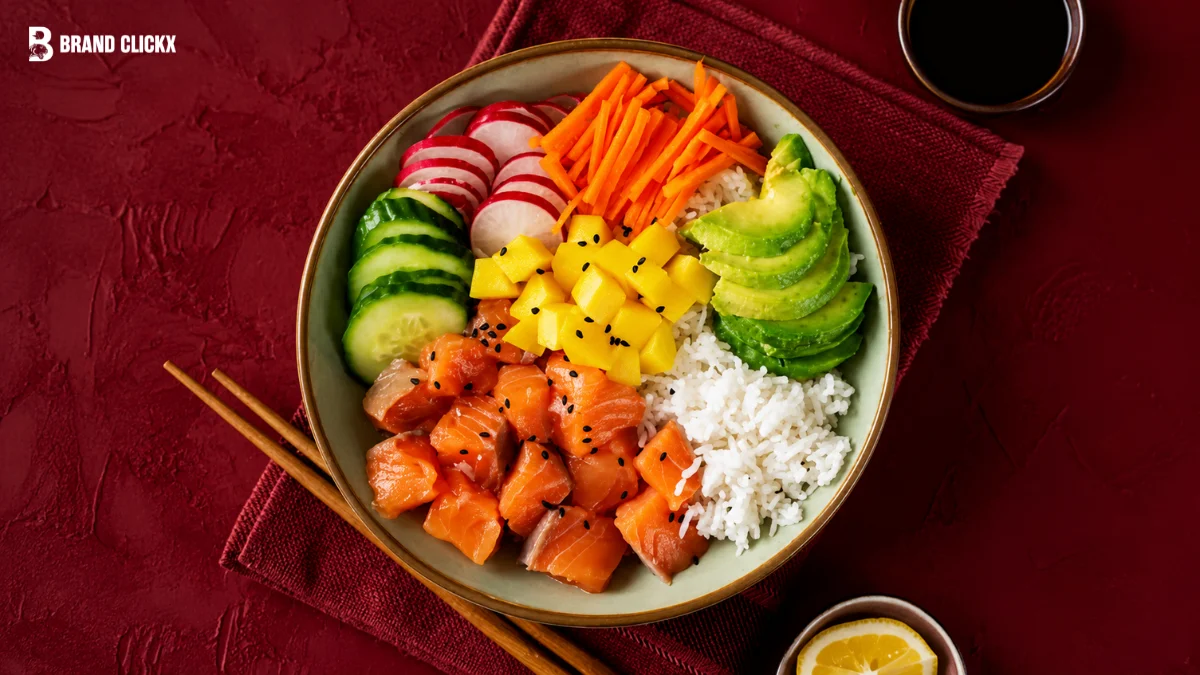
Poke bowls have grown from a Hawaiian food tradition into a popular meal enjoyed around the world. Their appeal comes from a simple but flexible formula: combine seasoned protein with a base, fresh vegetables, flavorful sauces and toppings, then adjust the ingredients to your taste.
But a modern poke bowl is much more than a bowl of raw fish.
Traditional poke has deep roots in Hawaiian food culture, while modern poke restaurants have expanded the concept into a highly customizable meal. A bowl might feature tuna, salmon, shrimp, chicken or tofu, paired with rice or greens and ingredients such as avocado, cucumber, seaweed, mango and different sauces.
That flexibility is part of what makes poke so appealing. You can create a light bowl packed with vegetables, a protein rich meal that keeps you full, or a more indulgent combination with creamy sauces and crunchy toppings.
The secret to a great poke bowl is not simply choosing the most ingredients. It is knowing how the protein, base, vegetables, sauce and toppings work together to create the right balance of flavor, texture and nutrition.
What Is a Poke Bowl? Understanding the Dish Behind the Trend
A poke bowl is a meal built around seasoned ingredients, most commonly diced fish, served with a base and a selection of vegetables, sauces and toppings.
The modern poke bowl is closely associated with Hawaiian poke, but the two should not automatically be treated as identical dishes. Traditional poke has a much more specific cultural and culinary history, while modern restaurant bowls often incorporate ingredients and combinations influenced by Japanese, Korean, American and other cuisines.
The Hawaiian Origins of Poke
Poke has longstanding roots in Hawaii, where preparations traditionally centered on diced fish seasoned with local ingredients.
The concept developed around fresh seafood and simple seasoning rather than the highly customized restaurant format now commonly associated with the phrase “poke bowl.”
This distinction matters because the global popularity of poke has transformed how the dish is presented. A modern restaurant bowl may contain numerous ingredients that are not part of traditional poke preparations.
Traditional Poke vs. Modern Poke Bowls
Traditional poke is generally much more focused on the seafood and its seasoning.
Modern poke bowls often follow a layered structure:
Base + protein + vegetables + sauce + toppings
This makes them easier to customize and allows restaurants to appeal to customers with very different preferences.
Someone might choose tuna and sushi rice, while another customer chooses tofu and greens. Both can be sold under the modern poke bowl concept.
Why Poke Bowls Are So Customizable
The bowl format separates the meal into components.
You can change the base without changing the protein. You can choose a different sauce without rebuilding the entire meal. You can increase vegetables while reducing rice.
That modular structure is one of the biggest reasons poke bowls work so well for modern dining.
The Anatomy of a Poke Bowl: Six Components That Create the Meal
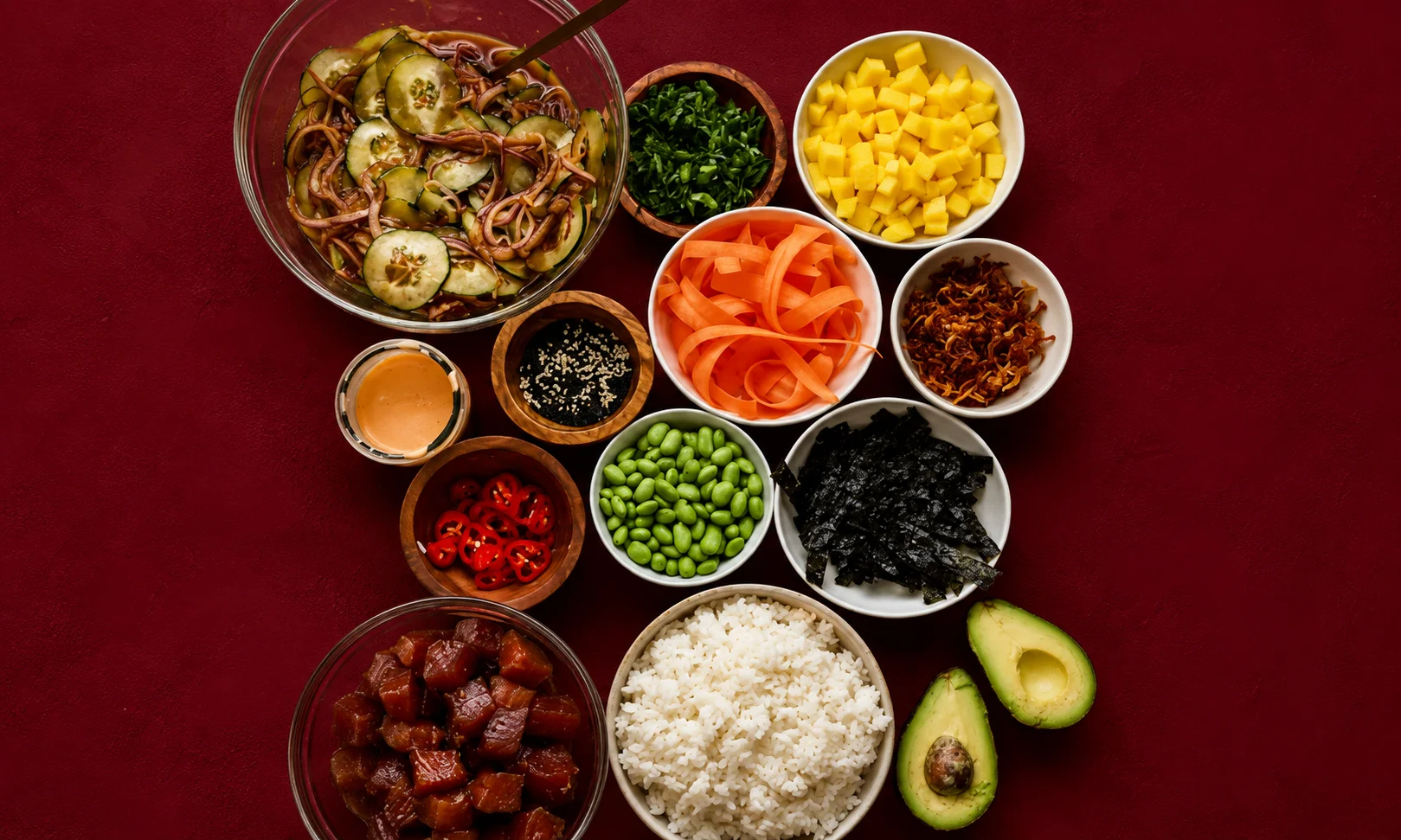
A great poke bowl is not simply a collection of ingredients. Each component serves a different purpose.
The base provides structure, the protein supplies the centerpiece, vegetables create freshness, sauces bring intensity and toppings add texture.
1. The Base: Rice, Greens and Alternative Carbohydrates
The base determines much of the bowl’s texture and satiety.
Sushi rice is one of the most common choices because its slightly sticky texture works particularly well with seasoned seafood.
White rice provides a neutral background that allows sauces and toppings to dominate.
Brown rice offers a nuttier flavor and can provide more fiber than refined white rice.
Mixed greens create a lighter foundation, while quinoa and cauliflower rice provide additional alternatives.
The best base depends on the rest of the bowl. A strongly seasoned protein often works better with a relatively neutral base.
2. The Protein: From Tuna and Salmon to Tofu and Shrimp
Protein is usually the central ingredient.
Raw tuna and salmon are among the most recognizable choices, but modern bowls can also include cooked shrimp, chicken, tofu, crab and other proteins.
The protein affects the sauce selection as well.
Tuna can work beautifully with lighter soy and citrus flavors, while salmon can handle richer sesame or creamy sauces. Chicken can pair naturally with teriyaki or other cooked sauces.
3. The Vegetable Layer: Freshness, Crunch and Color
Vegetables prevent the bowl from becoming heavy.
Cucumber provides crispness. Carrots contribute sweetness and crunch. Radishes add peppery freshness, while cabbage can provide additional texture.
Edamame contributes both texture and plant based protein.
Seaweed adds a distinctive savory character that works particularly well with seafood.
A strong bowl usually contains contrasting textures rather than several ingredients that all feel the same.
4. The Sauce: The Ingredient That Can Change the Entire Bowl
Sauce is one of the most powerful components in a poke bowl.
A soy based sauce can create a savory and salty profile. Ponzu introduces citrus acidity. Spicy mayonnaise adds richness and heat, while teriyaki creates a sweeter flavor.
The amount matters as much as the type.
Too little sauce can leave the ingredients disconnected. Too much can overwhelm the protein and make the entire bowl taste similar from the first bite to the last.
5. The Toppings: Texture and Finishing Flavor
Toppings are the finishing layer.
Sesame seeds provide nuttiness. Furikake can add savory depth. Green onions introduce freshness, while crispy onions contribute texture.
Pickled ginger provides acidity and helps cut through richer ingredients.
The best toppings add contrast rather than simply increasing the number of ingredients.
6. The Balance: Sweet, Salty, Sour, Spicy and Umami
This is where a good poke bowl becomes more than a collection of ingredients.
A bowl can combine salty soy sauce with sweet mango, acidic ponzu, spicy mayonnaise and savory seaweed.
The goal is not to maximize every flavor. It is to create enough contrast that one component supports another.
A rich salmon bowl, for example, can benefit from cucumber and citrus. A sweet teriyaki chicken bowl can benefit from pickled vegetables.
Traditional Poke Ingredients vs. Modern Poke Bowl Ingredients
| Traditional Poke | Modern Poke Bowl |
|---|---|
| Diced fish | Tuna, salmon, shrimp, chicken or tofu |
| Seaweed | Seaweed, nori or furikake |
| Onion | Green onion, red onion or pickled onion |
| Simple seasoning | Soy, ponzu, spicy mayonnaise or teriyaki |
| Seafood focused preparation | Complete meal with base and toppings |
| Relatively simple combinations | Highly customizable combinations |
The modern format has expanded considerably, but that expansion should not erase the distinction between Hawaiian poke and the restaurant style bowls that developed later.
The Most Popular Poke Bowl Protein Choices Compared
Tuna Poke
Tuna is one of the classic choices for poke.
Its relatively firm texture makes it suitable for diced preparations, while its mild flavor allows marinades and toppings to remain noticeable.
Tuna pairs particularly well with soy, sesame, green onion, seaweed and citrus based flavors.
Salmon Poke
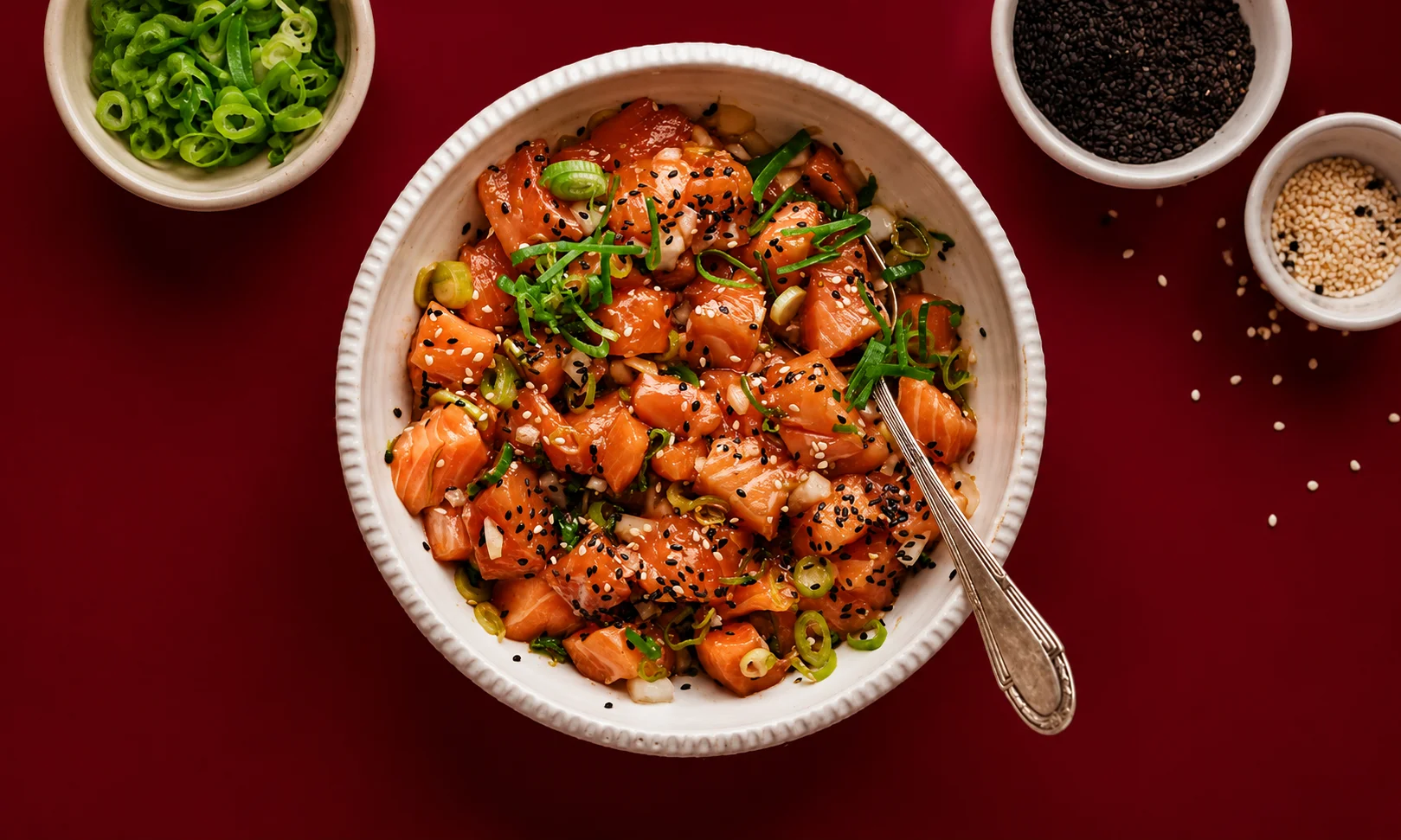
Salmon has a richer texture and more pronounced flavor than many leaner fish choices.
It works well with avocado, cucumber, sesame, spicy mayonnaise and citrus based sauces.
A spicy salmon bowl is especially popular because the richness of salmon works naturally with creamy heat.
Shrimp Poke
Shrimp offers an important alternative for people who prefer cooked seafood.
Its naturally sweet flavor works well with citrus, mango, cucumber and spicy sauces.
Because shrimp can be served cooked, it is also a practical option for people who do not want raw seafood.
Chicken Poke
Chicken moves the bowl further away from traditional seafood focused preparations, but it works well in the modern customizable format.
Grilled chicken can be combined with rice, cabbage, cucumber, edamame and a savory or sweet sauce.
Tofu and Plant Based Poke
Tofu provides a useful plant based protein option.
Its mild flavor means it absorbs marinades effectively. It can be paired with avocado, edamame, cucumber, seaweed and sesame based sauces.
Best Poke Bowl Bases: Which One Should You Choose?
Sushi Rice
Sushi rice is soft, slightly sticky and relatively neutral.
It works particularly well when the protein and toppings are strongly seasoned.
White Rice
White rice is simple and versatile.
It allows the sauce and protein to remain the main focus without introducing a strong competing flavor.
Brown Rice
Brown rice has a more pronounced texture and nuttier flavor.
It can be a useful choice for people who prefer a more fiber focused meal.
Quinoa
Quinoa creates a different texture and adds variety to the traditional rice based bowl.
It works particularly well with vegetables and plant based proteins.
Mixed Greens
Mixed greens create a lighter bowl and shift the meal toward a salad style format.
They work well with salmon, tuna, shrimp and fresh vegetables.
Cauliflower Rice
Cauliflower rice can be used when someone wants to reduce the amount of traditional rice in the bowl.
Its flavor is more noticeable than white rice, so sauces and strongly seasoned proteins can help create a more balanced combination.
Poke Bowl Sauce Guide: From Ponzu to Spicy Mayo
Soy Sesame Sauce
Soy sauce brings saltiness and umami, while sesame oil adds a rich nutty character.
Because sesame oil is strongly flavored, a relatively small amount can influence the entire bowl.
Ponzu and Citrus Based Sauces
Ponzu introduces acidity and citrus notes.
It is particularly useful with rich seafood because acidity can make the overall bowl feel fresher.
Spicy Mayo
Spicy mayonnaise creates richness, creaminess and heat.
It works especially well with salmon, tuna and shrimp.
Because it is richer than many soy or citrus sauces, portion control can make a noticeable difference to the final meal.
Wasabi Based Sauces
Wasabi provides sharp heat and works particularly well with seafood.
It can be used in a sauce or as a smaller finishing ingredient.
Teriyaki and Sweet Sauces
Teriyaki creates a sweeter, deeper flavor.
It pairs especially well with chicken and shrimp but can also work with certain seafood combinations.
How Much Sauce Should You Use?
A useful approach is to start with less sauce than you think you need.
You can always add more, but once a bowl is heavily coated, it becomes difficult to recover the individual flavors of the ingredients.
The Best Poke Bowl Toppings for Texture and Flavor
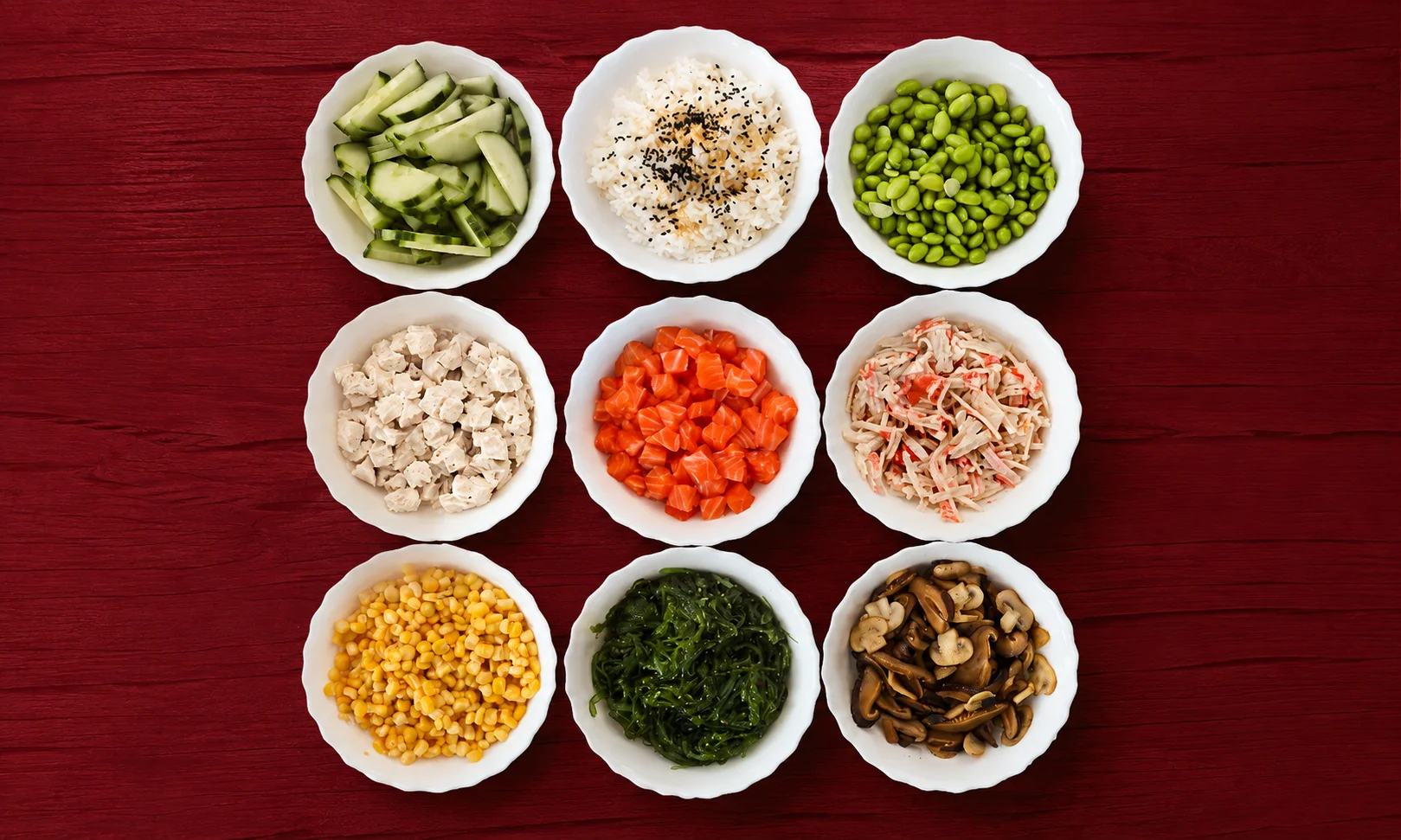
Crunchy Toppings
Crispy onions, cucumber, radish and crunchy vegetable toppings create contrast against soft rice and fish.
Creamy Toppings
Avocado and creamy sauces create richness.
They work particularly well when paired with acidic or crunchy ingredients.
Fresh Toppings
Green onion, herbs, cucumber and fresh fruit can make a rich bowl feel lighter.
Salty and Umami Toppings
Seaweed, nori, sesame and furikake can deepen the savory character of the bowl.
Pickled Toppings
Pickled ginger and vegetables introduce acidity.
They can be especially useful when the bowl contains fatty fish, avocado or creamy sauce.
10 Popular Poke Bowl Combinations Worth Trying
Classic Tuna and Sesame Poke Bowl
Use sushi rice, diced tuna, cucumber, green onion, seaweed and sesame.
Finish with a light soy sesame sauce.
The result is savory, fresh and relatively simple.
Spicy Salmon and Avocado Poke Bowl
Combine salmon with rice, cucumber, avocado and spicy mayonnaise.
Add green onion and sesame for additional texture.
Salmon Mango Poke Bowl
Pair salmon with rice, mango, cucumber and avocado.
Use a citrus based sauce to prevent the sweetness from becoming overwhelming.
Teriyaki Chicken Poke Bowl
Use grilled chicken, rice, cabbage, cucumber and edamame.
Finish with teriyaki sauce and sesame seeds.
Shrimp and Citrus Poke Bowl
Combine cooked shrimp with greens or rice, cucumber, avocado and citrus based dressing.
This creates a lighter tasting bowl with strong freshness.
Tuna Ponzu Poke Bowl
Combine tuna with rice, cucumber, green onion and seaweed.
Use ponzu as the primary sauce for a brighter flavor.
Vegetarian Tofu Poke Bowl
Use tofu, rice or quinoa, edamame, cucumber, carrots and avocado.
A sesame or soy based sauce works well.
Edamame and Avocado Green Bowl
Use mixed greens as the base, then add edamame, avocado, cucumber, cabbage and sesame.
This is a useful option for people looking for a vegetable focused meal.
Spicy Tuna Crunch Bowl
Combine tuna with rice, cucumber, green onion and spicy mayonnaise.
Add a small amount of crispy topping for texture.
California Style Poke Bowl
Combine seafood with avocado, cucumber, sesame and other ingredients inspired by familiar sushi flavors.
The result is approachable for people trying poke for the first time.
Is a Poke Bowl Actually Healthy?
A poke bowl can be a nutritious meal, but the word “poke” does not automatically make a meal healthy.
The nutritional profile depends on the ingredients and portion sizes.
A bowl containing fish, vegetables, moderate rice and a lighter sauce can provide protein, carbohydrates, healthy fats and micronutrients.
Another bowl containing a large amount of rice, creamy sauce, avocado and fried toppings can be considerably more calorie dense.
The important distinction is between the structure of a poke bowl and the specific choices made within that structure.
Protein and Omega 3 Fats From Seafood
Fatty fish such as salmon can provide omega 3 fatty acids alongside protein.
Tuna and other seafood can also contribute substantial protein.
Carbohydrates and Portion Size
Rice is an important source of carbohydrates and can make a bowl satisfying.
The amount matters.
A bowl dominated by rice with a small amount of protein and vegetables will have a very different nutritional balance from one built around protein and vegetables.
Fiber From Vegetables and Whole Grains
Vegetables, brown rice, quinoa and other whole food ingredients can contribute fiber.
Increasing the vegetable component is one of the easiest ways to make a bowl more nutrient dense without relying on additional sauces.
Healthy Fats From Avocado and Seafood
Avocado and fatty fish can contribute unsaturated fats.
However, healthy fats still contain substantial energy, so large portions can increase the overall calorie content of the meal.
Sodium From Soy Sauce and Marinades
Soy sauce and prepared marinades can contribute considerable sodium.
This is particularly relevant when several salty ingredients are combined.
Added Calories From Creamy and Fried Toppings
Spicy mayonnaise, crispy onions and fried toppings can significantly change the nutritional profile of an otherwise relatively light bowl.
Poke Bowl Nutrition: What Determines the Final Calorie Count?
There is no single calorie count for a poke bowl.
The final amount depends on the base, protein, toppings, sauces and serving size.
| Component | Lighter Choice | More Calorie Dense Choice |
|---|---|---|
| Base | Mixed greens | Large rice portion |
| Protein | Tuna | Richly sauced protein |
| Sauce | Ponzu | Spicy mayonnaise |
| Toppings | Cucumber and radish | Fried crispy toppings |
| Fat | Moderate avocado | Large avocado plus creamy sauce |
This is why two bowls from the same restaurant can have dramatically different nutritional profiles.
How to Build a Balanced Poke Bowl Without Overloading It
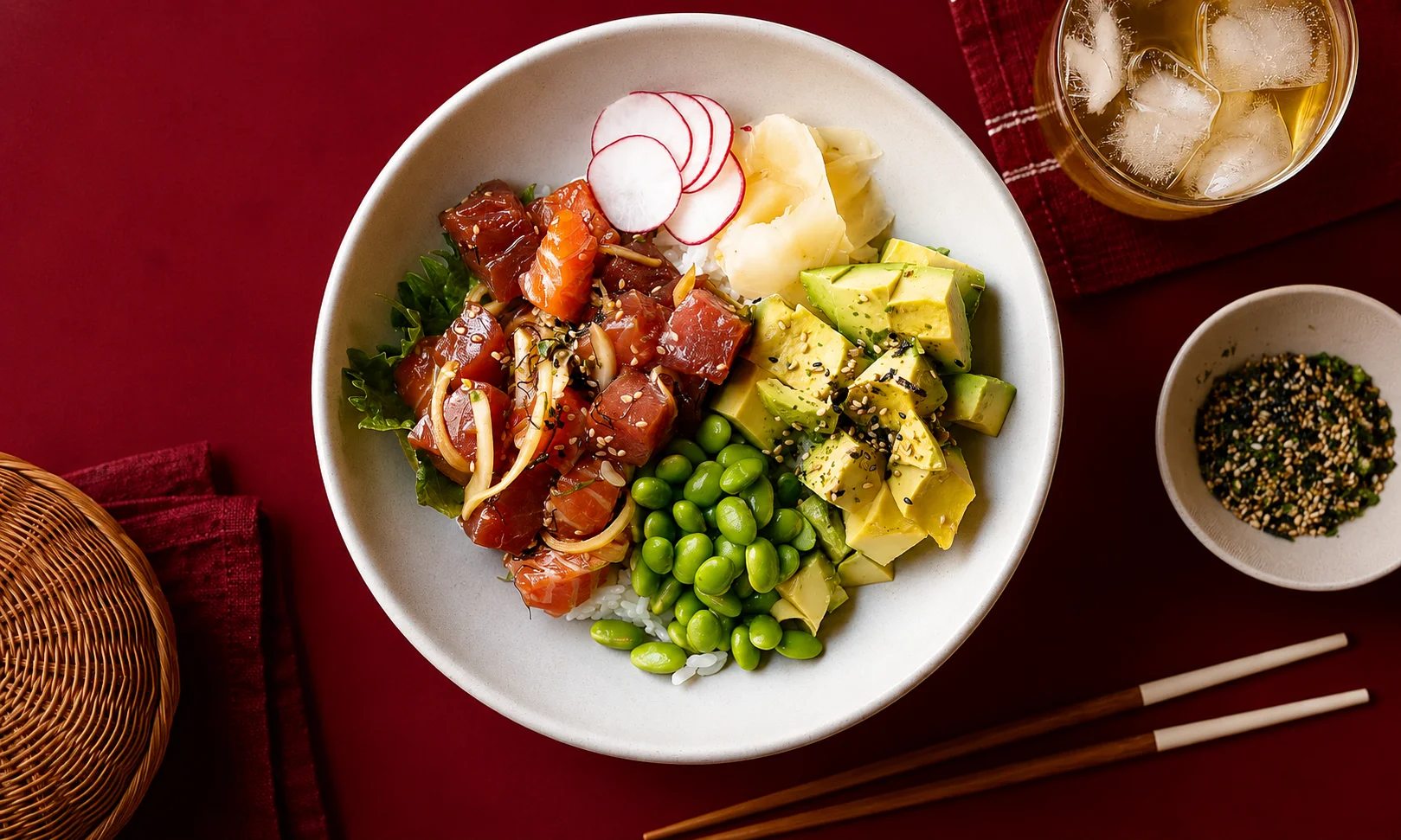
Start With a Reasonable Base
Choose the base according to your appetite and nutritional preferences.
Rice can make the meal more substantial, while greens create a lighter foundation.
Prioritize a Protein Rich Center
Protein should remain one of the most substantial components of the bowl.
Fish, shrimp, chicken, tofu and edamame can all contribute to a satisfying meal.
Add Two or Three Vegetable Textures
Instead of adding every vegetable available, select a few that provide different textures.
Cucumber can add crunch, avocado can provide creaminess and cabbage can add structure.
Choose One Main Sauce
Using multiple sauces can make the flavor profile confusing.
Start with one primary sauce and add a small amount of another only when it serves a clear purpose.
Use Rich Toppings as Accents
Avocado, spicy mayonnaise and crispy toppings can be valuable additions.
They do not need to dominate the bowl.
Finish With Something Acidic or Fresh
Citrus, pickled ginger, cucumber or green onion can provide a final contrast that keeps a rich bowl from feeling heavy.
How to Build a Restaurant Quality Poke Bowl at Home
Step 1: Prepare the Base Correctly
Cook your rice according to its instructions and allow it to cool appropriately before assembling the bowl.
If using greens, wash and dry them thoroughly.
Step 2: Prepare and Season the Protein
Use properly handled seafood or choose cooked protein.
Keep seafood appropriately refrigerated and minimize the time it spends outside safe storage conditions.
Step 3: Build a Texture Contrast
Combine soft ingredients with crunchy ones.
For example, salmon and avocado can be balanced by cucumber and radish.
Step 4: Layer the Sauce Instead of Drowning the Bowl
Mix some sauce with the protein and use a smaller amount as a finishing drizzle.
This creates more control over the flavor.
Step 5: Add Toppings Strategically
Choose toppings that add something the bowl does not already have.
If the bowl is already creamy, choose something crunchy or acidic rather than another creamy ingredient.
Step 6: Finish With Acid, Aromatics and Seeds
Green onion, sesame seeds, citrus and pickled ingredients can provide the final layer of flavor.
Raw Fish Safety: What You Need to Know Before Making Poke at Home
Raw seafood requires more care than cooked seafood.
A common mistake is assuming that any fresh looking fish is automatically appropriate for raw consumption.
Is All Raw Fish Safe for Homemade Poke?
No.
Fish intended to be eaten raw requires appropriate handling and storage. Consumers should follow food safety guidance and the handling instructions provided by the supplier.
When there is uncertainty about the fish, cooking it is the safer choice.
What Does “Sushi Grade” Actually Mean?
The term “sushi grade” is widely used commercially, but consumers should not treat the phrase as a universal guarantee of safety.
Ask the seafood supplier how the fish was handled and whether it is specifically intended for raw consumption.
How Should Raw Fish Be Stored?
Raw seafood should remain properly refrigerated and should not be left sitting at room temperature.
Keep preparation surfaces and utensils clean and prevent cross contamination with other foods.
When Should You Choose Cooked Seafood Instead?
Cooked seafood is the better choice when you are uncertain about the suitability or handling of raw fish.
Shrimp, cooked salmon and other cooked proteins can still produce an excellent poke style bowl.
Poke Bowl vs. Sushi: What’s the Difference?
| Poke Bowl | Sushi |
|---|---|
| Usually served in a bowl | Usually formed into rolls or individual pieces |
| Highly customizable | Generally follows a defined preparation |
| Often includes vegetables and multiple toppings | Usually focuses on rice and selected fillings |
| Sauce can be distributed throughout the bowl | Sauces are generally used more selectively |
| Can use many different proteins | Commonly associated with seafood and other structured fillings |
Both can use similar ingredients, but their presentation and preparation are different.
Poke Bowl vs. Salad: Which Is Better for Your Meal?
A poke bowl and salad can overlap considerably.
A salad usually places vegetables at the center, while a poke bowl generally emphasizes a seasoned protein alongside a carbohydrate base or greens.
If you want a more substantial meal, rice and protein can make a poke bowl particularly filling.
If you want more vegetables with fewer carbohydrates, a greens based poke bowl can resemble a high protein salad.
Neither format is automatically healthier.
The ingredients determine the result.
Poke Bowl vs. Rice Bowl: What’s the Difference?
A rice bowl is a broad category that can include almost any protein and topping combination served over rice.
A poke bowl is more specifically associated with poke style seafood and seasoning, particularly in its traditional form.
Modern poke restaurants have expanded the concept, which means the boundary between a poke bowl and other customizable rice bowls can sometimes become less distinct.
Common Poke Bowl Mistakes That Ruin the Balance
Using Too Many Ingredients
Adding everything available can make the flavors compete with each other.
Choose ingredients with a clear purpose.
Choosing Multiple Heavy Sauces
Spicy mayonnaise, teriyaki and other rich sauces can quickly overwhelm seafood.
A simpler sauce combination often produces a cleaner result.
Making Rice the Entire Meal
Rice provides structure, but a bowl with too much rice and too little protein or vegetables can feel unbalanced.
Combining Too Many Sweet Flavors
Mango, sweet teriyaki and sweet toppings can become excessive when combined.
Use salty or acidic ingredients to create contrast.
Ignoring Texture
If every component is soft, the bowl can become monotonous.
Add cucumber, radish, cabbage, seeds or another crunchy ingredient.
Adding Fried Toppings Without Considering the Rest of the Bowl
Crunchy toppings can be useful, but they are most effective when used as accents.
Using Raw Seafood Without Proper Handling
This is the most important mistake to avoid.
When in doubt about seafood safety, choose a cooked protein.
How to Order a Better Poke Bowl at a Restaurant
If You Want a Higher Protein Bowl
Prioritize the protein and avoid filling most of the bowl with rice.
You can also add edamame or another protein rich topping when appropriate.
If You Want a Lighter Bowl
Choose greens or a smaller rice portion, add vegetables and use a lighter sauce.
If You Want More Fiber
Choose vegetables generously and consider brown rice, quinoa or another higher fiber base.
If You Want a Lower Sodium Bowl
Use less soy sauce and ask for sauce on the side when the restaurant allows it.
If You Want More Flavor Without Excess Sauce
Choose ingredients that naturally add flavor, such as seaweed, green onion, citrus, ginger, sesame and pickled vegetables.
Best Poke Bowl Ingredients for Different Dietary Preferences
High Protein Poke Bowls
Focus on fish, shrimp, chicken, tofu and edamame.
Keep the base and toppings balanced around the protein rather than allowing rice or sauce to dominate.
Vegetarian Poke Bowls
Tofu and edamame can provide substantial protein.
Add vegetables, avocado, seaweed and sesame for texture and flavor.
Lower Carb Poke Bowls
Use greens or another lower carbohydrate base instead of a large rice serving.
Add protein and vegetables to maintain satiety.
Higher Fiber Poke Bowls
Choose vegetables generously and consider brown rice, quinoa and other fiber containing ingredients.
Dairy Free Poke Bowls
Many poke bowls can be made without dairy, but creamy sauces should be checked carefully.
Gluten Free Considerations
Some soy sauces and prepared sauces can contain wheat.
Anyone following a strict gluten free diet should check ingredient information rather than assuming that seafood, rice and vegetables automatically make the entire bowl gluten free.
How Much Poke Should You Put in a Bowl?
There is no universal serving size that works for everyone.
A practical structure is:
A reasonable base + a substantial protein portion + several vegetables + one primary sauce + a few toppings.
Your appetite, nutritional needs and the rest of the meal should determine the final amount.
The goal is balance rather than filling the bowl to the top.
What to Serve With a Poke Bowl
Edamame
Edamame works as both a side and an additional source of plant based protein.
Miso Soup
Miso soup can provide a warm contrast to a cold poke bowl.
Seaweed Salad
Seaweed adds another savory and fresh element.
Pickled Vegetables
Pickled vegetables provide acidity that can balance rich fish or creamy sauces.
Fresh Fruit
Fruit can complement seafood based bowls, particularly when citrus or tropical flavors are already part of the meal.
Frequently Asked Questions About Poke Bowls
What exactly is a poke bowl?
A poke bowl is a customizable meal commonly built around seasoned fish or another protein, a base such as rice or greens, vegetables, sauces and toppings.
Is traditional poke the same as a modern poke bowl?
No. Traditional Hawaiian poke has its own culinary history and preparations, while modern poke bowls often combine poke inspired protein with rice, vegetables, sauces and toppings from a wider range of cuisines.
Is poke usually made with raw fish?
Raw fish is common, particularly tuna and salmon, but poke style bowls can also use cooked seafood, chicken, tofu and other proteins.
What is the healthiest protein for a poke bowl?
There is no single healthiest choice for everyone. Tuna, salmon, shrimp, tofu and other proteins can all fit into a balanced meal depending on nutritional needs and preparation.
What is the best rice for poke?
Sushi rice is a classic choice because of its texture and neutral flavor. Brown rice, quinoa and greens can also work well.
Are poke bowls high in calories?
They can be, but they do not have a fixed calorie level. Rice portions, avocado, sauces, fried toppings and protein choices can substantially change the total.
Are poke bowls good for weight management?
A poke bowl can fit into a weight management focused diet when portions and ingredients align with the individual’s overall energy needs. A vegetable rich bowl with sufficient protein can be more filling than one dominated by rice and sauces.
Can you make poke without raw fish?
Yes. Cooked shrimp, salmon, chicken, tofu and edamame can all be used.
What sauces go best with salmon poke?
Salmon works well with soy sesame sauces, spicy mayonnaise, ponzu, citrus based sauces and some wasabi based combinations.
Can you make a poke bowl at home?
Yes. A basic bowl requires a base, protein, vegetables, sauce and toppings. The main additional consideration is safe handling if raw seafood is used.
How long does homemade poke last?
Seafood dishes should be handled and stored carefully. Raw seafood should not be left at room temperature, and the safest approach is to prepare and consume it promptly while following appropriate food safety guidance.
Is poke healthier than sushi?
Neither is automatically healthier. The nutritional profile depends on the ingredients, portion sizes, sauces and preparation methods.
Final Thoughts: Building a Poke Bowl That Actually Works
The best poke bowl is not necessarily the one containing the largest number of ingredients. It is the one where the components complement each other.
Start with a suitable base, choose a protein that fits the flavor profile, add vegetables for freshness and texture, then use one primary sauce to bring the ingredients together.
From there, toppings should provide contrast rather than simply add volume.
A classic combination of rice, tuna or salmon, cucumber, avocado, green onion, sesame and a balanced soy or citrus sauce is enough to create a satisfying bowl. From that foundation, you can move toward spicy salmon, teriyaki chicken, citrus shrimp or plant based tofu combinations.
The bigger lesson is that poke is a flexible meal format built around balance. Once you understand the relationship between protein, base, vegetables, sauce, texture and acidity, you can create countless combinations without needing a complicated recipe.